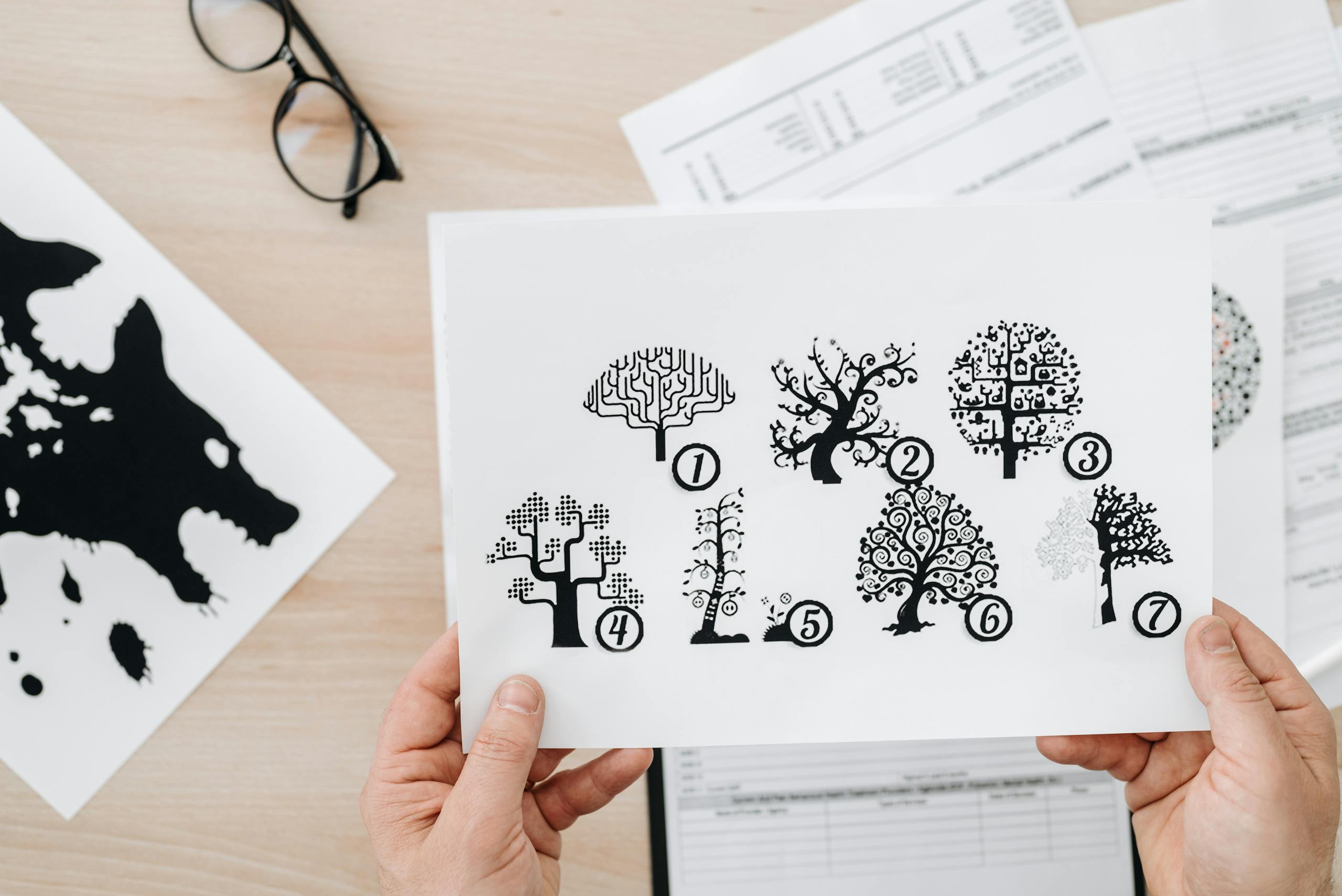

An INFJ managing a poor performer faces one of the sharpest tensions in leadership: the pull between deep empathy and the honest accountability that actually helps someone grow. Most INFJs can see exactly what’s going wrong with a struggling team member, often before anyone else does, yet the path from that quiet observation to a direct, productive conversation feels almost physically painful. fortunatelyn’t that this tension disappears. It’s that understanding your wiring gives you a real advantage in handling it well.
If you haven’t yet identified your personality type, take our free MBTI test to confirm whether you’re an INFJ and get a clearer picture of the instincts shaping how you lead.
What follows is a practical look at how INFJs can manage underperformance without abandoning their values, and without letting compassion become an excuse to avoid the conversation that needs to happen.
Our INFJ Personality Type hub covers the full landscape of how this type shows up in relationships, communication, and leadership. Managing a poor performer sits at the intersection of all three, which is exactly why it deserves its own focused treatment.
Why Does Managing Underperformance Feel So Complicated for an INFJ?
There’s a particular kind of internal weather that settles in when an INFJ leader knows a performance conversation can’t be delayed any longer. I’ve felt it. You’ve probably felt it too. It’s not quite dread, not quite guilt, but some layered combination of both, mixed with genuine concern for the person on the other side of the table.
What’s your personality type?
Take our free 40-question assessment and get a detailed personality profile with dimension breakdowns, context analysis, and personalised insights.
Discover Your Type8-12 minutes · 40 questions · Free
INFJs are wired to process the world through a lens of deep empathy and pattern recognition. You notice the small slump in someone’s posture before a meeting. You pick up on the shift in their energy three weeks before their numbers start to slide. You’ve already run seventeen mental simulations of how the conversation might go, and in most of them, someone ends up hurt. That sensitivity is a genuine leadership asset. It also makes the act of delivering hard feedback feel heavier than it probably should.
Part of what’s happening is that INFJs tend to absorb the emotional reality of other people almost involuntarily. A 2020 study published in PMC on emotional processing and empathy found that high-empathy individuals often experience vicarious distress when anticipating conflict, which can trigger avoidance behaviors even when the person genuinely wants to address the issue. For INFJs, this isn’t weakness. It’s a feature of how you’re built. The challenge is learning to act from your values rather than from the discomfort.
At my agency, I managed a senior copywriter who had been one of our best people for years. Somewhere around his fourth year with us, his work started slipping. Deadlines missed, concepts thin, client feedback getting sharper. I watched it happen for about six weeks before I said anything. Not because I didn’t care. Because I cared so much that I kept hoping the situation would resolve itself and spare us both the awkwardness. It didn’t. And by the time I finally sat down with him, the problem was harder to fix than it would have been if I’d moved sooner.
That experience taught me something I now consider foundational: delayed honesty isn’t kindness. It just defers the pain while compounding the cost.
What Does the INFJ’s Natural Approach to Conflict Actually Cost Them as a Manager?
INFJs have a complicated relationship with conflict. Most of us don’t avoid it because we’re conflict-averse in the way people assume. We avoid it because we’ve already processed the emotional weight of it so thoroughly in our heads that engaging in it feels like re-entering a space we’ve already exhausted ourselves in. That distinction matters when you’re managing someone who isn’t performing.
The hidden cost of keeping the peace as an INFJ is real and specific. Every time you soften the feedback, redirect the conversation, or decide today isn’t the right day to bring it up, you’re making a small withdrawal from your own integrity account. Over time, those withdrawals add up. You start to resent the person you’re protecting. You start to feel like a fraud in your own leadership role. And the team member you’re trying to spare? They often sense something is off without knowing what it is, which creates its own kind of anxiety.
I’ve seen this pattern play out at the agency level more times than I’d like to admit. A project manager who kept assigning a weak account executive to smaller clients rather than addressing the performance gap directly. A creative director who rewrote a junior designer’s work every single week instead of having the conversation about skill development. Both of them thought they were being kind. Both of them were actually prolonging a situation that was quietly damaging everyone involved.
The American Psychological Association’s research on chronic workplace stress is clear that unresolved interpersonal tension is one of the most persistent sources of occupational strain. For INFJs, who already carry a heavier internal emotional load than most, allowing underperformance conversations to linger unaddressed isn’t just bad management. It’s a slow drain on your own wellbeing.

How Can an INFJ Prepare for a Performance Conversation Without Over-Thinking It?
Preparation is where INFJs actually have a structural advantage, if they use it correctly. The trap is using preparation as a form of procrastination, running through every possible scenario until the conversation feels so loaded that you never quite start it. The goal is preparation that grounds you, not preparation that paralyzes you.
Start with specifics. INFJs can sometimes speak in impressions and patterns, which are real and accurate, but which land differently in a performance conversation than concrete examples do. Before you sit down with someone, write out three to five specific, observable instances of the behavior or output you’re addressing. Not “your work has been inconsistent lately” but “the Henderson brief was submitted two days late, the revisions on the Calloway project required four rounds when our standard is two, and the Q3 report had three factual errors that the client flagged.” Specifics protect both of you. They make the conversation about behavior, not character, which is where INFJs naturally want to take it anyway.
One thing I started doing in my later agency years was writing what I called a “north star statement” before any difficult performance conversation. One sentence that captured what I genuinely wanted for this person. Something like: “I want Marcus to succeed in this role, and that means he needs to hear the truth about what’s standing in his way.” Reading that sentence before walking into the room shifted something in me. It reminded me that honesty was the empathetic choice, not the harsh one.
Being aware of your communication patterns before you enter the room also matters. The INFJ communication blind spots that quietly undermine you include a tendency to over-qualify feedback, to soften critical information so thoroughly that the core message gets lost, and to assume the other person has understood something they actually haven’t. In a performance conversation, those habits can mean the employee walks out thinking things went fine while you walk out knowing nothing actually changed.
What Does a Productive Performance Conversation Actually Look Like for an INFJ Manager?
There’s a structure that tends to work well for INFJs in performance conversations, partly because it aligns with how you naturally think, and partly because it keeps the conversation from drifting into either emotional avoidance or emotional overwhelm.
Open with genuine intent. INFJs are credible when they speak from a place of real care, so lead with it. Not as a softening tactic, but as an honest statement of purpose. “I want to talk with you about some patterns I’ve been noticing because I think you’re capable of more, and I want to help you get there.” That’s not soft. That’s accurate. And it sets a tone that’s different from the standard HR-flavored performance conversation most people dread.
Then be direct. State the specific issue clearly, without the qualifications that dilute it. This is where many INFJs stumble. The instinct to cushion the message is strong, but the person in front of you deserves to understand exactly what you’re seeing. A 2019 review published in PubMed Central on feedback effectiveness found that clarity and specificity in feedback delivery are the two factors most strongly correlated with behavioral change. Vague feedback, however kindly delivered, rarely produces the outcome either party wants.
After stating the issue, shift to listening. This is where INFJs genuinely excel. You’re good at reading what’s beneath the surface of what someone says, at noticing when someone’s explanation doesn’t quite match their affect, at asking the follow-up question that gets to the real issue. A struggling employee often has context you don’t have. Maybe there’s something happening at home. Maybe they’ve been unclear on expectations. Maybe they’re in the wrong role entirely. Your natural depth of listening can surface information that changes how you approach the solution.
Close with clarity about what happens next. What specifically needs to change, by when, and what support you’re offering. This is non-negotiable. An INFJ’s warmth in the conversation can sometimes create ambiguity about consequences, which isn’t fair to the employee. They need to leave knowing exactly where things stand.

How Does the INFJ Tendency to Door Slam Complicate Long-Term Performance Management?
Here’s the part that doesn’t get talked about enough. INFJs can be extraordinarily patient with underperformance for a long time, and then, when that patience runs out, it runs out completely. The emotional door slams shut. The person who was getting every benefit of the doubt suddenly gets none. That shift can happen so fast that the employee doesn’t understand what changed, and it can create real fairness problems in a management context.
Understanding why INFJs door slam and what the alternatives look like is essential for anyone in a leadership role. The door slam in a management context doesn’t always look like a dramatic rupture. Sometimes it looks like quietly deciding a person is unsalvageable and going through the motions of a performance improvement plan you’ve already emotionally abandoned. That’s not fair to the employee, and it’s not consistent with the values most INFJs hold about treating people with dignity.
The antidote is earlier, smaller conversations. Not waiting until you’ve accumulated enough frustration to justify the hard talk, but addressing things as they arise, before the emotional weight builds to a tipping point. This is genuinely difficult for INFJs because those smaller conversations feel disproportionately costly in the moment. But they’re far less costly than the alternative: either a prolonged situation that drains everyone, or a sudden shift that feels arbitrary to the person on the receiving end.
One of the most useful reframes I’ve found is thinking of early feedback as a form of respect. Telling someone early that something isn’t working says: I believe you can handle this information, and I respect you enough not to let it fester. That framing sits much more comfortably with INFJ values than the framing of feedback as confrontation.
What Role Does INFJ Influence Play When Formal Authority Isn’t Enough?
Sometimes the most challenging performance situations aren’t ones where you have clear authority to act. Maybe the underperformer is a peer you’re collaborating with on a project. Maybe they’re in a different reporting structure and you’re trying to manage the impact on your team without overstepping. Maybe you’re a newer manager and you’re still building the relational credibility to have these conversations land with weight.
This is where the INFJ’s particular brand of influence becomes genuinely powerful. Understanding how quiet intensity works as a form of INFJ influence reframes what you bring to these situations. You don’t need volume or positional power to shift behavior. You need consistency, credibility, and the ability to make someone feel genuinely seen, even while holding them to a standard.
At one point in my agency career, I had a situation where a client-side contact was consistently undermining our team’s work, not through malice but through disorganization and a habit of changing direction mid-project. I didn’t have authority over this person. What I had was a relationship built on genuine interest in what they were trying to accomplish, and a clear-eyed view of how their behavior was creating problems. Over several conversations, I was able to shift the dynamic not by asserting authority but by making the cost of the pattern visible and offering a better alternative. The INFJ’s ability to see the whole picture and communicate it without blame is a real form of leverage.
A 2021 study from Harvard’s organizational behavior research found that leaders who combine high empathy with clear performance standards consistently produce better employee outcomes than those who rely on either quality alone. INFJs who learn to hold both qualities simultaneously, warmth and clarity, aren’t compromising their nature. They’re expressing the most complete version of it.

What Can INFJs Learn From How INFPs Handle Similar Situations?
INFJs and INFPs share enough DNA that the challenges often look similar from the outside. Both types lead with values, both feel the weight of difficult conversations acutely, and both can struggle with the gap between what they know needs to be said and what they actually say in the moment. That said, the internal experience is quite different, and understanding that difference can be clarifying for INFJs trying to develop their approach.
INFPs often struggle with a particular pattern in difficult conversations: the tendency to take the other person’s reaction personally, to feel as though the conflict itself is a referendum on their worth as a person. If you’re curious about how that plays out, the piece on why INFPs take conflict so personally offers a useful window into a related but distinct set of challenges.
INFJs, by contrast, tend to struggle less with taking conflict personally and more with the anticipatory weight of it. The INFJ pre-processes the emotional landscape of a difficult conversation so thoroughly before it happens that by the time the actual conversation arrives, there’s a kind of emotional depletion that makes it hard to stay fully present. Recognizing that pattern is the first step toward interrupting it.
What INFJs can borrow from the INFP experience is a sharper awareness of how values show up in the moment of conflict. The approach to hard conversations that INFPs use to stay grounded emphasizes anchoring to a core value before entering difficult territory. For INFJs, that same anchor can serve as a counterweight to the emotional pre-processing that otherwise dominates. Knowing what you stand for, specifically, in this conversation, with this person, on this day, gives you something concrete to return to when the discomfort peaks.
When Should an INFJ Manager Involve HR or Escalate a Performance Issue?
One of the places INFJs can get into trouble as managers is trying to handle everything through the relationship. The empathy and the genuine desire to protect the employee’s dignity can make formal processes feel cold or punitive, so the INFJ delays involving HR, delays documenting the issue, delays putting anything in writing. That instinct, while understandable, can create real problems.
Formal documentation isn’t the opposite of compassion. It’s actually a form of fairness. When performance issues are documented clearly and consistently, the employee has a record of what was discussed, what was agreed to, and what the timeline looks like. That clarity protects them as much as it protects you. It means the process can’t be rewritten later by memory or emotion.
According to the Bureau of Labor Statistics Occupational Outlook Handbook, management and leadership roles increasingly require documented performance management processes as a baseline expectation. This isn’t just bureaucratic overhead. It’s the infrastructure that makes fair treatment possible at scale.
Escalate when the behavior is affecting other team members, when there are legal or compliance dimensions, when you’ve had the same conversation more than twice without meaningful change, or when you notice your own objectivity starting to erode. That last one is particularly important for INFJs. Your deep investment in the people you lead can sometimes make it hard to see a situation clearly after a certain point. A second set of eyes, whether from HR, a mentor, or a trusted peer, isn’t a sign of failure. It’s good judgment.
How Does an INFJ Protect Their Own Wellbeing While Managing a Difficult Performance Situation?
This question doesn’t get asked often enough in leadership conversations, and it matters especially for INFJs. Managing someone through a performance improvement process, or through a termination, is emotionally costly. It takes something from you. Acknowledging that isn’t self-indulgent. It’s accurate.
The Psychology Today overview of introversion and emotional processing notes that introverted personality types tend to experience interpersonal stress more deeply and require more recovery time after emotionally demanding interactions. For an INFJ managing a prolonged performance situation, that means building in deliberate recovery, not as a luxury but as a functional requirement for staying effective.
What that looks like in practice varies. For me, it meant being intentional about what I scheduled after a difficult conversation. I learned not to stack a performance discussion directly before a client presentation or a team all-hands. I needed at least an hour of quiet processing time between something emotionally heavy and something that required me to be fully present and outward-facing. That’s not weakness. That’s knowing how your instrument works.
It also means being honest with yourself about when a situation is affecting your broader leadership. If you’re finding that the weight of one difficult performance situation is bleeding into how you show up for the rest of your team, that’s a signal worth paying attention to. Seek support from a mentor, a coach, or if the situation warrants it, a professional. Psychology Today’s therapist directory is a solid starting point if you’re looking for someone who specializes in leadership stress and emotional burnout.

What Happens After the Conversation: Following Through as an INFJ
The conversation itself is only part of the challenge. What happens in the weeks that follow is where INFJ managers often struggle most. The relief of having finally addressed the issue can create a false sense of resolution. The follow-through, the check-ins, the documentation, the next hard conversation if things don’t improve, requires a kind of sustained engagement that can feel exhausting when you’ve already spent so much emotional energy getting to the first conversation.
Build a simple structure and stick to it. Weekly check-ins don’t have to be long or heavy. A fifteen-minute touchpoint that covers what’s going well and where the challenges are keeps the conversation alive without requiring you to summon a fresh wave of emotional preparation each time. Consistency signals that you’re serious without requiring every interaction to carry the weight of a formal performance review.
The cognitive functions that shape INFJ leadership, well described in Truity’s guide to MBTI cognitive functions, include Ni (introverted intuition) as the dominant function. That function is excellent at seeing long-term patterns and outcomes, which means INFJs often have a clear sense of where a performance situation is heading before the evidence fully confirms it. Trust that sense. If your intuition is telling you that the improvement isn’t real, that the person is going through the motions rather than genuinely changing, take that seriously. Combine it with the observable evidence, and act on what you know.
And if the situation ends in a termination, give yourself permission to grieve it. That might sound strange, but INFJs who have invested genuine care in someone’s development often experience a real loss when that relationship ends badly. That grief is appropriate. It doesn’t mean you made the wrong decision. It means you’re the kind of leader who actually cares about the people you manage, and that’s not a flaw. It’s the foundation of the leadership style that, when wielded with clarity and courage, produces teams that are genuinely loyal and genuinely good.
There’s much more to explore about how this personality type shows up across every dimension of work and relationships. Our complete INFJ Personality Type resource hub is a good place to keep building that understanding.
About the Author
Keith Lacy is an introvert who’s learned to embrace his true self later in life. After 20 years in advertising and marketing leadership, including running agencies and managing Fortune 500 accounts, Keith now channels his experience into helping fellow introverts understand their strengths and build fulfilling careers. As an INTJ, he brings analytical depth and authentic perspective to every article, drawing from both professional expertise and personal growth.
Frequently Asked Questions
Why do INFJs struggle so much with managing poor performers?
INFJs process other people’s emotions deeply and almost involuntarily, which means anticipating a difficult performance conversation triggers genuine vicarious distress. Combined with the INFJ tendency to pre-process conflict thoroughly before engaging in it, this creates a pattern where the emotional cost of the conversation feels very high before it even begins. The challenge isn’t lack of awareness, INFJs usually see performance problems early. It’s converting that awareness into timely, direct action despite the emotional weight of doing so.
How can an INFJ give feedback without softening it so much that the message is lost?
The most effective approach is grounding feedback in specific, observable examples rather than impressions or patterns. Before the conversation, write out three to five concrete instances of the behavior you’re addressing. In the conversation itself, state the issue clearly before offering context or support. INFJs naturally want to lead with empathy, and that’s valuable, but the empathy lands better when the person receiving it understands exactly what behavior is being discussed. Clarity is a form of respect, not a departure from it.
What is the INFJ door slam, and how does it affect performance management?
The INFJ door slam is the pattern of withdrawing completely from a relationship after a threshold of frustration or disappointment has been crossed. In a management context, it often shows up as quietly deciding a person is unsalvageable while continuing to go through the formal motions of a performance process. This creates a fairness problem because the employee may not realize the relationship has fundamentally shifted. The antidote is addressing issues earlier and in smaller increments, before the emotional weight builds to a tipping point that triggers the door slam response.
When should an INFJ manager involve HR in a performance situation?
Involve HR when the behavior is affecting other team members, when there are legal or compliance dimensions to the situation, when you’ve had the same substantive conversation more than twice without meaningful change, or when you notice your own objectivity starting to erode. INFJs sometimes delay formal processes because they feel cold or punitive, but documentation actually protects the employee as much as the manager by creating a clear, shared record of what was discussed and agreed to. Formal process and genuine care are not mutually exclusive.
How can an INFJ manager protect their own emotional wellbeing during a prolonged performance situation?
INFJs require genuine recovery time after emotionally demanding interactions, and managing a prolonged performance situation is consistently emotionally demanding. Build in deliberate recovery by not scheduling emotionally heavy conversations back-to-back with high-stakes outward-facing commitments. Maintain a simple, consistent check-in structure so you’re not summoning a fresh wave of emotional preparation for every interaction. Seek support from a mentor, coach, or therapist if the situation is bleeding into how you show up for the rest of your team. Knowing how your emotional instrument works and managing accordingly is good leadership, not self-indulgence.