
An introvert is a person who gains energy from solitude and internal reflection, rather than from social interaction. Coined by psychologist Carl Jung in the early 20th century, the term describes one end of a personality spectrum. Introverts tend to think deeply, prefer meaningful conversation over small talk, and need quiet time to recharge after social activity. Roughly one-third to one-half of the population identifies this way.
That definition, clean as it is, barely scratches the surface. Introvert meaning gets misrepresented constantly, lumped in with shyness, social anxiety, or a preference for being alone. None of those are quite right. What the word actually describes is something more specific: a neurological wiring that shapes how you process the world, form relationships, and find meaning.
I spent most of my career in advertising, running agencies and managing Fortune 500 accounts, before I fully understood what it meant to be wired this way. Knowing the real definition didn’t just satisfy curiosity. It changed how I understood my own patterns, my energy levels, and why certain environments felt draining while others felt clarifying.

Our Understanding Introversion hub covers the full landscape of this personality type, from science to self-acceptance. This article focuses specifically on what the introvert definition means in practical terms, including the characteristics, science, and common misconceptions that shape how introverts experience everyday life.
- Introversion is neurological wiring that determines energy restoration, not shyness or social anxiety.
- Recognize that social interaction depletes introvert energy while solitude and quiet restore it.
- Stop confusing introversion with disorder, deficiency, or temporary phase; it’s a stable trait.
- Understand Carl Jung’s century-old framework still holds in modern personality psychology research today.
- Accept that introversion shapes how you process the world and form meaningful relationships.
What Does Introvert Actually Mean?
Carl Jung introduced the terms introvert and extrovert in his 1921 work Psychological Types. His framework described introversion as an inward orientation of energy and attention, a tendency to focus on one’s own thoughts, feelings, and inner world rather than the external environment. That foundational concept has held up remarkably well over a century of psychological research.
What’s your personality type?
Take our free 40-question assessment and get a detailed personality profile with dimension breakdowns, context analysis, and personalised insights.
Discover Your Type8-12 minutes · 40 questions · Free
Modern psychology, particularly the Big Five personality model, treats introversion as the lower end of the extraversion dimension. A 2021 American Psychological Association overview of personality research confirms that this dimension is one of the most consistently measured traits across cultures and age groups. Introversion isn’t a disorder, a deficiency, or a phase. It’s a stable personality characteristic.
At its core, introvert meaning comes down to energy: where you get it, and what depletes it. Social interaction costs introverts more cognitive and emotional energy than it does extroverts. Solitude, quiet, and internal processing restore that energy. That’s the functional definition. Everything else, the deep thinking, the preference for small groups, the discomfort with prolonged small talk, flows from that central dynamic.
What Are the Core Characteristics of an Introvert?
Introvert characteristics show up differently across individuals, but several patterns appear consistently. Understanding these traits helps distinguish introversion from related concepts like shyness or social anxiety, which are separate phenomena with different causes and implications.
Energy Restoration Through Solitude
After a long day of meetings or social events, introverts need time alone to feel like themselves again. This isn’t antisocial behavior. It’s a biological need. A 2012 study published in the National Institutes of Health database found differences in dopamine sensitivity between introverts and extroverts, suggesting that introverts reach stimulation thresholds more quickly, making quiet environments genuinely restorative rather than simply preferred.
I noticed this pattern clearly during a stretch when I was running a mid-sized agency. Back-to-back client presentations were energizing in the moment, but by Thursday afternoon I was operating on empty in a way my extroverted colleagues weren’t. Scheduling deliberate recovery time wasn’t a luxury. It was what kept me functional.
Depth of Processing
Introverts tend to process experiences thoroughly before responding. Where an extrovert might think out loud, working through ideas in conversation, an introvert typically needs time to reflect before they feel ready to contribute. This can be misread as hesitation or disengagement, but it’s actually a sign of careful, layered thinking.
Psychologist Elaine Aron’s research on highly sensitive people, which overlaps significantly with introversion, found that introverts process sensory and emotional information more deeply than extroverts. That depth is a genuine cognitive strength, even when it looks like slowness from the outside.
Preference for Meaningful Connection
Most introverts aren’t antisocial. They’re selectively social. Large parties, networking events, and surface-level small talk feel draining not because people are unpleasant but because the interaction doesn’t go deep enough to feel worthwhile. A one-on-one conversation about something that actually matters? That’s a completely different experience.
This preference for depth over breadth shapes friendships, professional relationships, and communication styles. Introverts often have smaller social circles and invest more deeply in each relationship within them.
Rich Inner Life
A strong inner world is one of the most consistent introvert characteristics. Introverts spend considerable time in reflection, often replaying conversations, anticipating scenarios, or working through ideas mentally before acting on them. This internal orientation supports creativity, self-awareness, and long-term planning, but it can also tip into overthinking when left unchecked.

Thoughtful Communication Style
Introverts often choose words carefully and prefer written communication to spontaneous verbal exchange. They’re more likely to listen attentively before speaking and to feel uncomfortable with interruptions or rapid-fire group conversations. In professional settings, this can make introverts exceptional writers, strategists, and one-on-one communicators, even when they struggle in open brainstorming sessions or large team meetings.
How Is Introvert Meaning Different From Shyness?
Shyness and introversion get conflated constantly, and the confusion causes real harm. Shyness is a fear of social judgment. It’s anxiety-based, often uncomfortable, and something many shy people actively want to overcome. Introversion is a preference, not a fear. An introvert can be completely confident in social situations while still finding them tiring.
A person can be a shy extrovert (someone who craves social connection but feels anxious about initiating it) or a confident introvert (someone who engages easily in social settings but needs solitude to recover). These are independent dimensions of personality.
The distinction matters because treating introversion as a problem to fix, pushing someone to “come out of their shell” or “be more outgoing,” misunderstands what’s actually happening. Introversion isn’t a shell. It’s a wiring. Psychology Today’s overview of introversion makes this distinction clearly, noting that introversion reflects a stable preference for lower-stimulation environments rather than social fear or avoidance.
What Does Science Say About the Introvert Brain?
Neuroscience has added meaningful depth to the introvert definition over the past two decades. Several consistent findings help explain why introverts experience the world differently at a physiological level.
One well-supported finding involves dopamine sensitivity. Introverts appear to have a more reactive dopamine system, reaching stimulation saturation more quickly than extroverts. Where an extrovert might need a loud, energetic environment to feel engaged, an introvert reaches that same engagement threshold in quieter, less stimulating conditions. This explains why crowded spaces feel overwhelming to many introverts even when nothing objectively negative is happening.
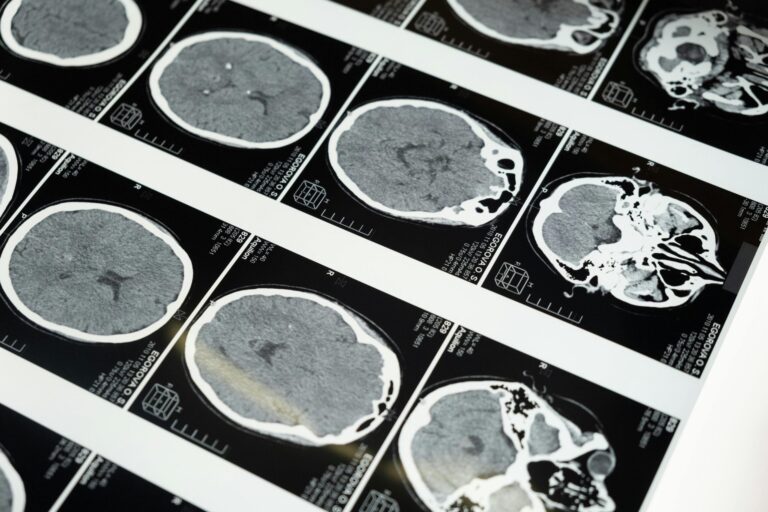
A separate line of research involves blood flow patterns in the brain. Studies using neuroimaging have found that introverts show more activity in regions associated with internal processing, planning, and self-reflection, while extroverts show more activity in areas linked to sensory processing and social reward. These aren’t minor variations. They represent fundamentally different modes of engagement with the world.
Acetylcholine, a neurotransmitter associated with focused attention and long-term memory, also plays a role. Introverts appear to rely more heavily on acetylcholine pathways, which supports deep focus and careful deliberation but can make rapid context-switching more taxing. That’s why an introvert who’s been pulled in and out of meetings all day often feels cognitively depleted in a way that goes beyond ordinary tiredness.
Are There Different Types of Introverts?
Introversion isn’t a single, uniform experience. Psychologist Jonathan Cheek and colleagues proposed a framework identifying four distinct introvert types, each with a different primary characteristic. Understanding which type resonates most can help clarify your own experience.
Social Introvert
The social introvert prefers small groups or one-on-one interaction over large gatherings. This isn’t shyness. It’s a genuine preference for intimacy over scale. Social introverts enjoy people, they just prefer them in smaller doses and in more meaningful contexts.
Thinking Introvert
Thinking introverts are characterized by rich inner lives and a tendency toward introspection, imagination, and self-reflection. They’re often creative, philosophical, and comfortable spending extended time in their own thoughts. This type overlaps significantly with the INTJ and INFJ personality types in the Myers-Briggs framework.
As an INTJ myself, the thinking introvert description fits closely. My most productive work has always happened in long stretches of uninterrupted focus, where I can follow a line of reasoning to its conclusion without external interruption pulling me back to the surface.
Anxious Introvert
The anxious introvert seeks solitude not just for preference but because social situations trigger genuine discomfort or self-consciousness. Unlike shyness, which is primarily fear of judgment, anxious introversion involves a more generalized discomfort with unpredictability and overstimulation. This type benefits most from understanding the difference between introversion and anxiety, since the two can coexist but require different responses.
Restrained Introvert
Restrained introverts move slowly and deliberately. They prefer to think before acting, warm up gradually in new situations, and resist impulsive decisions. They’re often perceived as reserved or cautious, but that measured pace reflects careful processing rather than disengagement.
What Are the Strengths That Come With This Personality Type?
Introversion carries genuine cognitive and interpersonal advantages that often go unrecognized in cultures that reward outward expressiveness and quick responses. Understanding these strengths isn’t about overclaiming or self-congratulation. It’s about seeing clearly what this wiring actually produces.
Deep focus is one of the most practically valuable introvert strengths. In an era of constant distraction, the ability to sustain attention on complex problems for extended periods is increasingly rare and increasingly valuable. A 2012 Harvard Business Review analysis found that introverted leaders often outperform extroverted ones when managing proactive teams, precisely because they listen more carefully and allow team members to develop and execute their own ideas.
Listening is another area where this personality type consistently excels. Introverts tend to be genuinely attentive in conversation, absorbing what’s being said rather than formulating their response while the other person is still talking. In client-facing work, in leadership, and in close relationships, that quality builds trust in ways that are hard to manufacture.
Written communication, creative work, independent research, and analytical thinking all tend to come naturally to people with this wiring. These aren’t consolation prizes for not being extroverted. They’re legitimate strengths that produce real results in the right environments.

What Are the Real Challenges Introverts Face?
Honest reflection on introvert meaning has to include the friction points, not just the strengths. Introverts face genuine challenges in many modern environments, and pretending otherwise doesn’t help anyone.
Open-plan offices, group brainstorming sessions, and cultures that reward visible enthusiasm and rapid verbal contribution all create structural disadvantages for introverts. Performance reviews that equate “confidence” with talking volume, or “leadership potential” with social dominance, systematically undervalue introverted contributions.
Networking is another common pain point. The transactional, surface-level nature of most professional networking events runs directly counter to how introverts build relationships. Many introverts find that building a reputation through consistent, high-quality work and deepening a smaller number of genuine connections produces better results than traditional networking, but that requires a deliberate strategy rather than following conventional career advice.
Social exhaustion is real and worth taking seriously. Pushing through it repeatedly without adequate recovery doesn’t build tolerance. It builds resentment and burnout. A Mayo Clinic overview of burnout notes that chronic overstimulation and lack of recovery time are significant contributors to emotional exhaustion, which maps directly onto what happens when introverts consistently ignore their energy needs.
Early in my career, I tried to perform extroversion because I thought that’s what leadership required. The cost was significant, not just in energy but in authenticity. The work I did during that period was competent, but it wasn’t my best work. My best work came when I stopped treating my introversion as something to compensate for and started treating it as a framework to build around.
How Does Introvert Meaning Apply in Everyday Life?
Understanding the introvert definition isn’t just an intellectual exercise. It has practical implications for how you structure your time, communicate your needs, and build a life that works with your wiring rather than against it.
At work, knowing you’re an introvert means advocating for conditions that support your best performance: focused work blocks, written communication options, advance agendas for meetings, and recovery time after high-stimulation events. These aren’t special accommodations. They’re reasonable adjustments that produce better outcomes.
In relationships, introvert meaning helps explain communication patterns that might otherwise create confusion. Needing time alone after a difficult conversation isn’t rejection. Preferring to text over call isn’t avoidance. Processing internally before sharing isn’t withholding. When partners, friends, and colleagues understand these patterns, misunderstandings decrease significantly.
Parenting an introverted child, or being raised as one, also benefits from clarity about what the definition actually means. Children labeled as “too quiet” or “antisocial” when they’re simply wired for depth and solitude often internalize those labels in damaging ways. The APA’s research on introversion in children notes that introverted children often perform better in quieter, less stimulating educational environments, a finding with real implications for how schools and parents support them.

Is Being an Introvert Something You Can Change?
Personality research consistently shows that introversion is a stable trait, not a phase or a habit. A 2015 longitudinal study in the NIH database tracking personality traits over decades found that core dimensions like introversion-extraversion remain largely consistent across the lifespan, though expression can shift with age and context.
What does change, and what should change, is how well you understand and work with your introversion. Introverts can develop social skills, become effective public speakers, lead teams, and thrive in demanding careers. None of that requires becoming an extrovert. It requires building skills and strategies that work with your wiring, not against it.
The concept of the ambivert is worth noting here: someone who falls near the middle of the introversion-extraversion spectrum, drawing on both orientations depending on context. Most personality researchers estimate that roughly 38% of people are ambiverts. Pure introversion and pure extraversion are the ends of a spectrum, and many people experience both orientations to varying degrees.
Explore more introversion resources in our complete Understanding Introversion hub.
About the Author
Keith Lacy is an introvert who’s learned to embrace his true self later in life. After 20 years in advertising and marketing leadership, including running agencies and managing Fortune 500 accounts, Keith now channels his experience into helping fellow introverts understand their strengths and build fulfilling careers. As an INTJ, he brings analytical depth and authentic perspective to every article, drawing from both professional expertise and personal growth.
Frequently Asked Questions
What is the simplest definition of an introvert?
An introvert is someone who gains energy from solitude and internal reflection rather than from social interaction. After time with others, introverts typically need quiet time alone to restore their mental and emotional energy. The term describes a stable personality orientation, not a mood or a choice.
What are the main characteristics of an introvert?
Core introvert characteristics include a need for solitude to recharge, deep processing of information and emotions, preference for small groups or one-on-one conversation over large social gatherings, a rich inner life, and a thoughtful communication style. These traits appear consistently across cultures and age groups in personality research.
Is introvert the same as shy?
No. Shyness is a fear of social judgment and is anxiety-based. Introversion is a preference for lower-stimulation environments and internal processing. An introvert can be socially confident and still find large gatherings draining. A shy person may crave social connection but feel anxious about pursuing it. The two can overlap but they are distinct traits with different causes.
Can an introvert become an extrovert?
Introversion is a stable personality trait that doesn’t fundamentally change over a lifetime. Introverts can develop strong social skills, become effective communicators, and thrive in demanding social roles, but they will still need solitude to recharge. success doesn’t mean become extroverted. It’s to build a life and career that works with your natural wiring rather than against it.
What percentage of people are introverts?
Estimates vary depending on how introversion is measured, but most personality researchers place the figure between 30% and 50% of the general population. Some estimates suggest that roughly 38% of people fall in the middle of the spectrum as ambiverts, with the remainder distributed toward the introvert or extrovert ends. Introversion is common, not exceptional.