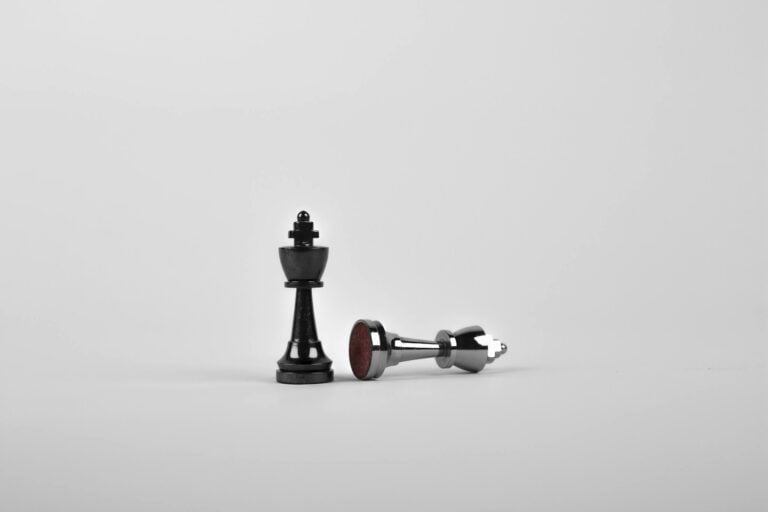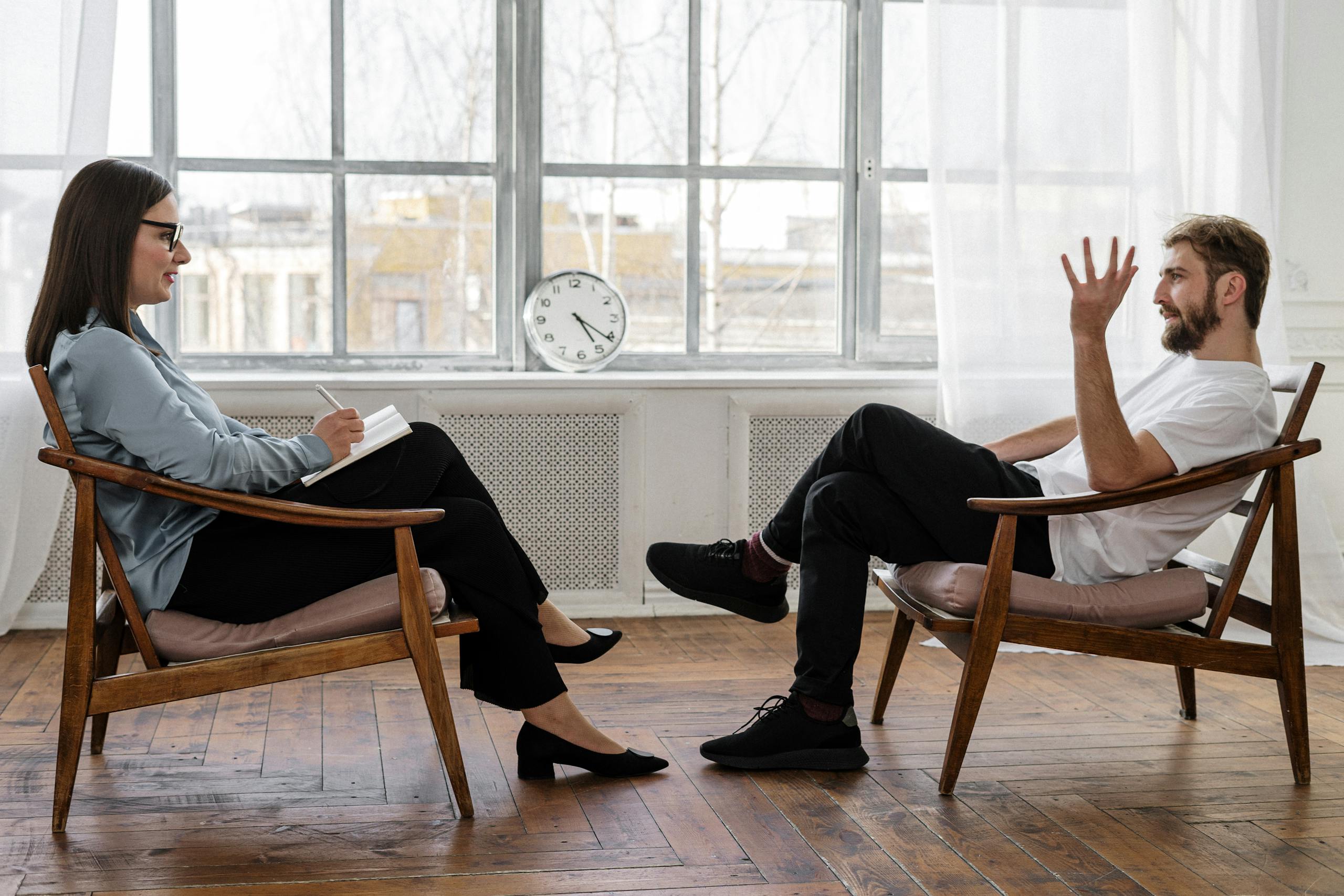

Being an introvert carries real advantages and real disadvantages, and pretending otherwise helps no one. The advantages include deep focus, strong self-awareness, meaningful relationship-building, and the kind of careful thinking that produces work others can’t easily replicate. The disadvantages include social fatigue, a tendency toward isolation when things get hard, and a mental landscape that can turn inward in ways that aren’t always healthy. Both sides are worth understanding clearly.
What I’ve found, after more than two decades in advertising and years of trying to figure out why I operated differently from most of the people around me, is that the advantages and disadvantages of being an introvert aren’t fixed. They shift depending on how much self-awareness you bring to them. The same trait that makes you a brilliant strategic thinker can also make you your own worst critic at two in the morning. Context changes everything.
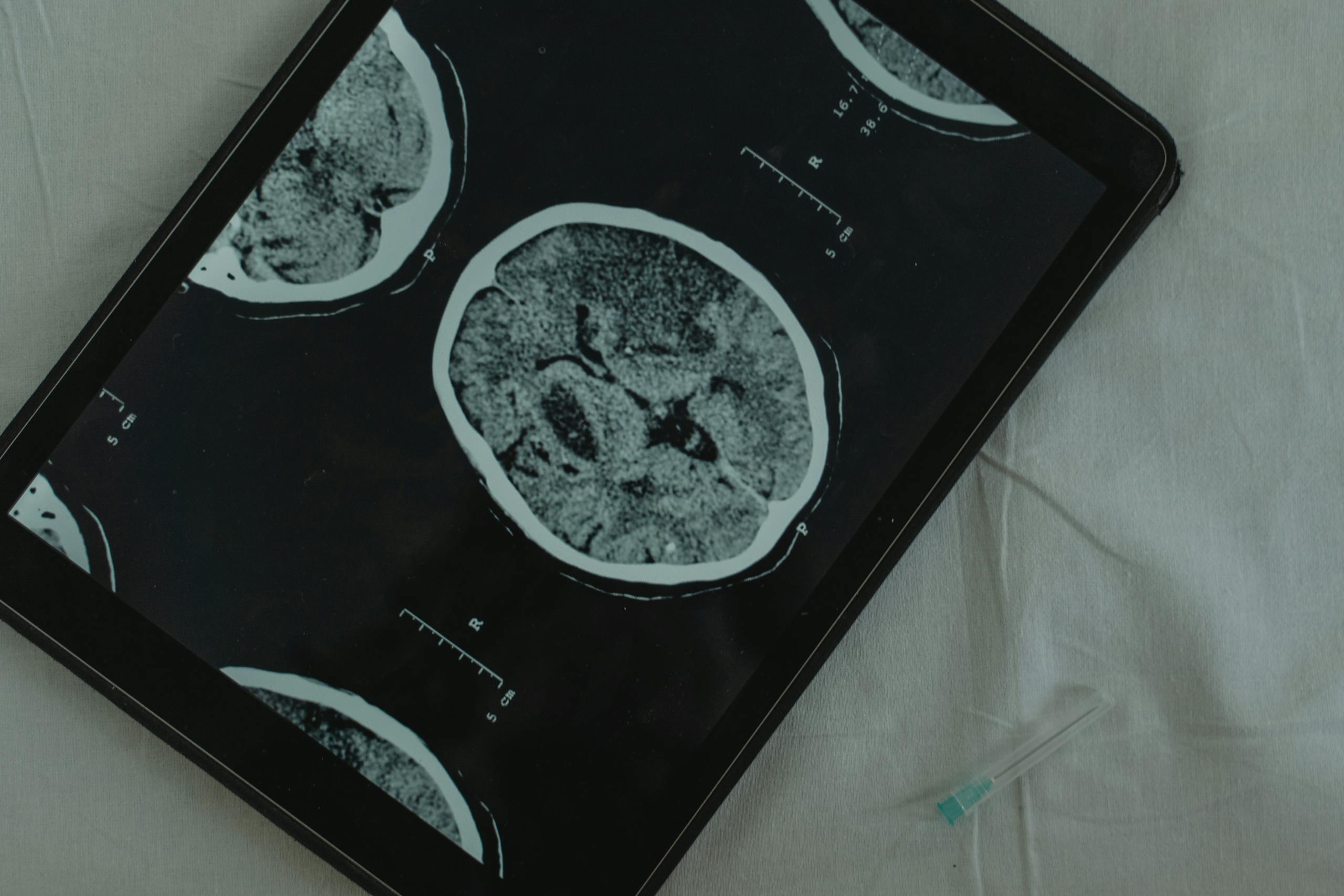
Before we get into the specifics, I want to name something. There’s a meaningful difference between the natural rhythms of introversion and something more serious developing underneath. If you’ve ever wondered where one ends and the other begins, our Depression and Low Mood hub covers that territory in depth, because the intersection of introversion and mental health is one of the most important and least discussed areas for people wired the way we are.
What Are the Real Advantages of Being an Introvert?
I want to start here, not because the challenges don’t matter, but because too many introverts spend years believing they’re broken before they ever get to see what they’re actually capable of. The advantages are genuine, and they show up in ways that have measurable impact on work, relationships, and overall quality of life.
What’s your personality type?
Take our free 40-question assessment and get a detailed personality profile with dimension breakdowns, context analysis, and personalised insights.
Discover Your Type8-12 minutes · 40 questions · Free
Deep concentration is probably the most practically valuable trait in the introvert toolkit. When I was running my agency and we were pitching a major automotive account, I spent three days essentially alone with the brief, the data, and my own thinking. No brainstorming sessions, no whiteboard chaos. What came out of that process was a campaign strategy that my team later said felt like it had been built by someone who actually understood the client’s problem rather than just responded to it. That’s what happens when you can genuinely go deep. A 2020 study published in PubMed Central found that individuals with higher introspective capacity tend to produce more nuanced problem-solving outcomes, which aligns with what I experienced repeatedly across two decades of client work.
Self-awareness is another genuine strength. Most introverts I know have spent so much time inside their own heads that they’ve developed a finely tuned understanding of their own reactions, biases, and patterns. That’s not navel-gazing. That’s emotional intelligence built through sustained internal observation. The American Psychological Association consistently identifies self-awareness as one of the foundational components of psychological resilience, and resilience is exactly what allows people to recover from setbacks rather than be defined by them.
Introverts also tend to form fewer but significantly deeper relationships. I had a client relationship with a marketing director at a Fortune 500 food company that lasted eleven years. We weren’t the flashiest agency she worked with. We weren’t the most entertaining in a room. But she trusted us completely because we listened in a way that most agencies didn’t. We noticed things. We remembered details. We followed through on small commitments because we’d actually been paying attention when she mentioned them. That’s an introvert advantage playing out in a business context, and it’s not small.
Careful, considered communication is another one worth naming. Introverts tend to speak less and mean more. In meetings, in writing, in difficult conversations, the words we choose have usually been thought through rather than just produced. That precision builds credibility over time, even if it sometimes gets misread as aloofness in the short term.

What Are the Genuine Disadvantages Introverts Face?
Being honest about this matters. Sugarcoating the disadvantages doesn’t serve anyone, and I’ve spent enough time pretending certain things weren’t problems to know that avoidance makes them worse.
Social fatigue is real and it has practical consequences. When I was managing a team of eighteen people at the agency, there were weeks where I had back-to-back client calls, internal reviews, and new business presentations stacked across five days. By Thursday afternoon, I was so depleted that I could feel my thinking become slower and my patience thin. I’d make decisions I’d later regret, not because I lacked the skill, but because I was running on empty in a way that my more extroverted colleagues simply weren’t. The energy cost of sustained social engagement is a genuine disadvantage in environments that reward constant availability and high-volume interaction.
The tendency to withdraw under stress is another one. When things go wrong, many introverts pull inward rather than reaching outward. That can look like quiet resilience from the outside, but internally it often means processing difficulty alone for longer than is healthy. There’s a real risk that what starts as necessary solitude becomes prolonged isolation. If you’ve ever felt that line blur, the piece on introversion vs depression addresses exactly that distinction in a way that I found genuinely clarifying when I first read it.
Overthinking is a significant disadvantage, and I say that as someone who has lost sleep, second-guessed good decisions, and talked myself out of opportunities because my brain refused to stop running scenarios. A 2019 analysis from the National Center for Biotechnology Information identified repetitive negative thinking as a transdiagnostic risk factor across anxiety and depression, meaning it’s not just unpleasant, it’s a genuine mental health concern when it becomes chronic. For introverts whose default mode is internal processing, the line between productive reflection and destructive rumination can be harder to see from the inside. The connection between overthinking and depression is something worth understanding clearly, because catching that pattern early makes a real difference.
Visibility is another practical challenge. In most professional environments, advancement correlates with being seen, being vocal, and being comfortable with self-promotion. None of those come naturally to most introverts. I watched people at my agency get credit for ideas they’d barely contributed to because they were louder in the room. Meanwhile, some of my quietest strategists were doing the most sophisticated thinking in the building and getting passed over for recognition. That’s not fair, and it’s not a small disadvantage in a world that still largely rewards extroverted performance.
How Does Introversion Interact With Mental Health?
This is where the conversation gets important and where a lot of introvert content gets it wrong by either catastrophizing or dismissing the connection entirely.
Introversion is not a mental health condition. It’s a personality trait describing where you draw energy from and how you prefer to process the world. A person can be deeply introverted and psychologically healthy. Full stop. At the same time, certain aspects of introversion create specific vulnerabilities that are worth being clear-eyed about.
The preference for solitude, which is genuinely restorative for introverts, can become a mechanism for avoiding discomfort when things get hard. Solitude and isolation feel similar from the inside but produce very different outcomes over time. A 2014 study in PubMed Central found that social withdrawal, even when chosen rather than imposed, was associated with increased depressive symptoms when it became a consistent pattern rather than a temporary recovery strategy.
There’s also the specific challenge of introverts who are highly structured in their thinking, particularly those who share traits with ISTJ types, where the internal world can become a trap rather than a refuge. If you identify with that pattern, the piece on ISTJ depression captures something important about how a highly ordered mind can still turn against itself in ways that are hard to predict.
What I’ve noticed in my own experience is that the mental health risks associated with introversion tend to cluster around three things: prolonged isolation, chronic overthinking, and the specific exhaustion that comes from spending years performing an extroverted version of yourself. That last one is underestimated. Masking your natural style for years takes a toll that shows up in ways you don’t always connect to the cause.

Can the Disadvantages of Introversion Be Managed Effectively?
Yes, and I think the framing of “managing” is actually more useful than trying to “fix” or “overcome” them, because most of these traits aren’t going away. What changes is how much awareness and intentionality you bring to them.
Social fatigue becomes more manageable when you stop treating it as a character flaw and start treating it as a logistical reality. At the agency, once I accepted that I needed genuine recovery time after high-demand social periods, I started building that into my schedule rather than hoping I’d somehow not need it. I blocked Thursday afternoons. I stopped scheduling back-to-back client calls unless there was genuinely no alternative. The quality of my work in those periods improved noticeably, and my team started getting better versions of me in the room.
The withdrawal tendency requires a more conscious intervention. Identifying two or three people you can be honest with when you’re struggling, and actually using those relationships rather than retreating entirely, makes a significant difference. A 2023 study from Ohio State University found that even minimal social connection during high-stress periods had measurable protective effects on mood and cognitive function. The bar isn’t constant social engagement. It’s maintaining a few key connections even when everything in you wants to go quiet.
Overthinking responds well to what I’d call structured externalization. Getting the loops out of your head and onto paper, not as journaling in a vague sense, but as a specific practice of writing out what you’re worried about and then deliberately setting a time limit on engaging with it, disrupts the cycle in a way that pure willpower rarely does. It also creates a record that lets you see patterns over time, which is actually something introverts tend to find useful rather than threatening.
The visibility challenge in professional environments is trickier because it requires working against a genuine preference. What helped me was finding formats where I could be visible on my own terms. Writing was one. Long-form memos, detailed strategic briefs, thoughtful client emails. Those formats let me demonstrate depth in ways that didn’t require performing in real time. Not every introvert will have the same options, but most environments have at least some channel where careful, considered communication is valued over volume.
What Happens When Introvert Disadvantages Cross Into Something More Serious?
This is the question I wish someone had put to me more directly about ten years into my career. Because there’s a version of introvert challenges that is normal and manageable, and there’s a version that has tipped into something that needs more than self-awareness and schedule adjustments.
The signals that something more serious is happening include: the solitude stops feeling restorative and starts feeling like the only place that’s safe; the overthinking becomes impossible to interrupt regardless of what you try; the low energy that normally follows social demands starts being present even after real rest; and the things that usually matter to you stop mattering. Those aren’t introvert traits. Those are symptoms worth taking seriously.
One of the most useful distinctions I’ve come across is between introvert low mood, which is normal and often tied to specific circumstances, and depression, which has a different texture and a different trajectory. The piece on what’s normal versus what’s not when it comes to introvert sadness and depression is worth reading if you’re trying to locate yourself on that spectrum.
If depression is present, the treatment question matters. A lot of introverts I know have strong opinions about medication, often in the direction of resistance, and I understand that. But the evidence on what actually works is worth engaging with honestly rather than through the lens of what you’d prefer to be true. The breakdown of medication versus natural treatment approaches for depression is one of the more balanced pieces I’ve seen on this, and it doesn’t push you toward any particular answer.
There’s also the specific context of working from home, which many introverts prefer but which creates its own risks when depression is involved. The isolation that feels like a gift in healthy periods can accelerate a downward spiral when things aren’t going well. If that dynamic sounds familiar, the resource on working from home with depression addresses it practically rather than theoretically.

How Do Introvert Advantages Show Up in Ways That Actually Matter?
I want to come back to the strengths side, because I think the most useful thing I can offer here is specificity. Abstract claims about introvert advantages don’t change how you feel about yourself on a hard day. Concrete examples do.
The capacity for deep work is increasingly valuable in an economy that rewards specialized expertise over generalist availability. Cal Newport’s research on deep work, which aligns with what academic research on focused attention has consistently found, suggests that the ability to concentrate without distraction for sustained periods produces disproportionate output quality. Introverts don’t have a monopoly on this, but the preference for quiet, uninterrupted work environments means many introverts have been practicing this skill their entire lives without realizing it had a name or a market value.
The listening advantage is real and underrated. A Psychology Today piece by Susan Cain on introvert communication patterns noted that introverts tend to ask more questions and interrupt less, which creates conditions where the other person feels genuinely heard. In client relationships, in management, in personal relationships, that quality builds trust faster than almost anything else. I’ve had clients tell me, years after working together, that what they remembered most was that we actually listened. Not that we were the most creative. Not that we were the most strategic. That we listened.
Independent thinking is another genuine advantage in a world that tends toward groupthink. Introverts are less susceptible to social pressure in decision-making, partly because they spend less time in the social environments where that pressure builds. That independence produces better outcomes in situations that require honest assessment rather than consensus-seeking. I made some of the best strategic calls of my career when I was willing to hold a position that the room wasn’t comfortable with, not because I was contrarian, but because I’d actually thought it through and the evidence supported it.
Written communication is a strength that often goes unrecognized because it’s less visible than verbal performance. Many introverts are significantly better writers than their extroverted counterparts, not because of some innate gift, but because writing suits how they process. The ability to craft a clear, persuasive, precise written communication is a professional advantage that compounds over time, especially as more work moves into asynchronous formats.
What Does It Actually Mean to Embrace Being an Introvert?
Embracing introversion doesn’t mean celebrating every trait uncritically or pretending the disadvantages don’t exist. It means understanding yourself clearly enough to work with your wiring rather than against it, and to recognize when the wiring needs support rather than just optimization.
It took me an embarrassingly long time to stop trying to be a different kind of leader. I hired extroverted people to compensate for what I thought were my deficits. I forced myself into social situations that drained me and then wondered why my thinking was foggy. I performed enthusiasm in client meetings and then sat alone in my car for ten minutes before driving home. None of that made me more effective. It made me more tired and less like myself.
What actually changed things was getting honest about what I was good at, building my work around those strengths, finding people who complemented rather than replicated my style, and paying attention to the signals my own mind and body were sending rather than overriding them constantly. That’s not a dramatic story. It’s just what happens when you stop fighting yourself.
The advantages and disadvantages of being an introvert are real, and they’re yours to work with. Neither side disappears. What changes is your relationship to both.

There’s much more to explore across the full range of introversion and mental health, from recognizing early warning signs to finding approaches that actually help. The complete Depression and Low Mood hub brings all of that together in one place, and it’s worth spending time there if any part of this article resonated with something you’re working through.
About the Author
Keith Lacy is an introvert who’s learned to embrace his true self later in life. After 20 years in advertising and marketing leadership, including running agencies and managing Fortune 500 accounts, Keith now channels his experience into helping fellow introverts understand their strengths and build fulfilling careers. As an INTJ, he brings analytical depth and authentic perspective to every article, drawing from both professional expertise and personal growth.
Frequently Asked Questions
What are the biggest advantages of being an introvert?
The most significant advantages include the capacity for deep, sustained focus on complex problems, strong self-awareness and emotional intelligence, the ability to form deep and trusting relationships, careful and precise communication, and independent thinking that resists groupthink. These traits translate into measurable professional and personal strengths when they’re understood and applied deliberately rather than apologized for.
What are the main disadvantages of being an introvert?
The genuine disadvantages include social fatigue from sustained interaction, a tendency to withdraw under stress which can become unhealthy isolation, chronic overthinking that can escalate into rumination and anxiety, reduced visibility in environments that reward extroverted performance, and the cumulative exhaustion of spending years performing a version of yourself that doesn’t match your natural style.
Is introversion linked to depression?
Introversion itself is not a mental health condition and does not cause depression. That said, certain introvert tendencies, particularly the preference for solitude and the tendency toward overthinking, can create vulnerability when they become extreme or chronic. Prolonged isolation, repetitive negative thinking, and the stress of masking one’s natural personality over time are all factors that increase mental health risk. Recognizing the difference between normal introvert patterns and symptoms of depression is an important distinction worth understanding clearly.
Can introverts be successful in leadership roles?
Yes, and often in ways that produce different but equally valuable outcomes compared to extroverted leaders. Introverts tend to listen more carefully, think before acting, build strong one-on-one relationships with team members, and make decisions based on thorough analysis rather than social momentum. The most effective approach for introverted leaders is building around their genuine strengths rather than trying to replicate an extroverted leadership style that doesn’t fit.
How can introverts manage their disadvantages without changing who they are?
Managing introvert disadvantages effectively means working with your wiring rather than against it. Practical approaches include scheduling genuine recovery time after high-demand social periods, maintaining a small number of trusted relationships you can be honest with during difficult times, using structured externalization techniques to interrupt overthinking patterns, finding professional formats that allow you to demonstrate depth on your own terms, and paying attention to when withdrawal shifts from restorative to isolating. None of these require becoming a different person. They require becoming more honest about who you already are.