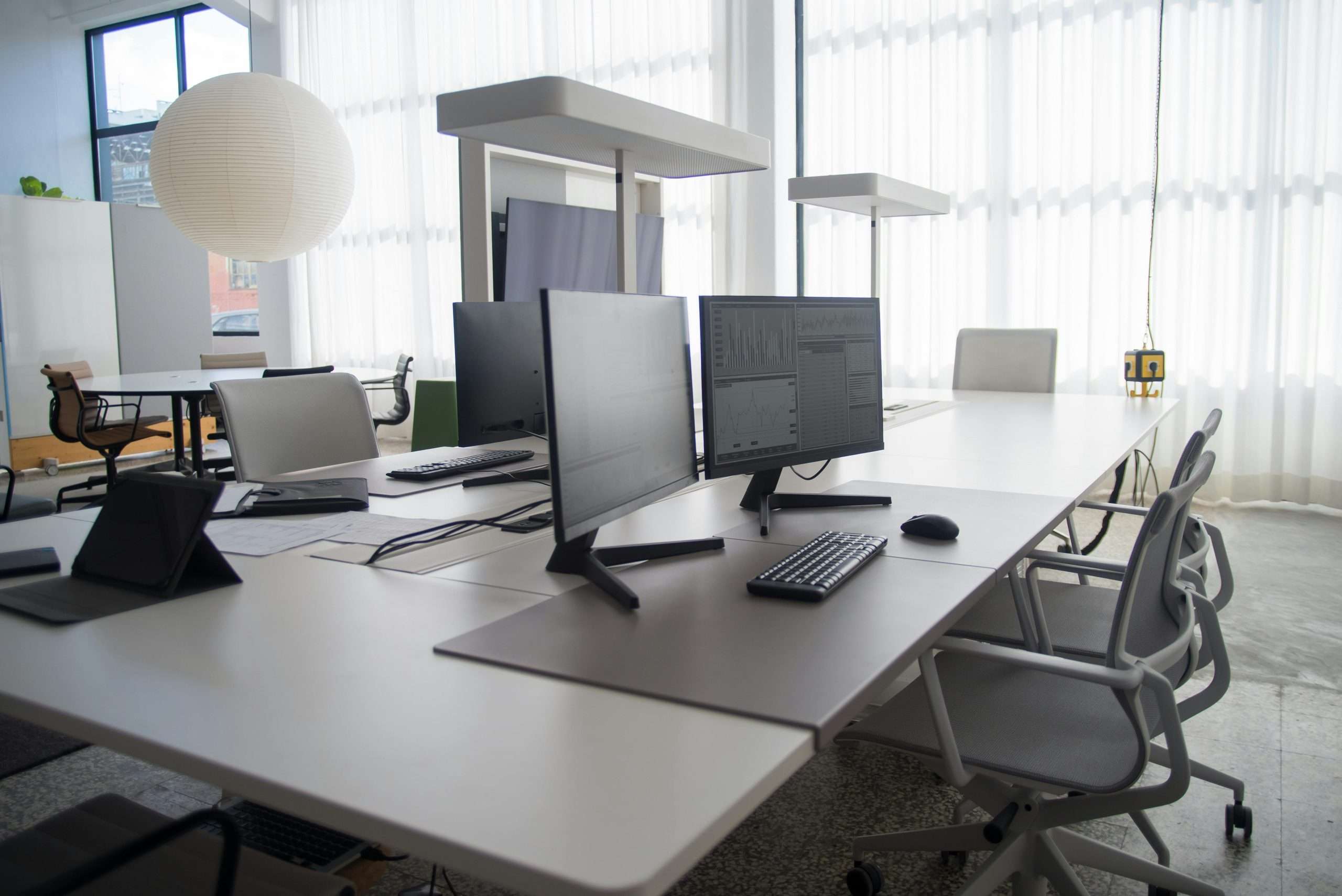
Forty-three percent of the workforce now operates in open office layouts, yet for those of us managing both introversion and ADHD, these buzzing, barrier-free spaces can feel like an impossible puzzle. When I first walked into an agency with wall-to-wall desks and no partitions in sight, I felt my focus scatter before I even reached my chair. The fluorescent lights hummed, keyboards clattered in every direction, and three different conversations competed for my attention simultaneously. That moment crystallized something I had been struggling to articulate for years: my brain simply was not designed for this environment.
Living with both introversion and ADHD creates a unique neurological profile that open offices systematically undermine. Managing these two traits together requires understanding how they interact with physical environments. Your introverted nervous system craves controlled stimulation and quiet processing time, while your ADHD brain struggles to filter out irrelevant sensory input. Open offices deliver the opposite of both needs, creating a double burden that can drain your productivity and mental health faster than almost any other workplace challenge.

Why Open Offices Hit ADHD Introverts Differently
The promise of open offices centered on collaboration and spontaneous innovation. Companies believed that removing walls would tear down communication barriers. A 2018 study published in Philosophical Transactions of the Royal Society B by Harvard researchers Ethan Bernstein and Stephen Turban shattered this assumption entirely. Their research tracked employees before and after transitioning to open layouts, discovering that face-to-face interaction dropped by approximately 70 percent while email usage surged. The very collaboration these spaces were designed to encourage actually decreased dramatically.
For neurotypical employees, this finding was surprising. For ADHD introverts, it confirms what we experience viscerally every workday. The constant visual and auditory stimulation of open offices triggers what researchers call attentional capture, where salient stimuli automatically hijack our focus regardless of relevance. When someone walks past your desk, your ADHD brain cannot simply ignore it. When a colleague laughs at something across the room, your attention involuntarily shifts. These micro-interruptions accumulate throughout the day, fragmenting concentration and exhausting cognitive resources that introverts already need to guard carefully.
During my years running creative teams in advertising agencies, I observed this pattern repeatedly in talented employees who seemed to underperform inexplicably. One art director consistently delivered brilliant work when she arrived early, before the office filled up, then struggled visibly once the open floor became crowded. Another strategist requested permission to work in a vacant conference room during intense project phases. At the time, I attributed these patterns to personal quirks. Now I recognize them as survival strategies for brains that process environmental stimuli more intensely than others.
The Neurological Reality Behind Your Struggles
Understanding why open offices affect ADHD introverts so profoundly requires examining the neurological differences at play. According to research discussed in Psychology Today, introverts’ brains demonstrate naturally higher activity at rest, making them more vulnerable to overstimulation. This baseline state means that environmental noise reaching a level that energizes an extrovert may completely overwhelm an introvert’s processing capacity.
ADHD adds another layer of complexity to this sensitivity. The prefrontal cortex, which handles executive functions like attention regulation and impulse control, operates differently in ADHD brains. This region struggles to maintain focus on chosen tasks while suppressing awareness of peripheral stimuli. Open offices continuously bombard this already challenged system with competing inputs, creating a perfect storm of distraction that no amount of willpower can fully overcome.

The combination means that ADHD introverts experience open offices as fundamentally hostile environments. Where extroverts might find the activity stimulating and even focusing, and where neurotypical introverts might simply find it draining, ADHD introverts face both the sensory overload and the attentional fragmentation simultaneously. Research published in the Journal of Attention Disorders found that individuals with ADHD perform more poorly at work and quit at 200% higher rates than neurotypical peers, with environmental factors playing a significant role in these outcomes.
I experienced this reality during a period when my agency relocated to a trendy converted warehouse with exposed brick and absolutely no interior walls. The aesthetic was stunning, but my productivity cratered. Tasks that previously took an hour stretched into entire afternoons. My thoughts felt like water sloshing in a container, never settling long enough to achieve depth. The frustration compounded because I could not explain the problem in terms that made sense to colleagues who seemed perfectly comfortable in the same space.
Practical Strategies That Actually Work
Surviving and even thriving in open offices as an ADHD introvert requires strategic adaptations that address both your sensory sensitivity and attention challenges. These approaches have helped me and countless others I have worked with transform hostile work environments into spaces where focused work becomes possible again. Effective time management for ADHD introverts starts with controlling your environment rather than fighting against your neurological wiring.
Creating Auditory Boundaries
Noise-canceling headphones represent perhaps the single most impactful investment for ADHD introverts in open offices. Quality noise cancellation can reduce ambient sound by 20 to 30 decibels, creating a zone of relative quiet that allows your brain to focus. According to Medical News Today’s coverage of workplace accommodations, noise-canceling headphones rank among the most commonly recommended and effective tools for employees with ADHD. Comparing options like Sony versus Bose for open office use can help you find the right balance of comfort, battery life, and sound reduction for your specific needs.
Beyond hardware, consider what you pipe through those headphones. Brown noise, pink noise, and nature soundscapes can mask remaining ambient sounds while providing a consistent auditory backdrop that does not compete for attention. Classical music without vocals works for many ADHD introverts, though the optimal choice varies by individual. The goal is creating an auditory environment predictable enough that your brain stops monitoring it, freeing attentional resources for actual work.
Strategic Positioning and Visual Control
Where you sit in an open office matters enormously for ADHD introverts. Corner positions reduce the visual field you must monitor, while seats facing walls eliminate the distraction of watching colleagues pass behind your monitor. Avoiding high-traffic areas like paths to kitchens, bathrooms, or popular meeting rooms can dramatically reduce interruptions from movement in your peripheral vision.
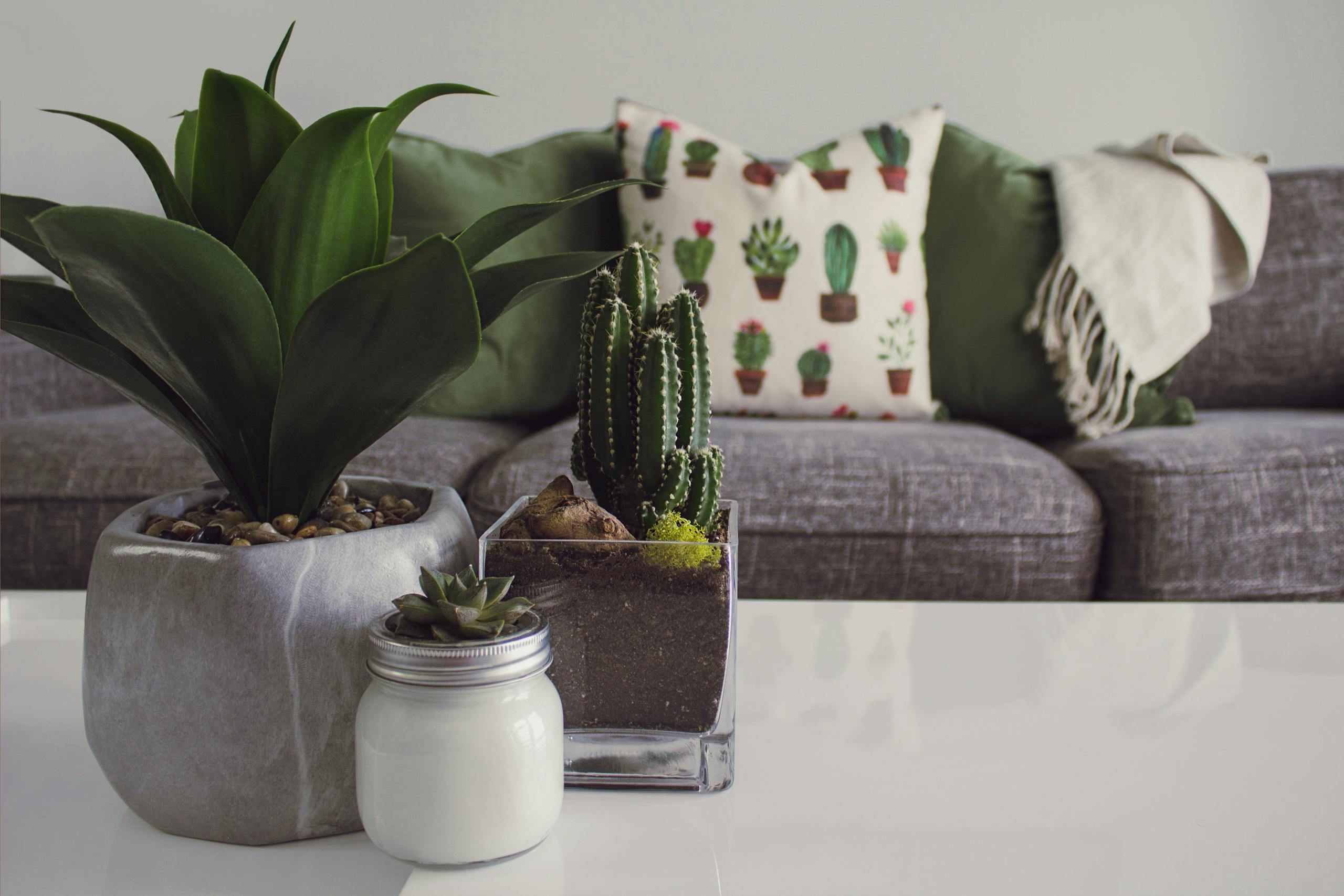
When optimal seating is not available, create visual boundaries with whatever tools you can access. Monitor privacy screens intended for security can also function as blinders, limiting your visual field to your work surface. Strategically placed plants or desk organizers can create subtle barriers that signal “do not disturb” while breaking up sightlines to distracting activity. These modifications may seem minor, but for a brain constantly scanning the environment for novel stimuli, they can provide meaningful relief.
Time Blocking and Environment Matching
ADHD introverts often perform best at non-standard hours when open offices are quieter. Arriving early before the majority of colleagues or staying late after they leave can provide windows of low-stimulation time for your most demanding cognitive work. Fast Company reports that many successful introverts strategically schedule high-concentration tasks during these quieter periods, reserving busier hours for meetings and collaborative activities that benefit from the energy of a full office.
Align your task types with environmental conditions throughout the day. During peak office activity, tackle administrative tasks, routine emails, and anything that can tolerate interruption. Reserve complex analysis, creative work, and tasks requiring sustained attention for those precious quiet windows. This approach works with your natural attention patterns rather than fighting against environmental constraints you cannot fully control.
Requesting Accommodations Without Stigma
The Americans with Disabilities Act recognizes ADHD as a condition warranting reasonable workplace accommodations. Understanding your rights empowers you to advocate for environmental modifications that can transform your work experience. CHADD (Children and Adults with Attention-Deficit/Hyperactivity Disorder) provides extensive guidance on how to approach these conversations professionally and effectively.
Start by documenting specific challenges you face and how they impact your work output. Rather than leading with your diagnosis, frame requests around productivity and results. Instead of saying “My ADHD makes open offices impossible,” try “I produce my best work in quieter environments and would like to discuss options for reducing distractions.” This approach focuses on mutual benefits rather than special treatment, making accommodations easier for managers to approve.
Common accommodations that employers find reasonable include permission to work in quiet conference rooms during specific hours, flexible scheduling to access off-peak office times, noise-canceling equipment, desk relocation to lower-traffic areas, and hybrid arrangements allowing work-from-home days for high-concentration tasks. Remote work arrangements for ADHD introverts have become increasingly normalized since the pandemic, making this request easier than ever to frame as standard practice rather than special accommodation.

Throughout my career, I have both requested and granted numerous environmental accommodations. The most successful requests came from employees who understood their own needs clearly and proposed specific, practical solutions. One copywriter asked to reserve a small conference room for four hours each Wednesday afternoon for “deep writing time.” The specificity made approval straightforward, and his output quality improved noticeably. Another employee requested a desk swap with a colleague who preferred being near the social hub. Both parties benefited from an arrangement that cost the company nothing.
Building Your Personal Focus System
Beyond environmental modifications, ADHD introverts benefit from developing personal systems that support focus regardless of external conditions. These internal strategies complement physical accommodations, creating redundant layers of protection for your attention and energy. Attention management strategies tailored for introvert ADHD profiles can significantly improve your ability to maintain productivity in challenging environments.
The Pomodoro Technique, which structures work into 25-minute focused intervals separated by short breaks, aligns well with ADHD attention patterns. Knowing that a break is coming can help sustain focus through distractions, while the structured intervals prevent the hyperfocus spirals that sometimes cause ADHD introverts to ignore their energy depletion until hitting complete exhaustion. Modify the standard intervals to match your personal rhythm, perhaps working in 45-minute blocks if your ADHD brain takes longer to warm up.
Physical movement breaks serve dual purposes for ADHD introverts in open offices. They address the restlessness that accompanies ADHD while providing legitimate reasons to temporarily escape overstimulating environments. A brief walk outside, some stretching in a quiet hallway, or even just filling your water bottle can provide micro-recoveries that prevent cumulative sensory overload from reaching crisis levels.
When the Environment Truly Cannot Work
Sometimes, despite best efforts at accommodation and adaptation, an open office environment remains fundamentally incompatible with your ADHD introvert neurotype. Recognizing this reality is not failure; it is honest self-assessment that can guide better career decisions. Harvard researchers note that the mismatch between open offices and certain neurological profiles represents a design flaw in the workplace, not a deficiency in the individual.
Signs that an environment may be too compromising include persistent exhaustion despite adequate sleep, declining work quality even with maximum effort, increasing anxiety or dread about going to work, and physical symptoms like headaches or muscle tension that appear specifically in the office setting. These indicators suggest that your nervous system is operating in chronic stress mode, which carries long-term health consequences beyond immediate productivity concerns.

Exploring career paths better suited for ADHD introverts may reveal options that align more naturally with your neurological needs. Remote-first companies, roles with significant autonomy over work environment, positions offering private offices, and careers that involve varied settings rather than constant desk presence all provide alternatives to the open office challenge. The growing acceptance of remote and hybrid work models has expanded these options considerably in recent years.
My own career evolution eventually led away from traditional agency environments toward consulting arrangements where I control my physical workspace. This was not giving up; it was strategically positioning my skills in contexts where my full capacity could emerge. The same creative and strategic abilities that felt suppressed in chaotic open offices now flourish because I am no longer spending half my cognitive energy fighting my environment.
Advocating for Better Workplace Design
As someone who has both suffered in poorly designed workspaces and later made decisions about office layouts for teams I led, I believe ADHD introverts can contribute valuable perspectives to workplace design conversations. Our heightened sensitivity to environmental factors makes us canaries in the coal mine for design problems that affect everyone to some degree. The productivity challenges we face acutely often impact neurotypical colleagues more subtly but still meaningfully.
When you have opportunities to provide input on office design, advocate for variety and choice. The best workplaces offer a range of environments suited to different tasks and working styles, including quiet focus rooms, collaborative spaces, and areas for informal interaction. This approach, sometimes called activity-based working, acknowledges that no single environment optimizes all types of work or all types of workers.
Share your experiences honestly when appropriate, helping colleagues and managers understand how environmental factors affect your productivity. Many people assume that open office struggles reflect personal weakness rather than neurological reality. By speaking openly about what you have learned about your own brain, you can help shift that perception and create space for others who share your challenges but may lack the language to describe them.
Embracing Your Neurological Differences
Living as an ADHD introvert in a world designed largely for different neurotypes presents genuine challenges, and open offices concentrate those challenges into especially difficult forms. But your neurological profile also provides gifts that matter enormously in the right contexts: deep focus capabilities, sensitivity to nuance, creative connections between disparate ideas, and the persistence to pursue complex problems until they yield.
The strategies outlined here can help protect your capacity to deploy those gifts in professional settings. But beyond tactics, I hope you will recognize that struggling in open offices says nothing negative about your abilities or worth. It simply means your brain works differently from the assumptions embedded in certain workplace designs. That difference is not a bug to be fixed but a feature to be accommodated.
Finding environments, strategies, and accommodations that work for your specific neurological profile is not asking for special treatment. It is creating the conditions necessary for you to contribute your full potential. Every workplace benefits when all its employees can actually work effectively, and for ADHD introverts, that requires acknowledging that open offices often need significant modification or alternative arrangements to function as productive spaces.
Your sensitivity to environment is real, neurologically grounded, and shared by millions of others navigating similar challenges. Armed with understanding and practical strategies, you can transform the open office from an impossible obstacle into a manageable challenge, or make informed decisions about pursuing alternatives that better suit your remarkable brain.
Frequently Asked Questions
Is it common for people to have both ADHD and introversion?
Yes, ADHD and introversion coexist more frequently than many people realize. While ADHD is often stereotyped as hyperactive and attention-seeking behavior, the inattentive presentation of ADHD frequently appears in introverts who may seem quiet externally while experiencing significant internal restlessness and focus challenges. Research suggests that introversion appears across all ADHD subtypes, with some studies indicating introverts may be overrepresented among those with predominantly inattentive presentations.
Can ADHD introverts succeed in careers that require open office work?
Absolutely, though success typically requires intentional strategies and accommodations. Many ADHD introverts thrive in open office environments by implementing noise-canceling technology, strategic scheduling, workspace modifications, and formal accommodations. The key is understanding your specific triggers and developing personalized systems to address them rather than trying to force yourself to function like neurotypical colleagues.
Do I have to disclose my ADHD diagnosis to request workplace accommodations?
Under the Americans with Disabilities Act, you generally need to disclose that you have a disability to receive formal accommodations, though you can often request informal modifications without disclosure. Many simple requests like desk relocation, permission to wear headphones, or flexible scheduling can be framed around productivity preferences rather than medical needs. For more significant accommodations, employers may request documentation from a healthcare provider confirming your diagnosis and how it affects your work.
What are the best noise-canceling headphones for ADHD introverts in open offices?
The best headphones depend on your specific needs and comfort preferences. Over-ear models like Sony’s WH-1000XM series and Bose QuietComfort offer excellent noise cancellation and all-day comfort. For those who prefer lighter options, in-ear models like Apple AirPods Pro or Sony WF-1000XM series provide strong noise cancellation in smaller packages. Consider factors like battery life, comfort during extended wear, and whether you need to remain partially aware of your surroundings for safety or communication reasons.
How can I explain my open office struggles to managers who do not understand ADHD?
Focus on observable impacts and solutions rather than the underlying neurology. Explain that you produce your highest quality work in quieter environments and that specific distractions measurably affect your output. Propose concrete modifications and offer to demonstrate their effectiveness through trial periods. Many managers respond better to productivity-focused language than medical terminology, so framing requests as performance optimization rather than disability accommodation can sometimes ease approval.
Explore more Career Paths & Industry Guides resources in our complete Career Paths & Industry Guides Hub.
About the Author
Keith Lacy is an introvert who’s learned to embrace his true self later in life. With a background in marketing and a successful career in media and advertising, Keith has worked with some of the world’s biggest brands. As a senior leader in the industry, he has built a wealth of knowledge in marketing strategy. Now, he’s on a mission to educate both introverts and extroverts about the power of introversion and how understanding this personality trait can unlock new levels of productivity, self-awareness, and success.