
Standing in a museum years ago, staring at Van Gogh’s swirling night skies, I found myself wondering about the man behind those fevered brushstrokes. What drove him to capture such intensity on canvas?
Famous introverted artists transformed solitude into revolutionary creative power through deliberate isolation, internal focus, and authentic self-expression. From Van Gogh’s asylum paintings to O’Keeffe’s desert masterpieces, these creators used their need for quiet reflection as fuel for groundbreaking art that continues to move audiences today.
Throughout my career in advertising and marketing, I worked with creative directors, designers, and writers across Fortune 500 campaigns. I noticed something fascinating: the most innovative work often came from the quietest people in the room. They were the ones who arrived early, stayed late, and seemed to draw their creative power from somewhere deep within themselves.
This pattern extends far beyond boardrooms and creative departments. Some of history’s most celebrated artists were introverts who transformed their need for solitude into revolutionary work that still moves us today. Their stories offer valuable lessons for anyone seeking to channel inner quietness into creative expression.

Why Does Solitude Fuel Creative Genius?
Before examining specific artists, it helps to understand the connection between introversion and creativity. A 2019 study published in Personality and Individual Differences found that people who seek solitude for positive reasons, rather than from fear or avoidance, demonstrate significantly higher creativity scores. The researchers distinguished between shy withdrawal and what they termed “unsociability,” a genuine preference for time alone that proves beneficial for imaginative thinking.
Susan Cain, author of Quiet: The Power of Introverts, notes that from Darwin to Picasso, many groundbreaking thinkers did their finest work in isolation. As she explains in Scientific American, introverts are comfortable spending extended periods alone, and solitude serves as a crucial ingredient for creativity. This comfort with one’s own company allows for the deep concentration necessary to produce meaningful work.
I experienced this firsthand while leading agency teams. During high pressure campaign deadlines, I noticed my best strategic thinking happened during quiet morning hours before the office filled with people. The constant interruptions and collaborative meetings that dominated our extrovert friendly culture actually hindered the deep thought required for breakthrough ideas. Many introverts who changed the world discovered this same truth about their creative process.
How Did Van Gogh Transform Isolation Into Masterpieces?
Vincent van Gogh stands as perhaps the most powerful example of an introverted artist whose solitude shaped his genius. According to The Art Institute of Chicago, solitude was Van Gogh’s abiding theme. His paintings frequently depict empty rooms, lone figures, and landscapes devoid of people, yet they somehow acknowledge our existence through our absence.
Van Gogh’s letters to his brother Theo reveal a man deeply conflicted about his need for connection versus his requirement for creative isolation. He felt he had two options: content himself with loneliness or try to counteract it with friendships, thereby derailing his creativity. He chose the former, and the results speak across centuries.
During his year at the Saint Paul de Mausole asylum in 1889, Van Gogh produced approximately 150 paintings despite periods of severe mental anguish. The Art Newspaper reports that isolation brought unexpected benefits:
- Eliminated distractions: With few visitors or social obligations, he channeled energy entirely into work
- Intensified nature study: Confined to the asylum grounds, he observed his subjects with remarkable focus
- Increased productivity: He completed one painting every two days during healthy periods
- Deepened emotional expression: Limited external stimulation forced him to mine internal experiences
Van Gogh himself wrote, “Sometimes I long to paint landscapes, just as I crave a walk to refresh myself, and in all of nature, in trees for instance, I see expression and soul.” This deep communion with his subjects required the kind of focused attention that only solitude could provide.

What Can We Learn From Georgia O’Keeffe’s Boundary Setting?
Georgia O’Keeffe’s story offers different but equally valuable lessons for introverted creatives. Known for her breathtaking paintings of enlarged flowers and Southwestern landscapes, O’Keeffe thrived by deliberately constructing a life that honored her need for solitude.
According to The Metropolitan Museum of Art, O’Keeffe spent twenty years making almost annual trips to New Mexico, staying up to six months at a time and painting in relative solitude before returning to New York each winter. After her husband Alfred Stieglitz died in 1946, she moved permanently to the remote desert, where she remained until her death at 98.
In a 1982 interview with Andy Warhol, O’Keeffe remarked simply, “I get on pretty well with my own company.” This understated observation masked a deliberate strategy. She chose to live in a remote area of New Mexico specifically because it allowed her to limit access to herself and focus entirely on her work.
O’Keeffe’s Creative Protection Strategies:
- Geographic isolation: Remote New Mexico desert location discouraged casual visitors
- Limited media engagement: Rarely gave interviews and offered minimal personal information
- Selective social interaction: Declined requests that would interrupt her creative flow
- Seasonal rhythms: Structured her year around periods of intense solitude
- Energy conservation: Invested finite energy in creation rather than explanation
What strikes me about O’Keeffe’s approach is how it mirrors effective leadership practices I learned during my agency years. The most successful executives I worked with protected their thinking time fiercely. They understood that saying no to certain demands created space to say yes to what truly mattered. O’Keeffe applied this principle with unusual consistency, and her prolific output demonstrates its effectiveness. Those seeking communities that support creative introverts can learn much from her example of selective engagement.
How Did Edward Hopper Capture Inner Worlds?
Edward Hopper, arguably the supreme American realist of the twentieth century, channeled his introverted nature directly into his subject matter. According to Smithsonian Magazine, painting did not come easily to Hopper. Each canvas represented a long, morose gestation spent in solitary thought. There were no sweeping brushstrokes from a fevered hand, no electrifying moments of sudden inspiration.
Hopper’s wife Jo described him as “so slow, so silent, famed for his indifference to lapses in conversation… He could get on fine without the interruption from other humans.” Author John Dos Passos, who periodically hosted the Hoppers for dinner, observed that he often felt Hopper was on the verge of saying something, but he never did.
This reticence, rather than limiting his art, became its foundation. Hopper’s primary emotional themes were solitude, loneliness, and the quiet moments between people. His paintings depict diners, offices, and bedrooms where figures seem isolated even when together. His masterpiece Nighthawks shows four people in a late night diner, yet each appears lost in their own world, connected only by proximity.

Hopper’s Creative Process Elements:
- Extended contemplation: Months of internal consideration before touching canvas
- Observational silence: Used quiet nature to study human isolation patterns
- Deliberate pacing: Resisted external pressure for quick productivity
- Emotional authenticity: Drew from personal experience of modern loneliness
- Visual distillation: Reduced complex emotions to essential visual elements
Hopper once said, “Great art is the outward expression of an inner life in the artist, and this inner life will result in his personal vision of the world.” His method involved considering, discarding, and paring down ideas for months before he squeezed even a drop of paint onto his palette. This deliberate, internal process produced images so authentic to the human experience of modern isolation that they continue to resonate nearly a century later.
I recognize aspects of Hopper’s process in my own work. During my agency career, I often found that the campaigns I rushed through collaborative processes felt hollow, while those I had time to develop internally carried genuine emotional weight. The pressure to produce quickly and collaboratively often robbed ideas of their depth.
Why Did Frida Kahlo Paint So Many Self-Portraits?
Frida Kahlo’s artistic development began in forced isolation following a devastating bus accident at age eighteen. Bedridden for months and in chronic pain for the rest of her life, she turned to painting as both expression and survival. Her father, an amateur artist himself, installed a mirror above her bed and created a special easel so she could paint while lying down.
Of the approximately 150 paintings Kahlo created during her lifetime, roughly fifty five were self portraits. She explained this focus simply: “I paint self portraits because I am so often alone, because I am the person I know best.”
This statement captures something essential about introverted creativity. When external stimulation decreases, internal exploration intensifies. Kahlo spent extended periods studying her own face, her own emotions, her own suffering. She emerged with a body of work so unflinchingly honest that it continues to resonate with viewers who recognize their own hidden experiences in her images.
Kahlo’s Self-Exploration Techniques:
- Mirror-based observation: Studied facial expressions and emotional states
- Pain documentation: Transformed physical suffering into visual metaphor
- Symbol integration: Combined Mexican folk traditions with personal imagery
- Emotional honesty: Refused to sanitize difficult psychological experiences
- Identity examination: Explored gender, culture, and individual experience intersections
What distinguishes Kahlo’s approach is how she transformed limitation into strength. Rather than lamenting her isolation, she used it to develop an artistic voice unlike any other. Her paintings combine Mexican folk traditions, symbolic imagery, and raw emotional honesty in ways that could only emerge from deep self examination. For introverts who feel they must stop forcing extroversion to find liberation, Kahlo’s example proves that authenticity creates more powerful art than conformity ever could.
What Patterns Connect These Creative Introverts?
Looking across these creative lives, several patterns emerge that any introverted person can apply to their own work.
Environmental Design for Deep Focus:
- Van Gogh: Sought rural isolation in Arles and later accepted asylum conditions
- O’Keeffe: Chose remote New Mexico desert to eliminate distractions
- Hopper: Structured home environment for contemplative observation
- Kahlo: Transformed bedroom into private creative laboratory
Internal Rhythm Respect:
- Process over schedule: Worked when inspiration moved them rather than forcing productivity
- Incubation time: Allowed ideas to develop during quiet periods
- Natural cycles: Honored periods of productivity and necessary rest
- Quality over quantity: Prioritized meaningful work over prolific output
Weakness-to-Strength Transformation:
- Van Gogh’s loneliness: Became emotional core of his artistic vision
- O’Keeffe’s reticence: Protected unique perspective from external influence
- Hopper’s silence: Developed extraordinary observational powers
- Kahlo’s isolation: Drove unprecedented depth of self examination

How Can Modern Introverts Apply These Creative Strategies?
These historical examples offer practical guidance for modern introverts pursuing creative work.
Solitude Protection Strategies:
- Time blocking: Schedule uninterrupted creative periods like important meetings
- Physical boundaries: Create spaces dedicated solely to focused work
- Communication limits: Set specific hours for collaboration and email response
- Social saying no: Decline requests that don’t serve your creative priorities
- Seasonal rhythms: Plan intensive work periods during naturally quiet times
Process Development Guidelines:
- Identify your optimal thinking time: Notice when ideas flow most naturally
- Build in incubation periods: Allow space between concept and execution
- Honor your energy cycles: Work with natural productivity rhythms
- Create idea capture systems: Record insights when they occur naturally
- Establish quality gates: Resist pressure to produce before ideas mature
During one particularly intense campaign period at my agency, I decided to experiment with Hopper’s approach. Instead of forcing solutions through brainstorming sessions, I blocked out early morning hours for quiet strategy development. The breakthrough insight that won us the account came during one of those solitary thinking sessions, not from any group discussion. That experience taught me to trust the creative value of introversion rather than apologizing for it.
Use your heightened sensitivity as a tool. Psychology Today notes that introverts often exhibit perceptiveness and sensitivity that fuel their creative work. Van Gogh noticed details others missed. Hopper captured emotional nuances in ordinary scenes. Your tendency to observe deeply, though sometimes overwhelming, provides raw material for meaningful work.
Trust the value of internal exploration. Kahlo’s self portraits emerged from her willingness to examine her own experience with unflinching honesty. Your inner world contains unique perspectives and insights that no one else can access. Time spent in introspection isn’t wasted; it’s research for authentic creative expression.
Research from UC Berkeley’s Greater Good Science Center supports these approaches, finding that solitude driven by genuine preference rather than fear produces significant creative benefits. The key lies in choosing aloneness for positive reasons, seeing it as opportunity rather than limitation.
What Does This Mean for Your Creative Path?
Looking back on my own career, I recognize how my introversion shaped my most meaningful work. The strategic insights I’m proudest of emerged during quiet morning hours. The campaigns that resonated most deeply came from internal reflection rather than brainstorming sessions. My reluctance to speak up in meetings, which I once saw as a liability, actually allowed me to observe dynamics others missed and develop more nuanced approaches.
One client project particularly illustrates this principle. We were tasked with repositioning a struggling consumer brand, and the extroverted team members immediately began generating bold, attention-grabbing concepts. But something felt off. During my solo review sessions, I noticed a disconnect between the brand’s authentic story and our flashy proposals. The winning strategy came from hours of quiet analysis, identifying subtle emotional connections that louder voices had overlooked. That campaign became one of our most successful, precisely because it emerged from deep reflection rather than surface-level brainstorming.
The artists examined here achieved greatness not despite their introversion but through it. They understood, sometimes instinctively and sometimes through hard experience, that their need for solitude was not a deficit to overcome but a gift to cultivate.
For those interested in exploring places that naturally support creative introversion, cities like Austin and Berlin offer artistic communities that value independent work and respect for personal space.
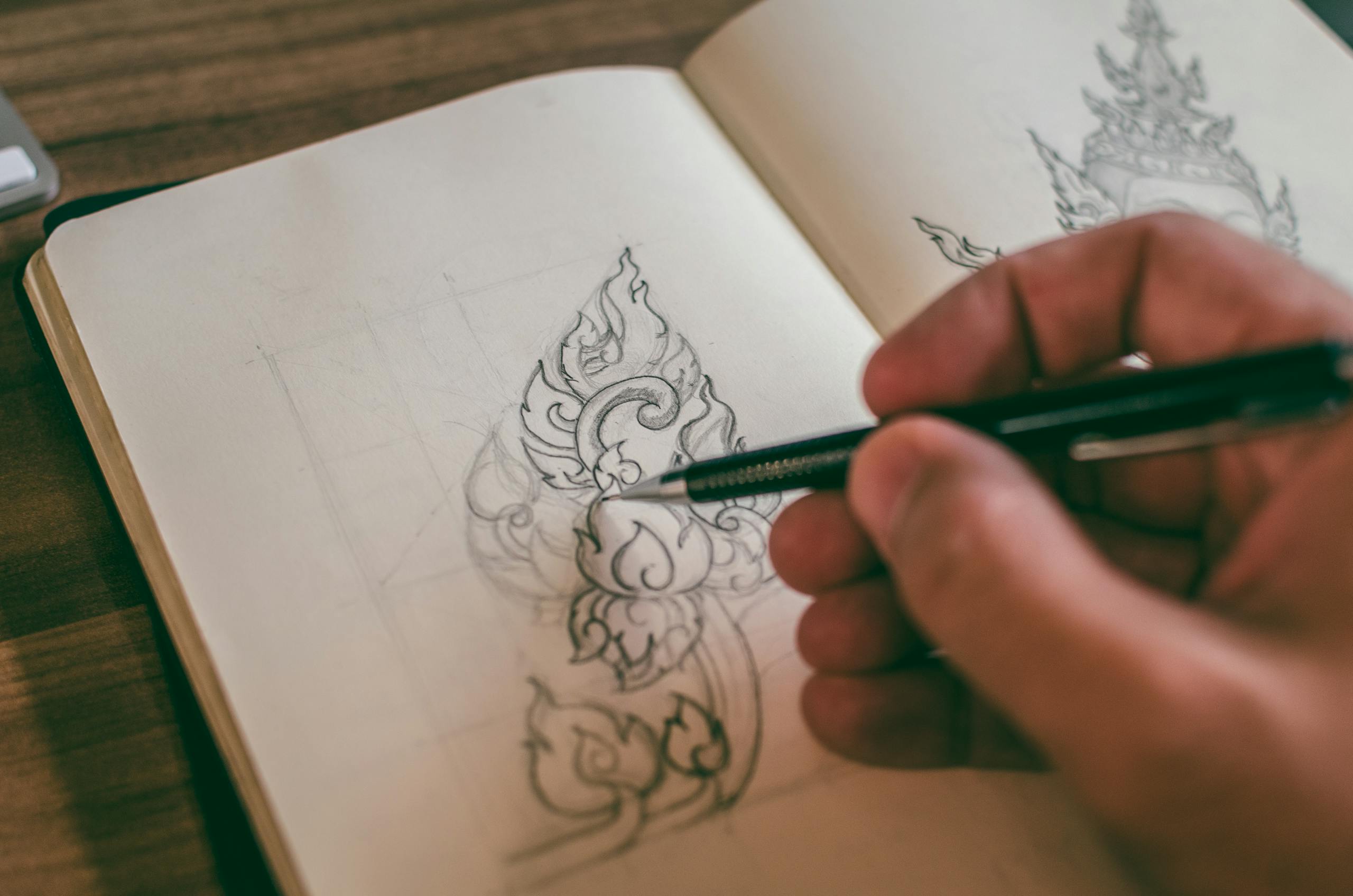
Van Gogh, O’Keeffe, Hopper, and Kahlo left behind not just beautiful objects but evidence of what becomes possible when introverts honor their nature. Their work continues to move us because it emerged from authentic engagement with inner experience rather than performance for external approval.
Whatever your creative medium, whether painting, writing, design, music, or any other form, your introversion provides advantages worth embracing. The same sensitivity that sometimes feels like burden can become your greatest strength. The solitude you crave isn’t escapism; it’s the laboratory where your best work develops. Even fictional characters like our most beloved introverted heroes demonstrate that quiet reflection precedes meaningful action.
The next time you find yourself retreating from the noise to think, remember that you’re following a path worn by some of history’s greatest creative minds. Trust that impulse. Your solitude is not a problem to solve but a space where extraordinary things can happen.
Frequently Asked Questions
Were all famous artists introverts?
Not all famous artists were introverts. While many groundbreaking creators like Van Gogh, O’Keeffe, and Hopper demonstrated clear introverted tendencies, numerous influential artists were extroverted. Pablo Picasso, for instance, thrived in social settings and collaborative environments. Andy Warhol built his entire artistic practice around social interaction at The Factory. The creative world accommodates both temperaments, though introverts and extroverts typically approach their work through different processes that align with how they gain energy and inspiration.
How did Van Gogh use his isolation productively?
Van Gogh channeled his isolation into intense focus and prolific output. During his year at the Saint Paul de Mausole asylum, he produced approximately 150 paintings by eliminating distractions and directing all his energy toward work. He used quiet time to study nature with extraordinary intensity, observing subtle shifts in light and color that informed his distinctive style. His letters reveal a deliberate acceptance of solitude as the price of creative dedication, viewing loneliness as preferable to the creative derailment that social obligations might bring.
What boundaries did Georgia O’Keeffe set to protect her creative work?
O’Keeffe established multiple boundaries to safeguard her creative energy. She chose to live in remote New Mexico, far from the bustling New York art scene. She rarely granted interviews, and when she did, offered minimal personal information. She limited social engagements and was known to decline requests that would interrupt her work. She maintained separate living arrangements from her husband for portions of the year, using that time for uninterrupted painting. These deliberate choices allowed her to produce art continuously well into her nineties.
Why did Frida Kahlo paint so many self portraits?
Kahlo painted approximately 55 self portraits out of roughly 150 total works for several interconnected reasons. Her chronic illness and injuries from a devastating bus accident at eighteen left her bedridden for extended periods, with only herself as an available subject. More profoundly, she viewed self portraiture as a method of self exploration during long periods of isolation. As she stated, she painted herself because she was so often alone and knew herself best. This deep self examination produced works of unusual emotional honesty that continue to resonate with viewers who recognize their own experiences reflected in her images.
How can modern introverts apply these artists’ methods to their own work?
Modern introverts can apply several practical lessons from these artists. Structure your environment to support deep focus by designating times and spaces free from interruption. Develop processes that honor your natural rhythms rather than forcing productivity according to external expectations. Allow ideas incubation time before acting on them. Use your heightened sensitivity as an observational tool rather than viewing it as a burden. Most importantly, trust that solitude serves creative purposes rather than treating it as something to overcome. Your quiet nature provides unique access to internal experiences and observations that can fuel meaningful creative work.
Explore more resources for quiet personalities in our complete General Introvert Life Hub.
About the Author
Keith Lacy is an introvert who’s learned to embrace his true self later in life. With a background in marketing and a successful career in media and advertising, Keith has worked with some of the world’s biggest brands. As a senior leader in the industry, he has built a wealth of knowledge in marketing strategy. Now, he’s on a mission to educate both introverts and extroverts about the power of introversion and how understanding this personality trait can unlock new levels of productivity, self-awareness, and success.