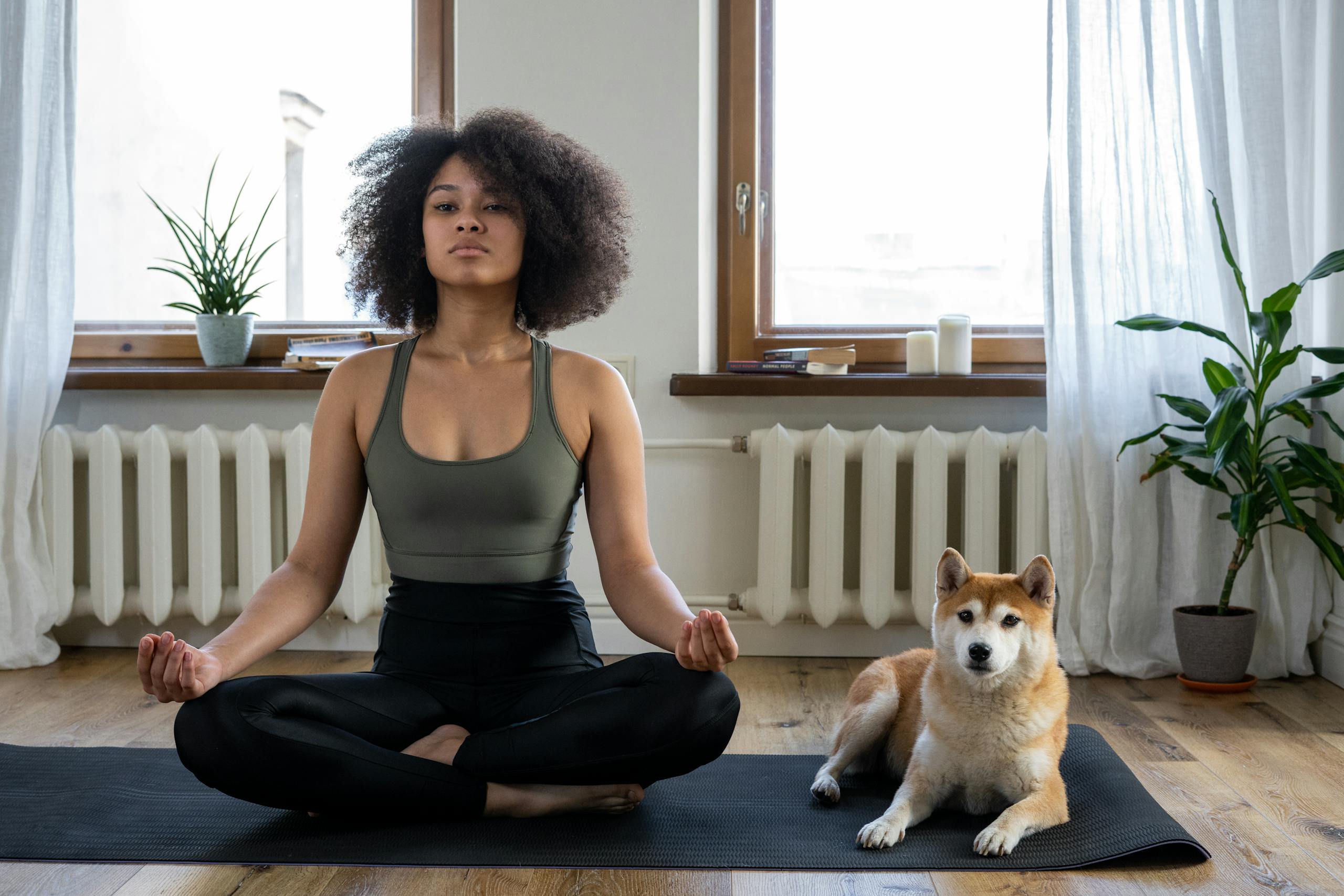
Extroverts and introverts differ most fundamentally in how they relate to energy: extroverts gain it through social interaction and external stimulation, while introverts restore it through solitude and internal reflection. These aren’t personality flaws or social preferences, they’re deeply wired neurological differences that shape how people think, communicate, and lead.
Spend enough time in both worlds and the contrast becomes impossible to ignore. I spent more than two decades running advertising agencies, sitting across conference tables from some of the most energized, expressive, socially magnetic people I’ve ever met. And I spent just as much time wondering why I always needed to disappear after those same meetings, even when they’d gone brilliantly.
What I eventually found wasn’t a deficiency. It was a difference worth understanding properly.
Our Introvert Personality Traits hub covers the full landscape of what it means to be wired this way, but this article goes a layer deeper, examining the specific characteristics that define each personality orientation and what those characteristics actually mean in everyday life.
Where Does the Introvert-Extrovert Divide Actually Come From?
Carl Jung introduced the terms introversion and extroversion in the early twentieth century, and while psychology has refined these concepts considerably since then, his core observation still holds: people differ meaningfully in where they direct their psychic energy. Inward or outward. Toward reflection or toward stimulation.
What’s your introvert superpower?
Every introvert has a quiet strength others overlook. Our free quiz identifies yours and shows you how to leverage it in your career and relationships.
Discover Your Superpower2-3 minutes · 10 questions · Free
Modern neuroscience has given this idea a biological foundation. A 2016 study published in PubMed Central found measurable differences in brain activity and dopamine sensitivity between introverts and extroverts. Extroverts tend to have a more active dopamine reward system, which means social interaction, novelty, and external stimulation produce stronger feelings of pleasure and motivation. Introverts, by contrast, are more sensitive to stimulation overall, which is why a packed networking event feels energizing to one person and depleting to another.
This isn’t a character choice. It’s neural architecture.
What makes this worth analyzing carefully is that most people have absorbed a simplified version of this distinction. Extroverts talk, introverts listen. Extroverts are confident, introverts are shy. Extroverts lead, introverts follow. None of those equations hold up under scrutiny, and believing them causes real harm, particularly to introverts who spend years trying to perform a personality that doesn’t belong to them.
I know that performance well. I ran client presentations for Fortune 500 brands and delivered them with genuine conviction. What no one saw was the two hours I spent alone afterward, not sulking, just recharging. That’s not shyness. That’s introversion doing exactly what it’s supposed to do.
What Are the Core Characteristics of Extroverts?
Extroversion shows up in consistent, recognizable patterns. Understanding these characteristics without judgment is important, because extroversion is often treated as the default standard against which everything else gets measured. It isn’t a superior mode. It’s simply a different one.
Energy From External Sources
The most defining characteristic of extroverts is that social interaction genuinely energizes them. After a long day, an extrovert is more likely to want to meet friends than to sit quietly at home. Crowds, conversations, and collaborative environments feel activating rather than draining. This isn’t performance. Their nervous systems are genuinely rewarded by external engagement.
One of my former creative directors was a textbook extrovert. She would finish a grueling client pitch and immediately want to debrief over drinks with the whole team. Her energy was highest precisely when mine was lowest. Neither of us was wrong. We were just running on different fuel.
Thinking Out Loud
Extroverts often process ideas externally. They think by talking, which means conversations serve a generative function rather than just a communicative one. In meetings, they’re likely to brainstorm aloud, change direction mid-sentence, and arrive at conclusions through dialogue. This can look like confidence or even dominance, but it’s often simply how their thinking works.
In agency life, this created friction I had to learn to manage. My extroverted colleagues would fill every silence with a new idea. I’d sit quietly, forming a more considered response, and by the time I was ready to speak, the conversation had moved on. Understanding that we were processing differently, not competing, changed how I ran those rooms.
Comfort With Breadth Over Depth
Extroverts tend to move across many topics and relationships with relative ease. They’re often comfortable with surface-level connection across a wide network rather than a smaller circle of deeply intimate relationships. This isn’t emotional shallowness. It’s a different relationship with social breadth, one that suits environments requiring constant networking, rapid relationship-building, and high-volume communication.
Action Orientation and Risk Tolerance
A study published in PubMed Central examined personality traits and decision-making, finding that extroversion correlates with higher approach motivation and greater willingness to act under uncertainty. Extroverts are often quicker to make decisions, take social risks, and pursue opportunities without extensive deliberation. In fast-moving environments, this is a genuine asset.
Verbal Expressiveness and Social Ease
Extroverts tend to be comfortable speaking in groups, initiating conversations with strangers, and expressing themselves verbally without much preparation. Small talk comes naturally. Public settings feel manageable rather than threatening. This ease often gets mistaken for confidence, and while the two can overlap, they’re distinct qualities.

What Are the Core Characteristics of Introverts?
Introvert characteristics are frequently misread, even by introverts themselves. Growing up in a culture that equates loudness with leadership and sociability with competence, many introverts internalize the message that something is wrong with them. It took me an embarrassingly long time to stop believing that.
If you want a thorough look at what these traits actually look like in practice, this breakdown of 30 introvert characteristics you recognize is worth reading alongside this article. What follows here is an analytical look at the most significant ones.
Energy From Internal Sources
Introverts restore energy through solitude and quiet. After sustained social engagement, even enjoyable engagement, they need time alone to return to baseline. This isn’t antisocial behavior. It’s a physiological requirement. The introvert brain processes external stimulation more intensively, which means it reaches saturation faster and needs more recovery time.
My version of this looked like closing my office door for thirty minutes after back-to-back client calls. My team initially read it as aloofness. What I eventually explained was that those thirty minutes made me a better leader for the rest of the day. Once they understood the mechanism, the door-closing stopped being mysterious and started being respected.
Internal Processing Before Expression
Introverts typically think before they speak. They process internally, turning ideas over quietly before bringing them into conversation. This means they’re less likely to dominate a brainstorm but more likely to arrive with a fully formed perspective. In environments that reward whoever speaks first, this characteristic gets systematically undervalued.
Some of the sharpest strategic thinking I ever witnessed in agency life came from the quietest people in the room. They’d say almost nothing during a three-hour creative session, then send an email afterward that reframed the entire problem. That’s not passivity. That’s a different processing timeline.
Preference for Depth Over Breadth
Where extroverts often thrive across wide social networks, introverts tend to prefer fewer, deeper relationships. They invest more in individual connections and find surface-level socializing less satisfying, sometimes genuinely exhausting. This depth orientation extends to intellectual interests as well. Introverts often pursue topics with sustained focus and genuine curiosity rather than sampling broadly.
For a more detailed look at the specific traits that define this orientation, the complete guide to introvert personality traits covers twelve of the most recognizable signs with real clarity.
Sensitivity to Stimulation
Introverts are generally more sensitive to environmental stimulation, including noise, social complexity, and sensory input. This is rooted in neurobiology. The Myers-Briggs Foundation notes that introversion correlates with a preference for less stimulating environments and more controlled social settings. This sensitivity can be a significant asset, it makes introverts attentive observers and careful thinkers, but it also means overstimulation is a real management challenge.
Deliberate and Considered Decision-Making
Introverts tend to deliberate longer before acting. They gather more information, consider more angles, and are less likely to make impulsive decisions. In contexts where speed is everything, this can look like hesitation. In contexts where consequences matter, it looks like wisdom. The difference is often in who’s doing the labeling.

How Does Brain Science Explain These Differences?
The introvert-extrovert distinction isn’t just psychological theory. It has measurable neurological correlates that help explain why these patterns feel so consistent and so deeply ingrained.
One of the most well-documented differences involves dopamine sensitivity. Extroverts appear to have a more reactive dopamine system, meaning they experience stronger reward signals from social and novel stimuli. Introverts, by contrast, are more sensitive to acetylcholine, a neurotransmitter associated with focus, memory, and internal processing. This helps explain why introverts often find deep work and solitary focus genuinely pleasurable rather than isolating.
The research on personality and neural pathways also points to differences in the default mode network, the brain system active during self-reflection and internal thought. Introverts show greater activity in this network, which aligns with their tendency toward introspection, planning, and internal narrative.
If you want to go deeper on this, the article on introvert brain science and neural wiring breaks down the neurobiology in a way that’s genuinely accessible. Reading it changed how I understood my own reactions to certain environments, particularly the physical fatigue I used to feel after high-stimulation days.
What this science makes clear is that neither introversion nor extroversion represents a superior design. They represent different adaptations, each with specific strengths and specific costs depending on context.
Are These Characteristics Fixed, or Do They Shift Over Time?
One of the questions I get asked most often is whether introversion changes with age or experience. The honest answer is: somewhat, and in a specific direction.
A Psychology Today analysis of personality and aging found that people tend to become more introverted as they get older, a phenomenon sometimes called intrinsic maturation. Social priorities shift. The need for large social networks diminishes. Depth of connection becomes more valued than breadth. This isn’t withdrawal. It’s a natural recalibration.
My own experience tracks this closely. In my thirties, I pushed hard against my introversion because I thought extroversion was required for leadership. By my mid-forties, I’d stopped pushing. Not because I gave up, but because I’d accumulated enough evidence that my natural approach was working. The quieter I led, the more my team trusted me. The more selective I became about social commitments, the more energy I had for the ones that mattered.
That said, introversion and extroversion exist on a spectrum, not as binary categories. The Myers-Briggs Type Indicator framework acknowledges this, measuring introversion and extroversion as preferences rather than absolute states. Most people sit somewhere along a continuum, which is why some introverts can perform extroverted behaviors effectively even when those behaviors don’t reflect their natural orientation.
What About People Who Feel Like Both?
Many people resist being categorized as purely introverted or purely extroverted because neither label feels entirely accurate. They enjoy social time but crave solitude. They can work a room when needed but feel depleted afterward. They have close friendships but also need long stretches of quiet.
This experience is real and common, and it has a name. The concept of the extroverted introvert captures this complexity well. The complete guide to the extroverted introvert explores why some people feel genuinely pulled in both directions and what that actually means for how they live and work.
It’s also worth distinguishing introversion from related but distinct concepts. Being reserved, for instance, is a behavioral pattern that can appear in both introverts and extroverts. Being avoidant is a clinical pattern rooted in anxiety rather than personality wiring. These distinctions matter because collapsing them leads to misdiagnosis and misunderstanding.
On that point, the comparison of introvert versus reserved clarifies the difference between a personality trait and a behavioral style, which is genuinely useful if you’ve ever wondered whether you’re introverted or simply quiet by habit. And the distinction between introversion and avoidant personality addresses something more serious, explaining why confusing the two can lead introverts to seek help they don’t need or miss help they do.

How Do These Characteristics Show Up in Professional Settings?
The workplace is where introvert-extrovert differences become most visible and most consequential. Most professional environments were designed with extroverted norms in mind: open offices, collaborative brainstorming, constant communication, performative enthusiasm. Introverts can operate in these environments, but they often do so at a significant personal cost.
An American Psychological Association study on personality and performance found that extroversion correlates with certain leadership outcomes, particularly in contexts requiring high social visibility. Yet introversion correlates with other strengths: careful analysis, sustained focus, and the ability to listen deeply before acting. Neither profile dominates across all professional contexts.
What I observed across two decades in agency leadership was that the most effective teams weren’t the most extroverted ones. They were the most balanced ones. The extroverts brought energy, relationship momentum, and quick ideation. The introverts brought strategic depth, careful execution, and the kind of listening that makes clients feel genuinely heard. Both were essential.
The problem wasn’t the mix. It was the assumption that one mode was standard and the other was accommodation. When I finally stopped treating my introversion as something to manage around and started treating it as a professional asset, my leadership became more coherent and considerably less exhausting.
Communication Styles at Work
Extroverts tend to communicate frequently, spontaneously, and verbally. They’re comfortable with ambiguity in conversation and often prefer talking through problems in real time. Introverts tend to communicate more deliberately, often preferring written formats where they can compose their thoughts before sharing them. Email, structured meetings with pre-circulated agendas, and one-on-one conversations tend to suit introverts better than open-ended group discussions.
Neither style is more professional. They’re different tools. The organizations that recognize this and build communication systems that accommodate both tend to get better output from everyone.
Leadership Approaches
Extroverted leaders are often visible, vocal, and energizing to be around. They create momentum through enthusiasm and social gravity. Introverted leaders tend to lead through quiet authority, careful listening, and strategic clarity. They’re often more effective with self-directed teams because they give people space to work rather than filling every moment with direction.
Some of the most respected leaders I’ve encountered were introverts who had stopped apologizing for their style. They ran tight, thoughtful meetings. They listened more than they talked. They made decisions slowly and changed them rarely. Their teams trusted them precisely because they weren’t performing leadership. They were practicing it.
What Do These Characteristics Mean for Personal Relationships?
Outside of work, the introvert-extrovert distinction shapes relationships in ways that are often more personal and sometimes more painful than professional friction.
Introverts in relationships with extroverts often face the assumption that needing alone time means something is wrong with the relationship. It doesn’t. Needing solitude is as natural for an introvert as needing connection is for an extrovert. The challenge is communicating this clearly enough that a partner doesn’t interpret withdrawal as rejection.
Extroverts in relationships with introverts sometimes feel starved for social energy or frustrated by a partner’s reluctance to engage in large group settings. Understanding that the introvert isn’t withholding, they’re managing their capacity, can reframe what looks like avoidance as something more neutral and more manageable.
Research from Psychology Today on empathic traits also highlights that introverts tend to score higher on certain dimensions of empathy, particularly the kind that involves careful observation and attunement to subtle emotional cues. This makes introverts often deeply attuned relationship partners, even when they’re not the loudest or most socially active ones in the room.

Why Does Misreading These Characteristics Cause So Much Damage?
The cost of misunderstanding introvert and extrovert characteristics isn’t abstract. It shows up in hiring decisions, performance reviews, promotion pipelines, and personal relationships. When extroversion is treated as the standard, introverts spend enormous energy performing a version of themselves that doesn’t reflect their actual capabilities or working style.
I watched this happen repeatedly in agency environments. Quiet, brilliant people were passed over for leadership roles because they didn’t “present well” in group settings. What that usually meant was that they didn’t perform extroversion convincingly. The assumption was that presence required volume. It doesn’t. Presence requires consistency, clarity, and the kind of quiet authority that introverts often build more naturally than they realize.
On the other side, extroverts in environments that overvalue contemplation and deliberation can feel equally constrained. An extrovert forced to work in isolation for extended periods, without collaboration or social input, is being asked to operate against their fundamental wiring. The result is the same: diminished performance and genuine discomfort.
What serves everyone is accurate understanding, of yourself and of the people around you. Not to excuse behavior or lower expectations, but to build environments where different kinds of intelligence can actually contribute.
If you’re still working out where you fall on this spectrum, or why some of these characteristics feel more complicated than a simple label suggests, the full Introvert Personality Traits hub is a solid place to keep exploring. There’s a lot more nuance worth sitting with.
Know your quiet strength?
Six superpower types, each with career implications and curated reading to develop your specific strength further.
Take the Free Quiz2-3 minutes · 10 questions · Free
About the Author
Keith Lacy is an introvert who’s learned to embrace his true self later in life. After 20 years in advertising and marketing leadership, including running agencies and managing Fortune 500 accounts, Keith now channels his experience into helping fellow introverts understand their strengths and build fulfilling careers. As an INTJ, he brings analytical depth and authentic perspective to every article, drawing from both professional expertise and personal growth.
Frequently Asked Questions
What is the main difference between extroverts and introverts?
The primary difference is how each personality type relates to energy. Extroverts gain energy from social interaction, external stimulation, and engagement with the world around them. Introverts restore energy through solitude, quiet, and internal reflection. This distinction is rooted in neurobiology, particularly differences in dopamine sensitivity and how each brain responds to stimulation. It’s not about shyness, social skill, or preference. It’s about where mental and emotional energy comes from and where it goes.
Can someone be both an introvert and an extrovert?
Yes. Introversion and extroversion exist on a spectrum, and many people fall somewhere in the middle rather than at either extreme. The term “ambivert” is sometimes used to describe people who share characteristics of both orientations. Some introverts also develop strong social skills and can perform extroverted behaviors effectively, particularly in professional settings, without those behaviors reflecting their underlying personality wiring. The experience of feeling like both is common and doesn’t indicate confusion. It often indicates a nuanced personality that doesn’t map neatly onto simple categories.
Are introvert characteristics the same as being shy or antisocial?
No. Shyness involves anxiety about social situations, while introversion involves a preference for less stimulating environments and a need for solitude to recharge. An introvert can be entirely comfortable in social settings while still finding them draining. Being antisocial implies a lack of interest in or hostility toward others, which is not a defining characteristic of introversion. Many introverts have rich social lives, deep friendships, and strong interpersonal skills. The difference is that they manage their social energy more carefully than extroverts typically need to.
Do introvert and extrovert characteristics change with age?
Research suggests that people tend to move slightly toward introversion as they age, a pattern sometimes described as intrinsic maturation. Social priorities often shift with age: large networks become less important, depth of connection becomes more valued, and the need for constant stimulation decreases. That said, the core orientation, whether someone is fundamentally energized or depleted by social engagement, tends to remain relatively stable throughout life. Life experience can teach introverts to manage social situations more effectively, and extroverts to value solitude more, without fundamentally changing the underlying wiring.
Which personality type is better suited for leadership?
Neither introversion nor extroversion produces universally better leaders. Extroverted leaders often excel in high-visibility roles that require constant communication, relationship-building, and social momentum. Introverted leaders often excel in roles requiring strategic thinking, careful listening, and the ability to empower self-directed teams. Research from the American Psychological Association suggests both personality orientations produce effective leaders in the right contexts. The most important factor is whether a leader understands their own strengths and builds systems that complement them, regardless of where they fall on the introversion-extroversion spectrum.