My son once came home from school looking defeated. When I asked what happened, he said his teacher told him he needed to participate more in class. “She said I’m too quiet,” he explained, slumping into the couch. That moment brought back a flood of memories from my own childhood, sitting in classrooms where teachers wrote comments like “needs to speak up more” on my report cards. As an introverted parent raising a child who shares my temperament, I realized something important that evening: teaching children to feel good about their introversion starts with how we respond to moments exactly like this one.
Introversion runs through generations. A 2020 study published by the National Institutes of Health found that infant temperament can predict introversion in adulthood, demonstrating just how early these traits emerge and how persistent they remain throughout life. If you see yourself in your quiet, thoughtful child, that connection is more than coincidental. And with that recognition comes a powerful opportunity to shape how the next generation experiences their own introversion.

Why Your Own Relationship With Introversion Matters
Children absorb messages about themselves from watching us. During my years leading creative teams at advertising agencies, I noticed how younger team members would mimic the behaviors they observed in leadership. When senior leaders apologized for needing quiet time or made self-deprecating jokes about being antisocial, junior staff internalized those attitudes. The same dynamic plays out at home, amplified by the intimate connection between parent and child.
What’s your personality type?
Take our free 40-question assessment and get a detailed personality profile with dimension breakdowns, context analysis, and personalised insights.
Discover Your Type8-12 minutes · 40 questions · Free
Consider how you talk about your own need for solitude. Do you frame it as something that requires an excuse? Maybe you say things like, “Sorry, I just need to be alone for a bit” or “I know I’m being antisocial, but…” These seemingly innocent phrases carry weight. Your children hear them and learn that introversion is something to apologize for rather than accept.
According to the Center for Parenting Education, approximately 75% of the population identifies as extroverted, meaning introverted children often feel out of place in social settings and classrooms designed for the majority. When introverted parents model self-acceptance, they provide their children with a counter-narrative to the extrovert-dominant messages surrounding them everywhere else.
Reframing starts small. Instead of apologizing for needing downtime, try stating it as a neutral fact: “I’m going to recharge with some quiet time.” When you describe introversion as a natural characteristic rather than a limitation, your children learn to do the same. Working through my own complicated feelings about introversion took years, especially after spending decades in high-energy agency environments where loud voices dominated every room. That internal work paid dividends when it came time to guide my kids through similar territory.
Understanding the Science Behind Your Child’s Temperament
Temperament has a strong biological foundation that parents should understand. MedlinePlus Genetics reports that scientists estimate 20 to 60 percent of temperament is determined by genetics, with thousands of gene variations combining to influence characteristics like sociability, sensitivity to stimulation, and preference for reflection over action. When you recognize your child’s introverted traits as part of their neurological wiring, responding with acceptance becomes easier.
Brain chemistry plays a significant role in these differences. Introverts process dopamine differently than extroverts, requiring less external stimulation to feel satisfied and engaged. This is why your introverted child might seem content reading alone while their extroverted sibling bounces off the walls seeking activity. Neither response is better or worse. Both reflect normal variations in how human brains process rewards and social interaction.

Understanding this science helps parents avoid a common mistake: treating introversion as a problem to solve. Psychology Today research suggests that pushing introverted children to behave contrary to their nature succeeds only in making them feel fundamentally flawed. The goal is not to change who they are but to help them thrive as who they already are.
Creating an Environment Where Quiet Thrives
Home should be the place where introverted children can exhale. After spending all day in stimulating environments, they need spaces designed for recovery. When I managed agency teams, I learned that productivity increased when people had access to quiet spaces. The same principle applies to raising introverted kids. A designated corner, a bedroom retreat, or even a cozy reading nook can serve as their recharging station.
Practical adjustments make a real difference. Limit the number of after-school activities so children have unscheduled downtime. Build quiet transitions into your daily routine, especially after school when their social battery is depleted. Respect closed doors and teach other family members to do the same. These boundaries communicate that solitude is valued rather than merely tolerated.
One strategy that helped in my own household involves giving advance notice about social events. Introverted children benefit from knowing what to expect. Rather than springing a family gathering on them the morning of the event, discuss it days ahead. Talk through who will be there, how long you plan to stay, and what they can do if they need a break. This kind of preparation reduces anxiety and helps them feel more in control.
Creating traditions that respect everyone’s energy levels also matters. For practical ideas on designing family traditions that honor introvert needs, consider building in quiet activities alongside social ones. Maybe holiday gatherings include board game sessions for smaller groups rather than requiring constant large-group interaction.
Teaching Children to Advocate for Themselves
Equipping children with language to explain their needs empowers them in situations where you cannot intervene. Start by giving them simple scripts they can use with teachers, coaches, and friends. Phrases like “I do my best thinking when I have quiet time first” or “I need a few minutes to recharge” work well for younger children. Older kids can learn to say “I participate differently, but I’m still engaged” or “I prefer one-on-one conversations.”

Self-advocacy also involves helping children recognize their own signals. Teach them to notice when their energy drops, when they start feeling overwhelmed, and what strategies help them recover. Some children benefit from stepping outside for fresh air. Others need a few minutes alone in a bathroom or quiet corner. Still others find that listening to music through headphones creates a portable bubble of calm. JSTOR Daily notes that developmental psychologist Alice Sterling Honig observed how introverted children often conform to demands and avoid dangerous situations, traits that serve them well when they learn to channel these tendencies consciously.
During my agency career, setting healthy boundaries was something I had to learn the hard way. Teaching my children these skills early meant they would not spend years feeling drained before figuring out how to protect their energy. When kids understand that boundaries are healthy and necessary, they carry that knowledge into adulthood with far fewer emotional bruises.
Celebrating Introvert Strengths Without Minimizing Challenges
Balance is essential when discussing introversion with children. Overly positive messaging that ignores real challenges can feel dismissive, while focusing too much on difficulties undermines confidence. Find the middle ground by acknowledging that introversion comes with genuine strengths and occasional social friction.
Highlight the specific strengths you observe in your child. Maybe they notice details others miss. Perhaps they form deep friendships rather than surface-level acquaintances. They might think carefully before speaking, producing thoughtful responses instead of impulsive reactions. Research published in PMC on behavioral genetics and child temperament confirms that these early traits tend to remain stable over time, meaning the strengths your child demonstrates now will likely serve them throughout their lives.
At the same time, acknowledge when situations feel hard. Instead of brushing off their discomfort at a crowded birthday party, validate their experience: “I know these big groups are tiring. It’s okay to take breaks.” This approach teaches children that their feelings are legitimate while also showing them that challenges can be managed rather than avoided entirely.
Through managing teams with diverse personality types, I discovered that different people contribute to shared goals in different ways. The loudest voice in the room was rarely the most insightful. Quiet observers often identified problems and solutions that others missed entirely. Sharing these observations with children helps them see introversion as an advantage in many contexts rather than a universal disadvantage.
When Your Child’s Temperament Differs From Yours
Introverted parents sometimes have extroverted children, and navigating this mismatch requires intentional effort from both sides. Understanding that your child genuinely needs more social interaction than you do prevents resentment from building. Their enthusiasm for parties, playdates, and group activities reflects their brain chemistry, not a rejection of family time or quiet values.

For guidance on parenting extroverted children as an introvert, start by building systems that meet their needs without constantly depleting yours. Arrange playdates where they socialize while you enjoy quiet time nearby. Enlist extroverted relatives or neighbors who enjoy taking kids to active events. Create structured times when you fully engage and protected periods when you recover.
Use your differences as teaching opportunities. Show your extroverted child how people with different needs can coexist respectfully. When they understand that their introverted parent requires solitude to function at their best, they develop empathy and flexibility that will serve them in future relationships. Similarly, when you push beyond your comfort zone to meet their social needs, you model compromise and love.
Modeling Healthy Introversion in Daily Life
Children learn more from observation than instruction. How you handle your own introversion day to day shapes their understanding more powerfully than any conversation. When you prioritize self-care without guilt, they see that taking care of personal needs is normal and healthy. When you politely decline invitations that would overwhelm you, they learn that saying no is acceptable.
Talk openly about your choices. Explain why you are choosing a quiet evening over a social event when appropriate. Share stories from your own childhood and how you felt in certain situations. These conversations normalize their internal experiences and show them they are not alone. Throughout my career in advertising, I often felt isolated as an introvert surrounded by naturally gregarious colleagues. Sharing these experiences with my children helped them understand that feeling different is common and manageable.
Pay attention to how you discuss other introverts as well. If a friend cancels plans and you respond with frustration, your child hears that needing space is inconsiderate. If instead you express understanding, they absorb a different message. Small moments like these accumulate into a worldview about whether introversion is acceptable or problematic.
For fathers working through these dynamics, exploring introvert dad parenting approaches offers additional perspective. Gender expectations sometimes pressure introverted fathers to perform extroverted behaviors, making authentic modeling more complicated. Recognizing and resisting these pressures benefits everyone in the family.
Building Connection Through Shared Quiet Activities
Quality time with introverted children often looks different than the high-energy play expected in parenting magazines. Parallel activities where you work alongside each other without constant interaction create meaningful connection. Reading in the same room, working on separate craft projects, or gardening together allow bonding without the pressure of sustained conversation.
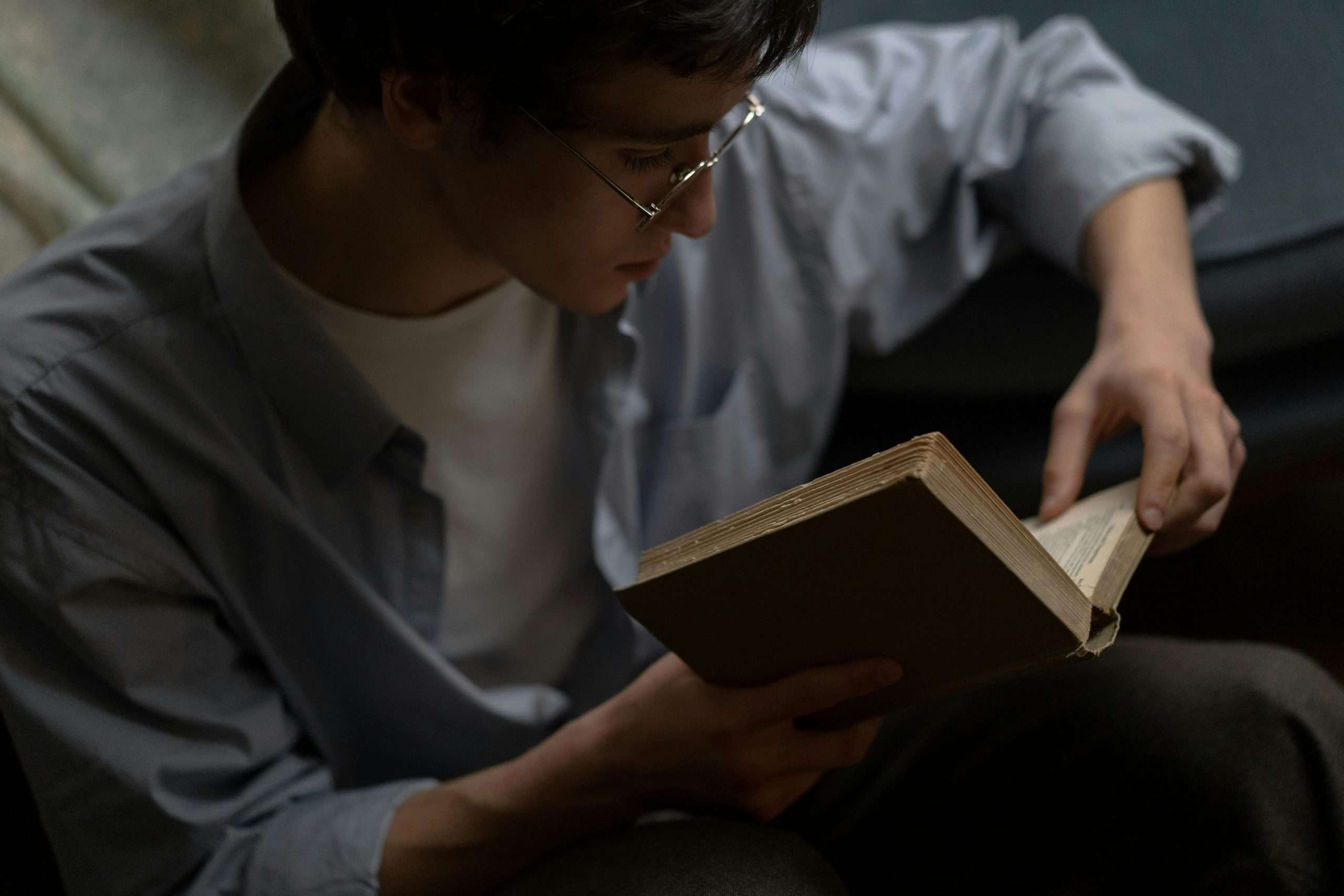
One-on-one activities often work better than group outings for deepening relationships with introverted children. A walk through the neighborhood, a trip to a quiet museum exhibit, or cooking dinner together creates space for the kind of unhurried conversation introverts prefer. When they feel safe and unstimulated, they open up more freely.
These shared quiet moments also provide natural opportunities to discuss introversion without making it feel like a formal lesson. You might mention how much you enjoy the peace of a weekend morning at home, or note how a particular activity recharges your energy. Casual integration of these observations weaves acceptance into the fabric of daily life rather than positioning introversion as something that requires special attention or treatment.
Preparing Children for Introvert Challenges in School and Beyond
School environments often favor extroverted behaviors. Class participation grades, group projects, and oral presentations can feel punishing for introverted students who contribute thoughtfully through other channels. Prepare your children by acknowledging these realities while also helping them develop strategies for succeeding within imperfect systems.
Work with teachers when possible. Many educators appreciate learning about different student needs when approached collaboratively rather than confrontationally. You might explain that your child processes information deeply and performs better when given time to formulate thoughts before speaking. Suggest alternatives like written reflections or small-group discussions that allow participation in ways that suit introverted learning styles.
For broader strategies on navigating family dynamics as introverts, consider how the skills children develop at home prepare them for workplace and social challenges later. The ability to set boundaries, communicate needs clearly, and recognize personal limits translates directly into adult competencies that many people struggle to develop.
My decades in corporate environments taught me that introverts who understand their strengths and limitations early tend to build more sustainable careers. They avoid burnout by recognizing warning signs and choose roles that align with their temperament rather than fighting against it constantly. Giving children this awareness sets them up for long-term success rather than years of struggling against their own nature.
The Long View on Raising Introverted Children
Raising children who embrace their introversion is not about creating perfectly adjusted adults who never struggle socially. Everyone faces challenges, regardless of temperament. Rather, the goal is equipping children with accurate self-understanding, practical coping strategies, and genuine self-acceptance so they can handle whatever comes their way.
When that self-acceptance takes root, everything else becomes easier. Introverted children who feel good about who they are make decisions aligned with their actual needs rather than constantly trying to be someone else. They choose friends who appreciate them, careers that suit their working style, and relationships built on mutual understanding rather than performance.
Looking back at my own parenting experience, the moments that mattered most were small and consistent rather than dramatic. Validating feelings without trying to fix them. Modeling boundaries without apologizing for them. Celebrating quiet contributions alongside loud achievements. These everyday interactions built the foundation my children carry forward as they create lives that work for who they actually are.
Your introverted child does not need to become someone different to succeed. They need adults who see their quietness as a feature rather than a flaw, who provide tools for thriving rather than scripts for pretending. When you pass on healthy introversion, you give them something more valuable than advice. You give them permission to be themselves.
Explore more Introvert Family Dynamics & Parenting resources in our complete Introvert Family Dynamics & Parenting Hub.
About the Author
Keith Lacy is an introvert who’s learned to embrace his true self later in life. With a background in marketing and a successful career in media and advertising, Keith has worked with some of the world’s biggest brands. As a senior leader in the industry, he has built a wealth of knowledge in marketing strategy. Now, he’s on a mission to educate both introverts and extroverts about the power of introversion and how understanding this personality trait can unlock new levels of productivity, self-awareness, and success.
Frequently Asked Questions
Is introversion genetic or learned?
Introversion involves both genetic and environmental factors. Scientists estimate that 20 to 60 percent of temperament is determined by genetics, with the remainder shaped by environment and experiences. Children often display introverted traits from infancy, and these tendencies typically remain stable throughout life while being influenced by parenting and social experiences.
How can I tell if my child is introverted or just shy?
Introversion and shyness are different. Introversion refers to where children get their energy, with introverts feeling recharged by solitude and drained by extended social interaction. Shyness involves fear of social judgment. An introverted child might enjoy a small gathering but need quiet time afterward, while a shy child might feel anxious about social situations regardless of their introversion level.
Should I push my introverted child to be more social?
Gentle encouragement differs from pressure. Help your child develop social skills and provide opportunities for connection, but respect their need for downtime and smaller group settings. Forcing introverted children to perform extroverted behaviors consistently can undermine their self-esteem and lead to burnout rather than genuine social development.
How do I help my introverted child succeed in extrovert-focused school environments?
Communicate with teachers about your child’s learning style and advocate for alternatives when participation requirements feel overwhelming. Help your child develop scripts for common situations, build in recovery time after school, and celebrate their contributions even when they happen quietly rather than publicly.
What if I am an extroverted parent with an introverted child?
Learning about introversion helps you understand that your child’s quietness is not a reflection of unhappiness or rejection. Respect their need for alone time, create quiet spaces at home, and find activities that allow connection without requiring high-energy interaction. Recognize that their way of being in the world is equally valid, just different from your own.