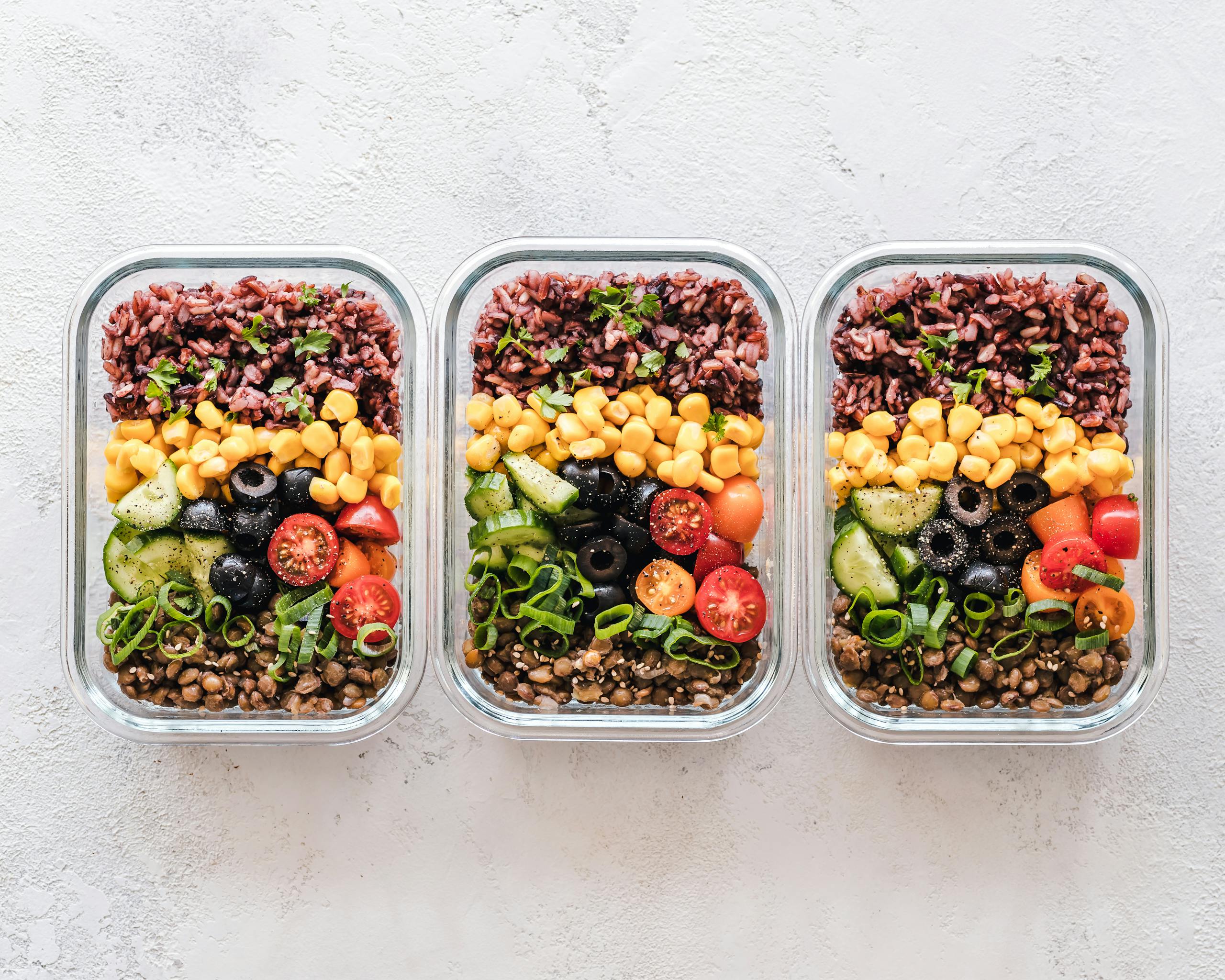
Choosing what to eat sounds simple. For an INFP, it rarely is. Every meal is a quiet negotiation between personal values, sensory preferences, and the need for food to mean something beyond just fuel. At Barberitos, a Southwestern-inspired fast-casual chain known for its fresh, customizable menu, that negotiation actually has room to breathe.
If you’re an INFP wondering how to approach the Barberitos menu in a way that feels right, the short answer is this: build toward what aligns with your values, trust your sensory instincts, and don’t overthink the customization. The longer answer is more interesting, and it says something real about how INFPs relate to food, choice, and authenticity.
Not sure if you’re an INFP? Before going further, it might be worth taking our free MBTI personality test to confirm your type. The insights below will land differently once you know where you’re starting from.

At Ordinary Introvert, we spend a lot of time exploring how personality type shapes everyday experience, not just career choices or relationship patterns. Our INFP Personality Type hub covers the full range of how this type moves through the world, and food choices turn out to be a surprisingly revealing window into the INFP mind.
What Makes INFPs Approach Food Differently?
Let me be honest about something. I’m an INTJ, not an INFP, but I’ve worked alongside INFPs for most of my career in advertising. Some of my most creatively gifted colleagues, the ones who could feel their way into a brand story with uncanny precision, were INFPs. And one thing I noticed consistently was that they brought the same depth of feeling to small decisions that most people reserve for big ones. Lunch included.
That’s not a quirk. It’s a function of how the INFP cognitive stack actually operates. Dominant Introverted Feeling (Fi) means that INFPs evaluate the world through a deeply personal internal value system. Every choice, including what to eat, gets filtered through questions like: Does this feel right? Does it align with what I care about? Is there something authentic about this, or am I just going through the motions?
Auxiliary Extraverted Intuition (Ne) adds another layer. Ne is restless and exploratory. It sees possibilities everywhere and gets genuinely excited by options, combinations, and what-ifs. A menu with real customization potential is almost designed for this function. Barberitos, with its build-your-own format, offers exactly that kind of open-ended possibility.
Tertiary Introverted Sensing (Si) brings in the sensory and experiential dimension. Past meals that felt satisfying carry real weight in INFP decision-making. A flavor combination that worked before creates a kind of internal reference point. Si doesn’t dominate the way it does for ISJ types, but it quietly informs preference in ways that can be hard to articulate.
Inferior Extraverted Thinking (Te) is worth mentioning because it’s the function that tends to create friction. Te handles logistics, efficiency, and external systems. For many INFPs, this function operates with less ease, which means that highly structured, rigid ordering systems or situations that demand quick decisive choices under pressure can feel genuinely uncomfortable. Barberitos’ assembly-line style ordering can occasionally trigger this, particularly during a lunch rush when there’s a line behind you and a crew member waiting for your next answer.
How Does the Barberitos Menu Actually Map to INFP Values?
Barberitos positions itself around fresh ingredients, made-to-order meals, and a commitment to quality that goes beyond the average fast-food model. That positioning resonates with INFPs for reasons that go deeper than marketing.
Many INFPs hold strong values around food ethics, including where food comes from, how it’s prepared, and whether the experience of eating feels genuine rather than processed. Barberitos’ emphasis on fresh produce, house-made salsas, and customizable portions speaks to those values in a practical way. This isn’t about being a food purist. It’s about wanting the experience to feel considered rather than careless.
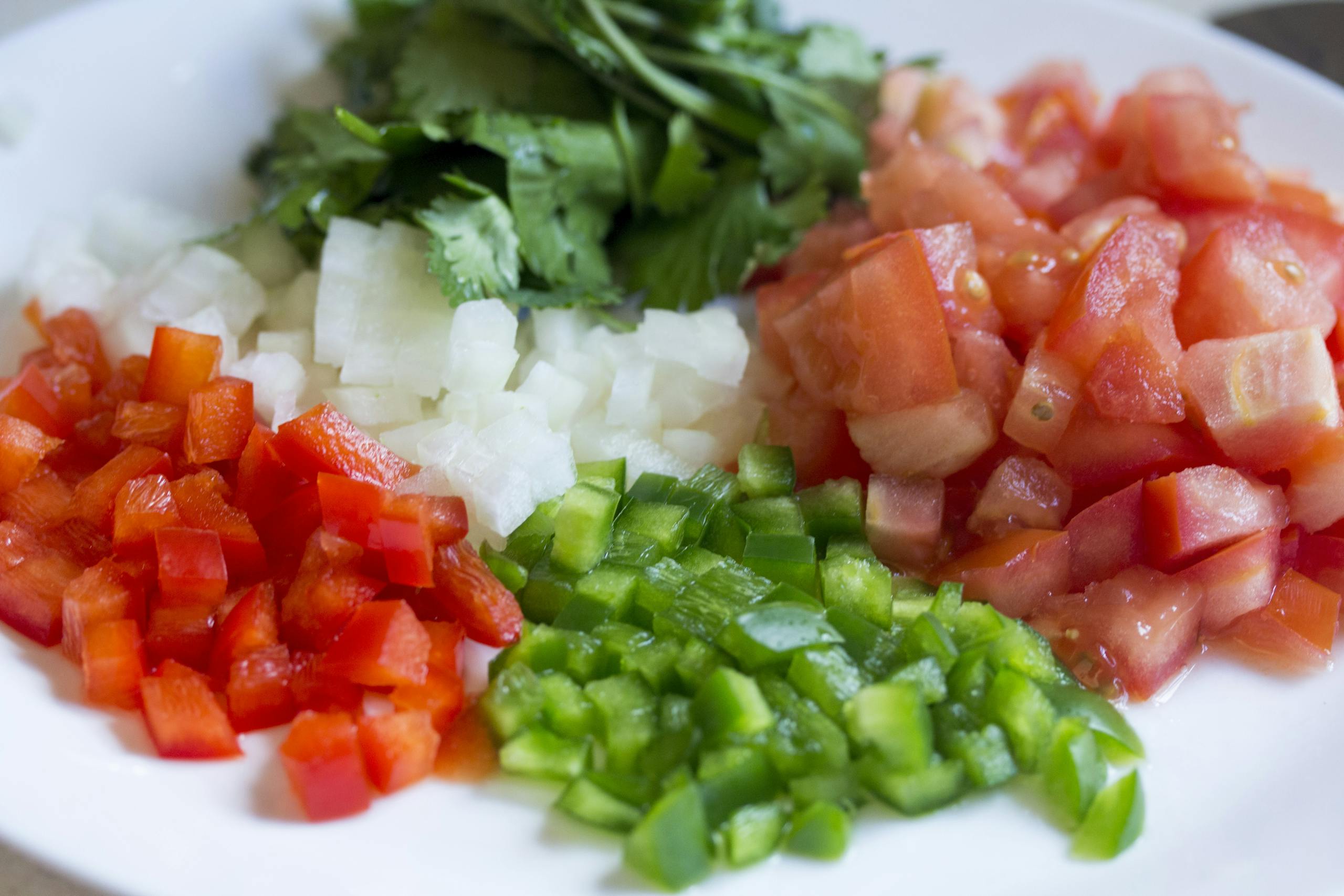
The core menu at Barberitos runs through burritos, burrito bowls, tacos, quesadillas, and nachos. Each can be built with a range of proteins including chicken, steak, carnitas, and vegetarian options, paired with rice, beans, salsas, cheese, sour cream, guacamole, and fresh toppings. Nutritionally, the range is wide. A burrito can clock in anywhere from roughly 500 to over 1,000 calories depending on how it’s built. A burrito bowl with grilled chicken, black beans, brown rice, pico de gallo, and fresh vegetables sits in a more moderate range and offers solid protein alongside fiber-rich ingredients.
For INFPs who lean toward plant-based eating, which many do given the values-driven nature of dominant Fi, the vegetarian and vegan-friendly options at Barberitos offer genuine flexibility. Black beans, pinto beans, rice, roasted vegetables, and the full salsa lineup can be combined into a satisfying bowl without touching animal proteins. The guacamole, made fresh at most locations, tends to be a consistent highlight.
One thing worth noting from a nutritional standpoint: sodium levels across fast-casual Southwestern menus tend to run high. Barberitos is no exception. If you’re building a bowl with seasoned protein, salted rice, beans, cheese, and sour cream, the sodium adds up quickly. INFPs who are mindful of this can offset it by leaning on fresh salsas and vegetables rather than the heavier toppings, and by choosing a bowl format over a flour tortilla, which contributes additional sodium and refined carbohydrates.
What Are the Best Barberitos Choices for an INFP Mindset?
Rather than prescribing a single order, it makes more sense to think about this in terms of what different INFP values tend to prioritize.
For the Values-Driven INFP Focused on Ethical Eating
Build a burrito bowl with black beans as your primary protein source, brown rice if available, roasted vegetables, fresh pico de gallo, and a generous scoop of guacamole. Skip the sour cream and cheese to keep it fully plant-based. This combination is high in fiber, provides plant-based protein, and aligns with a lower environmental footprint than meat-heavy options. The fresh ingredients also tend to feel more authentic to the Barberitos experience, which matters to INFPs who can tell the difference between food that’s been thoughtfully prepared and food that’s just been assembled.
For the Sensory-Curious INFP Driven by Ne
Lean into the customization. Try the grilled chicken or carnitas with a combination of both black and pinto beans, white rice, roasted corn salsa, fresh jalapeños, and a drizzle of the house hot sauce. The layering of textures and flavors, smoky, bright, spicy, creamy, is the kind of combination that Ne finds genuinely interesting. Don’t be afraid to ask what’s fresh that day. INFPs with active Ne often find that small discoveries, a seasonal salsa, an ingredient they hadn’t considered, become the most memorable part of the meal.
For the INFP Who Needs Comfort and Familiarity (Si at Work)
Stick to what has worked before. If a previous burrito with carnitas, pinto beans, white rice, cheese, and mild salsa felt right, rebuild it. There’s nothing wrong with returning to a combination that satisfied. Si-informed comfort eating isn’t a limitation, it’s a form of self-knowledge. Knowing what nourishes you and returning to it consistently is its own kind of wisdom.

Why Does the Ordering Experience Sometimes Feel Stressful for INFPs?
There’s something I noticed about my INFP colleagues during our agency lunch runs. The ones who struggled most weren’t struggling with the food itself. They were struggling with the performance of deciding in public, quickly, under mild social pressure. The Chipotle-style assembly line format, which Barberitos mirrors, requires you to make a series of rapid sequential choices while someone is watching and waiting. That’s not a natural environment for dominant Fi, which prefers to process internally before committing.
This connects to something broader about how INFPs handle situations that demand quick external performance. It’s the same dynamic that shows up in difficult conversations and conflict. There’s a reason handling hard talks without losing yourself is such a common challenge for this type. The internal processing that makes INFPs so emotionally intelligent in reflective contexts can feel like a liability when the external world is moving faster than the internal world can keep up.
The practical fix at Barberitos is simple: decide before you get in line. Spend thirty seconds before you reach the counter knowing your base, your protein, your beans, and your top two or three additions. That small act of preparation removes the performance pressure and lets you engage with the experience rather than just survive it.
There’s also a deeper pattern worth acknowledging. INFPs can sometimes experience a mild but real internal conflict when their values around food don’t align with what’s available or affordable in a given moment. That tension between the ideal and the real is familiar territory for this type, and it shows up in food choices just as it shows up in relationships and work. The tendency to take things personally extends even to situations where the conflict is entirely internal, between what you want to choose and what feels practical.
What Does Nutrition Science Actually Say About Food and Mood for Sensitive Types?
INFPs tend to be emotionally sensitive, not in a fragile sense, but in the sense that their inner world is rich, responsive, and finely tuned. That sensitivity has a physiological dimension worth taking seriously. The connection between gut health and emotional regulation is well-established in current research, with work published in PubMed Central pointing to meaningful links between dietary patterns, the gut microbiome, and mood regulation.
What this means practically is that the INFP instinct to want food that feels good, not just tastes good, has a real basis. Meals high in processed ingredients, excess sodium, or refined carbohydrates can contribute to energy crashes and mood fluctuations that land harder on emotionally sensitive types. Fiber-rich, protein-balanced meals with fresh vegetables and minimal processing tend to support steadier energy and more stable mood across the afternoon.
At Barberitos, the bowl format over the burrito is generally the better nutritional choice for this reason. You get the same ingredients without the additional refined carbohydrates from the flour tortilla. Choosing brown rice over white rice adds fiber and a lower glycemic load. Loading up on fresh salsa, lettuce, and other vegetables adds micronutrients without significant caloric cost. These aren’t dramatic interventions. They’re small, values-aligned choices that compound over time.
There’s also something to be said for the ritual of a good meal. Peer-reviewed work on mindful eating consistently points to the psychological benefits of eating with intention rather than distraction. INFPs, who are naturally inclined toward depth and meaning, often find that eating slowly and paying attention to what they’re tasting produces a more satisfying experience than eating quickly in front of a screen. That’s not a personality-type prescription. It’s just a pattern worth noticing.
How Do INFP Values Around Food Connect to Broader Relationship Patterns?
Food is rarely just food. For INFPs, a shared meal carries relational weight. The choice of where to eat, what to order, and how the experience unfolds can feel like an expression of care or its absence. This shows up in group lunch situations in ways that can be quietly draining.
An INFP who genuinely wanted the vegetarian bowl but agreed to a steakhouse because the group was going there has made a small but real compromise of their values. Multiply that across enough social meals and it becomes a pattern of self-erasure that feels familiar to many INFPs. The same dynamic that makes keeping the peace feel costly for INFJs applies here in a softer form for INFPs. Avoiding the mild friction of expressing a food preference in a group setting can accumulate into a quiet resentment that has nothing to do with the food itself.

This connects to something I observed repeatedly in agency life. The quietest people in the room were often the ones absorbing the most. They’d agree to the lunch spot, agree to the meeting time, agree to the project direction, and then sit with a low-grade dissatisfaction that eventually surfaced in ways that were harder to address. The cost of chronic accommodation rarely shows up immediately.
For INFPs, the ability to express a preference, even a small one like “I’d actually prefer Barberitos over that other place,” is a form of self-respect that matters. It’s connected to the same skill set involved in choosing alternatives to emotional shutdown when conflict arises. Small acts of honest self-expression build the capacity for larger ones.
There’s also a positive version of this. When an INFP chooses a restaurant that aligns with their values and shares it with people they care about, the meal becomes an act of connection. Bringing someone to a place that feels meaningful, explaining what you love about it, watching them discover it too, that’s the kind of relational depth that INFPs genuinely thrive on.
What Can INFPs Learn About Themselves From How They Order?
There’s a version of this article that just lists calorie counts and macros. That version exists, and it’s useful. But the more interesting question is what the ordering process itself reveals.
Do you spend more time than feels comfortable deciding? That might be Fi working through values alignment, or Ne generating too many possibilities without Te to narrow them. Do you default to what someone else ordered? That might be a pattern of accommodation worth examining. Do you feel a quiet satisfaction when your meal comes together exactly as you imagined it? That’s Fi and Ne working in harmony, and it’s worth paying attention to what produced that feeling.
The way INFPs communicate their needs, including something as low-stakes as a food order, often reflects larger patterns. Communication blind spots that affect INFJs have their INFP parallels, particularly around the tendency to assume others understand what you want without you having to state it directly. Dominant Fi can make internal preferences feel so vivid and obvious that externalizing them can feel almost redundant. But no one else can read them.
Practicing clear, direct expression of preference in low-stakes situations builds a skill that transfers. Telling the person at the counter exactly what you want, without hedging or apologizing for customization, is a small but real exercise in assertive communication. It sounds trivial. It isn’t.
There’s also something to be said for the INFP relationship to food as self-care. Psychology Today’s work on empathy highlights how emotionally attuned people often extend more care outward than inward. INFPs who pour their emotional energy into relationships, causes, and creative work sometimes neglect the basic physical self-care that sustains all of that. Choosing a meal that genuinely nourishes you, rather than the fastest or cheapest option, is a form of self-respect that Fi-dominant types sometimes need explicit permission to practice.
How Does the INFP Experience Compare to Other Intuitive Feeling Types?
INFPs and INFJs often get grouped together in popular personality content, and while they share the NF temperament and a general orientation toward meaning and values, their cognitive stacks are quite different. An INFJ leads with Introverted Intuition (Ni) and uses Extraverted Feeling (Fe) as their auxiliary function. An INFP leads with Introverted Feeling (Fi) and uses Extraverted Intuition (Ne) as their auxiliary.
At a restaurant, this difference is subtle but real. An INFJ tends to arrive at a single clear sense of what they want, driven by Ni’s convergent pattern recognition, and then may feel an Fe-influenced pull to consider what others in the group want before finalizing. An INFP tends to generate multiple interesting possibilities through Ne and then filter them through Fi’s values check, which can take longer and feel more internally complex.
Both types can struggle with the social performance of group decision-making, though for different reasons. The INFJ’s challenge often involves channeling their quiet intensity in social situations without overwhelming others or shutting down. The INFP’s challenge is more often about trusting their own preferences enough to express them without excessive qualification.
Where INFPs genuinely shine in food contexts is in the discovery and appreciation of flavor. Ne’s exploratory quality, combined with Fi’s depth of sensory engagement, means that when an INFP finds a meal that really works for them, they experience it with a richness that goes beyond simple satisfaction. Food can become a genuine source of joy for this type, not just sustenance. That’s worth cultivating.

Practical Barberitos Nutrition Guide for INFPs
Pulling this together into something concrete, here’s how to approach the Barberitos menu in a way that respects both your nutritional needs and your INFP values.
Start with the format. A burrito bowl gives you the most control over ingredients and portions. It removes the flour tortilla (which adds roughly 300 calories and significant sodium) and lets you see exactly what you’re getting. If you love the burrito experience, a soft taco format with corn tortillas is a lighter alternative that still feels like a proper meal.
Choose your protein with intention. Grilled chicken is the leanest animal protein option and pairs well with almost any flavor combination. Carnitas offers more fat and a richer flavor profile that works particularly well with bright, acidic salsas. For plant-based eaters, black beans combined with roasted vegetables provide a complete enough amino acid profile when paired with rice, and the flavor combination is genuinely satisfying rather than a compromise.
Build your flavor layer thoughtfully. Fresh pico de gallo adds brightness and lycopene from tomatoes with minimal calories. Roasted corn salsa brings sweetness and texture. The house hot sauce adds heat and depth without significant caloric cost. Guacamole is calorie-dense but rich in monounsaturated fats and genuinely satisfying. If you’re watching overall calories, choose guacamole over sour cream. Both add creaminess, but guacamole provides more nutritional value per calorie.
Watch the sodium. Cheese, sour cream, seasoned rice, and seasoned proteins all carry significant sodium. If you’re sensitive to salt, either in terms of blood pressure or simply in terms of how you feel afterward, build your bowl with fresh ingredients as the primary flavor drivers and treat the heavier toppings as accents rather than foundations.
Hydrate well. Fast-casual Southwestern food tends to be warming and spiced in ways that increase thirst. Water with lime, which Barberitos typically offers, is the most values-aligned choice for INFPs who think about what they’re putting in their bodies. It also pairs genuinely well with the food.
One more thing worth noting: nutritional guidance from the National Institutes of Health consistently emphasizes that dietary pattern over time matters far more than any single meal. An INFP who occasionally orders the fully loaded burrito with extra cheese and sour cream hasn’t compromised anything. The values-aligned approach to eating is a pattern, not a performance.
Understanding how your personality type shapes your relationship with food, choices, and self-expression is just one piece of the broader picture. The INFP Personality Type hub at Ordinary Introvert covers the full range of how this type experiences the world, from relationships and career to communication and conflict.
About the Author
Keith Lacy is an introvert who’s learned to embrace his true self later in life. After 20 years in advertising and marketing leadership, including running agencies and managing Fortune 500 accounts, Keith now channels his experience into helping fellow introverts understand their strengths and build fulfilling careers. As an INTJ, he brings analytical depth and authentic perspective to every article, drawing from both professional expertise and personal growth.
Frequently Asked Questions
What is the healthiest option at Barberitos for an INFP?
A burrito bowl with grilled chicken or black beans, brown rice, fresh pico de gallo, roasted vegetables, and guacamole offers a strong balance of protein, fiber, and healthy fats while keeping processed ingredients to a minimum. This combination aligns well with the INFP tendency to want food that feels genuinely nourishing rather than just convenient.
Why do INFPs sometimes struggle with ordering at fast-casual restaurants?
The assembly-line ordering format at places like Barberitos requires quick sequential decisions made in a social context. Dominant Introverted Feeling (Fi) prefers internal processing before committing to a choice, and inferior Extraverted Thinking (Te) can make rapid external decision-making feel uncomfortable. Deciding what to order before reaching the counter removes most of this friction.
Are there good vegetarian or vegan options at Barberitos for values-driven INFPs?
Yes. Barberitos’ menu accommodates plant-based eating well. Black beans, pinto beans, roasted vegetables, rice, fresh salsas, and guacamole can be combined into a fully plant-based bowl that is both nutritionally solid and genuinely satisfying. Many INFPs find that choosing plant-based options at restaurants aligns with their broader values around environmental and ethical considerations.
How does the INFP cognitive function stack influence food preferences?
Dominant Fi filters choices through personal values, meaning food ethics, ingredient quality, and authenticity matter more to INFPs than they might to other types. Auxiliary Ne generates excitement around customization and new combinations. Tertiary Si draws on past satisfying experiences as a reference point. Inferior Te can make rapid decision-making under social pressure feel uncomfortable. Together, these functions produce a food personality that values meaning, exploration, and sensory depth.
How can INFPs use the Barberitos ordering experience as a communication practice?
Stating your order clearly and directly, without hedging or over-apologizing for customizations, is a low-stakes practice in assertive self-expression. INFPs who struggle to voice preferences in higher-stakes situations often find that building this habit in everyday contexts like ordering food gradually strengthens their confidence in expressing needs more broadly. It connects to the same skills involved in managing conflict and difficult conversations without losing your sense of self.