Solo travel vacation packages built around Miami’s art scene and nightlife can work beautifully for introverts, but only when you approach them on your own terms. The city rewards quiet observation, rewards people who slow down enough to notice what’s actually there, and rewards travelers who know when to step back from the crowd and sit with what they’ve just experienced.
Miami isn’t the city most introverts picture when they imagine a restorative solo trip. That’s exactly why it surprised me.
Choosing Miami as a solo destination touches something deeper than vacation planning. It sits at the intersection of identity, recovery, and the quiet courage it takes to do something entirely for yourself. That’s a thread I explore throughout the Life Transitions and Major Changes hub, because choosing how and where to travel alone is often one of the first real decisions we make purely from our own interior compass.
Why Does Miami Feel So Counterintuitive for Introverts?
Say “Miami” to most people and they picture South Beach at 2 AM, rooftop pools packed with influencers, bass-heavy clubs where conversation is impossible. That image isn’t wrong. It’s just incomplete.
What drains your social battery?
Not all social exhaustion is the same. Our free quiz identifies your specific drain pattern and gives you personalised recharging strategies.
Find Your Drain PatternUnder 2 minutes · 8 questions · Free
When I first visited Miami on a client trip years ago, I was managing a campaign for a hospitality brand and had exactly one free afternoon. I wandered into Wynwood without a plan, stood in front of a mural the size of a warehouse wall, and felt something settle in my chest. The art was loud. The street was quiet. Nobody needed anything from me.
That’s the version of Miami that solo travel vacation packages rarely advertise, but it exists in abundance. The city has a dual nature that actually suits introverted travelers well, once you stop trying to experience it the way extroverts are supposed to.
As an INTJ, I’ve always processed new environments by first observing them from a distance before deciding how much to engage. Miami rewards that instinct. The art scene in particular operates on a frequency that doesn’t demand participation. You can stand in front of a piece at the Pérez Art Museum Miami for twenty minutes and nobody will hurry you along. You can sit in the sculpture garden at Vizcaya and let the silence do its work.
The nightlife question is more complicated, and I’ll get to that honestly. But starting with the assumption that Miami is wrong for introverts is the first mistake worth correcting.
How Do You Build a Solo Miami Itinerary Around Depth Rather Than Volume?
Most solo travel vacation packages for Miami are built around maximizing experiences: three museums, two boat tours, one nightclub crawl. That model works for people who recharge through variety and social stimulation. It exhausts the rest of us.
What I’ve found, both from my own trips and from conversations with introverts who’ve done this, is that depth beats volume every time. One neighborhood explored slowly is worth more than five neighborhoods checked off a list.
Wynwood is the obvious starting point, and it deserves the attention it gets. The murals change regularly, which means even repeat visitors find something new. More importantly, the neighborhood has a rhythm that allows for sustained attention. You can spend a full morning there without feeling like you’re missing something elsewhere. The galleries along NW 2nd Avenue tend to be smaller and more intimate than museum spaces, which means you’re often standing in a room with a handful of other people, not a crowd.
Little Havana is underused by solo introverted travelers, which is a genuine shame. Calle Ocho on a weekday morning has a completely different energy than the tourist-facing version on weekends. The domino players at Máximo Gómez Park are there every day, and they’re not performing for anyone. Sitting nearby with a coffee and watching that kind of focused, unhurried ritual is one of the more quietly absorbing things I’ve done in any city.
The Design District rewards the kind of slow, observational attention that introverts tend to bring naturally. It’s smaller than Wynwood, more curated, and the architecture itself is worth the time. Many of the gallery spaces are free to enter. The crowds are thinner on weekday afternoons.
Building your itinerary around two or three focal points per day, with genuine recovery time built in, isn’t a compromise. It’s actually how you experience a place rather than just moving through it. Psychology Today has written about why depth of engagement matters more than breadth for people who process experience internally, and that principle applies directly to how introverts travel.
What Does Miami’s Art Scene Actually Offer Someone Traveling Alone?
Art, more than almost any other cultural experience, is built for solitary engagement. You bring your own interpretation. You set your own pace. Nobody is waiting for you to finish before they move on.
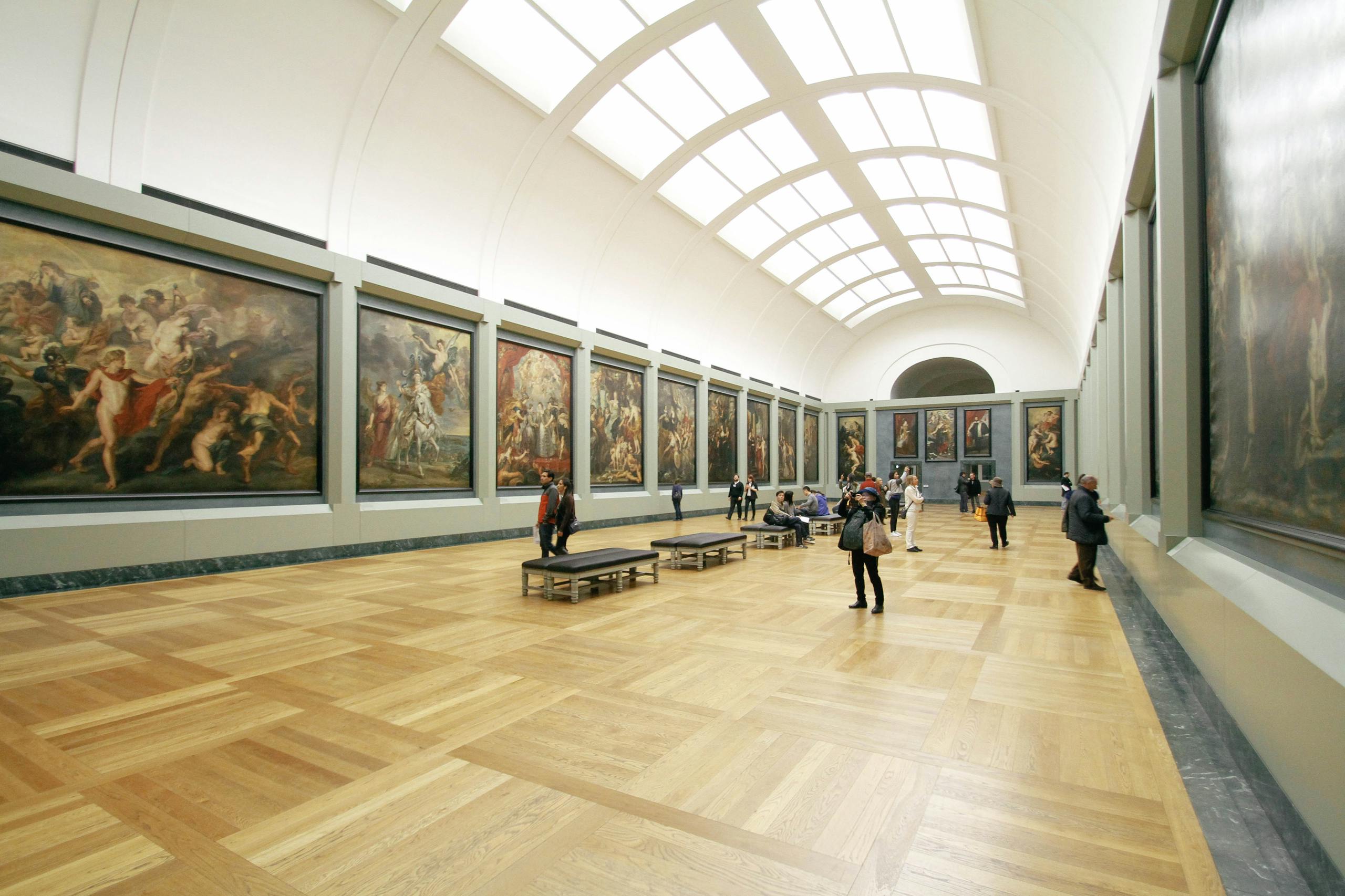
Miami’s art scene is genuinely world-class, which still surprises people who associate the city primarily with beaches and nightlife. The Pérez Art Museum Miami (PAMM) sits on Biscayne Bay with a view that competes with the collection inside. The permanent collection is strong, but the temporary exhibitions tend to be ambitious in scale and conceptually serious. I’ve been twice and spent most of both visits in the same two galleries, which tells you something about how the place rewards slow attention.
ICA Miami (the Institute of Contemporary Art) is smaller and more experimental. It’s also free, which removes the pressure to “get your money’s worth” that can push people into rushing through spaces. Free admission changes the psychological contract with a museum in ways that matter for people who want to linger.
Art Basel Miami Beach happens every December and transforms the city into something genuinely overwhelming for introverts. Worth knowing about, worth planning around carefully if you want to attend, and worth avoiding entirely if you don’t. The satellite fairs (NADA, Untitled Art Fair, Scope) tend to be less crowded and more accessible than the main event.
Outside of Basel season, Miami’s gallery scene operates at a human scale. First Saturdays at PAMM draw crowds, but the rest of the month is quieter. The Rubell Museum in Allapattah, which relocated from Wynwood a few years ago, has some of the most significant contemporary art holdings in the country in a space that feels genuinely contemplative rather than performative.
Something I’ve noticed about spending time alone with serious art is that it functions as a form of the deep internal processing that introverts do naturally. You’re not being asked to perform engagement or explain your reaction. The experience stays internal until you choose to bring it out. That’s rare in most social contexts, and it’s one reason solo museum time feels restorative rather than draining in a way that most social activities don’t.
This connects to something I’ve written about in the context of sensitivity and how we process experience over time. The way sensitivity shifts across a lifespan is directly relevant to how we experience art, especially as we get older and our relationship with our own emotional responses becomes more nuanced.
Can an Introvert Actually Enjoy Miami Nightlife Without Burning Out?
Honest answer: yes, but not by doing it the way most nightlife guides suggest.
I spent years in the advertising industry attending client dinners, launch parties, and industry events that were functionally indistinguishable from nightlife. Open bars, loud music, the expectation of working the room. I got reasonably good at it, the way you get good at anything you do for twenty years, but I never found it energizing. What I eventually learned was that the format of the event mattered enormously. Small venue, meaningful conversation, clear endpoint: manageable. Massive club with no natural social structure: depleting regardless of how long I stayed.
Miami nightlife has a version of both.
The version most people picture, the mega-clubs on South Beach, the bottle-service scene at LIV or Story, is genuinely not built for introverts and I won’t pretend otherwise. Those spaces are designed to maximize sensory stimulation and social density. Even extroverts who thrive there are operating in a specific mode that requires significant energy.
What Miami also has, less advertised but very real, is a jazz and live music scene that operates on completely different terms. Ball and Chain in Little Havana has live salsa most nights in a space that feels like a neighborhood bar rather than a production. You can sit, listen, watch, and participate as much or as little as you want. The music does the social work for you.
Lagniappe in the Edgewater neighborhood is something I’d recommend specifically to introverts who want evening culture without the nightclub experience. It’s a wine and cheese bar with rotating live music, an outdoor space with mismatched furniture, and an atmosphere that actively encourages people to settle in rather than circulate. I’ve spent entire evenings there in comfortable near-solitude, surrounded by people but not required to engage with them.
The rooftop bar scene, which Miami has in abundance, can work well for introverts specifically because the outdoor setting and the view give you something to look at and think about that isn’t the social dynamics of the room. Having a focal point that isn’t other people is underrated as a strategy for managing social environments.
What matters most is honest self-knowledge about your own limits. Research published through PubMed Central on arousal and personality supports what many introverts already know intuitively: highly stimulating environments have a measurably different effect on people with introverted nervous systems. Working with that reality rather than against it is what makes the difference between a good night out and a night that leaves you depleted for two days.
Which Solo Travel Vacation Packages Actually Work for This Kind of Trip?
Most packaged tours are designed for people who want company and structure throughout their trip. That’s not what most introverts are looking for. What we tend to want is logistical simplicity combined with genuine autonomy over how we spend our time.
The most useful packages for introverted solo travelers to Miami tend to be accommodation-focused rather than activity-focused. A well-located hotel or apartment rental that handles the logistics of arrival, provides a genuinely comfortable private space, and gets out of your way is worth more than a package that bundles in group tours and scheduled activities.
Location matters more than most people realize. Staying in South Beach puts you in the middle of the highest-stimulation zone in the city. It’s convenient for the beach and the Art Deco Historic District, but the ambient energy of the area is relentless. Staying in Wynwood, Edgewater, or the Brickell area gives you access to everything while providing a lower-intensity home base.
Boutique hotels in Wynwood and the Design District tend to be smaller, quieter, and more design-conscious than the large resort properties. The Arlo Wynwood and similar properties are built for travelers who care about aesthetics and want a calm space to return to. That matters when you’re processing a full day of sensory input and need somewhere to genuinely decompress.
If you’re considering a structured package, look for ones that include museum memberships or gallery passes rather than group tours. The difference between a solo museum visit and a guided group tour is enormous for introverts. One allows you to set your own pace and stay with what interests you. The other locks you into someone else’s rhythm and requires sustained social engagement throughout.
My approach to trip planning as an INTJ has always been to over-research in advance and then leave the actual days relatively unstructured. Knowing what exists, knowing roughly where things are, and having a few anchor points per day gives me the security of preparation without the rigidity of a schedule. That combination tends to work well for introverts who need both freedom and a sense of orientation.
This kind of intentional planning connects to something broader about how personality type shapes major decisions. Understanding how your MBTI type influences life planning can reframe not just how you travel, but how you approach any significant choice about how to spend your time and energy.
How Do You Protect Your Energy While Getting the Most from the City?
Energy management on a solo trip is the thing nobody talks about in travel guides, but it’s the difference between coming home restored and coming home needing a vacation from your vacation.
Miami is a high-stimulation city. The light is intense. The heat is physical. The sensory environment, especially in tourist areas, is dense with sound, color, movement, and the social pressure of being in a place where everyone seems to be having a very good time. For introverts who are also highly sensitive, that combination can be genuinely taxing even when it’s enjoyable.
Building recovery into the itinerary isn’t a concession. It’s what makes the rest of the trip possible. I’ve learned this the hard way across dozens of business trips where I pushed through fatigue to attend one more dinner, one more event, and paid for it the following day with diminished focus and a shorter emotional fuse than I wanted to bring to client work.
Concretely, what works: mornings are often the best time for high-engagement activities like museum visits or neighborhood exploration. The heat is lower, the crowds are thinner, and your cognitive resources haven’t been depleted yet. Afternoons can be reserved for lower-intensity activities or genuine rest. Evenings, if you’re going out, work better when they start early by Miami standards and have a clear endpoint in mind.
Miami’s beaches, which are often treated as a backdrop for social activity, are actually excellent for the kind of quiet restoration that introverts need. Early morning on the beach before the crowds arrive is one of the more genuinely peaceful experiences the city offers. The sensory experience of water, light, and open space is restorative in a way that’s different from the interior quiet of a hotel room.
Solo dining, which makes some introverts anxious, is actually something Miami handles well. The city has a strong cafe culture, and sitting alone with a book or a notebook at a good restaurant is unremarkable here. Nobody is watching you or wondering why you’re alone. The social norm around solo dining in Miami is more relaxed than in many American cities, which matters more than it might seem when you’re deciding whether to go out for a proper meal or default to room service again.
There’s a deeper principle here about the relationship between solitude and genuine restoration. Making peace with solitude changes everything about how you travel alone, because you stop experiencing the quiet moments as gaps to be filled and start recognizing them as the point.
What Makes Miami’s Art Scene Different from Other Major Cities?
Miami’s art scene has a specific character that distinguishes it from New York, Los Angeles, or Chicago, and that character is relevant to how introverts experience it.
The first thing is scale. Miami’s art world is significant but not overwhelming. The major institutions are world-class, but there aren’t so many of them that you feel behind before you start. You can get a genuine sense of the city’s artistic identity in a few days of focused attention, which isn’t true of New York where you could spend a lifetime and still feel like you’ve barely started.
The second is the relationship between art and outdoor space. Miami’s climate means that the boundary between interior gallery space and exterior environment is more porous than in most cities. Wynwood’s murals exist in open air. Vizcaya’s formal gardens are themselves a kind of installation. The Bass Museum in South Beach has an outdoor sculpture garden. This matters for introverts because outdoor art spaces carry less of the social pressure of enclosed gallery rooms. You’re in public space, not institutional space, and the rules feel different.
The third is the Latin American influence on the city’s contemporary art scene, which gives Miami’s galleries a different curatorial sensibility than you find in most American cities. The work tends to be more politically engaged, more interested in questions of displacement and identity, and more willing to be emotionally direct. As someone who spent two decades in advertising learning to communicate visually, I find that directness genuinely compelling. The work asks something of you.
The Margulies Collection at the Warehouse in Wynwood is worth specific mention for introverted visitors. It’s a private collection housed in a 45,000 square foot warehouse, open to the public on a limited basis. The scale of the space means you can be genuinely alone with large-scale works in a way that’s impossible in most public museums. I’ve stood in that building with three other visitors in sight and felt something close to what I imagine early visitors to Lascaux felt, that specific quality of attention that comes from being alone with something significant.
Connecting deeply with art is one of those experiences that benefits from the kind of attentive listening that some people bring more naturally than others. The capacity for deep listening, whether in academic settings or personal ones, is a genuine strength that translates directly into richer cultural experiences.
Art engagement also has measurable effects on wellbeing that go beyond simple enjoyment. Research indexed through PubMed Central on arts engagement and psychological health suggests that regular exposure to visual art supports emotional processing in ways that align with how introverts naturally tend to work through experience.
What Should You Know About Miami’s Neighborhoods Before You Book?
Neighborhood choice shapes the entire character of a Miami trip, and most travel packages don’t give this enough attention.
South Beach is the most famous and the most exhausting. The Art Deco Historic District along Ocean Drive is genuinely worth seeing, but the tourist density and the performative social atmosphere make it a place to visit rather than a place to stay. If you do stay in South Beach, the quieter blocks north of 23rd Street have a different character than the main strip.
Wynwood has changed significantly in the past decade. What was once a rough industrial neighborhood is now thoroughly gentrified, with the predictable tradeoffs. The art is still there and still worth the time. The neighborhood now also has good restaurants, coffee shops, and the kind of daytime energy that suits introverted exploration. It can feel crowded on weekends, but weekday mornings are genuinely pleasant.
Coconut Grove is the neighborhood I’d suggest for introverts who want a quieter base. It’s older, more residential, and has a bohemian character that predates the current Miami boom. The waterfront at Dinner Key is beautiful and usually uncrowded. The main commercial strip has independent bookshops and coffee houses that feel like they belong to the neighborhood rather than to a brand.
Coral Gables, just south of Coconut Grove, is probably the most underrated neighborhood in Miami for thoughtful solo travelers. The Mediterranean Revival architecture is extraordinary, the Venetian Pool is one of the stranger and more wonderful things in Florida, and the Biltmore Hotel, even if you’re not staying there, is worth walking through. The neighborhood has a European pace that rewards slow attention.
Brickell is Miami’s financial district and has a more urban, vertical character than the rest of the city. It’s convenient, has good transit connections, and the waterfront Brickell City Centre area is pleasant for evening walks. It lacks the character of the older neighborhoods, but it works well as a logistical base if you’re planning to move around the city a lot.
One practical note on transportation: Miami is not a walkable city in the way that New York or Chicago are. The Metromover (free) covers downtown and Brickell well. The Metrorail connects some neighborhoods. For most of the city, you’ll be using rideshare or renting a car. Planning your neighborhood base around where you actually want to spend time, rather than defaulting to South Beach because it’s what you’ve heard of, saves significant energy over the course of a trip.

How Does Solo Travel to Miami Connect to Something Larger?
Solo travel, at its best, is a form of self-knowledge. You find out what you actually want when nobody else’s preferences are shaping the itinerary. You find out how you handle uncertainty, discomfort, and the specific kind of loneliness that can appear even in beautiful places. You find out what restores you and what depletes you when you’re the only one responsible for managing both.
Miami specifically, because it’s a city that seems designed for extroverts, tests something particular in introverted solo travelers. Whether you can hold your own sense of what a good day looks like against the ambient pressure of a city that’s constantly suggesting louder, more, later, more people. That’s not a small thing to practice.
When I look back at the trips that have actually changed how I think, most of them involved some version of being alone in a place that didn’t match my expectations and finding something real there anyway. My first solo trip to Miami was ostensibly a work trip. The afternoon in Wynwood that I mentioned at the start of this article wasn’t planned. I wasn’t looking for anything. But standing in front of that mural, with no client to manage and no meeting to prepare for, something in my thinking shifted about what cities could offer someone like me.
The broader work of understanding yourself as an introvert, including how you travel, how you recover, and what actually feeds you rather than just distracting you, is ongoing. Frontiers in Psychology has published work on personality and environmental preference that touches on why certain places and experiences resonate differently depending on how you’re wired, which is useful framing for thinking about why some travel experiences stick and others don’t.
Choosing to travel alone to a city like Miami is, in a quiet way, an act of self-trust. You’re betting that you know what you need and that you can find it even in an unlikely place. Most of the time, that bet pays off in ways you didn’t anticipate.
More resources on handling significant personal changes, including the kinds of decisions that solo travel often surfaces, are gathered in the Life Transitions and Major Changes hub, which covers everything from career shifts to identity work to the quieter internal changes that don’t always have obvious names.
Running on empty?
Five drain profiles, each with specific triggers, warning signs, and a recharging playbook.
Take the Free QuizUnder 2 minutes · 8 questions · Free
About the Author
Keith Lacy is an introvert who’s learned to embrace his true self later in life. After 20 years in advertising and marketing leadership, including running agencies and managing Fortune 500 accounts, Keith now channels his experience into helping fellow introverts understand their strengths and build fulfilling careers. As an INTJ, he brings analytical depth and authentic perspective to every article, drawing from both professional expertise and personal growth.
Frequently Asked Questions
Are solo travel vacation packages in Miami worth it for introverts?
They can be, with the right structure. The most useful packages for introverted solo travelers focus on accommodation quality and location rather than bundled group activities. Look for packages that give you a well-situated private space and logistical simplicity, then build your own days around the art scene, neighborhood exploration, and the kind of low-stimulation evening options that Miami actually has in abundance once you look past the South Beach nightclub image.
Which Miami neighborhoods are best for introverted solo travelers?
Coconut Grove and Coral Gables offer the quietest, most contemplative base for introverted visitors. Wynwood works well for travelers who want to be close to the art scene and don’t mind more foot traffic. The Design District suits people who want a balance of culture and calm. South Beach is the most stimulating neighborhood in the city and tends to be the least restorative as a home base, even if it’s worth visiting.
Can introverts actually enjoy Miami’s nightlife?
Yes, by choosing venues that match how introverts actually function socially. Ball and Chain in Little Havana, Lagniappe in Edgewater, and the city’s rooftop bar scene all offer evening culture without the overwhelming sensory environment of the mega-clubs. Live music venues where the performance provides social structure are particularly well-suited to introverted visitors who want to be out in the city without the pressure of sustained social performance.
What is the best time of year for an introverted solo trip to Miami?
Late January through early March offers the most favorable combination of weather and manageable crowds. December brings Art Basel and significantly higher tourist density throughout the city. Summer is hot and humid but has the advantage of lower prices and thinner crowds at most cultural venues. Avoiding major holiday weekends and the Art Basel period gives you access to the city’s best offerings without the peak-season energy levels that can be genuinely taxing for introverted travelers.
How do you manage energy on a solo Miami trip as an introvert?
Front-load your most demanding activities in the morning when your energy is highest and crowds are thinner. Build genuine rest into the afternoon rather than treating it as time to fill. Choose your evening activities based on honest assessment of your remaining energy rather than what you feel you should do. Miami’s beaches, especially early morning, offer genuine restoration. Solo dining at a good restaurant with a book is completely unremarkable in Miami and worth doing rather than defaulting to room service when you need a quiet evening.