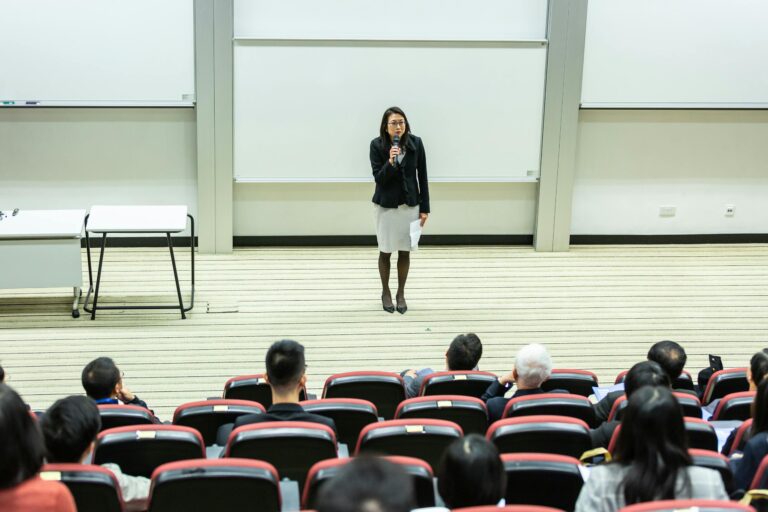
The best jobs for ISTP females are ones that reward hands-on problem-solving, independent thinking, and the ability to stay calm when everything else is falling apart. Roles in engineering, forensic science, surgery, skilled trades, emergency services, and technical analysis tend to suit this personality type exceptionally well because they demand exactly the kind of precise, action-oriented intelligence that ISTP women carry naturally.
What makes career fit so important for this type specifically? ISTP women are wired differently from the cultural script most workplaces hand them. They think through their hands and their observations. They process internally before speaking. They solve problems by taking things apart, literally or conceptually, and rebuilding them with better logic. Put them in a role that fights those instincts, and they’ll spend their days performing a version of themselves that costs enormous energy. Put them somewhere those instincts are assets, and something clicks into place.
If you haven’t confirmed your type yet, it’s worth taking our free MBTI personality test before going further. Knowing your cognitive function stack changes how you read career advice.
Over the years running advertising agencies, I worked alongside a handful of women who I’d now recognize as ISTPs. One was a production director who could troubleshoot a print workflow crisis at 11 PM with the same flat calm she brought to Tuesday morning standups. She wasn’t cold. She wasn’t disengaged. She was processing, acting, and solving while everyone else was still catastrophizing. I didn’t understand her then the way I do now. I just knew she was the person I wanted in the room when something broke.
Our ISTP personality hub covers the full range of what makes this type tick, from cognitive function development to communication style to the social dynamics that can make or break their experience at work. This article builds on that foundation with a specific focus on where ISTP women find their best fit, and why.

What Makes ISTP Women Different From the Career Advice They Usually Get?
Generic career advice for women often centers on communication, collaboration, emotional intelligence, and relationship-building as primary career assets. None of that is wrong, but it’s an incomplete picture for someone whose dominant cognitive function is introverted Thinking.
ISTP women lead with Ti, introverted Thinking, which means their primary mode of engaging with the world is through internal logical analysis. They build precise mental frameworks. They evaluate information against an internal standard of accuracy and consistency. They don’t accept conclusions just because someone with authority said so. They need the logic to hold up on its own terms.
Their auxiliary function is Se, extraverted Sensing, which grounds that internal analysis in real-time sensory data. ISTP women aren’t theorists. They’re practitioners. They want to see how something actually works, not just how it’s supposed to work on paper. Se gives them physical coordination, situational awareness, and a responsiveness to the present moment that makes them exceptional in fast-moving, high-stakes environments.
What this combination produces is someone who is simultaneously precise and adaptable, analytical and action-oriented. That’s a rare combination. It’s also one that many traditional career paths for women either don’t recognize or actively work against.
Add to this the reality that ISTP women often face a double bind. Introversion gets read as aloofness. Directness gets read as aggression. A preference for working independently gets labeled as not being a team player. The same qualities that make ISTP men seem cool and competent can make ISTP women seem difficult or disengaged, even when they’re producing excellent work. The right career environment matters not just for performance but for psychological wellbeing.
The Myers-Briggs Foundation describes type as a framework for understanding natural preferences, not fixed limitations. That framing matters here. ISTP women aren’t limited to a narrow list of careers. What they’re looking for is fit: environments where their natural way of processing and working is an advantage rather than something they have to apologize for.
Which Career Fields Genuinely Suit the ISTP Female?
Let me walk through the fields where ISTP women tend to thrive, and more importantly, why each one works at the level of cognitive function.
Engineering and Technical Trades
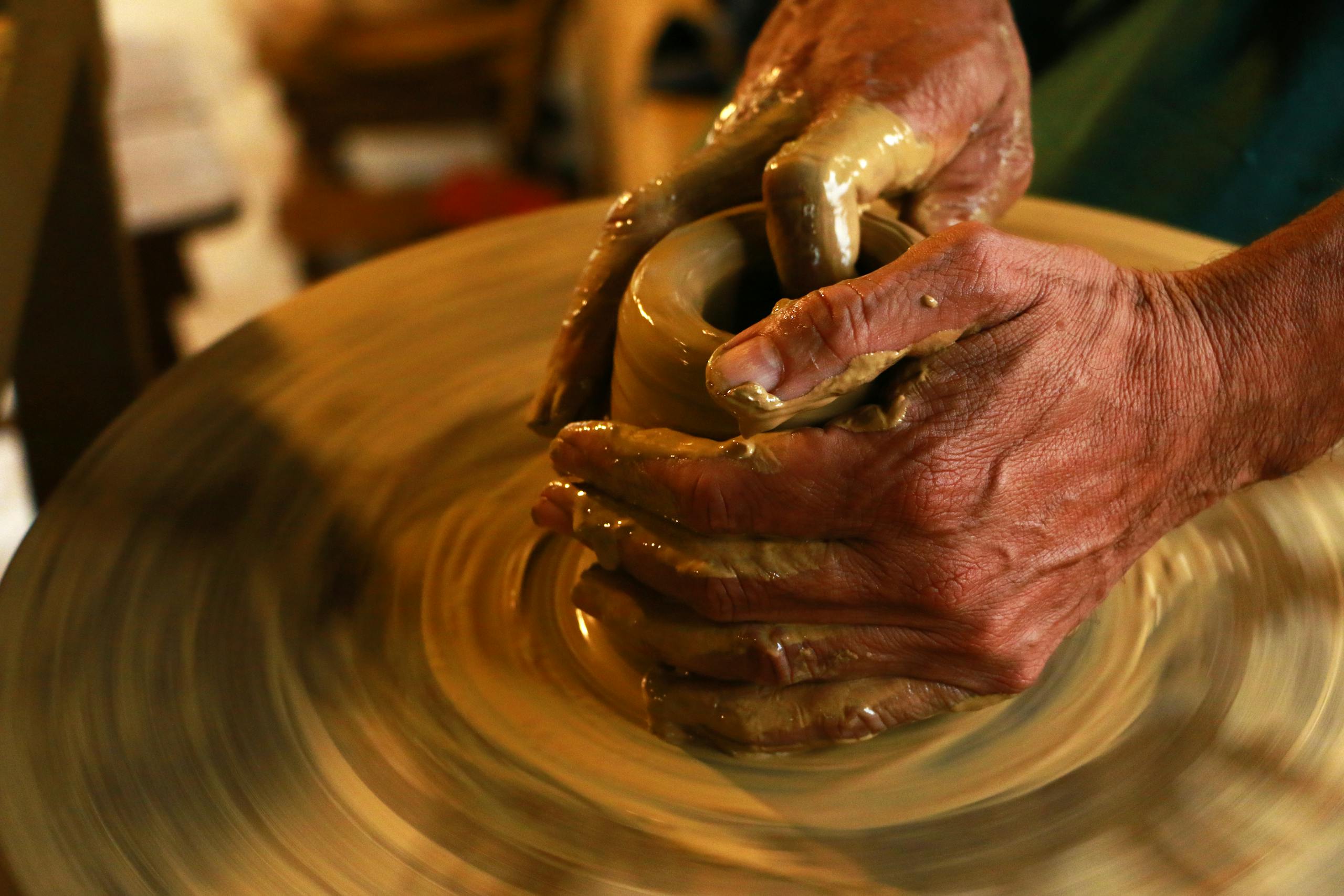
Engineering, whether mechanical, civil, electrical, or structural, is one of the clearest fits for this type. The work demands the exact kind of systematic, hands-on problem-solving that Ti and Se produce together. ISTP women in engineering roles often describe feeling like they can finally stop translating themselves. The work rewards precision, not performance.
Skilled trades deserve equal mention here. Electricians, machinists, welders, HVAC technicians, and automotive technicians work with physical systems that require both diagnostic thinking and manual dexterity. The Bureau of Labor Statistics Occupational Outlook Handbook shows consistently strong demand and competitive wages across skilled trades, making them viable long-term career paths, not fallback options.
ISTP women who pursue trades often report that the work itself is deeply satisfying in a way that desk-based roles rarely are. There’s something about fixing a real problem with your hands that aligns with how Se-auxiliary types experience competence and satisfaction.
Forensic Science and Criminal Investigation
Forensic science is a field that seems almost designed for the ISTP cognitive profile. It requires meticulous observation of physical evidence, logical analysis of what that evidence means, and the emotional detachment to work with difficult material without being destabilized by it.
ISTP women in forensic roles tend to excel precisely because their inferior function, Fe (extraverted Feeling), doesn’t dominate their decision-making under normal conditions. They can process the facts of a case without the emotional overwhelm that would compromise accuracy. That’s not coldness. That’s a particular kind of professional resilience.
Criminal investigation, crime scene analysis, digital forensics, and evidence examination all draw on the same core strengths. The work is concrete, the standards are high, and the problems are genuinely complex. For an ISTP woman who needs her work to mean something real, this field delivers.
Surgery and Emergency Medicine
Medicine is a broad field, and not all of it suits the ISTP temperament. But surgery and emergency medicine are different. Both demand split-second decision-making under pressure, precise physical execution, and the ability to read a rapidly changing situation without freezing. That’s Se and Ti working at their highest level.
ISTP women in surgical or emergency roles often describe a kind of flow state in high-pressure moments that other people find terrifying. Where their colleagues are managing anxiety, they’re managing the problem. That distinction matters enormously in fields where hesitation costs lives.
Paramedics and emergency medical technicians deserve mention in the same breath. The autonomy, the physical demands, the need for rapid diagnosis without the support structure of a hospital setting, these conditions favor the ISTP’s particular brand of competence.
Data Analysis and Systems Architecture
Not every ISTP woman wants to work with physical systems. Some are drawn to the logical architecture of data and software. Data analysis, database administration, systems architecture, and cybersecurity all offer the kind of structured problem-solving that Ti dominance produces naturally.
What makes these roles work for ISTP women specifically is the combination of independent work, concrete outcomes, and the satisfaction of solving problems that have objectively right and wrong answers. There’s no ambiguity about whether a system is working. It either is or it isn’t. That clarity is deeply satisfying for someone whose dominant function is built around internal logical precision.
Cybersecurity in particular has grown into one of the most intellectually demanding fields in technology. The adversarial nature of the work, always thinking three steps ahead of someone trying to break your system, suits the ISTP’s love of mental challenge and their ability to think like a problem rather than just around it.
Piloting and Aviation
Aviation is one of those fields where ISTP women show up consistently and excel. Commercial pilots, military pilots, and flight instructors all need the same core capacities: technical mastery, calm under pressure, precise physical coordination, and rapid situational assessment. Se-auxiliary types often describe flying as the most natural thing they’ve ever done, because the feedback loop between action and result is immediate and physical.
The culture of aviation has historically been male-dominated, which creates real barriers. But that’s a structural problem, not a capability problem. ISTP women who push through those barriers often find the work itself is exactly right for how they’re built.
Architecture and Industrial Design
Architecture sits at the intersection of logical systems thinking and physical, tangible outcomes. ISTP women in architecture often gravitate toward the technical side of the field, structural engineering, building systems, construction management, rather than the purely aesthetic dimensions. That’s not a limitation. That’s where their strengths produce the most impact.
Industrial design follows similar logic. Designing physical products that actually work, that hold up under real-world conditions, that solve genuine problems, is deeply satisfying work for someone whose tertiary function, Ni (introverted Intuition), is developing a longer-range vision to complement their Ti and Se strengths.

What Work Environments Do ISTP Women Need to Avoid?
Career fit isn’t just about finding the right role. It’s equally about avoiding the wrong environments. For ISTP women, certain work cultures are genuinely corrosive to their wellbeing and performance.
High-meeting cultures are a significant drain. When I ran my agency, I watched talented people spend six hours a day in meetings that could have been emails. For ISTP women, that kind of environment doesn’t just feel inefficient. It actively prevents them from doing the work they’re good at. Their Ti needs uninterrupted processing time. Their Se needs to be engaged with real problems, not discussions about problems.
Roles that require constant emotional performance are similarly exhausting. Fe is the ISTP’s inferior function, which means it’s the least developed and most energy-intensive to sustain. Jobs that demand ongoing emotional attunement, managing group dynamics, reading interpersonal undercurrents, performing warmth and enthusiasm continuously, these aren’t just uncomfortable. They’re cognitively expensive in a way that compounds over time.
Highly political environments where influence depends on relationship capital rather than competence are another poor fit. ISTP women tend to believe, reasonably, that good work should speak for itself. In environments where advancement depends on visibility and social navigation, that belief can leave them overlooked despite being excellent at their jobs. It’s worth understanding how ISTP influence works best when actions speak louder than words, so you can leverage that in environments that might otherwise overlook quiet competence.
Rigid hierarchies that require deferring to authority over logic are a particular frustration. ISTP women evaluate ideas on their merits, not their source. Being told to follow a process that doesn’t make sense, without being given a logical reason why, is genuinely difficult for someone with dominant Ti. Organizations that reward compliance over critical thinking will lose ISTP women either through turnover or through the slow erosion of engagement.
How Does the ISTP Female Handle Workplace Conflict and Communication?
One of the more nuanced career challenges for ISTP women is communication, specifically in high-stakes or emotionally charged situations. Their default mode is directness and efficiency. They say what they mean, mean what they say, and expect others to do the same. In many professional contexts, that directness is an asset. In others, it creates friction that can follow them through performance reviews and promotion decisions.
Conflict is particularly complex. ISTP women often go quiet when tension rises, not because they’re disengaged, but because they’re processing. They need to think through the logic of a situation before they’re ready to speak to it. That internal processing time can look like avoidance or indifference to people who process out loud. Understanding the specific pattern of why ISTPs shut down in conflict and what actually works is genuinely useful here, because the pattern has a logic to it that can be worked with once you understand it.
Difficult conversations are their own challenge. ISTP women often know exactly what needs to be said but find the emotional choreography of saying it in a way that lands well to be exhausting. They can come across as blunt when they’re trying to be efficient, or as cold when they’re trying to be professional. Learning to bridge that gap without abandoning their directness is one of the most valuable professional skills they can develop. There are specific approaches to speaking up in difficult situations as an ISTP that don’t require performing a personality you don’t have.
It’s worth noting the contrast with ISFP women here, because the two types are sometimes confused. ISFPs share the introversion and the preference for action over talk, but their conflict and communication patterns differ significantly. Where ISTPs process conflict through logic, ISFPs process it through values. The ISFP approach to conflict resolution is built around a different internal architecture, one where avoidance is often a protection mechanism for deeply held values rather than a logical assessment of the situation.
Can ISTP Women Thrive in Leadership Roles?
Yes, but the path looks different than the conventional leadership narrative suggests.
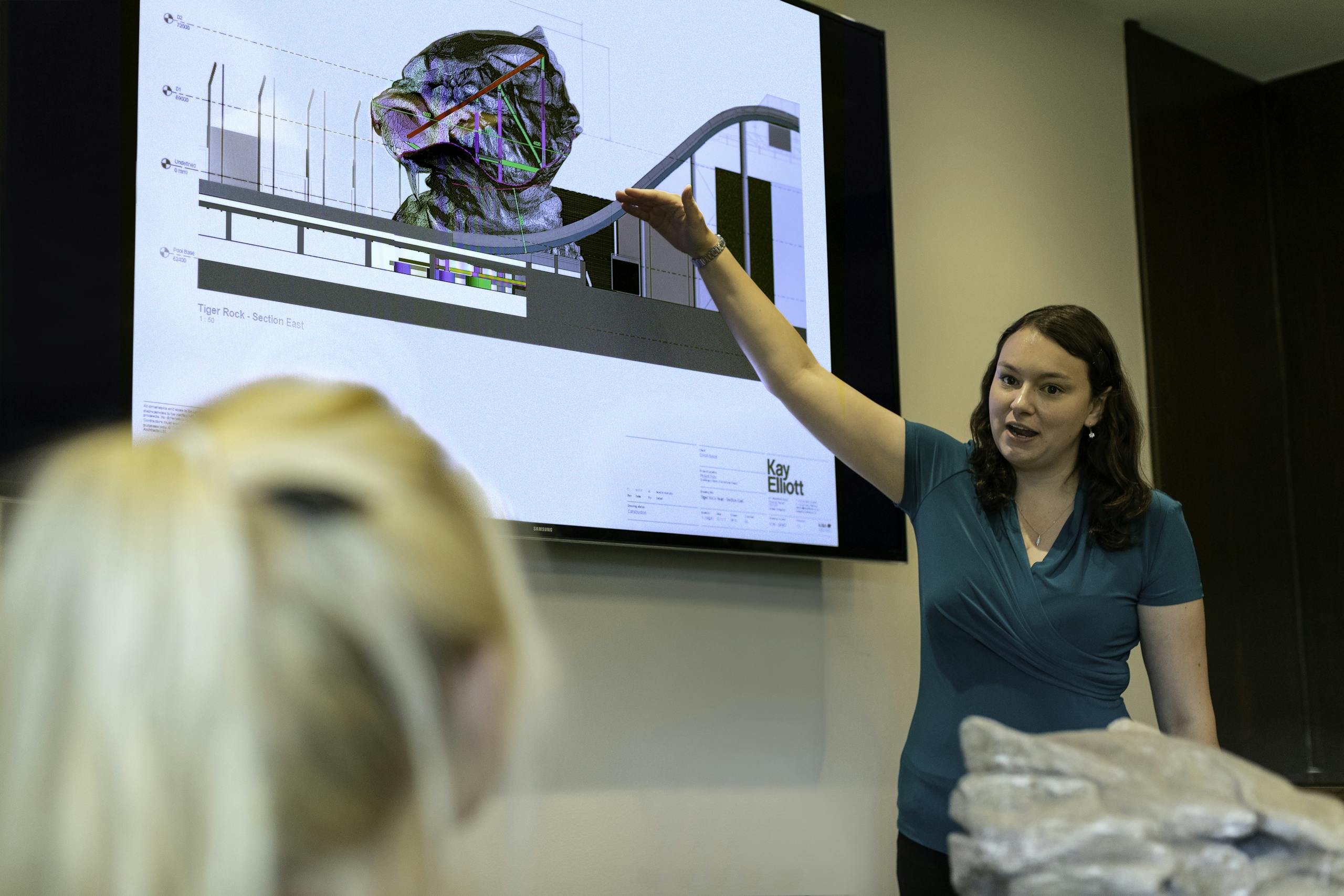
ISTP women who lead tend to lead by doing. They’re not the type to inspire through vision speeches or motivate through emotional appeals. Their authority comes from demonstrated competence. When a team watches someone solve the hardest problem in the room with quiet efficiency, trust builds in a way that no amount of charisma can manufacture. That’s the ISTP leadership signature, and it’s genuinely powerful.
I’ve seen this dynamic play out many times. At one of my agencies, I promoted a project manager who operated exactly this way. She never lobbied for visibility. She never worked the room at company events. She just consistently solved problems that other people couldn’t. Her team would walk through walls for her, not because she was warm and inspiring in the conventional sense, but because they knew she was the most capable person in the building and she never let them down. That’s a form of leadership that doesn’t get enough credit.
The challenges in leadership for ISTP women tend to cluster around two areas. First, the political work of leadership, building alliances, managing up, advocating for your team in rooms you’re not in, requires sustained Fe engagement that can be genuinely draining. Second, the communication demands of leadership, giving feedback, having hard conversations, articulating vision, often require skills that don’t come naturally to dominant Ti types.
Both are learnable. Neither requires abandoning who you are. It’s worth understanding how the ISTP approach to influence can work in leadership contexts, because the action-based model of building credibility is genuinely effective when it’s applied intentionally rather than just happening by default.
The comparison to ISFP women in leadership is instructive. ISFPs bring a different kind of quiet influence to leadership, one rooted in values alignment and genuine care for individuals. Where ISTP leaders build trust through competence, ISFP leaders often build it through authenticity and personal connection. Understanding how ISFP influence operates can help clarify what’s distinctly ISTP about your own leadership style, and where the two approaches might actually complement each other on a team.
What About Entrepreneurship for ISTP Women?
Entrepreneurship is a natural fit for ISTP women in certain forms. The autonomy, the problem-solving demands, the direct connection between effort and outcome, these align well with how they’re built. But not all entrepreneurship is the same, and the version that works for ISTP women tends to be specific.
Service-based businesses built around technical expertise are a strong fit. Consulting practices, specialty trades businesses, technical services, forensic consulting, engineering firms, these allow an ISTP woman to build a business around the thing she’s genuinely excellent at without requiring her to become a different person in the process.
The harder parts of entrepreneurship for this type are the relational ones. Sales, in the traditional sense, requires a kind of sustained emotional engagement that can feel performative. Marketing often demands a personal visibility that conflicts with the ISTP preference for letting work speak for itself. Building a team requires ongoing attention to interpersonal dynamics that can feel like a tax on top of the actual work.
None of these are insurmountable. But they’re worth naming honestly. ISTP women who succeed as entrepreneurs typically build structures that protect their deep work time, hire for the interpersonal skills they find draining, and find ways to demonstrate value through their work rather than through personal branding.
The 16Personalities research on team communication offers some useful framing here. Different types bring different strengths to team dynamics, and ISTP entrepreneurs who understand their own communication profile can build teams that complement rather than mirror them.
How Does Wellbeing Factor Into Career Choice for ISTP Women?
Career fit isn’t just a performance question. It’s a health question. ISTP women who spend years in roles that fight their natural processing style often experience a slow accumulation of stress that can tip into burnout, anxiety, or depression. The National Institute of Mental Health notes that chronic workplace stress is a significant contributor to depression, and the specific stress of sustained inauthenticity, performing a version of yourself that doesn’t fit, compounds that risk.
The inferior function plays a role here that’s worth understanding. Fe, as the ISTP’s inferior function, tends to surface under stress in ways that can feel disorienting. ISTP women who are chronically overextended may find themselves either becoming unusually emotionally reactive or swinging to the opposite extreme and feeling emotionally numb. Neither is their natural state. Both are signs that the system is under strain.
The American Psychological Association’s work on social connection is relevant here too. ISTP women aren’t antisocial, but they need social connection on their own terms, in smaller doses, with people they trust, around shared activities or problems rather than pure socializing. Careers that provide that kind of connection, a small, competent team working on a hard problem together, tend to support wellbeing in ways that large, socially demanding environments don’t.
There’s also something worth saying about the ISFP comparison when it comes to emotional wellbeing at work. ISFP women face their own version of this challenge, and understanding how they handle difficult conversations, including the ways avoiding hard talks can actually hurt ISFP wellbeing more than having them, can help ISTP women recognize the patterns in their own avoidance tendencies, even if the underlying mechanism is different.

What Practical Steps Help ISTP Women Find the Right Career Path?
Knowing your type is a starting point, not an answer. The practical work of finding the right career path requires a more specific kind of self-assessment.
Start with your energy audit. Look back at the last three to six months of work. Which tasks left you feeling competent and engaged? Which ones left you feeling drained regardless of how well you performed? The pattern is usually more informative than any career quiz. ISTP women often find that their energy drains in meetings, in emotionally charged situations, and in roles requiring constant social performance. Their energy builds when they’re solving concrete problems, working with physical or technical systems, and operating with genuine autonomy.
Map that pattern against the fields described above. Where does the overlap sit? That’s your starting point for exploration, not a final answer, but a direction.
Then look at the specific role within a field, not just the field itself. Engineering is a broad category. Some engineering roles are highly collaborative and meeting-heavy. Others are deeply independent and technically focused. The same is true of medicine, law, technology, and almost every other field. The role matters as much as the industry.
Finally, pay attention to the management culture of specific organizations. A great role in a toxic culture is still a poor fit. ISTP women thrive under managers who evaluate them on outcomes, give them autonomy, and trust their judgment. They struggle under managers who require frequent check-ins, prioritize process over results, or interpret independence as disengagement. That cultural fit question is worth researching carefully before accepting any offer.
The Truity overview of extraverted Sensing is a useful resource for understanding how Se-auxiliary types like ISTPs engage with the world, and why certain environments support that engagement while others suppress it.
There’s a broader conversation about ISTP identity and career that goes well beyond job titles. If you want to go deeper on what drives this type, our complete ISTP personality resource hub covers everything from cognitive function development to relationship dynamics to the specific challenges this type faces in professional settings.
About the Author
Keith Lacy is an introvert who’s learned to embrace his true self later in life. After 20 years in advertising and marketing leadership, including running agencies and managing Fortune 500 accounts, Keith now channels his experience into helping fellow introverts understand their strengths and build fulfilling careers. As an INTJ, he brings analytical depth and authentic perspective to every article, drawing from both professional expertise and personal growth.
Frequently Asked Questions
What are the best careers for ISTP females?
The strongest career fits for ISTP women include mechanical and electrical engineering, forensic science, surgery and emergency medicine, cybersecurity, data analysis, skilled trades, piloting, and architecture. These fields reward the ISTP’s dominant introverted Thinking and auxiliary extraverted Sensing by offering hands-on problem-solving, technical precision, and meaningful autonomy. The common thread across all of them is that competence and results matter more than social performance.
Are ISTP females good leaders?
Yes, though their leadership style differs from conventional models. ISTP women lead through demonstrated competence rather than charisma or emotional inspiration. They build trust by solving hard problems efficiently and delivering consistent results. The challenges they face in leadership tend to involve the relational and political dimensions of the role, building alliances, managing group dynamics, giving ongoing feedback. These skills are learnable and don’t require abandoning their natural directness.
What work environments should ISTP females avoid?
ISTP women tend to struggle in environments with high meeting cultures, constant emotional performance requirements, rigid hierarchies that prioritize compliance over logic, and highly political workplaces where advancement depends more on relationship capital than competence. These environments fight against the ISTP’s natural processing style and can lead to significant energy drain and disengagement over time.
How does the ISTP female handle workplace stress?
Under moderate stress, ISTP women typically become more focused and efficient. Under sustained or severe stress, their inferior function, extraverted Feeling, can surface in ways that feel out of character, either unusual emotional reactivity or emotional numbness. Chronic stress from poor career fit is a significant risk factor. Roles that provide genuine autonomy, concrete problems to solve, and limited demands for sustained emotional performance tend to support their wellbeing most effectively.
Is the ISTP female rare?
ISTP is among the less common types for women in general population samples, which means ISTP women often grow up without seeing their natural way of being reflected back to them in cultural narratives about femininity, communication, or career success. That rarity can make it harder to find role models or mentors who operate the same way. It also means that when ISTP women do find their fit, the relief and sense of recognition can be significant. Knowing your type clearly matters for this reason.