Autistic burnout after socialising is a state of deep physical, cognitive, and emotional exhaustion that follows social interaction in autistic people, often arriving hours or even days after the event itself. It goes well beyond the ordinary tiredness that introverts feel after a crowded room. It can involve a near-complete shutdown of executive function, sensory overwhelm, and a loss of skills that were previously manageable.
What makes it so disorienting is the delay. You leave the dinner party feeling fine, maybe even proud of yourself for holding it together. Then you wake up the next morning unable to form sentences.
If you’ve found your way to this article, you’re probably trying to make sense of something that doesn’t follow the rules you expected. You’re not dealing with ordinary social fatigue. And you deserve a clearer picture of what’s actually happening, and why it hits so hard.
Our Burnout and Stress Management hub covers a wide range of exhaustion experiences across personality types, but autistic burnout after socialising sits in its own category, one that deserves a much closer look than it usually gets.
Why Does Socialising Hit Autistic People So Differently?
There’s a fundamental difference between finding social situations draining and having your entire operating system crash after them. Most introverts, myself included as an INTJ, feel depleted after extended social contact. We need quiet time to recharge. That’s a real and valid experience. Yet autistic burnout after socialising is a different animal entirely.
What drains your social battery?
Not all social exhaustion is the same. Our free quiz identifies your specific drain pattern and gives you personalised recharging strategies.
Find Your Drain PatternUnder 2 minutes · 8 questions · Free
Autistic people frequently engage in something called masking, the process of consciously or unconsciously suppressing autistic traits and performing neurotypical social behaviour. Every eye contact calculation, every tonal adjustment, every suppressed stim, every managed sensory input adds to a running cognitive and neurological tab. When the bill comes due, it doesn’t arrive as mild fatigue. It arrives as collapse.
A piece published by Psychology Today on why socialising drains introverts more than extroverts touches on the neurological differences in how introverts process social stimulation. For autistic people, that processing load is compounded by the masking effort running simultaneously underneath every interaction.
I’ve spent years in rooms that were genuinely exhausting for me as an INTJ. Running advertising agencies meant client dinners, pitch presentations, team socials, and industry conferences stacked back to back. I’d come home from a particularly intense week and feel genuinely hollowed out. That was real. Yet I never experienced what several people in my orbit, who I now understand were likely autistic, seemed to go through after those same events. One creative director I managed would be completely unreachable for two days after major client presentations. At the time, I read it as temperament. Looking back, I think something more significant was happening.
What Does Autistic Burnout After Socialising Actually Feel Like?
The experience varies between individuals, but certain patterns show up consistently. Understanding them matters, whether you’re trying to recognise your own experience or support someone close to you.
Cognitive shutdown is one of the most reported features. Words that normally come easily simply don’t. Decision-making, even around small things like what to eat or whether to answer a message, becomes genuinely difficult. Some people describe it as trying to run a complex programme on a computer that’s almost out of memory. Everything slows, stutters, or stops.
Sensory sensitivity often spikes dramatically. Sounds that were tolerable during the social event become unbearable afterward. Light feels harsh. Textures that usually pass unnoticed become distracting or painful. The nervous system, which was already working overtime to filter and process the social environment, has essentially used up its buffering capacity.
Emotional regulation takes a hit as well. Feelings that would normally be manageable can surface with unexpected intensity. Irritability, sadness, or a flat emotional numbness are all common. Some people describe a profound sense of disconnection from themselves, as though they’re watching their own life through glass.
Physical symptoms round out the picture. Fatigue that sleep doesn’t fully resolve, headaches, gastrointestinal distress, and a general heaviness in the body are frequently reported. Research published in PMC examining autistic burnout identifies this combination of exhaustion, skill loss, and reduced tolerance as the core cluster of the experience, distinguishing it clearly from general stress or ordinary introvert fatigue.
What catches people off guard is the skill regression. Things that felt automatic before, like cooking a familiar meal, following a conversation, or managing a basic schedule, can temporarily become difficult or impossible. This isn’t laziness or avoidance. It’s the nervous system in genuine recovery mode.
How Is This Different From Introvert Social Fatigue?
This is worth addressing directly, because the two experiences are often conflated and the conflation does a disservice to both groups.
Introvert social fatigue is real and significant. As someone wired for internal processing and deep focus, I know exactly what it feels like to reach the end of my social bandwidth. After a full day of client meetings, my ability to engage meaningfully drops off sharply. I need solitude to restore my capacity for clear thinking. That’s a genuine neurological reality, as Truity’s overview of why introverts need downtime explains well.
Yet introvert fatigue typically resolves with a few hours of quiet. A good night’s sleep usually resets things. The recovery is relatively predictable and the impact, while real, doesn’t usually include skill regression or sensory crisis.
Autistic burnout after socialising can last days, weeks, or longer. It can strip away coping strategies that took years to build. It can make previously manageable environments feel impossible. And it tends to accumulate, meaning that repeated episodes without adequate recovery time can compound into something much harder to come back from. Our piece on chronic burnout and why recovery never really comes explores that accumulation pattern in depth, and it applies here with particular force.
Many autistic people are also introverted, which adds another layer of complexity. Being autistic and introverted doesn’t mean the experiences simply add together neatly. They interact in ways that can be genuinely hard to parse, especially if someone doesn’t yet have clarity about their neurotype.
Why Does the Crash Often Come Later?
One of the most confusing aspects of autistic burnout after socialising is the delay between the event and the crash. You can feel relatively okay in the moment, even energised by the stimulation, and then find yourself completely depleted the following day or even two days later.
There are a few things happening here. During the social event itself, adrenaline and the demands of active masking can mask the underlying depletion. The nervous system is in performance mode, drawing on reserves it may not actually have. It’s only when that performance demand lifts that the true cost becomes apparent.
Sleep, counterintuitively, can sometimes accelerate the crash rather than prevent it. The nervous system finally gets a chance to stop performing and the accumulated load becomes visible all at once.
I saw something similar play out in agency life, though in a different context. My team would hold it together through a major pitch, running on adrenaline and collective pressure. The day after the pitch, regardless of whether we won or lost, was often the day people fell apart. Someone would call in sick. Someone else would be uncharacteristically irritable or withdrawn. The event had passed, but the cost was being paid on delay. For neurotypical people, that’s a rough day or two. For autistic team members, I now understand, that delay could signal something much more significant was unfolding.
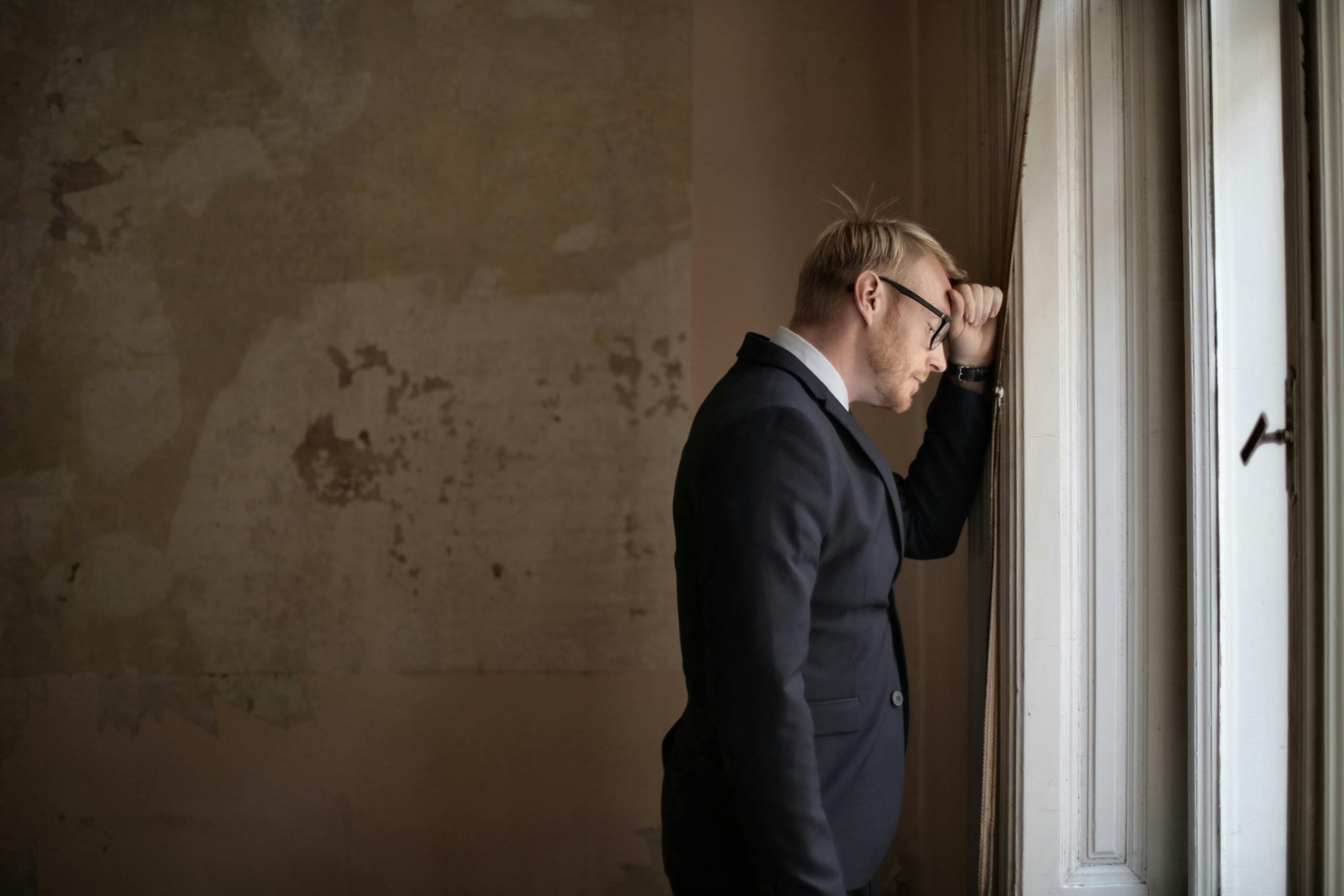
The delay also means that cause and effect aren’t always obvious. If you crash on a Thursday but the draining event was Monday, you might not immediately connect them. This makes it harder to identify patterns and adjust accordingly.
What Triggers the Worst Episodes?
Not all social events carry the same burnout risk. Certain factors consistently amplify the impact and understanding them can help with both prevention and recovery planning.
High-masking environments are among the most costly. Any situation where suppressing autistic traits is effectively required, whether that’s a formal work event, a family gathering with complex social dynamics, or an unfamiliar social setting with unclear rules, demands significantly more from the nervous system than a low-pressure interaction with a trusted person.
Sensory load compounds the masking cost. A loud venue, bright lighting, strong smells, unpredictable crowds, or uncomfortable clothing all add to the baseline expenditure before a single social interaction has even taken place. By the time the actual conversation begins, the system is already running hot.
Duration and density matter enormously. A two-hour event is not simply twice as draining as a one-hour event. There’s a compounding effect as reserves deplete and the effort required to maintain performance increases. Back-to-back social obligations without recovery windows in between are particularly risky.
Emotional complexity adds another layer. Events that involve conflict, ambiguity, or the need to manage others’ emotions carefully require significantly more processing than straightforward interactions. A Psychology Today piece examining empathy and burnout offers a nuanced look at how emotional processing demands contribute to exhaustion, which is relevant here even though the mechanisms differ between autistic and non-autistic experience.
Novelty is a factor that often gets underestimated. New environments, new people, and unfamiliar social scripts require active processing rather than the relative automation of familiar situations. Every new variable is a calculation that needs to run in real time.
How Do You Actually Recover From This?
Recovery from autistic burnout after socialising isn’t simply a matter of resting more, though rest is genuinely central to it. The nervous system needs conditions that allow it to genuinely downregulate, not just pause.
Solitude and low stimulation are foundational. This means reducing sensory input as much as possible: dimming lights, reducing noise, wearing comfortable clothing, and removing the need to perform or respond to others. This isn’t self-indulgence. It’s a physiological requirement for recovery.
Stimming, the repetitive movements or sensory activities that autistic people use to self-regulate, serves a real regulatory function during recovery. Allowing rather than suppressing these behaviours during rest periods can meaningfully accelerate recovery. The masking that may have been necessary during the social event should be entirely absent in recovery time.
Predictable, low-demand activities can help the nervous system settle without adding new processing load. Familiar foods, familiar environments, familiar routines. Nothing that requires significant decision-making or adaptation.
Our article on introvert stress management strategies that actually work covers several approaches that translate well here, particularly around creating genuine recovery conditions rather than simply waiting for time to pass.
Sleep quality matters more than sleep quantity during recovery. A nervous system that’s in high alert won’t recover effectively even with long sleep hours. Creating genuinely calm pre-sleep conditions, without screens, without social processing, without stimulation, gives recovery a better foundation.
Social obligations during recovery should be reduced to the absolute minimum. This is where clear work boundaries post-burnout become genuinely critical. Saying yes to more social demands during recovery, even small ones, can reset the clock entirely and extend the burnout significantly.

Can You Prevent It, or Just Manage It?
Prevention isn’t always possible, and framing it purely as a prevention problem puts the burden in the wrong place. Many of the social situations that trigger autistic burnout are ones that carry real consequences for opting out, professional obligations, family events, social expectations that carry relationship costs if declined. The goal isn’t necessarily to avoid all triggering situations. It’s to approach them more strategically and build recovery into the plan from the start.
Pre-event preparation can reduce the baseline cost. Knowing the environment in advance, having a clear exit plan, identifying a quieter space to retreat to during the event, and reducing sensory load wherever possible all help. Arriving with reserves rather than already depleted is significant.
Scheduling recovery time as a non-negotiable rather than hoping it materialises is probably the most practical shift available. Treating the day after a major social event as a recovery day, not a catch-up day, changes the trajectory of burnout significantly. Our piece on burnout prevention strategies by type explores how different personality types need different preventive approaches, and autistic people generally need more structured recovery buffers than most frameworks account for.
Reducing masking over time, where circumstances allow, is probably the most meaningful long-term lever. Every situation where an autistic person can be more authentically themselves is a situation that costs less. That’s easier said than done in environments that aren’t accommodating, but it matters enormously for cumulative wellbeing.
The neurological basis for individual differences in stress response, documented in PMC research, helps explain why some people need dramatically more recovery time than others after equivalent social demands. It’s not a character flaw. It’s a difference in how the nervous system processes and recovers from stimulation.
What About When You’re Also handling Work Expectations?
Work environments add a specific layer of complexity because the social demands are often non-negotiable and the consequences of appearing depleted can feel professionally significant. Many autistic people mask most intensively at work, which means work-related social events carry an especially high burnout risk.
Team socials, client dinners, conferences, and even open-plan office environments all carry a social processing load that accumulates across a working week. Add a mandatory evening event on top of that, and the system is being pushed well beyond what it can sustain without consequence.
As someone who ran agencies for over two decades, I made a lot of assumptions about what professional engagement should look like. I expected people to show up, participate, and recover on their own time. That framework served some people reasonably well and failed others completely. What I’ve come to understand is that the people who seemed to struggle most with the social demands of agency life weren’t less committed or less capable. Many of them were simply operating with a fundamentally different neurological cost structure that I hadn’t accounted for at all.
One account director I worked with was exceptional at her job, genuinely brilliant at client relationships, but she would go almost silent for two or three days after major client events. My instinct at the time was to interpret that as disengagement. What I should have recognised was that she was in recovery, and that the silence was what allowed her to come back and do the work at the level she consistently delivered.
Workplace accommodations for autistic burnout risk are still underdeveloped in most organisations. Flexible working arrangements, the ability to work from home after high-demand social events, and reduced meeting loads during recovery periods would make a meaningful difference. They’re rarely offered proactively. Which means the burden of managing this usually falls entirely on the individual.
It’s also worth noting that the ambivert experience adds its own complications here. Our piece on ambivert burnout and how balance can backfire explores how people who sit between introversion and extroversion can exhaust themselves trying to modulate in both directions. For autistic ambiverts, that modulation effort compounds the masking cost in ways that are particularly hard to predict or manage.
What Does Recovery Actually Look Like Over Time?
Recovery from a single episode of autistic burnout after socialising and recovery from repeated or accumulated burnout are quite different challenges. A single episode, with adequate rest and low-stimulation recovery conditions, may resolve within a few days. Accumulated burnout, where episodes have compounded without sufficient recovery between them, can take weeks or months to work through.
The clinical understanding of nervous system stress responses from the National Institutes of Health helps contextualise why repeated activation without recovery creates a progressively harder baseline to return from. The system doesn’t simply reset. It adapts to a higher state of activation, which makes subsequent burnout episodes easier to trigger and harder to recover from.
Our piece on burnout recovery and what each type actually needs covers the return-to-capacity process in detail. For autistic people recovering from social burnout specifically, the key addition is that the recovery environment needs to be genuinely low-demand rather than simply less demanding. Partial recovery while still maintaining a significant social performance load is not recovery. It’s managed depletion.
Tracking patterns over time is genuinely useful here. Noting which events consistently trigger significant burnout, how long recovery takes, and what conditions help or hinder it gives you real information to work with. It moves the experience from something that happens to you into something you can approach with some degree of strategy.

Self-compassion is not a soft add-on here. It’s functionally important. The self-criticism that often accompanies burnout, the sense of having failed by needing so much recovery, actively impedes the physiological process of coming back. Treating the recovery period with the same matter-of-fact practicality you’d apply to recovering from a physical illness changes the internal environment in ways that genuinely matter.
And if you’re supporting someone else through this, the most useful thing you can do is reduce demands and resist the urge to interpret withdrawal as rejection. The withdrawal is protective. It’s the nervous system doing what it needs to do. Giving it space is giving the person space to come back.
There’s a lot more to explore across the full spectrum of burnout experiences. Our Burnout and Stress Management hub brings together resources across different personality types and burnout patterns, and it’s worth spending time there if this article has raised questions you want to keep working through.
Running on empty?
Five drain profiles, each with specific triggers, warning signs, and a recharging playbook.
Take the Free QuizUnder 2 minutes · 8 questions · Free
About the Author
Keith Lacy is an introvert who’s learned to embrace his true self later in life. After 20 years in advertising and marketing leadership, including running agencies and managing Fortune 500 accounts, Keith now channels his experience into helping fellow introverts understand their strengths and build fulfilling careers. As an INTJ, he brings analytical depth and authentic perspective to every article, drawing from both professional expertise and personal growth.
Frequently Asked Questions
How long does autistic burnout after socialising typically last?
The duration varies considerably depending on the intensity of the triggering event, the individual’s baseline state going in, and the quality of recovery conditions afterward. A single high-demand social event might produce a burnout period of one to three days with adequate rest. Accumulated burnout from repeated events without sufficient recovery can last weeks or longer. The most important factor is whether the recovery period is genuinely low-demand or simply less demanding, since partial recovery while still under social pressure significantly extends the overall timeline.
Is autistic burnout after socialising the same as introvert social fatigue?
No, though the two can look similar on the surface. Introvert social fatigue is a real experience of depletion after social interaction that typically resolves with a few hours of quiet or a good night’s sleep. Autistic burnout after socialising involves a deeper shutdown that can include cognitive difficulties, sensory sensitivity spikes, temporary skill regression, and physical symptoms. It tends to last longer, accumulates more readily, and requires more structured recovery conditions. Many autistic people are also introverted, which adds complexity, but the two experiences have different mechanisms and different recovery needs.
Why does the crash sometimes happen the day after rather than immediately?
During the social event itself, adrenaline and the demands of active performance can mask the underlying depletion. The nervous system is essentially borrowing against reserves it may not have. Once the performance demand lifts, often during or after sleep, the accumulated cost becomes apparent all at once. This delay makes it harder to connect cause and effect, particularly if the triggering event was two or three days earlier. Tracking patterns over time, noting which events consistently produce a delayed crash and how long after they occur, helps make the connection clearer and supports better planning around high-demand social periods.
What actually helps during recovery from autistic burnout after socialising?
Genuine low-stimulation conditions are the foundation: reduced light, reduced noise, comfortable clothing, familiar environments, and minimal decision-making demands. Allowing stimming behaviours rather than suppressing them supports nervous system regulation. Familiar, low-effort activities are preferable to anything requiring adaptation or significant processing. Sleep quality matters more than quantity, so pre-sleep conditions should be as calm as possible. Reducing social obligations to the absolute minimum during recovery is important, since even small additional demands can reset the recovery clock. Self-compassion, treating the recovery period as a practical necessity rather than a failure, also plays a functional role in how effectively the nervous system can settle.
Can autistic burnout after socialising become chronic?
Yes, and this is one of the most significant risks associated with it. When episodes occur repeatedly without adequate recovery between them, the nervous system adapts to a higher baseline state of activation. This makes subsequent burnout easier to trigger, harder to recover from, and progressively more disruptive to daily functioning. Chronic autistic burnout can involve extended periods of reduced capacity, significant skill regression, and a loss of coping strategies that took years to develop. Preventing chronicity requires treating individual episodes seriously rather than pushing through them, and building genuine recovery time into the schedule around high-demand social periods rather than hoping to catch up later.