
Excessive use of social media leads to anxiety and depression in ways that are subtle at first, then suddenly overwhelming. What starts as a quick check of your feed becomes a compulsive loop of comparison, overstimulation, and emotional exhaustion that quietly erodes your mental health over time. For introverts especially, the particular way social media mimics connection while delivering something far more hollow makes the psychological toll uniquely sharp.
My name is Keith Lacy, and I spent over two decades running advertising agencies. Part of that work meant understanding how digital platforms capture attention and manufacture engagement. I watched from the inside as social media transformed from a novelty into an infrastructure for anxiety. And I watched it happen to me personally before I fully understood what was going on.

There’s a broader conversation happening about how depression and low mood intersect with modern life for introverts. Our Depression and Low Mood hub covers that territory in depth, but the social media angle adds a specific layer worth examining on its own terms, because the mechanism is different from other depression triggers, and because so many of us don’t recognize it until significant damage is already done.
Why Does Social Media Feel So Draining for Introverts?
Most conversations about social media and mental health focus on comparison culture, cyberbullying, or screen time. Those are real. But for introverts, there’s something more fundamental happening at the neurological level of how we process social stimulation.
What drains your social battery?
Not all social exhaustion is the same. Our free quiz identifies your specific drain pattern and gives you personalised recharging strategies.
Find Your Drain PatternUnder 2 minutes · 8 questions · Free
Introverts tend to process experiences more deeply and thoroughly than extroverts. We notice more. We hold more. A single scroll through a busy feed isn’t just a passive experience for us; it’s a sensory event. Dozens of emotional cues, social signals, implied judgments, and performative moments land with a weight that extroverts may simply not register in the same way.
I noticed this clearly during a period when my agency was managing several large social media accounts for Fortune 500 clients. Part of my job meant being deeply immersed in these platforms every day, monitoring sentiment, tracking engagement, absorbing the emotional temperature of public discourse. By early evening, I was consistently depleted in a way that felt different from ordinary work fatigue. My mind was still running, still processing, still sorting through the residue of thousands of micro-interactions I’d absorbed on behalf of our clients.
At the time I chalked it up to the demands of the job. Looking back, I understand it more clearly. The American Psychological Association describes anxiety as a persistent state of worry and tension that can be triggered and reinforced by environmental factors. Social media platforms are engineered to create exactly that environment: variable reward, social uncertainty, and constant novelty, all of which activate the nervous system repeatedly throughout the day.
For someone wired to process deeply, that’s not background noise. That’s a sustained assault on the nervous system dressed up as entertainment.
What’s the Actual Link Between Social Media Use and Depression?
The connection between heavy social media use and depressive symptoms isn’t simple or linear. It doesn’t work the same way for everyone, and context matters enormously. But the pattern is consistent enough to take seriously.
Passive consumption, meaning scrolling without actively engaging, tends to be more harmful than active participation. When you’re watching other people’s highlight reels without contributing your own perspective, you’re in a fundamentally unequal exchange. You’re absorbing curated versions of other people’s lives while your own feels comparatively unimpressive, unfinished, or invisible.
Introverts are particularly vulnerable to this dynamic because we often prefer to observe rather than perform. We’re more comfortable watching than broadcasting. That preference, which serves us well in many areas of life, becomes a liability on platforms specifically designed to reward performance and visibility.
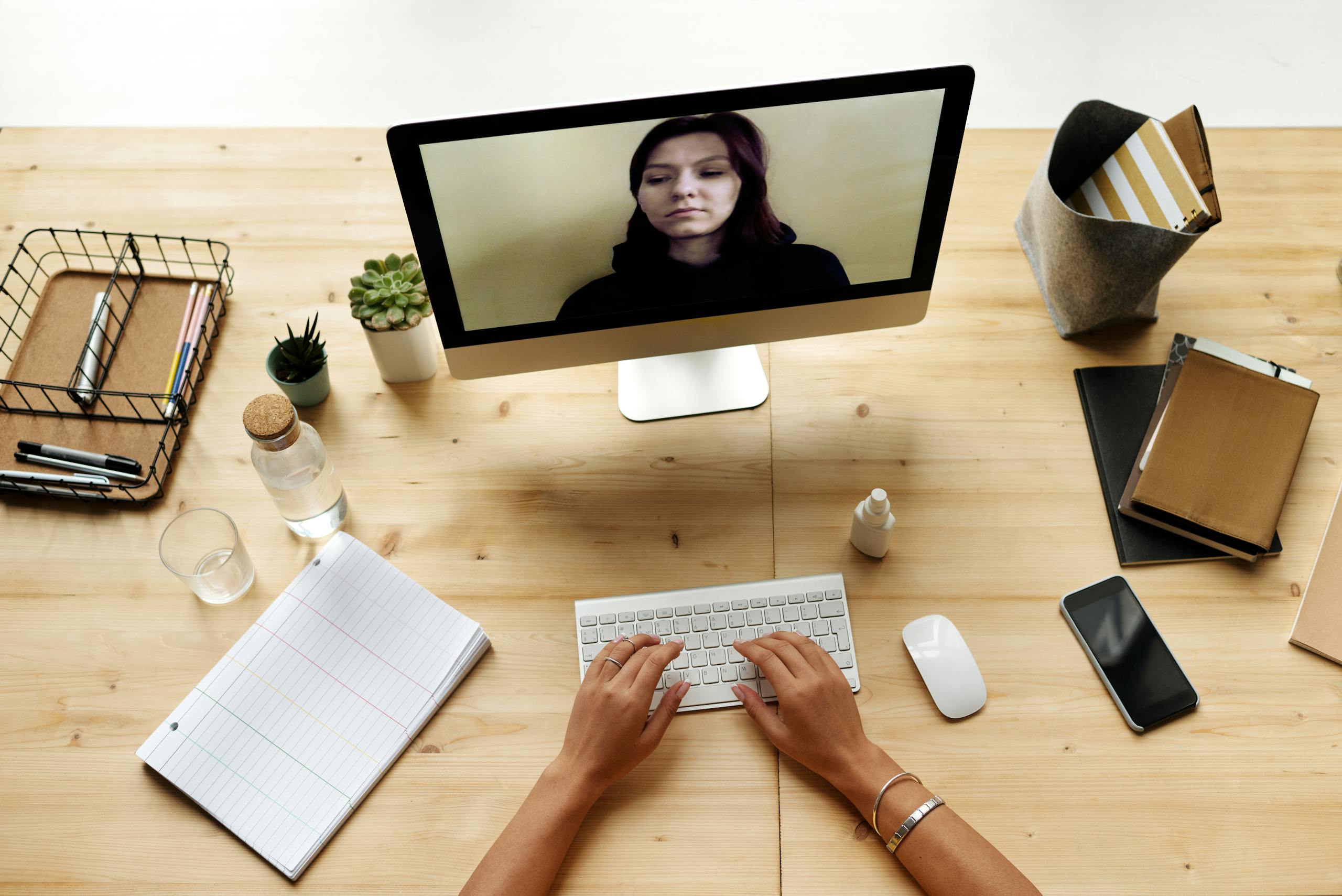
A study published in PubMed Central examining the relationship between social media use and mental health outcomes found meaningful associations between high-frequency passive use and increased symptoms of both anxiety and depression, particularly among young adults. The mechanisms identified included social comparison, fear of missing out, and disrupted sleep patterns from evening screen use.
Sleep disruption alone is significant. Many introverts do their best thinking and emotional processing in the quiet hours of late evening. When that time gets colonized by scrolling, we lose a critical window for genuine restoration. The mental quiet we depend on gets replaced by more noise, more stimulation, more unresolved emotional input.
One of my creative directors at the agency, a thoughtful and deeply introverted woman, started showing signs of burnout that I initially attributed to a particularly demanding client cycle. When we talked about it, she described lying awake most nights, her mind still churning through things she’d seen online. She wasn’t posting much herself; she was absorbing. The content she consumed before bed was following her into sleep, or more accurately, preventing it.
That’s a pattern worth recognizing, because it often looks like ordinary insomnia or work stress before anyone identifies social media as the actual driver.
Is This Anxiety, Depression, or Something Harder to Name?
One of the most disorienting aspects of social media’s psychological impact is how difficult it is to categorize what you’re feeling. The symptoms don’t always match the clinical definitions we’re familiar with. You might not feel sad in a recognizable way. You might feel irritable, hollow, vaguely dissatisfied, or chronically restless. You might feel anxious without being able to point to anything specific you’re anxious about.
This ambiguity is worth paying attention to, especially for introverts who are already prone to misreading their own internal states as personality quirks rather than mental health signals. The piece on introversion versus depression covers this boundary in detail, but the social media dimension adds another layer of confusion because the symptoms emerge gradually and feel connected to external circumstances rather than internal chemistry.
The American Psychological Association’s work on social anxiety draws a useful distinction between situational discomfort and clinical anxiety. Social media can produce both. It can trigger acute discomfort in specific moments, like seeing a post that makes you feel excluded or inadequate, and it can also cultivate a chronic low-grade anxiety that persists even when you’re not actively online.
That chronic version is the one that tends to go undiagnosed longest. It becomes your baseline. You stop noticing it because it’s always there.
I went through a version of this during a particularly intense period of agency growth, when our digital presence was expanding and I felt pressure to maintain visibility across multiple platforms simultaneously. I wasn’t clinically depressed. But I was operating under a sustained low-level anxiety that I’d normalized completely. My thinking became more reactive, less strategic. My patience shortened. My enjoyment of work, which had always been genuine, started to feel performative even to me. It took stepping back from the platforms for several weeks to recognize how much they’d been affecting my baseline mental state.
How Does the Comparison Trap Work Differently for Introverts?
Social comparison is one of the most documented psychological mechanisms through which social media damages mental health. But the way it operates for introverts has some specific characteristics that aren’t always captured in general discussions.
Extroverts tend to compare themselves to others on dimensions of activity, achievement, and social connection. They see someone at a party they weren’t invited to and feel left out. They see a peer’s promotion announcement and feel competitive. These are painful, but they’re relatively legible emotions with clear social referents.
Introverts often compare themselves on more existential dimensions. We see someone who appears effortlessly social, consistently energized by crowds, perpetually engaged with the world, and we don’t just feel left out. We feel fundamentally wrong. We absorb the implicit message that the people thriving visibly are thriving in the correct way, and our preference for depth over breadth, for quiet over noise, for one meaningful conversation over twenty surface-level ones, is a deficit rather than a difference.
Social media is structurally biased toward extroverted expression. Platforms reward frequency, volume, visibility, and emotional performance. The metrics, likes, shares, follower counts, reward behaviors that come naturally to extroverts and feel unnatural or even distasteful to many introverts. When you measure yourself against a system designed for a different temperament, you will consistently find yourself lacking. Not because you are lacking, but because you’re being evaluated by the wrong standard.
A review published in PubMed Central examining personality and social media behavior found that introversion was associated with lower social media engagement but not necessarily lower social media consumption. In other words, many introverts watch a lot without participating much, which puts them squarely in the passive consumption pattern that correlates most strongly with negative mental health outcomes.
It’s a trap with a particular shape: we observe more, perform less, absorb the implicit judgment that visibility equals value, and then quietly internalize a sense of inadequacy that has nothing to do with who we actually are.
What Does Unhealthy Social Media Use Actually Look Like Day to Day?
Clinical definitions of problematic social media use often focus on time spent and functional impairment. Those are useful markers, but they miss a lot of the texture of what unhealthy use feels like from the inside, especially for introverts who may not be spending extreme amounts of time online but are still experiencing significant psychological harm.
Some patterns worth noticing in yourself:
Checking platforms as a first response to discomfort. Boredom, loneliness, mild anxiety, the slightly awkward moment between tasks: if your automatic response to any of these is to reach for your phone and open an app, that’s worth examining. The behavior becomes a way of avoiding internal experience rather than processing it.
Feeling worse after most sessions but continuing anyway. This is the clearest behavioral signal. If you consistently close an app feeling more anxious, more hollow, or more irritable than when you opened it, and you still open it again tomorrow, the behavior has become compulsive rather than chosen.
Using social media as a substitute for actual connection. This one is particularly common among introverts who genuinely struggle with initiating social contact. Scrolling through other people’s lives can feel like a form of social engagement without the vulnerability or energy expenditure of real interaction. It isn’t. It leaves the underlying need for genuine connection unmet while creating the illusion that the need has been addressed.
The piece on what’s normal versus what’s not for introverts experiencing low mood is worth reading alongside this, because the line between healthy solitude and avoidant withdrawal can blur when social media is involved. You might think you’re recharging when you’re actually isolating, and the distinction matters.
I recognize the substitution pattern from my own experience. During a stretch when I was managing a particularly difficult client relationship that required constant interpersonal navigation, I found myself spending more time on LinkedIn and Twitter in the evenings. I told myself I was staying informed, doing industry research. What I was actually doing was filling the social space with something that didn’t require anything from me. It felt like connection. It produced none of the actual benefits of connection.
Can Your Introvert Brain Make Social Media Harder to Quit?
There’s a specific quality of introvert cognition that makes social media particularly sticky in ways that aren’t always obvious. We tend toward depth of processing, which means we don’t just scroll past content. We analyze it, contextualize it, sit with it. A single provocative post can occupy a significant portion of mental real estate for hours afterward.
This connects directly to the overthinking patterns that many introverts already struggle with. The article on overthinking and depression explores this connection thoroughly, but social media adds fuel to an existing fire. Platforms serve you content specifically designed to provoke strong reactions, because strong reactions drive engagement. For an introvert who already tends to ruminate, that content doesn’t just provoke a reaction and pass. It becomes material for extended internal processing that can easily tip into anxiety or low mood.
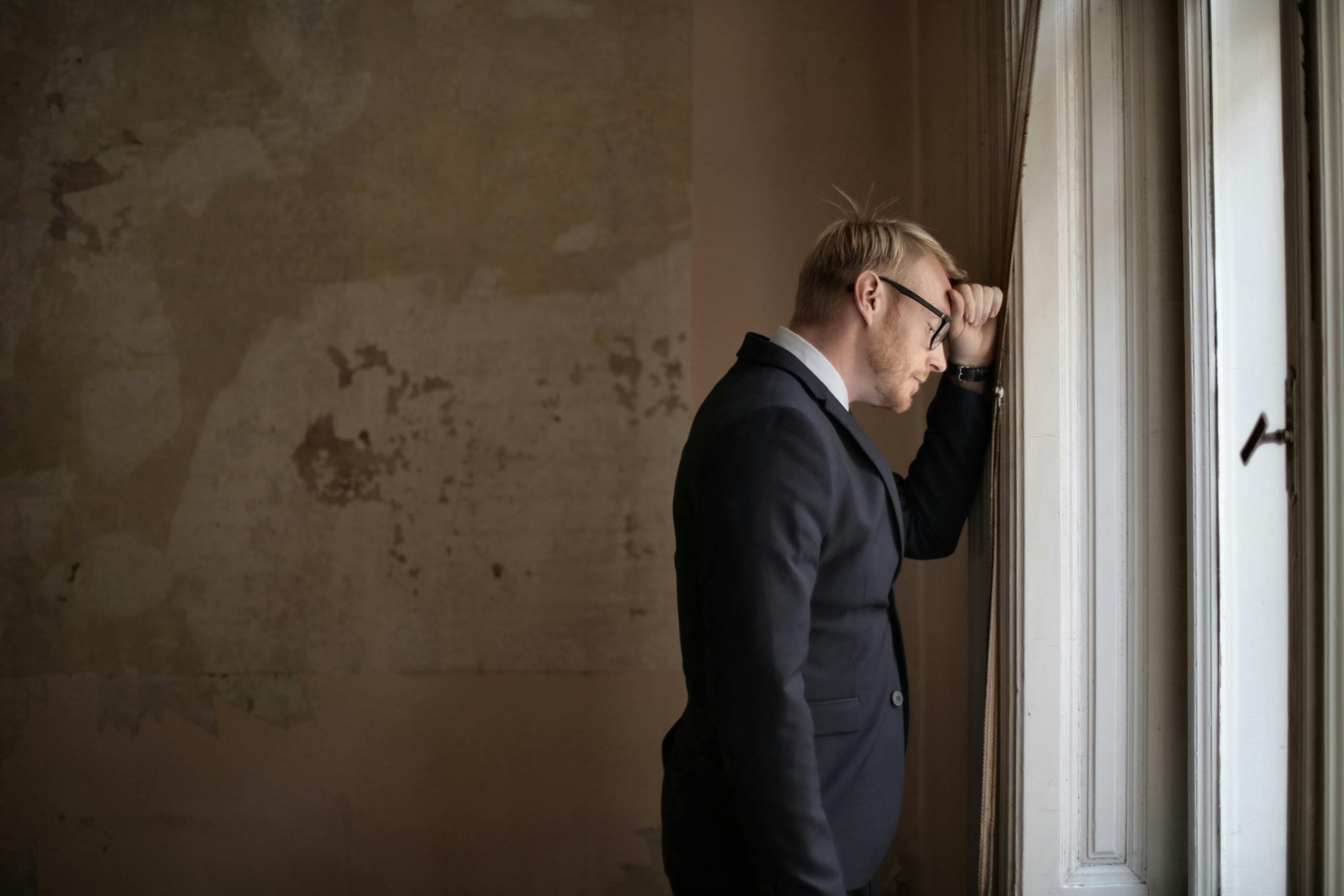
There’s also the matter of how introverts tend to process social rejection and social uncertainty. Ambiguous social signals, the post that got fewer likes than expected, the comment that might have been critical, the friend who didn’t respond, can trigger extended internal analysis that extroverts might dismiss quickly. We’re wired to take social information seriously. Social media delivers an enormous volume of ambiguous social information constantly. The combination is genuinely difficult to manage.
A Psychology Today article examining the overlap between introversion and social anxiety makes the useful point that while introversion and social anxiety are distinct, they can amplify each other in environments that provide excessive social stimulation without genuine connection. Social media is precisely that environment.
Some introverts also find that the analytical depth they bring to everything becomes a liability when applied to social media content. I’ve watched INTJ colleagues, people with the same cognitive architecture as mine, spend enormous mental energy dissecting what a particular post “really meant” or constructing elaborate theories about why a professional contact suddenly went quiet online. The same capacity for systems thinking that makes us effective in complex environments becomes a source of distress when turned on the fundamentally chaotic and often meaningless signals of social media.
What Actually Helps? Practical Approaches That Don’t Require Quitting Cold Turkey
Complete abstinence from social media isn’t realistic for most people and isn’t necessary for most people. What matters is moving from unconscious, compulsive use toward intentional, boundaried use. That shift requires understanding why you use these platforms and what needs they’re actually serving, or failing to serve.
Audit your emotional response patterns before changing your behavior. Spend one week simply noticing how you feel before and after each social media session. Don’t try to change anything yet. Just observe. Most people find that this observation alone begins to shift their relationship with the platforms, because the pattern becomes impossible to ignore once you’re paying attention to it.
Create structural friction between yourself and the platforms you use most compulsively. Delete apps from your phone and access them only from a browser. Move app icons off your home screen. Set specific times for checking rather than allowing open-ended access throughout the day. These aren’t dramatic interventions, but friction works. The automatic, unconscious reach for the phone is interrupted, and a moment of choice is inserted.
Replace passive consumption with active creation or curation. If you’re going to be on social media, do something with it rather than just absorbing. Write a post, share a perspective, engage in an actual conversation. Active participation tends to produce better outcomes than passive observation, partly because it requires some intentionality and partly because it can generate genuine connection rather than the hollow simulation of it.
For introverts managing depression or anxiety alongside problematic social media use, the combination of behavioral change and professional support tends to produce better outcomes than either alone. The guide on depression treatment options, including both medication and natural approaches, is worth reviewing if you’re at a point where the mental health impact feels significant rather than mild.
Protect your evening hours specifically. The late-night scrolling pattern is particularly damaging because it colonizes the time when introverts most need genuine mental quiet. Setting a firm cutoff, even just 30 minutes before bed, and filling that time with something that actually restores you, reading, quiet reflection, a real conversation, makes a measurable difference in how you feel the following day.
What About Social Media When You’re Already Struggling with Depression?
When depression is already present, social media use becomes a more complex issue. The instinct to withdraw is strong, and platforms can feel like a low-energy way to maintain some form of connection with the world. That impulse is understandable. The problem is that it rarely delivers what it promises.
Depression tends to distort perception toward negative interpretations. Social media, with its constant stream of ambiguous social signals and curated positive content from others, gives a depressed mind abundant material to work with in the worst possible direction. The comparison trap becomes more painful. The sense of exclusion becomes more acute. The hollow feeling after a session becomes more pronounced.
Those working from home face a particular version of this challenge. Without the natural social structure of a physical workplace, the temptation to use social media as a substitute for human contact increases significantly. The piece on working from home with depression addresses this dynamic directly and offers some practical frameworks for maintaining connection without defaulting to platform-mediated substitutes.
Structured personality types, particularly those who rely on routine and system as a source of stability, can find social media especially destabilizing when depression is present. The article on depression in ISTJs examines how even the most organized and disciplined minds can find their usual coping mechanisms failing them when mental health deteriorates, and how social media can quietly undermine the very structures they depend on.
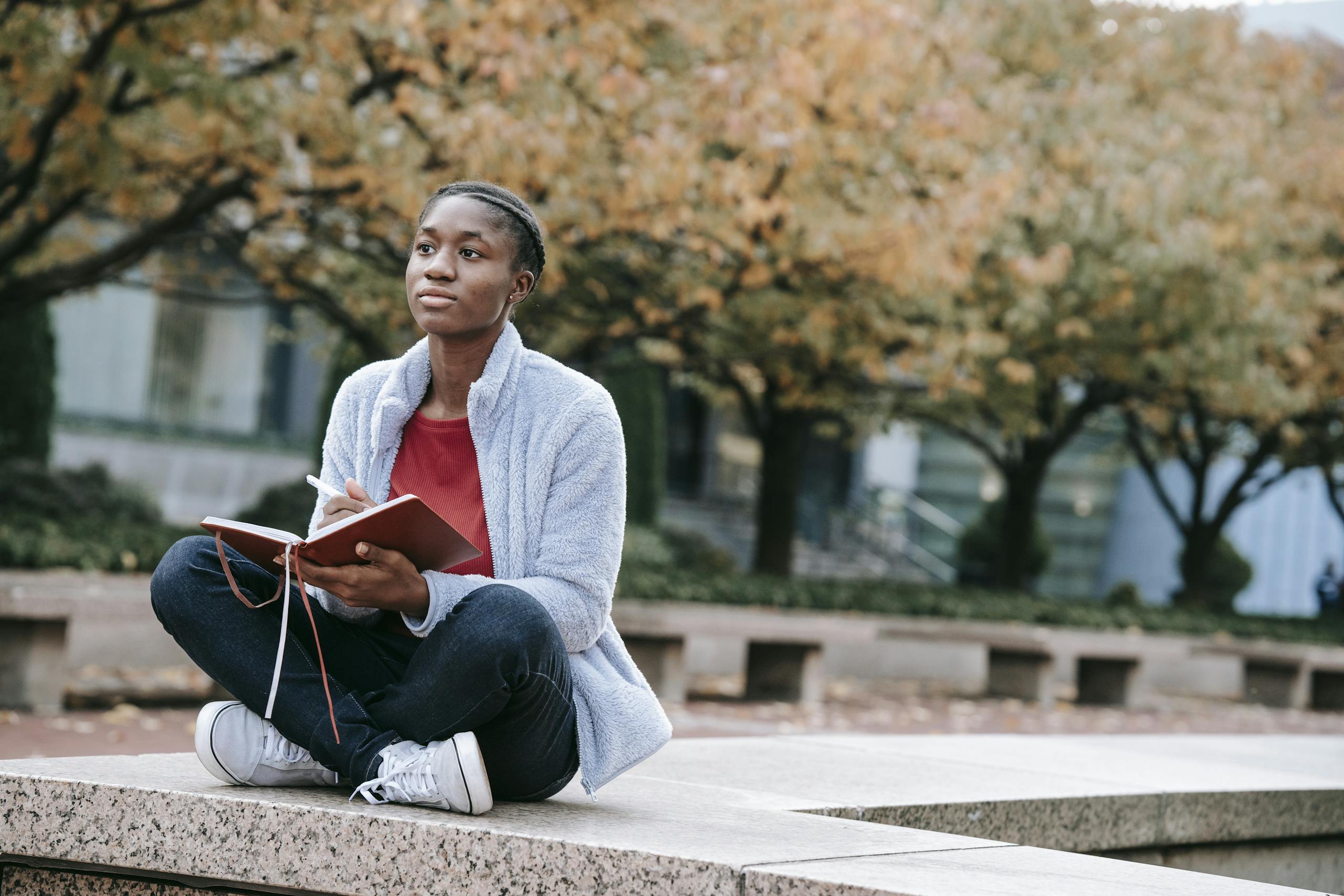
The broader psychological literature on this is consistent. A Harvard Health overview of social anxiety treatment notes that avoidance behaviors, including those mediated by technology, tend to reinforce anxiety over time rather than reducing it. Using social media to avoid genuine social engagement is a form of avoidance that carries that same reinforcing quality.
When depression is in the picture, the most honest thing I can say is this: social media is unlikely to help and has a high probability of making things worse. Not because the platforms are evil, but because they’re specifically designed to exploit psychological vulnerabilities that depression amplifies. The DSM-5 criteria for major depressive disorder include diminished interest, feelings of worthlessness, and difficulty concentrating. Social media reliably targets all three.
If you’re in that place right now, reducing your exposure isn’t a punishment. It’s a form of care.
More perspectives on managing depression and low mood as an introvert are available throughout our Depression and Low Mood hub, where we cover everything from identifying symptoms to finding approaches that actually fit how introverted minds work.
Running on empty?
Five drain profiles, each with specific triggers, warning signs, and a recharging playbook.
Take the Free QuizUnder 2 minutes · 8 questions · Free
About the Author
Keith Lacy is an introvert who’s learned to embrace his true self later in life. After 20 years in advertising and marketing leadership, including running agencies and managing Fortune 500 accounts, Keith now channels his experience into helping fellow introverts understand their strengths and build fulfilling careers. As an INTJ, he brings analytical depth and authentic perspective to every article, drawing from both professional expertise and personal growth.
Frequently Asked Questions
Does excessive social media use actually cause anxiety and depression, or does it just attract people who already have them?
Both directions exist and they reinforce each other. Heavy social media use can trigger and worsen anxiety and depression in people who weren’t previously struggling, and people who are already anxious or depressed tend to use platforms in ways that amplify their symptoms. The relationship isn’t a simple cause-and-effect chain; it’s a feedback loop. For introverts specifically, the passive consumption pattern, watching without participating, shows the strongest association with negative mental health outcomes regardless of pre-existing conditions.
How much social media use is too much?
Time alone isn’t the most useful measure. Someone spending two hours daily on platforms in an intentional, active way may fare better than someone spending 45 minutes in a compulsive, emotionally reactive pattern. The more meaningful indicators are whether your use is chosen or automatic, whether you feel better or worse after sessions, whether it’s replacing genuine connection rather than supplementing it, and whether you find it difficult to stop even when you want to. Those behavioral and emotional signals matter more than the clock.
Are introverts more vulnerable to social media’s negative effects than extroverts?
In certain specific ways, yes. Introverts tend toward deeper processing of social information, which means content that an extrovert might scroll past without much reaction can occupy significant mental space for an introvert. The passive consumption pattern, which correlates most strongly with anxiety and depression, also aligns with introvert tendencies to observe rather than perform. Additionally, social media’s structural bias toward extroverted expression means introverts are more likely to feel implicitly inadequate when measuring themselves against platform norms. None of this makes social media use inevitable or unmanageable for introverts, but it does mean the risks deserve specific attention.
What’s the fastest way to reduce social media’s impact on your mental health without quitting entirely?
Protecting your evening hours tends to produce the most immediate improvement. The late-night scrolling pattern disrupts the mental quiet that introverts particularly depend on for restoration, and it interferes with sleep in ways that compound anxiety and low mood the following day. Setting a firm cutoff time and filling that space with something genuinely restorative, reading, a real conversation, quiet reflection, creates noticeable improvement within a week for most people. Adding structural friction, deleting apps from your phone, requiring browser access, also reduces the automatic compulsive checking that does the most damage.
When should social media-related anxiety or depression prompt professional help?
Seek professional support when the symptoms persist for more than two weeks despite reducing your social media use, when they’re significantly interfering with your work, relationships, or daily functioning, or when you’re experiencing hopelessness, persistent low mood, or thoughts of self-harm. Social media may be a trigger or amplifier, but if the underlying anxiety or depression is significant, behavioral changes to your platform use won’t be sufficient on their own. A mental health professional can help you identify what’s driving the symptoms and develop an approach that addresses the full picture rather than just one contributing factor.