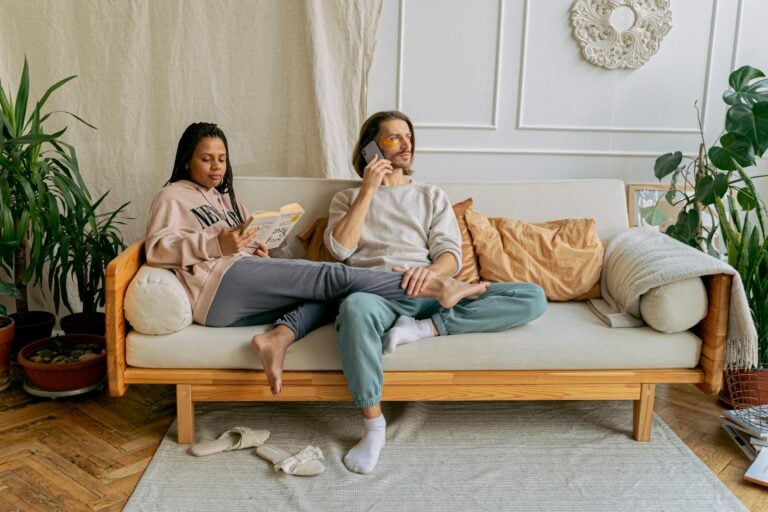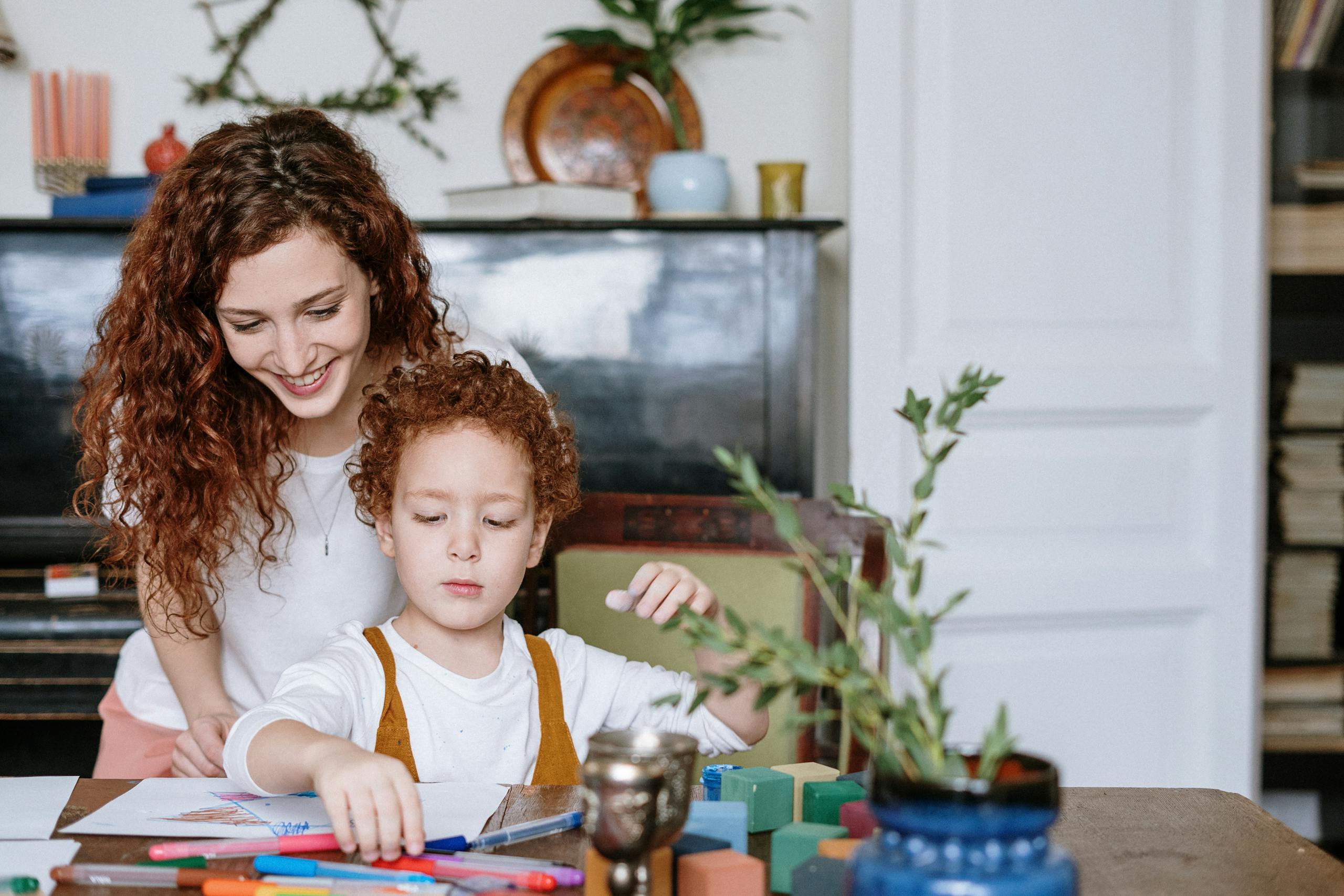
A shy introvert drawing captures something that words often miss: the internal world of someone who is both energetically private and socially fearful at the same time. These two traits can coexist, but they are not the same thing, and the art that depicts them tends to reflect that difference in ways that are quietly profound.
Shyness is fear-based. Introversion is energy-based. When you see both expressed in a single image, you are looking at a person managing two very different internal experiences simultaneously, and that distinction matters more than most people realize.
Our Introversion vs Other Traits hub examines the full range of traits that get confused with introversion, from social anxiety to autism to ADHD. The shy introvert sits right at the center of that conversation, because no trait gets conflated with introversion more often, or with more personal cost to the people involved.
What Does Shy Introvert Art Actually Depict?
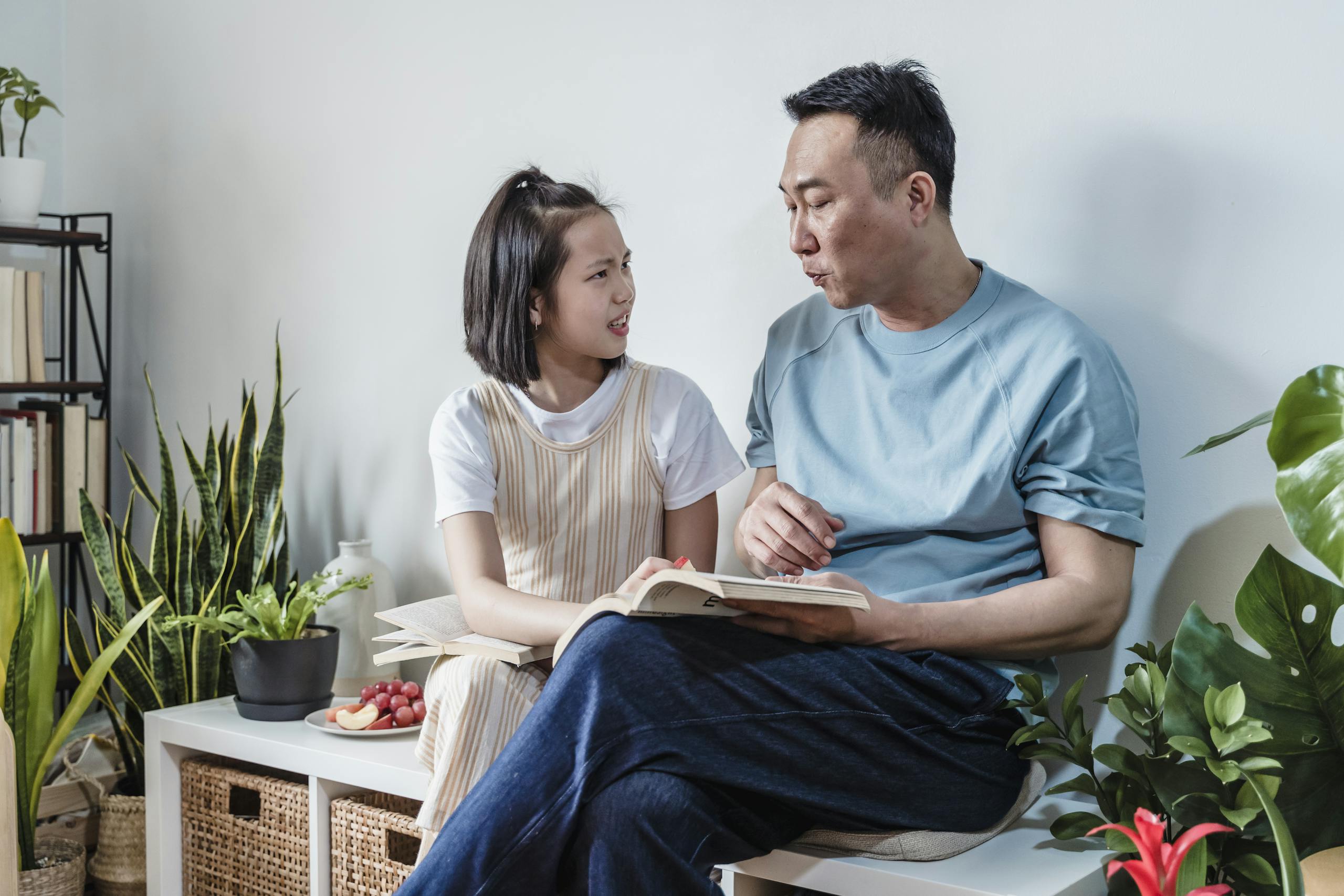
Spend any time browsing illustration communities and you will find a whole visual language built around introversion. Cozy rooms. Single figures reading by windows. People in coffee shops with headphones on, clearly preferring their own company. The aesthetic is warm, self-contained, and peaceful.
What’s your introvert superpower?
Every introvert has a quiet strength others overlook. Our free quiz identifies yours and shows you how to leverage it in your career and relationships.
Discover Your Superpower2-3 minutes · 10 questions · Free
Shy introvert drawings tend to carry a different emotional register. Where the classic introvert illustration feels chosen and content, the shy introvert image often communicates tension. A figure slightly turned away. Eyes cast downward. Body language that suggests wanting to disappear rather than simply preferring solitude. The distinction is subtle, but it is real, and artists who draw from personal experience tend to get it right.
I noticed this years ago when one of my creative directors at the agency, a brilliant illustrator who happened to be deeply shy, started producing work that had this quality to it. Her characters were always slightly compressed, as if they were trying to take up less space in the frame. She told me once that she drew what she felt, and what she felt was the constant low hum of social anxiety layered over a genuine preference for quiet. Two things at once. Neither canceling the other out.
That conversation stayed with me, because it pointed to something I had been slow to articulate in my own experience. As an INTJ, my introversion felt clean and logical to me. I needed solitude to think. I found small talk exhausting. But I was not afraid of people. My creative director was afraid of people and also preferred solitude. Same visible behavior, very different internal experience.
Why Do These Images Resonate So Deeply?
Visual art about introversion and shyness resonates because it offers recognition without requiring explanation. You do not have to justify your experience to a drawing. You just see yourself in it, or you do not.
For people who are both shy and introverted, that recognition can be genuinely moving, because they have spent years being misread. People assume they are standoffish when they are actually anxious. People assume they are confident loners when they are quietly struggling in social situations. The art cuts through all of that and says: this is what it looks like from the inside.
There is also something worth noting about how these images function as a form of self-representation. Many people who identify as shy introverts create this art themselves, using illustration as a way to process and communicate an internal world they find difficult to express verbally. That is not a small thing. Psychology Today has written about the introvert preference for depth over surface-level communication, and visual art is one of the most direct routes to that kind of depth.
The shy introvert drawing, at its best, is not just aesthetic. It is a form of translation.
How Do Artists Visually Separate Shyness from Introversion?
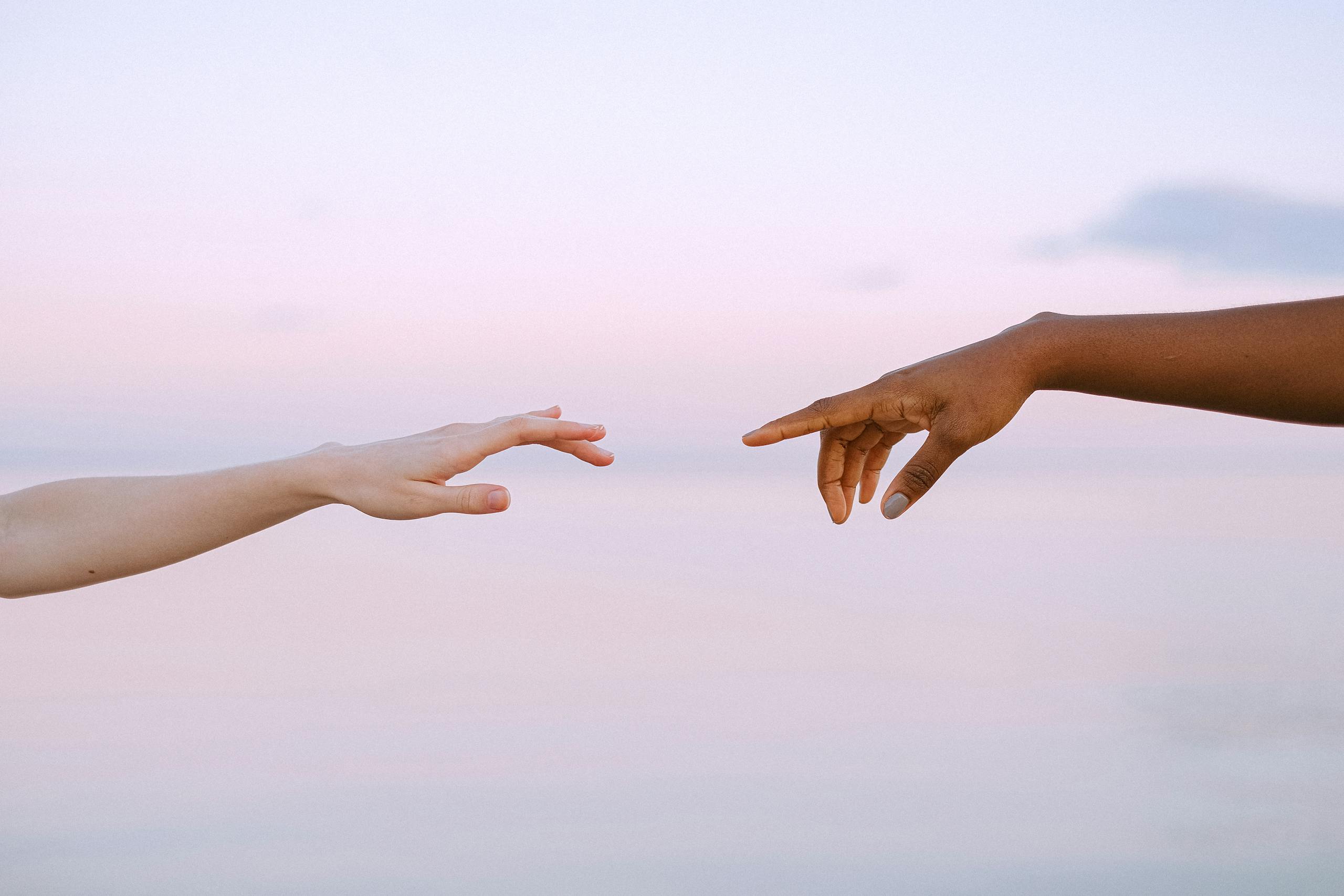
Skilled illustrators working in this space have developed a visual vocabulary that distinguishes between the two states, even when they appear in the same character.
Introversion in visual art tends to be depicted through environmental choices. The character is alone by preference. The space around them is ordered and personal. There is often a sense of richness in the solitude, books, creative projects, a window with a view. The figure looks settled.
Shyness, by contrast, shows up in body language and social context. The shy character is often depicted in relation to other people, even if those people are in the background. Their posture is protective. They might be partially hidden, behind hair, behind an object, behind the edge of the frame. The tension is relational rather than environmental.
When a drawing captures both, you typically see a character who looks completely at ease in their private world but visibly contracted in any social context. That dual quality is what makes shy introvert art feel so specific and so recognizable to people who live it.
It is worth understanding that shyness and introversion have genuinely different psychological roots. The medical and psychological distinctions between introversion and social anxiety are meaningful, and shyness sits somewhere on the spectrum between a personality trait and a clinical experience. An introvert can be bold and socially confident. A shy person experiences fear or inhibition in social situations regardless of how much they enjoy or dislike people. These are separate axes, not two points on the same line.
What Does This Art Tell Us About the Inner Life of Shy Introverts?
One thing that strikes me about the best shy introvert illustrations is how rich the inner world looks compared to the outer presentation. The character might appear small or withdrawn in the frame, but the space inside their head, when artists choose to depict it, is enormous. Thought bubbles filled with complex imagery. Interior landscapes that dwarf the exterior scene. A whole universe happening behind quiet eyes.
That contrast is not artistic license. It reflects something true about how many shy introverts experience themselves. The gap between what is happening internally and what they are able to express externally can be genuinely painful. Not because they lack things to say, but because the social fear creates a barrier between the inner world and the outer one.
I managed a copywriter at one of my agencies who fit this profile almost exactly. Extraordinarily perceptive, with ideas that could reshape an entire campaign brief. In one-on-one conversations, she was articulate and sharp. Put her in a room with a client or a larger team meeting and she would go almost completely silent. Not because she had nothing to contribute. Because the social exposure triggered something that shut her down.
We worked around it. I started routing client briefs through her in writing before meetings so her ideas were already on the table before she had to defend them verbally. Her contributions went up dramatically. What looked like a limitation was actually a structural mismatch between her natural operating mode and the environment we had built.
That experience taught me to look more carefully at what people’s behavior was actually telling me, and to stop assuming that quiet meant empty.
Are There Other Traits That Get Folded Into This Visual Archetype?
One of the more complicated aspects of shy introvert art is that it sometimes inadvertently captures experiences that go beyond shyness and introversion. The visual language of social withdrawal, sensory sensitivity, and internal richness overlaps with several other traits and conditions that deserve their own understanding.
Some people who strongly identify with shy introvert imagery are also processing experiences related to autism spectrum traits. The overlap in social presentation can be significant, even though the underlying mechanisms are quite different. What often goes unsaid about introversion and autism is that both can involve a preference for solitude, sensitivity to social stimulation, and a rich inner life, yet they arise from entirely different neurological and psychological sources.
Similarly, some people who relate to shy introvert art are managing ADHD alongside their introversion. The combination creates a particular kind of social complexity where the desire for quiet coexists with an impulsive or dysregulated nervous system. The experience of carrying both ADHD and introversion is genuinely distinct from either trait alone, and the art that tries to capture it tends to have an almost fractured energy that is different from classic shy introvert imagery.
Then there is the question of misanthropy. Some people who share shy introvert drawings are not primarily shy or introverted in the clinical sense. They have developed a more generalized wariness or dislike of social interaction that comes from accumulated negative experiences. The difference between genuine misanthropy and introversion is worth examining carefully, because the coping strategies and the underlying needs are quite different, even if the surface behavior looks similar.
Art flattens these distinctions, which is part of its power and part of its limitation. A drawing can say “this is what it feels like” without specifying exactly what “it” is. That ambiguity invites broad identification, which can be connecting and validating. It can also obscure important differences that matter when someone is trying to understand themselves more precisely.
What Does the Popularity of This Art Reveal About Cultural Attitudes?
The fact that shy introvert drawings have become a recognizable genre with a dedicated following tells us something about where we are culturally with these traits. There is clearly a hunger for representation, for images that say “this experience is real and it is shared.”
For a long time, the dominant cultural narrative around shyness and introversion was corrective. Be more outgoing. Push yourself to speak up. Introversion was framed as something to overcome, and shyness was treated as a personal failing rather than a temperament trait. The art that has emerged over the past decade or so pushes back against that narrative in a quiet but persistent way.
There is something worth noting in how that pushback has landed in professional contexts. Harvard’s Program on Negotiation has examined whether introverts are at a disadvantage in professional settings, and the picture is more nuanced than the conventional wisdom suggests. Introverts bring genuine strengths to environments that reward depth, preparation, and careful listening. The problem has never been the trait itself. It has been the mismatch between the trait and environments designed around extroverted defaults.
Shy introvert art is, in part, a cultural argument for redesigning those environments. Or at minimum, for recognizing that the person sitting quietly in the corner might be the most perceptive person in the room.
Can Engaging With This Art Actually Help Shy Introverts?
There is a practical question underneath all of this: does consuming or creating shy introvert art do anything useful for people who identify with it?
My honest answer, based on what I have observed and experienced, is yes, with some important caveats.
Seeing yourself represented accurately can reduce the shame that often accumulates around being shy or introverted in a culture that prizes extroversion. That shame reduction is not trivial. It can be the first step toward understanding your own needs more clearly and advocating for environments that work with your temperament rather than against it.
Creating this kind of art can serve a similar function. Processing internal experience through visual expression gives it form and distance. You can look at what you have made and say: that is real, that is mine, and it is not a flaw. Research published in PubMed Central has examined how emotional processing through creative expression affects psychological wellbeing, and the evidence supports what many artists already know intuitively: making something out of difficult internal experience tends to help.
The caveat is that art can also become a form of comfortable stagnation. If the shy introvert drawing becomes a way of saying “this is just who I am and nothing can change,” it stops being a tool for self-understanding and becomes a ceiling. Shyness, unlike introversion, often responds to gradual exposure and cognitive work. Introversion itself is more fixed as a trait, though how you express and manage it has real flexibility. The question of whether introversion can actually change is more layered than most people expect, and understanding that distinction matters for how you approach your own development.
The art that serves people best is the kind that validates without calcifying. It says: you are not broken, and also: you have more range than you might think.
What Should You Actually Take Away From Shy Introvert Drawings?
Somewhere in my mid-forties, I started paying more attention to the visual culture around introversion. Partly because I was writing more about it, and partly because I was genuinely curious about how other introverts were making sense of their experience. What I found in the shy introvert drawing genre was more psychologically precise than I expected.
The best of this art does not conflate shyness and introversion. It holds them as distinct threads that can be woven together in a single person. It shows the complexity of an inner life that does not map cleanly onto extroverted social expectations. And it does this without pathologizing either trait.
What I take from that, personally and professionally, is that representation matters at the level of nuance. Not just “introverts exist” but “here is what the specific texture of this experience actually looks like.” That level of precision is what allows people to find themselves accurately rather than approximately.
If you see yourself in a shy introvert drawing, pay attention to which elements resonate. Is it the solitude that feels right? The social tension? The gap between inner richness and outer quietness? Those distinctions point toward different things about your own temperament and what you might need to thrive.
And if you make this kind of art, know that you are doing something more than aesthetic. You are contributing to a visual language that helps people understand themselves and each other more clearly. That is not a small contribution.
Understanding how shyness and introversion overlap with other traits, and where they diverge, is at the heart of what we cover in the Introversion vs Other Traits hub. If any of the threads in this article pulled at something for you, that is a good place to keep reading.

Know your quiet strength?
Six superpower types, each with career implications and curated reading to develop your specific strength further.
Take the Free Quiz2-3 minutes · 10 questions · Free
About the Author
Keith Lacy is an introvert who’s learned to embrace his true self later in life. After 20 years in advertising and marketing leadership, including running agencies and managing Fortune 500 accounts, Keith now channels his experience into helping fellow introverts understand their strengths and build fulfilling careers. As an INTJ, he brings analytical depth and authentic perspective to every article, drawing from both professional expertise and personal growth.
Frequently Asked Questions
What is a shy introvert drawing?
A shy introvert drawing is a piece of visual art that depicts someone who experiences both introversion (a preference for solitude and internal processing) and shyness (fear or inhibition in social situations). These images often show characters with rich inner worlds but contracted or withdrawn body language in social contexts. The genre has grown significantly in online illustration communities as a form of self-representation and emotional processing for people who identify with both traits.
Are shyness and introversion the same thing?
No. Shyness is a fear-based response to social situations, while introversion is about how a person gains and loses energy. An introvert can be socially confident and not shy at all. A shy person can be extroverted, meaning they enjoy social interaction but feel anxious or inhibited when engaging in it. The two traits can coexist in the same person, but they have different psychological roots and respond to different kinds of support.
Why do shy introverts relate so strongly to this kind of art?
Shy introverts often feel misread in daily life, appearing standoffish when they are anxious, or seeming confident in solitude while struggling in group settings. Visual art offers recognition without requiring verbal explanation. When a drawing accurately captures the gap between a rich inner world and a contracted outer presence, it provides a form of validation that can be genuinely meaningful. It says: this experience is real and it is shared by others.
Can creating shy introvert art actually help with shyness or introversion?
Creating art about internal experience can help in several ways. It gives form to feelings that are difficult to express verbally, reduces the shame that often accompanies being shy or introverted in extrovert-oriented cultures, and creates distance from difficult emotions through the act of making something. That said, art works best as a complement to self-understanding rather than a substitute for it. Shyness in particular often responds to gradual exposure and cognitive work, and art alone is unlikely to address the fear component directly.
How can you tell if a drawing is depicting shyness versus introversion?
Introversion in visual art typically shows up through environmental choices: a character alone by preference, in a rich and ordered personal space, looking settled and content. Shyness tends to appear in body language and social context: a character who is partially hidden, physically contracted, or visibly tense in relation to other people. When a drawing captures both, you often see a character who looks completely at ease in private but visibly uncomfortable in any social setting. The dual quality is what makes shy introvert art feel distinct from either trait depicted alone.