
Yes, it is absolutely okay to be a homebody. Preferring your home environment over constant social outings is not a character flaw, a sign of depression, or something you need to fix. For many introverts, home is where genuine restoration happens, where thinking gets done, and where life actually feels sustainable.
That said, the world has a way of making homebodies feel like they owe everyone an explanation. You cancel plans and the guilt creeps in. You choose a quiet Friday night over a crowded bar and someone calls you antisocial. You build a life that genuinely works for you and people treat it like a problem to be solved. I spent decades feeling that pressure, and I want to talk honestly about why it exists and why you can stop apologizing for who you are.
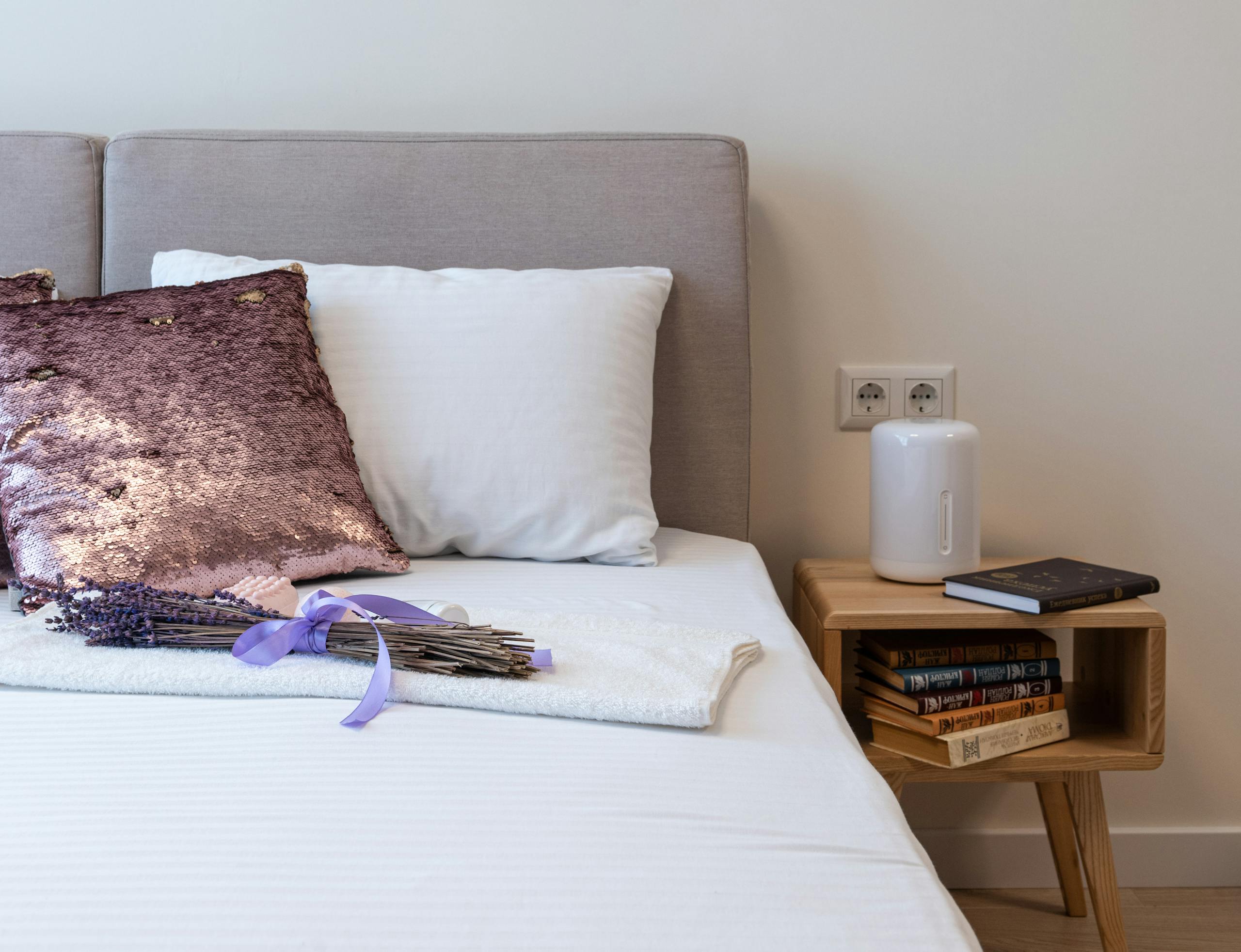
If you’ve been exploring what it means to thrive as an introvert at home, our Introvert Home Environment hub covers the full picture, from designing your space to understanding why solitude feels like oxygen rather than isolation. This article adds a layer that often gets skipped: the permission piece. The part where we actually examine whether being a homebody is okay, and settle that question once and for all.
Why Does Being a Homebody Feel Like Something to Justify?
Somewhere along the way, busyness became a virtue. The person with the packed social calendar, the one who never misses a party, the one who treats every weekend like a networking event, that person gets admired. The person who stays home, reads, cooks a slow meal, and genuinely enjoys their own company gets questioned.
What drains your social battery?
Not all social exhaustion is the same. Our free quiz identifies your specific drain pattern and gives you personalised recharging strategies.
Find Your Drain PatternUnder 2 minutes · 8 questions · Free
I felt this acutely during my agency years. Running a mid-sized advertising firm meant client dinners, industry events, and an unspoken expectation that visibility equaled credibility. My extroverted colleagues seemed to draw energy from those evenings. I was doing math in my head, calculating how many hours until I could reasonably leave without it being noticed. On the drive home, I’d feel something close to relief, the kind that only comes when you’ve been performing a version of yourself that doesn’t quite fit.
The cultural bias toward extroversion is real. Psychologists have written about it for years. Psychology Today’s ongoing coverage of introvert experience points to how introverts are frequently misread as aloof, unmotivated, or socially deficient simply because they don’t perform enthusiasm in the expected ways. Being a homebody sits at the center of that misreading. It looks, from the outside, like withdrawal. From the inside, it feels like sanity.
What Does Being a Homebody Actually Mean?
A homebody is someone who genuinely prefers spending time at home over being out. Not someone who is afraid of the world, not someone who lacks social skills, not someone who has given up. Someone who finds that home, their particular home, with its particular rhythms and comforts, is where they feel most like themselves.
There’s a meaningful difference between choosing home and hiding from life. Homebodies tend to be active, engaged, curious people. They read widely, cook with intention, pursue creative projects, maintain close relationships, and think deeply about things. They’re not absent from life. They’re living it on their own terms.
As an INTJ, my home has always been where my best thinking happens. I’d come back from a client presentation still processing what was said, what wasn’t said, what the dynamics in the room actually meant. The quiet of my own space let me work through all of that without the noise of more social input layered on top. My home wasn’t where I retreated from work. It was where I actually did the most important work.

If you’re drawn to creating a home that actually supports this kind of inner life, there’s something worth reading in the world of HSP minimalism and simplifying for sensitive souls. Even if you don’t identify as highly sensitive, the principles of reducing sensory clutter and designing for calm resonate deeply with homebody values. Your space should work with your nervous system, not against it.
Is Being a Homebody a Sign of Something Wrong?
This is the question that quietly haunts a lot of introverts. You enjoy staying home. You feel better there. But somewhere in the back of your mind, you wonder if that preference is actually a symptom of something you should address.
It’s worth taking that question seriously rather than dismissing it. There is a real difference between introversion and social anxiety, and there’s a difference between being a homebody and being isolated in ways that cause genuine distress. If staying home feels like relief, that’s one thing. If it feels like the only option because leaving feels terrifying, that’s worth exploring with a professional.
For most introverts, though, the preference for home is exactly what it appears to be: a temperament-based orientation toward solitude and quiet. Research published in PubMed Central has examined the neurological underpinnings of introversion, pointing to differences in how introverts process stimulation compared to extroverts. The introvert nervous system tends to reach its threshold for external input faster. Home isn’t avoidance. It’s calibration.
I managed a team of twelve at my agency for several years. One of my senior account managers, an INFJ, was brilliant at her work but consistently declined after-hours events. Her manager at the time flagged it as a “culture fit concern.” I watched her absorb the criticism and start questioning herself. What I saw clearly, because I recognized the pattern from my own experience, was someone who was doing exactly what she needed to do to stay effective. She wasn’t disengaged. She was protecting her capacity to engage well during the hours that actually mattered.
What Are the Real Benefits of a Homebody Lifestyle?
The benefits don’t get talked about enough, partly because they’re harder to photograph for social media and partly because they accrue slowly rather than announcing themselves dramatically. Still, they’re significant.
Depth of thought is one. When you’re not constantly moving between social environments, your mind has space to follow ideas further. I’ve noticed this in my own creative work. The concepts that actually held up, the campaign strategies that genuinely differentiated a brand, almost never came from a brainstorm session in a conference room. They came from the quiet hours when I was home, letting things percolate without interruption.
Quality of relationships is another. Homebodies tend to invest in fewer, closer connections. Rather than spreading attention across a wide social network, they go deeper with the people who matter. Psychology Today’s work on introverts and deeper conversations speaks to this directly. Meaningful connection doesn’t require volume. It requires attention, and homebodies tend to have more of it available.
There’s also the financial dimension, which rarely gets mentioned but is genuinely real. A lifestyle built around home tends to cost less. Fewer meals out, fewer events, fewer impulse purchases driven by social situations. Over years, that adds up to something meaningful.
And then there’s the creative output. Homebodies build things. They write, paint, cook, garden, code, craft, and create in ways that people who are constantly out simply don’t have the time or mental bandwidth to sustain. Home is a workshop as much as a refuge.

How Do You Handle the Social Pressure Without Losing Relationships?
This is where it gets practical, because being a homebody doesn’t mean being a hermit, and most of us have people in our lives who don’t share our preference for staying in. handling that gap thoughtfully matters.
One approach that has worked for me over the years is being honest about what I actually enjoy rather than making excuses. Early in my career, I’d manufacture reasons to leave events or decline invitations. Headache. Early meeting. Vague prior commitment. The problem with that approach is that it puts you in a position of managing a small fiction indefinitely. It’s exhausting, and it doesn’t actually help the other person understand you.
At some point, I started being more direct. Not dramatic about it, just honest. “I tend to do better with smaller gatherings.” “I’d love to catch up, but a dinner for two works better for me than a party.” Most people respond well to that kind of clarity. The ones who don’t are often the ones who need you to perform extroversion for their own comfort, and that’s worth noticing.
Digital connection has also genuinely expanded the options available to homebodies who want community without the sensory overhead of physical gatherings. Chat rooms for introverts offer a way to engage meaningfully with others from the comfort of home. That’s not a lesser form of connection. For many introverts, it’s actually a more comfortable one, where the writing-based format slows things down enough to allow for genuine thought before responding.
The key insight I’d offer from my agency experience is that the people worth keeping in your life will adjust. They may not fully understand your preference for home, but if they care about you, they’ll make room for it. The relationships that couldn’t survive my introversion weren’t the ones I needed to preserve.
Can You Be a Homebody and Still Have a Fulfilling Social Life?
Yes, and this is important to say clearly because the assumption often runs the other way. Being a homebody doesn’t mean being lonely or socially impoverished. It means being selective, intentional, and honest about what actually nourishes you versus what depletes you.
My most meaningful professional relationships were built not in crowded industry events but in one-on-one conversations, often over coffee or a working lunch, where there was actual space to think and respond. Those connections were durable in ways that cocktail party acquaintances never were. Depth over breadth isn’t a consolation prize. It’s a different set of values, and a valid one.
Work published through PubMed Central on social connection and wellbeing suggests that the quality of social bonds matters considerably more than the quantity. Introverts who maintain a small number of close relationships tend to report strong social satisfaction, even when their overall social activity is lower than average. The homebody who has two or three genuinely close friendships is not socially deficient. They’re socially efficient.
Homebodies also tend to be excellent hosts. Inviting people into your space, on your terms, with food you’ve prepared and an environment you’ve designed, is a form of social engagement that plays to every homebody strength. Some of my best conversations happened around my own table, not in someone else’s crowded venue.
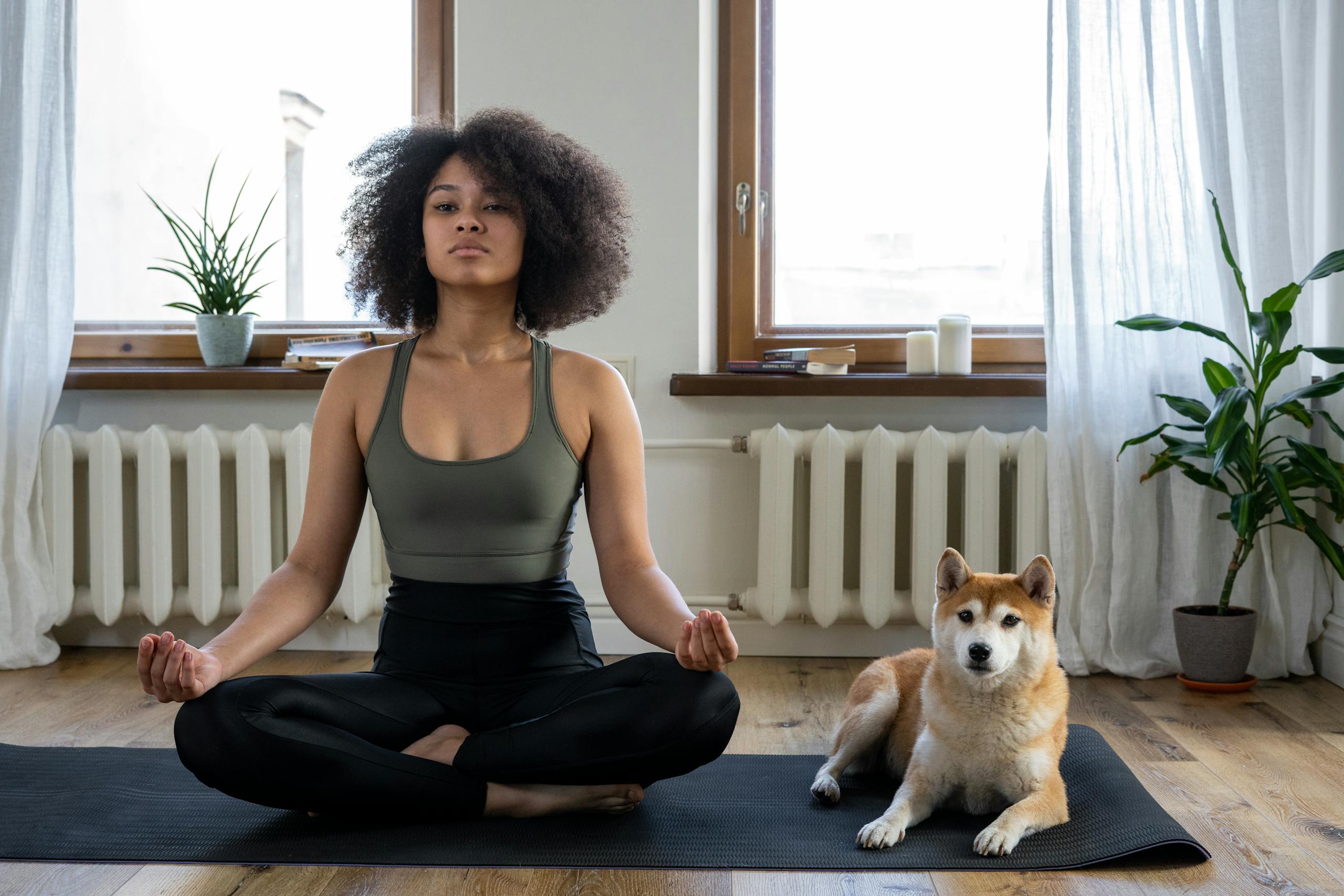
How Do You Make Your Home Life Feel Rich Rather Than Small?
There’s a version of homebody life that feels expansive and alive, and there’s a version that feels like contraction. The difference usually comes down to intentionality.
Investing in your home environment matters more than most people realize. Not in the sense of spending money on decor, though there’s nothing wrong with that, but in the sense of thinking carefully about what your space communicates to you about who you are and what you value. A home that reflects your actual interests and aesthetics feels like an extension of yourself. A home that’s just where you happen to sleep feels like a waiting room.
Books are one of the most reliable ways to make home feel larger than its square footage. If you’re looking for something that speaks directly to this experience, the homebody book recommendations on this site are worth exploring. Reading has always been central to how I process the world. During my agency years, the books on my nightstand were often more intellectually stimulating than anything happening in a conference room.
Routines also matter. A homebody life with structure, morning rituals, creative projects, physical movement, intentional meals, feels purposeful. Without structure, it can drift toward passive consumption, which is where the “is something wrong with me” feeling tends to creep back in. The difference between a rich homebody life and a stagnant one is usually whether you’re choosing your home intentionally or just defaulting to it.
Gifts that support a homebody lifestyle can also signal to the people around you that this is a real, valued way of living. If someone in your life is a homebody, or if you want to communicate to others what your life actually looks like, the gifts for homebodies guide offers ideas that honor the lifestyle rather than nudging someone out of it. There’s something quietly affirming about receiving a gift that says “I see how you actually live, and I think it’s worth celebrating.”
What Should You Say When People Question Your Homebody Tendencies?
People will ask. Sometimes out of genuine curiosity, sometimes out of mild judgment, sometimes because they’re projecting their own discomfort with solitude onto you. Having a few honest, grounded responses ready helps.
You don’t owe anyone a defense of your preferences. That said, a calm explanation can go a long way toward shifting the conversation from interrogation to understanding. Something like “I genuinely recharge at home, and I’ve learned to protect that” tends to land better than either over-explaining or shutting down.
What I’ve found, both in my own life and in watching others work through this, is that confidence in your own preferences is the most persuasive thing you can offer. When you’re clearly at peace with how you live, other people tend to accept it more readily. It’s the apologetic homebody who invites the most pushback, because the apology signals that there might actually be something to apologize for.
Frontiers in Psychology has published work on how personality traits interact with wellbeing, and the consistent finding across introversion-adjacent research is that alignment between your actual temperament and your daily life predicts wellbeing better than conforming to external social norms. Living as a homebody when that’s genuinely who you are isn’t a risk factor. Pretending to be someone else is.
Late in my agency career, I stopped performing extroversion at client events. Not dramatically, not as a statement, just quietly. I showed up, engaged genuinely with the people I was actually interested in talking to, and left when I was done. My client relationships didn’t suffer. Several of them actually improved, because I was more present in the interactions I did have rather than spread thin across a room full of performances.

When Is It Worth Pushing Past Your Homebody Comfort Zone?
Being a homebody doesn’t mean never leaving the house, and there’s a version of this conversation that can tip into avoidance if we’re not honest about it. Some discomfort is productive. Some social situations, even uncomfortable ones, are worth showing up for.
The distinction I’ve come to draw is between situations that challenge me in ways I’ll grow from and situations that just drain me for no real return. A difficult client conversation I’d rather avoid? Worth pushing through. A networking cocktail hour with two hundred people I’ll never see again? Probably not, unless there’s a specific relationship I’m trying to build.
Being thoughtful about conflict is part of this too. Psychology Today’s framework for introvert-extrovert conflict resolution offers a useful structure for those moments when your homebody preferences create friction with people who have different social needs. You don’t have to choose between your temperament and your relationships. With some intentional communication, you can honor both.
success doesn’t mean build a life with zero social friction. It’s to build a life where the social engagement you do choose is meaningful, sustainable, and genuinely chosen rather than performed out of guilt or obligation. That’s a very different thing from isolation.
There’s much more to explore on this topic across our Introvert Home Environment hub, where we look at everything from physical space design to the psychology of solitude and what makes home feel genuinely restorative for introverts.
Running on empty?
Five drain profiles, each with specific triggers, warning signs, and a recharging playbook.
Take the Free QuizUnder 2 minutes · 8 questions · Free
About the Author
Keith Lacy is an introvert who’s learned to embrace his true self later in life. After 20 years in advertising and marketing leadership, including running agencies and managing Fortune 500 accounts, Keith now channels his experience into helping fellow introverts understand their strengths and build fulfilling careers. As an INTJ, he brings analytical depth and authentic perspective to every article, drawing from both professional expertise and personal growth.
Frequently Asked Questions
Is being a homebody the same as being an introvert?
Not exactly, though there’s significant overlap. Introversion is a personality trait describing how someone processes stimulation and restores energy. Being a homebody is a lifestyle preference. Many introverts are homebodies because home provides the low-stimulation environment that suits their temperament. That said, some extroverts are also homebodies by circumstance or choice, and some introverts are quite comfortable spending time outside the home. The two concepts are related but not identical.
Can being a homebody affect your mental health negatively?
It depends heavily on the reasons behind it. When being a homebody is a genuine preference and you’re maintaining meaningful connections, pursuing interests, and engaging with life on your own terms, it tends to support rather than undermine mental health. When it becomes a way of avoiding anxiety, grief, or social fear, it can reinforce those challenges over time. Honest self-reflection matters here. If staying home feels like relief, that’s generally healthy. If it feels like the only option available to you, talking to a mental health professional is worth considering.
How do you maintain friendships as a homebody?
By being intentional rather than passive. Homebodies who thrive socially tend to initiate in ways that work for them, suggesting one-on-one dinners instead of group outings, hosting people at home instead of meeting in loud venues, staying in touch through messages and calls rather than relying on spontaneous in-person contact. The friendships worth keeping are the ones where both people feel genuinely seen. That doesn’t require high social volume. It requires honest communication about what works for you and consistent follow-through on the connections that matter.
Is it okay to decline social invitations regularly as a homebody?
Yes, with some nuance. Declining invitations that genuinely don’t suit you is a reasonable expression of knowing yourself. Declining everything indefinitely and allowing relationships to atrophy is a different matter. A useful check is whether you’re saying no to specific things that don’t fit, or whether you’re saying no to connection itself. The former is healthy self-awareness. The latter is worth examining more carefully. Most homebodies find a rhythm where they decline the majority of large or draining social events while staying genuinely engaged with the smaller, closer connections that matter most to them.
How do you stop feeling guilty about being a homebody?
Guilt tends to come from internalizing someone else’s standards for how you should live. The first step is recognizing that the preference for home is a valid temperament-based orientation, not a character flaw. From there, it helps to build a home life that is genuinely rich and engaged rather than passive, because the guilt often intensifies when home starts to feel like hiding. When you’re reading, creating, connecting with people you care about, and living purposefully, the question of whether you’re “doing enough” tends to answer itself. Confidence in your own preferences, built over time through honest self-examination, is what eventually quiets the guilt.