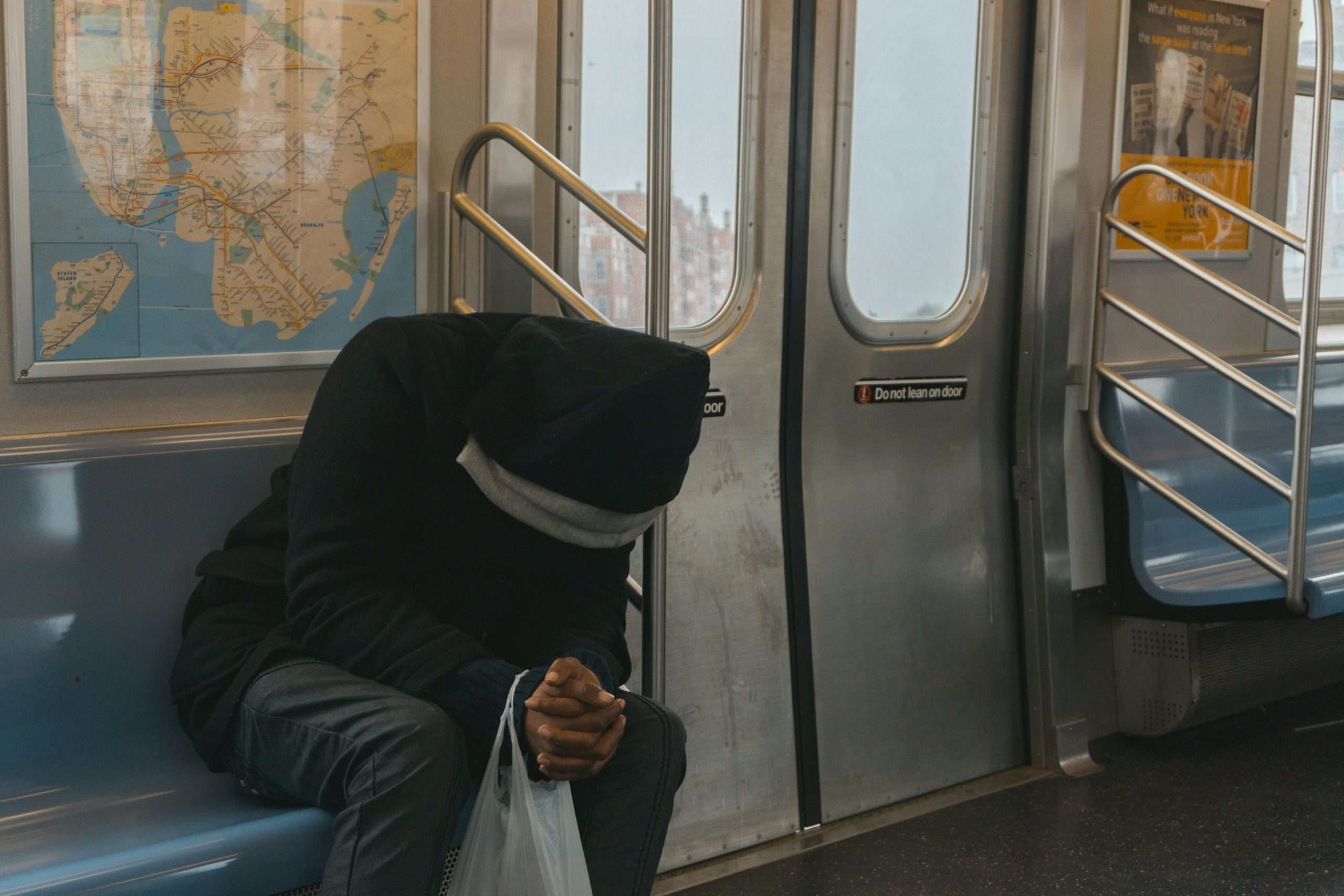
Can a narcissist be alone? At a surface level, yes. A person with narcissistic traits can physically occupy a space by themselves. But genuine solitude, the kind that requires sitting quietly with your own thoughts and feelings without distraction or an audience, is something most people with narcissistic personality patterns find deeply threatening. The internal world they’d encounter in true aloneness is one they’ve spent enormous energy avoiding.
What makes this question so layered is that solitude means something fundamentally different depending on your psychological makeup. For introverts, time alone is restorative. For people with narcissistic tendencies, it can feel like psychological freefall.

Solitude, self-care, and recharging look completely different across personality types, and understanding those differences is something I explore throughout the Solitude, Self-Care & Recharging hub. The contrast between how introverts experience aloneness versus how people with narcissistic traits experience it is one of the most revealing windows into both personality structures.
Why Narcissists Struggle With Genuine Solitude
Over two decades running advertising agencies, I worked alongside a wide range of personalities. Some of the most difficult people I managed weren’t the ones who were openly aggressive. They were the ones who seemed to need constant validation, who required an audience even for minor decisions, and who became visibly destabilized during slow periods when attention wasn’t flowing their way.
What drains your social battery?
Not all social exhaustion is the same. Our free quiz identifies your specific drain pattern and gives you personalised recharging strategies.
Find Your Drain PatternUnder 2 minutes · 8 questions · Free
At the time, I didn’t have the vocabulary to name what I was observing. Looking back, I can see that several of those individuals had strong narcissistic traits, and what they had in common was an almost allergic reaction to unstructured time alone.
Narcissistic personality structure, as described in psychological literature, typically involves a fragile sense of self that depends heavily on external sources of validation, often called narcissistic supply. When that supply is cut off, whether through solitude, rejection, or simply a quiet afternoon, the internal experience can become genuinely destabilizing. There’s no stable inner foundation to rest on.
This is where the contrast with introversion becomes stark. When I finally stopped fighting my own need for solitude and started honoring it, I discovered something waiting for me in the quiet: clarity. My own thoughts. A sense of self that didn’t depend on whether the client presentation had gone well or whether the room had laughed at my comment. That inner stability is precisely what narcissistic patterns tend to erode or prevent from forming in the first place.
What Actually Happens When a Narcissist Is Left Alone
The psychological experience of aloneness for someone with strong narcissistic traits tends to follow a recognizable pattern. Without external stimulation or an audience to perform for, several things can surface.
First, there’s often a rapid escalation of anxiety. The quiet that introverts find restorative feels threatening when your sense of self-worth is entirely outsourced to other people’s reactions. A study published in PubMed Central examining narcissism and emotional regulation found that individuals higher in narcissistic traits showed more difficulty managing negative affect, particularly in contexts where social reinforcement was unavailable.
Second, the inner critic tends to get louder. Narcissistic patterns often develop as a defense against deep feelings of inadequacy or shame. When there’s no external noise to drown those feelings out, they can surface with considerable force. This is one reason people with narcissistic tendencies often reach compulsively for their phones, social media, television, or any form of stimulation that keeps them from sitting with themselves.
Third, and perhaps most telling, is what doesn’t happen: genuine self-reflection. True solitude, the kind that leads to growth, requires a willingness to look honestly at yourself. That kind of honest self-examination is something narcissistic defenses are specifically designed to prevent.
As someone who processes the world through deep internal reflection, I find this genuinely fascinating and, honestly, a little heartbreaking. Solitude has given me some of my clearest thinking, my most honest self-assessments, and my best creative work. The idea of being cut off from that inner resource, or worse, of that inner space feeling like a hostile place, strikes me as a significant form of suffering.
The Difference Between Isolation and Chosen Solitude
One distinction worth drawing carefully here is the difference between being alone by choice and being alone by circumstance. Narcissists can and do experience forced isolation, particularly when relationships collapse or when social supply dries up. That kind of aloneness is very different from the chosen, intentional solitude that introverts and highly sensitive people actively seek out for restoration.
Forced isolation for someone with narcissistic traits can trigger what’s sometimes called narcissistic collapse, a period of acute psychological distress when the usual defenses fail and the underlying sense of emptiness or shame becomes overwhelming. This is not the same as healthy solitude. It’s the psychological equivalent of a structure losing its scaffolding before the foundation has been built.
Harvard Health has written about the distinction between loneliness and isolation, noting that the subjective experience of loneliness, not just the objective fact of being alone, is what carries the most psychological weight. For narcissists, even brief periods of aloneness can feel profoundly lonely because the internal companionship that a stable sense of self provides simply isn’t available.
Compare that to what I’ve written about in the context of highly sensitive people and their relationship with alone time. For HSPs, solitude isn’t deprivation, it’s a genuine need, a way of processing the emotional and sensory input that accumulates throughout the day. The same aloneness that feels threatening to a narcissist feels like coming home to an HSP.
Can a Narcissist Learn to Be Alone Comfortably?
This is where the conversation gets more nuanced, and more hopeful. Narcissistic personality disorder exists on a spectrum, and many people carry narcissistic traits without meeting the full clinical threshold for the disorder. For those individuals, growth is genuinely possible, though it typically requires sustained therapeutic work.
The core challenge is that learning to be alone comfortably requires building something that narcissistic development often interrupted: a stable, internally grounded sense of self. That kind of development doesn’t happen through willpower or self-help tips. It happens through the slow, often painful work of examining the defenses that were built for good reason and gradually learning to need them less.
What’s interesting is that some of the practices that help introverts and highly sensitive people thrive in solitude, including mindfulness, time in nature, and consistent self-care routines, are also the kinds of practices that therapists working with narcissistic patterns sometimes recommend as part of a broader treatment approach. Not because those practices are easy for people with narcissistic traits, but because they gradually build the capacity for inner stillness that makes aloneness tolerable.
The healing power of spending time outdoors is something I’ve seen work for people across a wide range of personality types. Nature has a way of quieting the performance anxiety that drives so much of narcissistic behavior, partly because trees don’t have opinions about you.

A paper published in Frontiers in Psychology examining the psychological benefits of solitude found that the quality of alone time matters as much as the quantity. Solitude that involves passive distraction produces different outcomes than solitude that involves genuine self-reflection or creative engagement. For someone working to build a healthier relationship with aloneness, that distinction matters considerably.
How Introverts Can Protect Themselves Around Narcissistic People
If you’re an introvert who has spent time around someone with strong narcissistic traits, you probably already know the particular exhaustion that comes from those interactions. As an INTJ, I tend to notice patterns quickly, and one pattern I observed repeatedly in my agency years was how certain personalities seemed to drain the room even when they were performing charm.
One account director I worked with for several years was extraordinarily charismatic in client meetings. She was also, I eventually understood, someone who needed those meetings the way other people need food. Between client interactions, she was noticeably destabilized, picking conflicts, seeking reassurance, and pulling attention from everyone around her. Managing her required a kind of constant emotional output that I found genuinely depleting.
What I didn’t do well enough at the time was protect my own need for recovery. I understand now that when introverts don’t get adequate alone time, the consequences are real and cumulative. Irritability, difficulty concentrating, a flattening of emotional responsiveness. I was running on empty for stretches of that period because I hadn’t yet built the boundary-setting practices that would have protected my recharge time.
Setting boundaries with narcissistic people is genuinely difficult, partly because they tend to experience boundaries as attacks. But the alternative, allowing your own psychological needs to be consistently overridden, isn’t sustainable. Building consistent self-care practices creates the kind of inner stability that makes boundary-setting feel less like conflict and more like maintenance.
The CDC has documented the health risks associated with poor social connectedness, including the toll that chronically draining relationships can take on both mental and physical health. For introverts especially, whose social energy is already a finite resource, relationships that consistently extract more than they return carry a real cost.
Why Introverts Often Attract Narcissistic People
There’s a dynamic worth naming directly: introverts and highly sensitive people are often disproportionately targeted by people with narcissistic traits. The reasons are fairly straightforward once you see them.
Introverts tend to be good listeners. They’re thoughtful, they don’t interrupt, and they often give people the sense of being genuinely heard. For someone with narcissistic tendencies who is constantly seeking validation and attention, a skilled, attentive listener is enormously appealing. Add to that the introvert’s tendency to reflect carefully before responding (which a narcissist can interpret as agreement or admiration), and you have a dynamic that can become quite lopsided quite quickly.
I’ve had this conversation with enough introverts to know that many of them look back on significant relationships, professional and personal, and recognize this pattern with a kind of rueful clarity. They were giving attention generously, as introverts often do in one-on-one settings, without realizing that the other person was treating that attention as fuel rather than connection.

Recognizing this pattern isn’t about becoming guarded or suspicious. It’s about developing the kind of discernment that helps you distinguish between people who want genuine connection and people who want an audience. That discernment is a form of self-care, and it gets easier with practice.
Sleep and recovery also play a role here that often gets overlooked. When you’re chronically under-rested, your ability to read social dynamics accurately diminishes. Prioritizing sleep and genuine rest isn’t just about physical health. It’s about maintaining the cognitive clarity that helps you make sound decisions about who deserves your energy.
The Deeper Question: What Does Healthy Solitude Require?
Sitting with this question, can a narcissist be alone, has led me to think more carefully about what healthy solitude actually requires. Because it turns out that being alone comfortably isn’t a default human state. It’s a capacity that develops, or fails to develop, based on a combination of early experiences, psychological health, and deliberate practice.
The Greater Good Science Center at Berkeley has explored how solitude contributes to creativity and self-knowledge, noting that the benefits of alone time depend significantly on whether a person can approach it with openness rather than anxiety. That capacity for open, non-anxious aloneness is something introverts often take for granted, having developed it through years of practice, sometimes involuntary practice during childhoods spent more inside their own heads than in social circles.
For people with narcissistic traits, that capacity was often foreclosed early. The development of a stable inner world was interrupted, usually by early experiences that made vulnerability feel dangerous and external validation feel necessary for survival. Understanding that history doesn’t excuse the behavior that sometimes follows, but it does make the fear of solitude more comprehensible.
There’s also something worth saying about the role of meaningful solitary activity in building tolerance for aloneness. A PubMed Central analysis examining solitude and wellbeing found that structured solitary activities, including creative work, reading, and time in nature, were associated with more positive outcomes than unstructured aloneness. Giving the mind something meaningful to engage with during alone time seems to make the experience more sustainable, even for people who find solitude challenging.
I think about the introverts I know, myself included, who have a particular solitary ritual that anchors them. For me, it’s early mornings with coffee and a notebook, before the day makes its demands. For others it might be a long solo walk, or an hour of reading before bed. Even something as simple as carving out consistent alone time, the way you’d protect any important appointment, can shift your relationship with solitude from something you fall into to something you actively choose.
That active choosing is something people with narcissistic traits rarely do. Their aloneness is almost always reactive, something that happens to them rather than something they pursue. And that distinction, between chosen and unchosen solitude, may be one of the most meaningful psychological differences between introversion and narcissism.
And if you want to go deeper on the full range of ways introverts and sensitive people approach rest, recharging, and self-care, the Solitude, Self-Care & Recharging hub has everything I’ve written on the subject in one place.

Running on empty?
Five drain profiles, each with specific triggers, warning signs, and a recharging playbook.
Take the Free QuizUnder 2 minutes · 8 questions · Free
About the Author
Keith Lacy is an introvert who’s learned to embrace his true self later in life. After 20 years in advertising and marketing leadership, including running agencies and managing Fortune 500 accounts, Keith now channels his experience into helping fellow introverts understand their strengths and build fulfilling careers. As an INTJ, he brings analytical depth and authentic perspective to every article, drawing from both professional expertise and personal growth.
Frequently Asked Questions
Can a narcissist genuinely enjoy being alone?
Rarely in the way introverts do. While a person with narcissistic traits can physically be alone, genuine enjoyment of solitude requires a stable inner world and comfort with self-reflection. Both of those tend to be underdeveloped in narcissistic personality patterns. What often looks like a narcissist enjoying alone time is usually a narcissist engaging with distractions, phones, television, fantasy, rather than sitting quietly with themselves.
What happens to a narcissist when they are forced to be alone?
Forced aloneness, particularly when it follows a loss of social supply such as a relationship ending or a social rejection, can trigger significant psychological distress in people with narcissistic traits. This is sometimes called narcissistic collapse, a period where the usual defenses fail and underlying feelings of shame or emptiness become overwhelming. The response can include rage, depression, desperate attempts to re-establish contact, or a rapid search for new sources of validation.
Is the fear of being alone a sign of narcissism?
Not on its own. Many people fear aloneness for reasons unrelated to narcissism, including anxious attachment styles, depression, or simply being highly extroverted. What distinguishes narcissistic fear of aloneness is the specific reason behind it: the need for external validation to maintain a sense of self-worth. When being alone feels threatening because it removes the audience that makes you feel real or significant, that’s a more specifically narcissistic pattern.
How is introversion different from narcissism when it comes to alone time?
The difference is almost complete. Introverts seek solitude because it restores them, providing the quiet they need to process, reflect, and recharge. People with narcissistic traits avoid solitude because it threatens them, removing the external validation their sense of self depends on. An introvert alone is typically at peace. A narcissist alone is typically uncomfortable, anxious, or actively seeking stimulation to fill the silence.
Can therapy help a narcissist become more comfortable with solitude?
Yes, though it’s a slow process. Therapeutic approaches that focus on building internal stability and reducing dependence on external validation can gradually help people with narcissistic traits develop a more comfortable relationship with aloneness. This typically involves working through the early experiences that made vulnerability feel dangerous and slowly building the kind of inner foundation that makes solitude feel safe rather than threatening. It requires sustained commitment and a willingness to examine defenses that have been in place for a long time.