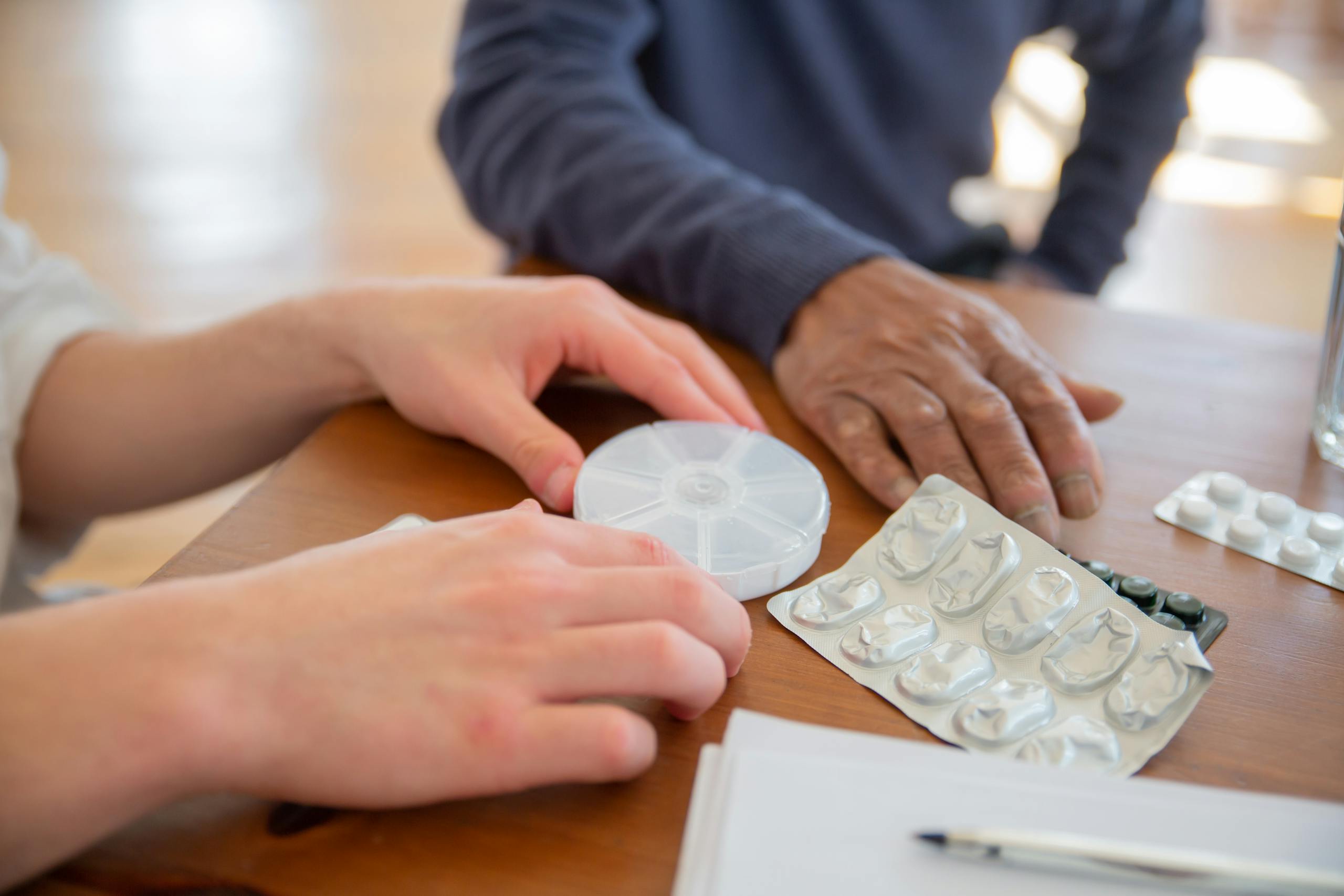
Physician burnout CME (continuing medical education) programs are designed to help doctors recognize exhaustion, restore well-being, and build sustainable careers in medicine. For introverted physicians, though, many of these programs miss something important: the burnout itself often looks different, builds differently, and requires a different kind of recovery than what most curricula describe.
Quiet doctors don’t always raise their hands in grand rounds to say they’re struggling. They process it internally, layer by layer, long before anyone else notices. And by the time the system catches up to them, they’re often already running on empty.

If you’ve been exploring what burnout actually feels like when you’re wired for depth and solitude, our Burnout & Stress Management Hub covers the full landscape, from recognition to recovery, with a lens that actually fits how introverts experience these things.
Why Does Physician Burnout Look Different for Introverts?
I spent two decades running advertising agencies. At peak volume, my teams were managing dozens of Fortune 500 accounts simultaneously, and the pace was relentless. I watched extroverted colleagues energize themselves through the chaos, feeding off client calls and brainstorming sessions. I did the opposite. I went home and sat in silence for an hour just to feel like myself again.
Career Coaching for Introverts
One-on-one career strategy sessions with Keith Lacy. 20 years of Fortune 500 leadership as an introvert, now helping others build careers that work with their wiring.
Learn More50-minute Zoom session · $175
Medicine, in many ways, mirrors that world. Hospitals are loud, high-stimulus environments that reward visible energy and fast social processing. Physicians are expected to move between patients, colleagues, administrators, and families with smooth warmth, all day, every day. For an extroverted doctor, that might feel energizing. For an introverted one, it’s a slow drain that accumulates over months and years before it becomes a crisis.
What makes this particularly tricky is that introverted physicians are often excellent at masking it. They’re precise, thoughtful, and deeply conscientious. They keep showing up. They keep delivering. The burnout hides behind competence, right up until it doesn’t.
Physician burnout CME programs often frame the warning signs around visible behavioral changes: irritability, cynicism, decreased productivity. Those signs apply, but introverted doctors may show something quieter first. Withdrawal that looks like focus. Emotional flatness that looks like professionalism. A slow dimming that colleagues interpret as “just being reserved.”
If you’ve ever wondered whether the people around you can actually tell when you’re stressed, the answer is often no, and that gap matters. Ask an introvert if they’re feeling stressed and you’ll often get a measured, composed answer that doesn’t reflect what’s actually happening internally.
What Does CME Actually Cover When It Comes to Burnout?
Physician burnout CME typically falls into a few categories. Some programs focus on recognition: helping doctors identify the three classic dimensions of burnout, which are emotional exhaustion, depersonalization, and reduced personal accomplishment. Others focus on systemic interventions, addressing workload, administrative burden, and organizational culture. A growing number address individual well-being strategies: mindfulness, resilience training, and peer support structures.
These are valuable. The systemic lens especially matters, because burnout in medicine isn’t purely an individual failure. It’s a structural problem that happens to land on individuals. Research published in PubMed Central points to the complexity of physician well-being as a multi-level issue, one that can’t be solved by teaching doctors to meditate between rounds.
That said, most CME curricula are built around an implicit model of the “average physician,” who turns out to be a fairly extroverted one. The resilience strategies often involve peer connection, group debriefs, and social support networks. These aren’t bad tools. They’re just incomplete for someone who recharges in solitude and finds group processing emotionally taxing rather than relieving.

There’s also the question of the CME format itself. Many physician burnout programs are delivered in group workshops, conference sessions, or interactive seminars. For introverted physicians, those formats carry their own tax. Icebreakers are genuinely stressful for introverts, and when a burnout workshop opens with one, it creates a strange paradox: the recovery program adds to the depletion.
How Does the Introvert Energy Equation Complicate Medical Careers?
Back in my agency years, I had a client services director who was one of the most introverted people I’d ever worked with. Brilliant, methodical, deeply caring about his clients. He could run a two-hour strategy session with a Fortune 500 CMO and leave them completely satisfied. Then he’d disappear into his office for the rest of the afternoon and not emerge until the building was quiet.
I understood that instinctively, because I did the same thing. What I didn’t fully understand at the time was that we were both managing something real and finite. Introversion involves a genuine energy equation, where social interaction draws down reserves that only solitude can replenish. That’s not a preference or a personality quirk. It’s a fundamental aspect of how introverted nervous systems work.
Now apply that to medicine. A physician might see 20 to 30 patients in a day. Each interaction requires full presence, emotional attunement, and social processing. Add in team huddles, family meetings, administrative calls, and teaching rounds, and an introverted doctor may be running a social energy deficit every single day. Over months, that deficit compounds.
The problem is that medicine doesn’t build in recovery time. The system is optimized for throughput, not restoration. And when burnout CME programs recommend “connecting with colleagues” or “seeking peer support” as primary coping strategies, they’re prescribing more social interaction as the antidote to social exhaustion. For introverted physicians, that’s not a solution. It’s more of the same problem in a different room.
There’s also a personality dimension worth naming here. Highly sensitive physicians, those who process stimuli deeply and feel the emotional weight of patient care intensely, face an additional layer of vulnerability. The overlap between introversion and high sensitivity is significant, and HSP burnout has its own recognition and recovery patterns that differ from standard burnout frameworks.
What Do Introverted Physicians Actually Need from Burnout Programs?
A well-designed physician burnout CME program, one that genuinely serves introverted doctors, would start by acknowledging that recovery isn’t one-size-fits-all. It would offer solitude-based restoration strategies alongside peer support options, not instead of them, but as equally valid paths.
Practically, that might look like this:
Scheduled Solitude as a Clinical Tool
Not “self-care” in the vague wellness-brochure sense, but actual protected time built into the workday for quiet restoration. Even 15 minutes between patient blocks, spent alone without screens or conversation, can meaningfully shift an introverted physician’s capacity. Introverts can practice better self-care without adding stress when the approach is designed around their actual nervous system needs rather than generic wellness advice.
Written Reflection Over Group Processing
Introverted physicians often process emotion and experience most effectively in writing, not in group debriefs. CME programs that offer journaling frameworks, written case reflection, or asynchronous peer exchange give introverted doctors a way to do the internal work that actually helps them, rather than performing recovery in a group setting that may not serve them at all.
Anxiety and Stress Skills Tailored to Quiet Nervous Systems
Many introverted physicians carry significant social anxiety alongside their introversion, and the two interact in ways that standard burnout curricula don’t address. Stress reduction skills for social anxiety look different from general stress management, and for physicians who dread department meetings or conflict conversations as much as they dread clinical emergencies, those specific skills matter enormously.
Grounding techniques, in particular, can be effective in clinical settings. The 5-4-3-2-1 coping technique from the University of Rochester is a sensory grounding method that can be used quietly, privately, and quickly, which makes it genuinely practical for a physician between patient rooms.

Recognition That Autonomy Is a Recovery Tool
One of the things I noticed across my years managing creative teams was that introverted people didn’t just want flexibility. They needed it. When I gave my quieter team members autonomy over how and when they did their work, their output improved dramatically. The same principle applies in medicine. Introverted physicians often recover faster when they have control over their schedule, their patient load structure, and their communication preferences. CME programs that advocate for systemic flexibility aren’t just being progressive. They’re being accurate about what works.
Are There Specific Specialties Where Introverted Physicians Burn Out Faster?
Not all medical specialties carry the same social load. Emergency medicine, family practice, and pediatrics involve constant, high-volume patient interaction with rapid emotional cycling. Pathology, radiology, and research-oriented subspecialties tend to offer more solitude and depth-focused work. That’s not a coincidence. Introverted physicians often gravitate toward specialties that match their energy structure, sometimes consciously and sometimes not.
The problem arises when an introverted physician chooses a high-contact specialty for the right clinical reasons, genuine passion for primary care, for example, but then finds the structural demands unsustainable without adequate support. The specialty wasn’t wrong. The system around it was.
There’s also a leadership dimension worth addressing. Introverted physicians who move into administrative or leadership roles often face a compounded burden. They’re managing the clinical demands of medicine while also taking on the social demands of organizational leadership, often without any training in how to lead as an introvert. Frontiers in Psychology has explored how personality traits shape workplace stress responses, and the implications for introverted leaders in high-stakes environments are significant.
I lived that version of the problem in advertising. As an INTJ running an agency, I was expected to be the face of the business, constantly visible, constantly social. Nobody handed me a manual for leading as an introvert. I had to build that framework myself, through a lot of trial and error and more than a few years of running on fumes before I figured out what actually worked for someone wired the way I am.
What Does Sustainable Practice Look Like for an Introverted Physician?
Sustainability in medicine, for an introverted physician, isn’t about doing less. It’s about structuring the work in ways that allow for adequate recovery between demands. That’s a design problem, not a willpower problem.
Some physicians have found that shifting toward models with more asynchronous communication, telehealth options, or smaller patient panels gives them the breathing room they need to stay present with each patient without depleting themselves by noon. Others have found that protecting their mornings for chart work or preparation, before the social demands of the day begin, preserves enough internal resource to carry them through afternoon clinics.
The American Psychological Association’s framework for relaxation techniques offers a useful starting point for physicians building a personal recovery toolkit, particularly the emphasis on physiological downregulation through breath and body-based practices. These work in short windows, which matters when a physician’s schedule doesn’t allow for long recovery blocks.

Beyond clinical practice itself, some introverted physicians have found that building income streams outside of direct patient care gives them both financial resilience and psychological breathing room. Low-stress side hustles for introverts aren’t just a financial strategy. They can function as a pressure valve, a way to engage professionally in a mode that doesn’t drain the same reserves that clinical work depletes.
Medical writing, expert consulting, online education, and research collaboration all offer introverted physicians ways to use their expertise in lower-stimulus environments. That’s not giving up on medicine. It’s building a fuller professional life that doesn’t put all the weight on a single high-demand role.
How Should Introverted Physicians Approach CME Programs on Burnout?
If you’re an introverted physician looking at your CME requirements for burnout education, it’s worth approaching these programs as a starting point rather than a complete solution. Take what’s useful, particularly the systemic analysis and the clinical recognition tools, and supplement with resources that actually fit your wiring.
When evaluating a physician burnout CME program, consider whether it offers any self-paced or asynchronous options. Written or video-based formats often work better for introverted learners than live group workshops. Consider whether the resilience strategies it recommends include solitude-based options, not just social ones. And consider whether it acknowledges personality differences at all, or assumes a single model of the “burned-out physician” that may not match your experience.
The evidence base on introversion and stress processing suggests that introverted individuals often benefit most from recovery strategies that allow for internal processing rather than external expression. That’s not a weakness in the system. It’s a feature, if the system is designed to accommodate it.
One thing I’d add from my own experience: the most valuable professional development I ever did wasn’t in a group workshop. It was the reading, thinking, and writing I did alone, late at night, after the office was empty. That’s where I actually processed what was happening and figured out what needed to change. Many introverted physicians will find the same thing. The formal CME credit matters for licensure. The real recovery work often happens somewhere quieter.
There’s also something worth naming about the culture of medicine more broadly. The profession has historically rewarded stoicism, self-sacrifice, and the suppression of personal need. That culture is particularly hard on introverted physicians, who may already struggle to voice their exhaustion in a system that doesn’t reward vulnerability. Psychology Today’s exploration of how introverts experience social demands touches on something relevant here: the cumulative weight of constant interpersonal performance, even when each individual interaction seems small, adds up to something significant over time.

Physician burnout CME is a field that’s still maturing. The best programs are moving toward more personalized, evidence-informed frameworks that recognize burnout as both a systemic and individual phenomenon. As that evolution continues, the hope is that introverted physicians will see their specific experience reflected in the curriculum, not as an afterthought, but as a central part of how burnout develops and how recovery actually works.
If this article connects with something you’ve been working through, the complete Burnout & Stress Management Hub has more on how introverts experience exhaustion, recognize the signs, and find their way back to themselves.
About the Author
Keith Lacy is an introvert who’s learned to embrace his true self later in life. After 20 years in advertising and marketing leadership, including running agencies and managing Fortune 500 accounts, Keith now channels his experience into helping fellow introverts understand their strengths and build fulfilling careers. As an INTJ, he brings analytical depth and authentic perspective to every article, drawing from both professional expertise and personal growth.
Frequently Asked Questions
What is physician burnout CME and why does it matter?
Physician burnout CME refers to continuing medical education programs specifically designed to help doctors recognize, address, and recover from professional burnout. These programs matter because burnout in medicine affects patient safety, physician health, and the long-term sustainability of medical careers. For introverted physicians, these programs are most useful when they include strategies tailored to how introverts actually process stress and restore their energy, rather than assuming all doctors recover through social connection and peer interaction.
How does introversion affect the way physician burnout develops?
Introverted physicians draw energy from solitude and expend it through social interaction. In a high-volume clinical environment, where patient care, team communication, and administrative demands are constant, introverted doctors face a daily energy deficit that compounds over time. Because introverts often mask their exhaustion behind competence and professionalism, their burnout may not become visible until it’s significantly advanced. The early signs tend to be quieter: emotional withdrawal, reduced enthusiasm for work, and a growing sense of disconnection that others may interpret as simple reserve.
Are standard physician burnout programs effective for introverted doctors?
Standard physician burnout programs offer real value in terms of recognition frameworks and systemic analysis, but many of their individual recovery strategies are built around extroverted coping models. Group debriefs, peer support circles, and social connection as primary resilience tools may not serve introverted physicians well. More effective approaches for introverted doctors include written reflection, scheduled solitude, autonomy over schedule structure, and stress reduction skills that can be practiced privately and quietly in clinical settings.
What format of physician burnout CME works best for introverts?
Introverted physicians generally learn and process most effectively in self-paced, asynchronous formats rather than live group workshops. Online CME modules, written curricula, and video-based programs allow introverted learners to engage deeply with the material without the added social tax of a group setting. When evaluating physician burnout CME options, introverted doctors should look for programs that offer written reflection components, individual application exercises, and resilience strategies that include solitude-based recovery alongside social ones.
Can introverted physicians build sustainable careers in high-contact specialties?
Yes, though it requires intentional structural design rather than simply enduring the demands. Introverted physicians in high-contact specialties benefit most from protected recovery time built into their workday, autonomy over scheduling where possible, written or asynchronous communication options, and a personal toolkit of quiet restoration practices. Some also find that building professional activities outside direct patient care, such as writing, teaching, or consulting, provides meaningful relief from the social demands of clinical work without requiring a specialty change.