
Spirit Rock Meditation Center, nestled in the rolling hills of Woodacre, California, offers something rare in a world that rarely stops talking: genuine, structured silence. Founded in the Insight Meditation tradition, it provides retreats, daylong programs, and residential courses built around mindfulness practice, and for introverts who carry the weight of constant stimulation, it can feel less like a wellness destination and more like coming home.
Many people who find their way to Spirit Rock aren’t seeking enlightenment in any dramatic sense. They’re seeking relief. Relief from the noise, the pace, the relentless expectation to perform and produce and engage. If that sounds familiar, you’re in good company.
Mental health for introverts isn’t always about crisis. Sometimes it’s about building a sustainable relationship with your own mind, and places like Spirit Rock make that possible in ways that most conventional settings simply don’t. Our Introvert Mental Health hub covers the full spectrum of emotional wellbeing for people wired for depth and quiet, and Spirit Rock fits naturally into that conversation as a physical space designed around exactly those values.

What Actually Happens at Spirit Rock Meditation Center?
Spirit Rock sits on 411 acres of protected land in Marin County, about an hour north of San Francisco. The landscape itself does something to you before you’ve attended a single session. Oak trees, open meadows, the kind of stillness that feels earned by the geography. I remember driving out there the first time and noticing my shoulders drop somewhere around the Fairfax turnoff. That physical release before I’d even arrived told me something important.
Career Coaching for Introverts
One-on-one career strategy sessions with Keith Lacy. 20 years of Fortune 500 leadership as an introvert, now helping others build careers that work with their wiring.
Learn More50-minute Zoom session · $175
The center offers several types of programs. Day retreats run from morning through late afternoon and typically include guided meditation, walking meditation, and dharma talks. Residential retreats range from a weekend to several weeks, with some extended silent retreats lasting a month or longer. There are also teacher training programs, family retreats, and community classes for people who want ongoing practice without committing to a residential stay.
What distinguishes Spirit Rock from a generic wellness resort is the depth of its lineage. The teachers there have trained in the Theravada Buddhist tradition, specifically the Vipassana or Insight Meditation branch brought to the West by teachers like Jack Kornfield, who co-founded Spirit Rock. The instruction isn’t surface-level relaxation coaching. It’s a structured, ancient practice adapted thoughtfully for contemporary Western practitioners.
Silent retreats at Spirit Rock involve noble silence, meaning participants refrain from speaking, making eye contact, reading, writing, and using devices. For many people, that sounds terrifying. For a certain kind of introvert, it sounds like the first full breath they’ve taken in years.
Why Do Introverts Respond So Deeply to Meditation Retreats?
Running an advertising agency for two decades meant I spent enormous energy managing what I now understand was chronic overstimulation. Client presentations, staff conflicts, new business pitches, the constant pressure to be “on” in rooms full of people who seemed to draw energy from that very environment. I was performing extroversion for years before I had language for what that performance was costing me.
The cost showed up in predictable ways. Shortened patience. Difficulty concentrating after long meeting days. A creeping sense that I was always slightly behind myself, never quite catching up to my own thoughts. What I was experiencing was a version of what many introverts carry quietly for years: the accumulated toll of living in structures built for a different kind of mind.
Meditation retreats, and Spirit Rock in particular, work well for introverts partly because the entire architecture of the experience validates inward attention. There’s no networking. No cocktail hour. No pressure to perform warmth you don’t feel. The social contract is inverted: silence is the expected behavior, and speaking is the exception. For someone whose natural mode is internal processing, that inversion is genuinely restorative.
There’s also something meaningful about the way meditation practice itself mirrors the introvert’s natural cognitive style. Introverts tend to process experience internally before externalizing it, filtering observations through layers of reflection before drawing conclusions. Vipassana practice asks you to do exactly that with your own mental states: observe, note, return. It’s not a foreign discipline for people already inclined toward depth. It’s a formalized version of something they’ve been doing imperfectly their whole lives.

Many people who find their way to Spirit Rock are also highly sensitive individuals, people who process sensory and emotional information more deeply than average. If you recognize yourself in the patterns described in articles about HSP overwhelm and managing sensory overload, a structured retreat environment with controlled stimulation can be particularly meaningful. Spirit Rock’s design, minimal noise, natural materials, unhurried schedules, seems almost purpose-built for nervous systems that run hot.
What Does Silence Do for an Overloaded Mind?
There’s a specific kind of mental fatigue that doesn’t respond to sleep. I know it well. After a particularly brutal stretch of new business pitches at my agency, I could sleep eight hours and wake up feeling like I’d been running in place all night. The mind had been so continuously activated that rest alone couldn’t reset it.
What silence does, genuine extended silence in a structured container, is something qualitatively different from rest. It removes the inputs that keep the processing loop running. When there’s nothing to respond to, nothing to interpret, no one waiting for your reaction, the mind gradually stops scanning for threats and opportunities and settles into something closer to its baseline state.
Neuroscientists have studied what happens in the brain during extended periods of silence and meditation, and the findings point toward meaningful changes in how the default mode network operates. The research published in PubMed Central on mindfulness and neural activity suggests that consistent meditation practice is associated with changes in regions of the brain involved in self-referential processing and emotional regulation. For people who spend significant mental energy managing anxiety, rumination, or emotional overwhelm, that kind of structural shift matters.
At Spirit Rock, the silence isn’t just the absence of sound. It’s held by a community of people all engaged in the same practice simultaneously. That shared intentionality creates something that’s hard to replicate alone. You’re not isolated. You’re in a room with thirty other people, all turning their attention inward, all agreeing not to interrupt each other’s process. It’s one of the most socially considerate environments I’ve ever been in, and it involves almost no direct interaction.
For introverts who carry persistent anxiety, the kind that hums beneath daily functioning without ever quite announcing itself, that environment can surface things that have been waiting to be noticed. That’s not always comfortable. Meditation teachers at Spirit Rock are clear about this: retreat practice can bring difficult material up, and the support structures there, including teacher interviews and the container of the retreat itself, exist precisely for that reason. The National Institute of Mental Health’s resources on generalized anxiety are worth reviewing alongside any contemplative practice, particularly if anxiety is a significant part of your experience.
How Does Meditation Practice Support Emotional Processing?
One of the things I noticed during my first extended retreat was how much emotional material I’d been storing in a kind of holding pattern. Frustrations from client relationships I’d never fully processed. Grief about a business partnership that ended badly. A low-grade sadness I’d been too busy to examine. The silence didn’t create those things. It just stopped providing enough distraction to keep them submerged.
Insight Meditation practice teaches a specific relationship to emotional experience: observe it without immediately acting on it or pushing it away. Note it. Allow it to move through. That sounds deceptively simple, and it’s genuinely difficult in practice, but it offers something that most of our daily coping strategies don’t: the experience of an emotion completing itself rather than being interrupted.
For people who feel things intensely, this approach can be both challenging and deeply relieving. If you’ve ever read about HSP emotional processing and what it means to feel deeply, you’ll recognize the pattern: emotions arrive with more force, linger longer, and carry more meaning than they might for someone with a less sensitive nervous system. Meditation practice doesn’t dampen that sensitivity. It offers a more skillful container for it.
Spirit Rock teachers often draw on what’s called the RAIN technique: Recognize, Allow, Investigate, Nurture. It’s a structured approach to working with difficult emotions that has been adapted from traditional Vipassana practice into something accessible for contemporary practitioners. The framework is particularly useful for people who tend toward either suppression or overwhelm, two poles that many introverts and highly sensitive people know intimately.

There’s also something worth naming about the relationship between meditation and anxiety specifically. Many introverts experience HSP anxiety in ways that are closely tied to overstimulation and the difficulty of processing large volumes of sensory and social information. Meditation practice, particularly body-based practices like the body scan and walking meditation that Spirit Rock emphasizes, can help interrupt the feedback loop between physical tension and anxious thought. That’s not a cure, but it’s a meaningful tool.
Is Spirit Rock Right for People Who’ve Never Meditated Before?
Honestly, yes. Spirit Rock offers introductory programs specifically designed for people with little or no meditation experience, and the teaching approach there is notably non-dogmatic. You don’t need to hold any particular belief system. You don’t need to be a Buddhist or identify with any spiritual tradition. The practice is presented as a set of tools for working with the mind, and you’re invited to evaluate those tools based on your own direct experience.
That said, it’s worth being honest about what beginners encounter. The first day of a silent retreat is often disorienting. The mind, accustomed to constant input, doesn’t simply settle when the input is removed. It gets louder before it gets quieter. Many first-time retreatants describe the first twelve to twenty-four hours as uncomfortable, restless, even mildly claustrophobic. Spirit Rock teachers prepare participants for this, and it’s genuinely useful to know in advance that the discomfort is part of the process rather than evidence that you’re doing it wrong.
For people who carry significant perfectionism, particularly the kind that shows up as a relentless internal critic measuring your performance against an impossible standard, meditation retreats can be unexpectedly activating. The pressure to meditate correctly, to achieve the right states, to be a good student, can hijack the practice entirely. If that resonates, the work on HSP perfectionism and breaking the high standards trap might be worth sitting with before you book a retreat, not to talk yourself out of going, but to arrive with more self-compassion already in place.
I watched this dynamic play out in myself during my first residential retreat. I was evaluating my meditation sessions the way I used to evaluate client presentations: was that good enough, did I hit the marks, what would I do differently next time. It took a teacher interview midway through the retreat for me to recognize what I was doing. She didn’t tell me to stop trying. She asked me to notice what it felt like in my body when I was trying that hard. That question landed somewhere important.
What Role Does Community Play at a Place Like Spirit Rock?
One of the things that surprised me most about Spirit Rock was how connected I felt to the other participants despite almost no direct interaction. Shared silence creates a particular kind of intimacy. You’re not performing for each other. You’re not managing impressions. You’re just present in the same space, engaged in the same practice, and something about that shared vulnerability generates a sense of belonging that a cocktail party never quite achieves.
For introverts who have complicated relationships with community, specifically who want genuine connection but find most social formats exhausting, this is significant. The community at Spirit Rock forms around practice rather than personality. You don’t need to be charming or quick or entertaining. You just need to show up and sit.
Spirit Rock also has a strong tradition of making its programs accessible across economic backgrounds. Dana, the Pali word for generosity, is a core value there, and many programs operate on a sliding scale or work-study basis. That commitment to accessibility means the community draws from a genuinely diverse range of people, not just those who can afford premium wellness experiences.
There’s a dimension of community that’s also worth naming in the context of empathy. Many people drawn to contemplative practice are deeply empathic, carrying not just their own emotional weight but a significant portion of the weight of the people around them. That quality, examined carefully in the context of HSP empathy as a double-edged sword, can be both a profound gift and a source of chronic depletion. Spirit Rock’s community structure, with its emphasis on individual practice within a collective container, offers a model for connection that doesn’t require you to dissolve into the needs of others.
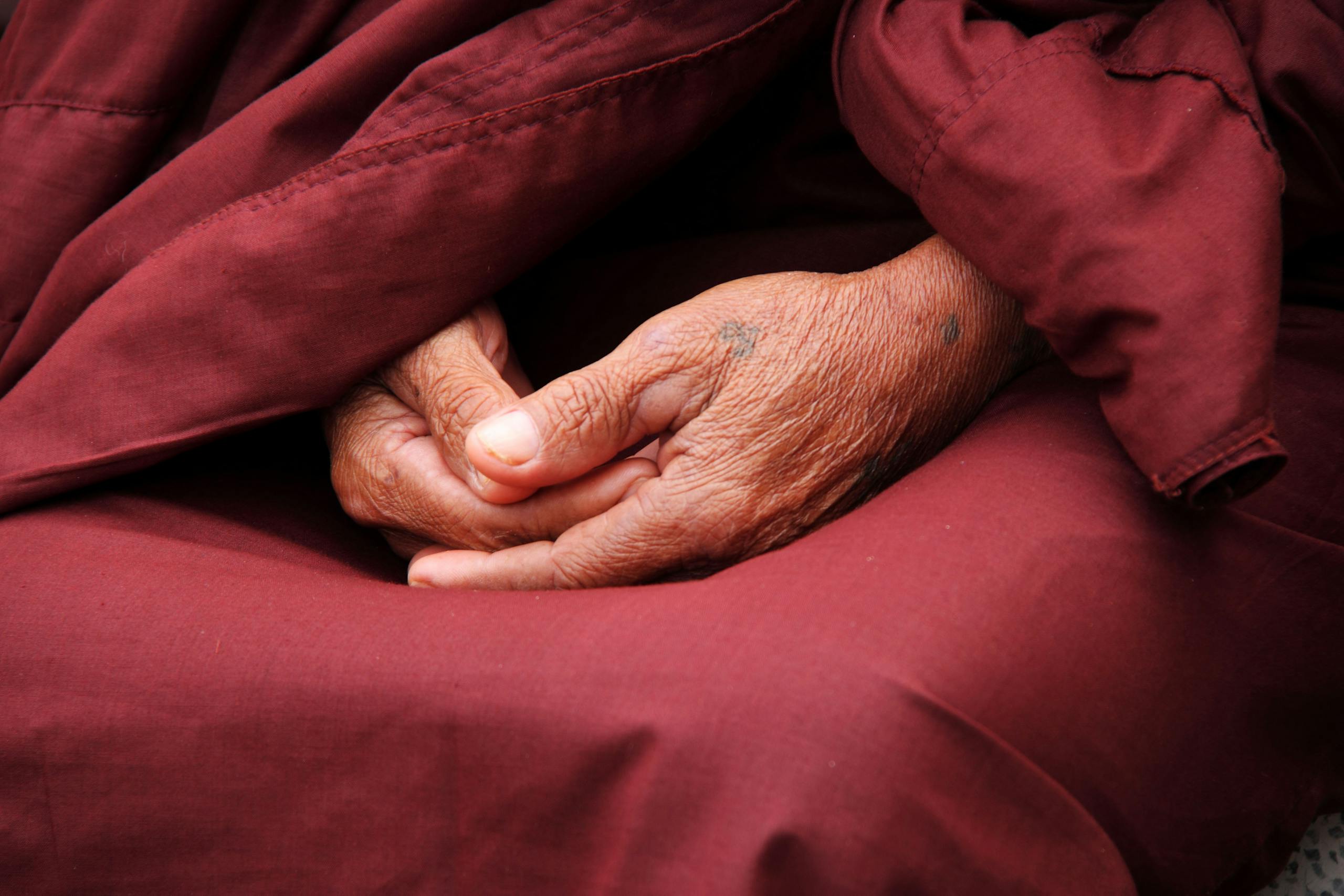
How Do You Integrate Retreat Experience Back Into Regular Life?
Returning from a silent retreat to ordinary life is its own practice. I’ve done it enough times now to recognize the pattern: the first day back feels surreal, almost painfully loud and fast. The grocery store, my phone notifications, a simple conversation with a neighbor, all of it arrives with unusual intensity because the nervous system has recalibrated to a quieter baseline.
That recalibration is actually the point. The retreat doesn’t end when you drive out of the Spirit Rock parking lot. It continues in the way you carry the practice back into your life, in the morning sits you maintain, the moments of pausing before reacting, the slightly longer breath before a difficult conversation. These aren’t dramatic changes. They’re small adjustments that accumulate.
Spirit Rock teachers consistently emphasize that formal retreat practice is meant to support daily life practice, not replace it. success doesn’t mean live in a meditation hall. It’s to bring the quality of attention cultivated in that hall into the ordinary moments: eating, walking, working, disagreeing with someone you care about. For those of us who spent years managing high-stakes client relationships, the application of that kind of equanimity to a tense boardroom conversation is not trivial. It changes the quality of every interaction.
There’s also the question of what happens when retreat surfaces something difficult that doesn’t resolve neatly before you leave. Some people come away from their first intensive retreat carrying more emotional material than they arrived with, not because the retreat went wrong, but because it worked. In those cases, having ongoing support matters. The research on mindfulness-based interventions published in PubMed Central points toward the importance of integration support alongside intensive practice, and Spirit Rock offers integration resources including community programs and ongoing dharma study for exactly this reason.
For people handling the aftermath of difficult interpersonal experiences, including the kind of social pain that can linger long after the event itself has passed, meditation practice can offer a framework for working through what remains. The material on HSP rejection and the process of healing speaks to how sensitive people often carry relational wounds with particular depth. Retreat practice doesn’t erase those wounds, but it can change your relationship to them.
What Should You Know Before Booking at Spirit Rock?
A few practical notes worth knowing. Spirit Rock’s programs fill quickly, particularly the residential retreats and any programs taught by senior teachers like Jack Kornfield or Tara Brach. If you’re planning a residential stay, registering several months in advance is realistic rather than overcautious.
The physical environment is simple. Residential accommodations are shared dormitory-style rooms or, for some programs, private rooms at additional cost. Meals are vegetarian and served in silence. The schedule is structured and early: most residential retreats begin the day at 5:30 or 6 AM with morning meditation. If you’re someone who needs significant time to ease into the day, that adjustment is worth preparing for.
Medical and psychological screening is part of the registration process for intensive retreats. Spirit Rock takes this seriously, and with good reason. Intensive meditation practice can amplify psychological material, and the center wants to ensure that participants have appropriate support in place. If you’re currently working with a therapist or psychiatrist, it’s worth discussing your interest in retreat practice with them before registering. The clinical guidance on mindfulness-based practices from the National Library of Medicine addresses contraindications worth being aware of, particularly for people with trauma histories or active mood disorders.
Spirit Rock also has a strong online program offering for people who can’t travel to Marin County. While the residential experience has qualities that online programs can’t fully replicate, the quality of teaching available through their virtual offerings is genuinely high, and it’s a reasonable starting point for someone who wants to experience the Spirit Rock approach before committing to a residential retreat.
One more thing worth naming: you don’t have to be in crisis to go. Some of the most valuable time I’ve spent at Spirit Rock has been during periods when things were going reasonably well, when I had enough stability to actually absorb what the practice was offering rather than just seeking relief. Contemplative practice as maintenance rather than rescue is a different orientation, and in many ways a more sustainable one. The American Psychological Association’s work on resilience frames this well: building psychological resources during periods of relative stability creates capacity that’s available when things get harder.

There’s a longer conversation to be had about how introverts approach mental health and self-care, and Spirit Rock is one piece of a much broader picture. If you’re exploring that picture more fully, our Introvert Mental Health hub brings together resources on emotional processing, anxiety, sensitivity, and the specific challenges that come with being wired for depth in a world that rarely slows down.
About the Author
Keith Lacy is an introvert who’s learned to embrace his true self later in life. After 20 years in advertising and marketing leadership, including running agencies and managing Fortune 500 accounts, Keith now channels his experience into helping fellow introverts understand their strengths and build fulfilling careers. As an INTJ, he brings analytical depth and authentic perspective to every article, drawing from both professional expertise and personal growth.
Frequently Asked Questions
Is Spirit Rock Meditation Center only for Buddhists?
No. Spirit Rock teaches in the Insight Meditation tradition rooted in Theravada Buddhism, but the center explicitly welcomes people of all backgrounds and belief systems. The practice is presented as a set of tools for working with the mind, and participants are encouraged to evaluate those tools through their own direct experience rather than adopting any particular religious framework. Many regular attendees have no Buddhist affiliation whatsoever.
How long do Spirit Rock retreats typically last?
Spirit Rock offers programs ranging from a single day to several weeks. Daylong retreats run approximately eight hours. Weekend residential retreats are two to three nights. Week-long retreats are common, and extended silent retreats can run from two weeks to a month or longer. For first-time participants, a daylong or weekend program is a reasonable starting point before committing to a longer residential stay.
Can someone with anxiety attend a silent retreat at Spirit Rock?
Many people with anxiety find meditation retreats genuinely helpful, and Spirit Rock has experience supporting participants with a range of mental health backgrounds. That said, intensive silent retreat practice can surface difficult psychological material, and the center conducts health screening as part of registration for residential programs. Anyone with significant anxiety, trauma history, or active mood disorders is encouraged to consult with a mental health professional before attending an intensive retreat, and to be transparent with Spirit Rock staff during the registration process.
What is the cost of attending Spirit Rock?
Spirit Rock operates on a sliding scale model rooted in the Buddhist principle of dana, or generosity. Program fees vary depending on the length and type of retreat, with residential programs costing more than daylong events. Work-study positions are available for people who need financial assistance, and the center makes genuine efforts to ensure programs are accessible across economic backgrounds. Specific pricing is listed on the Spirit Rock website and is updated regularly.
Do you need prior meditation experience to attend Spirit Rock?
No prior experience is required for introductory programs, and Spirit Rock offers courses specifically designed for beginners. Some advanced or intensive retreats recommend prior experience, and those prerequisites are noted in program descriptions. For people completely new to meditation, starting with a daylong introductory program or one of the center’s beginner courses before attempting a residential silent retreat is a sensible approach that allows you to get familiar with the practice in a less intensive setting.