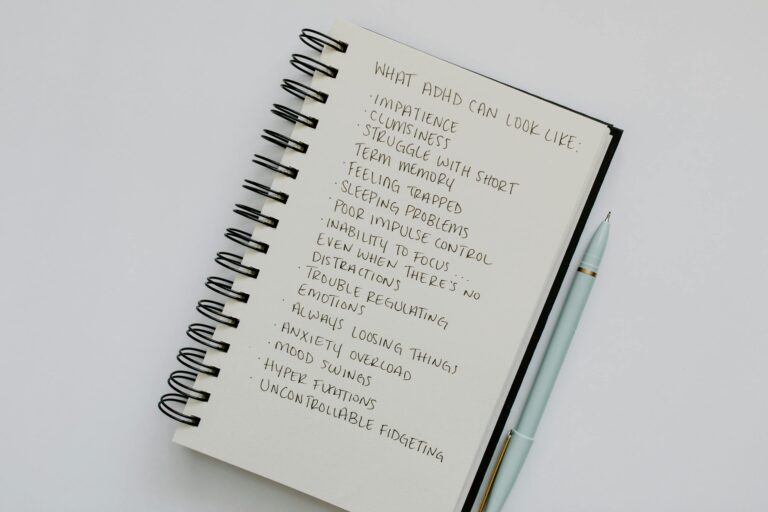
Autistic shutdown and dissociation are two distinct psychological responses that can look remarkably similar from the outside, yet feel entirely different from within. Autistic shutdown is a neurological response to overwhelming input, where the brain essentially reduces processing capacity to protect itself. Dissociation, by contrast, is a psychological disconnection from thoughts, feelings, surroundings, or identity, often rooted in anxiety, trauma, or emotional overload.
Both can leave you sitting in a room, unable to speak, staring at nothing. Both can make people around you think you’ve simply “checked out.” And if you’re someone wired for deep internal processing, as many introverts and highly sensitive people are, you may have experienced both without ever having the language to tell them apart.
That distinction matters more than most people realize. Getting it wrong means using the wrong coping strategies, which can make things worse instead of better.
If you’re working through questions like this one, our Introvert Mental Health Hub covers a wide range of topics where introversion, neurodivergence, and emotional wellbeing intersect. It’s worth bookmarking if you find yourself returning to these themes.

What Does Autistic Shutdown Actually Feel Like?
Autistic shutdown is sometimes described as the brain hitting a circuit breaker. When sensory input, social demands, or emotional pressure exceed what the nervous system can process, the system doesn’t crash exactly. It reduces. Speech becomes difficult or impossible. Movement slows. Cognitive function narrows. The person experiencing it is often still present and aware, but responding to the outside world requires more than the system currently has available.
Career Coaching for Introverts
One-on-one career strategy sessions with Keith Lacy. 20 years of Fortune 500 leadership as an introvert, now helping others build careers that work with their wiring.
Learn More50-minute Zoom session · $175
It’s different from a meltdown, where distress spills outward. Shutdown pulls inward. The person goes quiet, still, and unreachable in a way that can look like withdrawal or even calm, even when it isn’t.
I think about this in terms of my own experience managing large teams during high-pressure campaign launches. There were moments, usually after days of back-to-back client presentations and agency-wide strategy sessions, where I would sit at my desk and genuinely not be able to form a sentence. Not writer’s block. Not fatigue in the ordinary sense. Something more fundamental had gone offline. I couldn’t access words. I couldn’t sequence thoughts. I could only sit there until, eventually, the system rebooted.
At the time I called it burnout. I now understand it was something more specific. My nervous system had been pushed past its processing threshold, and it had done exactly what it was designed to do: it had reduced load to protect itself.
For autistic people, this threshold is often lower than neurotypical people expect, not because of weakness, but because the nervous system is processing more information at greater depth at all times. The research literature on sensory processing differences points consistently to the idea that autistic nervous systems are not broken, they are differently calibrated. That calibration has real consequences for how much a person can absorb before shutdown becomes the only available response.
People who are also highly sensitive often find this territory familiar. The experience of HSP overwhelm and sensory overload shares meaningful overlap with shutdown, even when the neurological underpinning differs. Both involve a nervous system that has taken in more than it can comfortably metabolize.
What Is Dissociation, and Why Does It Get Confused With Shutdown?
Dissociation is a psychological process, not a neurological one in the same structural sense. It describes a disconnection between a person and their own experience, their thoughts, their body, their sense of self, or their surroundings. It exists on a spectrum. At the mild end, it looks like daydreaming or spacing out. At the more significant end, it can involve feeling like you’re watching yourself from outside your body, or like the world around you isn’t quite real.
The clinical literature on dissociative responses describes it as a protective mechanism, a way the mind creates distance from something that feels too threatening or overwhelming to process directly. Trauma is a common trigger. So is severe anxiety. So is prolonged emotional stress without adequate recovery.
What makes dissociation easy to confuse with autistic shutdown is that both can produce the same external picture: a person who has gone quiet, who isn’t responding normally, who seems to be somewhere else entirely. The behavioral overlap is real. The internal experience is not.
In shutdown, the person is typically still aware of where they are. They may feel the weight of their body, hear sounds in the room, register that time is passing. What’s reduced is their capacity to respond, to process language, to generate output. The world hasn’t gone strange. It’s just that the machinery for engaging with it has temporarily gone offline.
In dissociation, the experience is often more surreal. The room may feel distant, like a photograph of a room rather than the room itself. The person’s own body may feel unfamiliar. Thoughts may feel like they belong to someone else. There’s a quality of unreality that’s distinct from the flat, reduced-but-present experience of shutdown.

For people who already experience HSP anxiety alongside sensory sensitivity, the line can blur further. Anxiety is one of the most common triggers for dissociation, and highly sensitive people often carry a significant anxiety load simply from the volume of stimulation they absorb each day. That combination creates conditions where both responses can occur, sometimes in sequence.
How Do You Tell the Difference When You’re in the Middle of It?
This is the genuinely hard question. When you’re in the middle of either state, your capacity for self-observation is reduced. That’s part of what makes both experiences so disorienting.
Some questions that can help orient you, either in the moment or afterward when you’re reflecting on what happened:
Did the world feel unreal, or did you feel unable to respond to it? Unreality points toward dissociation. Inability to respond while the world feels normal points toward shutdown.
Was there a clear sensory or social trigger? A loud environment, a prolonged social demand, a day that asked more of you than you had? That pattern is more consistent with shutdown. Dissociation can also have triggers, but they’re more often emotional or trauma-linked than sensory-volume-linked.
Did you feel like yourself, just reduced? Or did you feel like you were watching yourself from a distance? The first is more characteristic of shutdown. The second is more characteristic of dissociation.
Did the state resolve with rest and reduced stimulation? Shutdown typically does. Dissociation may persist, or may require grounding techniques to interrupt, because the trigger is psychological rather than sensory-load-based.
I’ve sat with this distinction many times in my own reflection. There were episodes in my agency years that I now recognize as shutdown: the post-pitch silences, the days after major client reviews where I simply couldn’t engage with anyone. And there were other moments, usually during periods of sustained interpersonal conflict or organizational instability, where something different happened. Where I felt like I was going through motions in a room that didn’t quite belong to me. Those were something else. Looking back, the emotional context was the differentiator.
Why Introverts and HSPs May Experience These States More Often
Neither shutdown nor dissociation is exclusive to introverts or highly sensitive people. But there are reasons why people with these traits may encounter these states more frequently than average.
Introverts process experience deeply. That’s not a metaphor. The neurological research suggests that introverted brains show more activity in regions associated with internal processing, memory, and planning. That depth is a genuine strength in many contexts. It also means the system is doing more work at any given moment, which means it reaches capacity sooner under high-demand conditions.
Highly sensitive people, as Elaine Aron’s work has documented, process sensory and emotional information more thoroughly than non-HSPs. That thoroughness is part of what makes HSP emotional processing so rich and nuanced. It’s also part of what makes the system more vulnerable to overload. When you’re processing everything at greater depth, you fill up faster.
Add to that the social and professional demands that introverts and HSPs often face in workplaces designed around extroverted norms, and you have a recipe for chronic overstimulation. I spent two decades running agencies where the culture rewarded visibility, volume, and constant availability. Every team meeting, every client call, every open-plan office interaction was a draw on a reservoir that refilled slowly and required genuine solitude to restore. Most of my colleagues didn’t experience the environment that way. For me, it was a continuous negotiation between what the role required and what my nervous system could sustain.
The broader literature on stress and nervous system regulation makes clear that chronic overstimulation without adequate recovery creates cumulative vulnerability. The system doesn’t just bounce back. It carries a deficit forward. Over time, that deficit lowers the threshold for both shutdown and dissociative responses.

There’s also the dimension of HSP empathy, which functions as both a gift and a source of significant additional load. When you’re absorbing not just your own emotional experience but also the emotional states of everyone around you, the cumulative weight is substantial. That weight contributes to the conditions in which both shutdown and dissociation become more likely.
What Happens When Perfectionism and High Standards Enter the Picture?
One factor that doesn’t get enough attention in conversations about shutdown and dissociation is the role of perfectionism and self-imposed standards. For many introverts and HSPs, the internal bar is set very high. The expectation is that you should be able to handle more, perform better, recover faster. When shutdown or dissociation occurs, the response is often shame rather than recognition.
That shame is counterproductive in practical terms. Shame increases the emotional load the nervous system is carrying, which raises the likelihood of further shutdown or dissociation. It’s a cycle that feeds itself.
The research on perfectionism and stress responses points to how high standards, when they become rigid and self-critical, amplify physiological stress rather than improving performance. For people already managing sensitive nervous systems, that amplification is especially consequential.
I watched this dynamic play out in myself for years. After a shutdown episode, my first instinct was to push harder the next day, as if I could compensate for having gone offline. That approach didn’t work. What worked, eventually, was recognizing the shutdown as information rather than failure. It was my system telling me something specific about what it needed, and ignoring that signal just moved the problem forward in time.
If you recognize yourself in this pattern, the article on HSP perfectionism and breaking the high standards trap addresses this cycle directly and with real practical depth.
How Rejection and Emotional Pain Can Trigger Dissociation Specifically
One of the clearest distinguishing features between shutdown and dissociation is that dissociation is more strongly linked to emotional pain, particularly pain that feels threatening to the sense of self. Rejection is one of the most reliable triggers.
For highly sensitive people, rejection lands differently than it does for people with less sensitive emotional processing. It’s not that HSPs are fragile. It’s that they process the experience more thoroughly, which means the impact is felt more completely. That complete impact can, in some cases, be enough to trigger a dissociative response as the mind attempts to create distance from something unbearable.
The HSP experience of rejection deserves its own careful attention, because the strategies that help with ordinary disappointment aren’t always sufficient for the depth of response that rejection can produce in a highly sensitive person.
What’s worth understanding here is that dissociation in response to rejection is not a sign of weakness or immaturity. It’s a protective response. The mind is doing something it was designed to do. The problem is that the protection comes at a cost: it prevents the kind of processing that actually leads to healing. You can’t work through something you’ve dissociated from. The path forward requires enough safety to come back into contact with the experience, which is work that often benefits from professional support.

Different States, Different Recovery Strategies
Getting the distinction right matters because the recovery strategies are different, and using the wrong one can extend the episode rather than resolve it.
For autistic shutdown, the primary need is reduction of input and demand. Quiet. Darkness if possible. No social expectations. No need to produce output. The system needs to reduce its load until it can reboot. Trying to talk someone through a shutdown, or encouraging them to “push through,” works against the recovery process. What helps is creating conditions where the nervous system can complete its reset without additional demands being placed on it.
For dissociation, the opposite approach is often more effective. Grounding techniques work by bringing the person back into contact with present reality, the opposite of the disconnection dissociation produces. Sensory grounding, noticing five things you can see, four you can touch, three you can hear, works precisely because it re-engages the senses with the present moment. Physical movement, cold water on the face or hands, slow deliberate breathing: all of these work by anchoring the person back into their body and their immediate environment.
The National Institute of Mental Health’s work on anxiety disorders provides useful context here, since anxiety is so often the emotional engine driving dissociative episodes. Understanding the anxiety component helps clarify why grounding techniques work: they interrupt the anxiety-driven disconnection by giving the nervous system something concrete and present to engage with.
Where things get complicated is when both states are present. Autistic shutdown can be accompanied by anxiety. Dissociation can be triggered by sensory overload. In those cases, the priority is usually to address the most acute component first, typically the one that feels most destabilizing, and then allow the other to resolve as the overall system settles.
The American Psychological Association’s framework on resilience is relevant here in a specific way. Resilience isn’t about preventing these states from occurring. It’s about developing the self-knowledge and the toolkit to move through them with less collateral damage. That takes time and it takes honest self-observation. But it is genuinely possible.
When Should You Seek Professional Support?
Some experiences of shutdown and dissociation are manageable with self-knowledge and good recovery practices. Others are not, and it’s worth being honest about the difference.
Seeking professional support makes sense when these states are occurring frequently, when they’re interfering significantly with daily functioning, when they’re connected to trauma that hasn’t been processed, or when you genuinely can’t tell what’s happening and why. A therapist who understands neurodivergence, sensory processing, and trauma will be better equipped to help than a generalist, so it’s worth being specific when looking for support.
For autistic shutdown specifically, a formal assessment may also be worth considering if you’ve never had one. Many adults, particularly those who masked successfully through childhood and professional life, reach midlife without ever having had their neurology accurately understood. That gap in self-knowledge carries real costs. I’ve watched colleagues spend years managing what they thought was a character flaw, only to discover it was a nervous system operating exactly as it was built to operate, just in an environment that wasn’t designed for it.
The academic research on late-identified autism in adults documents how common this experience is, particularly among people who developed strong coping and masking strategies early in life. Recognition doesn’t change who you are. It does change how you understand yourself, and that understanding is the foundation of any effective strategy.

What I’ve found, both personally and in watching others work through these questions, is that the most useful thing isn’t a perfect diagnostic label. It’s a working model of your own nervous system, specific enough to tell you what you need in a given moment, and compassionate enough not to turn every difficult experience into evidence of inadequacy.
If you’re finding these topics relevant to your own experience, there’s much more to explore across the full range of our Introvert Mental Health Hub, where we cover everything from sensory sensitivity to emotional processing to anxiety and beyond.
About the Author
Keith Lacy is an introvert who’s learned to embrace his true self later in life. After 20 years in advertising and marketing leadership, including running agencies and managing Fortune 500 accounts, Keith now channels his experience into helping fellow introverts understand their strengths and build fulfilling careers. As an INTJ, he brings analytical depth and authentic perspective to every article, drawing from both professional expertise and personal growth.
Frequently Asked Questions
Can you experience autistic shutdown without being diagnosed as autistic?
Yes. Many people experience shutdown-like responses without a formal autism diagnosis, particularly those who are highly sensitive, introverted, or who have significant sensory processing differences. A formal diagnosis can be valuable for understanding your neurology, but the experience of nervous system overload and reduced processing capacity is not exclusive to people who carry a diagnostic label. If these experiences are frequent or significantly disruptive, an assessment with a qualified professional is worth considering.
Is dissociation always connected to trauma?
Not always, though trauma is one of the most common underlying factors. Dissociation can also be triggered by severe anxiety, extreme stress, sleep deprivation, or prolonged emotional overwhelm without a specific traumatic event. Mild dissociation, such as spacing out during a repetitive task, is a normal human experience. More significant or frequent dissociation, particularly if it involves feeling detached from your body or surroundings, warrants professional attention regardless of whether trauma is involved.
What’s the fastest way to tell if I’m in shutdown or dissociating?
Ask yourself whether the world feels unreal or whether you simply feel unable to respond to it. Dissociation typically involves a quality of unreality, distance from your surroundings or your own body. Autistic shutdown typically involves reduced capacity to respond while remaining aware of your environment. Also consider what preceded the state: sensory overload and social demand saturation point toward shutdown, while emotional pain, anxiety spikes, or distressing interpersonal events point more toward dissociation.
Can grounding techniques make autistic shutdown worse?
They can, yes. Grounding techniques work by increasing sensory engagement with the present moment, which is helpful for dissociation but can add to the sensory load during shutdown. During shutdown, the nervous system needs reduced input, not increased stimulation. If you’re in shutdown, the more effective approach is to reduce demands, lower stimulation in the environment, and allow the system to reset without additional input. Grounding techniques are better reserved for dissociative episodes.
Why do introverts seem more prone to both of these experiences?
Introverts process experience more deeply and require more recovery time after social and sensory demands. That depth of processing means the system reaches capacity sooner in high-demand environments, which increases the likelihood of shutdown. The same depth of processing also means emotional experiences land more fully, which can make dissociative responses more likely when those experiences are painful or overwhelming. Neither tendency is a flaw. Both are predictable consequences of how an introverted nervous system is calibrated, and both become more manageable with accurate self-knowledge and appropriate recovery strategies.