
Distress tolerance and emotion regulation are two distinct psychological skills that work together but serve different purposes. Distress tolerance helps you survive an overwhelming moment without making things worse, while emotion regulation helps you change the intensity or duration of difficult feelings over time. For introverts, understanding which skill you actually need in a given moment can be the difference between burning out quietly and building genuine emotional resilience.
Most of us spend years confusing the two. We try to regulate emotions that simply need to be tolerated. Or we white-knuckle our way through pain that could actually be shifted. Getting clear on this distinction changed how I approach stress, and it might do the same for you.
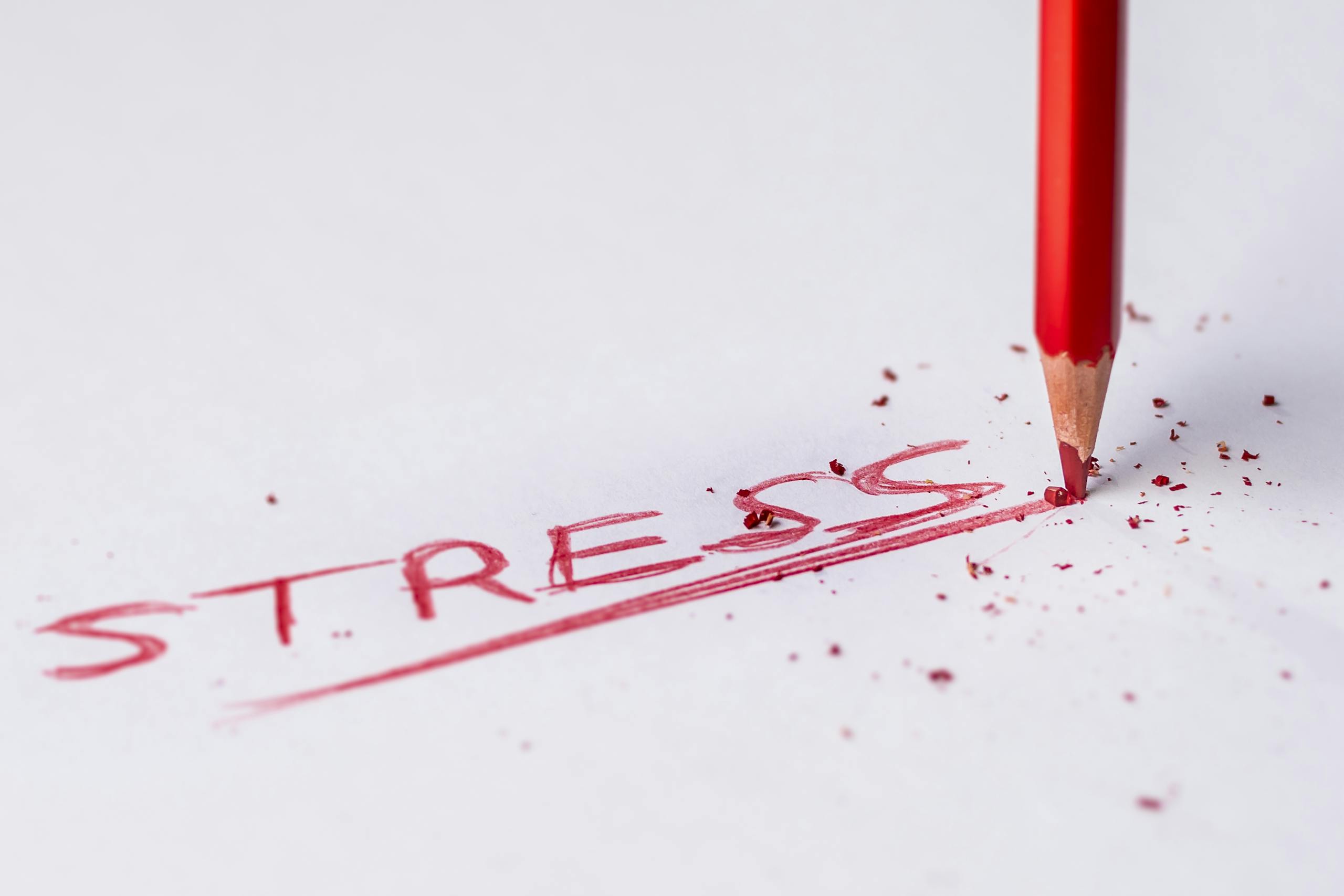
My entire career in advertising was built on managing pressure. Pitch deadlines, difficult clients, team conflicts, the constant hum of a busy agency floor. As an INTJ, I processed most of that internally, filtering it through layers of analysis before it ever reached the surface. What I didn’t realize for a long time was that I had developed decent distress tolerance almost by accident, but almost no real emotion regulation skills. I could survive anything. What I couldn’t do was actually process what surviving had cost me.
If stress and burnout are patterns you keep cycling through, the Burnout and Stress Management hub at Ordinary Introvert covers the full landscape, from recognizing early warning signs to building sustainable recovery habits. This article focuses on one specific layer of that work: knowing which emotional tool to reach for and when.
What Is Distress Tolerance and Why Do Introverts Often Already Have It?
Distress tolerance is the capacity to endure psychological pain without resorting to behaviors that make the situation worse. It comes from Dialectical Behavior Therapy, where it sits alongside other core skills like mindfulness and emotion regulation. The premise is simple: some painful situations cannot be immediately fixed or changed, and your job in those moments is to get through them without adding new damage.
Career Coaching for Introverts
One-on-one career strategy sessions with Keith Lacy. 20 years of Fortune 500 leadership as an introvert, now helping others build careers that work with their wiring.
Learn More50-minute Zoom session · $175
Introverts, in my observation, often develop this skill early. Not because we’re naturally more resilient, but because we spend so much time in environments that weren’t designed for us. Loud offices. Mandatory team-building events. Networking cocktail hours. We learn to endure. We sit with discomfort quietly while the extroverts in the room seem to thrive. Over time, that quiet endurance becomes a kind of practiced tolerance.
Take icebreaker activities, for example. Most introverts I know have a nearly automatic system for getting through them. You find a neutral expression. You prepare a two-sentence answer. You remind yourself it will be over in ten minutes. That’s distress tolerance in action. You’re not changing how you feel about the icebreaker. You’re surviving it with your dignity intact.
The problem is that surviving something repeatedly isn’t the same as processing it. When I ran my second agency, I had a client who would call on Friday afternoons with last-minute revision requests. Every week. I developed an almost military-grade tolerance for those calls. I stayed calm, professional, and effective. What I didn’t do was address the pattern, set a boundary, or examine why I felt vaguely hollow every Sunday evening. Distress tolerance kept me functional. It didn’t keep me well.
What Is Emotion Regulation and Where Does It Actually Apply?
Emotion regulation is the process of influencing which emotions you experience, when you experience them, and how you express them. It’s not suppression. Suppression is what happens when you shove feelings into a drawer and hope they don’t come out during a board presentation. Regulation is something more active and more honest.
Effective emotion regulation involves things like reappraising a situation from a different angle, identifying what you’re actually feeling before it escalates, and building the kind of lifestyle habits that keep your emotional baseline stable. Research published in PubMed Central has examined how cognitive reappraisal, one of the core emotion regulation strategies, consistently outperforms suppression for long-term wellbeing. That distinction matters enormously for introverts who have spent years suppressing rather than regulating.

Here’s where I had to get honest with myself. For most of my agency years, what I called “staying professional” was actually suppression dressed up in a suit. I wasn’t regulating my emotions around difficult client relationships or high-stakes pitches. I was compressing them until they fit inside a small, manageable box, and then I was wondering why I felt exhausted every Sunday night and short-tempered with my family by Thursday.
Emotion regulation would have looked different. It would have meant pausing before a difficult call to name what I was actually feeling, maybe some combination of resentment, anxiety, and a desire to do good work that kept getting undermined. It would have meant reappraising the client’s behavior in context rather than absorbing it personally. It would have meant building in recovery time rather than scheduling back-to-back meetings on days I knew would be emotionally taxing.
If you recognize yourself in that pattern, you might also want to read about stress reduction skills for social anxiety, because many of those techniques overlap directly with emotion regulation work, particularly around anticipatory stress and the cognitive loops that introverts tend to run before and after social situations.
How Do You Know Which Skill You Actually Need Right Now?
This is the practical question most articles skip over, and it’s the one that matters most in real life. You’re in the middle of something hard. Do you need to tolerate it or regulate it?
A useful starting point is asking whether the situation is changeable in this moment. If you’re sitting in a mandatory all-hands meeting that you find overstimulating, you cannot change the meeting. Distress tolerance is your tool. Get through it. Use whatever grounding techniques help, whether that’s the 5-4-3-2-1 sensory grounding technique from the University of Rochester Medical Center, focused breathing, or simply giving yourself permission to be quiet in the back row.
If, on the other hand, you’ve been dreading a conversation with your manager for three weeks and the dread is growing, not shrinking, that’s an emotion that can be regulated. You can reappraise the situation. You can examine what specifically you’re afraid of and whether that fear is proportionate. You can prepare, practice, and build some agency back into the experience. Tolerating that dread indefinitely isn’t resilience. It’s avoidance wearing resilience’s clothes.
A second question worth asking: is the emotional intensity you’re feeling proportionate to the actual situation? When I was running client pitches, I would sometimes feel a spike of anxiety that was genuinely disproportionate to the stakes. The pitch mattered, yes, but the anxiety I felt was sometimes closer to what you’d expect before surgery. That disproportionate response was a signal that something deeper needed regulating, not just tolerating. Emotion regulation work, including things like identifying core beliefs that were amplifying the fear, was what actually helped.
The Frontiers in Psychology journal has published work examining how emotion regulation strategies interact with personality traits and stress responses, and the consistent finding is that the strategy matters less than the fit between the strategy and the specific emotional challenge. There’s no universal answer. What works in a crisis differs from what works in chronic, low-grade stress.
Why Introverts Sometimes Mistake Chronic Tolerance for Strength
There’s a particular trap that introverts fall into more often than most people realize. Because we’re wired for internal processing and tend to be less visibly reactive than our extroverted counterparts, we can go a long time appearing fine when we’re actually accumulating emotional debt at a serious rate.
I watched this happen with several people on my teams over the years. One creative director I managed, a deeply thoughtful introvert, would absorb feedback in meetings without visible reaction. Clients loved her composure. Her colleagues assumed she was unaffected. What she was actually doing was storing every piece of criticism in a kind of internal ledger, processing it alone, and slowly depleting herself. She wasn’t regulating. She was tolerating. And eventually, she burned out so completely that she took a three-month leave of absence.

This pattern shows up frequently in highly sensitive introverts as well. If you identify as an HSP, the tendency to absorb and endure rather than process and release can be even more pronounced. The signs of HSP burnout often look like this: a long period of apparent composure followed by a sudden, complete collapse. The tolerance was real. The regulation was missing.
What makes this particularly tricky is that our culture tends to praise the composed, unflappable person. In corporate environments especially, the person who never seems rattled gets promoted. So introverts learn to perform composure even when the internal reality is something closer to a pressure cooker. The performance gets rewarded. The internal cost stays invisible, until it doesn’t.
One thing worth noting: introversion and the energy equation, as Psychology Today has explored, means that social and professional demands cost introverts more energy than they cost extroverts. That energy deficit compounds over time. Distress tolerance without emotion regulation is like running a deficit budget indefinitely. At some point, the numbers catch up.
What Does Emotion Regulation Actually Look Like in Practice?
Emotion regulation isn’t a single technique. It’s a collection of skills that work at different points in the emotional experience. Some work before an emotion fully activates. Others work in the middle of it. A few work after the fact, during the reflection and recovery phase.
Cognitive reappraisal is one of the most well-supported strategies. It involves reframing the meaning of a situation rather than changing the situation itself. When I was preparing for a difficult client conversation, reappraisal might have sounded like this: instead of “this client thinks I’m incompetent,” I could examine whether that interpretation was accurate, what alternative explanations existed, and what the most realistic read of the situation actually was. That shift in interpretation genuinely changes the emotional response, not by suppressing it but by giving it more accurate information to work with.
Behavioral activation is another piece of this. Maintaining activities that restore your emotional baseline, even when you don’t feel like it, is a form of regulation. For introverts, this often means protecting solitude, creative work, or low-stimulation hobbies as non-negotiable rather than optional. I’ve written before about how introverts can practice self-care without adding stress to the process, and that article gets at something important: restoration for introverts looks different than it does for extroverts, and treating it like a luxury rather than a maintenance requirement is a regulation failure.
Naming emotions precisely also matters more than most people expect. There’s a meaningful difference between feeling “stressed” and feeling “resentful that my boundaries aren’t being respected.” The second description points toward a specific response. The first just points toward a vague discomfort that’s hard to address. Introverts, who tend to process internally and deeply, are often capable of this kind of emotional precision but don’t always slow down enough to apply it.
The American Psychological Association’s resources on relaxation techniques point to physiological regulation as well, the role of breathing, progressive muscle relaxation, and body-based practices in calming the nervous system before cognitive strategies can even take hold. For introverts who have spent years operating in overstimulating environments, the body often carries stress that the mind hasn’t fully acknowledged yet.
When Distress Tolerance Is the Right Call (And How to Do It Well)
There are genuinely situations where riding out the discomfort is the most skillful response available. Not every painful moment is a signal to change something. Some pain is just part of being alive and working in demanding environments.

Good distress tolerance isn’t passive suffering. It’s active, skillful endurance. The difference matters. Passive suffering is sitting in a painful situation while your mind catastrophizes and your body tightens. Active tolerance is using specific techniques to stay present and grounded without making the situation worse.
Radical acceptance is one of the core distress tolerance skills from DBT. It means fully acknowledging reality as it is, not as you wish it were, without judgment. This is harder than it sounds. When I was in the middle of a client relationship that was clearly going sideways, radical acceptance meant acknowledging that the relationship was deteriorating and that I couldn’t single-handedly fix it in the next hour. That acknowledgment didn’t feel good. What it did was free up the mental energy I’d been spending on wishing things were different, energy I could redirect toward what was actually within my control.
Self-soothing is another legitimate tool. Engaging the senses in calming ways, a specific piece of music, a brief walk, a cup of something warm, isn’t avoidance. It’s physiological regulation that makes the emotional load more manageable. Many introverts feel vaguely guilty about needing these things, as if the need itself is a weakness. It isn’t. It’s accurate self-knowledge about how your nervous system works.
One thing worth considering: if you’re building a work life that reduces unnecessary distress in the first place, you’re practicing a kind of structural tolerance. Choosing work environments, schedules, and income streams that don’t constantly push you past your limits is a legitimate strategy. There’s a reason so many introverts find that lower-stimulation side hustles feel genuinely sustainable in a way that high-contact, high-pressure work often doesn’t. Reducing the frequency of distress situations isn’t avoidance. It’s intelligent design.
The Intersection Point: What Happens When You Need Both at Once?
Real emotional situations are rarely clean enough to require only one skill. Most of the time, you need some tolerance to get through the immediate moment and some regulation work to address what the moment revealed about your patterns.
A concrete example: you’re in a meeting where a colleague takes credit for your work. In the moment, distress tolerance is what keeps you from saying something you’ll regret. You breathe. You stay grounded. You don’t escalate. After the meeting, emotion regulation is what keeps that incident from becoming a festering wound or a story you tell yourself about how you’re always overlooked. You examine the situation with some precision. You decide what, if anything, to do about it. You process the anger and the hurt rather than compressing them into a box labeled “fine.”
The sequencing matters. Trying to regulate in the middle of acute distress often doesn’t work because the cognitive systems you need for reappraisal are partially offline when you’re flooded. Tolerance comes first. Regulation follows when the nervous system has settled enough to allow clear thinking.
This sequencing is also relevant to how introverts experience stress that builds over time rather than arriving in a single dramatic event. A PubMed Central study on cumulative stress and emotional processing points to the way that repeated low-grade stressors can accumulate into something that eventually requires both acute management and longer-term processing work. Many introverts are more familiar with this slow-build pattern than with sudden crises, and it’s worth having tools for both ends of that spectrum.
It’s also worth knowing when you’re asking too much of yourself. Asking an introvert whether they’re actually stressed often yields a delayed or minimized answer, not because introverts are dishonest but because we tend to normalize our own discomfort. Building in regular honest check-ins with yourself, or with someone who knows you well enough to notice when your baseline has shifted, is a regulation practice in its own right.
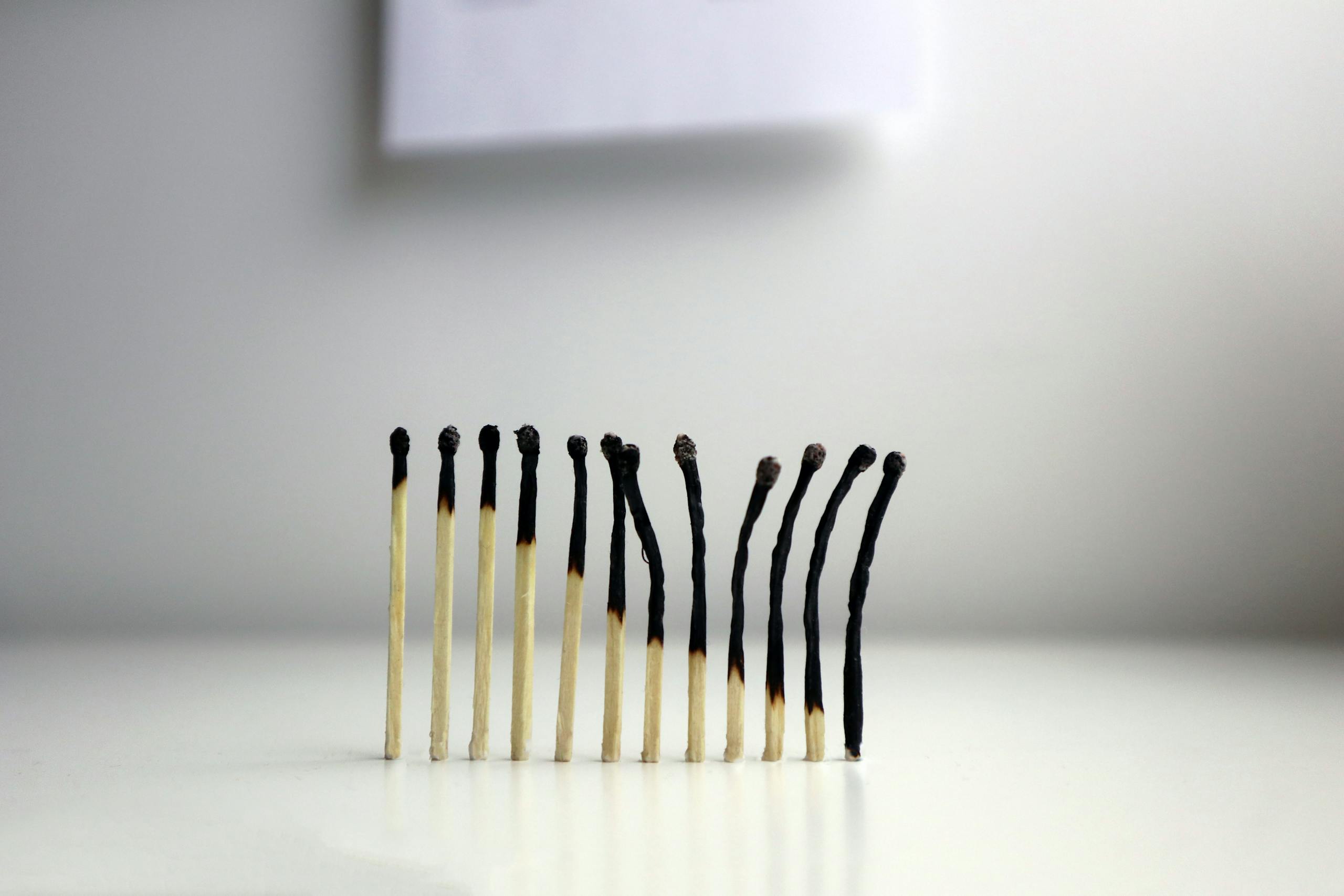
Building Both Skills Without Burning Out in the Process
There’s an irony in trying to develop emotional skills while already depleted. Most people come to this work when they’re already running low, which means the learning curve itself can feel like another demand on a system that’s already overtaxed.
The approach that has worked best for me, and that I’ve seen work for others, is starting small and specific rather than attempting a comprehensive overhaul. Pick one situation in your current life that you know is costing you more than it should. Ask whether that situation calls for tolerance, regulation, or both. Then apply one specific technique and notice what happens.
For introverts, journaling is often a natural entry point into this work. Writing creates the kind of reflective distance that allows you to observe your emotional patterns rather than just living inside them. It’s also private, low-stakes, and compatible with the kind of deep internal processing that introverts do naturally. What you’re adding is structure: naming the emotion, identifying the trigger, noting whether the response was proportionate, and deciding whether tolerance or regulation is the more useful frame.
The work of understanding how introverts process and respond to stress suggests that internal processing styles, while potentially isolating, can also be a genuine asset in this kind of reflective work. The same depth that makes introverts vulnerable to rumination also makes them capable of real insight when that depth is directed productively.
What I wish I had understood earlier in my career is that developing these skills isn’t a sign that something is wrong with you. It’s a sign that you’re paying attention. The people who never feel the need to build distress tolerance or emotion regulation skills aren’t more resilient. They’re usually less aware. Awareness, even when it’s uncomfortable, is where the actual work begins.
One last thing worth naming: small talk, the kind that fills agency hallways and client dinners, was always a specific distress point for me. Psychology Today has written about the particular weight small talk carries for introverts, and I’d add that learning to tolerate it without dreading it, and to regulate the anticipatory anxiety around it, was one of the most practically useful things I did for my professional wellbeing. The stakes of small talk are low. The emotional cost, if you’re not managing it, can be surprisingly high.
There’s much more to explore on this topic and the broader patterns that connect stress, burnout, and recovery for introverts. The complete Burnout and Stress Management hub brings together the full range of resources I’ve written on these themes, and it’s worth bookmarking if this kind of work resonates with you.
About the Author
Keith Lacy is an introvert who’s learned to embrace his true self later in life. After 20 years in advertising and marketing leadership, including running agencies and managing Fortune 500 accounts, Keith now channels his experience into helping fellow introverts understand their strengths and build fulfilling careers. As an INTJ, he brings analytical depth and authentic perspective to every article, drawing from both professional expertise and personal growth.
Frequently Asked Questions
What is the main difference between distress tolerance and emotion regulation?
Distress tolerance is about surviving a painful or overwhelming moment without making things worse. It doesn’t change the emotion itself, it helps you endure it intact. Emotion regulation is about influencing the emotions you experience, including their intensity and duration, through strategies like cognitive reappraisal, naming feelings accurately, and maintaining habits that keep your emotional baseline stable. Both are necessary skills, and they work best when you know which one a given situation actually requires.
Why do introverts often struggle with emotion regulation even when they seem calm?
Introverts frequently develop strong distress tolerance because they spend so much time in environments that weren’t designed for them, learning to endure overstimulation, social demands, and high-pressure situations quietly. That composure can look like regulation from the outside, but it’s often suppression or tolerance without any actual processing. Over time, tolerating without regulating creates emotional debt that compounds into burnout, exhaustion, or a sudden collapse that seems to come from nowhere.
Can you use distress tolerance and emotion regulation at the same time?
Not always simultaneously, but often in sequence. In an acute moment of distress, your cognitive systems are partially offline, which makes regulation strategies like reappraisal difficult to execute well. Distress tolerance comes first, helping you stay grounded and avoid making the situation worse. Once the intensity subsides and your nervous system settles, emotion regulation work becomes possible. You examine what happened, what you felt, whether the response was proportionate, and what, if anything, needs to change.
What are some practical distress tolerance techniques for introverts?
Grounding techniques like the 5-4-3-2-1 sensory method help anchor you in the present moment during acute stress. Radical acceptance, fully acknowledging a situation as it is without judgment, frees up mental energy spent on wishing things were different. Self-soothing through sensory comfort, a specific piece of music, a brief walk, something warm to drink, engages the nervous system in calming ways. For introverts specifically, having a clear exit plan from overstimulating situations, even a mental one, also reduces the anticipatory anxiety that often amplifies distress before it even begins.
How do you know when chronic tolerance has crossed into burnout?
Some signals to watch for: a growing sense of emotional flatness or detachment, Sunday dread that starts earlier and earlier in the weekend, physical exhaustion that sleep doesn’t fix, and a reduced capacity to feel genuine enjoyment in things that used to restore you. Introverts are particularly vulnerable to this pattern because we normalize our own discomfort and can appear functional long past the point where something has genuinely gone wrong. If your tolerance is high but your joy is low, that gap is worth examining honestly.