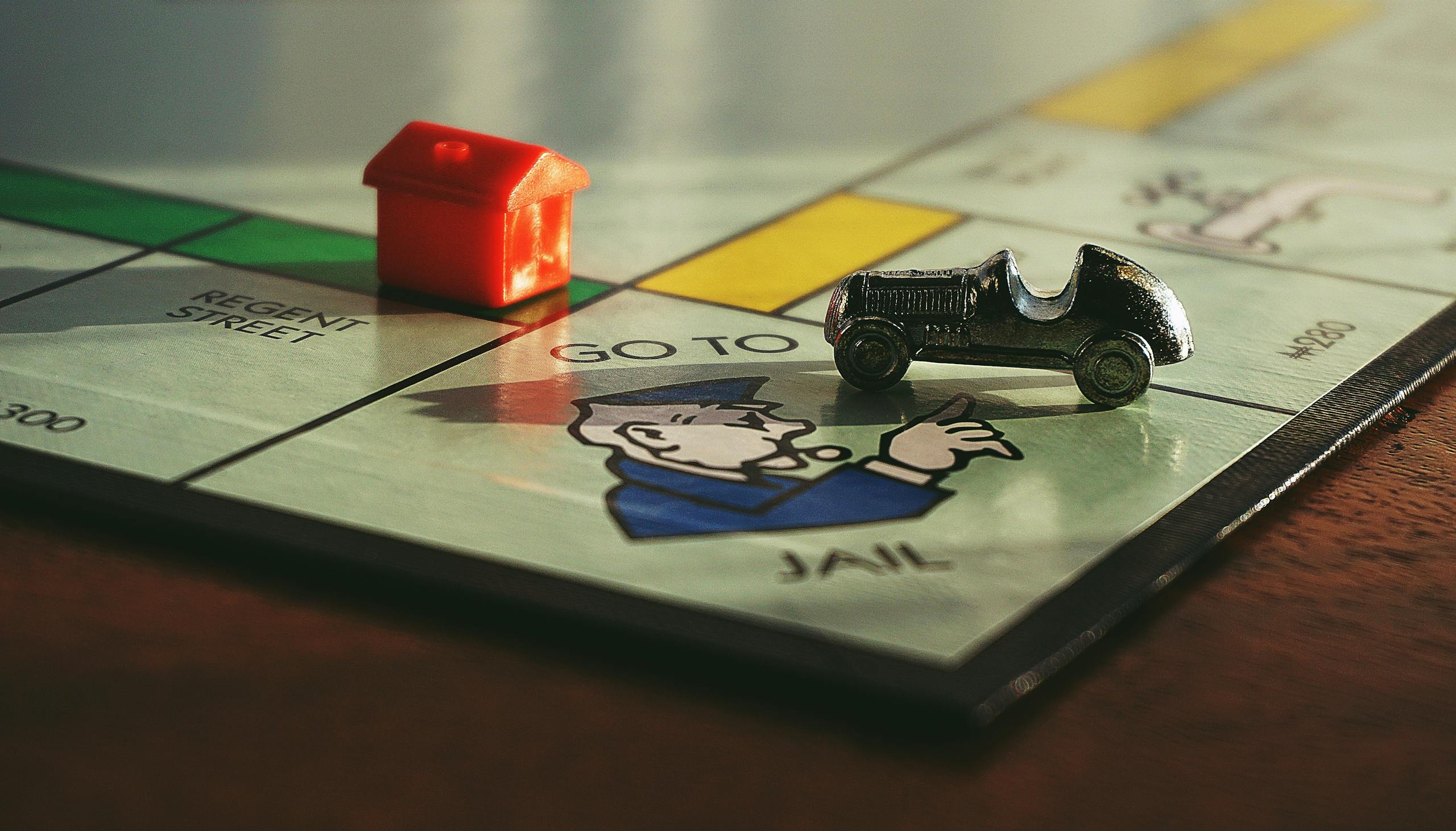

Social emotional skills group games are structured activities designed to help people practice empathy, self-awareness, communication, and emotional regulation in a shared setting. For introverts, these games offer something that large group conversations rarely do: a defined framework that channels depth over noise, giving quieter participants a genuine opportunity to contribute meaningfully rather than compete for airtime.
What surprises most people is that introverts often thrive in these settings once the rules are clear and the purpose is real. The games create conditions where careful observation, emotional nuance, and thoughtful response are actual advantages, not liabilities.

If you are building a toolkit for yourself or someone you care about, the Introvert Tools and Products Hub is a good place to start. It covers resources across several areas of introvert life, from self-understanding to social confidence, and this article fits squarely within that broader conversation.
What Do Social Emotional Skills Group Games Actually Develop?
The phrase “social emotional learning” gets used a lot in educational contexts, but the underlying skills matter well beyond school. At the core, these games build competencies that the American Psychological Association would recognize as central to psychological health: emotional awareness, perspective-taking, impulse regulation, and the ability to communicate internal states clearly to others.
Career Coaching for Introverts
One-on-one career strategy sessions with Keith Lacy. 20 years of Fortune 500 leadership as an introvert, now helping others build careers that work with their wiring.
Learn More50-minute Zoom session · $175
Group games accelerate this development because they create low-stakes situations where the skills are immediately tested. You cannot practice empathy in isolation. You cannot develop active listening by reading about it. The game format provides a container, a set of agreed-upon rules that makes the messy work of emotional connection feel manageable.
During my agency years, I watched teams fall apart not because of skill gaps but because of emotional ones. Creatives who could not articulate frustration without blaming. Account managers who absorbed client anxiety and spread it through the office without realizing it. Strategists who mistook their own certainty for consensus. These were social emotional failures, and no amount of process improvement fixed them until people actually practiced the underlying skills.
What I came to understand, slowly and sometimes painfully, is that emotional skill is genuinely learnable. It is not a fixed trait you either have or do not. The games are one of the more effective vehicles for that learning because they create real emotional moments within a safe enough structure to reflect on them afterward.
Why Do Introverts Have a Hidden Edge in These Activities?
There is a common assumption that group games favor extroverts. Louder, faster, more immediately expressive. In my experience, that assumption misunderstands what these games are actually measuring.
As an INTJ, I process emotion the way I process most things: quietly, thoroughly, and with a strong preference for understanding patterns before acting on them. That wiring, which I spent years treating as a professional liability, turns out to be exactly what many social emotional games reward. Noticing what someone else is feeling before they say it. Holding contradictory information without rushing to resolve it. Staying curious about another person’s perspective instead of waiting for your turn to talk.
Susan Cain’s work, which I revisited through the Quiet: The Power of Introverts audiobook, makes a compelling case that the qualities we associate with introversion, depth, careful observation, preference for meaning over volume, are genuine social assets. The audiobook format, incidentally, is a good fit for introverts who process ideas best when they can absorb them without distraction.
The edge introverts carry into these games is not always visible at the start. An extroverted teammate might dominate the first round with energy and enthusiasm. By the third or fourth round, the introvert who has been watching, cataloging, and quietly building a read on everyone in the room often becomes the most valuable player.

Which Games Build the Most Meaningful Social Emotional Skills?
Not all group games are created equal. Some create noise without depth. Others build genuine emotional fluency. The distinction matters, especially when you are choosing activities for a group that includes introverts who will disengage if the game feels performative rather than purposeful.
Perspective-Taking Games
These activities ask participants to inhabit someone else’s point of view, often through scenario cards, role-play prompts, or structured storytelling. One format I have used in agency settings: give each person a brief character description and a dilemma, then ask the group to discuss how that character would respond. The goal is not to solve the problem but to understand the internal logic of someone whose wiring differs from your own.
Isabel Briggs Myers spent her career arguing that personality differences are not deficiencies but genuinely different ways of processing the world. Her foundational work, which I return to regularly through Gifts Differing by Isabel Briggs Myers, is essentially an extended argument for perspective-taking as a life skill. That book reshaped how I managed creative teams because it gave me a framework for understanding why people who were clearly intelligent kept talking past each other.
Emotion Identification Activities
A surprising number of adults have a limited emotional vocabulary. They know they feel “bad” or “off” without being able to name the specific emotion, which makes it almost impossible to communicate clearly or regulate effectively. Games that expand this vocabulary, through emotion cards, facial expression matching, or storytelling prompts, build a skill that carries into every relationship and workplace interaction.
One activity that works well across age groups: deal out cards with emotion words written on them, including less common ones like “wistful,” “apprehensive,” or “ambivalent.” Each player draws a card and tells a brief story, real or invented, about a time they felt that emotion. The group’s job is to listen without judgment and ask one clarifying question. It sounds simple. In practice, it creates remarkable moments of connection because people rarely get asked to explain their emotional experience with that kind of careful attention.
Research published in PubMed Central supports the idea that emotional granularity, the ability to distinguish between similar emotional states, is associated with better psychological outcomes and more effective coping. Games that build this vocabulary are doing real work.
Active Listening Challenges
These are among the most practically useful activities in any social emotional toolkit. The basic format: one person speaks for two to three minutes without interruption while a partner listens. The listener then reflects back what they heard, not their interpretation or response, just what was actually said. Then roles reverse.
What makes this hard is not the mechanics. It is the impulse to respond, to evaluate, to fix. Most people spend the time someone else is talking formulating their own reply. Active listening games interrupt that habit and replace it with something more useful: genuine attention.
I introduced a version of this at my agency after a particularly difficult client presentation where two of my senior people had clearly not heard each other in the prep meeting. The debrief was uncomfortable. The practice sessions that followed changed how that team communicated for months.
Conflict Navigation Scenarios
Conflict is where social emotional skills either hold or collapse. Scenario-based games that present a conflict situation and ask players to work through it collaboratively build the exact muscles people need in real disagreements: staying regulated under pressure, separating the person from the problem, and finding language that is honest without being aggressive.
Healthline’s overview of introvert characteristics notes that many introverts prefer to think before speaking and process conflict internally before engaging. That tendency, which can look like avoidance from the outside, is actually a form of emotional regulation. Games that build in reflection time before response honor that process and tend to produce better outcomes for everyone in the group.

How Do You Make These Games Work for Mixed Groups?
Most real groups are mixed. You have extroverts who want to move fast and get loud, introverts who need time to process, and everyone in between. Designing or choosing games that work across that spectrum requires attention to a few specific variables.
Pacing matters enormously. Games with built-in reflection time, where silence is part of the structure rather than an awkward gap to fill, tend to produce more meaningful participation from quieter players. When a game’s rules explicitly include a “thinking period” before responses, the introverts in the room stop feeling like they are falling behind and start feeling like the game was designed with them in mind.
Written components help too. Any activity that allows participants to write down their thoughts before sharing them aloud gives introverts a chance to organize their ideas in the way they naturally process. The written step also tends to improve the quality of contributions from everyone because it slows the conversation down enough for genuine thought.
Group size is another variable worth controlling. Smaller groups, three to five people, consistently produce more equitable participation than larger ones. In a group of twelve, the loudest three people tend to dominate. In a group of four, it is much harder to stay invisible, and much easier to feel genuinely heard.
One practical approach I used during team retreats: start with pairs, move to groups of four, then bring insights back to the full group. The introvert who would never volunteer a thought in a room of fifteen will often share something meaningful with one other person, and once they have said it aloud once, it becomes easier to say again in a larger setting.
What Should You Look for in a Social Emotional Skills Game?
Whether you are buying a game for a classroom, a therapy group, a team offsite, or your own household, certain qualities separate genuinely useful tools from ones that look good in a catalog but fall flat in practice.
Clear emotional learning objectives matter. A good game should be able to answer the question: what specific skill does this build? If the answer is vague, the game probably is too. Look for activities explicitly tied to competencies like empathy, emotional identification, perspective-taking, or communication.
Replayability is underrated. The first time through any social emotional game, people are figuring out the rules. The second and third times are when the real learning happens because participants can focus on the emotional content rather than the mechanics. Games with enough variation to sustain multiple sessions are worth the investment.
Accessibility across personality types is non-negotiable if you are working with a mixed group. Games that require constant verbal performance, improv-style responses, or rapid-fire interaction systematically disadvantage introverts and often produce surface-level engagement from everyone. The best games create multiple ways to participate meaningfully.
If you are looking for something to give to the introvert in your life who would genuinely benefit from this kind of tool, the resources in gifts for introverted guys include thoughtful options that go beyond novelty. Similarly, if you want something with a bit more humor and lightness, the funny gifts for introverts collection has items that acknowledge introvert identity in ways that tend to land well. For something more personal and considered, the gift for introvert man guide covers options that respect how introverts actually want to spend their time and energy.

How Do Social Emotional Games Translate to Real-World Introvert Strengths?
There is a gap between what happens in a structured game and what happens in an actual conversation, meeting, or relationship. Bridging that gap is where the real work lies, and it is worth being honest that games alone do not close it. What they do is create reference experiences: moments where you practiced a skill successfully, which your nervous system can draw on when the stakes are higher.
For introverts specifically, the value of these reference experiences is significant. Many introverts carry a quiet belief that they are somehow deficient in social settings, that their preference for depth over breadth, for listening over performing, is a weakness to compensate for rather than a strength to develop. That belief is both common and wrong.
Psychology Today’s writing on introvert friendship quality points to something most introverts know intuitively: the relationships they build tend to be characterized by depth, loyalty, and genuine attention. Those are not accidental qualities. They are the product of exactly the kind of careful, emotionally attuned engagement that social emotional games practice and reward.
At my last agency, I had a creative director, an INFP by any reasonable assessment, who was consistently the person clients asked for by name after a project concluded. Not because she was the loudest in the room or the most polished presenter. Because she remembered what they had said three meetings ago and built on it. Because she noticed when someone’s energy shifted and adjusted accordingly. Because she made people feel genuinely understood. Those are social emotional skills, and she had developed them deliberately over years of paying the kind of attention most people never bother with.
The games are practice. The real payoff is in the accumulated capacity to show up that way more consistently, with less effort, across more situations.
Are These Games Useful for Introverted Teenagers Specifically?
Adolescence is a period when social emotional demands spike sharply at exactly the moment when many introverted young people are most likely to withdraw. The social landscape of middle and high school rewards extroverted performance in ways that can feel genuinely punishing to teenagers who are wired for depth and quiet.
Psychology Today’s coverage of introversion during the teen years addresses this directly, noting that introverted teenagers often experience their wiring as a social liability before they develop the self-awareness to recognize it as a genuine strength. Social emotional games offer something valuable in that context: a structured way to practice connection without the unrelenting performance pressure of regular teenage social life.
The key for teenagers is framing. Games that are presented as skill-building rather than social exposure tend to land better with introverted young people because they appeal to the introvert’s preference for purposeful activity over activity for its own sake. “We are doing this to practice something specific” is a much more compelling invitation than “this will help you be more social.”
Parents looking for ways to support introverted teenagers in this area might also find value in the introvert toolkit resources available here, which include frameworks for understanding introvert strengths across different life stages.
How Do You Sustain the Learning After the Game Ends?
One of the most common mistakes in social emotional learning programs, whether in schools, corporate settings, or family contexts, is treating the game as the endpoint. The game creates an experience. What you do with that experience afterward determines whether it actually changes anything.
Structured reflection is the bridge. After any meaningful social emotional activity, even a brief five-minute conversation about what participants noticed, what surprised them, and what they want to carry forward, multiplies the impact significantly. Without that reflection, the experience stays in the “that was interesting” category rather than becoming something that reshapes behavior.
Introverts tend to be natural reflectors, which gives them an advantage in this phase. The challenge is creating conditions where that reflection gets externalized enough to be useful, either through writing, structured conversation, or some combination. An introvert who processes a powerful emotional learning experience entirely internally may integrate it deeply but miss the opportunity to share insights that would benefit the whole group.
At one agency offsite, we ended a particularly intense conflict navigation exercise with individual journaling before group discussion. The quality of what came out in that discussion was dramatically different from what I had seen in previous sessions where we went straight to group debrief. The introverts in the room, who had been relatively quiet during the exercise itself, contributed some of the most perceptive observations in the debrief because they had been given the space to organize their thinking first.
Ongoing practice matters too. A single session, however well-designed, does not build durable skills. The groups and individuals who see lasting change from social emotional games are the ones who return to them regularly, treating emotional skill development the way they would treat any other kind of practice: with consistency, intention, and a willingness to stay uncomfortable long enough to actually improve.
Additional perspectives on personality, emotional intelligence, and introvert-specific tools are gathered across the Introvert Tools and Products Hub, where you can find resources organized by the specific kind of support you are looking for.

About the Author
Keith Lacy is an introvert who’s learned to embrace his true self later in life. After 20 years in advertising and marketing leadership, including running agencies and managing Fortune 500 accounts, Keith now channels his experience into helping fellow introverts understand their strengths and build fulfilling careers. As an INTJ, he brings analytical depth and authentic perspective to every article, drawing from both professional expertise and personal growth.
Frequently Asked Questions
Are social emotional skills group games suitable for adults or just children?
Social emotional skills group games are genuinely effective for adults, not just children. The specific formats may differ, with adult versions tending toward more nuanced scenarios and less game-like mechanics, but the underlying skill development is equally relevant at any age. Many corporate training programs, therapy groups, and community organizations use structured group activities specifically because emotional skills are learnable throughout life, not fixed in childhood.
How do social emotional group games benefit introverts differently than extroverts?
Introverts often find that well-designed social emotional games create conditions that suit their natural strengths: structured interaction, defined purpose, and space for depth over performance. Where extroverts may find the games energizing from the social contact itself, introverts tend to benefit most from the clear framework, which reduces the ambiguity that makes unstructured social situations draining. Many introverts also find that their capacity for careful observation and emotional attunement, which goes underutilized in faster-paced social settings, becomes a genuine asset in these activities.
What is the ideal group size for social emotional skills games?
Groups of three to five participants tend to produce the most equitable and meaningful engagement. Smaller groups reduce the likelihood that quieter participants will be overlooked and make it easier for everyone to contribute substantively. Larger groups can work if the facilitator actively manages participation, but the dynamic naturally favors more vocal players. For introverts especially, starting in pairs before moving to slightly larger groups is a reliable way to build engagement progressively rather than asking for immediate performance in front of a crowd.
How often should social emotional group games be practiced to see lasting change?
Consistent, repeated practice produces far better results than a single intensive session. Even short, regular activities, fifteen to twenty minutes once or twice a week, build more durable skills than a full-day workshop held once a year. The reason is that emotional skill development works like any other form of learning: repetition creates new habits of perception and response that gradually replace less effective ones. Groups that treat social emotional practice as an ongoing commitment rather than a one-time event consistently show more meaningful change in how members communicate and relate to each other.
Can social emotional skills group games help with workplace conflict?
Yes, and they are often more effective than traditional conflict resolution training because they build the underlying skills rather than just teaching procedures. Scenario-based games that simulate real workplace tensions, competing priorities, communication breakdowns, differing values, give participants practice staying regulated and communicative under pressure before they face those situations in high-stakes contexts. Teams that have worked through structured conflict navigation activities together tend to handle real disagreements with more patience and less defensiveness, because they have reference experiences of doing exactly that successfully.