
Being an empath is hard in ways that are genuinely difficult to put into words. You absorb the emotional weight of rooms you walk into, carry the grief of people you barely know, and find yourself depleted by interactions that others brush off without a second thought. These quotes about the empath experience don’t offer easy fixes, but they do something more valuable: they name what you’re living through and remind you that depth of feeling, as costly as it is, belongs to you.
Some of the most clarifying things I’ve ever read arrived in a single sentence from someone else who understood. That’s what the right quote does. It doesn’t explain your experience away. It holds it up to the light so you can finally see it clearly.
As an INTJ, I’ve always processed emotion analytically before I process it emotionally. So when I managed people who were clearly wired differently, people who felt things before they could name them, I had to learn an entirely different language. Some of the most gifted members of my agency teams over the years were highly sensitive, deeply empathic people. Watching them work, and watching them struggle, taught me a great deal about what it costs to feel the world this deeply. If you’ve ever wondered whether your sensitivity is a flaw, I want to offer something different here: a collection of quotes that honor the full weight of the empath experience, alongside some honest reflection on what it actually means to carry this trait through a demanding world.
Our HSP and Highly Sensitive Person hub covers the broader landscape of sensory and emotional sensitivity, and this article fits squarely into that conversation. Empathy and high sensitivity often travel together, and understanding both helps you make sense of experiences that otherwise feel isolating.
What Do These Quotes Actually Capture About the Empath Experience?
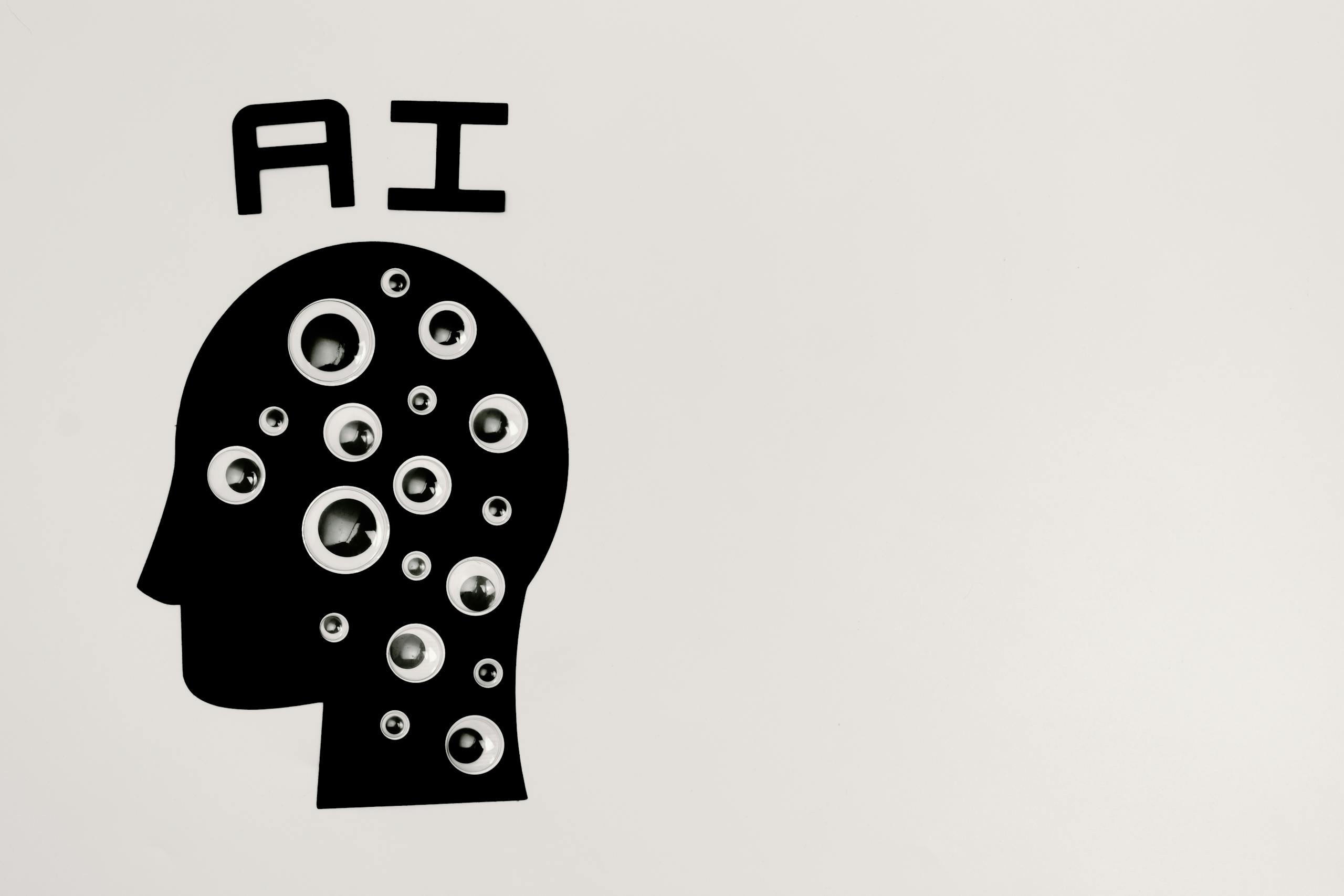
Before we get into the quotes themselves, it’s worth being honest about what we mean when we use the word “empath.” The term has gained enormous traction in popular psychology and wellness culture, but it doesn’t carry the same empirical weight as, say, the concept of Sensory Processing Sensitivity, which is the research-backed trait underlying what we commonly call being a Highly Sensitive Person. An empath, in the popular sense, describes someone who feels the emotions of others so intensely that the boundary between their own feelings and another person’s feelings becomes genuinely blurry.
Career Coaching for Introverts
One-on-one career strategy sessions with Keith Lacy. 20 years of Fortune 500 leadership as an introvert, now helping others build careers that work with their wiring.
Learn More50-minute Zoom session · $175
That experience is real. Whether the word “empath” is the most precise scientific framing is a separate conversation. What matters here is that millions of people recognize themselves in the description, and the quotes below speak directly to that recognition. They capture the exhaustion, the beauty, the loneliness, and the strange gift of feeling the world more deeply than most people around you do.
Worth noting: not every highly sensitive person is an empath in this sense, and not every person who identifies as an empath has the full profile of Sensory Processing Sensitivity. The two concepts overlap meaningfully, but they aren’t identical. Research published in PubMed Central on Sensory Processing Sensitivity describes it as a temperament trait involving deeper cognitive processing of stimuli, stronger emotional reactivity, and greater awareness of subtleties in the environment. That framework helps explain why people who identify as empaths often feel simultaneously more alive and more worn out than the people around them.
Quotes About Feeling Everything Too Deeply
“The most important thing in the world is to learn to give out love, and to let it come in.” That line from Mitch Albom surfaces something many empaths struggle with: the giving is often far easier than the receiving. You pour feeling outward constantly, and accepting care back in can feel almost foreign.
“I feel too much. That’s what’s wrong with me.” This one, often attributed to Paul Baribeau, is the kind of sentence that stops you mid-scroll because it sounds like something you’ve thought in your own head. The tragedy in it is the word “wrong.” Feeling too much isn’t a malfunction. It’s a different calibration.
“Empathy is about finding echoes of another person in yourself.” Mohsin Hamid wrote that, and it’s one of the more precise descriptions of what empathy actually does. You don’t just observe someone else’s pain. You locate the part of yourself that knows that pain, and you let it resonate.
I had a creative director at one of my agencies, an INFJ, who had an almost uncanny ability to walk into a client meeting and read the emotional temperature of the room within minutes. She’d pull me aside afterward and say something like, “The VP of marketing is carrying something today, we need to tread carefully.” She was right more often than not. That kind of attunement is extraordinary. It’s also genuinely costly. By the end of a full day of client contact, she was visibly depleted in a way that her less sensitive colleagues simply weren’t.
“You absorb the emotions of others. That’s not a weakness. It’s an extraordinary gift, as long as you don’t let it swallow you whole.” That framing, which appears in various forms across wellness writing, captures the central tension of the empath experience. The gift and the risk are the same thing.

Quotes About Exhaustion and Emotional Overload
The exhaustion that comes with deep empathy isn’t laziness. It isn’t weakness. It’s the predictable result of a nervous system that processes emotional input at a level of intensity most people never experience. A paper published in Frontiers in Psychology examining Sensory Processing Sensitivity found measurable differences in brain activation in highly sensitive individuals, particularly in regions associated with attention, empathy, and action planning. The tiredness is neurological, not personal failing.
“I am so demanding of myself. I feel everything so deeply.” That kind of self-awareness appears in many forms across empath communities, and it points to something important: the exhaustion often comes not just from feeling others’ emotions, but from the relentless internal processing that follows every interaction.
“Sometimes I feel everything at once and I don’t know how to make it stop.” That sentence, stripped of any attribution, probably resonates with anyone who has ever sat in a crowded room feeling like they were picking up emotional signals from every person present simultaneously. It’s disorienting. It’s hard to explain to someone who doesn’t experience it.
“Being an empath is a full-time job with no days off.” Whoever first wrote that understood something that rarely gets acknowledged: you can’t simply decide to feel less. The sensitivity doesn’t clock out. It’s present in quiet moments, in background noise, in the slight shift in someone’s tone during an otherwise ordinary conversation.
Managing a large agency team meant I was constantly in the presence of people processing stress, conflict, and ambition simultaneously. As an INTJ, I could observe and analyze those emotional currents without absorbing them the way my more empathic team members did. But I watched what it cost them. The account managers who felt every client disappointment personally. The copywriters who couldn’t write for a brand they didn’t believe in emotionally. Protecting those people from unnecessary emotional exposure became part of how I thought about team structure. Not because they were fragile, but because their depth of feeling was a resource worth preserving.
Sleep is a piece of this that doesn’t get enough attention. Harvard Health’s guidance on sleep hygiene emphasizes how consistently poor rest compounds emotional dysregulation. For someone already processing emotional input at high intensity, inadequate sleep removes the buffer that makes it manageable. Many empaths I’ve spoken with describe their worst periods of overwhelm as directly correlated with periods of disrupted sleep.
Quotes About the Loneliness of Being Misunderstood
“The loneliest moment in someone’s life is when they are watching their whole world fall apart, and all they can do is stare blankly.” F. Scott Fitzgerald wrote that, and while it wasn’t specifically about empaths, it lands differently when you’re someone who feels the weight of other people’s worlds falling apart as acutely as your own.
“People say I’m too sensitive. I say the world isn’t sensitive enough.” That reframe appears in various forms across empath writing, and it matters because it shifts the locus of the problem. Sensitivity isn’t the pathology. A culture that treats depth of feeling as a liability is the issue worth examining.
“Nobody tells you that being an empath means grieving things that haven’t happened yet, mourning losses that aren’t yours, and carrying weight that was never meant for you.” That kind of anticipatory emotional labor is one of the least discussed dimensions of the empath experience. You don’t just respond to what’s already happened. You feel what’s coming.
One of the career paths that tends to draw highly sensitive, empathic people is teaching. If you’re exploring that direction, our guide for the HSP teacher covers the specific rewards and challenges of that work in depth. The emotional labor of teaching is significant, and understanding your sensitivity before you enter that environment makes an enormous difference.
“I wish I could turn it off sometimes. Just for a day. Just to know what that feels like.” That longing, expressed in so many different ways across empath communities, isn’t a rejection of the trait. It’s a recognition of the cost. Wanting a break from something you value isn’t the same as wanting to lose it.
Quotes About Boundaries and Self-Protection
“You don’t have to attend every argument you’re invited to.” That line, often attributed to various sources, is perhaps the most practically useful piece of wisdom for empaths. The pull to engage, to help, to absorb and resolve other people’s conflict is strong. Recognizing that you have a choice about whether to step into that pull is foundational.
“Boundaries are not walls. They are gates that you choose to open or close.” For someone who feels permeable by nature, the concept of a boundary can feel almost paradoxical. But that framing helps: a boundary isn’t about becoming less feeling. It’s about deciding which feelings you let in, and when, and how much.
“Caring for myself is not self-indulgence. It is self-preservation, and that is an act of political warfare.” Audre Lorde wrote that in a different context, but its resonance for empaths is undeniable. Rest, solitude, and deliberate emotional recovery aren’t luxuries. For someone wired to give constantly, they’re necessities.
The Greater Good Science Center at Berkeley draws a useful distinction between affective empathy, which involves feeling what others feel, and cognitive empathy, which involves understanding what others feel without necessarily absorbing it. Many empaths are high in affective empathy, which is precisely what makes boundaries so critical. Without them, you’re not just understanding someone’s pain. You’re carrying it.
“Not everyone deserves access to your energy.” That sentence sounds simple, but for someone who defaults to openness, it can represent a genuine shift in how they move through the world. Selective access isn’t coldness. It’s stewardship of a resource that depletes.
Therapy is one of the most natural professional fits for deeply empathic people, precisely because the core skill of the work is emotional attunement. If that path interests you, our HSP therapist career guide addresses how highly sensitive people can thrive in that role while protecting their own wellbeing. The boundary work required in therapeutic practice is significant, and it’s worth understanding before you commit to the path.
Quotes About the Unexpected Gifts of Deep Empathy
“The highest form of knowledge is empathy.” Bill Bullard wrote that, and while it might feel like cold comfort on a day when you’ve absorbed three people’s grief before noon, it points to something real. The capacity to genuinely understand another person’s inner experience is rare. It’s also the foundation of meaningful connection, good leadership, and most forms of creative work.
“Sensitivity is a sign of life. Better hurt than hardened.” That line from Mason Cooley reframes the cost of empathy as evidence of vitality. You feel deeply because you’re fully alive to your experience. The alternative, emotional numbness, isn’t actually protection. It’s a different kind of loss.
“You see the world differently. That’s not a curse. That’s a lens.” Many empaths describe a quality of perception that goes beyond emotion: a heightened awareness of nuance, of what’s unsaid, of the emotional subtext running beneath ordinary conversation. That perceptual depth is genuinely valuable, particularly in creative fields, caregiving roles, and any work that requires understanding people.
Writing is another domain where this depth of perception tends to produce remarkable work. Our HSP writer career guide explores how highly sensitive people bring a particular quality of observation and emotional honesty to their writing that’s genuinely distinctive. The same sensitivity that makes crowded rooms overwhelming tends to make prose more alive.
“Empaths did not come into this world to be victims. We came to be warriors. Be brave. Stay strong. We need all hands on deck.” Anthon St. Maarten wrote that, and while the warrior framing might not resonate with everyone, the underlying point is worth holding onto: depth of feeling is not a passive trait. It can be a source of extraordinary strength when it’s understood and directed with intention.
“Your sensitivity is your superpower. You just have to learn not to let it become your kryptonite.” That framing, which appears across wellness writing in various forms, captures the dual nature of the trait. The same quality that makes you remarkable in certain contexts can become destabilizing without the right support structures around it.

What Do These Quotes Mean for How You Build Your Life?
Reading a quote that names your experience is meaningful. Figuring out what to do with that recognition is the harder part. For highly sensitive and deeply empathic people, the structure of your daily life matters enormously. The environments you choose, the work you do, the relationships you invest in, and the recovery practices you maintain all interact with your sensitivity in ways that either support or erode your capacity to function at your best.
Career choice is one of the most significant structural decisions in this regard. Some professional environments are genuinely compatible with deep sensitivity. Others are depleting by design. Data work, for instance, can offer the kind of focused, lower-stimulation environment that allows highly sensitive people to use their depth of processing without constant emotional exposure. Our HSP data analyst career guide explores that fit in detail, including the specific kinds of data environments that tend to work well and those that don’t.
Software development is another field worth considering for people who need structured focus time and lower interpersonal intensity. Our HSP software developer career guide addresses the specific dynamics of that work, including how to handle the collaborative aspects without burning through your reserves.
For those drawn to numbers and structure, accounting offers a similarly contained environment. The HSP accountant career guide covers how highly sensitive people tend to experience that work, including the advantages their depth of attention brings and the specific stressors worth preparing for.
Beyond career, the science of emotional regulation has something useful to offer here. Research published in PubMed Central on emotional regulation strategies suggests that cognitive reappraisal, the practice of consciously reframing how you interpret an emotionally charged situation, can reduce the intensity of emotional responses without suppressing them. For empaths, this isn’t about feeling less. It’s about building a small degree of interpretive space between the stimulus and your response.
One thing I’ve observed across twenty-plus years of managing creative teams is that the people who thrived long-term were almost always the ones who had developed some version of this practice. Not emotional distance, not indifference, but a kind of grounded presence that let them feel fully without being swept away. That quality is learnable. It takes time, and it often requires support, but it’s not out of reach.
Environmental factors matter too. A Frontiers in Psychology paper on differential susceptibility makes a compelling case that highly sensitive people are more affected by their environments in both directions: more harmed by negative environments and more benefited by positive ones compared to less sensitive individuals. That means the effort you put into creating supportive conditions around yourself isn’t just comfort-seeking. It’s a genuine investment in your capacity to function well.
Quotes That Remind You Why It’s Worth It
“The world needs people who feel deeply. Don’t let anyone convince you otherwise.” That sentiment, expressed in countless variations across empath communities, points to something that gets lost in conversations about the difficulty of the trait. The world genuinely does need people who feel deeply. Empathy is the foundation of compassion, of connection, of the kind of creative work that moves people.
“You are not too much. You are exactly enough.” For someone who has been told their whole life that they’re too sensitive, too emotional, too affected by things that others seem to brush off, that sentence can land with surprising force. The framing of “too much” is always relative to someone else’s comfort level. It says more about the observer than the observed.
“Your heart is your compass. Trust it.” That’s easy to say and genuinely hard to do when your heart is also the thing that gets you into trouble, the thing that keeps you up at night, the thing that absorbs other people’s pain until you can’t tell whose pain is whose. Even so, the alternative, disconnecting from that compass entirely, tends to produce a different kind of suffering.
“Being an empath means you were built for depth. Not everyone can go where you go.” That framing shifts the experience from burden to capacity. You’re not broken because you feel things others don’t. You have access to dimensions of experience that many people never reach. The cost of that access is real. So is the value.
Late in my agency career, I brought in an executive coach who had a background in organizational psychology. She told me something I’ve thought about many times since: the most effective leaders she’d worked with weren’t the ones who felt the least. They were the ones who felt deeply and had learned to channel that feeling productively rather than being driven by it. That distinction, between being driven by your emotions and being informed by them, is one of the most useful things I’ve encountered in thinking about what it means to be emotionally sensitive in a demanding world.
If you want to go deeper into the science and lived experience of high sensitivity, the full range of resources in our HSP and Highly Sensitive Person hub covers everything from career guidance to relationships to the neuroscience behind the trait.
About the Author
Keith Lacy is an introvert who’s learned to embrace his true self later in life. After 20 years in advertising and marketing leadership, including running agencies and managing Fortune 500 accounts, Keith now channels his experience into helping fellow introverts understand their strengths and build fulfilling careers. As an INTJ, he brings analytical depth and authentic perspective to every article, drawing from both professional expertise and personal growth.
Frequently Asked Questions
Why is being an empath so exhausting?
The exhaustion that deeply empathic people experience comes from the continuous processing of emotional input at an intensity that most people don’t encounter. When you absorb the emotional states of others, your nervous system is doing significant work: interpreting, processing, and responding to feelings that may not even originate with you. Without deliberate recovery time and clear boundaries around your emotional energy, that processing load accumulates into genuine depletion. It’s not weakness. It’s the predictable result of a nervous system running at high intensity.
Is being an empath the same as being a Highly Sensitive Person?
They overlap significantly but aren’t identical. Highly Sensitive Person, or HSP, refers to a specific research-backed temperament trait called Sensory Processing Sensitivity, characterized by deeper cognitive processing of stimuli, stronger emotional reactivity, and heightened awareness of subtleties. The term “empath” comes from popular psychology and describes someone who absorbs the emotions of others intensely, sometimes to the point of difficulty distinguishing their own feelings from those of the people around them. Many HSPs identify strongly with the empath description, and many people who call themselves empaths would likely score high on measures of Sensory Processing Sensitivity. They’re related concepts, but HSP has a more established empirical foundation.
Can empaths learn to protect their energy without becoming cold?
Yes, and this is one of the most important things for deeply empathic people to understand. Developing emotional boundaries doesn’t require emotional withdrawal. What it requires is building the capacity to feel fully without losing yourself in what you feel. Practices like cognitive reappraisal, deliberate solitude, and being selective about which situations you enter and how much of yourself you bring to them all support this. success doesn’t mean feel less. It’s to feel with more intentionality, so that your empathy becomes a resource you direct rather than a current that carries you.
What careers tend to work well for highly empathic people?
Empathic people often thrive in careers that allow their depth of perception and emotional attunement to be assets rather than liabilities. Therapy, teaching, writing, and certain forms of creative work tend to draw highly empathic individuals. Careers that offer more structural containment, like data analysis, software development, and accounting, can also work well for empaths who need lower-stimulation environments to do their best work. The fit depends heavily on the specific work environment, not just the job title. A highly empathic therapist in a well-structured private practice may thrive where the same person in a high-volume crisis setting would burn out quickly.
Do quotes about being an empath actually help?
They can, in a specific and limited way. A well-chosen quote doesn’t solve the practical challenges of being deeply empathic, but it does something that matters: it names your experience. When you’ve spent years feeling like your sensitivity is a flaw or a weakness, encountering language that honors the depth of what you carry can shift something. It’s a form of recognition. That recognition doesn’t replace good boundaries, supportive relationships, or adequate rest, but it can be the thing that makes you willing to pursue those things. Feeling seen is often where change begins.