Meditation for nervous system regulation works by shifting your body out of a state of chronic activation and into one of genuine rest. For introverts and highly sensitive people, that shift is not just pleasant, it is often necessary for basic functioning. When your nervous system is stuck in overdrive, no amount of willpower or positive thinking pulls you back to solid ground.
There is something specific about the way introverted and sensitive minds experience the world that makes nervous system dysregulation both more common and more disorienting. We process deeply. We pick up on what others miss. We carry a lot of internal noise even in quiet rooms. Meditation does not silence that processing, but it does give the nervous system a chance to stop treating everything as urgent.
If you have ever sat down to meditate and found your mind racing faster than before you started, or felt strangely wired after a practice that was supposed to calm you down, you are not doing it wrong. Your nervous system is just telling you something worth listening to.
The broader landscape of introvert mental health covers a lot of territory, from anxiety and emotional processing to sensory sensitivity and the social recovery many of us need after intense interactions. Our Introvert Mental Health Hub brings those threads together in one place, and nervous system regulation sits at the center of nearly all of them.
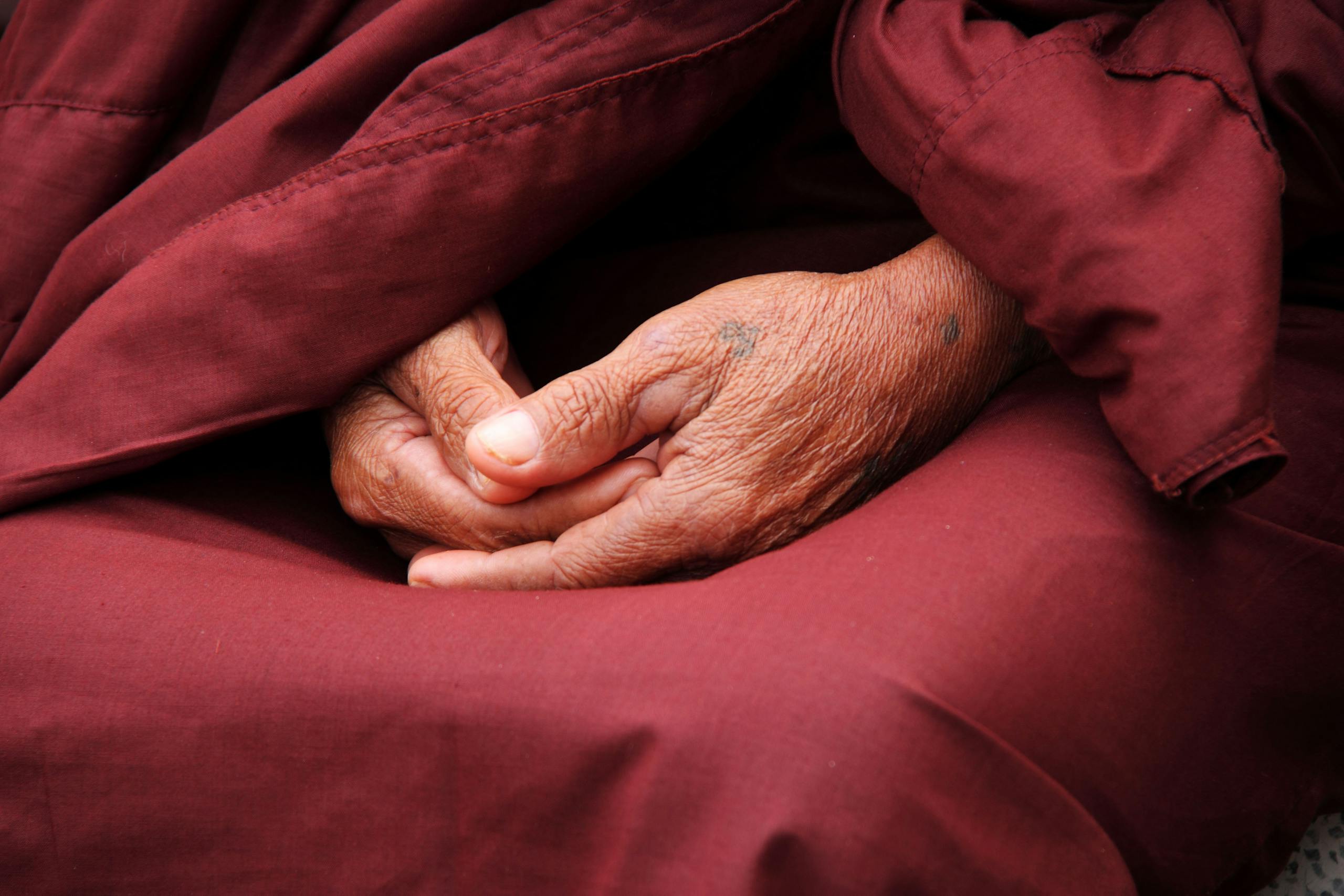
What Does Nervous System Dysregulation Actually Feel Like?
Most descriptions of nervous system dysregulation focus on the dramatic end of the spectrum: panic attacks, rage, complete shutdown. But for many introverts, dysregulation looks quieter and more chronic than that. It looks like low-grade tension that never fully releases. A background hum of vigilance that makes it hard to settle, even at home, even alone. The sense that your body has forgotten what genuinely relaxed feels like.
Career Coaching for Introverts
One-on-one career strategy sessions with Keith Lacy. 20 years of Fortune 500 leadership as an introvert, now helping others build careers that work with their wiring.
Learn More50-minute Zoom session · $175
I ran advertising agencies for more than two decades. The pace was relentless, the stimulation was constant, and the expectation was that you would absorb it all without complaint. For years I thought the exhaustion I carried was a productivity problem. I kept trying to optimize my schedule, batch my tasks, protect my mornings. None of it touched the actual issue, which was that my nervous system had been operating in a state of low-level threat response for so long it had stopped recognizing that state as unusual.
The autonomic nervous system has two primary branches. The sympathetic branch handles activation, the fight-or-flight response that mobilizes resources when you face a threat. The parasympathetic branch handles recovery, the rest-and-digest state where your body repairs, consolidates, and restores. Healthy regulation means moving fluidly between those states as the situation calls for it. Dysregulation means getting stuck, usually in sympathetic activation, sometimes in a collapsed, shut-down state that looks like the opposite of anxiety but is equally hard to function from.
For people who are highly sensitive or deeply introverted, the threshold for sympathetic activation can be lower. Not because something is broken, but because the nervous system is calibrated for precision. It notices more, which means it responds to more. That sensitivity is also the source of real strengths, including the kind of nuanced emotional awareness described in the research on high sensitivity and the nervous system. But it does mean that without deliberate practices for returning to baseline, the activation can become the default.
Why Meditation Works Differently When Your Nervous System Is Wired This Way
Standard mindfulness instruction often assumes that sitting quietly with your thoughts is a neutral or even pleasant experience. For someone whose nervous system is dysregulated, or who processes the world with unusual depth and intensity, it is frequently neither of those things. Sitting still can amplify rather than quiet the internal noise. Turning attention inward can surface emotions that feel too large to hold without a container.
This is not a failure of meditation. It is information about where you are starting from.
Highly sensitive people in particular often find that the internal landscape revealed by meditation is vivid and sometimes overwhelming. The experience of HSP sensory overload does not stop at the external environment. Internal sensations, emotional states, and even the texture of thoughts can register with an intensity that makes standard breath-focus practices feel destabilizing rather than grounding.
What actually works for nervous system regulation in these cases is often less about achieving stillness and more about giving the nervous system a consistent, predictable signal. The body learns safety through repetition. A practice that happens at the same time, in the same place, with the same anchoring technique, teaches the nervous system that this context is not a threat. Over time, that learning accumulates.
One of the agency creatives I managed for several years was an INFJ who had developed what she called a “transition ritual” between client meetings: two minutes in a stairwell, breathing slowly, before she walked back into the open office. It looked like nothing. It was doing a great deal. She had found, through trial and error, exactly what nervous system regulation research points to: that brief, consistent, intentional pauses interrupt the accumulation of activation before it reaches the point of overwhelm.
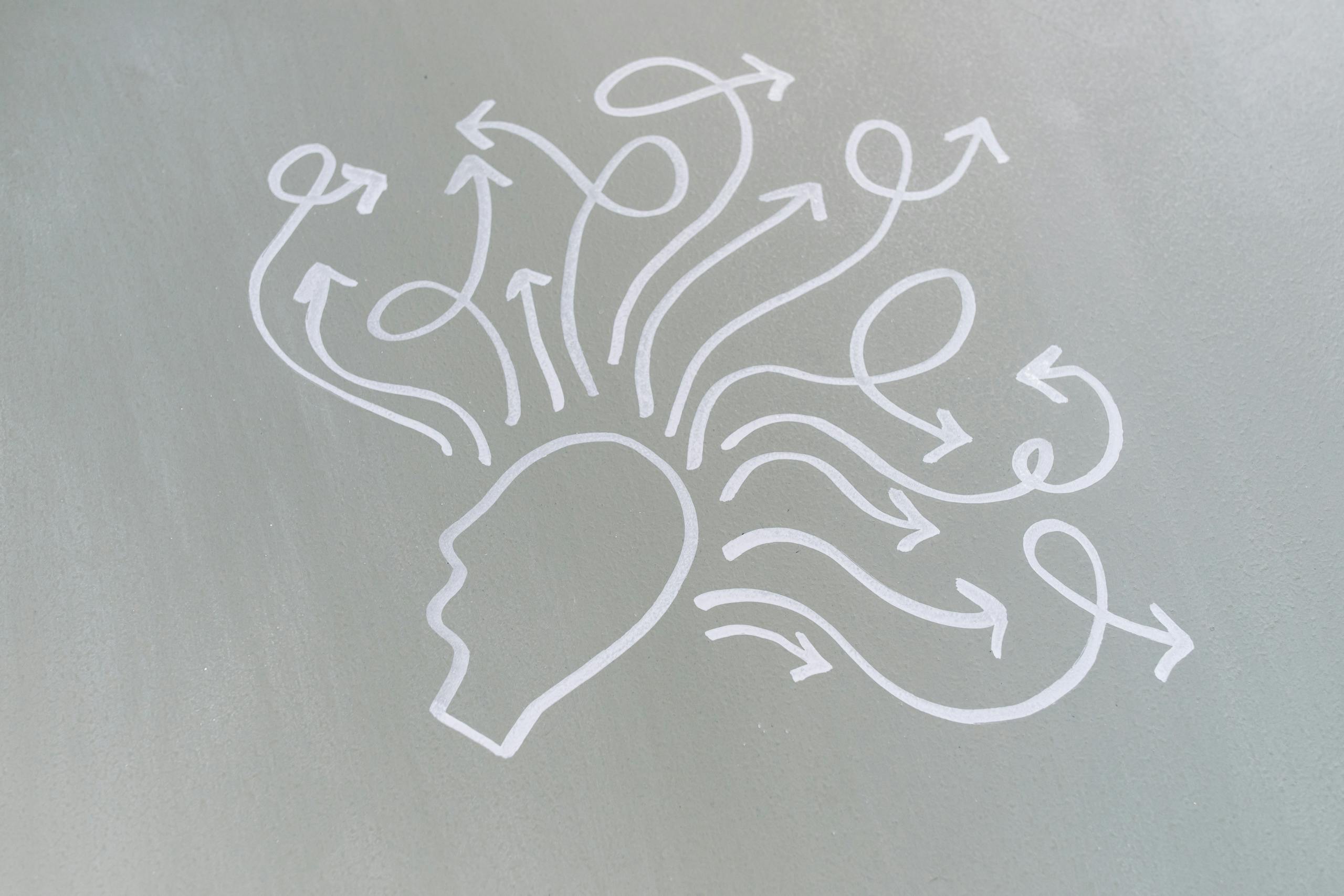
Which Meditation Practices Are Most Effective for Nervous System Regulation?
Not all meditation practices engage the nervous system in the same way, and that distinction matters more than most introductions to meditation acknowledge. Some practices are primarily attentional training. Some are primarily emotional processing. The ones most directly useful for nervous system regulation are those that work through the body’s physiological systems, particularly the breath and the vagus nerve.
Extended Exhale Breathing
The exhale activates the parasympathetic nervous system more directly than the inhale does. Making the exhale longer than the inhale, even slightly, tips the physiological balance toward rest. A simple ratio of four counts in and six counts out, practiced for five to ten minutes, produces measurable changes in heart rate variability, which is one of the clearest physiological markers of nervous system regulation. The clinical evidence on breathing-based interventions supports this as one of the most accessible and reliable entry points into parasympathetic activation.
What I find personally useful about this practice is that it requires almost no mental effort. For an INTJ whose mind tends to immediately start analyzing any technique presented to it, that is a genuine advantage. The breath does not need interpretation. It just needs to be slightly longer on the way out.
Body Scan with a Regulatory Intention
A standard body scan moves attention systematically through the body, noticing sensation without judgment. For nervous system regulation specifically, the practice becomes more effective when you add a light regulatory intention: not just noticing tension, but consciously allowing it to soften. Not forcing relaxation, which tends to produce the opposite effect, but extending a kind of permission to release.
This distinction matters for people who carry anxiety that runs deep in the body, not just as worried thoughts but as physical holding patterns in the shoulders, jaw, chest, and hips. Those patterns are nervous system habits. Noticing them repeatedly, in a calm context, begins to loosen them over time.
Open Awareness Meditation
Focused attention practices ask you to hold a single object of attention, typically the breath, and return to it when the mind wanders. Open awareness practices ask you to rest in a wide, receptive attention that holds whatever arises without following any of it. For deeply introverted minds that process constantly, open awareness can feel more natural than the effortful returning of focused attention. You are not fighting the processing. You are simply widening the container so that no single thought or sensation dominates.
There is a real connection between this practice and the kind of deep emotional processing that many sensitive people do naturally. Open awareness meditation essentially formalizes that processing into a regulated context, giving it a beginning, a middle, and an end, rather than letting it run indefinitely.
Loving-Kindness with Nervous System Awareness
Loving-kindness meditation, which involves extending warmth and goodwill toward yourself and others, engages social safety circuits in the nervous system. The research on compassion-based practices suggests that activating these circuits can shift the nervous system out of threat mode in ways that purely attentional practices sometimes cannot. For people who carry a lot of self-criticism or who feel the weight of others’ emotions acutely, this practice can address a layer of dysregulation that breath work alone does not reach.
I want to be honest that this practice took me a long time to take seriously. As an INTJ, I am naturally skeptical of anything that feels performative or sentimental, and silently wishing myself well felt like both of those things for quite a while. What shifted was recognizing that the skepticism itself was a nervous system response, a protective distancing from vulnerability. Once I saw it that way, I could work with it.

How Does Emotional Sensitivity Complicate Nervous System Regulation?
One of the more counterintuitive aspects of nervous system regulation for sensitive people is that the emotions themselves can become a source of activation. Feeling deeply is not a problem. Feeling deeply without any capacity to process or complete the emotional cycle, that becomes a problem.
Many introverts, and especially highly sensitive people, absorb emotional information from their environment with a fidelity that is both a gift and a burden. Walking into a room and immediately registering the tension between two colleagues. Leaving a conversation carrying the emotional residue of someone else’s distress. Feeling the weight of a difficult client relationship long after the meeting has ended. That kind of empathic absorption keeps the nervous system activated because the body is still holding something that has not been fully processed.
Meditation helps here not by turning down the sensitivity but by creating a regular clearing process. Think of it less like a volume knob and more like a drain. Without it, the emotional accumulation rises. With a consistent practice, there is somewhere for it to go.
During my agency years, I managed teams that included several people I would now recognize as highly sensitive. At the time, I understood them as talented but volatile, people whose output was exceptional but whose capacity to absorb the pace of agency life seemed limited. What I did not understand then was that what looked like fragility was often a dysregulated nervous system carrying an enormous amount of unprocessed input. The American Psychological Association’s framework on resilience has helped me reframe this: regulation is not the absence of feeling. It is the capacity to move through feeling without getting stranded in it.
What Role Does Perfectionism Play in Nervous System Dysregulation?
Perfectionism and nervous system dysregulation have a relationship that does not get discussed enough. Perfectionism is, at its core, a threat-detection system that has been miscalibrated. The nervous system has learned to treat imperfection as danger, which means it stays activated in the presence of any gap between how things are and how they should be. For people who hold high standards and process deeply, that gap is almost always visible. Which means the nervous system is almost always activated.
I saw this in myself most clearly during a pitch for a major retail account in my mid-thirties. We had done exceptional work. The strategy was sound, the creative was strong, and by any objective measure the presentation was ready. I spent the night before in a state of low-grade dread that had nothing to do with the actual quality of what we had prepared. My nervous system was treating the possibility of imperfection as a genuine threat, and no amount of evidence to the contrary was reaching it.
Meditation does not cure perfectionism. But it does create a space where the threat response can be observed rather than immediately acted on. Over time, that observation creates a small but meaningful gap between the activation and the behavior. That gap is where choice lives. If you recognize perfectionism as a pattern that runs deeper than just high standards, the piece on breaking free from perfectionism’s grip is worth reading alongside whatever regulation practice you are building.
What meditation adds to the perfectionism picture specifically is a practice of returning without judgment. Every time the mind wanders and you bring it back without criticism, you are rehearsing a different relationship with imperfection. The mind wandered. That is not a problem. You return. That is the practice. Repeated thousands of times, that rehearsal changes something.

How Do You Build a Regulation Practice Around Your Actual Life?
The most common reason meditation practices fail is not lack of discipline or wrong technique. It is that the practice was designed for an imaginary version of the person’s life rather than the actual one. A thirty-minute morning sit sounds reasonable until you account for the fact that your best cognitive hours are in the morning and protecting them for meditation means sacrificing the work you actually want to do.
Nervous system regulation does not require long sessions. It requires consistent ones. Five minutes of extended exhale breathing practiced every day produces more physiological change than a forty-minute session practiced twice a week. The nervous system learns through repetition, not duration.
A few structural principles that have made a difference in my own practice:
Attach the practice to an existing anchor. Meditation immediately after a specific recurring event, whether that is making coffee, closing a laptop, or arriving home, requires less decision-making and therefore less willpower. The anchor does the scheduling for you.
Match the practice to the state you are in, not the state you want to be in. A highly activated nervous system often cannot settle into silent sitting. A short walk with slow breathing, a body scan done lying down, or even a few minutes of slow rhythmic movement may be more accessible entry points than formal seated meditation when activation is high.
Recognize the difference between a practice that is challenging and one that is wrong for you. Discomfort in meditation is normal and often productive. Consistent distress, dissociation, or worsening anxiety after practice are signals worth paying attention to. Some people with significant trauma histories find that body-based practices require the support of a trained professional to be safe. That is not a personal failing. It is accurate self-knowledge.
Pay attention to what happens after practice, not just during it. Nervous system regulation shows up in the hours following meditation as much as in the session itself. Slightly longer patience in a difficult conversation. A moment of noticing tension before it becomes a headache. The capacity to feel a difficult emotion, like the sting of rejection or social exclusion, without it derailing the rest of the day. These are the real markers of a practice that is working.
What Does the Science Say About Meditation and the Nervous System?
The physiological mechanisms behind meditation-based nervous system regulation are reasonably well understood at this point. Slow, controlled breathing increases heart rate variability, which is a measure of the nervous system’s flexibility and responsiveness. Higher heart rate variability is associated with better emotional regulation, lower baseline anxiety, and greater resilience under stress. The academic literature on mindfulness and physiological outcomes has documented these effects across a range of populations and practice types.
The vagus nerve plays a central role in this. As the primary conduit of the parasympathetic nervous system, the vagus nerve runs from the brainstem through the heart, lungs, and digestive system. Practices that stimulate vagal tone, including slow breathing, humming, cold water on the face, and certain forms of meditation, shift the autonomic balance toward parasympathetic dominance. This is not metaphorical. It is measurable.
What is less often discussed is the cumulative nature of these effects. A single meditation session produces temporary physiological changes. A consistent practice over weeks and months produces structural changes in how the nervous system responds to stress. The threshold for activation rises. Recovery time after activation shortens. The body gets better at doing what it was always designed to do: respond to actual threats, then return to rest.
For people whose nervous systems have been chronically activated, whether through demanding careers, high sensitivity, anxiety, or some combination of all three, that return to rest can feel unfamiliar at first. Calm can feel suspicious. Stillness can feel like something is wrong. That is the nervous system doing what nervous systems do: treating the unfamiliar as potentially dangerous. The National Institute of Mental Health’s resources on anxiety speak to this pattern, noting that for people with chronic anxiety, relaxation itself can sometimes trigger a paradoxical increase in distress. Knowing that this response is common, and temporary, makes it easier to move through rather than away from.

How Do You Know When Your Nervous System Is Actually Regulating?
Progress in nervous system regulation is subtle enough that many people abandon their practice before they notice it is working. The changes do not announce themselves. They show up as small shifts in the texture of daily life.
You notice you are less reactive in situations that used to hijack you completely. A critical email from a client lands differently. You feel the familiar tightening in your chest, and then, without deciding to, you take a slow breath and wait before responding. That pause is the practice working.
You recover faster. After a draining social event or a high-stakes presentation, the time it takes to return to feeling like yourself shortens. You still need recovery time. You are still an introvert. But the recovery is more efficient because your nervous system is not starting from a place of chronic depletion.
You sleep differently. Not necessarily longer, but with less of that wired-but-tired quality that comes from a nervous system that cannot find its way to genuine rest. Sleep is one of the clearest downstream effects of regulation because it requires the parasympathetic system to be genuinely dominant, not just nominally present.
You relate to your own emotions with slightly more space. The feelings are still there, still vivid, still real. But there is a thin membrane of awareness between you and them that was not there before. You can feel sad without becoming sadness. You can feel anxious without the anxiety becoming the whole of your experience. That membrane is not distance or suppression. It is regulation.
After two decades of running agencies and absorbing the pace and pressure of that world, I can say with some confidence that the version of me who started a meditation practice in my late forties was not starting from a place of mild stress. My nervous system had been in a state of low-level mobilization for years. The changes I noticed were not dramatic. They were incremental and quiet and real. That is how this works.
There is a lot more to explore at the intersection of sensitivity, introversion, and mental wellness. The complete Introvert Mental Health Hub covers the full range of these topics, from anxiety and emotional processing to the social and relational dimensions of life as an introvert.
About the Author
Keith Lacy is an introvert who’s learned to embrace his true self later in life. After 20 years in advertising and marketing leadership, including running agencies and managing Fortune 500 accounts, Keith now channels his experience into helping fellow introverts understand their strengths and build fulfilling careers. As an INTJ, he brings analytical depth and authentic perspective to every article, drawing from both professional expertise and personal growth.
Frequently Asked Questions
How long does it take for meditation to regulate the nervous system?
Noticeable physiological effects, like reduced heart rate and lower muscle tension, can appear within a single session of slow breathing or body scan meditation. More lasting changes in how the nervous system responds to stress typically emerge after several weeks of consistent daily practice, even if sessions are short. Five to ten minutes practiced daily tends to produce more cumulative change than longer sessions practiced infrequently.
Why does meditation sometimes make anxiety worse for sensitive people?
Turning attention inward can amplify sensations and emotions that are already intense for highly sensitive people. Additionally, some people experience what is sometimes called relaxation-induced anxiety, where the unfamiliarity of a calm state triggers a paradoxical stress response. Starting with shorter sessions, using movement-based or breath-focused practices rather than silent sitting, and building gradually can help. If anxiety consistently worsens with practice, working with a trained therapist familiar with somatic approaches is worth considering.
What is the best type of meditation for nervous system regulation specifically?
Breathing-based practices, particularly those that extend the exhale, have the most direct physiological pathway to parasympathetic activation. Body scan meditation builds the capacity to notice and release physical holding patterns associated with chronic activation. Loving-kindness meditation engages social safety circuits that can shift the nervous system out of threat mode in ways breath work alone sometimes cannot. The most effective practice is usually the one that fits your current state and that you will actually do consistently.
Can introverts benefit from meditation differently than extroverts?
Introverts and highly sensitive people often find that the internal orientation of meditation feels more natural than it does for those who are strongly externally focused. At the same time, the depth of internal processing that many introverts bring to meditation can make it more emotionally intense. The core physiological benefits of nervous system regulation are available to everyone, but the specific challenges and access points often differ based on how the individual’s nervous system is calibrated.
How does nervous system regulation connect to emotional resilience for introverts?
Nervous system regulation is one of the foundational mechanisms underlying emotional resilience. A regulated nervous system does not eliminate difficult emotions, but it does shorten recovery time, reduce the intensity of reactive responses, and create the physiological conditions for clear thinking under stress. For introverts who process deeply and feel strongly, building regulation capacity means the depth of feeling becomes an asset rather than a liability. You can move through emotional experience without being stranded in it.