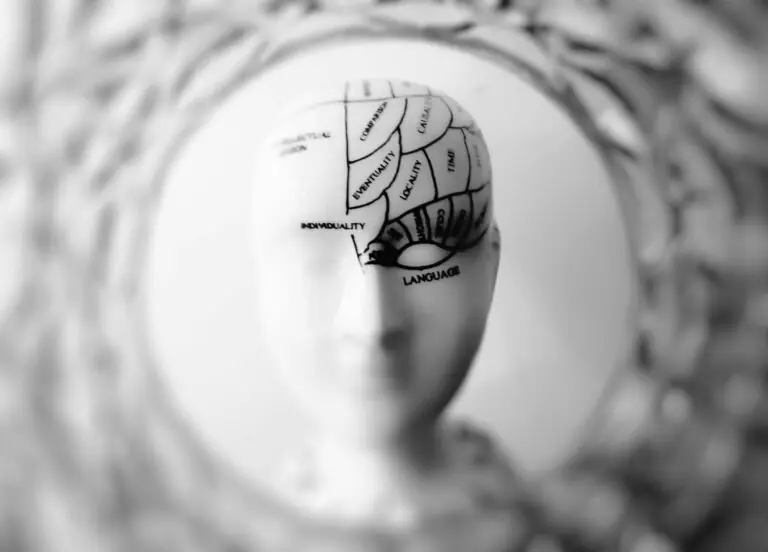

Burnout isn’t a single feeling that arrives all at once. It’s a slow collapse across three distinct dimensions: emotional exhaustion, a creeping detachment from the work and people around you, and a quiet erosion of your sense of effectiveness. Those three components, identified in occupational psychology as the hallmarks of burnout, rarely announce themselves together. More often, one slips in first, and by the time you notice the others, you’re already deep in it.
What makes this especially tricky for introverts is that two of those three components can look, from the outside, like perfectly normal introvert behavior. Pulling back from people? Could be recharging. Feeling less invested? Could be healthy boundaries. The warning signs blend into the personality, and that’s where things get genuinely dangerous.

I ran advertising agencies for over two decades. Some of those years were genuinely energizing. Others were slow burns I didn’t recognize as burnout until I was already on the other side of them, looking back and piecing together what had actually happened. What I’ve come to understand is that burnout follows a pattern, and once you know what its typical components actually look like, you stop confusing them with just having a hard week.
If you’re working through stress, pressure, or that persistent feeling that something is wrong but you can’t name it, the Burnout & Stress Management hub covers the full landscape of these experiences, from early warning signs to recovery strategies built around how introverts actually function.
What Are the Three Typical Components of Burnout?
The framework most widely used in occupational psychology breaks burnout into three interconnected components. Each one feeds the others, and each one shows up differently depending on your personality, your work environment, and how long the stress has been building.
What’s your personality type?
Take our free 40-question assessment and get a detailed personality profile with dimension breakdowns, context analysis, and personalised insights.
Discover Your Type8-12 minutes · 40 questions · Free
Emotional Exhaustion
Emotional exhaustion is the component most people recognize first because it’s the most visceral. You feel depleted in a way that sleep doesn’t fix. You wake up already tired. The reserve tank that usually carries you through a difficult meeting or a demanding client call is simply empty.
For introverts, this component hits differently than it does for extroverts. Our energy systems are already oriented around internal processing. We don’t replenish by adding more social contact, we replenish by stepping away from it. So when emotional exhaustion sets in, the depletion isn’t just from overwork. It’s from the accumulated cost of performing, presenting, and staying “on” in environments that never quite fit how we’re wired.
There was a stretch in my agency years when I was running three simultaneous Fortune 500 pitches. The work itself was fine. I’m an INTJ. I can stay focused under pressure for extended periods. What wore me down wasn’t the strategy or the deadlines. It was the constant performance layer on top of the work: the client dinners, the agency-wide morale meetings, the expectation that I’d project enthusiasm and warmth in every room I entered. By month three, I wasn’t just tired. I was hollowed out in a way that felt qualitatively different from ordinary fatigue.
That hollowness is emotional exhaustion. And it’s the entry point for the other two components.
Depersonalization (or Cynicism)
The second component is harder to admit to yourself. Depersonalization, sometimes called cynicism in workplace contexts, is a psychological distancing from your work, your colleagues, or the people you serve. You start going through the motions. You stop caring about outcomes you once cared about deeply. People who used to feel like collaborators start feeling like obstacles, or worse, like they’re simply not worth the energy.
This is where burnout gets morally uncomfortable, because it can make you feel like a bad person. You’re not. Depersonalization is a protective mechanism. When the emotional tank is empty and the demands keep coming, the psyche creates distance to survive. It’s not a character flaw. It’s a stress response.
A piece published in Frontiers in Psychology examining occupational burnout patterns highlights how this detachment functions as a coping mechanism under chronic stress, particularly in roles requiring sustained emotional engagement. That framing matters, because it recontextualizes cynicism not as a personality shift but as a symptom with a cause.
I remember a point in my agency career when a long-term client called with what should have been exciting news: a major campaign expansion. My internal response was flat. Not cautious, not measured, genuinely flat. I had no reaction. That absence of reaction scared me more than any amount of stress would have. It was the first time I understood that something was wrong at a structural level, not just a situational one.
Reduced Personal Accomplishment
The third component is a collapse in your sense of efficacy. You stop believing you’re competent, effective, or capable of making a meaningful contribution. Work that you used to handle with confidence starts feeling insurmountable. You second-guess decisions you’d have made automatically six months earlier.
For high-performing introverts, this component is particularly destabilizing because competence is often central to how we define our professional identity. We’re not always the loudest voice in the room, but we’re usually the most prepared. When burnout strips that sense of capability away, it doesn’t just affect job performance. It affects self-concept.
This is also the component that keeps people stuck longest, because reduced efficacy makes the idea of recovery feel pointless. Why invest in rebuilding something you’re no longer sure you can do well?

Why Do These Components Hit Introverts in a Specific Order?
Not everyone experiences the three components in the same sequence, but there are patterns worth paying attention to. Many introverts hit emotional exhaustion first, often long before they’d use that word to describe it. The depletion accumulates quietly across months of socially demanding work environments, high-visibility roles, or simply the ongoing tax of pretending to be more extroverted than you are.
What the energy equation for introverts makes clear is that social engagement isn’t neutral for us. It has a cost. When that cost is paid out repeatedly without adequate recovery time, the deficit compounds. Emotional exhaustion isn’t the result of one bad week. It’s the result of a hundred small withdrawals from a reserve that was never fully replenished.
Depersonalization tends to follow once the exhaustion becomes chronic. The psyche stops trying to engage fully because full engagement is no longer sustainable. And reduced efficacy often comes last, once the detachment has been in place long enough that you’ve stopped practicing the skills and habits that used to make you feel capable.
Recognizing this sequence matters because it tells you where you are. If you’re mostly exhausted but still engaged with your work and still feel competent, you’re in early stages. If you’re exhausted and detached but still have some sense of capability, you’re in the middle range. If all three are active, recovery requires more intentional intervention.
Highly sensitive introverts often move through this sequence faster than others, because the emotional processing load is heavier to begin with. If that resonates, the piece on HSP burnout recognition and recovery addresses that specific intersection in depth.
What Makes Burnout Different From Ordinary Stress?
Stress and burnout are related but they’re not the same thing, and conflating them leads to the wrong interventions. Stress is characterized by urgency and over-engagement. You’re overwhelmed, but you’re still invested. You still care about the outcome. You’re still in it.
Burnout is characterized by disengagement and depletion. You’ve stopped caring, not because you chose to, but because the caring capacity has been exhausted. Where stress says “too much,” burnout says “nothing left.”
This distinction matters practically. Stress often responds to rest and temporary relief. Burnout requires something more structural: a genuine examination of what’s causing the chronic drain and a willingness to change it, not just manage it.
Research published through PubMed Central examining occupational health outcomes supports the distinction between acute stress responses and chronic burnout states, noting that the physiological and psychological profiles differ meaningfully. Treating burnout like a stress problem, with a long weekend or a yoga class, doesn’t address the underlying structural depletion.
I’ve watched this play out with people I’ve managed. One of my senior account directors, an ENFJ who poured herself into client relationships, came to me after a particularly brutal quarter asking for a week off. I gave it to her. She came back more depleted than when she left, because the problem wasn’t tiredness. It was that the emotional demands of her role had exceeded her capacity to absorb them for too long. A week off doesn’t fix that. A structural conversation about workload, role expectations, and sustainable pace does.
For introverts specifically, the stress-to-burnout pipeline can be accelerated by environments that consistently demand social performance. Mandatory team activities, open offices, constant collaboration, the expectation of visible enthusiasm: these aren’t neutral. They’re energy expenditures that add up. Even something as seemingly minor as icebreaker activities can contribute to the cumulative social tax that eventually tips into exhaustion.

How Does Burnout Show Up Physically?
The three psychological components of burnout don’t stay psychological. They migrate into the body, and for introverts who spend a lot of time in their heads, the physical signals are often the last ones we notice.
Chronic fatigue that persists regardless of sleep is one of the most consistent physical markers. Not tiredness, which responds to rest, but a bone-level exhaustion that sleep doesn’t touch. Headaches, gastrointestinal disruption, increased susceptibility to illness, and muscle tension are all documented physical correlates of prolonged burnout.
There’s also a cognitive dimension that feels physical: the inability to concentrate, the sense that your thinking has become slow or foggy, the loss of the mental sharpness that used to feel like your primary professional asset. For INTJs and other analytical types who rely heavily on cognitive performance, this particular symptom can be profoundly disorienting.
A review published in PubMed Central examining the relationship between chronic workplace stress and physiological outcomes makes clear that prolonged activation of the stress response has measurable effects on immune function, cardiovascular health, and neurological performance. The body isn’t separate from the burnout. It’s part of it.
What I’ve noticed in my own experience is that physical symptoms tend to arrive as confirmation rather than warning. By the time my body was clearly signaling distress, the psychological components had already been active for months. That sequence is worth knowing about, because it means you can’t wait for physical symptoms to take the psychological ones seriously.
Can Introverts Mistake Burnout for Personality?
Yes, and this is one of the more insidious aspects of burnout for introverts specifically. Several of the hallmark components of burnout overlap with traits that introverts are told are simply part of their personality.
Wanting to be alone? That’s introversion. Feeling drained by social contact? That’s introversion. Preferring quiet and solitude? That’s introversion. Withdrawing from colleagues and feeling disconnected from work? That’s depersonalization, but it can look identical from the outside, and sometimes from the inside too.
The distinction lies in baseline. Introversion is a stable trait. You’ve always preferred solitude to crowds. Burnout is a departure from your own baseline. You used to find meaning in your work and now you don’t. You used to feel capable and now you don’t. You used to be able to engage with people, even if it cost you energy, and now you can’t manage even brief interactions without feeling resentful or numb.
That departure from your own baseline is the signal. Not whether you prefer quiet, but whether something that used to feel manageable now feels impossible.
There’s also a layer of social anxiety that can complicate this picture further. Burnout can heighten social anxiety that was already present, making ordinary interactions feel threatening in ways they didn’t before. If you’re noticing that pattern, the stress reduction skills for social anxiety piece offers concrete tools that work alongside burnout recovery rather than treating them as separate problems.
One of the things I wish someone had told me earlier is that being an introvert doesn’t make you immune to burnout, and it doesn’t mean burnout is inevitable either. What it means is that the specific triggers, the specific warning signs, and the specific recovery paths look different for us than they do for extroverts. Understanding that difference is what makes the difference.

What Does Recovery From the Three Components Actually Require?
Each component of burnout responds to somewhat different recovery conditions, and trying to address all three with a single strategy is usually why people feel like they’re doing everything right and still not getting better.
Recovering From Emotional Exhaustion
Emotional exhaustion requires genuine rest, which is different from distraction. Watching television isn’t rest for an introvert. Neither is scrolling through a phone. Rest, in the recovery sense, means removing stimulation and allowing the nervous system to genuinely downregulate.
Solitary activities with low cognitive demand, time in nature, extended quiet, and the deliberate removal of social obligations are all legitimate recovery tools. They’re not indulgences. They’re the specific conditions under which an exhausted introvert’s nervous system can begin to repair.
The American Psychological Association’s resources on relaxation techniques offer evidence-supported approaches for nervous system downregulation that pair well with the solitude-focused recovery that introverts naturally gravitate toward.
Self-care during burnout recovery also needs to be genuinely restorative rather than performative. The self-care approaches that work for introverts without adding stress are worth reading alongside any recovery plan, because the wrong kind of self-care can actually add to the depletion rather than relieve it.
Recovering From Depersonalization
Depersonalization is harder to recover from because it involves reconnecting with meaning, and meaning can’t be forced. What tends to help is deliberately re-engaging with the aspects of work that originally drew you in, before the exhaustion set in. Not the whole job. Not the full scope of responsibilities. Just the specific elements that once felt genuinely interesting or worthwhile.
For me, that was strategy. When I was most depleted, I’d find one strategic problem to think through, not to solve for a client, just to engage my own thinking. It wasn’t a cure. But it was a thread back to the part of the work I actually cared about, and that thread mattered.
Depersonalization also responds to reduced exposure to the specific demands that caused it. If client-facing work is the source of the detachment, reducing client-facing obligations during recovery isn’t avoidance. It’s triage.
Recovering From Reduced Efficacy
Recovering a sense of personal accomplishment requires small, completable wins. Not ambitious projects. Not stretch goals. Small tasks where you can see the outcome clearly, complete them fully, and register that you did something well.
This sounds almost insultingly simple, but it’s grounded in how efficacy is actually rebuilt. The belief that you’re capable has to be re-established through evidence, and evidence comes from doing things and seeing them work. The size of the thing matters less than the completeness of the cycle: attempt, complete, acknowledge.
Some introverts in burnout recovery find that shifting temporarily to lower-stakes work or creative projects outside their main professional role helps rebuild that sense of capability before returning to higher-demand work. If you’re in that in-between space, exploring low-stress side projects suited to introverts can serve a genuine recovery function, not as a permanent career pivot, but as a way of rebuilding efficacy in a lower-pressure environment.
How Do You Know When You’re Actually Recovering?
Recovery from burnout isn’t linear, and it doesn’t feel like a switch being flipped. It’s gradual, and the markers are subtle enough that it’s easy to miss them.
One of the earliest signs of recovery from emotional exhaustion is that rest starts actually feeling restful. You wake up and the fatigue isn’t already there waiting for you. That’s a meaningful signal.
Recovery from depersonalization often announces itself as a small, unexpected moment of genuine interest. Something catches your attention in a meeting. A problem feels worth solving. A colleague says something that makes you want to respond rather than disengage. These moments are small, but they’re real.
Recovery from reduced efficacy tends to show up as a return of confidence in small decisions. You stop second-guessing the things you used to handle automatically. You make a call and feel reasonably sure it was the right one, without the extended internal cross-examination that burnout tends to produce.
What I’ve learned, both from my own experience and from watching people I’ve managed work through burnout, is that the recovery is often invisible until it’s obvious. You don’t notice it day by day. You notice it when you compare where you are now to where you were three months ago and realize something has genuinely shifted.
One thing that helps during recovery is having a reliable way to check in with yourself honestly. Not a performance review of your own recovery, but a genuine internal check. The piece on asking an introvert if they’re feeling stressed explores why that self-check is harder than it sounds for people wired the way we are, and how to make it more honest.
Burnout is recoverable. All three components of it are recoverable. That’s not optimism for its own sake. That’s the consistent finding from occupational health research and, more importantly, from the lived experience of people who have been through it and come out the other side with a clearer understanding of what they need to sustain themselves over the long term.

If you’re somewhere in the middle of this right now, whether you’re naming it for the first time or you’ve been managing it quietly for months, there’s more support and more specificity available in the Burnout & Stress Management hub, where the full range of these experiences is covered from multiple angles.
About the Author
Keith Lacy is an introvert who’s learned to embrace his true self later in life. After 20 years in advertising and marketing leadership, including running agencies and managing Fortune 500 accounts, Keith now channels his experience into helping fellow introverts understand their strengths and build fulfilling careers. As an INTJ, he brings analytical depth and authentic perspective to every article, drawing from both professional expertise and personal growth.
Frequently Asked Questions
What are the three typical components of burnout?
The three typical components of burnout are emotional exhaustion, depersonalization (sometimes called cynicism), and reduced personal accomplishment. Emotional exhaustion is a deep depletion that rest doesn’t fully resolve. Depersonalization is a psychological distancing from work, colleagues, or the people you serve. Reduced personal accomplishment is a collapse in your sense of competence and effectiveness. These three components tend to build on each other, with exhaustion often arriving first and reduced efficacy following once detachment has been present for some time.
How is burnout different from regular stress?
Stress is characterized by over-engagement: you’re overwhelmed, but you still care about outcomes. Burnout is characterized by disengagement and depletion: the caring capacity has been exhausted. Stress often responds to rest and temporary relief. Burnout requires structural change, an honest examination of what’s causing the chronic drain and a willingness to address it rather than simply manage around it. Treating burnout like a stress problem, with a long weekend or a brief break, typically doesn’t address the underlying depletion.
Why do introverts sometimes confuse burnout with their personality?
Several hallmarks of burnout overlap with normal introvert traits. Wanting solitude, feeling drained by social contact, and withdrawing from group settings are all consistent with introversion. The difference is baseline. Introversion is stable: you’ve always preferred quiet over crowds. Burnout is a departure from your own personal baseline. You used to find meaning in your work and now you don’t. You used to be able to engage with people, even at an energy cost, and now you can’t without feeling resentful or numb. That departure from your own normal is the signal that something has shifted beyond personality.
Can all three components of burnout be recovered from?
Yes. All three components of burnout are recoverable, though each responds to somewhat different conditions. Emotional exhaustion requires genuine rest and the removal of chronic stressors. Depersonalization responds to deliberate re-engagement with meaningful aspects of work and reduced exposure to the specific demands that caused the detachment. Reduced efficacy is rebuilt through small, completable wins that re-establish evidence of capability. Recovery is rarely linear and often goes unnoticed day to day, but the cumulative shift over weeks and months is real and measurable.
What physical symptoms are associated with burnout?
Burnout has well-documented physical correlates beyond psychological depletion. Chronic fatigue that persists regardless of sleep is among the most consistent. Headaches, gastrointestinal disruption, increased susceptibility to illness, and muscle tension are also commonly reported. Cognitive symptoms that feel physical, including mental fog, difficulty concentrating, and the loss of mental sharpness, are particularly significant for analytical personality types who rely heavily on cognitive performance. Physical symptoms typically arrive as confirmation of burnout rather than early warning, which means the psychological components are usually already active before the body signals distress.