
Genuine and authentic are not the same thing, even though most people use them interchangeably. Being genuine means your outward behavior matches your inner values in a given moment. Being authentic means you have done the deeper work of knowing what those values actually are, and you live from that place consistently. One is a quality. The other is a practice.
For introverts especially, this distinction carries real weight. Many of us are naturally genuine people. We mean what we say, we feel things deeply, and we rarely perform for an audience. Yet authenticity, the kind that holds steady under pressure, in a boardroom, on a difficult phone call, or in a relationship that’s asking more of you than you expected, that takes something different. It takes self-knowledge.

There’s a broader conversation happening around personality and self-understanding that makes this distinction even more relevant. At Ordinary Introvert, our Introversion vs Other Traits hub explores how introversion intersects with identity, behavior, and the many ways people experience the world differently. Genuine versus authentic fits squarely into that conversation, because both concepts touch something fundamental about how introverts relate to themselves and others.
Why Do People Confuse Genuine and Authentic?
The confusion is understandable. Both words point toward something real and unperformed. Neither one suggests pretending. In everyday conversation, calling someone “genuine” and calling them “authentic” often lands as the same compliment. But when you sit with the words, they start to feel different.
Career Coaching for Introverts
One-on-one career strategy sessions with Keith Lacy. 20 years of Fortune 500 leadership as an introvert, now helping others build careers that work with their wiring.
Learn More50-minute Zoom session · $175
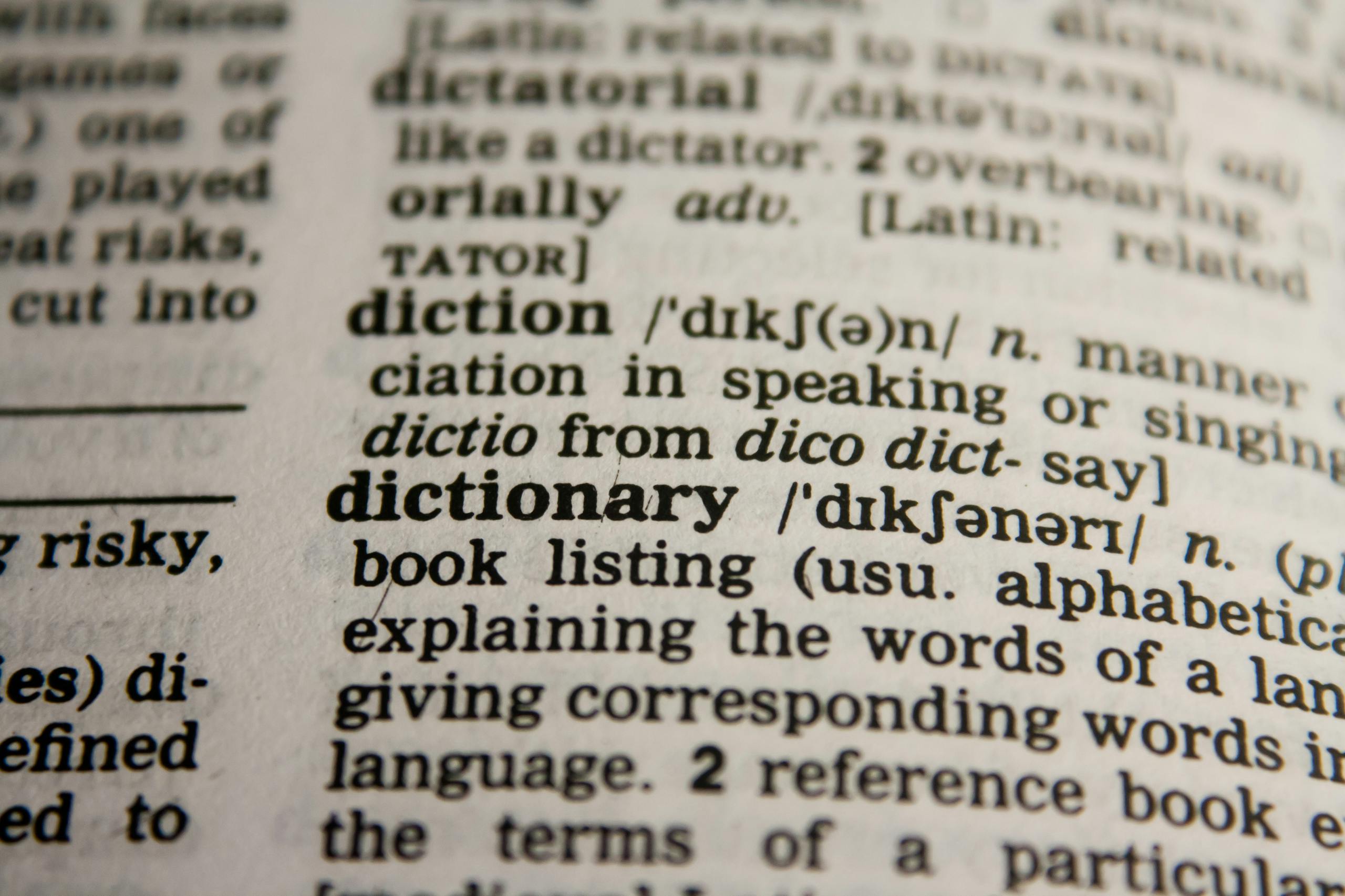
Genuine comes from the Latin genuinus, meaning native or natural. Something genuine is simply what it claims to be. A genuine leather bag is actual leather, not a substitute. A genuine smile reaches the eyes. Genuine behavior is sincere in the moment. It isn’t calculated or performed. What you see is what’s actually there.
Authentic comes from the Greek authentikos, meaning original or authoritative. Something authentic has been verified. It comes from the actual source. Authenticity in a person means there is an examined, coherent self behind the behavior. You’re not just sincere in the moment. You know who you are across moments, and you act from that place even when it costs you something.
So genuine is about sincerity. Authentic is about coherence. You can be genuinely happy at a party without being an authentically social person. You can genuinely want to please your boss without authentically believing in the direction he’s taking the company. The feelings are real. But they may not be rooted in your deeper self.
I spent a long stretch of my advertising career being genuinely enthusiastic about work I wasn’t authentically aligned with. I genuinely wanted to win the pitch. I genuinely enjoyed the creative problem-solving. But I was not authentically living as the person I actually was. I was performing a version of leadership I’d absorbed from watching extroverted mentors, and doing it sincerely enough that most people, including me for a while, couldn’t tell the difference.
What Does It Actually Mean to Be Genuine?
Genuineness is something most introverts possess in abundance, often without recognizing it as a strength. We tend not to perform for social approval. We say what we mean when we choose to speak. We don’t manufacture enthusiasm we don’t feel, which is actually quite rare in professional environments built around relentless positivity.
Being genuine means your words, expressions, and actions are an accurate reflection of your current internal state. There’s no gap between what you feel and what you show. That doesn’t mean you share everything. Genuineness isn’t the same as radical transparency. It means that what you do share is real.
One of my account directors at the agency was one of the most genuinely warm people I’ve ever worked with. Clients loved her. She remembered every detail about their families, their anxieties, their goals. That warmth wasn’t a tactic. It was simply who she was in the room. But she also struggled when the agency’s direction shifted and she was asked to sell services she didn’t fully believe in. Her genuineness became a liability in a context that required her to act against her own grain. She could be sincere, but she couldn’t be coherent.
That’s where authenticity comes in.

What Does It Actually Mean to Be Authentic?
Authenticity requires self-knowledge. Not the passive kind, where you simply feel like yourself most of the time, but the active kind, where you’ve examined your values, tested your assumptions, and built a clear picture of who you are when no one is watching and nothing is at stake.
Psychological research on self-concept and identity consistency points to the same idea: people who have a stable, well-examined sense of self tend to behave more consistently across contexts. They don’t become different people at work versus at home. They adapt their style, yes, but not their substance. That consistency is what authenticity actually looks like from the outside.
For introverts, this kind of self-examination often comes naturally. We process internally. We reflect before we speak. We’re comfortable with silence in a way that creates space for genuine self-inquiry. Psychology Today has written about why introverts gravitate toward deeper conversations, and I think that same pull toward depth applies inward as much as outward. We want to understand things fully, including ourselves.
Yet self-knowledge and authentic living are two different things. I knew myself fairly well by my mid-thirties. I knew I was an INTJ. I knew I preferred one-on-one conversations to group dynamics. I knew that open-plan offices drained me and that my best thinking happened alone. What I hadn’t done was build a professional life that actually reflected those things. I kept choosing environments that required me to be someone slightly different, and then working very hard to be genuinely present in those environments. Genuine, yes. Authentic, not quite.
Authenticity asks you to close the gap between what you know about yourself and how you actually live. That’s harder than it sounds, especially when external expectations are loud and internal ones are quiet.
How Does This Play Out Differently for Introverts and Extroverts?
Extroverts, by their nature, process externally. They think out loud, they test ideas in conversation, and they often discover what they believe by saying it first. That means their genuineness is visible and immediate. When an extrovert is excited, you know it. When they’re uncomfortable, that usually surfaces quickly too.
If you’re curious about what it actually means to be extroverted, the core is about energy direction: extroverts gain energy from external stimulation and social engagement, where introverts tend to gain it from internal reflection and solitude. That difference shapes how genuineness and authenticity show up in each type.
Introverts often appear less genuine to people who don’t know them well, simply because we don’t broadcast our internal states. We process before we express. We hold back not because we’re hiding something, but because we’re still working through it. That reserve can be misread as coldness, disinterest, or even inauthenticity. We’ve all been in a meeting where someone said “you seem distracted” when we were actually the most engaged person in the room, just quietly so.
Personality also exists on a spectrum. Some people move between introversion and extroversion depending on context. If you’ve ever wondered where you actually fall, the introvert, extrovert, ambivert, and omnivert test is a useful starting point for understanding your own patterns before you can work with them.
There’s also the question of how consistent your energy patterns are. Some people are fairly introverted in most situations, while others swing more dramatically. The difference between being fairly introverted versus extremely introverted matters here, because the more strongly introverted you are, the more likely you’ve spent years adapting to extroverted norms, which creates a wider gap between genuine behavior and authentic living.

Can You Be Genuine Without Being Authentic?
Yes. And this is where the distinction becomes most practically useful.
You can be genuinely kind to someone you don’t actually respect. You can genuinely enjoy a conversation while playing a role that doesn’t fit you. You can genuinely believe something in the moment that contradicts what you believe more deeply. Genuineness is present-tense. Authenticity is longitudinal.
I think about a period in my agency years when I was genuinely committed to a client relationship that, in retrospect, I should have ended eighteen months earlier. I genuinely wanted them to succeed. I genuinely worked hard on their behalf. But staying in that relationship required me to suppress my own judgment repeatedly, to smile in briefings where my gut was screaming that we were heading in the wrong direction. Every individual moment was genuine. The overall pattern was not authentic to who I was or what I believed.
Authenticity would have meant trusting that judgment, having the harder conversation, and either changing the dynamic or walking away. Genuineness kept me pleasant and present. Authenticity would have made me honest.
There’s interesting work being done on how personality coherence relates to wellbeing. Research published in PubMed Central on personality and social behavior suggests that consistency between internal states and external behavior is associated with greater psychological wellbeing. That tracks with my own experience. The years I was most genuinely pleasant were not always the years I felt most settled or at peace.
Can You Be Authentic Without Being Genuine?
This one is trickier, but yes, it’s possible, and it’s worth examining because it shows up in certain personality patterns.
Someone can have a very clear, stable, examined sense of self and still behave inauthentically in specific moments, choosing to perform rather than express, choosing social safety over honest expression. They know who they are. They’re just not showing it right now. That’s authentic identity without genuine behavior.
Some people also develop a highly coherent self-concept that is itself built on a false foundation. They’ve examined themselves thoroughly, but the self they’ve examined was constructed to meet external expectations. The examination was real. The material was borrowed. That’s a kind of authenticity without genuine self-knowledge underneath it.
Neither scenario is a moral failure. Both are very human. And both point to the same conclusion: genuine and authentic reinforce each other when they’re both present, but neither one guarantees the other.
Some people who fall between introvert and extrovert on the spectrum find this especially relevant. The concept of the omnivert versus ambivert distinction is useful here. Omniverts swing dramatically between social engagement and withdrawal depending on context, while ambiverts maintain a more moderate middle ground. Someone who swings dramatically may be genuinely different in different contexts, but that variability can make it harder to build a stable authentic identity across all of them.
Why Does This Matter in Professional Life?
In professional settings, the distinction between genuine and authentic has real consequences, especially for introverts who have spent years adapting to environments that weren’t built for them.
Genuine behavior builds trust in the short term. People can feel when you mean what you say. It’s one of the reasons introverts often build unusually strong relationships with the people they do connect with. We don’t perform warmth we don’t feel, so when we show it, it lands.
Authentic living builds something longer-lasting: a reputation for consistency. People know what to expect from you. They know your values won’t shift based on who’s in the room. They know that when you push back on an idea, it’s because you genuinely disagree, not because you’re managing impressions. That consistency is enormously valuable in leadership, in client relationships, and in any environment where trust compounds over time.
Some of the most effective leaders I worked alongside during my agency years were not the loudest or most charismatic. They were the ones whose behavior was completely predictable in the best possible sense. You always knew where they stood. You always knew what they valued. You could count on them to be the same person in a difficult conversation as they were in a casual one. That’s authentic leadership, and it has nothing to do with personality type.
There’s also something worth naming about the cost of inauthenticity over time. Work published through PubMed Central on psychological safety and workplace behavior suggests that environments where people feel unable to express their actual views create measurable costs in engagement and performance. Sustained inauthenticity is exhausting. I know this from personal experience. Performing a version of yourself that doesn’t quite fit is tiring in a way that’s hard to articulate until you stop doing it.
How Do Introverts Build Authentic Lives Without Losing Their Genuine Nature?
The good news, and I mean this without caveats, is that introverts are often better positioned for authentic living than they realize. The same reflective capacity that makes us thoughtful communicators also makes us capable of serious self-examination. We already spend time in our own heads. The question is whether we’re using that time to genuinely know ourselves, or simply to rehearse the performance.
A few things helped me close the gap between genuine and authentic over the years.
The first was paying attention to where my energy went. Not just what drained me socially, but what kinds of work, conversations, and decisions felt aligned versus effortful in a deeper way. There’s a difference between the tiredness that comes from a long day of meaningful work and the tiredness that comes from spending a day being someone you’re not. Learning to distinguish those two kinds of fatigue was clarifying.
The second was building in space for the self-examination that authenticity requires. For me, that’s always been writing. Not journaling in a therapeutic sense, but thinking on paper, working through decisions, articulating what I actually believe rather than what I think I should believe. Some people do this in conversation. Some do it through physical activity. The medium matters less than the practice.
The third was recognizing that authenticity doesn’t require constant self-disclosure. You don’t have to share everything to be authentic. You just have to be honest about what you do share. Introverts often struggle here because we conflate privacy with inauthenticity. They’re not the same. You can be deeply private and completely authentic. The question isn’t how much you reveal. It’s whether what you reveal is actually true.
If you’re someone who finds yourself somewhere in the middle of the introvert-extrovert spectrum, the introverted extrovert quiz can help you get clearer on your own patterns. Understanding your baseline tendencies is a prerequisite for building authentic behavior on top of them.
There’s also something to be said for understanding the full range of personality orientations. The otrovert versus ambivert comparison explores how people who lean outward in some contexts but inward in others experience the tension between social performance and private self. That tension is, in many ways, the tension between genuine and authentic playing out in real time.
What Happens When Genuine and Authentic Align?
When they come together, something shifts. Not dramatically, not all at once, but in a way you notice.
Decisions get easier. Not because the choices are simpler, but because you have a stable reference point. You know what you value. You know what you’re willing to trade and what you’re not. That clarity makes hard calls faster and less draining.
Relationships deepen. When you’re both genuine in the moment and authentic over time, people sense the consistency. They trust you differently. They bring you harder problems. They’re more honest with you in return. Research in Frontiers in Psychology on interpersonal trust and personality consistency supports the idea that behavioral coherence is a significant driver of how deeply others trust us over time.
Work becomes more sustainable. I spent a lot of years in advertising running on genuine enthusiasm and borrowed energy. When I finally built a professional life that was actually aligned with who I am, the output didn’t necessarily change immediately, but the cost of producing it dropped significantly. I wasn’t spending half my energy maintaining a persona. That freed up something I didn’t know I’d been using.
Conflict also becomes more manageable. Psychology Today’s work on introvert-extrovert conflict resolution points out that one of the key friction points between introverts and extroverts in disagreements is the introvert’s tendency to withdraw and process before responding. When you’re authentically grounded, that withdrawal isn’t avoidance. It’s part of how you engage honestly. You come back with something real.

There’s also something worth noting about professional contexts that reward performance over substance. Harvard’s work on introverts in negotiation found that introverts are not at a disadvantage when they can operate from a place of genuine conviction. Knowing what you want and why you want it, which is the product of authentic self-knowledge, is more valuable in high-stakes conversations than surface confidence.
The same principle holds across most professional domains. Rasmussen College’s writing on marketing for introverts makes the point that introverts often excel at relationship-based professional work precisely because their genuine nature builds credibility over time. Add authenticity to that, and you have something most people can’t manufacture: a reputation that holds up under scrutiny.
More of this kind of exploration lives in the Introversion vs Other Traits hub, where we look at how introversion intersects with personality, behavior, and identity across a wide range of contexts.
About the Author
Keith Lacy is an introvert who’s learned to embrace his true self later in life. After 20 years in advertising and marketing leadership, including running agencies and managing Fortune 500 accounts, Keith now channels his experience into helping fellow introverts understand their strengths and build fulfilling careers. As an INTJ, he brings analytical depth and authentic perspective to every article, drawing from both professional expertise and personal growth.
Frequently Asked Questions
What is the main difference between genuine and authentic?
Genuine refers to sincerity in the moment: your words and actions accurately reflect what you’re actually feeling or thinking right now. Authentic refers to a deeper consistency over time: your behavior is rooted in a stable, examined sense of who you are and what you value. You can be genuinely kind in a single interaction without being authentically aligned with your deeper self across all areas of life. Genuineness is a quality of individual moments. Authenticity is a quality of a life.
Are introverts naturally more genuine or authentic than extroverts?
Introverts often display strong genuineness because they tend not to perform emotions or enthusiasm they don’t actually feel. Social performance for its own sake is less natural for most introverts. That said, authenticity, the kind that requires examining your values and living from them consistently, is not automatically more common in introverts. Many introverts spend years adapting to extroverted environments in ways that create a gap between who they are and how they live, which is the opposite of authentic. The reflective capacity introverts possess gives them an advantage in doing the self-examination authenticity requires, but that advantage has to be actively used.
Can someone be too genuine for their own good?
Yes. Genuineness without authenticity can become a liability. If you’re genuinely enthusiastic about something that doesn’t align with your deeper values, that genuine enthusiasm can carry you into situations that cost you over time. Genuine people can be sincerely committed to the wrong things, sincerely warm toward people who don’t serve them well, and sincerely engaged in work that doesn’t fit who they are. Genuineness is a virtue, but it works best when it’s anchored in authentic self-knowledge. Without that anchor, it can keep you pleasantly stuck.
How do you build authenticity if you’ve spent years adapting to extroverted norms?
Start with observation rather than overhaul. Pay attention to where your energy actually goes versus where you perform energy. Notice which decisions feel aligned and which feel like accommodations. Build in regular space for reflection, writing, conversation with trusted people, or solitude, whatever helps you access your actual beliefs rather than the ones you’ve absorbed from your environment. Authenticity is built incrementally. You don’t construct a coherent self all at once. You clarify it over time through the accumulation of honest choices, each one closing the gap slightly between who you are and how you live.
Does authenticity require being completely open and transparent?
No. Authenticity and transparency are separate things. Authenticity means that what you do share is honest and rooted in your actual values. It does not mean sharing everything. Introverts in particular often conflate privacy with inauthenticity, worrying that because they don’t broadcast their inner life, they’re somehow being false. Privacy is a legitimate preference, not a form of deception. You can be deeply private and completely authentic. The measure of authenticity is not how much you reveal, but whether what you reveal is genuinely true to who you are.