
Solar panel sales burnout follows a recognizable pattern: an introvert takes a high-pressure, high-contact sales role for the income potential, spends months overriding their natural wiring to perform extroversion all day, and then collapses under the weight of a job that was never built for how they think and feel. The spectacular part isn’t the breakdown itself. It’s how long they held on before it happened.
What makes solar sales particularly brutal for introverts is the specific combination of demands it stacks on top of each other: door-to-door cold approaches, high-volume daily conversations with strangers, aggressive quota pressure, team huddles designed around extroverted energy, and a commission structure that punishes any day you need to pull back and recover. Most introverts don’t quit this job. They burn out of it.

If you’re working through the aftermath of a role that drained you at a level that felt almost physical, our Burnout and Stress Management Hub covers the full range of recovery strategies, warning signs, and sustainable approaches that actually fit the introvert experience. This article focuses on one specific story that I think captures something important about why certain jobs are structurally incompatible with introverted energy, and what the recovery process really looks like.
Why Is Solar Panel Sales So Hard on Introverts?
Solar panel sales, especially the residential door-to-door model, sits at the intersection of almost every demand that depletes introverted energy fastest. You’re not just making sales calls. You’re making cold human contact with strangers in their personal space, often without invitation, dozens of times per day. Every door requires you to perform warmth, enthusiasm, and persuasive energy from scratch, with no buffer between interactions.
Career Coaching for Introverts
One-on-one career strategy sessions with Keith Lacy. 20 years of Fortune 500 leadership as an introvert, now helping others build careers that work with their wiring.
Learn More50-minute Zoom session · $175
As an INTJ who spent over two decades in advertising, I understand the specific exhaustion of roles that require constant social performance. Running agency pitches for Fortune 500 clients was draining in its own way, but there was structure to it. I could prepare, think deeply, and show up with something considered. Door-to-door sales offers none of that. Every interaction is improvised, emotionally exposed, and tied directly to whether you hit a number that day.
The energy equation for introverts is real and measurable in how you feel at the end of a workday. Social interaction draws from a finite pool. When the job requires you to drain that pool completely before noon and then keep going, the body starts sending signals that most people in high-pressure sales environments are trained to ignore.
Add to this the team culture that most solar companies cultivate. Morning huddles with forced enthusiasm. Leaderboards. Group celebrations of wins that feel performative. If you’ve ever wondered whether icebreakers are stressful for introverts, imagine starting every single workday with the equivalent of a mandatory icebreaker, followed immediately by walking up to strangers’ front doors for six hours. That’s the solar sales reality for many people.
What Does Solar Panel Sales Burnout Actually Look Like?
Burnout in this context doesn’t always arrive as a dramatic breakdown. More often it builds quietly over months, disguised as other things: a bad week, a motivation slump, a cold that won’t quite go away. By the time most people recognize what’s happening, they’re already deep in it.
The physical symptoms tend to come first. Chronic fatigue that sleep doesn’t fix. A low-grade headache that becomes background noise. Shoulders that stay locked up regardless of how much you stretch. These aren’t signs of weakness. They’re the body’s response to sustained stress that was never adequately discharged.
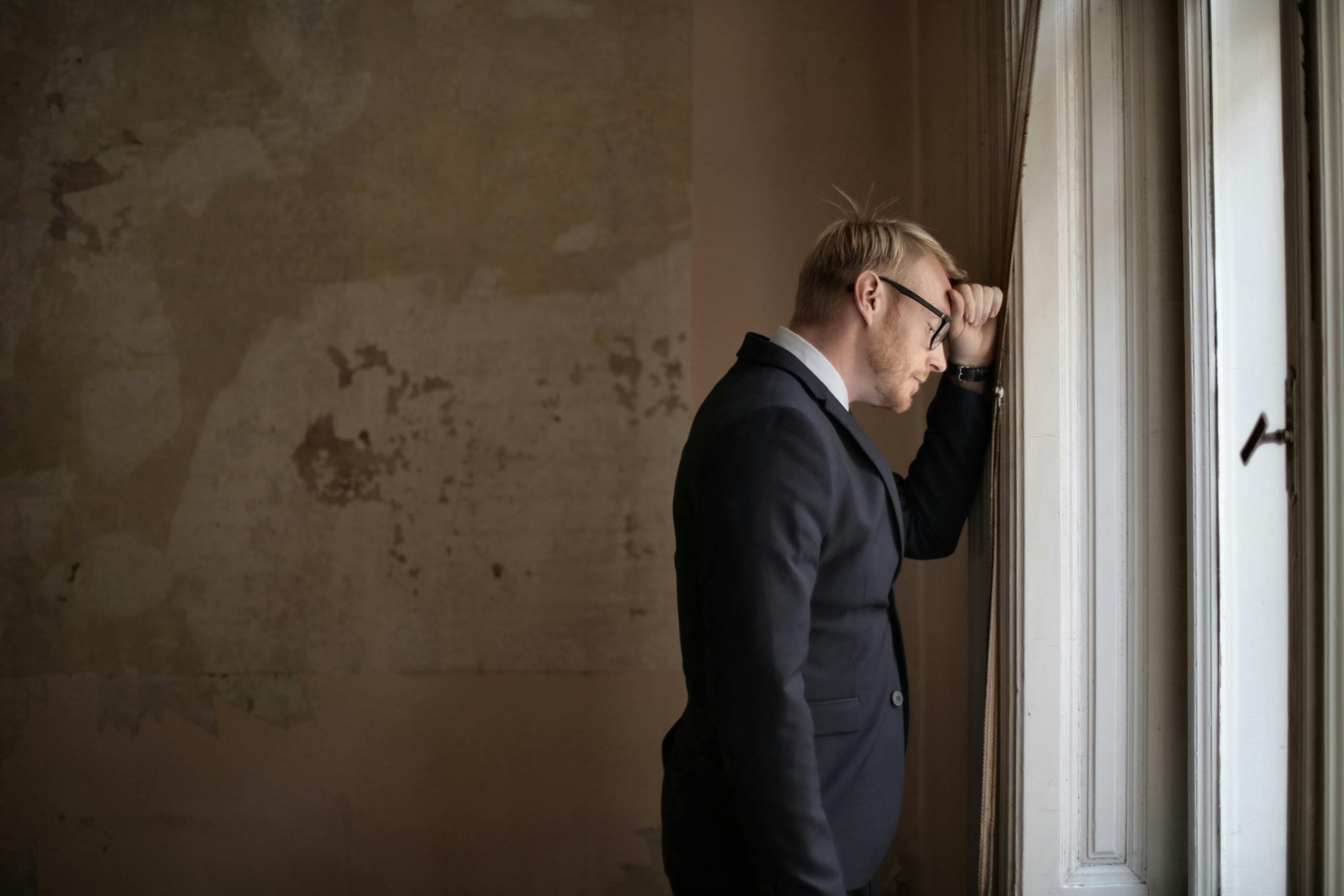
Then comes the emotional flattening. The things that used to matter start feeling distant. You stop caring whether you hit quota. You stop caring about much of anything, actually. This emotional numbness is one of the most disorienting parts of burnout because it can look, from the outside, like laziness or attitude. From the inside, it feels like being wrapped in insulation from your own life.
Cognitive symptoms follow closely. Difficulty concentrating. Forgetting things you normally wouldn’t. Making small errors in paperwork or follow-up calls that you’d never have made six months earlier. For an INTJ or any introvert who takes pride in their precision and depth of thinking, this cognitive erosion is particularly alarming. It signals that the brain is running on fumes.
One thing worth noting: highly sensitive people often experience this progression faster and more intensely. The same mechanisms that make HSPs perceptive and empathetic also make them more vulnerable to overstimulation in high-contact roles. If any of this resonates and you suspect you might be highly sensitive, HSP burnout recognition and recovery offers a useful framework for understanding what you’re experiencing.
The behavioral changes are often what finally force the issue. Calling in sick more often. Sitting in the car before a shift, unable to make yourself get out. Snapping at people you care about. Drinking more. Eating in ways that feel like self-medication. These aren’t character flaws. They’re coping strategies that have started to fail.
How Does the Commission Model Trap Introverts in Burnout?
There’s a particular cruelty in the commission structure of most solar sales roles: the days when you most need to rest are the days the financial pressure to push through is highest. Miss a week, miss a paycheck. Miss a month, miss rent. The economic design of the job makes self-preservation feel like a luxury you can’t afford.
This creates a feedback loop that’s genuinely hard to escape. You’re depleted, so your performance drops. Your performance drops, so your income drops. Your income drops, so your anxiety spikes. Your anxiety spikes, so you push harder to compensate. Pushing harder accelerates the depletion. The loop tightens.
I watched a version of this play out at one of my agencies. A sales director I’d hired, someone with tremendous instincts and real depth, started taking on every account that came through the door because we’d moved to a more performance-based compensation model. Within eight months he was producing less than half what he’d done before, not because his talent had diminished but because he’d exhausted the mental and emotional reserves that his talent depended on. The commission structure had inadvertently taught him to cannibalize himself.
For introverts in solar sales, this dynamic is amplified by the fact that the job’s demands are specifically the ones that cost them the most energy. An extrovert grinding through a hard week might feel tired. An introvert grinding through the same week is drawing down reserves that don’t replenish quickly, especially when the job leaves no real space for the solitude and quiet that introverted recovery actually requires.
There’s also a stress component that doesn’t get discussed enough in sales culture: the anxiety of constant rejection. Every door that doesn’t open, every polite no, every homeowner who doesn’t want to hear the pitch is a small social rejection. For many introverts, especially those who already carry some social anxiety, those rejections accumulate emotionally in ways that go beyond simple discouragement. Practical stress reduction skills for social anxiety can help buffer some of this, but they can’t fully compensate for a structural mismatch between the job and the person doing it.

What Does Recovery From This Kind of Burnout Actually Require?
Recovery from solar sales burnout, or any burnout rooted in a fundamental mismatch between the job and the person, isn’t just about rest. Rest helps, but it’s not sufficient on its own. What’s actually required is a more deliberate process of understanding what depleted you, rebuilding the reserves that got drained, and making decisions about whether to return to the same environment or find a different one.
The first phase is physical stabilization. Sleep. Real food. Movement that isn’t punishing. The nervous system needs to downregulate before anything else is possible. The 5-4-3-2-1 grounding technique from the University of Rochester is one of the more accessible tools for helping an overstimulated nervous system find its footing, particularly in the early days of recovery when anxiety tends to spike in the absence of the structure that work provided.
The second phase involves honest assessment. Not self-blame, but genuine inquiry. What specifically about the role depleted you? Was it the volume of social contact? The lack of preparation time? The rejection cycle? The forced performance of enthusiasm you didn’t feel? Getting specific about this matters because it shapes what recovery looks like and what kind of work might actually fit you going forward.
The American Psychological Association has documented how relaxation techniques support genuine stress recovery, not just temporary relief. For introverts coming out of burnout, the distinction matters. You’re not just trying to feel calmer in the moment. You’re trying to restore a baseline that got systematically eroded over months.
Self-care during this phase needs to be genuinely restorative, not another obligation. I’ve written about this elsewhere, but it bears repeating: the introvert version of self-care often looks nothing like the cultural version. It’s quiet. It’s solitary. It’s not a spa day or a social brunch. Introverts can practice better self-care without added stress by leaning into what actually restores them rather than performing recovery the way they performed extroversion at work.
The third phase, which many people skip because it feels like a luxury, is rebuilding a sense of professional identity that isn’t defined by a job that broke you. Solar sales burnout often leaves people feeling like they failed, when what actually happened is they succeeded at something that wasn’t designed for them, for longer than was sustainable. That reframe matters enormously for what comes next.
How Do You Know When You’re Ready to Work Again?
One of the most disorienting aspects of burnout recovery is that the return of energy doesn’t feel like a clear green light. It tends to arrive in fragments. A morning where you feel genuinely curious about something. An afternoon where you’re not exhausted by 2 PM. A conversation that doesn’t feel like it’s costing you anything. These fragments are real signals, but they’re easy to misread as full recovery when they’re actually early indicators.
Returning to work too soon, especially to a similar role with similar demands, is one of the most common ways burnout becomes chronic. The window of apparent recovery gets treated as full recovery, the same conditions reassert themselves, and the depletion returns faster the second time because the reserves were never fully rebuilt.
A more reliable indicator of readiness is how you respond to the idea of the work, not just the thought of income. If imagining a full workday in a high-contact sales role still produces a visceral sense of dread, that’s information worth taking seriously. If you can think about work in your natural register, with some genuine interest and without the anxiety spike, that’s closer to readiness.
Worth knowing: many people coming out of sales burnout find that their stress responses have become more sensitive, not less. Things that wouldn’t have triggered anxiety before now do. Asking an introvert if they’re feeling stressed often reveals that they’ve been carrying more than they’ve named, even to themselves. Building in honest check-ins with yourself, or with someone you trust, is part of the readiness assessment.

What Kind of Work Actually Fits Introverts Who’ve Left High-Pressure Sales?
After solar sales burnout, the question of what to do next is both practical and deeply personal. The financial pressure is real. But so is the cost of returning to work that will repeat the same cycle. Getting this decision right matters more than getting it made quickly.
Some people find that they can return to sales in a different format. Account management, for instance, involves building sustained relationships with existing clients rather than cold-approaching strangers. Consultative B2B sales allows for preparation and depth. These roles use some of the same skills as residential solar sales but with a structure that’s far more compatible with introverted energy.
Others discover that the burnout was a signal about sales itself, not just about solar. They move toward roles that leverage their natural strengths: analytical thinking, written communication, deep research, strategic planning. These transitions take time and sometimes retraining, but they tend to produce sustainable careers rather than recurring burnout cycles.
There’s also a growing category of work that suits introverts particularly well: independent, self-directed income streams that don’t require constant social performance. If you’re in the recovery phase and need income without immediately returning to a full-time demanding role, exploring stress-free side hustles for introverts can offer both financial breathing room and a chance to rebuild confidence in your own capabilities on your own terms.
What I’ve observed, both in my own career and in watching people around me, is that introverts who’ve burned out of high-pressure roles often emerge with unusual clarity about what they actually want. The experience strips away the illusions about what you can sustain through sheer willpower. What’s left is a more honest picture of the conditions under which you do your best work. That clarity, as painful as it was to acquire, is genuinely useful.
What Does the Research Say About Personality and Burnout Risk?
The connection between personality traits and burnout vulnerability is an area of active psychological inquiry. What’s emerged from that work is a picture that many introverts will recognize intuitively: certain personality configurations face higher risk in certain job environments, not because of weakness but because of misalignment between how a person processes the world and what the job demands of them.
Work published in Frontiers in Psychology has examined how individual differences in emotional regulation and social processing relate to occupational burnout. The findings point toward something introverts often sense but rarely have language for: the cumulative cost of sustained performance in environments that run counter to your natural processing style isn’t just fatigue. It’s a form of chronic stress that erodes wellbeing at a deeper level.
Research available through PubMed Central has also explored how emotional exhaustion, one of the core components of burnout, develops differently depending on how individuals process and recover from social demands. For those whose natural mode is internal processing and solitude-based recovery, jobs that offer neither are structurally more depleting, regardless of how motivated or capable the person is.
Additional work on stress and personality, including findings available through the University of Northern Iowa, suggests that the fit between a person’s dispositional traits and their work environment is a stronger predictor of burnout than workload alone. You can work very hard in a role that suits you and stay healthy. You can work moderately hard in a role that doesn’t suit you and burn out completely. Solar sales, for most introverts, falls into the second category.
What’s also worth noting is the social dimension of this kind of burnout. The small talk requirement alone, the constant low-stakes but high-frequency social exchanges that residential sales demands, carries a cost that’s easy to underestimate. Psychology Today has written thoughtfully about the specific weight of small talk for introverts, and it’s a useful read for anyone trying to understand why a job that “shouldn’t” be that hard felt completely overwhelming.

What Should You Tell Yourself After Burning Out of the Wrong Job?
There’s a particular kind of shame that attaches to burnout in sales. The culture of sales is built around the story that success is a matter of will. Push harder. Want it more. Outwork everyone else. When you burn out, the implicit message is that you didn’t want it enough, that the problem was you.
That story is wrong, and it’s worth saying clearly. Burning out of a role that was structurally incompatible with how you’re wired isn’t a failure of character. It’s information about fit. The same person who collapsed under the demands of door-to-door solar sales might be extraordinary in a role that uses the same intelligence and drive in a format that doesn’t require constant social performance.
When I was running agencies, I made the mistake early on of assuming that the people who burned out were the ones who hadn’t committed fully. Experience corrected that assumption thoroughly. Some of the most committed people I ever worked with burned out precisely because of their commitment, because they kept pushing past signals that a healthier relationship with their own limits would have caught earlier. Commitment without self-awareness is a burnout accelerant, not a protection against it.
The neurobiological basis of stress responses documented in medical literature makes clear that burnout isn’t a psychological weakness. It’s a physiological state that results from sustained activation of stress systems without adequate recovery. Your body was doing exactly what bodies do. The problem wasn’t your response. The problem was the conditions.
What comes after burnout, when you give it the space it needs, is often a clearer sense of self than you had before. You know what depletes you. You know what you’re willing to sustain and what you’re not. You know the difference between a hard job and a wrong job. That knowledge, earned at real cost, is worth something. It’s worth a lot, actually, if you use it to build something better.
If you’re still working through what recovery looks like for you, the full collection of resources in our Burnout and Stress Management Hub covers everything from early warning signs to long-term recovery strategies, all written with the introvert experience specifically in mind.
About the Author
Keith Lacy is an introvert who’s learned to embrace his true self later in life. After 20 years in advertising and marketing leadership, including running agencies and managing Fortune 500 accounts, Keith now channels his experience into helping fellow introverts understand their strengths and build fulfilling careers. As an INTJ, he brings analytical depth and authentic perspective to every article, drawing from both professional expertise and personal growth.
Frequently Asked Questions
Why do introverts burn out faster in solar panel sales?
Solar panel sales, particularly the residential door-to-door model, stacks multiple high-drain demands on top of each other: constant cold social contact, forced enthusiasm, high rejection volume, and team cultures built around extroverted energy. Introverts recover energy through solitude and quiet, and this job structure offers neither. The result is that introverts in this role are drawing down reserves faster than they can replenish them, which accelerates burnout significantly compared to more solitude-compatible work environments.
What are the early signs of burnout in a high-pressure sales role?
Early signs include persistent physical fatigue that sleep doesn’t resolve, a growing sense of dread before work shifts, difficulty concentrating on tasks that were previously straightforward, emotional flatness or detachment from things you used to care about, and increased irritability in personal relationships. Many people also notice physical symptoms like chronic tension headaches or frequent minor illnesses as the immune system responds to sustained stress. Catching these signals early, before the full collapse, gives you more options for how to respond.
How long does recovery from solar sales burnout typically take?
Recovery timelines vary considerably depending on how long the burnout went unaddressed, the severity of the depletion, and whether the person has adequate support and space to actually rest. Many people find that the acute phase, where exhaustion is most severe, lifts within a few weeks of removing the stressor. Full recovery, meaning restored cognitive function, emotional resilience, and genuine enthusiasm for new work, often takes several months. Returning to demanding work before that baseline is rebuilt significantly increases the risk of recurring burnout.
Can introverts succeed in sales, or should they avoid it entirely?
Many introverts succeed in sales, but the format matters enormously. Consultative B2B sales, account management, and relationship-based selling allow for preparation, depth, and sustained client relationships rather than constant cold contact. These formats align much better with introverted strengths like careful listening, analytical thinking, and the ability to build genuine trust over time. Residential door-to-door sales is among the worst fits for most introverts specifically because it eliminates the preparation and depth that make introverted salespeople effective.
What should an introvert do immediately after leaving a burnout-inducing job?
The most important immediate step is physical recovery: prioritizing sleep, reducing stimulation, and giving the nervous system time to downregulate before making major decisions. Resist the pressure to immediately replace the income with another high-pressure role. Use the space to honestly assess what specifically depleted you, so future work decisions are informed by that clarity. If financial pressure requires income quickly, lower-stimulation work like freelance writing, data work, or other introvert-compatible options can provide breathing room without replicating the conditions that caused the burnout.