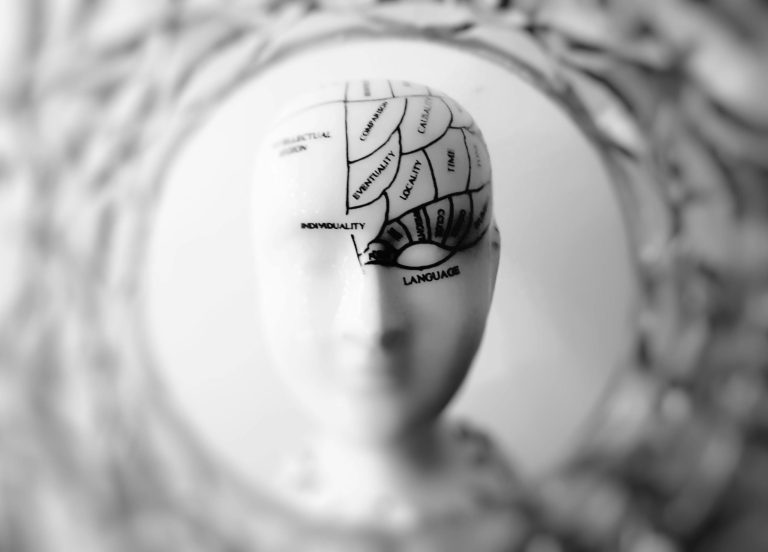
Procrastination tools work best when they match how your brain actually processes pressure, not how productivity culture thinks it should. For introverts and highly sensitive people, the standard advice about timers, accountability partners, and hustle-based systems often creates more friction than it removes. What helps is finding tools that work with your wiring, not against it.
Running advertising agencies for over two decades, I watched smart, capable people stall on projects that should have been straightforward. Some of them were extroverts who needed more noise and momentum to get moving. Others, the ones who looked like me, needed something quieter and more intentional. I was one of them, though it took me years to admit it.
Procrastination for introverts and highly sensitive people is rarely about laziness. More often, it’s about overwhelm, perfectionism, fear of judgment, or a nervous system that needs specific conditions before it can settle into focused work. The tools that help aren’t magic. They’re just better fits for the way certain minds operate.
If you’re exploring the emotional and psychological side of introvert wellbeing alongside the practical, our Introvert Mental Health Hub covers the full landscape, from sensory sensitivity to emotional processing to the patterns that quietly shape how we work and rest.

Why Do Introverts and Highly Sensitive People Procrastinate Differently?
Most procrastination frameworks assume that the problem is motivation. Get excited enough, add enough external pressure, and you’ll start. For some people, that works. For introverts and highly sensitive people, it often backfires.
Career Coaching for Introverts
One-on-one career strategy sessions with Keith Lacy. 20 years of Fortune 500 leadership as an introvert, now helping others build careers that work with their wiring.
Learn More50-minute Zoom session · $175
Elaine Aron’s work on high sensitivity describes a nervous system that processes stimuli more deeply than average. That depth is a genuine asset in many contexts. In work situations, it means noticing things others miss, thinking carefully before acting, and caring intensely about quality. It also means that environmental noise, interpersonal friction, and the weight of high stakes can create a kind of paralysis that looks like procrastination from the outside but feels like being genuinely stuck from the inside.
I managed a senior copywriter at my agency for several years who was one of the most gifted writers I’d ever worked with. She was also highly sensitive, though neither of us had that language at the time. On quiet mornings with minimal interruptions, she was extraordinary. On days when the open-plan office was loud, when client feedback had been harsh, or when a deadline felt punishing, she’d stall completely. Her procrastination wasn’t about the work. It was about her nervous system being overwhelmed before she even opened the document.
That pattern is worth understanding because it changes which tools actually help. If procrastination is rooted in sensory and emotional overwhelm, then productivity hacks designed to add urgency or social pressure will often make things worse. What’s needed instead are tools that reduce friction, create safety, and give the brain permission to settle.
There’s also a perfectionism thread running through a lot of introvert and HSP procrastination. The relationship between perfectionism and avoidance is well documented in psychological literature. When the internal standard is impossibly high, starting feels dangerous because starting means potentially failing. Not starting keeps the possibility of a perfect outcome alive, at least in theory. It’s a form of self-protection that quietly destroys productivity.
What Makes a Procrastination Tool Actually Work for This Wiring?
Before getting into specific tools, it’s worth naming what makes something useful for introverted and highly sensitive people specifically. Not every productivity system qualifies.
Effective procrastination tools for this group tend to share a few qualities. They reduce decision fatigue rather than adding more choices. They create structure without creating noise. They allow for solitary work rather than requiring social accountability. And they address the emotional component of stalling, not just the logistical one.
That last point matters more than most productivity content acknowledges. Many introverts and HSPs who struggle with procrastination aren’t struggling with time management. They’re struggling with anxiety, perfectionism, or the emotional weight of a task that feels loaded. A tool that ignores that layer will only get you so far.
At my agency, I eventually learned to separate task management from emotional readiness. I could have the most organized project board in the world, and still find myself unable to write a strategic brief because I was carrying unprocessed tension from a difficult client call. The organizational tool wasn’t the problem. The missing piece was something that helped me process and set down what I was carrying before I tried to work.

Which Task Management Tools Fit an Introvert’s Brain?
Task management is the most obvious category of procrastination tools, and it’s where most people start. The challenge is that many popular systems were designed with extroverted, high-stimulus preferences in mind. They’re colorful, social, notification-heavy, and built around team visibility. For introverts, that environment can become its own source of distraction.
A few tools stand out as genuinely well-suited to quieter, more internal ways of working.
Notion
Notion works well for introverts because it’s deeply customizable and quiet. You build your own system rather than conforming to someone else’s workflow. There are no mandatory social features, no gamification pressure, and no built-in urgency. You can create a task database that looks and behaves exactly the way your brain needs it to, whether that means a simple daily list or a layered project system with linked databases and status tracking.
What I appreciate about Notion is that it respects the introvert tendency toward systems thinking. It doesn’t just hold your tasks. It lets you build a thinking environment, which is a meaningful distinction for people who process information deeply before acting on it.
Todoist
For people who want something simpler, Todoist offers a clean, low-noise interface with strong prioritization features. The natural language input (typing “finish proposal Friday” and having it auto-schedule) reduces friction at the point of capture, which matters because introverts often resist systems that require too many steps to add a task.
Todoist also has an offline mode and minimal social features by default, which keeps it from becoming a source of interruption. That matters more than most productivity reviews acknowledge.
Analog Systems
Digital tools aren’t always the answer. Many introverts and HSPs find that writing tasks by hand creates a different kind of cognitive engagement, one that feels more deliberate and less reactive. Bullet journaling, in particular, has developed a strong following among people who want a flexible, personal system that doesn’t depend on software.
The physical act of writing can also serve as a transition ritual, a way of moving from scattered thinking into focused intention. That transition matters enormously for people whose procrastination is rooted in feeling mentally unready rather than organizationally unprepared.
How Do Focus and Flow Tools Help With Procrastination?
Getting started is often the hardest part. Once an introvert is genuinely in a task, the depth of focus can be remarkable. The challenge is creating the conditions for that entry point, especially when the nervous system is unsettled or the task feels emotionally charged.
Focus tools address the environment and the rhythm of work rather than the organization of tasks. They’re often the missing piece for people who have perfectly organized to-do lists but still can’t seem to begin.
The Pomodoro Technique (and Its Variations)
The standard Pomodoro approach, 25 minutes of focused work followed by a 5-minute break, works for some introverts and not others. The appeal is that it makes starting feel less permanent. You’re not committing to finishing the whole project. You’re committing to 25 minutes, which is psychologically much easier.
The limitation is that many introverts enter deep focus states that a 25-minute timer actively disrupts. A better variation for deep-focus workers is the 52/17 rhythm, popularized by productivity research from the Draugiem Group, which found that the most productive people tended to work in roughly 52-minute blocks with 17-minute breaks. That longer block respects the introvert tendency toward sustained, uninterrupted concentration.
Apps like Forest, Focus@Will, and Be Focused let you customize these intervals and add ambient sound layers that mask distracting noise without creating overstimulation. Forest, in particular, has a gentle visual metaphor (growing a digital tree during focus time) that appeals to many HSPs who respond to meaning-based motivation rather than performance metrics.
Ambient Sound Tools
Environmental noise is a significant procrastination trigger for highly sensitive people. Open offices, household sounds, and unpredictable interruptions can make it nearly impossible to settle into work. Ambient sound tools create a consistent sonic environment that masks irregularity without adding stimulation.
Brain.fm uses music specifically engineered for focus, with rhythmic patterns designed to encourage sustained attention. Noisli lets you layer sounds (rain, coffee shop, white noise) to create a custom environment. Some people find that a consistent sound profile becomes a conditioned cue for focus, something the brain learns to associate with work mode over time.
I started using ambient sound tools during the pandemic when my home office became chaotic. What surprised me was how much of my own procrastination had been driven by acoustic discomfort that I’d never consciously identified. A consistent sound environment didn’t just block distraction. It signaled to my nervous system that it was safe to concentrate.

What Role Does Emotional Processing Play in Overcoming Procrastination?
This is the part most productivity content skips entirely, and it’s often where the real work is.
For introverts and HSPs, procrastination frequently has an emotional root. The task feels loaded with potential judgment, the project carries the weight of past failure, or the work requires engaging with something that brings up anxiety or self-doubt. No timer app addresses that. What does address it is building an emotional processing practice alongside your productivity tools.
Understanding how HSPs process emotions is genuinely useful here. The tendency to feel deeply and process thoroughly isn’t a flaw to be managed. It’s a characteristic that requires specific support. When that processing doesn’t happen, emotions don’t disappear. They become background noise that makes focused work impossible.
Journaling as a Procrastination Tool
Morning pages, the practice of writing three pages of unfiltered stream-of-consciousness text before starting work, originated with Julia Cameron’s “The Artist’s Way” and has become a staple for creative professionals. For introverts and HSPs, it functions as a kind of mental clearing. You’re externalizing the internal noise before it can interfere with focused work.
I’ve used a version of this practice for years, though mine is less structured than Cameron’s original. On mornings when I’m carrying something, a difficult decision, residual tension from a meeting, or vague anxiety about a project, writing for ten to fifteen minutes before opening any work tools makes a measurable difference in my ability to start. It’s not therapy. It’s maintenance.
Anxiety and the Avoidance Loop
Procrastination and anxiety have a well-documented relationship. The National Institute of Mental Health describes avoidance as a core feature of anxiety responses, and many people who identify as chronic procrastinators are actually managing unrecognized anxiety. The avoidance provides temporary relief, which reinforces the behavior, which deepens the pattern over time.
For HSPs, this loop can be particularly persistent because the anxiety itself tends to be more intense and harder to dismiss. A task that triggers even mild anxiety can feel genuinely threatening to a nervous system calibrated for deep sensitivity. Recognizing that pattern is the first step toward interrupting it.
Tools like Woebot (an AI-based cognitive behavioral therapy companion) or structured self-reflection apps like Reflectly can help identify the emotional triggers behind specific procrastination patterns. They’re not replacements for therapy, but they can surface patterns that are otherwise invisible.
How Does Perfectionism Show Up as Procrastination, and What Helps?
Perfectionism is one of the most common drivers of procrastination in introverts and HSPs, and it’s one of the most misunderstood. From the outside, perfectionism looks like high standards. From the inside, it often feels like paralysis.
The pattern works like this: the internal standard is set impossibly high, starting the task means risking not meeting that standard, not starting protects the possibility of eventual perfection, and time passes while nothing gets done. It’s a form of self-protection that the logical mind knows is counterproductive but the emotional mind can’t seem to override.
Breaking out of the perfectionism trap requires both mindset work and structural tools. On the structural side, a few approaches consistently help.
The “Good Enough” Draft Method
Creating a named, intentional first draft that is explicitly not supposed to be good removes the performance pressure from the starting point. Some people call this a “zero draft,” others call it a “brain dump,” but the principle is the same: give yourself permission to produce something imperfect as a way of getting the material out of your head and onto the page.
In agency work, I used to frame this as “thinking out loud in writing.” When a strategic brief was blocking me, I’d open a blank document and write a paragraph that started with “What I’m actually trying to say here is…” and just keep going. It wasn’t the brief. It was the thinking behind the brief. And nine times out of ten, the brief wrote itself from there.
Constraint-Based Starting
Giving yourself a deliberately limited starting constraint can also break the perfectionism paralysis. Instead of “write the proposal,” the task becomes “write the opening paragraph in ten minutes without editing.” The constraint makes the task finite and low-stakes, which is often enough to get the nervous system to cooperate.
This works because perfectionism feeds on open-ended possibility. When the task has no boundaries, the internal standard expands to fill all available space. Constraints shrink that space to something manageable.

What About the Social Dimension of Procrastination Tools?
Most mainstream procrastination advice leans heavily on social accountability. Tell someone your goals. Find an accountability partner. Join a group. Do “body doubling” where you work alongside another person. For extroverts, this kind of social scaffolding provides genuine energy and motivation.
For many introverts, it creates a different problem entirely.
Social accountability adds a layer of performance pressure that can make the original procrastination worse. Now you’re not just worried about the task. You’re worried about what your accountability partner will think if you don’t complete it. That added weight can tip a manageable anxiety into genuine avoidance.
That said, some social tools do work for introverts when they’re structured correctly. The key distinction is between tools that require real-time social interaction and tools that offer a sense of community without the pressure of being observed.
Focusmate, for example, pairs you with a stranger for a 50-minute video co-working session. You each state your goal at the start and check in at the end. There’s no conversation during the session, no judgment, and no ongoing relationship. Many introverts find this format works precisely because it’s bounded and anonymous. The social element is minimal enough to feel safe, and the mild external presence is enough to reduce the isolation that sometimes enables avoidance.
It’s worth noting that the empathic sensitivity many HSPs carry can make traditional accountability partnerships exhausting. When you’re deeply attuned to another person’s reactions, the accountability relationship can become about managing their feelings rather than your own productivity. Choosing lower-stakes, less intimate forms of social support often works better.
How Do You Handle Procrastination Rooted in Fear of Judgment?
Fear of judgment is a specific flavor of procrastination that shows up frequently in introverts and HSPs, and it deserves its own attention. This is the procrastination that happens not because a task is difficult, but because the task involves being seen, evaluated, or potentially criticized.
Submitting work for review. Sending a pitch. Publishing something publicly. Sharing a creative project. These tasks can trigger a stalling response that has nothing to do with the work itself and everything to do with the anticipated response to it.
For highly sensitive people, the anticipation of criticism can feel as viscerally uncomfortable as the criticism itself. Processing and healing from rejection is a real skill that takes time to develop, and building that capacity is part of what makes these procrastination patterns less powerful over time.
On the practical side, a few tools and approaches help with judgment-based procrastination specifically.
Separating creation from submission is one of the most effective. You finish the work completely before you allow yourself to think about who will see it. This keeps the creative process protected from the evaluative anxiety that comes with imagining an audience. The work gets done first. The fear gets addressed second.
Another approach is building a “minimum viable version” framework into your process. Instead of aiming for a finished, polished piece before sharing, you define the smallest version of the work that would be genuinely useful, and share that. This lowers the stakes of each individual submission and builds the muscle of tolerating external response over time.
I spent years in agency pitches watching creative teams stall on presentations because they were terrified of client judgment. The teams that consistently delivered on time weren’t the ones with the most confidence. They were the ones who had developed a process that separated making from presenting. They’d built a structural wall between the vulnerable act of creation and the exposed act of showing it.
What Does a Sustainable Anti-Procrastination System Look Like?
Individual tools are useful. A system that combines them thoughtfully is more useful still. For introverts and HSPs, a sustainable anti-procrastination system typically has a few layers.
An environmental layer addresses the physical and sensory conditions of your workspace. This might include ambient sound tools, a designated work space that signals focus mode, and deliberate management of notification settings. The goal is reducing the friction that comes from an environment that isn’t calibrated to your nervous system.
An organizational layer holds your tasks and priorities in a system you trust. Whether that’s Notion, Todoist, a bullet journal, or something else, the system needs to be simple enough that maintaining it doesn’t become its own form of procrastination. Many introverts over-engineer their organizational systems and then spend more time tending the system than doing the work.
An emotional layer creates space for processing before working. Morning pages, a brief meditation, a short walk, or even a few minutes of deliberate breathing can serve as a transition ritual that moves you from reactive mode into focused mode. This layer is the one most productivity systems ignore entirely, and it’s often the most important one for sensitive, internally-oriented people.
A rhythm layer structures your work time in blocks that respect your natural focus patterns. This might mean longer uninterrupted work sessions than the standard Pomodoro, deliberate breaks that involve genuine rest rather than social media scrolling, and protection of your highest-energy hours for your most demanding tasks.
The relationship between self-regulation and task completion is well established in psychological research. What matters is building habits that support your specific regulatory needs rather than borrowing habits designed for a different kind of nervous system.
One more thing worth naming: the system you build should be forgiving. Introverts and HSPs are often harder on themselves than any external critic would be. A system that punishes missed days or incomplete streaks will eventually become something to avoid rather than something to use. Build in recovery without self-judgment, because self-judgment is just another form of procrastination fuel.

Are There Times When Procrastination Is Actually Useful?
This question doesn’t get asked enough. The assumption in most productivity content is that procrastination is always a problem to be solved. For introverts and HSPs, that framing misses something important.
Some delay is incubation. When an introvert appears to be procrastinating on a complex decision or a creative problem, they may actually be doing necessary internal processing. The work is happening. It’s just not visible. Forcing premature action on tasks that benefit from this kind of quiet gestation can produce worse outcomes than allowing the natural rhythm to play out.
The research on cognitive processing styles suggests that people vary significantly in how much internal preparation they need before external action becomes productive. For deep processors, that internal phase isn’t wasted time. It’s part of the work.
The distinction worth making is between productive incubation and avoidance rooted in fear or overwhelm. Incubation feels like quiet thinking. Avoidance feels like dread. Learning to tell the difference is a skill, and it’s one that becomes more reliable with practice and self-knowledge.
There’s also a legitimate argument that some tasks simply shouldn’t be done, and that what looks like procrastination is actually good judgment about priorities. Not every item on a to-do list deserves to be completed. Some of them deserve to be deleted. If you find yourself consistently avoiding a particular type of task, it’s worth asking whether the task itself is misaligned with your values or strengths, rather than assuming the problem is your willingness to do it.
The American Psychological Association’s work on resilience points to self-awareness as a foundational component of adaptive functioning. Knowing your own patterns well enough to distinguish between productive delay and harmful avoidance is a form of that self-awareness in practice.
Procrastination is rarely just one thing. For introverts and HSPs especially, it sits at the intersection of sensitivity, perfectionism, anxiety, depth of processing, and the particular kind of courage it takes to do visible work in a world that often rewards extroverted momentum over quiet depth. The tools that help are the ones that honor that complexity rather than flattening it.
There’s much more to explore about how introvert mental health shapes the way we work, rest, and relate. Our Introvert Mental Health Hub brings together articles on sensitivity, anxiety, emotional depth, and the patterns that quietly define introvert wellbeing.
About the Author
Keith Lacy is an introvert who’s learned to embrace his true self later in life. After 20 years in advertising and marketing leadership, including running agencies and managing Fortune 500 accounts, Keith now channels his experience into helping fellow introverts understand their strengths and build fulfilling careers. As an INTJ, he brings analytical depth and authentic perspective to every article, drawing from both professional expertise and personal growth.
Frequently Asked Questions
What are the best procrastination tools for introverts?
The most effective procrastination tools for introverts tend to be low-noise, customizable, and designed for solitary work. Notion and Todoist work well for task management. Focus@Will and Brain.fm help create consistent sound environments for deep work. Journaling tools support the emotional processing that often underlies introvert procrastination. The best system combines an organizational layer, a focus layer, and an emotional processing practice, because introvert procrastination is rarely just about task management.
Why do highly sensitive people procrastinate more than others?
Highly sensitive people don’t necessarily procrastinate more, but they often procrastinate for different reasons. Their nervous systems process stimuli more deeply, which means environmental overwhelm, emotional weight, and fear of judgment can create genuine paralysis rather than simple laziness. Perfectionism is also common in HSPs, and the combination of high internal standards and deep sensitivity to criticism can make starting a task feel genuinely threatening. Recognizing these specific drivers makes it possible to choose tools that address the actual cause rather than just the symptom.
Does the Pomodoro Technique work for introverts?
It depends on the individual. The standard 25-minute Pomodoro interval can actually disrupt the deep focus states that many introverts naturally enter. A better variation for introverts is a longer work block, somewhere in the range of 45 to 90 minutes, followed by a genuine break that allows for real mental recovery. The core principle of making starting feel less permanent is genuinely useful for introverts. The specific timing often needs adjustment to fit how introvert focus actually works.
Is procrastination sometimes a sign of something deeper?
Yes, frequently. Chronic procrastination can be a surface expression of anxiety, perfectionism, fear of judgment, or unprocessed emotional weight. For introverts and HSPs, it can also signal that the task itself is misaligned with values or strengths, that the work environment is creating too much sensory friction, or that the nervous system needs more transition time than the schedule allows. When procrastination is persistent and distressing, it’s worth exploring the emotional and psychological layer rather than just adding more productivity tools.
How do I stop procrastinating when perfectionism is the problem?
Perfectionism-driven procrastination responds well to structural approaches that lower the stakes of starting. Creating an explicit “zero draft” or “brain dump” document that is not supposed to be good removes the performance pressure from the initial work. Using time constraints (ten minutes on a single paragraph, for example) shrinks the task to something the perfectionist brain can tolerate. Over time, building a practice of sharing minimum viable versions of work builds tolerance for external response and reduces the grip of the internal standard that makes starting feel so dangerous.