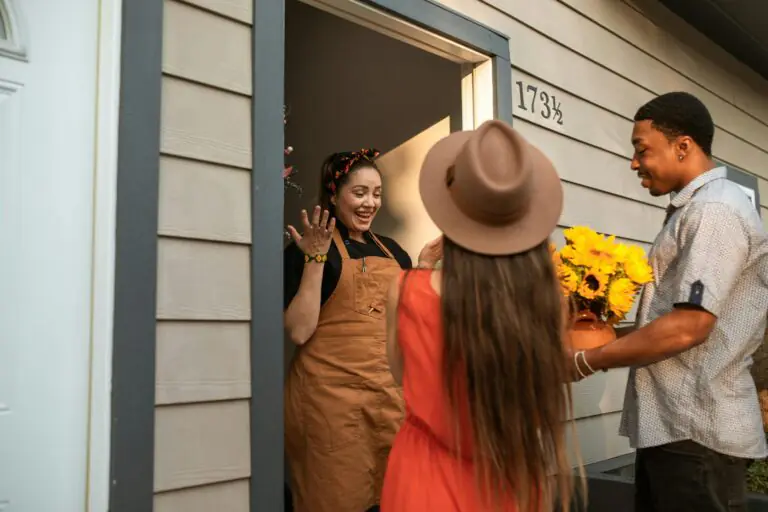

Mindful moments are small, intentional pauses in family life where presence replaces performance, and connection replaces noise. For introverts parenting in a world that rewards volume and constant stimulation, these quiet pockets of awareness can become the foundation of genuinely close family relationships.
They don’t require meditation cushions or structured rituals. A mindful moment might be sitting beside your child while they draw, saying nothing, just being there fully. Or noticing the way your partner’s shoulders drop when they finally feel heard. Small. Real. Enough.

If you’re exploring how introversion shapes the way you show up for your family, our Introvert Family Dynamics and Parenting Hub covers the full range of these experiences, from raising sensitive children to managing the emotional weight that comes with being the quiet one in a loud household. This article adds a specific layer to that conversation: how mindfulness, practiced in a way that fits an introverted nervous system, can quietly transform the quality of your family relationships.
Why Do Introverts Process Family Life Differently?
My mind has always worked in layers. When something happens in a room, I don’t just register the surface event. I’m tracking tone, subtext, body language, the thing someone almost said but didn’t. Running advertising agencies for two decades, I watched this play out constantly. While extroverted colleagues were already pitching the next idea, I was still processing what the client’s hesitation in the previous meeting actually meant. That depth of processing wasn’t a liability. It was often the thing that saved us from expensive mistakes.
Career Coaching for Introverts
One-on-one career strategy sessions with Keith Lacy. 20 years of Fortune 500 leadership as an introvert, now helping others build careers that work with their wiring.
Learn More50-minute Zoom session · $175
At home, that same wiring shows up differently. I notice when one of my kids is quieter than usual at dinner. I pick up on tension between family members before anyone names it. I feel the emotional texture of a room without needing anyone to explain it. The National Institutes of Health has explored how temperament, including introversion, appears early and persists across a lifetime, which means this isn’t something we grow out of or learn to suppress. It’s the architecture of how we experience the world.
That architecture makes mindfulness feel natural to many introverts, even if we’ve never formally practiced it. We’re already inclined toward internal observation. What mindful moments add is intention. Instead of passively absorbing the emotional atmosphere of family life, we begin choosing where to place our attention, and that choice changes everything.
Understanding your own personality profile can sharpen this awareness considerably. Tools like the Big Five Personality Traits Test can help you see where your tendencies toward openness, conscientiousness, or emotional sensitivity sit on the spectrum, giving you a clearer picture of why certain family dynamics feel more draining or more natural to you than they might to someone wired differently.
What Does a Mindful Moment Actually Look Like in a Family Setting?
Forget the version of mindfulness that requires thirty minutes of silence and a dedicated app. That model was never designed for a household with children, competing schedules, and the general beautiful chaos of family life. Mindful moments in a family context are something much smaller and far more sustainable.
One of the most powerful shifts I made as a parent was learning to pause before reacting. Not dramatically. Not with a deep breath and a visible performance of calm. Just a half-second of internal space between stimulus and response. In my agency days, I trained myself to do this in client meetings when someone said something that landed wrong. That same pause, brought home, changed the quality of conversations I had with my kids during difficult moments.

A mindful moment might look like:
- Putting your phone face-down when your child starts talking, even if what they’re saying seems small
- Making eye contact during a meal instead of watching a screen
- Noticing your own emotional state before entering a difficult conversation with a partner
- Sitting in comfortable silence with someone you love without feeling the need to fill it
- Asking one genuine question and actually listening to the full answer before forming your reply
None of these require special training. They require attention, which is something introverts often have in abundance once we stop apologizing for the way we naturally operate.
For parents who are also highly sensitive, the emotional texture of these moments carries additional weight. HSP Parenting: Raising Children as a Highly Sensitive Parent explores how that heightened sensitivity shapes the parenting experience, including the way mindful presence can feel both more natural and more exhausting for parents who absorb emotional input deeply.
How Does Mindful Presence Affect Children’s Emotional Development?
Children are extraordinarily good at detecting authenticity. They know the difference between a parent who is physically present and one who is actually there. That distinction matters more than most parenting advice acknowledges.
When I was building my first agency, I made the mistake many ambitious people make: I was technically home but mentally still at the office. My body was at the dinner table. My mind was running through campaign metrics and client concerns. My kids registered that absence even when they couldn’t name it. It took me longer than I’d like to admit to understand that the quality of my attention was more valuable than the quantity of my physical presence.
What shifted things wasn’t a dramatic overhaul of my schedule. It was learning to create small windows of genuine attention. Ten minutes of full presence after school, actually listening rather than half-listening while checking email, built more trust than hours of distracted proximity. Children internalize the experience of being truly seen. That internalization shapes how they understand their own worth and how safe they feel expressing emotion.
The American Psychological Association has long recognized that early relational experiences, including the quality of attunement between parent and child, play a significant role in emotional regulation and long-term wellbeing. Mindful presence is one of the most direct ways a parent can provide that attunement, and it costs nothing except intention.
For introverted parents, this is actually a natural strength. We tend to listen more carefully than we speak. We notice nuance. We’re comfortable with silence in a way that allows children to fill that space with what they actually need to say, rather than what they think we want to hear.
Can Mindfulness Help Introverts Recover From Family Overstimulation?
One of the most honest conversations we can have about introvert family life is the reality of overstimulation. Family environments, especially with young children or in multigenerational households, generate a constant stream of sensory and emotional input. For introverts, that stream doesn’t just tire us out. It can genuinely deplete us in ways that affect our patience, our warmth, and our ability to be present for the people we love most.

I remember a period during a major agency pitch cycle when I was managing a team of twelve, fielding calls from three different Fortune 500 clients, and coming home to the full energy of family evenings. I wasn’t just tired. I was running on empty in a way that made me short-tempered and emotionally flat. My family got the worst version of me precisely because I hadn’t protected any space for genuine recovery.
Mindfulness, in this context, isn’t just about being present with others. It’s equally about being present with yourself. Recognizing the early signals of depletion, a tightening in the chest, a growing irritability, a flattening of emotional warmth, before they escalate into behavior you’ll regret. That self-awareness is a form of mindfulness that protects your family relationships as much as it protects you.
Small recovery rituals matter enormously. Five minutes alone before re-entering the household after work. A brief walk around the block. Even sitting in a parked car for three minutes of silence before going inside. These aren’t indulgences. They’re maintenance for the nervous system, and they make you genuinely more available to your family when you do walk through the door.
If you’ve ever wondered whether your emotional exhaustion in family settings might have deeper roots, tools like the Borderline Personality Disorder Test can help distinguish between introvert depletion and patterns of emotional dysregulation that might benefit from professional support. Knowing the difference matters.
How Do Mindful Moments Strengthen Introvert Partnerships?
Romantic partnerships within families carry their own particular weight. Whether you’re paired with another introvert or with an extroverted partner, the quality of your daily interactions shapes the emotional climate of your entire household. And for introverts, the challenge is often not a lack of depth in connection, but a lack of visible demonstration of it.
Extroverted partners sometimes interpret an introvert’s quiet as withdrawal. Introverted partners sometimes feel overwhelmed by a partner’s need for constant verbal engagement. 16Personalities explores the hidden dynamics in introvert-introvert relationships, including the ways two deeply internal people can drift into parallel isolation without either partner intending it.
Mindful moments bridge that gap without requiring anyone to become someone they’re not. A simple, genuine check-in at the end of the day, not a performance of connection but an actual moment of curiosity about how the other person is doing, can maintain intimacy without draining either partner. The point isn’t to manufacture warmth. It’s to create small, consistent opportunities for real contact.
I’ve watched this dynamic play out in my own life. My natural tendency is to process internally and share conclusions rather than process out loud. That works well in strategic planning. In a partnership, it can read as closed-off. What I’ve learned is that brief, genuine moments of sharing, not comprehensive emotional disclosure, just a real moment of being seen, do more for relational health than any amount of structured “communication time.”
Being likeable within a family isn’t about being the loudest or most expressive person in the room. The Likeable Person Test touches on this, exploring how qualities like genuine interest in others, consistency, and warmth often matter more than social charisma. Introverts tend to score well on these dimensions when they’re operating from their natural strengths rather than performing extroversion.
What Role Does Self-Awareness Play in Mindful Family Dynamics?
Self-awareness is the engine beneath all of this. Without it, mindfulness becomes a technique rather than a way of being. With it, even imperfect moments of presence carry genuine meaning.

As an INTJ, self-awareness has always come more naturally to me in professional contexts than personal ones. I could analyze a team dynamic or a business strategy with precision. Applying that same analytical clarity to my own emotional patterns took considerably longer. What eventually helped was recognizing that the skills were the same. Observation. Pattern recognition. Willingness to question assumptions, including assumptions about myself.
In family life, self-awareness means knowing your triggers before they fire. It means understanding why certain family interactions leave you depleted while others energize you. It means recognizing when you’re showing up as your best self and when you’re running on fumes and need to be honest about that.
It also means understanding the people you love well enough to meet them where they are. I once managed a creative director on my team who was deeply empathic, absorbing the emotional state of every room she walked into. Watching her work taught me something important: her attunement to others was a genuine skill, not a weakness, but it required deliberate management to avoid burnout. The same is true for introverted parents and partners. Your sensitivity to others is a gift. Managing it consciously is what keeps it from becoming a burden.
Caring for others well, whether as a parent, partner, or family member, requires a certain kind of sustained emotional and practical attention. Resources like the Personal Care Assistant Test Online can offer a window into the qualities that make someone effective in caregiving roles, many of which overlap with the natural strengths introverts bring to family life: patience, attentiveness, and the ability to read what someone needs without being told.
How Can Introverts Build Mindful Family Rituals Without Feeling Performative?
The word “ritual” can feel heavy. It implies structure, consistency, and a kind of intentionality that can start to feel like another item on an already full list. But family rituals don’t need to be elaborate to be meaningful. Some of the most powerful ones are almost invisible.
In my household, one of the most consistent rituals we developed wasn’t planned. It grew out of a habit I started during a particularly overwhelming stretch of work, stepping outside for a few minutes each evening before dinner. Eventually, my kids started joining me. We didn’t talk much. We just stood in the yard, watched whatever was happening in the sky, and let the day decompress. That became something they looked forward to. Something that, years later, they still mention.
Mindful family rituals work best when they emerge from what already feels natural rather than from what looks good on paper. Consider what already creates a sense of calm or connection in your household, and protect that thing deliberately. Maybe it’s reading together before bed. Maybe it’s cooking a meal together on Sundays. Maybe it’s a weekly walk where conversation is optional.
The research on family dynamics from Psychology Today consistently points to the importance of predictable positive interactions in building secure family relationships. Rituals create that predictability. They signal to every member of the family that certain moments are protected, that connection isn’t just something that happens when everything else is handled.
For introverts, the beauty of these rituals is that they don’t require performance. They require presence. And presence, quiet and genuine, is something we’re often better at than we give ourselves credit for.
Physical wellbeing also feeds into this. A depleted body makes mindful presence nearly impossible. I’ve watched people in high-demand roles, including many on my agency teams, neglect their physical health until it compromised everything else. The Certified Personal Trainer Test speaks to the kind of structured, sustained attention to physical care that supports mental and emotional resilience over time. For introverted parents especially, that resilience is what makes sustained mindful presence possible.
What Happens When Mindfulness Meets Family Conflict?
Family conflict is inevitable. The question isn’t whether it will happen but what you do in the moment before you respond. For introverts, who often process conflict internally and prefer to think before speaking, the challenge is that family life rarely offers the luxury of extended reflection time. Someone needs a response now. The situation is heated. The pressure to react is immediate.

What mindfulness offers in conflict isn’t a solution. It offers a pause. That pause, even a brief one, creates enough space to choose your response rather than simply react from whatever emotional state you’re in. In my experience managing teams through high-stakes situations, the leaders who handled conflict most effectively weren’t the ones with the fastest responses. They were the ones who could hold a beat of internal stillness before speaking. That quality is available to anyone willing to practice it.
In family conflicts, that pause might mean saying “give me a moment” before responding to something that’s landed hard. It might mean noticing the physical sensation of anger or hurt before letting it drive your words. It might mean asking a clarifying question rather than assuming you understand what the other person meant.
Blended families, in particular, face layers of complexity that make mindful conflict management especially valuable. Psychology Today’s overview of blended family dynamics captures how the intersecting histories, loyalties, and expectations in these households create conflict patterns that require patience and genuine attentiveness to work through. Mindful presence doesn’t eliminate that complexity. It gives you a better chance of moving through it without causing additional damage.
There’s also something worth naming about repair. Mindful moments after conflict matter as much as mindfulness during it. The ability to return to someone after a difficult exchange and acknowledge what happened, without defensiveness and without requiring the other person to validate your experience first, is one of the most powerful relational skills available. It’s also one that introverts, with our capacity for reflection, are often well-positioned to develop.
Attachment patterns developed in early family life often shape how we handle conflict and repair as adults. Research published in PubMed Central has examined how early relational experiences influence emotional regulation across the lifespan, which is a useful frame for understanding why some family conflicts feel disproportionately charged. Mindfulness helps create enough internal space to respond to what’s actually happening now rather than to old patterns being triggered by the present moment.
How Do You Sustain Mindful Presence When Life Gets Loud?
Consistency is the hardest part. Not because mindful moments are difficult in themselves, but because life has a way of filling every available space with urgency. There’s always another demand, another notification, another thing that feels more immediately pressing than the quality of your attention.
I’ve learned to treat mindful presence the way I treated strategic planning in my agency years: not as something that happens when everything else is handled, but as something that gets protected time because it matters. The difference is that strategic planning had a calendar slot and a conference room. Mindful presence has to be woven into the fabric of ordinary moments, which means it requires a different kind of discipline.
A few things that have actually helped, not in theory but in practice. First, lowering the bar for what counts. A mindful moment doesn’t have to be transcendent. It just has to be real. Second, anchoring mindfulness to existing routines rather than adding it as a separate activity. The transition from work to home, the first few minutes of a shared meal, the moment before lights out with a child. These are natural anchors that don’t require additional time, just a shift in quality of attention. Third, being honest with yourself and your family when you’re depleted. Pretending to be present when you’re running on empty doesn’t serve anyone. Naming it honestly, and then taking the small recovery step needed to return, is more respectful than performing engagement you don’t have.
There’s also something worth acknowledging about the long arc of this. Mindful family relationships aren’t built in a single meaningful conversation or a perfectly executed ritual. They’re built in the accumulation of small moments over years. The child who remembers that you always put your phone down when they talked to you. The partner who knows you’ll actually hear them when they need to be heard. The family culture that says presence matters more than performance.
Personality science adds useful texture to understanding why this matters so differently for different people. Additional research from PubMed Central on personality and relational wellbeing points to the ways individual differences in emotional processing shape how people experience and maintain close relationships. For introverts, understanding those differences isn’t an excuse for withdrawal. It’s a map for building connection in ways that are actually sustainable.
The families that feel most connected aren’t necessarily the loudest or the most socially active. They’re often the ones where people feel genuinely known. Where quiet is comfortable. Where presence doesn’t have to announce itself to be felt. That’s the kind of family culture an introverted parent, operating from their actual strengths rather than someone else’s template, is remarkably well-suited to create.
If this conversation resonates, there’s much more to explore. Our Introvert Family Dynamics and Parenting Hub brings together a range of perspectives on how introverts experience family life, from parenting challenges to partnership dynamics to the particular texture of growing up introverted in an extroverted world.
About the Author
Keith Lacy is an introvert who’s learned to embrace his true self later in life. After 20 years in advertising and marketing leadership, including running agencies and managing Fortune 500 accounts, Keith now channels his experience into helping fellow introverts understand their strengths and build fulfilling careers. As an INTJ, he brings analytical depth and authentic perspective to every article, drawing from both professional expertise and personal growth.
Frequently Asked Questions
What are mindful moments in the context of family relationships?
Mindful moments in family relationships are small, intentional pauses where you bring your full attention to the person in front of you rather than operating on autopilot. They don’t require formal practice or dedicated time. A mindful moment might be genuinely listening to your child without planning your response, or noticing your own emotional state before entering a tense conversation with a partner. The defining quality is real presence, not performed engagement.
Why do introverts often find mindful presence more natural than extroverts?
Introverts are already wired for internal observation and depth of processing. Where extroverts often energize through external engagement, introverts tend to process experience inwardly, noticing nuance, subtext, and emotional texture that others might miss. This makes the core skill of mindfulness, paying close attention to what’s actually happening, something many introverts do naturally. The practice of mindfulness often involves formalizing and directing an inclination that was already there.
How can introverted parents manage overstimulation while staying present for their children?
Managing overstimulation starts with recognizing the early signals before depletion becomes visible in your behavior. Small recovery rituals, a few minutes alone before re-entering the household, a brief walk, even a short period of quiet before engaging, can restore enough capacity for genuine presence. success doesn’t mean eliminate overstimulation from family life, which is rarely possible, but to create sustainable rhythms that allow you to return to presence after periods of depletion. Honesty with your family about needing recovery time is also more respectful than performing engagement you don’t actually have.
Can mindful moments help with family conflict, or is more formal communication training needed?
Mindful moments are particularly valuable in conflict because they create a pause between stimulus and response. That pause, even a brief internal one, allows you to choose your words rather than react from whatever emotional state you’re in. This doesn’t replace communication skills or professional support when patterns are deeply entrenched, but it provides an immediate, accessible tool for reducing the damage done in heated moments. The ability to notice your own emotional state before speaking is one of the most practical conflict management skills available, and it costs nothing to develop.
How do you build mindful family rituals without them feeling forced or performative?
The most sustainable family rituals grow from what already feels natural rather than from what looks good on paper. Start by identifying moments that already create calm or connection in your household and protect them deliberately. A shared meal, a walk, a few minutes outside before dinner, reading together before bed. The ritual doesn’t need to be elaborate or explicitly framed as mindfulness. What makes it meaningful is consistency and the quality of attention brought to it. When rituals emerge from genuine inclination rather than obligation, they tend to sustain themselves and become something family members genuinely look forward to.