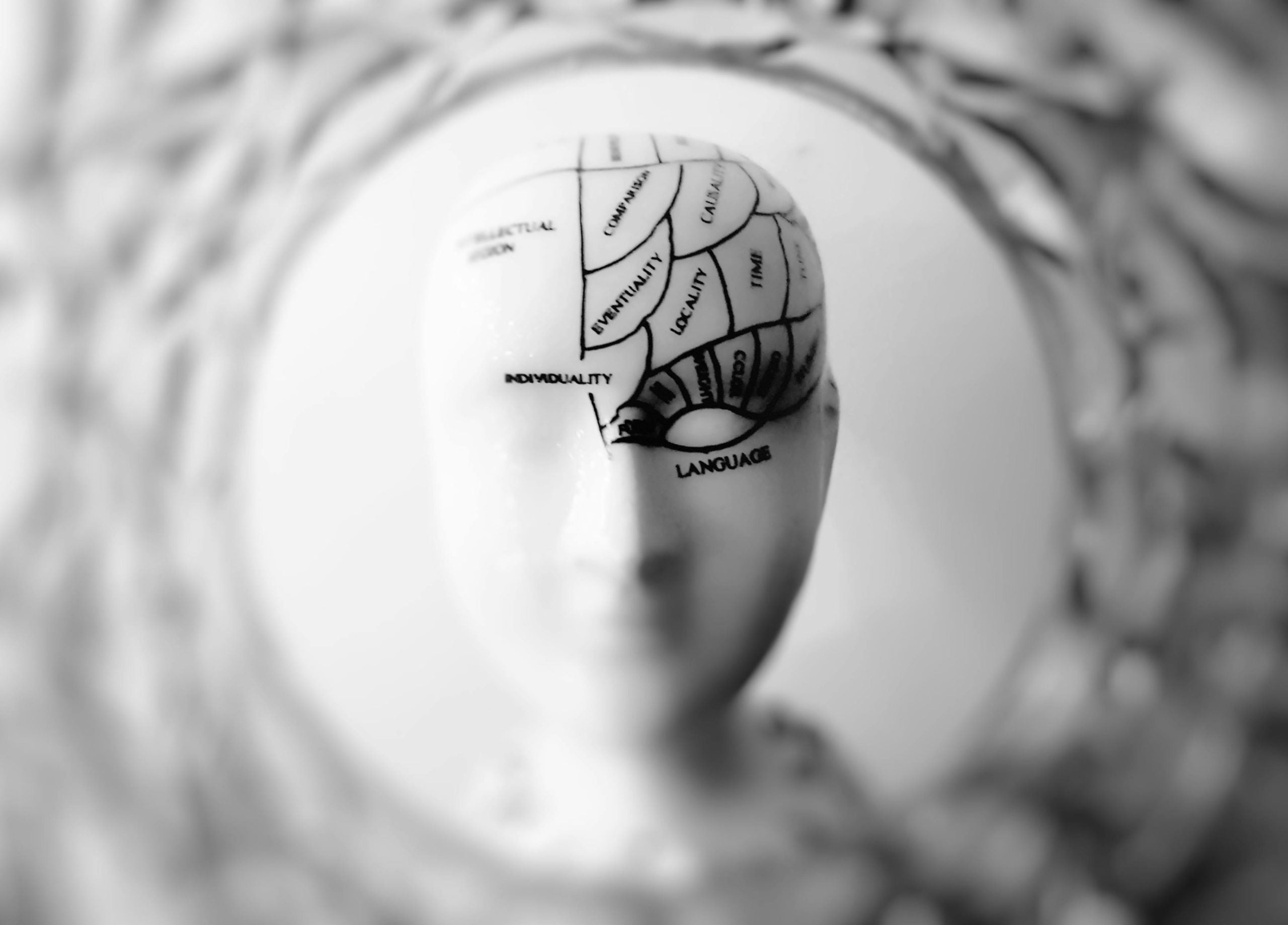
Vulnerable narcissism traits occupy a strange, uncomfortable space in personality psychology. Unlike the loud, self-aggrandizing behavior most people picture when they hear “narcissism,” vulnerable narcissism shows up quietly: as hypersensitivity to criticism, a deep need for reassurance, social withdrawal, and a fragile self-esteem masked by an internal sense of specialness. It can look remarkably like introversion from the outside, and that confusion matters more than most people realize.
Many introverts have wondered, at some low point, whether their preference for solitude or their sensitivity to criticism crosses some invisible line into something more troubling. I’ve had that thought myself. Understanding where vulnerable narcissism actually begins, and where ordinary introversion ends, is worth examining carefully, because conflating the two does real harm to people who are simply wired differently.
Our Introvert Personality Traits hub explores the full range of what it means to be an introvert, and vulnerable narcissism adds another layer to that conversation. It’s a trait pattern that intersects with introversion in ways that deserve honest, grounded attention.

What Are Vulnerable Narcissism Traits, Exactly?
Narcissism as a concept gets flattened constantly in popular culture. We use the word to mean arrogant, self-centered, or attention-hungry. That’s the grandiose end of the spectrum, the version that fills rooms and dominates conversations. Vulnerable narcissism, sometimes called covert narcissism, sits at the opposite pole in terms of presentation, though it shares the same underlying core: an excessive preoccupation with self-importance and a profound fragility around how one is perceived by others.
Career Coaching for Introverts
One-on-one career strategy sessions with Keith Lacy. 20 years of Fortune 500 leadership as an introvert, now helping others build careers that work with their wiring.
Learn More50-minute Zoom session · $175
People who exhibit vulnerable narcissism traits tend to move through the world with a quiet but persistent sense that they deserve more recognition than they receive. They feel misunderstood, undervalued, and chronically overlooked. Criticism, even gentle and well-intentioned feedback, can feel catastrophic. Social situations often produce anxiety rather than excitement, not because they prefer solitude in the way an introvert does, but because they’re hypervigilant about how they’re being evaluated.
The psychological literature distinguishes these two poles clearly. Research published in PubMed Central examining narcissism subtypes highlights that vulnerable narcissism correlates strongly with neuroticism, shame, and social avoidance, while grandiose narcissism correlates with extraversion and dominance. That distinction is important. Vulnerable narcissism doesn’t look like a person commanding a room. It looks like a person quietly seething in the corner, certain they’re more capable than anyone around them, and equally certain that no one will ever see it.
I spent over two decades running advertising agencies, and I encountered this pattern more than I expected. Not in the loud, credit-grabbing executives people typically picture, but in quieter team members who withdrew after any critical feedback, who privately believed their ideas were superior but rarely advocated for them, and who nursed grievances long after a meeting had ended. It took me years to distinguish that pattern from garden-variety introversion, partly because I was still sorting out my own introversion at the time.
How Do Vulnerable Narcissism Traits Differ From Introversion?
This is the question that matters most, and it deserves a careful answer. On the surface, several vulnerable narcissism traits can appear almost identical to common introvert character traits. Both involve social withdrawal. Both involve sensitivity. Both can produce a preference for avoiding large social gatherings. The difference lies not in the behavior itself but in the motivation underneath it.
An introvert withdraws from social situations because they’re genuinely draining. The preference for solitude comes from a real need to recharge, to process, to think without external noise. There’s no particular wound being nursed in that withdrawal. It’s simply how the nervous system operates.
Vulnerable narcissism produces social withdrawal for a different reason: protection. The person retreats because social interaction feels threatening to a fragile self-concept. They’re not recharging. They’re avoiding the risk of being seen as ordinary, criticized, or dismissed. The internal experience is fundamentally different, even when the external behavior looks similar.
Sensitivity follows the same logic. Many introverts are sensitive, and that sensitivity is often a genuine strength. Psychology Today’s exploration of empathic traits describes how deep emotional attunement allows some people to pick up on nuance, meaning, and feeling that others miss entirely. That’s a different animal from the hypersensitivity associated with vulnerable narcissism, which is specifically calibrated to perceived slights, criticism, and status threats rather than to genuine empathy for others.
Introverts who are also highly sensitive, sometimes described as having qualities more characteristic of introverts than the general population, process the world deeply and feel things intensely. That depth, though, is typically oriented outward toward understanding people and situations. Vulnerable narcissism orients that same intensity inward, toward the self and how the self is being perceived.

What Are the Core Signs of Vulnerable Narcissism?
Recognizing vulnerable narcissism traits requires looking past the surface behavior and examining the patterns underneath. Several markers show up consistently across different people who exhibit this trait cluster.
Chronic Shame and Fragile Self-Esteem
People with vulnerable narcissism traits often carry a deep, persistent sense of shame. Their self-esteem isn’t simply low in the way depression can produce, it’s volatile. It inflates when they receive admiration and collapses when they face criticism or indifference. That volatility is exhausting for everyone involved, including the person experiencing it. They need external validation to feel stable, and when it doesn’t come, they interpret the absence as confirmation of their worst fears about themselves.
Hypersensitivity to Criticism
Feedback that most people would process and move past can feel devastating to someone with vulnerable narcissism traits. I managed a senior copywriter at one of my agencies who was genuinely talented, one of the sharpest creative minds I’d worked with. But every round of client revisions felt like a personal attack to her. She’d go quiet for days after a difficult feedback session, and when she did re-engage, there was always an undercurrent of resentment. She wasn’t being dramatic for effect. The criticism genuinely registered as a threat to her identity, not just her work.
That pattern is distinct from the introvert’s tendency to need time to process feedback before responding. Introverts often prefer to think before they react, which can look like withdrawal but is actually reflection. The difference is that the introvert emerges from that reflection ready to engage. The person with vulnerable narcissism traits often emerges still nursing the wound.
A Hidden Sense of Superiority
Vulnerable narcissism doesn’t announce its sense of specialness. It keeps it internal, even secret. The person may present as modest or self-deprecating while privately believing they’re more capable, more perceptive, or more deserving than the people around them. That internal narrative runs constantly, and it shapes how they interpret every interaction. When they’re overlooked for a promotion, it’s because the system is unfair. When a colleague gets credit for an idea, it’s because that colleague is better at self-promotion, not because the idea was actually theirs.
Social Anxiety Rooted in Self-Consciousness
Social situations feel threatening because they create opportunities to be evaluated and found wanting. Someone with vulnerable narcissism traits may avoid parties, networking events, or group settings not because they find them draining in the introvert sense, but because they can’t stop monitoring how they’re being perceived. Every conversation becomes a performance review. That kind of hypervigilance is exhausting and produces genuine anxiety.
Some people who present as introverted extroverts in social settings, meaning they can perform extroversion when needed but pay a significant internal cost, may actually be experiencing this kind of self-monitoring rather than genuine introversion. The distinction matters for how they understand and address their own experience.
Difficulty With Genuine Empathy
This is one of the clearest differentiators from introversion. Many introverts are deeply empathic. They pick up on emotional undercurrents, feel others’ distress acutely, and often find social situations draining precisely because they’re absorbing so much emotional information. Vulnerable narcissism tends to produce the opposite: a self-absorption that makes it genuinely difficult to attend to others’ emotional states unless those states are directly relevant to the self.
That doesn’t mean people with vulnerable narcissism traits are incapable of kindness or care. They can be genuinely warm in one-on-one relationships, particularly when they feel secure. But their attention tends to circle back to themselves, to how they’re being perceived, whether they’re being appreciated, whether the relationship is confirming their sense of value.

Why Do Introverts Sometimes Misidentify With Vulnerable Narcissism?
The overlap between introversion and vulnerable narcissism traits is real enough that some introverts, particularly those who’ve spent years feeling misunderstood or undervalued in extrovert-centric environments, can recognize themselves in descriptions of vulnerable narcissism and feel alarmed. I want to address that directly, because the alarm is usually misplaced.
Introverts who’ve spent careers in environments that didn’t value their working style often develop some protective behaviors that can superficially resemble vulnerable narcissism traits. They may become guarded about sharing ideas after having them dismissed. They may withdraw from social situations that have repeatedly felt hostile or exhausting. They may carry some bitterness about being passed over for opportunities that went to louder, more extroverted colleagues.
Those responses are adaptive. They’re the reasonable result of operating in an environment that consistently undervalues a particular kind of intelligence. That’s different from a stable personality trait pattern rooted in narcissistic dynamics. Psychology Today notes that introversion can actually deepen with age, as people become more comfortable with their own nature and less willing to perform extroversion for social approval. That deepening can look like withdrawal to outside observers, but it’s actually a form of self-acceptance.
I went through my own version of this. In my early years running agencies, I tried hard to match the energy of extroverted leaders I admired. I pushed myself into social situations that drained me, performed enthusiasm I didn’t feel, and came home exhausted in ways I couldn’t explain at the time. When I finally stopped performing and started operating more authentically as an INTJ, some colleagues interpreted my quietness as aloofness or arrogance. That misreading stung. But the solution wasn’t to perform more extroversion. It was to understand my own nature clearly enough to explain it to others.
There are also traits that introverts share with the broader population that sometimes get pathologized unfairly. Fifteen traits introverts have that most people don’t understand include things like preferring written communication, needing time alone to think, and processing emotions internally before expressing them. None of those are signs of narcissism. They’re signs of a particular cognitive and emotional style that the world doesn’t always accommodate well.
How Does Vulnerable Narcissism Show Up in Professional Settings?
Workplaces are where vulnerable narcissism traits tend to become most visible, and most costly. The professional environment creates constant opportunities for comparison, evaluation, and status negotiation, all of which are particularly activating for someone whose self-esteem depends on external validation.
In my agency years, I saw this pattern play out in several distinct ways. The person who never took ownership of a mistake, always finding an external explanation for what went wrong. The team member who seemed collaborative in meetings but privately undermined colleagues’ ideas with key stakeholders afterward. The creative director who produced brilliant work when they felt supported and practically nothing when they felt overlooked.
That last example stays with me. He was one of the most talented people I managed, genuinely capable of work that stopped people cold. But his output was almost entirely dependent on whether he felt his contributions were being recognized. A single client meeting where the spotlight landed on someone else could derail his productivity for a week. Managing around that pattern was exhausting, and eventually unsustainable. He left the agency on his own terms, convinced he’d been undervalued, and I suspect he carried that conviction to his next role as well.
The research on personality traits in occupational contexts suggests that vulnerable narcissism can significantly affect workplace relationships, particularly when it intersects with high-stakes feedback environments like creative industries, consulting, or any field where subjective judgment plays a large role. Those environments are also, not coincidentally, ones that attract a significant number of introverts.
Understanding ambivert characteristics can also help clarify the picture in professional settings. Ambiverts, people who fall between introvert and extrovert on the spectrum, sometimes experience social flexibility that gets misread as inconsistency. Someone with vulnerable narcissism traits may present as an ambivert because they can perform extroversion when they feel admired and retreat sharply when they don’t. That inconsistency is driven by ego state, not genuine flexibility in social preference.

What Does Vulnerable Narcissism Look Like in Relationships?
Close relationships are where vulnerable narcissism traits create some of their most persistent damage, often in ways that are difficult for both parties to name clearly. The person with vulnerable narcissism traits may be genuinely loving and attentive when they feel secure and appreciated. When they feel threatened or overlooked, that warmth can disappear, replaced by withdrawal, passive resentment, or subtle manipulation.
Partners and close friends often describe a sense of walking on eggshells, not because the person is overtly aggressive, but because the emotional weather can shift without warning and the cause isn’t always obvious. A perceived slight, an unanswered text, a social situation where attention went elsewhere, any of these can trigger a withdrawal that the other person is left to decode and repair.
There’s also a pattern of emotional scorekeeping that shows up frequently. People with vulnerable narcissism traits often maintain detailed internal records of perceived slights and injustices. They remember when they weren’t thanked, when their effort wasn’t acknowledged, when someone else received credit they felt they deserved. Those records get referenced, sometimes years later, in ways that can feel disproportionate to the original event.
This is meaningfully different from the introvert’s tendency toward deep feeling and long memory. Introverts often do remember emotional events vividly and may take longer to process relational wounds. But the orientation is typically toward understanding and resolution, not toward maintaining a ledger of grievances. The psychological literature on personality and relationship satisfaction consistently identifies this kind of chronic grievance-holding as distinct from the ordinary emotional depth that characterizes many introverted individuals.
Women who identify as introverts sometimes encounter a particular version of this confusion. The female introvert characteristics that involve emotional depth, quiet self-containment, and a preference for meaningful over superficial connection can be misread by others as coldness, aloofness, or even self-absorption. That misreading can push introverted women toward questioning their own relational patterns in ways that aren’t always warranted.
Can Vulnerable Narcissism Traits Change Over Time?
Personality traits exist on spectrums and are more malleable than we once believed, particularly with awareness and deliberate effort. Vulnerable narcissism traits can moderate significantly with the right kind of psychological work, typically involving therapy that addresses the underlying shame and fragility driving the trait pattern.
The American Psychological Association’s research on personality change indicates that personality traits, while relatively stable across adulthood, do shift meaningfully in response to significant life experiences, therapeutic intervention, and deliberate self-reflection. That’s an encouraging finding for anyone who recognizes these patterns in themselves and wants to work with them honestly.
What tends to drive change is not willpower applied to surface behaviors but a genuine shift in the underlying relationship with shame and self-worth. When someone with vulnerable narcissism traits develops a more stable, internalized sense of their own value, one that doesn’t depend on constant external confirmation, the defensive behaviors that protect that fragile self-concept become less necessary. The withdrawal, the hypersensitivity, the hidden superiority, these tend to soften as the foundation becomes more secure.
That process is neither quick nor simple. But it is possible, and recognizing the pattern clearly is the necessary first step. Many people spend years attributing their relational difficulties to introversion, to being “too sensitive,” or to simply not fitting in, when the more precise explanation would open different and more productive doors.
As an INTJ, I’ve always been drawn to systems thinking, to finding the accurate model that explains the pattern. That instinct has served me well in understanding personality, including the uncomfortable parts. Getting the model right matters. Calling something introversion when it’s actually vulnerable narcissism doesn’t help the person experiencing it. And calling vulnerable narcissism introversion does a disservice to the millions of people who are simply, genuinely, wired to move through the world more quietly.

If you want to keep exploring the full landscape of introvert personality traits, including how sensitivity, depth, and social preferences actually work in introverted people, the Introvert Personality Traits hub is a good place to continue.
About the Author
Keith Lacy is an introvert who’s learned to embrace his true self later in life. After 20 years in advertising and marketing leadership, including running agencies and managing Fortune 500 accounts, Keith now channels his experience into helping fellow introverts understand their strengths and build fulfilling careers. As an INTJ, he brings analytical depth and authentic perspective to every article, drawing from both professional expertise and personal growth.
Frequently Asked Questions
What are the main vulnerable narcissism traits?
The core traits include hypersensitivity to criticism, a fragile and volatile self-esteem, social withdrawal driven by self-consciousness rather than a genuine preference for solitude, a hidden sense of superiority or specialness, difficulty sustaining genuine empathy, and a tendency to nurse grievances over perceived slights. These traits cluster together and are distinct from grandiose narcissism, which presents as overt arrogance and dominance-seeking.
How is vulnerable narcissism different from introversion?
Introversion is a stable preference for less stimulating environments and a genuine need to recharge through solitude. Vulnerable narcissism involves social withdrawal as a protective strategy against perceived evaluation and criticism. The surface behavior can look similar, but the internal motivation is fundamentally different. Introverts withdraw to restore energy; people with vulnerable narcissism traits withdraw to protect a fragile sense of self.
Can someone be both introverted and have vulnerable narcissism traits?
Yes. Introversion and vulnerable narcissism are not mutually exclusive. An introverted person can also carry narcissistic trait patterns, just as an extroverted person can. The introversion describes a social energy preference; the narcissistic traits describe a particular relationship with self-worth and external validation. When both are present, the introversion can make the narcissistic traits harder to identify because the social withdrawal seems explained by the introversion alone.
Is vulnerable narcissism a diagnosable condition?
Vulnerable narcissism is a personality trait dimension rather than a standalone diagnosis. Narcissistic Personality Disorder, as defined in the DSM-5, encompasses a range of presentations including both grandiose and vulnerable patterns. Many people exhibit vulnerable narcissism traits without meeting the threshold for a clinical diagnosis. The traits exist on a spectrum, and their impact on functioning varies considerably from person to person.
Can vulnerable narcissism traits improve with therapy?
Yes, meaningfully so. The underlying drivers of vulnerable narcissism, particularly chronic shame and an unstable sense of self-worth, respond well to therapeutic approaches that build genuine self-esteem from the inside rather than from external validation. Progress typically involves developing a more secure internal foundation so that criticism, social comparison, and perceived slights no longer feel existentially threatening. Change is possible, though it requires honest self-awareness and sustained effort.