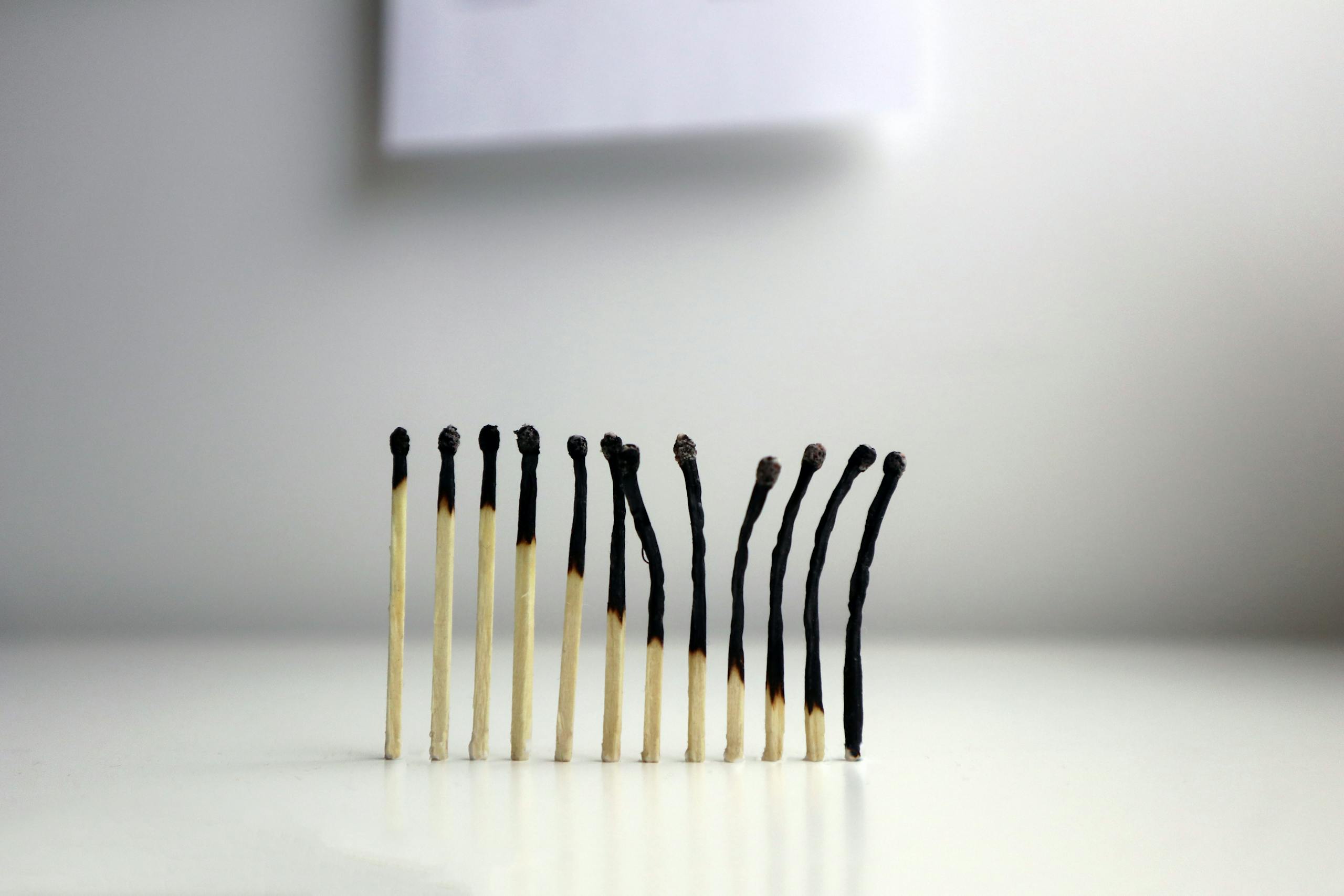
Recharging after burnout isn’t simply a matter of sleeping more or taking a weekend off. For introverts, burnout cuts deeper than fatigue, it’s a depletion of the internal resources we use to think, feel, and function, and recovery requires a different kind of intentionality than most advice accounts for. The path back isn’t linear, and it rarely looks the way other people expect it to.
I know this from experience. After two decades running advertising agencies, I’ve hit that wall more than once. Not the tired-after-a-long-week kind of wall. The kind where you sit in a meeting and realize you have nothing left to offer. Where your brain, usually your most reliable tool, feels like it’s running on fumes. Where the thought of one more conversation, one more deliverable, one more decision feels genuinely unbearable.
What helped me wasn’t a productivity hack or a self-care checklist. It was understanding how my introvert wiring shapes the way I deplete and, more importantly, the way I recover.
Much of what I write about here connects to a broader framework I’ve built around energy management. If you haven’t explored the Energy Management and Social Battery hub, it’s worth spending time there. It covers the full picture of how introverts drain and recharge, and this article fits into that larger conversation about protecting what we have and rebuilding when it’s gone.

What Makes Burnout Different for Introverts?
Burnout is often described in terms of workload, stress, and exhaustion. And yes, all of those apply. But for introverts, there’s a layer underneath those symptoms that doesn’t get enough attention: the chronic overstimulation that comes from operating in environments designed for extroverts.
Career Coaching for Introverts
One-on-one career strategy sessions with Keith Lacy. 20 years of Fortune 500 leadership as an introvert, now helping others build careers that work with their wiring.
Learn More50-minute Zoom session · $175
For most of my agency years, I ran open-plan offices. Constant noise, constant movement, constant interruption. I held back-to-back client calls, led brainstorming sessions, managed teams through high-stakes pitches. I told myself I was handling it. What I was actually doing was suppressing the signals my nervous system was sending me, day after day, until there was nothing left to suppress.
Introvert burnout often develops slowly. It’s not one catastrophic event. It’s the accumulation of too many interactions, too much noise, too many decisions made without adequate recovery time in between. Introverts drain very easily compared to their extroverted counterparts, and when that draining happens consistently over months or years without proper restoration, burnout becomes almost inevitable.
What makes this particularly tricky is that many introverts, especially those in leadership roles, become skilled at masking the depletion. We push through. We perform. We look fine from the outside even when we’re running on empty inside. By the time we admit something is wrong, we’re often well past the point where a good night’s sleep will fix it.
Neuroscience offers some useful context here. Cornell researchers have found that introverts and extroverts process stimulation differently at a neurological level, with introverts generally more sensitive to dopamine and requiring less external stimulation to feel engaged. That sensitivity is a strength in many contexts, but it also means the cost of overstimulation is higher and takes longer to recover from.
Why Rest Alone Won’t Bring You Back
One of the most frustrating things about introvert burnout is that rest, in the conventional sense, doesn’t always fix it. You can sleep eight hours and still wake up feeling hollowed out. You can take a vacation and come back just as depleted as when you left, especially if that vacation involved a lot of social activity or sensory input.
Real recovery requires something more targeted: the kind of quiet, unstructured, low-stimulation time that actually allows your nervous system to reset. Not passive rest, but restorative solitude.
There’s a meaningful difference between those two things. Passive rest might mean sitting on the couch scrolling your phone while a TV plays in the background. Restorative solitude means genuinely removing yourself from input, from demands, from the social performance that even casual interaction requires. It means giving your mind permission to wander without agenda.
I didn’t understand this distinction for a long time. I thought I was resting when I came home from the office and sat in front of the news. I was still processing. Still absorbing. Still spending energy I didn’t have. The science behind why introverts need genuine downtime is compelling, and it helped me finally understand why my version of “relaxing” wasn’t working.

How Sensory Overload Complicates Recovery
One thing I’ve noticed in my own burnout recovery, and in conversations with other introverts, is that sensory sensitivity tends to spike when we’re depleted. Things that were manageable before burnout become genuinely difficult. The office air conditioning that you barely noticed now feels like a physical assault. The overhead fluorescent lights that were just part of the background now make it hard to think clearly. The casual office chatter that you could tune out before now feels like it’s drilling into your skull.
This isn’t weakness. It’s your nervous system telling you it has no buffer left. Managing this is a real part of recovery, not a side issue.
Sound is often the first culprit. If you’re finding that noise is particularly unbearable during recovery, there are practical approaches that go beyond just wearing headphones. The strategies outlined in this piece on HSP noise sensitivity and coping strategies are genuinely useful, even if you don’t identify as a highly sensitive person. Many introverts share these sensitivities, especially under stress.
Light sensitivity follows a similar pattern. I went through a period during one particularly brutal agency stretch where I couldn’t work under fluorescent lights without getting headaches by mid-morning. I thought something was medically wrong with me. What was actually happening was that my nervous system, already taxed beyond capacity, had lost its ability to filter environmental input efficiently. Understanding how to manage light sensitivity helped me make practical changes, warmer bulbs, positioning my desk near a window, taking breaks outside, that made a real difference during recovery.
Touch sensitivity is another one that surprises people. During burnout, physical contact that would normally feel neutral or pleasant can feel irritating or overwhelming. A pat on the back from a colleague, a handshake, even the texture of certain clothing. If you’ve experienced this and wondered what was happening, it’s worth reading about tactile sensitivity and how introverts experience touch differently under stress. Recognizing it as a real physiological response, rather than something you’re making up, changes how you approach managing it.
What Recharging Actually Looks Like in Practice
I want to be specific here, because vague advice like “take time for yourself” isn’t particularly helpful when you’re in the middle of burnout and every hour of your day is already accounted for.
Recharging after burnout happens in layers. There’s the immediate layer, the acute phase where you’re genuinely depleted and need triage. Then there’s the medium-term layer, rebuilding your reserves over weeks. And finally there’s the structural layer, changing how you operate so the burnout doesn’t simply cycle back.
The Acute Phase: Triage First
In the acute phase, your only job is to stop the bleeding. That means reducing demands wherever you can. Cancel what can be cancelled. Delegate what can be delegated. Say no to anything optional. This is not the time to be heroic about your workload.
One of the hardest things I’ve done professionally was calling a client and telling them I needed to push a major presentation by a week. I had a team who could have covered for me. I had systems in place. But my INTJ brain kept insisting that I had to be the one to deliver. What I finally realized was that showing up depleted and performing at 60% was worse for everyone than taking the time to actually recover.
In the acute phase, sleep becomes non-negotiable. Not just adequate sleep, but protected sleep. No screens in the hour before bed. No checking email after dinner. No “just one more thing” at 11 PM. Research from PubMed Central on sleep and cognitive recovery reinforces what many of us know intuitively: sleep quality matters as much as quantity, and the habits around sleep shape how restorative it actually is.

The Medium Term: Rebuilding Your Reserves
Once you’ve stabilized, the work of actually rebuilding begins. This is where most advice falls short, because it treats recovery as a destination rather than a process. You don’t wake up one morning and feel fully restored. You accumulate restoration, gradually, through consistent practices that feed rather than drain your energy.
For me, the most reliable restoration comes from three things: solitary time in nature, deep reading, and creative work with no commercial purpose. These aren’t activities I do to be productive. They’re activities that remind me who I am when I’m not performing for anyone.
Solitary time in nature deserves particular mention. There’s something about being outside, away from screens and people and expectations, that resets something fundamental in my nervous system. I started taking solo morning walks during a particularly difficult recovery period, just 30 minutes before the day started. It felt almost embarrassingly simple. It worked better than anything else I tried.
Deep reading is another one. Not skimming articles or reading industry reports, but actually sitting with a book and following a single thread of thought for an extended period. My mind, trained by years of agency work to process things quickly and move on, resisted this at first. Gradually, it became one of the most restorative things in my day.
Finding the right balance of stimulation during recovery is genuinely nuanced. Too little and you feel restless and disconnected. Too much and you slip back into depletion. The concept of calibrating stimulation carefully, explored in depth in this piece on HSP stimulation and finding the right balance, maps closely onto what many introverts experience during burnout recovery, regardless of whether they identify as highly sensitive.
Social Contact During Recovery: Less Than You Think You Need
One of the counterintuitive aspects of introvert burnout recovery is that well-meaning people often make it harder. Friends who want to help by inviting you out. Family members who think you just need to “get out of your head.” Colleagues who suggest team lunches or happy hours as a morale booster.
All of this comes from a good place. And all of it can actively slow your recovery if you’re not careful.
Social interaction, even enjoyable social interaction, costs energy. During burnout recovery, you have very little energy to spend. Every hour you spend in social settings, even good ones, is an hour not spent replenishing. That doesn’t mean you should become a hermit. It means being genuinely selective, choosing interactions that feel nourishing rather than obligatory, and giving yourself permission to keep them short.
I had a mentor during one difficult stretch who was an extrovert and genuinely couldn’t understand why I kept declining his invitations to networking events. He thought I was being antisocial or self-destructive. What I was actually doing was protecting the small amount of recovery progress I’d made. Psychology Today’s breakdown of why socializing drains introverts differently would have been useful to share with him at the time.

The Structural Layer: Preventing the Next Burnout
Recovery from burnout is one thing. Changing the conditions that created it is another, and arguably more important, conversation.
For most of my agency career, I operated in a state of managed depletion. I knew I was running low, but I kept going because the work demanded it and because I hadn’t yet built the structures that would protect my energy systematically. Burnout kept recurring, with slightly longer intervals between episodes, because I was treating symptoms rather than causes.
The structural changes that actually made a difference weren’t dramatic. Some of them were almost embarrassingly small. I stopped scheduling back-to-back meetings and built 20-minute gaps between them. I moved my most cognitively demanding work to the morning, before the day’s social demands accumulated. I started leaving the office for lunch alone, even when it felt antisocial. I stopped attending every optional meeting I was invited to.
Each of these changes felt minor in isolation. Collectively, they shifted my baseline from chronically depleted to sustainably functional. The difference in my work quality, my leadership presence, and my personal wellbeing was significant.
Understanding how to protect your energy reserves systematically, not just reactively, is something I’ve written about in the context of highly sensitive people, but the principles apply broadly. The framework in this piece on HSP energy management and protecting your reserves offers a practical starting point for anyone trying to build more sustainable energy habits.
There’s also the question of environment. Open-plan offices, constant availability expectations, cultures that reward visibility over output: these are structural problems, not personal failings. Some of them you can change. Some you can’t, at least not immediately. Knowing which is which matters, because spending energy trying to change what you can’t control is itself a form of depletion.
What Burnout Recovery Taught Me About My Own Wiring
There’s an unexpected gift buried inside burnout, though I wouldn’t have called it that at the time. Burnout forced me to stop performing and start paying attention. It stripped away the coping strategies I’d built up over decades and left me with the raw reality of how I actually function.
What I found wasn’t weakness. It was a very specific and non-negotiable set of needs that I’d been overriding for years in service of an extroverted professional ideal. My INTJ brain processes deeply and slowly. It needs uninterrupted time to do its best work. It needs quiet to access its full capacity. It needs space between interactions to integrate what it’s observed and experienced.
None of that is a liability. All of it is, in fact, the source of whatever genuine value I’ve brought to clients and teams over the years. The strategic thinking, the pattern recognition, the ability to see around corners: all of it comes from a mind that works the way introvert minds work. The burnout happened when I tried to force that mind into a container it wasn’t designed for.
Recovery, real recovery, isn’t just about getting back to baseline. It’s about understanding yourself clearly enough that you stop recreating the conditions that burned you out in the first place. That understanding takes time, and it often requires sitting with discomfort rather than rushing back to productivity.
There’s solid evidence that the relationship between personality and stress response is more complex than most workplace wellness programs acknowledge. Published research on personality and burnout supports what many introverts experience anecdotally: our stress responses and recovery needs are genuinely different, and treating them as identical to extroverted patterns leads to ineffective interventions.

Giving Yourself Permission to Recover at Your Own Pace
One of the most damaging things about burnout recovery is the guilt that often accompanies it. The sense that you should be bouncing back faster. That other people manage just fine. That needing this much rest is somehow indulgent or weak.
I’ve felt all of that. I’ve sat in my home office on a Tuesday afternoon, genuinely unable to write a single coherent sentence, and felt ashamed of it. I’ve cancelled plans and felt like I was failing the people I cancelled on. I’ve watched extroverted colleagues power through situations that would have leveled me and wondered what was wrong with me.
Nothing was wrong with me. And nothing is wrong with you.
Introvert burnout recovery takes as long as it takes. Pressuring yourself to recover faster doesn’t speed up the process. It usually slows it down, because the pressure itself is a form of stimulation and demand that your depleted system has to process. Giving yourself genuine permission to rest, without a timeline, without a performance standard, is often the single most important thing you can do.
Newer research on wellbeing and recovery, including work published in Springer’s public health journals, points toward the importance of psychological safety in recovery processes. Feeling judged or pressured during recovery actively undermines it. Creating conditions, internal and external, where recovery is genuinely permitted matters more than most people realize.
Be honest with the people around you about what you need. Not dramatically, not as a complaint, but clearly. “I’m running low and I need some quiet time this weekend” is a complete sentence. You don’t owe anyone an elaborate justification for your recovery process.
And pay attention to what actually helps versus what you think should help. Some introverts recover through creative work. Some through physical activity. Some through deep conversation with one trusted person. Some through complete solitude. There’s no universal protocol. Your nervous system will tell you what it needs if you stop overriding the signals.
If you want to go deeper on the full picture of how introverts manage energy across different situations and life demands, the Energy Management and Social Battery hub brings together everything I’ve written on this topic in one place. It’s a good resource to return to as you work through different phases of recovery and rebuilding.
About the Author
Keith Lacy is an introvert who’s learned to embrace his true self later in life. After 20 years in advertising and marketing leadership, including running agencies and managing Fortune 500 accounts, Keith now channels his experience into helping fellow introverts understand their strengths and build fulfilling careers. As an INTJ, he brings analytical depth and authentic perspective to every article, drawing from both professional expertise and personal growth.
Frequently Asked Questions
How long does it take to recharge after burnout as an introvert?
There’s no fixed timeline, and anyone who gives you one is oversimplifying. Acute burnout recovery typically takes weeks, not days. Full restoration of your baseline energy and resilience can take months, particularly if the burnout developed over a long period. The most important factor is whether you’re genuinely reducing demands during recovery or simply resting between rounds of the same depleting behavior. Consistency matters more than speed. Small daily practices of restoration, maintained over time, do more than intense recovery weekends followed by a return to the same patterns.
Can introverts recharge around other people, or does recovery require solitude?
Most introverts find that genuine recovery requires meaningful solitude, though the amount varies by individual. Some introverts can recharge in the presence of a very close, low-demand companion, a partner who’s simply present without requiring interaction, for example. What doesn’t work is social interaction that requires performance, attention, or emotional labor. During burnout recovery specifically, even enjoyable social time tends to slow the process because it draws on the same reserves you’re trying to rebuild. Erring toward more solitude than you think you need is usually the safer approach during active recovery.
Is introvert burnout the same as clinical depression?
They can look similar from the outside and sometimes overlap, but they’re not the same thing. Introvert burnout is primarily an energy depletion state, driven by chronic overstimulation and insufficient recovery. It typically improves with adequate rest, reduced demands, and environmental changes. Clinical depression involves persistent low mood, loss of interest, and other symptoms that don’t resolve simply with rest, and it often requires professional support. If you’re unsure which you’re experiencing, or if your symptoms are severe or prolonged, speaking with a mental health professional is the right move. The two conditions can coexist, and burnout can sometimes trigger depressive episodes in people who are vulnerable to them.
What’s the biggest mistake introverts make when trying to recover from burnout?
Trying to recover on a timeline that’s driven by external expectations rather than internal signals. Many introverts push themselves to “get back to normal” faster than their nervous systems can actually manage, often because of guilt, professional pressure, or the sense that needing this much time is somehow excessive. The result is incomplete recovery followed by faster relapse into depletion. A close second is confusing passive distraction with genuine rest. Scrolling social media, watching television, or staying connected to work communications while technically “off” doesn’t allow the nervous system to reset. Real recovery requires genuinely low-stimulation time, which feels unproductive but is actually doing essential work.
How do you explain to a manager or employer that you need time to recover without sounding like you’re making excuses?
Frame it in terms of performance and output, not personality or energy. Most managers respond better to “I need to restructure my schedule this week to deliver my best work on the priority project” than to “I’m burned out and need to rest.” You don’t have to over-explain or justify your introversion. Focus on what you need specifically, fewer meetings, protected deep work time, a quieter workspace, and connect it to concrete results. If your organization has an employee assistance program or mental health resources, those can also provide a more formal framework for requesting accommodation. Being clear and specific is more effective than being apologetic or vague.