
Yes, you can absolutely be an autistic extrovert. Autism is a neurological difference that shapes how a person processes sensory information, social cues, and communication. Extroversion is a personality trait describing where someone draws their energy. These two things operate on entirely separate dimensions, which means they can coexist in the same person without contradiction.
An autistic extrovert might genuinely crave social connection and feel energized by time with others, while simultaneously struggling with the unwritten rules of conversation, sensory overload in crowded spaces, or difficulty reading subtle facial expressions. The desire to connect is real. The challenges around how that connection unfolds are equally real.

What makes this topic so worth examining is that most of us carry assumptions about what autism looks like, and those assumptions tend to picture someone quiet, withdrawn, and solitary. That picture is incomplete. Autism presents in an enormous range of ways, and personality traits like extroversion layer on top of neurological wiring to create people who genuinely do not fit the stereotype. I find this intersection fascinating, partly because it mirrors something I experienced in my own career, watching people get flattened into a single label when the truth of who they are is far more layered.
Before we get into what autistic extroversion actually looks like in practice, it helps to ground this in the broader conversation about how personality and neurology interact. Our Introversion vs Other Traits hub covers a lot of this territory, exploring the ways introversion, extroversion, and neurodivergence overlap, diverge, and get confused with one another. That context matters here.
What Does Extroversion Actually Mean in This Context?
Before we can talk about autistic extroversion meaningfully, we need to be precise about what extroversion means. Most people use it loosely to mean “outgoing” or “talkative,” but the psychological definition is more specific. A solid starting point is understanding what extroverted actually means at its core: extroversion describes a person who gains energy from external stimulation, from social interaction, activity, and engagement with the outside world. Introverts, by contrast, recharge through solitude and internal reflection.
Career Coaching for Introverts
One-on-one career strategy sessions with Keith Lacy. 20 years of Fortune 500 leadership as an introvert, now helping others build careers that work with their wiring.
Learn More50-minute Zoom session · $175
That distinction matters enormously when we talk about autism. An autistic extrovert is someone whose nervous system genuinely seeks external stimulation and social engagement as a source of energy and pleasure. They want to be around people. They feel flat or drained when isolated for too long. That desire is authentic, not performed.
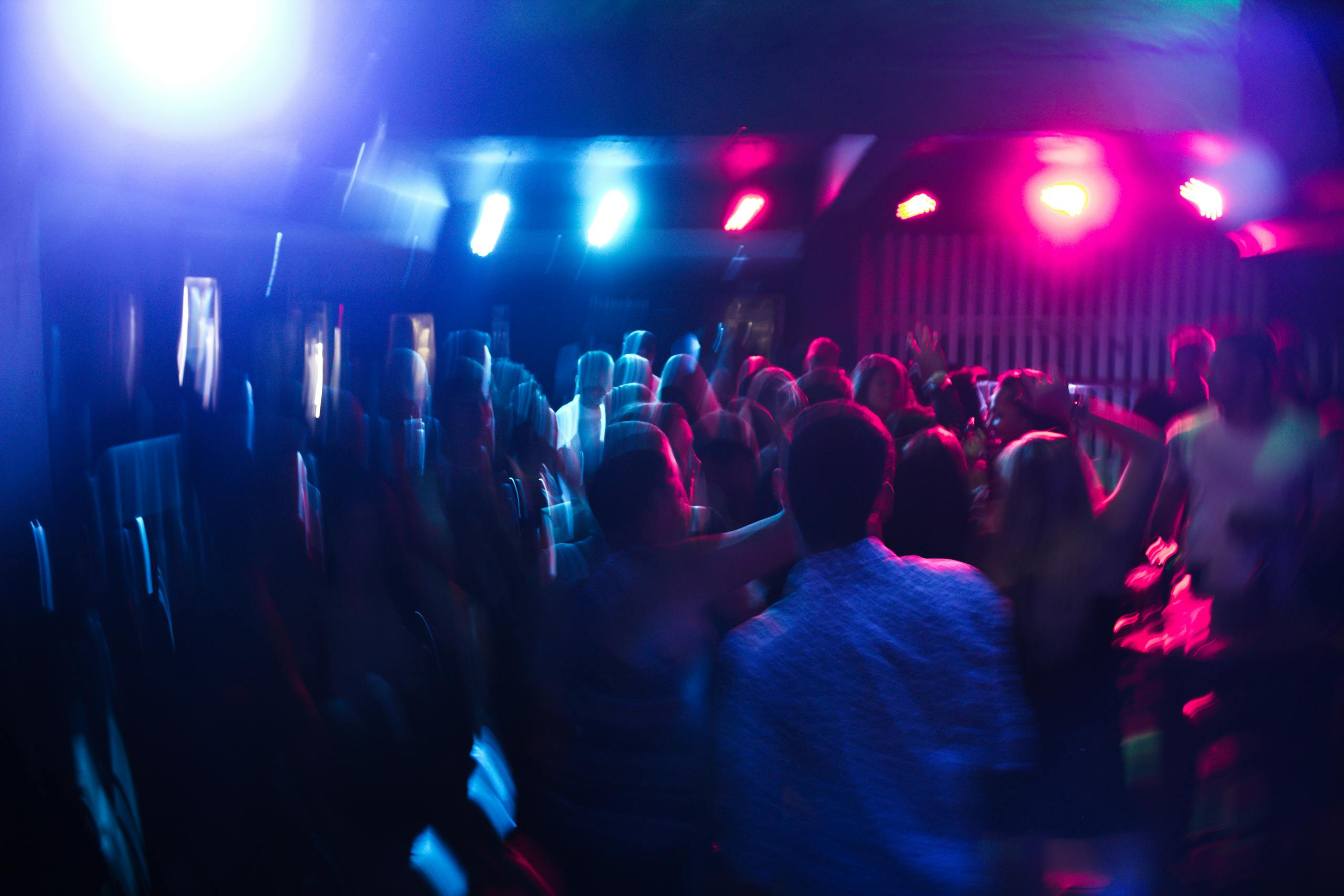
What makes this complicated is that autism can create friction in the very social environments an autistic extrovert craves. Sensory processing differences might make a loud party physically overwhelming even as the social connection feels deeply rewarding. Difficulty with implicit social scripts might create awkward moments even when genuine warmth and enthusiasm are present. The person wants to be there. Their nervous system just processes being there differently.
I ran advertising agencies for over two decades, and one of the things I noticed consistently was how poorly we understood the difference between someone’s desire to connect and their ability to perform the social rituals we associated with connection. We rewarded the performance. We often missed the desire entirely in people who expressed it differently.
How Does Autism Actually Affect Social Behavior?
Autism spectrum disorder, as defined by current diagnostic frameworks, involves differences in social communication, sensory processing, and behavioral flexibility. These differences are neurological, meaning they reflect how the brain is wired, not choices or personality traits.
Social communication differences in autism can include difficulty reading nonverbal cues like tone of voice or facial expressions, a tendency toward direct and literal communication that can read as blunt or awkward, challenges with back-and-forth conversational flow, and a preference for talking about specific interests in depth rather than making small talk. None of these things indicate a lack of interest in other people. They indicate a different way of processing social information.

Sensory processing differences are also significant. Many autistic people experience sensory input more intensely than neurotypical people do. Bright lights, loud sounds, strong smells, or crowded physical spaces can become genuinely overwhelming in ways that have nothing to do with introversion. An autistic extrovert might leave a party early not because they wanted to be alone, but because their sensory system hit capacity. Those are very different things.
One of the most thorough explorations of autism’s social dimensions comes from research published in PubMed Central examining social motivation in autism. The findings challenge the assumption that autistic individuals uniformly lack social interest. Social motivation varies widely across the spectrum, and many autistic people report strong desires for connection alongside real difficulties in achieving it through conventional means.
That gap between desire and execution is where autistic extroversion lives. It is not a contradiction. It is a tension that many autistic extroverts manage every day.
Why Does the Quiet, Withdrawn Stereotype Persist?
The image of autism as inherently introverted or antisocial has several roots, and understanding them helps explain why autistic extroverts often go unrecognized or misunderstood.
Early autism research focused heavily on more severely affected individuals, often those who were nonverbal or had significant intellectual disabilities alongside their autism. The social withdrawal observed in some of these cases became part of the defining picture of autism in public consciousness. As diagnostic criteria expanded and the concept of a spectrum became more widely understood, the stereotype did not update as quickly as the science.
There is also the masking phenomenon to consider. Many autistic people, particularly women and girls, develop elaborate strategies for appearing neurotypical in social situations. They study social scripts, mirror others’ body language, and perform social fluency that does not come naturally. This masking can be exhausting and is associated with significant mental health costs, as PubMed Central research on autistic burnout has documented. An autistic extrovert who masks effectively might not register as autistic at all, even to professionals, because their social presentation looks close enough to neurotypical.
I think about masking in relation to something I did for years in my agency career. As an INTJ, I spent considerable energy performing extroversion in client meetings and pitch presentations because I believed that was what leadership required. The performance was functional, but it cost me something. The autistic extrovert who masks faces a version of this, but with higher stakes and deeper neurological demands. They are not just performing a personality type. They are translating an entirely different way of processing the world into a form others can receive.
What Does an Autistic Extrovert Actually Look Like Day to Day?
Autistic extroversion does not look like a single profile. It shows up differently depending on where someone falls on the spectrum, what their specific sensory sensitivities are, and what social environments they have access to. That said, some patterns appear consistently.
An autistic extrovert might be the person who lights up in conversation about their specific interests, talking with genuine enthusiasm and depth, but who struggles when the conversation shifts to small talk or social pleasantries. They want connection. They just want it to mean something. Shallow conversation can feel genuinely painful to them, not because they are antisocial, but because it does not satisfy the social hunger they actually have.
They might seek out social situations eagerly and then need recovery time afterward, not because the interaction drained them in the introvert sense, but because the sensory and cognitive load of processing a complex social environment was high. This can look like introversion from the outside while feeling completely different from the inside.
They might struggle with the unspoken rules of group dynamics, reading the room, knowing when to speak and when to hold back, interpreting sarcasm or indirect communication. These struggles do not reflect a lack of social interest. They reflect a different neurological approach to social information.
Worth noting here is that personality itself exists on a spectrum. Someone can be fairly extroverted without being extremely so, and the same range applies to autistic individuals. If you are curious about where you fall on that spectrum, the difference between being fairly introverted versus extremely introverted offers a useful framework for thinking about degree and intensity in personality traits, which applies equally to extroversion.

How Does This Interact With Other Personality Dimensions?
Personality is not a single axis. Someone can be extroverted and also highly sensitive. They can be extroverted and also deeply introverted in certain contexts. The human personality system is genuinely complex, and autism adds another layer of neurological specificity on top of that complexity.
One concept worth understanding here is the difference between people who show up differently in different contexts. Some people are not purely introverted or extroverted but shift depending on circumstances. If you have wondered whether your own social energy patterns feel inconsistent, taking an introvert, extrovert, ambivert, and omnivert test can help you see where you actually land, and whether you might be more situationally driven than you realized.
For autistic individuals, this situational variability can be especially pronounced. An autistic extrovert might be highly energized and socially engaged in a one-on-one conversation with someone who shares their interests, and completely shut down in a large group where the social dynamics are complex and unpredictable. That variability is not inconsistency. It reflects the specific ways their neurology interacts with different social environments.
The concepts of omnivert and ambivert are relevant here too. An omnivert is someone who swings between strong introversion and strong extroversion depending on context, while an ambivert sits more steadily in the middle. Understanding the difference between omniverts and ambiverts can help autistic individuals make sense of their own variable social energy without concluding that something is wrong with them. The variability might simply reflect how their neurology responds to different social loads.
There is also a less commonly discussed personality type worth mentioning. An otrovert, sometimes called an outgoing introvert, describes someone who presents as socially comfortable and engaging but fundamentally recharges alone. Understanding the distinction between an otrovert and an ambivert adds another useful lens for autistic individuals who feel genuinely social in presentation but find that social engagement eventually depletes them in ways that do not fit the classic extrovert profile.
What Are the Unique Challenges Autistic Extroverts Face?
Being an autistic extrovert comes with a specific set of challenges that are distinct from those faced by either neurotypical extroverts or autistic introverts.
The mismatch between wanting connection and struggling to achieve it in conventional ways can be genuinely painful. Neurotypical extroverts generally find that their social energy translates smoothly into successful social interactions. Autistic extroverts often find that their social energy is real and strong, but the execution keeps hitting friction. They want to be in the conversation. They keep stumbling over the unwritten rules of how the conversation is supposed to go.
This can lead to a pattern of social exhaustion that looks confusing from the outside. The person sought out the social situation. They seemed to enjoy it. Why are they now overwhelmed? Because seeking connection and processing a complex social environment are two different things. The desire was genuine. The sensory and cognitive load was also genuine.
There is also the challenge of being misread. An autistic extrovert who talks enthusiastically about their interests, makes direct eye contact (or deliberately practices making eye contact), and seeks out social situations may not trigger the recognition that they are autistic. Their extroversion can mask their autism in ways that delay diagnosis and support. Meanwhile, they are working significantly harder than their neurotypical peers to achieve social outcomes that look similar from the outside.
In my agency years, I managed a creative director who was later diagnosed with autism in her late thirties. She was one of the most socially enthusiastic people on my team, always the first to suggest team lunches, always engaged in conversation. What I did not understand at the time was how much energy that enthusiasm cost her, or why she would sometimes disappear for days after particularly intense social periods at work. Her extroversion was real. Her autism was also real. Neither cancelled the other out.
Understanding the nuances of social energy and personality type can also help in professional contexts. A piece from Psychology Today on the value of deeper conversations touches on why surface-level social interaction often feels insufficient for people who crave genuine connection, a dynamic that resonates strongly with many autistic extroverts.

How Can Autistic Extroverts Build on Their Strengths?
Autistic extroversion, understood clearly, comes with genuine strengths worth recognizing and building on.
The depth of engagement that many autistic extroverts bring to conversations about their interests can be a significant professional and personal asset. In environments where expertise and passion matter, the autistic extrovert’s ability to go deep on a topic with genuine enthusiasm is valuable. I have seen this in client presentations where the person who knew their subject inside out, and who could not help but show their excitement about it, was far more persuasive than the polished generalist.
The directness that often accompanies autism can also be an asset in professional environments where ambiguity is costly. Autistic extroverts tend to say what they mean and mean what they say. In industries where reading between the lines is exhausting and costly, that clarity is genuinely valuable. A piece from Frontiers in Psychology on neurodivergent communication styles examines how direct communication patterns, often associated with autism, can be highly effective in specific professional and collaborative contexts.
Structuring social engagement to match actual capacity rather than social expectations is also important. An autistic extrovert does not have to force themselves into every large group situation to honor their extroversion. One-on-one conversations, small groups with clear topics, or structured social events with predictable formats can provide genuine social energy without the sensory overload that unstructured large gatherings can produce.
If you are not sure whether your social patterns fit more of an introverted extrovert profile, where you show up with social energy but have more complex internal dynamics than classic extroversion suggests, the introverted extrovert quiz can offer some useful clarity. Many autistic extroverts find that this framing fits them better than either pure introvert or pure extrovert labels.
What Should Friends, Colleagues, and Managers Understand?
If you know or work with someone who is an autistic extrovert, the most important thing to understand is that their social enthusiasm is genuine, and their social struggles are also genuine. These are not contradictions to resolve. They are two real aspects of the same person.
Do not assume that because someone sought out the social situation, they are fine with every aspect of it. They may need to step away from the noise even while enjoying the company. They may need you to be direct rather than relying on hints or subtle social cues. They may need the conversation to go somewhere meaningful rather than staying on surface pleasantries.
In workplace settings, creating clarity around expectations, providing explicit feedback rather than relying on implied signals, and offering structured social opportunities alongside unstructured ones can make a significant difference. An autistic extrovert who knows what a meeting is for, who will be there, and what is expected of them can show up with their full social energy. Ambiguity and unpredictability create cognitive load that can make the same meeting exhausting before it even starts.
The Psychology Today framework for introvert-extrovert conflict resolution is worth reading for teams that include people with very different social processing styles. While it is framed around introversion and extroversion, the underlying principles about respecting different communication needs apply directly to neurological differences as well.
Managing people well requires actually seeing them, not the category you have placed them in. I spent too many years in agency leadership making assumptions about who was a “people person” based on surface behavior. The person who talked a lot in meetings was not always the most socially capable leader. The person who seemed to struggle with small talk was not always the introvert I assumed them to be. Seeing past those surface signals takes deliberate attention, and it is worth it.

Does Knowing Your Neurotype Change How You Think About Personality?
One of the most meaningful shifts that can happen for an autistic extrovert is understanding that their neurotype and their personality are separate things. Autism is not a personality type. It is a neurological difference that shapes how personality is expressed and experienced. Knowing this can free someone from the pressure to choose between their identity as a social, extroverted person and their identity as someone who processes the world differently.
Many autistic people who receive a late diagnosis describe a profound sense of relief at finally having a framework that explains the gap between who they feel themselves to be and how they have been received by others. The autistic extrovert who has spent years being told they are “too much” in some situations and “surprisingly awkward” in others finally has a coherent explanation. Their social desire was never the problem. The mismatch between their neurological processing style and neurotypical social expectations was where the friction lived.
Personality frameworks can support this self-understanding without replacing the neurological picture. Understanding where you fall on various personality dimensions, including the introversion-extroversion axis, gives you useful language for your own patterns. A Rasmussen University resource on personality and professional strengths illustrates how understanding your own wiring, whatever form it takes, helps you build on what you actually have rather than trying to become something you are not.
For autistic extroverts, that self-understanding can be the difference between spending enormous energy trying to pass as neurotypical and spending that same energy doing the things they are genuinely good at. The social enthusiasm is a real asset. The neurological differences are real too. Both deserve to be seen clearly.
If you want to explore more about how introversion, extroversion, and other personality dimensions interact, the full range of topics in our Introversion vs Other Traits hub covers the landscape in depth, from the science of personality to the lived experience of people who do not fit neatly into any single category.
About the Author
Keith Lacy is an introvert who’s learned to embrace his true self later in life. After 20 years in advertising and marketing leadership, including running agencies and managing Fortune 500 accounts, Keith now channels his experience into helping fellow introverts understand their strengths and build fulfilling careers. As an INTJ, he brings analytical depth and authentic perspective to every article, drawing from both professional expertise and personal growth.
Frequently Asked Questions
Can someone be autistic and extroverted at the same time?
Yes. Autism describes neurological differences in how a person processes sensory information, social cues, and communication. Extroversion describes where a person draws their energy, specifically from social engagement and external stimulation. These two dimensions are independent of each other, which means an autistic person can genuinely be extroverted. Many autistic extroverts report strong social desires and find isolation draining, while also experiencing real challenges with the unwritten rules of social interaction, sensory overload in social environments, or difficulty interpreting nonverbal communication.
Why do people assume autism means introversion?
The association between autism and introversion comes from several sources. Early autism research focused on more severely affected individuals, some of whom showed significant social withdrawal. That image became part of the public stereotype of autism before the full range of the spectrum was well understood. Social communication differences in autism, such as difficulty with small talk or reading implicit social cues, can also look like introversion from the outside even when the person’s internal experience is extroverted. Additionally, many autistic people mask their autism by performing neurotypical social behavior, which can make their actual experience invisible to others.
How is autistic social exhaustion different from introvert recharging?
Introvert recharging refers to the need for solitude to restore energy after social interaction, which drains introverts regardless of how positive the interaction was. Autistic social exhaustion, sometimes called autistic burnout, often involves sensory overload and the cognitive load of processing complex social environments, particularly when masking is involved. An autistic extrovert may genuinely gain energy from social connection while also needing recovery time after social situations because of the neurological demands of processing them. The desire for connection is real and extroverted. The recovery need reflects neurological processing demands rather than social energy depletion in the introvert sense.
What social environments work best for autistic extroverts?
Autistic extroverts often thrive in social environments with some structure and predictability, one-on-one or small group conversations rather than large unstructured gatherings, conversations centered on topics they are deeply interested in, and settings where direct communication is valued over subtle social signaling. Large, loud, or sensory-intense environments can be overwhelming even when the social desire is strong. Structured social events with clear formats tend to be more accessible than open-ended social situations where the rules are entirely implicit. Finding social environments that match both the extroverted desire for connection and the neurological need for manageable sensory input is often more sustainable than trying to force adaptation to every social context.
How can autistic extroverts be better understood in the workplace?
Autistic extroverts in the workplace benefit from clear, explicit communication rather than reliance on hints or implied expectations. Managers and colleagues can help by providing structured social opportunities alongside unstructured ones, giving direct feedback rather than subtle signals, and not assuming that social enthusiasm means someone is fine with every aspect of a social environment. Recognizing that someone may need recovery time after high-stimulation social events, even if they seemed to enjoy those events, is also important. The autistic extrovert’s social enthusiasm is a genuine asset in team environments. Supporting it means creating conditions where it can be expressed without the neurological cost of constant masking or sensory management.