
Do extroverts have a harder time being single? In many ways, yes. Because extroverts recharge through connection and external stimulation, extended periods of solitude can feel genuinely depleting rather than restorative. That doesn’t mean being single is impossible for them, but it does mean the experience carries a different emotional weight than it does for introverts.
What’s worth examining, though, is why that difference exists and what it reveals about how our personalities shape even the most personal corners of our lives. Solitude isn’t just a preference. For some people, it’s nourishing. For others, it creates a kind of hunger that’s hard to satisfy with anything other than genuine human contact.
Our full Introversion vs Extroversion hub explores how these personality differences show up across relationships, work, and daily life. This particular angle, how being single feels through an extroverted lens, is one I find genuinely fascinating, especially after two decades of watching both personality types handle isolation very differently inside high-pressure agency environments.

What Does Being Extroverted Actually Mean for Daily Life?
Before we can talk about how extroverts experience being single, it helps to get specific about what extroversion actually involves. Popular culture tends to flatten it into “loves parties” or “talks a lot,” but those are surface behaviors, not the underlying mechanism.
Career Coaching for Introverts
One-on-one career strategy sessions with Keith Lacy. 20 years of Fortune 500 leadership as an introvert, now helping others build careers that work with their wiring.
Learn More50-minute Zoom session · $175
At its core, extroversion is about where someone draws energy. Extroverts feel more alive, more focused, and more themselves when they’re engaged with the world around them, particularly with other people. Alone time doesn’t refresh them the way it does an introvert. It tends to drain them. If you want a fuller picture of what this looks like in practice, my piece on what does extroverted mean breaks down the trait beyond the stereotypes.
Running agencies for over twenty years, I was surrounded by extroverts. Some of my most talented account directors were classic extroverts who could walk into a room of strangers and immediately make everyone feel like old friends. I genuinely admired that. As an INTJ, I had to work hard for what came naturally to them. But I also noticed something: those same people struggled more visibly when they were cut off from their social networks. A weekend with no plans wasn’t a gift for them. It was something closer to a problem to solve.
Being single removes a primary source of daily connection. A partner isn’t just a romantic relationship. They’re also a built-in social anchor, someone to debrief with after a long day, someone whose presence fills the quiet. For extroverts, losing that anchor, or never having it, creates a specific kind of restlessness that introverts may not fully recognize.
Why Solitude Feels So Different Depending on Your Wiring
There’s a meaningful distinction between choosing to be alone and feeling alone. Introverts, especially those who lean toward the more solitary end of the spectrum, often find genuine pleasure in extended quiet. If you’re curious about where you fall on that continuum, my article on fairly introverted vs extremely introverted explores how much variation exists even within introversion itself.
Extroverts don’t experience solitude the same way. What feels like a peaceful evening to me, quiet, unscheduled, no demands on my attention, can feel genuinely uncomfortable to someone who needs external stimulation to feel grounded. That’s not weakness. It’s just a different neurological reality.
Some psychological frameworks suggest that extroverts have a more reactive dopamine system, meaning they respond more strongly to social rewards and external stimulation. When those rewards disappear, as they often do during extended periods of being single, the absence is felt more acutely. The quiet doesn’t feel peaceful. It feels like something is missing.
I managed a creative director years ago, a highly extroverted woman who could generate ideas endlessly in group brainstorms but went almost silent when asked to work alone. She told me once that her apartment felt “too loud with quiet” after her long-term relationship ended. That phrase stuck with me. It captured something real about how extroverts process emotional space differently.

Does Personality Type Predict How Hard Being Single Feels?
Personality type shapes the experience of being single, but it doesn’t determine it. That’s an important distinction. Plenty of extroverts are happily single for years, and plenty of introverts struggle deeply with loneliness. What personality type does is set the baseline conditions, the emotional starting point from which someone approaches solitude.
For extroverts, that baseline involves a higher need for social contact. Not just the occasional dinner with friends, but frequent, substantive human connection. When a romantic relationship ends or hasn’t yet begun, extroverts often feel the gap more immediately. They’re more likely to fill their calendars quickly, to seek out group activities, to text more people more often. That’s not anxiety, necessarily. It’s their natural way of maintaining equilibrium.
Introverts, by contrast, tend to have a lower baseline need for social contact. Being single doesn’t eliminate their social life, but it does free up significant amounts of time that might otherwise go toward relationship maintenance. For many introverts, that’s not a burden. It’s breathing room.
It’s worth noting that personality isn’t always a clean binary. Some people don’t fit neatly into introvert or extrovert categories. If you’re unsure where you fall, our introvert extrovert ambivert omnivert test can help clarify your natural orientation. And if you’re curious about the difference between related personality patterns, the comparison of omnivert vs ambivert is worth reading before drawing any firm conclusions about yourself.
What the Research Suggests About Extroversion and Loneliness
The relationship between extroversion and loneliness is more complicated than it first appears. You might assume that extroverts, being more socially active, would experience less loneliness. But loneliness isn’t simply about how much social contact you have. It’s about whether the contact you have meets your needs.
Because extroverts have a higher baseline need for connection, they may require more social interaction to feel satisfied, and when they’re single, that need can be harder to meet consistently. A packed social calendar can help, but it rarely replicates the particular intimacy of a close partnership. Work published in PubMed Central on social connection and wellbeing points to the importance of relationship quality, not just quantity, in determining how connected people actually feel.
That matters for extroverts specifically because their social hunger can sometimes lead them toward quantity over depth. They may stay busy, maintain large friend groups, and still feel something is missing. Psychology Today has written thoughtfully about why deeper conversations tend to produce more genuine feelings of connection than surface-level socializing, regardless of personality type.
Introverts, who often prefer fewer but deeper relationships, may actually be better positioned to feel connected through the friendships they already maintain, even without a romantic partner in the picture. That’s not a character advantage. It’s just a structural one, a matter of how their social needs are calibrated.

How Extroverts Cope With Being Single (And Where the Strategies Break Down)
Extroverts are generally good at generating social activity. When they’re single, many instinctively compensate by filling their lives with more of it: more plans, more group activities, more nights out. For a while, this works. Staying busy genuinely helps, and extroverts tend to be skilled at building and maintaining social networks.
Where this strategy runs into trouble is in the quieter moments that can’t be scheduled away. Late evenings. Sunday mornings. The specific kind of silence that follows a long, hard week when you want to talk to someone who actually knows you. Social events can buffer loneliness during the day, but they don’t always reach the deeper layer of what’s missing.
I’ve watched this play out in professional settings too. During a particularly demanding pitch season at one of my agencies, several team members were going through breakups or newly single periods. The extroverts on the team threw themselves into work socializing, happy hours, team dinners, any excuse to be around people. It helped them short-term. But the ones who struggled most in the long run were the ones who never found ways to be comfortable in their own company, even briefly.
That’s the real challenge for extroverts being single: not finding enough people to be around, but developing a sustainable relationship with solitude. It’s a skill that doesn’t come naturally to them, and most extroverts have never had to build it deliberately. Some people straddle the introvert-extrovert divide in interesting ways, and understanding those nuances matters. The distinction between an otrovert vs ambivert offers one lens for thinking about how people experience both social engagement and solitude differently.
What Introverts Can Learn From Watching Extroverts Struggle With This
Here’s something I’ve thought about a lot, especially in the years since I started writing about introversion. Watching extroverts struggle with being single taught me something valuable about my own assumptions.
As an INTJ, I spent most of my adult life treating my comfort with solitude as simply normal. It never occurred to me that this was a genuine advantage in certain life circumstances, including being single. My version of a good weekend often involved minimal social contact, deep work on something I cared about, and a lot of internal processing. That wasn’t loneliness. That was restoration.
Watching extroverted colleagues and friends move through single periods with visible discomfort made me realize that what I experienced as natural ease was actually a meaningful strength. Not superior, just differently suited to certain conditions. Solitude wasn’t something I had to manage. It was something I could use.
That realization also made me more empathetic toward the extroverts in my life who genuinely found single life hard. It wasn’t drama or neediness. It was a real mismatch between their energy requirements and their circumstances. Dismissing it as weakness would have been both unfair and inaccurate.
Some people discover through reflection that they’re not as clearly introverted or extroverted as they assumed. If you’ve ever wondered whether your social preferences shift depending on context, the introverted extrovert quiz can help you sort out where you actually land.
The Hidden Advantage Introverts Bring to Single Life
Being single as an introvert isn’t automatically easy. Loneliness is real, and introverts experience it too. But there are structural advantages built into how introverts are wired that make extended periods of single life more sustainable.
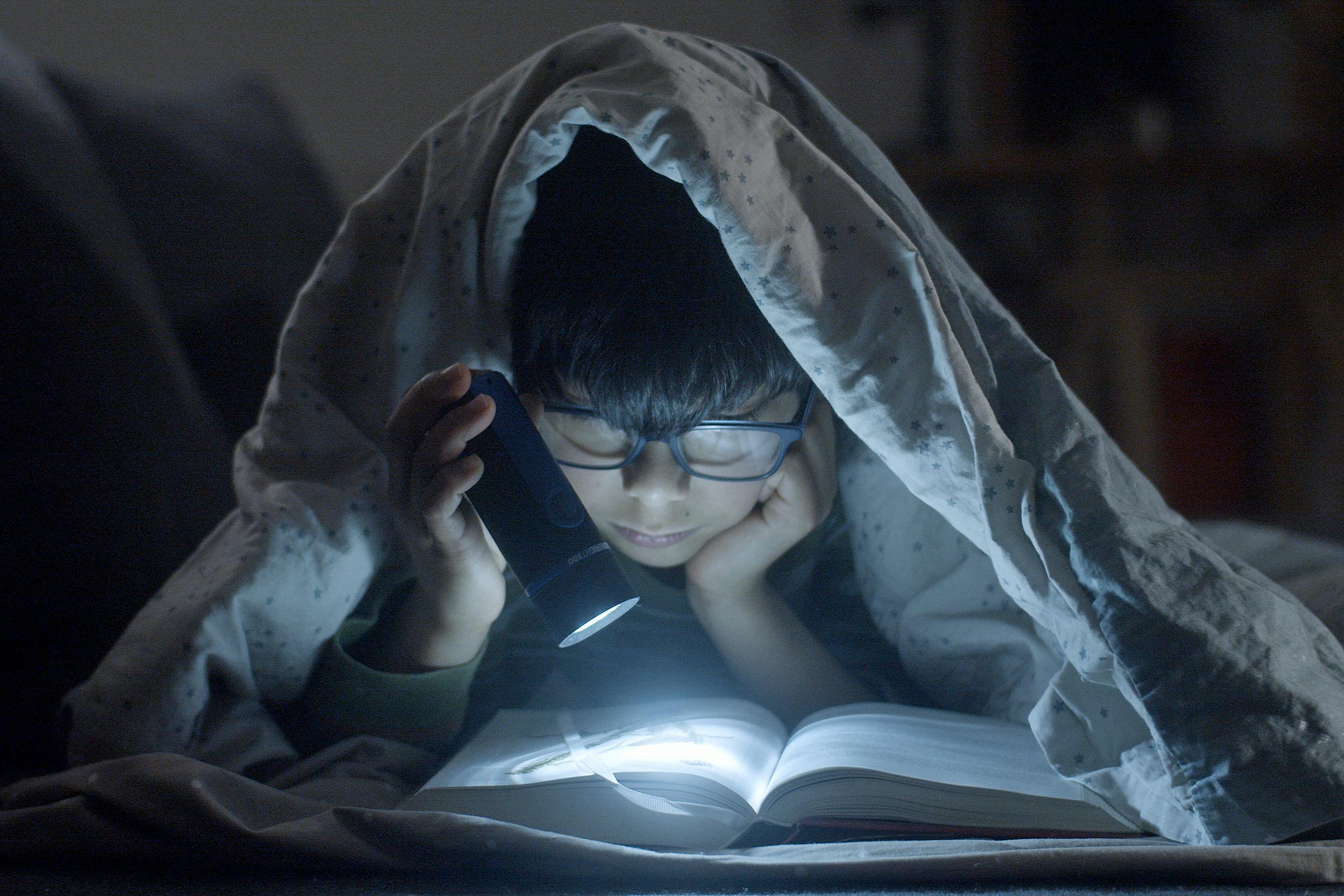
Introverts tend to have rich inner lives. They process experience internally, find meaning in reflection, and often pursue deep interests that don’t require other people to feel satisfying. A weekend alone isn’t a problem to solve. It’s an opportunity to engage with the things that genuinely interest them.
There’s also the matter of self-knowledge. Introverts, particularly those who’ve done some work understanding their own personality, tend to have a clearer sense of what they actually need versus what they think they should want. That clarity helps when handling single life, because it reduces the noise of social comparison and external pressure.
Findings published in PubMed Central on personality and psychological wellbeing suggest that self-awareness and emotional regulation play significant roles in how people handle life transitions, including changes in relationship status. Introverts who have developed these capacities through years of internal reflection often have more resources to draw on during periods of solitude.
That’s not a guarantee of happiness. It’s a foundation. And it’s one that many extroverts have to build more consciously, often during the very periods of being single that feel most uncomfortable.
Can Extroverts Learn to Be More Comfortable Alone?
Yes, and many do. Being single, for extroverts who approach it thoughtfully rather than just enduring it, can become a genuine period of growth. The discomfort of solitude, when faced honestly rather than avoided, tends to produce something useful: a clearer understanding of what you actually need from relationships versus what you’ve been using them to avoid.
A few things tend to help extroverts build a more sustainable relationship with solitude. Structured alone time, rather than unplanned emptiness, tends to feel more manageable. Having a creative project, a physical practice, or a learning goal gives the mind somewhere to go when external stimulation isn’t available. Regular, meaningful social contact, even in smaller doses, can meet enough of the connection need to make quiet time feel less threatening.
What doesn’t help is the reflexive busyness that many extroverts default to. Filling every hour with activity can mask the discomfort without resolving it. Eventually, the quiet catches up with everyone, and it’s better to have some practice sitting with it before that happens.
There’s a useful framework in Frontiers in Psychology around personality flexibility and adaptive behavior, the idea that our traits set tendencies, not limits. Extroverts can develop greater comfort with solitude without becoming introverts. They’re expanding their range, not changing who they are.
I’ve seen this happen with people I’ve worked with closely. One account manager at my agency, a textbook extrovert who needed people around him constantly, went through an extended single period in his late thirties. At first he struggled visibly. But over about eighteen months, he developed a morning writing habit, started running alone, and told me he’d discovered that he actually liked himself more than he’d realized. He didn’t stop being an extrovert. He just became a more complete version of himself.

What This Means for How We Talk About Introversion and Relationships
There’s a tendency in conversations about introversion and extroversion to frame everything as a competition. Introverts are portrayed as self-sufficient and deep. Extroverts are portrayed as needy or shallow. Neither is accurate, and both framings miss the actual point.
What’s true is that different personalities are genuinely better suited to certain conditions. Extroverts thrive in environments rich with social contact. Introverts thrive in environments that offer space and depth. Being single is, structurally, an environment that favors introversion. That doesn’t make extroverts deficient. It makes them human beings handling a situation that runs against their natural grain.
Understanding this matters because it changes how we support people around us. An extroverted friend going through a breakup doesn’t need to be told to enjoy their alone time. They need consistent, meaningful contact while they rebuild. An introverted friend in the same situation might need something different entirely, space, patience, and the occasional low-key check-in rather than a packed social calendar.
Personality type isn’t destiny. But it is context. And context shapes everything about how an experience lands, including something as universal as being single.
If you want to keep exploring how introversion and extroversion shape everyday experience, the Introversion vs Extroversion hub is a good place to go deeper on these questions.
About the Author
Keith Lacy is an introvert who’s learned to embrace his true self later in life. After 20 years in advertising and marketing leadership, including running agencies and managing Fortune 500 accounts, Keith now channels his experience into helping fellow introverts understand their strengths and build fulfilling careers. As an INTJ, he brings analytical depth and authentic perspective to every article, drawing from both professional expertise and personal growth.
Frequently Asked Questions
Do extroverts get lonelier when single than introverts do?
Generally speaking, extroverts tend to feel the absence of a partner more acutely because their baseline need for social connection is higher. Being single removes a primary source of daily intimacy, and extroverts often feel that gap more immediately. That said, loneliness is shaped by many factors beyond personality type, including the quality of existing friendships, life circumstances, and individual emotional history. Extroverts aren’t guaranteed to be lonelier, but the conditions of single life tend to run more against their natural grain.
Are introverts better at being single?
In many practical ways, yes. Introverts tend to find solitude restorative rather than depleting, which means extended periods of single life feel less like something to endure and more like a natural state. They often have rich inner lives, deep individual interests, and a lower need for constant social contact. These traits make the structural conditions of single life more compatible with how they’re wired. Even so, introverts experience loneliness and can struggle with the absence of deep partnership just as genuinely as anyone else.
Can extroverts learn to enjoy being single?
Yes, and many do over time. The process usually involves building a more intentional relationship with solitude rather than avoiding it. Structured alone time, creative or physical pursuits, and maintaining consistent meaningful friendships can all help extroverts find a sustainable rhythm while single. success doesn’t mean stop being an extrovert. It’s to expand the range of conditions in which they can feel grounded and content. Many extroverts find that a period of single life, while initially uncomfortable, produces genuine self-knowledge they wouldn’t have developed otherwise.
Does being an ambivert make single life easier?
Ambiverts and omniverts, people who draw energy from both social engagement and solitude depending on context, often have more flexibility in how they experience single life. Because they can genuinely enjoy both states, they’re less likely to feel stranded in either direction. That said, the specific mix matters. Someone who leans more toward the extroverted end of the ambivert range will still feel the absence of a partner more than someone who leans introverted. Personality type sets tendencies, and those tendencies still shape the experience even when you don’t fit neatly into one category.
How does personality type affect what someone needs from relationships?
Personality type shapes what people seek from relationships in fairly consistent ways. Extroverts tend to want partners who are socially engaged, available for frequent interaction, and comfortable with a full social life. Introverts often prioritize depth over frequency, looking for partners who respect their need for quiet time and don’t interpret solitude as rejection. These differences don’t make one type more suited to relationships overall, but they do mean that compatibility often comes down to how well two people’s social and emotional needs align, not just whether they like each other.