
Extroverts express themselves more freely in person, but introverts often find their voice more fully on social media. The written, asynchronous nature of platforms like Twitter, Reddit, and even LinkedIn gives introverts the space to think before they speak, craft their message carefully, and engage without the energy drain of real-time social performance. That said, extroverts tend to post more frequently and seek broader audiences, while introverts often go deeper with fewer, more intentional connections.
Neither group dominates social media expression in every way. What differs is the style, the intention, and the emotional experience behind the posts.
Social media has genuinely changed what “expressing yourself” even means, and where you fall on the personality spectrum shapes that experience in ways most people never consciously examine. If you’re curious where you land, our Introversion vs Extroversion hub covers the full landscape of how these two orientations show up differently across life, work, and yes, the digital world.

Why Does Personality Type Shape Social Media Behavior at All?
My first real encounter with this question came during a campaign review at one of my agencies. We had just wrapped a social media push for a Fortune 500 client, and I was looking at the engagement data alongside my team. One of my account directors, a genuinely extroverted person who lit up every room she entered, had posted almost nothing on her personal accounts during the entire campaign. Meanwhile, one of my quietest copywriters, someone who rarely spoke up in meetings, had written three deeply personal LinkedIn essays that had generated more genuine conversation than anything we’d produced professionally that quarter.
Career Coaching for Introverts
One-on-one career strategy sessions with Keith Lacy. 20 years of Fortune 500 leadership as an introvert, now helping others build careers that work with their wiring.
Learn More50-minute Zoom session · $175
That gap stuck with me. The person you’d expect to be loud online was silent, and the person you’d expect to hold back was pouring himself out in public.
Personality shapes social media behavior because social media is, at its core, a social environment. And social environments don’t feel the same to everyone. The American Psychological Association defines introversion as a tendency toward inward focus and a preference for less stimulating environments. That preference doesn’t disappear online. It just gets filtered through a different medium.
What social media does, especially text-based platforms, is remove some of the most draining elements of in-person interaction: the need to respond instantly, the physical energy of being present, the social performance of facial expression and body language. For someone wired toward internal processing, that removal matters enormously.
To understand the full picture here, it helps to know exactly what we mean by extroverted in the first place. The concept gets thrown around loosely, so if you want a grounded definition, this breakdown of what extroverted actually means is worth reading before going further.
Do Introverts Actually Post Less, or Just Differently?
Posting frequency is not the same as self-expression. This is a distinction that gets lost almost every time someone tries to compare introverts and extroverts on social media.
Extroverts tend to post more often. They share updates in the moment, react publicly, and seem comfortable broadcasting the texture of their daily lives. That behavior aligns with how extroverts process the world: outwardly, in real time, drawing energy from the response they get. Social media, for many extroverts, functions like an extended conversation. They’re not performing, they’re just doing what comes naturally.
Introverts tend to post less frequently, but that doesn’t mean they’re expressing less. An introvert who writes one carefully considered post per week may be sharing something far more revealing, more emotionally honest, and more personally meaningful than someone who posts fifteen times a day about surface-level moments. The depth-versus-breadth distinction shows up here exactly as it shows up everywhere else in introvert behavior.
I’ve watched this play out with my own LinkedIn presence. During the years I was running agencies and managing large teams, I barely posted at all. Not because I had nothing to say, but because the thought of broadcasting my opinions in real time felt exhausting. When I finally started writing longer reflective posts about leadership and introversion, I discovered that the response was more meaningful than anything I’d expected. People weren’t reacting to frequency. They were responding to something that felt real.
There’s also a spectrum worth acknowledging here. Not everyone is a clear-cut introvert or extrovert. People who fall somewhere in between, sometimes called ambiverts, often show the most flexible social media behavior, adapting their posting style depending on their current energy and the platform they’re using. And then there are omniverts, whose behavior swings more dramatically between the two poles. The distinction between these types matters when you’re trying to understand online self-expression patterns. If you’re not sure where you fall, the introvert, extrovert, ambivert, and omnivert test can give you a clearer sense of your actual orientation.
Which Platforms Favor Introverts and Which Favor Extroverts?
Not all social media is the same kind of social. The format of a platform shapes who thrives there, sometimes more than personality does.
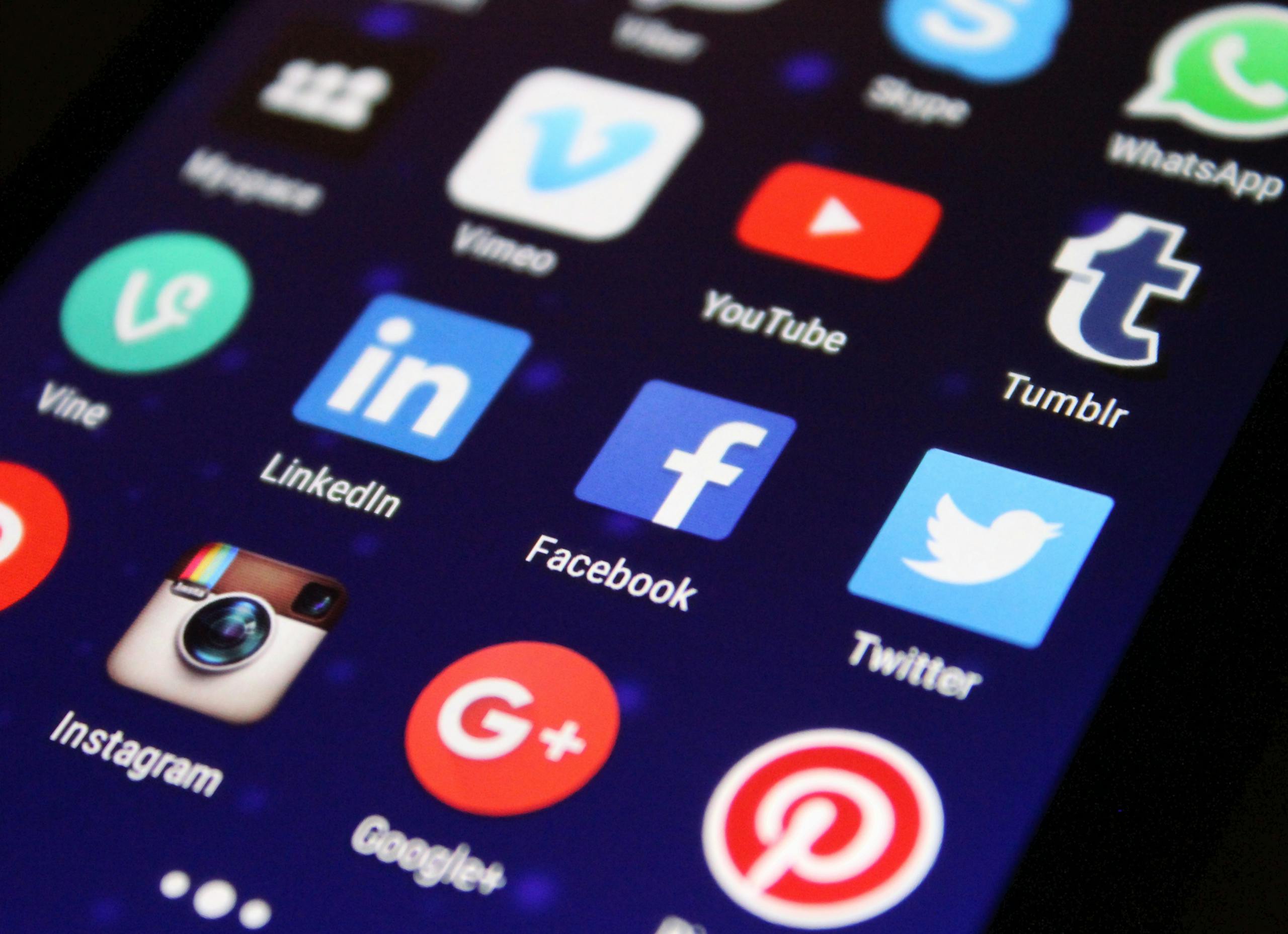
Platforms built around short, frequent, reactive content, think Twitter/X, Instagram Stories, TikTok, tend to reward extroverted behavior. They’re built for immediacy. The dopamine loop of posting and getting instant reactions mirrors the way extroverts naturally engage with the world. Constant stimulation, quick feedback, broad reach. These platforms favor volume, visibility, and comfort with being seen in an unpolished, in-the-moment way.
Platforms built around longer, more considered content tend to give introverts more room to breathe. Reddit’s anonymous threading allows people to go deep on niche topics without social performance. LinkedIn’s long-form posts reward thoughtful writing. Even certain corners of Tumblr and Substack attract people who want to say something substantial rather than something immediate.
The Healthline overview of introversion notes that introverts often prefer meaningful one-on-one interaction over large group settings. That preference translates online. An introvert is more likely to have a deep comment thread with one person than to broadcast to thousands. An extrovert is more likely to go wide, tagging people, sharing broadly, and enjoying the energy of a large audience.
During my agency years, we often had to coach clients on which platforms matched their communication style, not just their target audience. A quiet, deeply knowledgeable executive who struggled in interviews often flourished when we shifted them toward written content. A charismatic spokesperson who went flat in long-form writing came alive on video. Personality and platform fit mattered as much as strategy.
One nuance worth naming: some people who identify as introverts online are actually what you’d call an introverted extrovert, someone who leans extroverted in many ways but needs significant recovery time after social engagement. Their online behavior can look quite different from a deeply introverted person. If that description sounds familiar, this introverted extrovert quiz might help you figure out where you actually sit.
Why Introverts Often Express More Authentically Online
There’s a specific kind of expression that introverts are often better at, and social media, in the right format, amplifies it.
My mind has always worked by processing things internally before I’m ready to share them. In meetings, that made me look slow or disengaged. I’d be formulating something careful and considered while the extroverts in the room were already three topics ahead. But in writing, that processing time becomes an asset. What comes out is more precise, more honest, and more carefully examined than what I’d have said in the moment.
Social media, when it’s text-based and asynchronous, gives introverts that same advantage. There’s no pressure to respond in real time. You can sit with a thought, shape it, revise it, and share it when it’s actually ready. That’s not overthinking. That’s the introvert’s natural process working exactly as it should.
There’s a meaningful body of thinking around this in personality psychology. The research published in PubMed Central on personality and online behavior suggests that the written, self-paced nature of many digital environments can reduce the social anxiety that often accompanies in-person interaction, allowing people who are more internally oriented to express themselves with greater freedom.
That matches my experience. Some of the most emotionally open writing I’ve ever done has been in articles like this one, not in conversations. The page doesn’t interrupt me. It doesn’t require me to manage the energy of another person’s reaction in real time. It just holds what I’m trying to say.
Extroverts, by contrast, often find that text-based platforms strip away the very things that make expression feel natural to them: tone of voice, physical presence, the back-and-forth energy of live conversation. A brilliant extroverted speaker can fall flat in a written post, not because they have less to say, but because the medium doesn’t carry what they do best.
Does Introversion Intensity Change How Someone Uses Social Media?
Not all introverts are the same, and the degree of introversion matters when you’re looking at social media behavior.
Someone who is fairly introverted might find social media a genuinely comfortable space for expression. They can manage the occasional comment thread, post a few times a week, and feel reasonably energized by the interaction. Someone who is extremely introverted might find even the passive act of scrolling through others’ posts overstimulating, let alone the vulnerability of posting themselves.
The difference between these two experiences is significant and often misunderstood. If you’ve ever wondered whether your introversion is moderate or more intense, the comparison between fairly introverted and extremely introverted is worth exploring. It can clarify a lot about why social media feels the way it does to you.
Extremely introverted people often find that even positive social media engagement drains them. Getting a lot of comments on a post can feel overwhelming rather than rewarding. Notifications become noise. The expectation of response creates a kind of low-level social obligation that persists across the day in a way that in-person interaction doesn’t, because at least in person, the conversation has a clear endpoint.
I’ve felt this myself. On days when I’ve posted something that got significant traction, I’d find myself checking responses compulsively and then feeling oddly depleted by the attention. It took me a while to realize that even positive social engagement has an energy cost for me, and that managing my online presence requires the same kind of intentional energy budgeting I apply to my calendar.
Fairly introverted people, by contrast, often find a sweet spot. They can engage meaningfully without being overwhelmed. They enjoy the depth of written conversation without needing the volume that extroverts often seek. Social media, for this group, can genuinely be a space where they express themselves more freely than they do in person.
Where Ambiverts and Omniverts Fit Into This Picture
The introvert/extrovert binary is a useful starting point, but it doesn’t capture everyone’s experience. A significant portion of people fall somewhere between the two poles, and their social media behavior reflects that complexity.
Ambiverts, people who have both introverted and extroverted tendencies in relatively balanced measure, often show the most adaptive social media behavior. They might post frequently during high-energy periods and go quiet when they need recovery. They can write long-form content and also engage comfortably in comment threads. Their expression online tends to be more variable than either pure introverts or pure extroverts.
Omniverts are different. Where ambiverts tend to be consistently moderate, omniverts swing more dramatically between the two ends. They might be intensely social online for stretches of time and then disappear entirely. If you’ve ever wondered about the distinction between these two types, the comparison of omnivert vs ambivert lays out the differences clearly.
There’s also a less commonly discussed type worth mentioning: the otrovert, a term used to describe someone whose social orientation is more context-dependent than trait-based. Their behavior online can look like introversion in one setting and extroversion in another, depending on the topic, the community, and their current emotional state. If that description resonates, the otrovert vs ambivert comparison is a useful read.
What all of this complexity points to is that social media expression is never purely about introversion or extroversion. It’s about how someone’s underlying personality interacts with the specific demands and affordances of each platform, each community, and each moment.

The Hidden Cost of Performing Extroversion Online
There’s a particular exhaustion that comes from trying to show up online the way you think you’re supposed to, rather than the way that actually fits you.
Early in my agency career, I watched colleagues build what looked like effortless online presences. They posted constantly, engaged publicly, and seemed to thrive on the visibility. So I tried to do the same. I’d draft posts that were upbeat and frequent and deliberately social. They felt hollow to me when I wrote them, and they performed accordingly. The engagement was polite at best.
What I was doing was performing extroversion, and social media audiences, even if they can’t name what they’re sensing, can often feel the difference between authentic expression and performed enthusiasm.
The same dynamic plays out in reverse. Extroverts who try to adopt the “thoughtful, long-form” aesthetic because they think it seems more credible often produce content that feels labored. Their natural voice is quick, energetic, and immediate. When they suppress that to sound more measured, something gets lost.
Authenticity on social media isn’t about being a certain type of person. It’s about expressing in a way that’s consistent with how you actually process and share the world. For introverts, that often means fewer posts with more depth, more careful word choices, and a preference for conversations over broadcasts. For extroverts, it often means more frequent sharing, more responsiveness, and more comfort with being seen in an unfinished state.
The Psychology Today piece on introverts and friendship quality makes a point that applies directly here: introverts tend to prioritize depth over breadth in relationships, and that preference shapes everything about how they connect, including online. An introvert with two hundred deeply engaged followers may have a richer social media experience than an extrovert with twenty thousand passive ones.
What This Means for How You Use Social Media
Understanding your personality type’s relationship to social media isn’t just an academic exercise. It has practical implications for how you show up, how you protect your energy, and how you build something that actually sustains you over time.
If you’re introverted and you’ve been measuring your social media success by extroverted metrics, posting frequency, follower counts, viral reach, you’ve been playing the wrong game. The metrics that matter more for introverts are depth of engagement, quality of conversation, and whether the content you’re creating reflects something you actually believe rather than something you thought would perform.
Adolescence is often when these patterns first get established. Psychology Today’s look at introversion during the teen years points out that introverted teenagers often struggle with the social performance demands of school, and social media in that period can either amplify that struggle or offer a genuine refuge depending on how it’s used. The patterns established early often persist into adulthood.
If you’re extroverted and you find yourself burning out on social media despite enjoying it, it may be worth examining whether you’re using it in ways that actually match your needs. Extroverts can overstimulate themselves online just as introverts can. The constant availability of social input doesn’t mean you should consume all of it.
And if you’re somewhere in between, which many people are, the most useful thing you can do is pay attention to which platforms and which types of engagement actually leave you feeling connected and energized rather than drained and hollow. That feedback is your personality telling you something real.
The research on personality and digital communication, including findings documented in this PubMed Central study on online social behavior, consistently points toward one conclusion: the medium matters as much as the message. Who you are shapes not just what you say online, but whether the act of saying it costs you or sustains you.
There’s also a broader conversation worth having about what healthy self-expression looks like across personality types. The APA research on personality and well-being suggests that alignment between your natural tendencies and your daily behaviors, including how you communicate, is one of the stronger predictors of psychological health. Performing a social style that doesn’t fit you, online or off, carries a real cost over time.

If this exploration of how personality shapes self-expression has you thinking about the broader introvert-extrovert dynamic, our Introversion vs Extroversion hub goes deeper on the full range of differences, from communication styles to energy management to how these traits show up in relationships and work.
About the Author
Keith Lacy is an introvert who’s learned to embrace his true self later in life. After 20 years in advertising and marketing leadership, including running agencies and managing Fortune 500 accounts, Keith now channels his experience into helping fellow introverts understand their strengths and build fulfilling careers. As an INTJ, he brings analytical depth and authentic perspective to every article, drawing from both professional expertise and personal growth.
Frequently Asked Questions
Do introverts or extroverts express themselves more on social media?
Extroverts typically post more frequently and engage with broader audiences, while introverts tend to express themselves less often but with greater depth and intentionality. Neither group dominates expression overall. What differs is the style: extroverts favor immediacy and volume, introverts favor precision and meaning. On text-based, asynchronous platforms, introverts often find it easier to express themselves authentically than they do in real-time social settings.
Which social media platforms are better suited to introverts?
Platforms that support longer, more thoughtful content tend to suit introverts better. Reddit, LinkedIn’s long-form posts, Substack, and similar text-heavy environments allow for the kind of considered, in-depth expression that introverts prefer. Platforms built around quick, reactive, high-frequency content, like TikTok or Twitter/X in its most rapid-fire form, tend to favor extroverted communication styles. That said, many introverts find meaningful communities on any platform when the format allows for depth.
Can social media be draining even for introverts who enjoy it?
Yes, and this is one of the most commonly overlooked aspects of introvert social media use. Even positive engagement, like receiving a lot of comments or messages, carries an energy cost for introverts. The ongoing social obligation created by notifications and response expectations can produce a low-level drain that persists throughout the day. Extremely introverted people in particular may find that even passive scrolling is more stimulating than it appears, and that managing their online presence requires the same intentional energy budgeting they apply to in-person social commitments.
How do ambiverts behave differently on social media compared to introverts or extroverts?
Ambiverts tend to show the most flexible and adaptive social media behavior. They may post frequently during high-energy periods and pull back when they need recovery time. They can engage comfortably in both quick reactive exchanges and longer thoughtful conversations. Their expression online is typically more variable than either introverts or extroverts, shifting with their current energy and context rather than following a consistent pattern. This adaptability can be an advantage, though it can also make it harder for ambiverts to establish a consistent online presence.
Why do introverts sometimes seem more open online than in person?
Social media, especially in its written and asynchronous forms, removes many of the most draining elements of in-person interaction: the need to respond instantly, the physical energy of presence, and the social performance of managing facial expressions and body language in real time. Introverts process internally before they’re ready to share, and writing gives them that processing time. The result is often more honest, more precise expression than what they’d produce under the pressure of live conversation. The medium creates conditions that happen to align naturally with how introverts think and communicate.