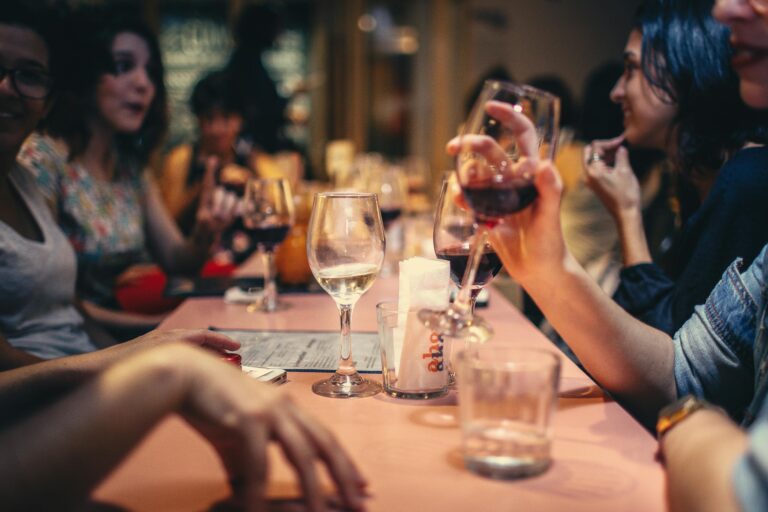

Many people turn to alcohol to ease shyness at social events, hoping it will quiet the inner voice that says they don’t belong in the room. It works in the short term, which is exactly what makes it dangerous. What starts as a glass of wine to take the edge off a networking dinner can quietly become the only way a shy or introverted person feels capable of showing up at all.
Drinking to alleviate shyness is more common than most people admit, and it sits at a complicated intersection of personality, social anxiety, and coping habits that deserves an honest conversation.
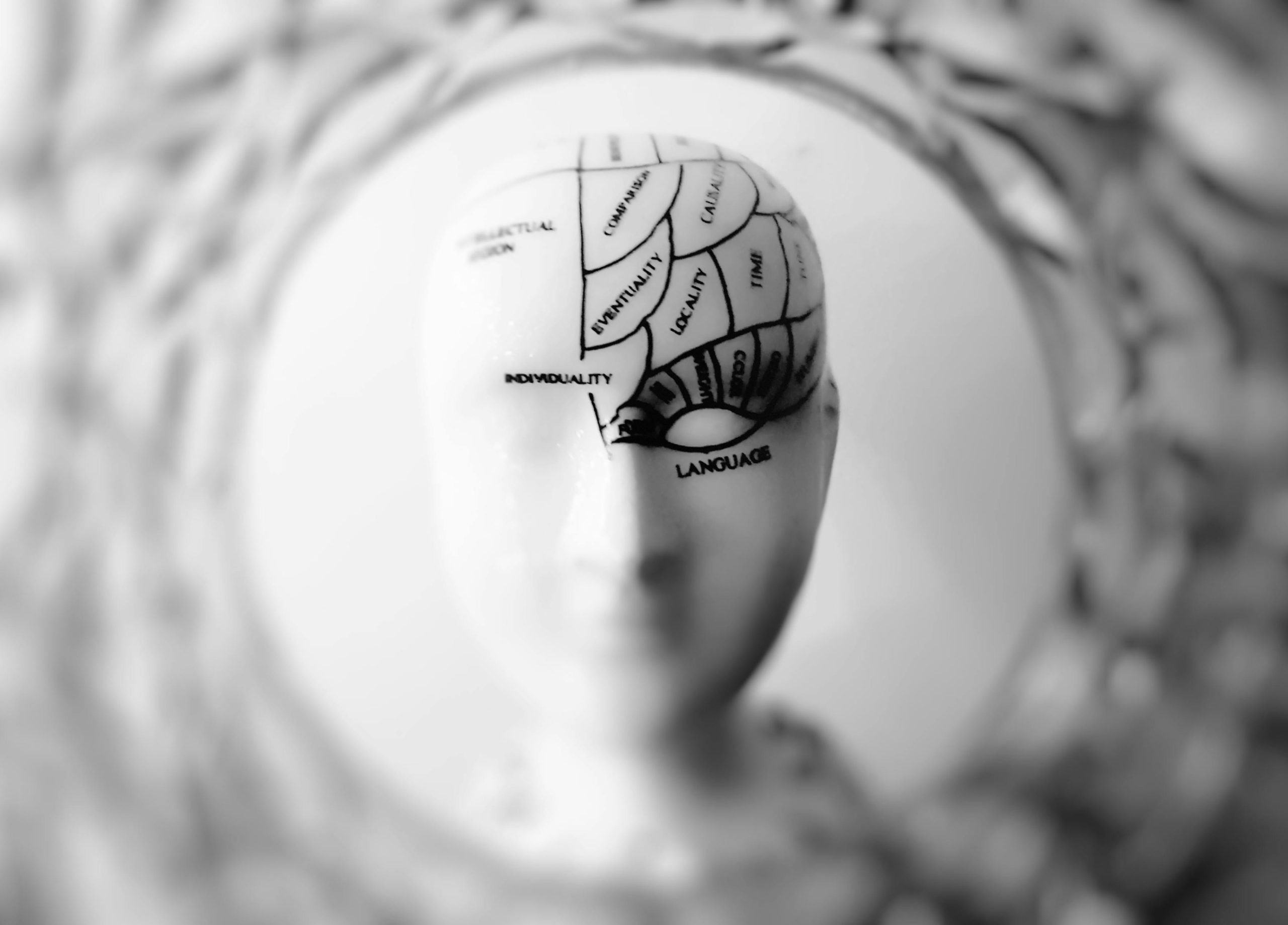
Before we go further, I want to be clear about something that often gets tangled up in this conversation. Introversion and shyness are not the same thing. Introversion is about where you get your energy. Shyness is about fear of social judgment. Some introverts are not shy at all. Some extroverts are profoundly shy. And some of us carry both, which can make social situations feel like a two-front war. Our Introversion vs Other Traits hub explores this full spectrum, because understanding what you’re actually dealing with changes everything about how you address it.
Why Does Alcohol Feel Like It Helps With Shyness?
There’s a physiological reason alcohol feels like a social lubricant. It suppresses activity in the parts of the brain responsible for self-monitoring and fear response. That inner critic who whispers that you said the wrong thing, or that everyone noticed you standing alone by the appetizer table, gets quieter after a drink or two. For someone whose shyness is rooted in fear of negative evaluation, that quieting effect feels like relief.
What’s your personality type?
Take our free 40-question assessment and get a detailed personality profile with dimension breakdowns, context analysis, and personalised insights.
Discover Your Type8-12 minutes · 40 questions · Free
I know this from personal experience, not from a clinical distance. Early in my advertising career, client dinners were my recurring nightmare. I was an INTJ running accounts that required me to be charming, spontaneous, and socially fluid in ways that didn’t come naturally. I wasn’t just introverted. I was also genuinely shy in certain social configurations, particularly ones where I felt evaluated or where the conversation was shallow and fast-moving.
A glass of scotch at those dinners didn’t make me extroverted. But it turned down the volume on the part of my brain that was cataloging every awkward pause, every moment I reached for a word and came up short. It felt functional. It felt like a reasonable accommodation for a personality that didn’t fit the room.
The problem is that “feeling functional” and “being functional” are two very different things. And over time, the gap between them widens.
Is This an Introvert Problem, a Shyness Problem, or Both?
Pinning this down matters, because the answer shapes what actually helps. If you’re reaching for a drink because social situations drain your energy and you’re already running on empty, that’s an energy management problem. If you’re reaching for a drink because you’re afraid of being judged, embarrassed, or rejected in social settings, that’s a shyness or social anxiety problem. And if both are true simultaneously, which is more common than personality frameworks often acknowledge, you’re carrying a heavier load than most people around you realize.
People sometimes assume that because they feel comfortable in some social situations and uncomfortable in others, they must be somewhere in the middle of the introvert-extrovert spectrum. That assumption leads them to explore concepts like being an omnivert versus an ambivert, trying to figure out whether their inconsistency is a personality type or something else entirely. Sometimes the inconsistency isn’t about type at all. It’s about which situations trigger shyness and which don’t.
An introvert who is confident can walk into a party, feel drained by it, and leave early without a drop of anxiety. A shy extrovert might crave the stimulation of that same party but feel paralyzed at the door. When shyness and introversion overlap, the combination can feel like a personality prison, and alcohol can seem like the only key.

If you’re not sure where you fall on this spectrum, taking a structured introvert, extrovert, ambivert, and omnivert test can give you a clearer starting point. Knowing your actual wiring helps you separate what’s personality from what’s fear, and that distinction changes the conversation entirely.
What Does the Pattern Actually Look Like Over Time?
The pattern tends to be gradual, which is part of what makes it hard to catch. It rarely starts as a problem. It starts as a strategy.
You have a work event coming up. You feel dread in your chest for two days beforehand. You arrive, you have a drink, and the dread loosens. You have a decent conversation. You leave feeling like you pulled it off. That experience gets filed in your brain as: drink equals manageable. Next time, the drink comes earlier. Then you start having one at home before you leave. Then you start declining events where you can’t drink. Then events where you can’t drink enough.
What’s happening neurologically is that your brain is pairing alcohol with relief from a specific kind of distress. The more consistently you make that pairing, the stronger it becomes. Published findings in PMC research on alcohol use and anxiety point to a well-documented relationship between social anxiety and problematic drinking patterns, where alcohol becomes the primary coping mechanism precisely because it works in the short term.
I watched this pattern play out in my agency years, not just in myself but in colleagues. Some of the most gifted creative people I worked with were also among the shyest. They were brilliant in small rooms, devastating in one-on-one conversations, and quietly terrified of the larger social machinery of agency life: pitches, parties, client mixers, award shows. The ones who leaned on alcohol as their primary social tool often didn’t notice the shift until it had already become something harder to step back from.
How Do You Know If You’re Using Alcohol as a Crutch?
Honest self-assessment is harder than it sounds, especially when the behavior has been working well enough to feel justified. A few questions worth sitting with:
Do you feel genuinely unable to attend certain social events without drinking first? Not uncomfortable, not less-than-ideal, but actually unable? Do you find yourself calculating how much you can drink at an event before it becomes conspicuous? Do you feel a specific kind of anxiety when you’re at a social event and realize you won’t be able to drink, or won’t be able to drink as much as you’d planned?
These aren’t signs of moral failure. They’re signs that a coping pattern has become load-bearing in a way that deserves attention. Additional research published in PMC examining personality traits and alcohol use suggests that people with higher social anxiety are particularly vulnerable to developing alcohol dependence because the relief alcohol provides is so immediate and so specific to the distress they feel.
If you’re genuinely uncertain about where you fall on the introversion spectrum, it’s worth getting clearer on that first. Sometimes people who identify as “extremely introverted” are actually carrying significant social anxiety alongside their introversion, and the distinction between being fairly introverted versus extremely introverted can help you understand whether your discomfort is about energy depletion or something that runs deeper.

What’s the Difference Between Shyness, Introversion, and Social Anxiety?
These three things get conflated constantly, and the conflation causes real harm because it leads people to misidentify what they’re actually dealing with.
Introversion, as most personality frameworks define it, is about energy. Introverts recharge in solitude and find sustained social interaction draining, regardless of whether they enjoy it. An introvert can be confident, socially skilled, and genuinely warm in social settings. They just need to recover afterward. If you want a clearer sense of what extroversion looks like from the inside, exploring what it actually means to be extroverted can help you understand the contrast more precisely.
Shyness is about discomfort and inhibition in social situations, often rooted in fear of negative evaluation. A shy person may desperately want connection but feel blocked from pursuing it by fear. Shyness can exist in introverts and extroverts alike.
Social anxiety is a more persistent and intense version of shyness that significantly interferes with daily functioning. It involves anticipatory dread, physical symptoms, and avoidance behaviors that go beyond ordinary social discomfort. Social anxiety is a clinical condition, and it responds well to evidence-based treatment. Alcohol is not evidence-based treatment. It’s a temporary symptom manager that often makes the underlying condition worse over time.
The reason this matters for drinking is that each of these has a different solution. An introvert who’s drinking to manage energy depletion needs better boundary-setting and recovery strategies, not alcohol. A shy person who’s drinking to quiet their inner critic needs confidence-building and gradual exposure, not alcohol. Someone with social anxiety needs professional support, and Psychology Today’s writing on introverts and deeper connection is a useful starting point for understanding why surface-level social situations feel particularly threatening to people wired for depth.
What Actually Works Instead of Drinking?
This is where I want to be honest rather than optimistic. There’s no substitute that replicates the immediate chemical effect of alcohol on social fear. Anyone who tells you that deep breathing or power poses will give you the same relief is oversimplifying. What actually works is different: it’s slower, it requires more effort, and it builds something real rather than borrowing against your future comfort.
One of the most effective shifts I made in my agency years was changing how I prepared for social events rather than how I medicated through them. As an INTJ, I do better when I’ve thought through a situation in advance. So I started treating client dinners like I treated pitches: I prepared. I researched who would be there. I identified two or three people I genuinely wanted to talk with. I gave myself permission to have one substantive conversation rather than working the room.
That reframe changed everything. I stopped trying to perform extroversion and started showing up as a version of myself that was actually sustainable. The conversations I had were better. The relationships I built were stronger. And I wasn’t white-knuckling through the evening on a combination of scotch and social performance.
Some people find it useful to understand whether they might be what’s sometimes called an “introverted extrovert,” someone who has extroverted tendencies but experiences them through an introverted lens. Taking an introverted extrovert quiz can help clarify whether your social discomfort is about type mismatch or something that needs a different kind of attention.
Beyond preparation strategies, cognitive behavioral approaches to social anxiety have a strong track record. The work involves gradually exposing yourself to feared social situations without the crutch of alcohol, while challenging the catastrophic thoughts that make those situations feel unbearable. It’s not fast. But it changes the underlying wiring rather than just suppressing the alarm.
Professional support matters here. Point Loma’s counseling psychology resources offer a useful perspective on how introverts relate to therapeutic settings, which can help if you’ve avoided seeking support because the idea of talking to a stranger about your inner life feels like its own kind of social ordeal.

Can Understanding Your Personality Type Help You Stop?
Yes, but not in the way people usually expect. Knowing your personality type doesn’t cure shyness or social anxiety. What it does is give you a more accurate map of your actual terrain, which makes it easier to build strategies that fit you rather than ones designed for someone else’s wiring.
When I finally stopped trying to be the extroverted agency leader I thought I was supposed to be and started working with my INTJ nature instead, my relationship with social situations changed. Not because I became more comfortable in large groups, I still find them draining and often tedious. But because I stopped measuring my performance against a standard that was never going to fit me.
There’s a concept worth exploring here around how different personality types experience social situations differently. Some people who feel deeply out of place in social settings are actually what’s called an otrovert rather than an ambivert, meaning their social experience is more context-dependent than trait-dependent. Understanding that nuance can help you stop pathologizing your natural responses and start working with them.
Personality awareness also helps you identify the specific situations that trigger your shyness versus the ones that don’t. Most shy people are not shy in all contexts. They’re shy in specific configurations: large groups, unfamiliar people, high-stakes evaluative situations. Knowing your triggers lets you build targeted strategies rather than relying on a chemical blanket that covers everything indiscriminately.
One thing I’ve seen work well, both for myself and for people I’ve mentored over the years, is finding the social settings where your natural strengths actually show up. As an INTJ, I’m at my best in small groups where the conversation has substance. I’m not at my best at loud cocktail parties where the goal is to be charming and fast. Structuring more of my social life around the former and less around the latter wasn’t avoidance. It was intelligent self-management.
When Is This Serious Enough to Get Help?
The honest answer is: sooner than you think. Most people wait until a pattern is significantly disrupting their life before they seek support, but by that point, the habit is more entrenched and harder to shift.
If drinking to ease shyness is happening regularly, if it’s the primary way you manage social situations, or if the thought of attending social events without it produces genuine anxiety, those are meaningful signals. They don’t mean you’re an alcoholic. They mean you’ve built a coping pattern that’s carrying more weight than is healthy, and that pattern deserves attention before it becomes harder to address.
Social anxiety, when left unaddressed, tends to narrow your world over time. The situations you avoid multiply. The confidence you might have built through gradual exposure never develops. And the gap between who you are in private and who you feel capable of being in public keeps widening. Frontiers in Psychology’s work on personality and social behavior offers useful context for understanding how personality traits interact with social functioning across time.
Conflict and discomfort in social settings are also worth examining directly rather than medicating past. Psychology Today’s framework for introvert-extrovert conflict resolution is a practical resource for people who find interpersonal friction particularly draining and who may be using alcohol partly to smooth over the friction they anticipate.
Getting help doesn’t have to mean a formal treatment program. It can mean working with a therapist on social anxiety specifically. It can mean joining a group like Toastmasters where you practice social exposure in a structured, supportive environment. It can mean having an honest conversation with your doctor about what you’ve noticed in your own patterns. Any of those steps is a move in a more sustainable direction than continuing to rely on something that borrows against your long-term wellbeing.
There’s a lot more to explore about how introversion intersects with shyness, social anxiety, and the ways we cope with social pressure. Our complete Introversion vs Other Traits hub covers the full range of these distinctions, and spending time there can help you build a clearer picture of what you’re actually working with.
About the Author
Keith Lacy is an introvert who’s learned to embrace his true self later in life. After 20 years in advertising and marketing leadership, including running agencies and managing Fortune 500 accounts, Keith now channels his experience into helping fellow introverts understand their strengths and build fulfilling careers. As an INTJ, he brings analytical depth and authentic perspective to every article, drawing from both professional expertise and personal growth.
Frequently Asked Questions
Is drinking to ease shyness a sign of alcoholism?
Not necessarily, but it is a meaningful warning sign. Using alcohol specifically to manage social fear creates a strong psychological pairing between drinking and relief from anxiety. Over time, that pairing can become a dependency even in people who don’t drink heavily in other contexts. The pattern matters more than the quantity: if you feel unable to manage social situations without alcohol, that’s worth taking seriously regardless of how much you’re actually drinking.
Are introverts more likely to drink to cope with social situations?
Introversion alone doesn’t predict problematic drinking. Many introverts are perfectly comfortable declining social events or leaving early without needing chemical assistance. The risk factor is shyness or social anxiety, which can exist in introverts and extroverts alike. When introversion and social anxiety overlap, the combination can make social situations feel particularly overwhelming, which increases the appeal of alcohol as a coping tool.
What’s the difference between shyness and social anxiety?
Shyness is a personality trait involving discomfort and inhibition in social situations, particularly with unfamiliar people. Social anxiety is a clinical condition involving persistent, intense fear of social situations that significantly interferes with daily life. Shyness exists on a spectrum and is very common. Social anxiety is more severe, often involves physical symptoms like racing heart and sweating, and typically requires professional treatment to address effectively.
How can I socialize without relying on alcohol?
Start by identifying the specific situations that trigger your shyness and building targeted strategies for those contexts. Preparation helps enormously: knowing who will be at an event, identifying one or two people you genuinely want to connect with, and giving yourself permission to have a few good conversations rather than working the entire room. Gradual exposure without alcohol, starting with lower-stakes situations and building up, helps your brain learn that social situations are manageable without chemical assistance. Professional support from a therapist who specializes in social anxiety can accelerate this process significantly.
Can knowing your personality type help with shyness?
Personality awareness can be genuinely useful, though not as a cure. Understanding your introversion or extroversion helps you distinguish between social fatigue (an energy issue) and social fear (an anxiety issue), which points you toward the right solutions. It also helps you identify the social contexts where you naturally thrive versus the ones that consistently drain or frighten you, so you can structure your social life more intelligently rather than forcing yourself into situations that will always feel like a bad fit.