

English quotes about shyness capture something that most people misread in quiet, reserved individuals: the feeling of having something real to say and struggling to find the moment to say it. Shyness is not the same as introversion, and it is not the same as having nothing to offer. These quotes, drawn from writers, thinkers, and public figures across centuries, put language to an experience that is often dismissed or misunderstood.
What makes these quotes worth sitting with is how precisely they describe the internal tension of shyness, that gap between what someone feels and what the world sees. Whether you identify as shy, introverted, or somewhere in between, you will likely find something here that sounds like your own inner voice finally written down.
Shyness, introversion, and related traits all live along a wide personality spectrum. If you want a fuller picture of where these traits connect and diverge, our Introversion vs Other Traits hub is a good place to start. It covers the distinctions that matter most for understanding yourself clearly.

Why Do Quotes About Shyness Still Resonate So Deeply?
There is something specific about finding a quote that names what you have felt but never quite articulated. Shyness carries a particular kind of loneliness because it is so often invisible from the outside. A person can appear composed, even confident, while internally managing a storm of self-consciousness and hesitation. When a writer from another era puts that experience into precise language, it does something meaningful. It confirms that the feeling is real, that it has always existed, and that you are not uniquely broken for having it.
What’s your personality type?
Take our free 40-question assessment and get a detailed personality profile with dimension breakdowns, context analysis, and personalised insights.
Discover Your Type8-12 minutes · 40 questions · Free
I spent the better part of two decades running advertising agencies, managing rooms full of creative directors, account leads, and strategists who expected their CEO to project certainty at all times. What I rarely admitted, even to myself, was that some of my quietness in those rooms was genuine shyness layered over introversion. Not the crippling kind, but the kind that made me pause before speaking, that made me choose words carefully, that made me uncomfortable with the performative confidence some of my peers wore so easily. Finding writing that named that experience, whether in a novel or a biography or a poem, made me feel less like I was failing at leadership and more like I was simply wired differently.
Shyness has been written about honestly by people who understood it from the inside. That honesty is what makes these quotes hold up across time.
What Do the Most Honest Quotes Say About Shyness and Self-Worth?
Some of the most enduring quotes on shyness connect it directly to self-perception, and not always in the way you might expect. Shyness is not always low self-esteem. Sometimes it is a heightened awareness of other people’s reactions, a sensitivity to judgment that has nothing to do with how capable or worthy someone actually is.
T.S. Eliot captured something close to this when he wrote about measuring out life in small, careful gestures rather than bold declarations. That image of restraint, of holding back not from weakness but from acute awareness, resonates with many shy people who are actually quite perceptive and internally rich.
Agatha Christie, one of the most widely read authors in history, described herself as painfully shy throughout her life. She once wrote that she had always been shy and that it had never entirely left her. What strikes me about that admission is how it sits alongside her extraordinary output and success. Shyness did not make her small. It made her observant, careful, and deeply attuned to the way people behave when they think no one is watching closely.
That quality, noticing what others miss, shows up repeatedly in how shy and introverted people describe their experience. Sensitivity to social environments, a tendency to observe before participating, a preference for depth over breadth in conversation. These are not deficits. They are a particular way of being present in the world. If you are curious about what it actually means to be extroverted by comparison, this piece on what extroverted means offers a grounded look at the other side of that equation.

Which Quotes Capture the Difference Between Shyness and Introversion?
Shyness and introversion are genuinely different things, even though they often travel together. Introversion is about where you get your energy: from solitude and internal reflection rather than social engagement. Shyness is about anxiety or discomfort in social situations, a fear of judgment or negative evaluation. Someone can be extroverted and shy. Someone can be introverted and not shy at all.
Susan Cain, in her writing on quiet personalities, drew this distinction clearly. She pointed out that shyness involves fear while introversion involves preference. That framing helped a lot of people separate two experiences they had been conflating for years.
The poet Emily Dickinson offers a different angle. Her famous line about telling the truth but telling it slant speaks to something many shy people recognize: the indirect approach, the sideways entry into difficult territory. Whether or not Dickinson intended it as commentary on shyness, it reads that way to many who have spent years finding oblique paths into conversations they wanted to have directly but could not quite manage.
What I find useful about these distinctions is that they give shy people permission to stop treating their experience as a single undifferentiated problem. Some of what feels like shyness might actually be introversion, which carries different implications and responds to different approaches. Some of it might be social anxiety, which is something else again and worth addressing with appropriate support. Knowing which is which matters enormously for how you relate to yourself. The difference between being fairly introverted versus extremely introverted is a useful lens here too, because the intensity of the trait shapes how it shows up in daily life.
What Have Writers and Thinkers Said About Shyness in Public Life?
Some of the most striking quotes about shyness come from people whose public presence gave no outward sign of it. Abraham Lincoln was described by contemporaries as deeply reserved in social settings, uncomfortable with small talk, and prone to long silences. Yet he communicated with extraordinary clarity and power when the moment called for it. That gap between private shyness and public effectiveness is something many quiet people will recognize.
Eleanor Roosevelt wrote directly about shyness as something she worked with rather than against. She described gaining confidence through doing things that frightened her, not by eliminating the fear but by acting alongside it. That framing has held up well. It does not promise that shyness disappears with enough effort. It suggests instead that action and shyness can coexist, that you do not have to wait until you feel fearless to move forward.
The writer Henry James, whose novels are essentially extended meditations on social perception and self-consciousness, described shyness as a form of excessive imagination, the habit of projecting too far into other people’s minds and anticipating their reactions before they happen. That description is remarkably precise. Much of what makes shyness uncomfortable is not the social situation itself but the mental simulation of it that runs ahead of the actual moment.
I managed a senior account director at one of my agencies who was exceptionally skilled at her work but visibly uncomfortable in new client presentations. She prepared obsessively, which helped, but what I noticed was that her discomfort peaked in the minutes before a meeting, not during it. Once she was actually in the room and engaged, she was clear and compelling. Her shyness lived in anticipation more than in reality. That Henry James framing would have been useful to her, and honestly to me in some of my own early leadership moments.
Some of the most thoughtful writing on why deeper conversations matter touches on this indirectly, noting that shy and introverted people often find surface-level interaction more draining precisely because they are capable of and hungry for something more substantive.
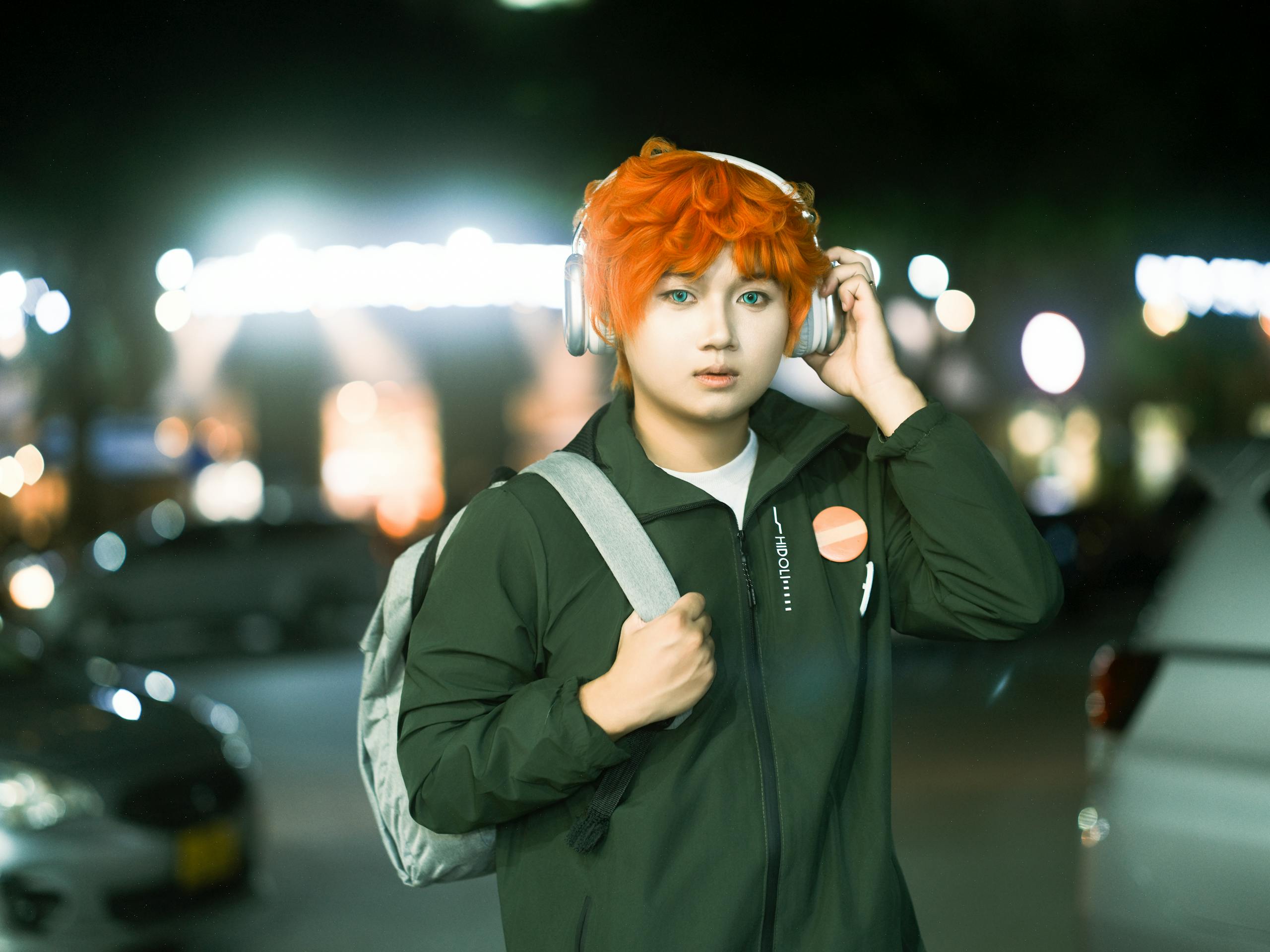
How Do Quotes About Shyness Speak to the Experience of Being Misread?
One of the most consistent themes in quotes about shyness is the frustration of being misinterpreted. Shy people are often read as aloof, disinterested, arrogant, or cold, when the internal experience is almost the opposite: an intense awareness of others, a desire to connect, and a difficulty finding the entry point.
The novelist Charlotte Brontë wrote with unusual directness about shyness and its social costs. Her characters, and by many accounts her own life, reflected the painful gap between inner richness and outward reserve. She understood that shyness is not indifference. It is, in many cases, a kind of hypervigilance to social signals, an over-awareness that makes easy interaction harder rather than easier.
Mark Twain, who was by most accounts a highly social and performative figure in public, wrote privately about the exhaustion of that performance and the relief of solitude. His observation that he could go weeks without missing the company of anyone except himself captures something that resonates with introverts more than shy people specifically, yet the underlying sentiment, that solitude is not punishment but preference, cuts across both experiences.
Being misread was something I dealt with throughout my agency years. I was not the back-slapping, room-working CEO that some clients expected. I listened more than I spoke in early meetings. I took notes. I asked follow-up questions rather than launching into recommendations. Some clients initially read that as uncertainty or lack of confidence. What it actually was, as I came to understand it, was my natural process: absorb first, synthesize, then respond with something worth saying. The misreading was frustrating, but the approach itself was sound. The challenge was helping people understand what they were seeing.
Understanding where you fall on the broader personality spectrum can help with this. If you have ever felt like you do not fit neatly into introvert or extrovert categories, the distinction between an omnivert and an ambivert might offer a more accurate framework for your experience.
What Can Quotes About Shyness Teach Us About Strength and Resilience?
Not all quotes about shyness frame it as something to overcome. Some of the most valuable ones treat it as a trait with genuine strengths built in, a different orientation rather than a deficient one.
The psychologist Carl Jung wrote about introversion and the interior life with a depth that still feels fresh. His framing of the introvert as someone who draws energy from within rather than from without gave language to an experience that had previously been treated as a social failure. While Jung was writing specifically about introversion rather than shyness, the underlying respect for inward orientation applies to both.
Audre Lorde wrote about silence and speech in ways that resonate strongly with shy people who have spent years holding back. Her argument that silence will not protect you, that the act of speaking even when frightened is its own form of power, carries weight for anyone who has let shyness keep them from saying something important. It is not a dismissal of shyness but a call to act despite it.
There is also something worth noting in quotes that treat shyness as a kind of perceptual gift. The tendency to observe carefully before engaging means that shy people often notice what more socially confident people miss. They read rooms differently. They catch undercurrents. They remember details. These are not consolation prizes for social difficulty. They are genuine capabilities that show up in research on personality and cognitive processing, which suggests that people higher in introversion and related traits often process environmental information more thoroughly.
Exploring personality type more precisely can help you see these strengths more clearly. If you are not sure where you land on the spectrum, taking an introvert extrovert ambivert omnivert test is a practical starting point for understanding your baseline orientation.

How Do Quotes About Shyness Apply to Professional and Leadership Contexts?
Shyness in professional settings carries a particular weight because so much of what passes for competence in workplaces is actually just confidence displayed loudly. The person who speaks first in a meeting, who fills silence readily, who projects certainty even in ambiguous situations, tends to be perceived as more capable regardless of whether their contributions are actually better.
This dynamic has been examined in workplace contexts, and the findings are worth taking seriously. A piece from Harvard’s Program on Negotiation looks at whether introverts are at a disadvantage in negotiation settings, and the conclusion is more nuanced than the premise suggests. Quiet, careful communicators often perform well precisely because they listen more and react less impulsively.
Winston Churchill, who projected extraordinary public confidence, wrote privately about what he called his “black dog” and the internal struggles that ran beneath his public persona. While his challenges went beyond shyness, the gap between his internal experience and his external presentation is something many shy professionals will recognize. Public confidence and private difficulty are not mutually exclusive.
One of the most useful reframes I found in my own career came from a mentor who told me that presence is not the same as volume. He meant that the people who commanded rooms were not always the loudest ones. Sometimes they were the ones who spoke rarely but precisely, whose silence created weight rather than absence. That framing helped me stop apologizing for my natural pace and start treating it as a considered approach.
Shyness in leadership is genuinely complicated, though. It can create real friction when quick decisions, public advocacy, or high-stakes presentations are required. The goal is not to pretend the friction does not exist but to build the specific skills that address it while preserving what is actually working. Some of the most effective approaches to this involve understanding personality type more granularly. The distinction between an otrovert and an ambivert, for instance, matters for how you structure your social energy in professional settings.
There is also something worth saying about the relationship between shyness and conflict. Shy people often avoid confrontation not because they lack strong views but because the social cost of direct disagreement feels disproportionately high. A thoughtful framework for this appears in writing on introvert-extrovert conflict resolution, which offers practical steps for handling disagreement without requiring you to become someone you are not.
What Do Quotes About Shyness Reveal About Connection and Belonging?
Shyness and loneliness are not the same thing, but they often intersect in ways that quotes capture with unusual honesty. Many shy people want deep connection intensely. The difficulty is not desire but access, finding the path from internal richness to external relationship without the friction of social anxiety getting in the way.
The poet Rainer Maria Rilke wrote about solitude and connection in ways that feel almost prescriptive for shy people. His suggestion that we should love the questions themselves, rather than demanding immediate answers, applies to the social experience of shyness too. Sitting with the discomfort of not yet knowing how to connect, rather than treating that discomfort as evidence of permanent failure, is a more sustainable orientation.
Virginia Woolf’s writing about interior experience and the difficulty of making oneself understood to others captures something that shy people know well: the sense that the most real parts of you are also the hardest to communicate. Her observation that no one could know, from the outside, what it felt like to be inside a particular consciousness resonates with the experience of being misread as cold or distant when you are actually paying close attention.
What I find most useful in these quotes is that they do not promise resolution. They do not say that shyness goes away with enough practice or that connection becomes effortless once you work on yourself enough. They say instead that the experience is real, that it has been felt by people of extraordinary depth and capability, and that living with it thoughtfully is its own form of courage.
If you are trying to figure out whether your social hesitance is more about introversion or shyness, an introverted extrovert quiz can help you get clearer on your baseline tendencies, which is a useful first step before deciding what, if anything, you want to address.
Personality research has also looked at the relationship between social processing and wellbeing. Work published in PMC on personality and social behavior suggests that the quality of social connection matters more than the quantity, which aligns with what many shy and introverted people already know intuitively: a few genuine conversations are worth more than a room full of surface-level exchanges.
There is also something grounding in knowing that shyness does not preclude professional effectiveness in fields that require deep human understanding. Writing from Point Loma University on introverts in counseling roles makes the case that the qualities associated with introversion and shyness, careful listening, sensitivity to emotional undercurrents, patience with silence, are often genuine assets in work that requires sustained human attention.

How Should You Actually Use These Quotes?
Quotes about shyness are most useful when they do something specific: confirm an experience, reframe a narrative, or offer a new way of holding something that has felt like a problem. They are not prescriptions. They are mirrors.
What I have found, both in my own experience and in conversations with other introverts and shy people over the years, is that the quotes that stick are the ones that name something you already knew but had not found language for. The Eleanor Roosevelt quote about doing the thing you fear does not tell you the fear will disappear. It tells you that the fear is not a reason to stop. That is a different kind of encouragement, one that respects the reality of the experience rather than promising it away.
The Charlotte Brontë quotes about inner life and outward reserve give shy people permission to stop treating their interior richness as something that needs to be more visible to be valid. The Audre Lorde quotes about speaking remind shy people that silence has costs too, that the choice to stay quiet is also a choice with consequences.
Used well, these quotes become part of an internal vocabulary for understanding yourself more clearly. They sit alongside frameworks like personality type assessments, alongside conversations with people who understand this terrain, alongside the slow process of figuring out which parts of your shyness you want to work with and which parts you simply want to understand better.
That process of understanding yourself more precisely is something the Introversion vs Other Traits hub is designed to support, with resources that help you distinguish between shyness, introversion, and the various related traits that often get lumped together.
About the Author
Keith Lacy is an introvert who’s learned to embrace his true self later in life. After 20 years in advertising and marketing leadership, including running agencies and managing Fortune 500 accounts, Keith now channels his experience into helping fellow introverts understand their strengths and build fulfilling careers. As an INTJ, he brings analytical depth and authentic perspective to every article, drawing from both professional expertise and personal growth.
Frequently Asked Questions
Are shyness and introversion the same thing?
No, they are distinct traits that often overlap but are not identical. Introversion refers to where you draw your energy, preferring solitude and internal reflection over constant social engagement. Shyness involves anxiety or discomfort in social situations, often rooted in a fear of negative judgment. A person can be extroverted and shy, or introverted and not shy at all. Understanding which trait you are actually dealing with matters for how you approach it.
Why do quotes about shyness resonate so strongly with quiet people?
Shyness is often invisible from the outside, which means the internal experience rarely gets named accurately by others. Finding a quote that puts precise language to something you have felt but never articulated creates a sense of recognition and validation. It confirms that the experience is real, that others have lived it, and that it does not make you uniquely broken. That kind of confirmation carries genuine weight for people who have spent years being misread as aloof or disinterested.
Can shy people be effective leaders?
Yes, and many historically significant leaders have described themselves as shy in private settings. Shyness can coexist with leadership effectiveness, particularly when the leader develops specific skills around communication and presence. The qualities that accompany shyness, careful observation, sensitivity to others, deliberate communication, can be genuine strengths in leadership contexts. The challenge is addressing the friction points, like public advocacy and high-stakes presentations, without treating shyness itself as something to be eliminated.
Is shyness something you can change?
Shyness exists on a spectrum and can shift over time, particularly with deliberate practice and the right kind of support. Social anxiety, which is related but more intense, often responds well to cognitive behavioral approaches and professional guidance. Many people find that shyness becomes less limiting as they accumulate positive social experiences and develop clearer language for their own needs. The goal is not necessarily to stop being shy but to ensure that shyness does not consistently prevent you from doing things that matter to you.
What is the difference between shyness and social anxiety?
Shyness is a personality trait characterized by discomfort and hesitance in social situations, particularly with unfamiliar people or settings. Social anxiety is a more intense condition where the fear of social situations is persistent, disproportionate, and interferes significantly with daily functioning. Shyness is common and does not necessarily require intervention. Social anxiety, when it is significantly limiting, often benefits from professional support. The two can overlap, but they are not the same, and treating them as identical can lead to either over-pathologizing normal shyness or under-addressing genuine anxiety.