

Being extremely frustrated about shyness is one of the most common experiences introverts describe to me, and the frustration usually comes from a painful misunderstanding: most people, and many introverts themselves, have spent years conflating shyness with introversion. They are genuinely different things. Shyness is a fear of negative social judgment. Introversion is a preference for less stimulating environments and a tendency to recharge through solitude. You can be one without the other, and sorting that out changes everything.
That distinction matters because the solutions are completely different. If you’re frustrated because you feel held back in social situations, the answer depends entirely on which thing is actually holding you back. And if nobody ever helped you tell them apart, you’ve probably been solving the wrong problem for years.

Much of the confusion around shyness and introversion exists within a much larger puzzle about how personality traits actually work. Our Introversion vs Other Traits hub covers the full spectrum of how introversion relates to shyness, extroversion, ambiverts, and everything in between. If you’ve ever felt like you don’t quite fit the standard definitions, that’s a good place to start untangling things.
Why Do So Many Introverts Assume They’re Also Shy?
Somewhere in my early years running an agency, I absorbed a belief that I was simply bad at people. I’d watch extroverted colleagues work a room at client events with what seemed like effortless ease, and I’d stand near the bar nursing a drink, counting the minutes until I could reasonably leave. I told myself I was shy. I told my business partner I was shy. I even told clients I was “more of a behind-the-scenes person,” which in retrospect was a strange thing to say when you’re supposed to be leading the room.
What’s your personality type?
Take our free 40-question assessment and get a detailed personality profile with dimension breakdowns, context analysis, and personalised insights.
Discover Your Type8-12 minutes · 40 questions · Free
What I was actually experiencing was a mix of genuine introversion and a layer of social anxiety that had built up from years of trying to perform extroversion. Those are two separate things. The introversion was real and permanent. The anxiety was a response to constantly operating against my nature. Once I understood that difference, I stopped trying to fix the introversion and started addressing the anxiety instead.
The conflation happens for understandable reasons. Both traits can produce similar surface behaviors: avoiding parties, preferring small gatherings, struggling with small talk, feeling drained after social events. From the outside, a shy extrovert and a non-shy introvert can look identical. But their internal experiences are completely different. The shy extrovert desperately wants to connect and feels fear stopping them. The introvert may simply not feel the pull toward constant social engagement in the first place.
Part of understanding where you fall on this spectrum means understanding what extroversion actually involves. Most people have a vague sense of what it means to be extroverted, but the specifics matter. What does extroverted mean at its core? It means drawing energy from external stimulation, from people, activity, and engagement with the outside world. Extroverts aren’t just outgoing. They’re neurologically wired to find stimulation rewarding in a way that introverts typically don’t. That’s a biological reality, not a personality flaw on either side.
What Does Shyness Actually Feel Like From the Inside?
Shyness has a very specific texture that’s worth naming clearly, because many people who experience it have never had language for it. It’s not just quietness. It’s a preoccupation with how you’re being perceived, often accompanied by physical symptoms: a tightening in the chest before speaking up in a meeting, a rehearsed quality to even casual conversations, a tendency to replay interactions afterward and find everything you said inadequate.
One of my creative directors years ago was a genuinely talented strategist, an INTJ like me, but she was also visibly shy in ways I recognized from my own earlier years. She’d go quiet in group brainstorms not because she lacked ideas, she always had the sharpest thinking in the room, but because she was terrified of saying something that would be judged poorly. The introversion and the shyness were layered on top of each other, and her colleagues mostly saw the quiet and assumed she wasn’t engaged.
That’s the cruelest part of shyness for people who also happen to be introverted. The introversion makes you quieter to begin with, and the shyness gets blamed on the introversion, so nobody ever addresses the actual anxiety underneath. She eventually worked with a therapist on the social anxiety component, and her introversion stayed exactly as it was. She still preferred small meetings and deep one-on-one conversations. She still recharged by working alone. But the fear of judgment softened significantly, and her contributions in group settings became much more visible.
Psychological literature on social anxiety and shyness points to this distinction consistently. A study published in PMC examining personality and social behavior found that shyness correlates more strongly with neuroticism and anxiety-based traits than with introversion itself. Introversion and shyness share some behavioral overlap, but they come from fundamentally different places.
Can You Be Introverted Without Being Shy at All?
Absolutely, and this is where the frustration often peaks for people who’ve spent years assuming the two go together. Many introverts are completely comfortable in social situations. They enjoy good conversation, feel at ease meeting new people, and have no particular fear of being judged. What they don’t enjoy is prolonged exposure to high-stimulation environments. They’d rather have dinner with two close friends than attend a networking event with two hundred strangers, not because the strangers frighten them, but because the energy cost doesn’t feel worth it.
I’m a good example of this. After years of agency work, I became quite comfortable in client presentations, speaking at industry events, and managing difficult conversations with major brand partners. The discomfort I used to feel in those situations wasn’t introversion, it was anxiety that I’d built up through years of trying to perform a style of leadership that didn’t fit me. Once I stopped fighting my natural wiring and started working with it, the anxiety mostly dissolved. The introversion remained. I still leave parties early. I still find large group meetings exhausting in a way that a two-hour strategy session with one client never is. That’s not shyness. That’s just how my energy works.
It’s also worth noting that personality isn’t a simple binary. Some people find themselves somewhere in the middle of the introvert-extrovert spectrum, and their relationship with shyness can be even more confusing. If you’ve ever wondered whether you might be an ambivert or something more situational, taking an introvert extrovert ambivert omnivert test can give you a clearer starting picture. Knowing roughly where you land helps you separate what’s wiring from what’s fear.
Why Does the Frustration About Shyness Run So Deep?
There’s a particular kind of exhaustion that comes from feeling like your personality is a problem to be fixed. I’ve heard it from dozens of introverts over the years, people who spent their twenties and thirties trying to become more outgoing, attending workshops on “executive presence,” forcing themselves into social situations that drained them, and then feeling ashamed when they still wanted to go home early.
The frustration about shyness is often compounded by the fact that it feels more controllable than introversion. People don’t usually tell introverts to “just be less introverted.” But they absolutely tell shy people to “just put yourself out there” or “push through it.” That advice, while well-intentioned, misses the emotional reality of what shyness actually involves. Telling someone with a fear of social judgment to simply stop fearing social judgment is roughly as useful as telling someone with a fear of heights to just look down.
There’s also a gendered layer to this that’s worth acknowledging. Quiet men are often labeled as shy or weak. Quiet women are often labeled as shy or passive. Neither label captures what’s actually happening, and both carry enough cultural weight to make people feel genuinely broken. One of my account managers, a deeply introverted woman who managed some of our largest Fortune 500 relationships with extraordinary skill, was passed over for a promotion early in her career because someone described her as “too shy to lead.” She wasn’t shy. She was measured, deliberate, and precise in how she used her energy. Those are assets, not deficits.

Some of the most interesting complexity in this space comes from people who don’t fit neatly into any single category. The difference between an omnivert vs ambivert is a good example of how personality expression can be more situational than fixed. An omnivert might swing between deeply introverted and surprisingly extroverted depending on context, which can make shyness even harder to identify because it looks different depending on the day.
How Do You Start Separating Shyness From Introversion in Your Own Life?
The most useful question I’ve found is this: when you avoid a social situation, what are you actually avoiding? Are you avoiding it because it sounds exhausting and you’d rather spend that energy on something more meaningful to you? Or are you avoiding it because you’re afraid of how you’ll be perceived, afraid of saying the wrong thing, afraid of being judged?
The first answer is introversion. The second is shyness or social anxiety. Both can be present at the same time, but they require different responses.
If the avoidance is introversion-based, the answer isn’t to push yourself into more social situations. It’s to design your social life in ways that match your energy. Fewer but deeper interactions. Smaller groups. More intentional conversations. Psychology Today’s piece on why introverts need deeper conversations captures this well: the issue isn’t that introverts dislike people. It’s that shallow interaction doesn’t feel worth the energy cost.
If the avoidance is shyness-based, the answer is more likely to involve gradually building tolerance for the feared situations, not forcing yourself into overwhelming scenarios, but gently expanding your comfort zone over time. Cognitive behavioral approaches to social anxiety are well-documented and genuinely effective for many people. That’s a different process entirely from “learning to be more extroverted.”
One thing that helped me personally was getting clearer on where I actually fall on the introversion spectrum. There’s a real difference between being fairly introverted and being extremely introverted, and the strategies that work well at one end of the spectrum don’t always translate to the other. Understanding the distinction between fairly introverted vs extremely introverted helped me stop applying advice designed for mild introverts to a situation that was considerably more pronounced.
Does Shyness Ever Actually Serve You?
This is a question I don’t see asked often enough. Most conversations about shyness treat it purely as a problem to be overcome. And while the anxiety component of shyness genuinely can hold people back, there are aspects of the cautious, observational quality that often accompanies shyness that have real value.
People who’ve experienced shyness tend to be more attuned to social dynamics. They’ve spent years watching how interactions unfold, reading rooms, noticing who’s comfortable and who isn’t. That observational capacity is genuinely useful in leadership, in creative work, in negotiation. A Harvard Program on Negotiation piece makes the case that introverts often bring significant advantages to negotiation contexts precisely because of their tendency to listen carefully and observe before acting.
The goal, in my experience, isn’t to eliminate shyness entirely. It’s to reduce the fear component enough that it stops limiting your choices, while keeping the perceptiveness and thoughtfulness that often come with it. That’s a more honest and achievable target than trying to become someone who’s completely fearless in social situations.

What About People Who Feel Introverted in Some Situations and Extroverted in Others?
This is more common than people realize, and it adds another layer of confusion to the shyness question. Some people find that their introversion or extroversion seems to shift depending on context, who they’re with, what the stakes are, how comfortable they feel. That situational variation can make it genuinely hard to know whether the discomfort in certain social settings is introversion, shyness, or just the specific dynamics of that environment.
If you’ve ever felt like you’re somewhere between introvert and extrovert, or like your personality shifts depending on context, the question of otrovert vs ambivert might be worth exploring. Some people genuinely occupy a middle ground on the introversion-extroversion spectrum, and their shyness, if present, can look different depending on which mode they’re in.
What I’ve noticed in my own experience is that I’m most likely to feel something resembling shyness in situations where I feel fundamentally out of place, large unstructured social events with no clear purpose, networking situations where the goal is unclear, gatherings where I don’t know most people and the conversation stays relentlessly surface-level. That’s not pure introversion. That’s introversion combined with a mild discomfort about how to behave when the social script isn’t obvious to me.
Understanding that specific trigger helped enormously. Structured social situations, client dinners with a clear agenda, industry panels where I had a defined role, even large conferences where I knew what I was there to accomplish, never triggered that same discomfort. The shyness was situational, not global. That’s an important distinction because it means the work isn’t about changing your personality. It’s about identifying the specific conditions that activate the fear response and addressing those directly.
If you’re still working out where you actually fall on the introvert-extrovert spectrum, an introverted extrovert quiz can be a useful starting point. It won’t diagnose shyness, but it can help clarify your baseline wiring, which is the foundation for figuring out what’s introversion, what’s shyness, and what’s something else entirely.
How Do You Actually Move Through Shyness Without Betraying Your Introversion?
The framing that helped me most was separating the goal from the method. success doesn’t mean become an extrovert. The goal is to stop letting fear make decisions for you. Those are very different targets, and conflating them is what sends introverts down the exhausting path of trying to perform extroversion as a solution to shyness.
Practically, what that looked like for me was identifying the specific social situations where anxiety was the limiting factor, rather than genuine introversion-based preference, and building tolerance for those situations gradually. Not by forcing myself into overwhelming scenarios, but by finding smaller versions of those situations where I could practice without the stakes feeling impossibly high.
A PMC article on social anxiety and behavioral approaches supports the general principle here: gradual exposure to feared social situations, combined with cognitive reframing of what those situations actually mean, tends to reduce the anxiety response over time. That’s not the same as becoming extroverted. It’s just reducing the interference that fear creates.
I also found it genuinely useful to get better at conflict and difficult conversations, because a lot of what felt like shyness in professional settings was actually avoidance of potential friction. Psychology Today’s framework for introvert-extrovert conflict resolution offers some practical structure for those situations where the fear of saying the wrong thing tends to keep introverts silent when they should speak.
One of the more counterintuitive things I discovered is that leaning into my introversion, rather than fighting it, actually reduced the shyness over time. When I stopped trying to match the energy of extroverted colleagues and started showing up as my actual self, the anxiety about being judged for being quiet mostly dissolved. People can tell when you’re performing. They can also tell when you’re genuinely present. The latter builds trust in a way the former never does.
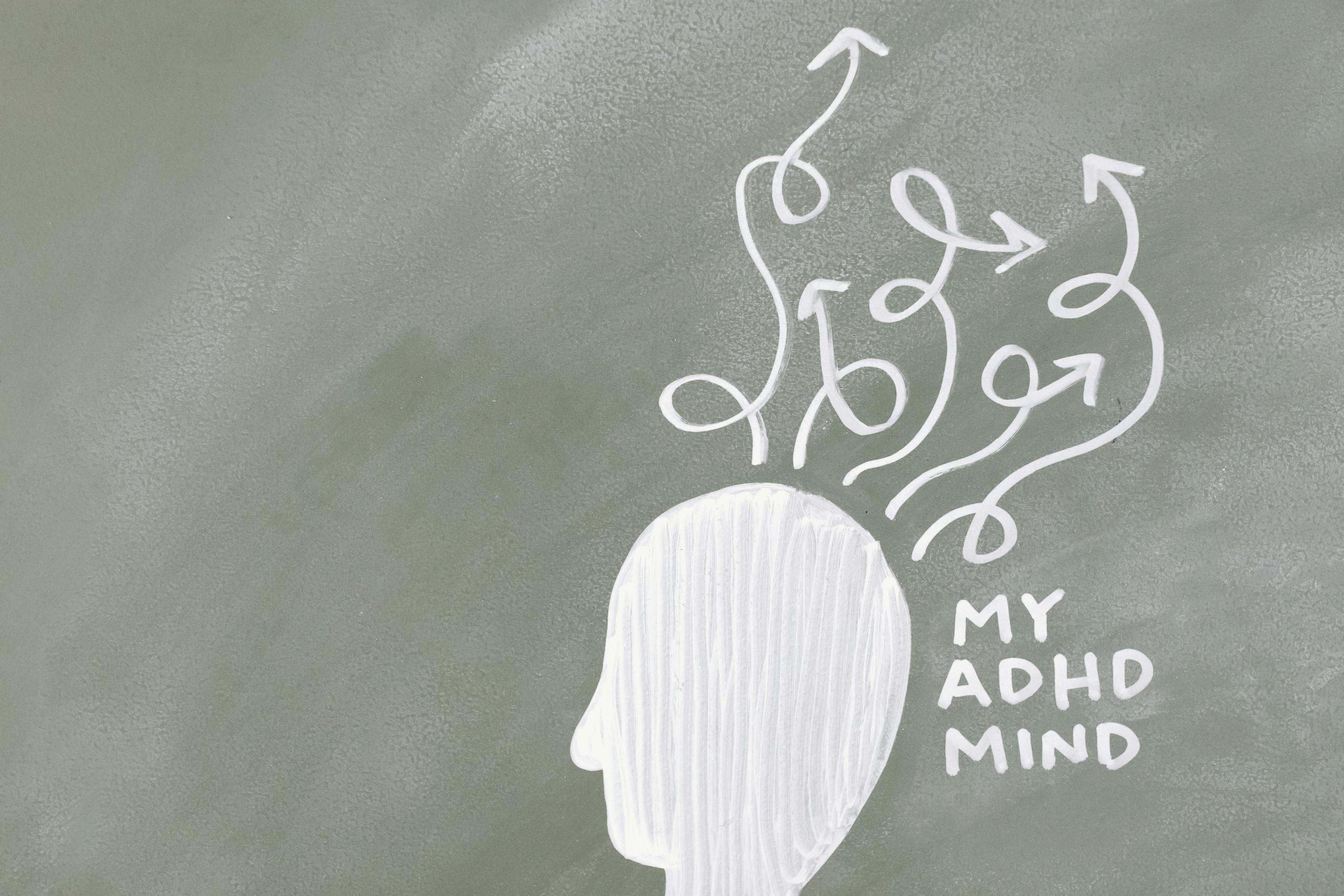
There’s one more thing worth saying directly to anyone who’s been extremely frustrated about shyness for a long time: the frustration itself is information. It usually means you’ve been trying to solve this problem using someone else’s framework. You’ve been trying to become less shy by becoming more extroverted, and those aren’t the same project. Shyness is about fear. Introversion is about energy. Treating your introversion as the problem has probably made the shyness worse, not better, because it added shame to the mix. Shame and fear are a particularly difficult combination to work through.
Start by separating the two. Give yourself permission to be introverted without apology. Then, from that more stable foundation, address the fear component on its own terms. That sequence matters. You can’t effectively work on shyness while simultaneously fighting your own wiring.
If you want to go deeper on how introversion relates to the full range of personality traits, including where shyness fits in the larger picture, our complete Introversion vs Other Traits resource hub covers these distinctions in much more detail.
About the Author
Keith Lacy is an introvert who’s learned to embrace his true self later in life. After 20 years in advertising and marketing leadership, including running agencies and managing Fortune 500 accounts, Keith now channels his experience into helping fellow introverts understand their strengths and build fulfilling careers. As an INTJ, he brings analytical depth and authentic perspective to every article, drawing from both professional expertise and personal growth.
Frequently Asked Questions
Is being extremely frustrated about shyness a sign that something is wrong with me?
No. The frustration usually signals that you’ve been trying to solve the problem using the wrong framework. Many people who are frustrated about shyness have been conflating it with introversion and trying to fix both at once by becoming more extroverted. That approach rarely works because introversion and shyness are different things with different causes. Shyness involves fear of social judgment. Introversion involves energy preferences. Separating them is the first step toward actually addressing what’s happening.
Can you be an introvert and not be shy?
Yes, completely. Many introverts are socially comfortable and feel no particular fear of judgment in social situations. They simply prefer less stimulation, smaller groups, and more meaningful interactions over frequent shallow ones. The preference for quiet and depth is about energy, not fear. Shyness is a separate trait that can appear in introverts, extroverts, and everyone in between.
What’s the most practical way to tell if I’m shy or just introverted?
Ask yourself what you’re actually avoiding when you skip a social situation. If you’re avoiding it because it sounds draining and you’d rather spend that energy elsewhere, that’s introversion. If you’re avoiding it because you’re afraid of being judged, saying something wrong, or being perceived negatively, that’s shyness or social anxiety. Both can be present simultaneously, but they require different responses. Introversion is best managed by designing your social life to match your energy. Shyness is best addressed by gradually building tolerance for the feared situations.
Does shyness go away on its own over time?
For some people, shyness does ease naturally as they accumulate positive social experiences and build confidence over time. For others, especially when the shyness is rooted in deeper social anxiety, it tends to persist or worsen without intentional work. Gradual exposure to feared situations, combined with addressing the underlying beliefs that drive the fear, tends to be more effective than simply waiting for it to resolve. Working with a therapist who specializes in social anxiety is a genuinely useful option for people whose shyness significantly limits their choices.
Can shyness and introversion actually work together as strengths?
In some ways, yes. People who’ve experienced shyness often develop strong observational skills and a heightened sensitivity to social dynamics, because they’ve spent years watching how interactions unfold before participating in them. Combined with the depth and thoughtfulness that often accompanies introversion, that perceptiveness can be a real asset in leadership, creative work, and relationship-building. success doesn’t mean eliminate these traits entirely but to reduce the fear component enough that it stops limiting your choices, while keeping the awareness and sensitivity that often come with them.