

Becoming “extrovert confident” doesn’t mean rewiring your personality. It means developing the social skills, presence, and self-assurance to show up fully in situations that feel uncomfortable, without pretending to be someone you’re not. Shyness and introversion are not the same thing, and once you separate them, the path forward gets a lot clearer.
Everyone assumes confidence belongs to the loudest person in the room. I spent twenty years in advertising leadership watching that assumption play out, and watching it fail. The clients who commanded the most respect weren’t always the ones who talked the most. They were the ones who meant what they said when they finally spoke.

Before we go further, it helps to understand where you actually land on the personality spectrum. A lot of people who come to this topic aren’t sure whether they’re dealing with introversion, shyness, social anxiety, or some combination of all three. Our Introversion vs Extroversion hub covers the full landscape of these traits, and it’s worth grounding yourself in those distinctions before you start trying to change anything about how you show up socially.
What Does It Actually Mean to Be Extrovert Confident?
Most people who search for ways to “extrovert yourself” aren’t actually trying to become extroverts. They want the confidence that extroverts seem to carry so naturally. The ease in a room full of strangers. The ability to speak up without rehearsing every word first. The sense that social situations aren’t something to survive but something to actually enjoy.
What’s your personality type?
Take our free 40-question assessment and get a detailed personality profile with dimension breakdowns, context analysis, and personalised insights.
Discover Your Type8-12 minutes · 40 questions · Free
To understand what you’re working toward, it helps to get clear on what extroverted actually means at its core. Extroversion is fundamentally about where you draw energy. Extroverts recharge through social interaction. Introverts recharge through solitude. Confidence, though, isn’t tied to either. It’s a skill, not a personality trait. And skills can be built.
When I was running my first agency, I confused confidence with performance. I thought being confident meant projecting energy I didn’t have, filling silences I was comfortable with, and matching the room’s volume. What I was actually doing was performing extroversion, and it was exhausting. The shift came when I stopped trying to perform and started focusing on being genuinely prepared, genuinely present, and genuinely clear about what I wanted to say. That’s a different kind of confidence entirely, and it’s one that introverts can access without betraying who they are.
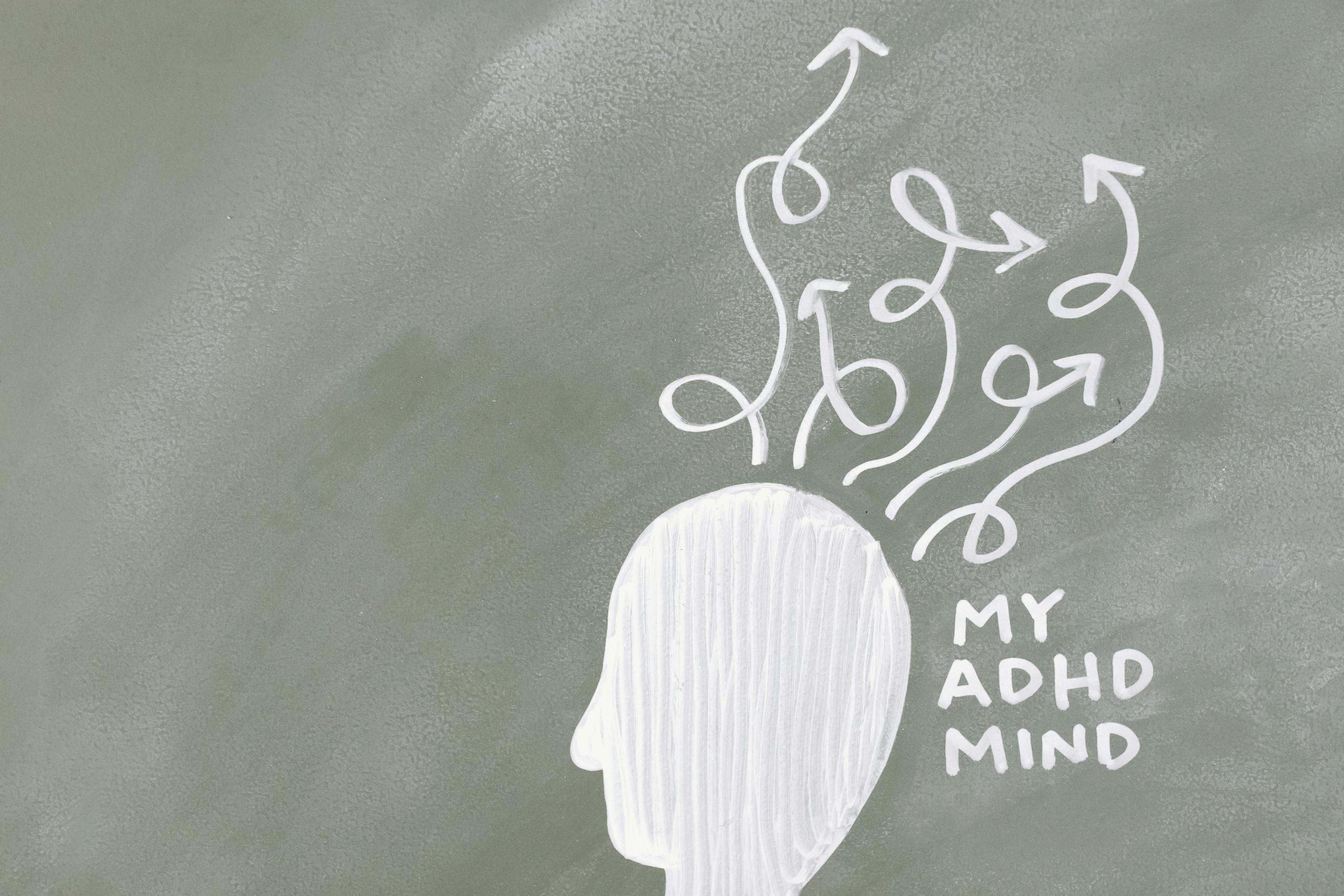
Is Shyness the Same as Introversion, or Are You Dealing With Something Different?
This distinction matters more than most people realize, because the solution to shyness and the solution to introversion-related discomfort are genuinely different.
Shyness is rooted in fear. It’s the anxiety that comes before or during social situations, the worry about being judged, saying the wrong thing, or being perceived negatively. Introversion, by contrast, is simply a preference for less stimulation and more internal processing. An introvert who isn’t shy might still prefer smaller gatherings, but they don’t dread them. A shy extrovert might crave social connection but feel paralyzed by the fear of how others will receive them.
Many people are both introverted and shy, which compounds the challenge. But treating them as one problem leads to solutions that only address half of what’s going on. If you’re working through shyness, the work is largely about gradually exposing yourself to the situations you fear and building evidence that you can handle them. If you’re working through introvert discomfort, the work is more about managing your energy, setting realistic expectations, and building skills that don’t require you to run on empty.
Not sure where you fall? Taking an introvert extrovert ambivert omnivert test can give you a clearer picture of your baseline. Knowing whether you’re fairly introverted or deeply so also shapes how you approach this work. There’s a meaningful difference between being fairly introverted versus extremely introverted, and the strategies that work for one don’t always translate to the other.
How Do You Build Social Confidence Without Faking Extroversion?
There’s a version of “fake it till you make it” that works, and a version that backfires badly. The version that works is behavioral: you act with confidence before you feel it, because action often precedes feeling. The version that backfires is identity-level: you pretend to be a different kind of person entirely, and the inauthenticity bleeds through in ways you can’t control.
Behavioral confidence-building for introverts looks like this in practice. You prepare more thoroughly than extroverts feel they need to. You arrive early to events so you can ease in before the noise level rises. You identify one or two people you genuinely want to talk to rather than trying to work the whole room. You ask questions instead of performing monologues, because introverts are often exceptional listeners and that’s a social asset, not a liability.
One of the most useful reframes I ever encountered came from a Fortune 500 client meeting I was preparing for early in my career. I was convinced I needed to match the energy of the extroverted executives in the room. My mentor at the time told me something I’ve carried for decades: “You’re not there to entertain them. You’re there to solve their problem.” That single shift changed how I walked into every high-stakes meeting afterward. Preparation and genuine value replaced performance anxiety. The confidence that followed wasn’t borrowed from extroversion. It was earned through knowing my material cold.
Psychological research on social confidence consistently points to one factor above others: perceived competence. When you know what you’re talking about and trust that knowledge, the social anxiety that comes from worrying about being exposed as inadequate loses most of its power. Introverts, who tend to process deeply and prepare carefully, are actually well-positioned to build this kind of confidence. The obstacle is usually getting out of their own heads long enough to let it show.
What If You’re Not Purely Introverted or Extroverted?
A significant number of people find that neither “introvert” nor “extrovert” fully captures how they experience social situations. They might feel energized by some social contexts and drained by others, depending on factors like who’s in the room, what the purpose is, or where they are in their week emotionally.
Two terms come up often here, and they’re worth distinguishing carefully. Understanding the difference between an omnivert and an ambivert can reframe a lot of confusion. Ambiverts tend to sit consistently in the middle of the introvert-extrovert spectrum. Omniverts swing more dramatically between both poles depending on context and circumstance.
There’s also a related concept worth exploring: the otrovert versus ambivert distinction, which captures some of the nuance around people who present as extroverted in certain situations but need significant recovery time afterward. If you’ve ever felt like a social chameleon who pays a hidden energy tax for it, that framework might resonate.
I’ve worked with people across this entire spectrum during my agency years. Some of my most effective account managers were people who could light up a client dinner and then spend the next day working quietly from home to recover. They weren’t fake in either mode. They were genuinely present in both, just operating from different reserves. Recognizing your own pattern, rather than forcing yourself into a fixed category, is often the first step toward building confidence that actually holds.

Can Introverts Actually Overcome Social Anxiety, or Just Manage It?
This question comes up a lot, and the honest answer is: it depends on what you mean by “overcome.”
Social anxiety that rises to the level of a clinical condition is something that benefits from professional support, not just self-help strategies. If social situations consistently trigger intense fear, physical symptoms, or avoidance that affects your daily life, that’s worth exploring with a therapist or counselor. fortunately that introverts can absolutely work with mental health professionals, and many therapists are introverts themselves. Point Loma Nazarene University’s counseling psychology program addresses this directly, noting that introversion can actually be an asset in therapeutic work.
For social discomfort that falls short of clinical anxiety, the picture is more encouraging. Many introverts find that their discomfort in social situations decreases significantly with experience, preparation, and a clearer sense of their own value. The discomfort doesn’t disappear entirely, but it stops being the loudest thing in the room.
What changes isn’t usually the introvert’s wiring. What changes is their relationship to the discomfort. Instead of treating social nervousness as a signal that something is wrong with them, they start treating it as neutral information, the same way a musician might feel before a performance. The nervousness is there. It doesn’t mean they’re going to fail.
A piece in Psychology Today on deeper conversations makes the point that introverts often struggle most in small talk situations, not because they lack social skill, but because the format doesn’t match how they naturally connect. Shifting toward more substantive conversations, even in casual settings, can dramatically reduce the energy cost of social interaction for introverts who’ve been trying to operate in a mode that doesn’t suit them.
How Do You Handle High-Stakes Social Situations as an Introvert?
Negotiations, presentations, networking events, performance reviews. These are the moments that feel highest-stakes, and they’re also the ones where introverts most often feel the pressure to perform extroversion rather than operate from their actual strengths.
One area where this shows up clearly is negotiation. There’s a persistent belief that extroverts have a natural advantage in negotiation because they’re more assertive and verbally fluent. Harvard’s Program on Negotiation pushes back on this, noting that introverts’ tendencies toward careful listening, preparation, and measured responses can actually serve them well in negotiation contexts. The introvert who has thought through every scenario before walking into the room is rarely the one caught off guard.
Presentations are another area where introverts often underestimate themselves. The preparation that feels excessive to an extrovert is simply how introverts naturally operate. I’ve watched introverted team members deliver the most polished, substantive presentations in the room, not because they were performing confidence, but because they had spent three times as long thinking through what they actually wanted to say. That depth shows.
Networking is probably where introverts feel the most friction. The format of most networking events, loud rooms, rapid introductions, small talk with strangers, runs directly counter to how introverts build genuine connection. The workaround isn’t to white-knuckle your way through it. It’s to reframe what networking actually is. Networking is relationship-building over time. A follow-up email after a conference, a thoughtful comment on someone’s article, a one-on-one coffee conversation, these are all networking, and they’re formats where introverts tend to excel.
Even in marketing contexts, where extroversion seems like a prerequisite, introverts bring real advantages. Rasmussen University’s marketing resource for introverts outlines how introverts’ strengths in research, written communication, and deep listening make them well-suited for content strategy, client relationships, and analytical marketing roles. I saw this play out repeatedly in my agencies. Some of my best strategists were people who would have described themselves as terrible at marketing themselves, yet they were extraordinary at understanding what clients actually needed.

What Role Does Self-Knowledge Play in Building Extrovert Confidence?
Every piece of social confidence advice I’ve ever found useful comes back to the same foundation: knowing yourself well enough to stop fighting yourself.
When I finally got honest about being an INTJ, not as a label to hide behind but as a genuine map of how I process the world, a lot of the social friction I’d been experiencing started to make sense. I wasn’t bad at leadership. I was trying to lead in a style that didn’t belong to me. Once I stopped doing that, the confidence I’d been performing started to become something more real.
Self-knowledge in this context means understanding your specific triggers. What kinds of social situations drain you fastest? What formats let you show up at your best? Are you more comfortable in structured conversations or open-ended ones? Do you do better with preparation time or do you sometimes perform well under spontaneous pressure? These aren’t rhetorical questions. They’re the kind of self-inventory that actually changes how you approach social confidence-building.
If you’ve never taken a close look at where you fall on the introvert-extrovert spectrum, an introverted extrovert quiz can be a useful starting point. Not to put yourself in a box, but to get clearer on your baseline so you’re working with yourself rather than against yourself.
There’s also value in understanding the specific ways your personality type processes conflict and tension in social situations. A Psychology Today piece on introvert-extrovert conflict resolution outlines how introverts and extroverts often talk past each other in tense moments, with introverts needing processing time that extroverts can misread as withdrawal or disengagement. Knowing this dynamic exists means you can name it rather than being derailed by it.
How Do You Build Confidence Habits That Actually Stick?
Confidence isn’t built in a single breakthrough moment. It accumulates through repeated small actions that gradually expand what feels possible.
For introverts working on social confidence, the most effective habits tend to be ones that create low-stakes practice. Speaking up once in a meeting where you’d normally stay quiet. Introducing yourself to one person at an event instead of aiming for ten. Sending the email you drafted three times instead of deleting it again. These are small, but they compound.
There’s solid psychological grounding for this approach. Work published in PMC on personality and behavior supports the idea that people can act against their dispositional tendencies in specific situations and that doing so repeatedly can shift how they experience those situations over time. This doesn’t mean changing who you are. It means expanding your behavioral range within who you are.
Additional work from PMC on personality change and well-being suggests that people who deliberately practice more extroverted behaviors in targeted contexts often report increased positive affect, even when introversion remains their baseline orientation. The key phrase there is “targeted contexts.” This isn’t about exhausting yourself by performing extroversion constantly. It’s about choosing specific situations where stretching your comfort zone serves a purpose you care about, then recovering fully afterward.
I built this into my own routine during my agency years. I’d identify one or two situations per week where I was going to push myself, a cold call I’d been avoiding, a networking event I’d normally skip, a conversation I’d been rehearsing for days. I’d do those things, then protect my recovery time fiercely. The confidence that built up over months of that practice was qualitatively different from anything I’d manufactured through performance. It felt earned because it was.

What Should You Stop Doing If You Want to Feel More Confident?
Building confidence is partly additive, but it’s also partly about stopping the habits that actively undermine it.
Apologizing for your introversion is probably the most corrosive one. “Sorry, I’m not great at small talk.” “I know I’m quiet.” “I’m not really a people person.” Every time you preemptively apologize for your personality, you’re telling the other person to expect less from you, and you’re reinforcing that expectation in yourself. Stop narrating your limitations before anyone has had a chance to notice them.
Overpreparing to the point of paralysis is another one. There’s a version of preparation that builds confidence and a version that feeds anxiety. The difference is whether you’re preparing to perform well or preparing to avoid failure. Preparing to perform well has a natural stopping point. Preparing to avoid failure never does, because you can always imagine one more scenario that could go wrong.
Comparing your internal experience to other people’s external presentation is a confidence drain that’s particularly common among introverts. You see the extrovert across the room who looks completely at ease, and you compare that to how you feel inside, which is anything but at ease. What you’re not seeing is their internal experience. Some of those people who look most comfortable in a crowd are running their own quiet calculations about whether they’re coming across well. You’re comparing your insides to their outsides, and it will never be a fair comparison.
Finally, avoiding discomfort entirely is the habit that most reliably keeps confidence from growing. Every time you opt out of a situation because it feels uncomfortable, you send yourself a message that you can’t handle it. That message accumulates. The antidote isn’t to throw yourself into every uncomfortable situation at once. It’s to choose, deliberately and regularly, to stay in situations slightly past the point where you’d normally exit. That’s where the growth actually happens.
If you’re still working out where you stand on the introvert-extrovert spectrum and what that means for how you approach confidence-building, the full range of personality and energy dynamics is covered in our Introversion vs Extroversion hub. It’s a useful companion to everything covered here.
About the Author
Keith Lacy is an introvert who’s learned to embrace his true self later in life. After 20 years in advertising and marketing leadership, including running agencies and managing Fortune 500 accounts, Keith now channels his experience into helping fellow introverts understand their strengths and build fulfilling careers. As an INTJ, he brings analytical depth and authentic perspective to every article, drawing from both professional expertise and personal growth.
Frequently Asked Questions
Can an introvert actually become more confident in social situations?
Yes, and without changing their fundamental personality. Confidence is a skill built through repeated practice, not a fixed trait tied to extroversion. Introverts who work on preparation, self-awareness, and gradually expanding their comfort zone in targeted situations consistently develop stronger social confidence over time. The introversion doesn’t disappear, but the anxiety that often accompanies it tends to decrease as evidence accumulates that you can handle the situations you once avoided.
What is the difference between shyness and introversion when it comes to confidence?
Shyness is rooted in fear of negative social evaluation. Introversion is a preference for less stimulation and more internal processing. An introvert who isn’t shy may still prefer quieter settings but doesn’t dread social interaction. A shy extrovert may crave connection but feel paralyzed by fear of judgment. Many people are both, which compounds the challenge. Addressing shyness typically involves gradual exposure to feared situations and building evidence of competence. Addressing introvert discomfort is more about energy management and finding social formats that suit your natural style.
Is it possible to “extrovert yourself” without being inauthentic?
Acting with confidence before you feel it is behavioral, not identity-level, and it’s a legitimate confidence-building strategy. What doesn’t work is pretending to be a fundamentally different kind of person. Introverts who build genuine extrovert confidence do so by expanding their behavioral range, not by abandoning who they are. They prepare thoroughly, choose their moments strategically, and build on their natural strengths in listening and depth. The confidence that results feels earned and sustainable rather than performed and exhausting.
What are the most effective strategies for introverts to build confidence in professional settings?
Preparation is the single most reliable confidence lever for introverts in professional contexts. Knowing your material thoroughly reduces the anxiety that comes from fear of being caught unprepared. Beyond preparation, arriving early to events, focusing on one-on-one conversations rather than group dynamics, asking substantive questions rather than making small talk, and following up in writing after meetings all play to introvert strengths. Reframing networking as long-term relationship-building rather than immediate impression management also removes much of the pressure that makes professional socializing feel draining.
How do you know if you’re an introvert, ambivert, or omnivert, and does it change how you build confidence?
Introverts consistently prefer less stimulation and need solitude to recharge. Ambiverts sit in the middle of the spectrum and feel comfortable in both social and solitary contexts. Omniverts swing more dramatically between both poles depending on context, mood, or circumstance. Your position on this spectrum does shape your confidence-building approach. Deeply introverted people may need more recovery time built into their social practice. Ambiverts may find it easier to sustain social engagement across varied contexts. Omniverts benefit from recognizing their patterns so they can time high-stakes social situations strategically. Taking a personality spectrum assessment is a useful starting point for understanding your baseline.