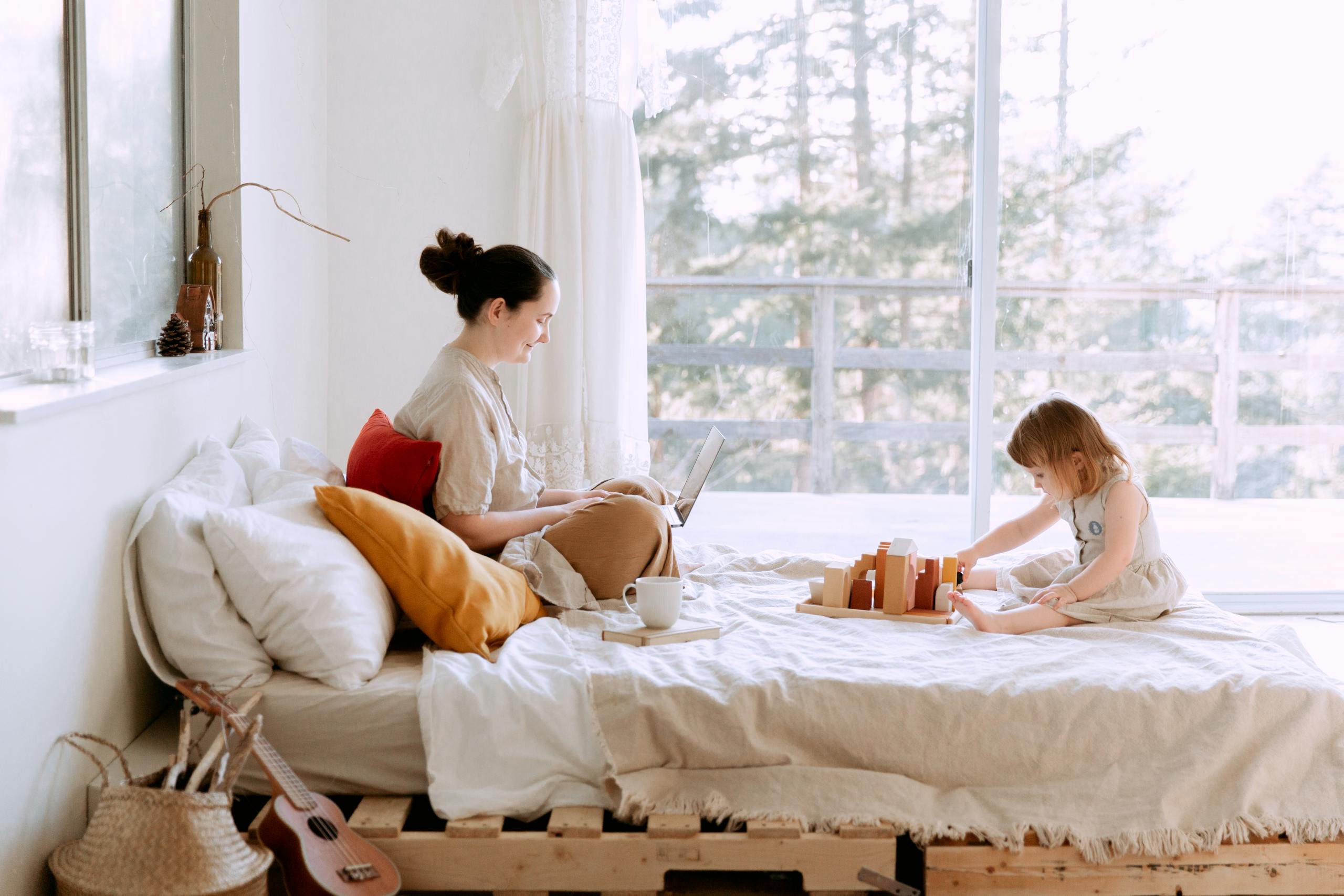

Extroverts can survive quarantine by deliberately restructuring their environment to replicate the social stimulation they normally get from the outside world. Virtual connection, purposeful routines, and creative outlets aren’t just nice-to-haves during isolation, they’re genuine lifelines for people whose energy depends on external interaction. With the right strategies, quarantine becomes manageable rather than unbearable.
My perspective on this topic comes from an unusual angle. As an INTJ, I’ve spent most of my adult life quietly envying what looked like the effortless social ease of the extroverts around me. Running advertising agencies for over two decades meant I was constantly surrounded by them. Account directors who lit up in client presentations. Creative leads who seemed to generate ideas faster the more people were in the room. Sales teams who treated every networking event like a personal recharge station. And then, during the months of lockdown, I watched every single one of them unravel in ways I didn’t expect.
Quarantine was, for many introverts, a strange kind of relief. For the extroverts I managed and worked alongside, it was something closer to a slow emergency.

Before we go further, it helps to understand what we’re actually talking about when we use the word “extrovert.” If you’ve ever wondered exactly what does extroverted mean at a psychological level, the short answer is this: extroverts draw their energy from external sources. Social interaction, stimulation, conversation, and activity don’t drain them. Those things fill them up. Remove those sources, and you don’t just inconvenience an extrovert. You cut off their power supply.
That’s the real challenge of quarantine for extroverts, and it’s worth taking seriously. Personality science sits at the heart of how we respond to isolation, and if you want to understand the full spectrum of how different people handle forced solitude, our Introversion vs. Extroversion hub covers the broader landscape in depth. But right now, let’s focus specifically on what extroverts need, what they lose during quarantine, and what actually helps them get through it.
Why Does Quarantine Hit Extroverts So Hard?
There’s a tendency to frame quarantine struggles as a universal human problem. And yes, isolation is hard for almost everyone. But the specific texture of that hardship differs dramatically depending on where someone sits on the personality spectrum.
What’s your personality type?
Take our free 40-question assessment and get a detailed personality profile with dimension breakdowns, context analysis, and personalised insights.
Discover Your Type8-12 minutes · 40 questions · Free
One of my account directors, a genuinely gifted extrovert who could walk into a room of strangers and leave with three new clients and a dinner invitation, called me about six weeks into lockdown. She wasn’t distressed in the way I expected. She wasn’t crying or catastrophizing. She was flat. That’s the word she used. “I just feel flat, Keith. Like someone turned the volume down on everything.” She’d been doing all the right things on paper: video calls, online happy hours, texting constantly. But something wasn’t working.
What she was describing aligns with something psychologists have observed about social energy. For extroverts, in-person interaction carries a qualitative richness that digital substitutes only partially replicate. The ambient noise of a coffee shop, the physical presence of a colleague, the spontaneous side conversations that happen in a hallway. These aren’t extras. They’re core inputs. Remove them, and the extrovert’s internal world becomes quieter than it’s equipped to handle.
A study published in PMC during the COVID-19 period examined how personality traits shaped psychological responses to social isolation, finding that those higher in extroversion reported greater difficulties with the emotional and motivational demands of quarantine compared to their more introverted counterparts. The gap wasn’t about resilience. It was about wiring.
Worth noting: not every extrovert is the same. Some people who identify as extroverted are actually closer to the middle of the spectrum. If you’ve ever felt like you’re sometimes energized by people and sometimes genuinely need to be alone, it might be worth taking the introvert extrovert ambivert omnivert test to get a clearer picture of where you actually land. The strategies that work best for a strong extrovert differ from those that help someone who sits closer to the middle.
What’s the Difference Between Struggling and Truly Suffering?
Quarantine discomfort and genuine psychological distress are not the same thing, and it matters to distinguish between them. Feeling bored, restless, understimulated, or vaguely irritable during isolation is normal for extroverts. Feeling persistently hopeless, unable to function, or completely disconnected from any sense of purpose is a different category entirely.
I managed a team of about thirty people during the first major lockdown period, and I noticed this distinction play out in real time. Some of my most extroverted team members were visibly struggling by week two but found their footing once we restructured how we communicated. Others, a smaller group, were genuinely spiraling, and no amount of Zoom happy hours was going to fix what they were experiencing.
The practical implication is this: if you’re an extrovert who’s feeling flat, restless, or socially starved during quarantine, the strategies in this article will likely help. If what you’re experiencing has crossed into persistent anxiety, depression, or an inability to function, please reach out to a mental health professional. Personality type doesn’t change the calculus on that.
For those in the discomfort zone rather than the crisis zone, the path forward is about intentional design. You can’t replicate the spontaneous social richness of normal life during quarantine. But you can build a structure that approximates enough of it to keep you functional, even grounded.
How Can Extroverts Create Social Structure When None Exists?
One of the things quarantine strips away that extroverts rarely think about consciously is ambient social structure. The commute. The office. The lunch break with a colleague. The casual check-in at someone’s desk. These aren’t just pleasant extras in an extrovert’s day. They’re the scaffolding that holds the whole thing together. Remove the scaffolding, and you don’t just lose the extras. The whole structure feels unstable.
What worked for the extroverts on my team was replacing implicit structure with explicit structure. We moved from ad-hoc communication to scheduled touchpoints that had a clear social component, not just a work agenda. Morning check-ins that started with five minutes of genuine conversation before we got to business. Virtual co-working blocks where people could just be on camera together while working independently. End-of-day wrap-ups that felt more like closing time at an office than a status meeting.
The key insight, and I watched this play out across my whole team, was that extroverts need social interaction to be predictable during quarantine precisely because it can no longer be spontaneous. When you know that at 9 AM you’ll see five faces and hear five voices, the hours before that moment feel less like a void. The anticipation itself carries some of the energy.
Beyond work, the same principle applies. Schedule calls with friends the way you’d schedule a meeting. Commit to them. Treat them as non-negotiable. Extroverts often resist this because social interaction has always been effortless and spontaneous for them. During quarantine, the spontaneous version is gone. Scheduled is what’s left, and scheduled is genuinely better than nothing.
One of my creative directors, a person I’d describe as an off-the-charts extrovert, started a weekly virtual dinner party during lockdown. Same people every Friday. Dress code required. Cocktails mandatory. It sounds almost absurdly formal, but she told me it was the thing that kept her sane. The ritual gave the week a shape it otherwise lacked.
Are Ambiverts and Omniverts Affected Differently?
Not everyone who struggles during quarantine is a textbook extrovert. Personality exists on a spectrum, and some of the most interesting cases I observed were people who didn’t fit neatly into either camp.
There’s a meaningful distinction between someone who genuinely fluctuates between introvert and extrovert states depending on context (what’s sometimes called an omnivert) and someone who consistently sits in the middle of the spectrum (an ambivert). Understanding the omnivert vs ambivert distinction matters here because these two types have different quarantine experiences.
Ambiverts, people who are genuinely balanced between introversion and extroversion, often handle quarantine with more flexibility. They can lean into their introverted side when needed and don’t experience the same acute social deprivation that strong extroverts do. Omniverts, who swing between states more dramatically, may find quarantine particularly disorienting because they lose access to the social contexts that trigger their extroverted side.

If you’re not sure where you sit, the introverted extrovert quiz is a good starting point. Knowing your actual position on the spectrum helps you calibrate how much social contact you genuinely need versus how much you think you need based on habit.
There’s also a distinction worth exploring between the otrovert vs ambivert framing, which gets at some of the nuance around how people present socially versus how they actually process energy. Some people who look like extroverts in social settings are actually drawing on a learned performance rather than genuine extroverted wiring. Quarantine tends to reveal this distinction quickly.
What Physical and Environmental Changes Actually Help?
One thing I noticed as an INTJ observing my extroverted colleagues during lockdown was how much environment mattered to them in ways it didn’t matter to me in the same way. My own quarantine experience was, honestly, not that bad. I had my books, my thinking time, my structured work, and a quiet house. I was managing.
My extroverted colleagues were going stir-crazy in ways that were visibly physical. One account manager told me he’d started going to the grocery store more often than he needed to, not because he needed groceries, but because he needed to be around people, even strangers, even briefly. That’s not a quirk. That’s someone whose nervous system is telling them something important.
Environmental strategies that genuinely helped the extroverts I worked with during quarantine included a few things that might seem counterintuitive. First, background noise. Not silence. Extroverts often find silence oppressive in a way introverts don’t. Music, podcasts, ambient sound from a coffee shop playlist on YouTube, anything that creates the sensory texture of a populated world. Second, physical movement outside the home, even within whatever restrictions applied. A walk around the block isn’t a social event, but it’s a change of environment, and for extroverts, environmental change carries a kind of stimulation that matters.
Third, and this surprised me: working near other people even when you can’t interact with them. Some of my team members found that simply sitting near a window where they could see people on the street, or working in a shared space with a partner or roommate without necessarily talking, provided enough ambient human presence to take the edge off the isolation.
There’s something in the research on social baseline theory that’s relevant here. The idea is that human brains calibrate their sense of safety and resource availability partly based on social proximity. Being near other humans, even without direct interaction, signals to the nervous system that many introverts share this. For extroverts, whose baseline calibration relies heavily on social input, this ambient presence matters more than it does for introverts.
How Do Extroverts Handle the Emotional Weight of Isolation?
Here’s something I didn’t fully appreciate until I watched it happen up close: extroverts often process their emotions externally. They think out loud. They work through problems by talking about them. They regulate their emotional state through interaction. Take away the interaction, and you don’t just remove a preference. You remove a coping mechanism.
As an INTJ, my emotional processing is almost entirely internal. I can sit with a difficult feeling for days, turning it over quietly, and eventually arrive at some clarity. That’s not how most extroverts work. One of my senior account directors, someone I respected enormously for her emotional intelligence in client relationships, told me during lockdown that she felt like she was “drowning in her own head.” She’d never had to spend this much time alone with her thoughts, and she didn’t have the internal architecture for it.
What helped her, and what I’d suggest to any extrovert in the same position, was finding structured outlets for external processing. Journaling wasn’t her thing, but voice memos were. She’d record herself talking through whatever she was feeling, almost as if she were explaining it to someone else. It gave her thoughts somewhere to go. Therapy, which she started during lockdown, also provided a reliable container for external processing when social outlets were limited.
The broader point is that extroverts shouldn’t try to become introverts during quarantine. Attempting to white-knuckle your way through isolation by forcing yourself to be comfortable with silence and solitude isn’t a strategy. It’s a recipe for resentment and burnout. Work with your wiring, not against it. Find the external processing outlets that are available, even if they’re imperfect substitutes for what you’d normally have.
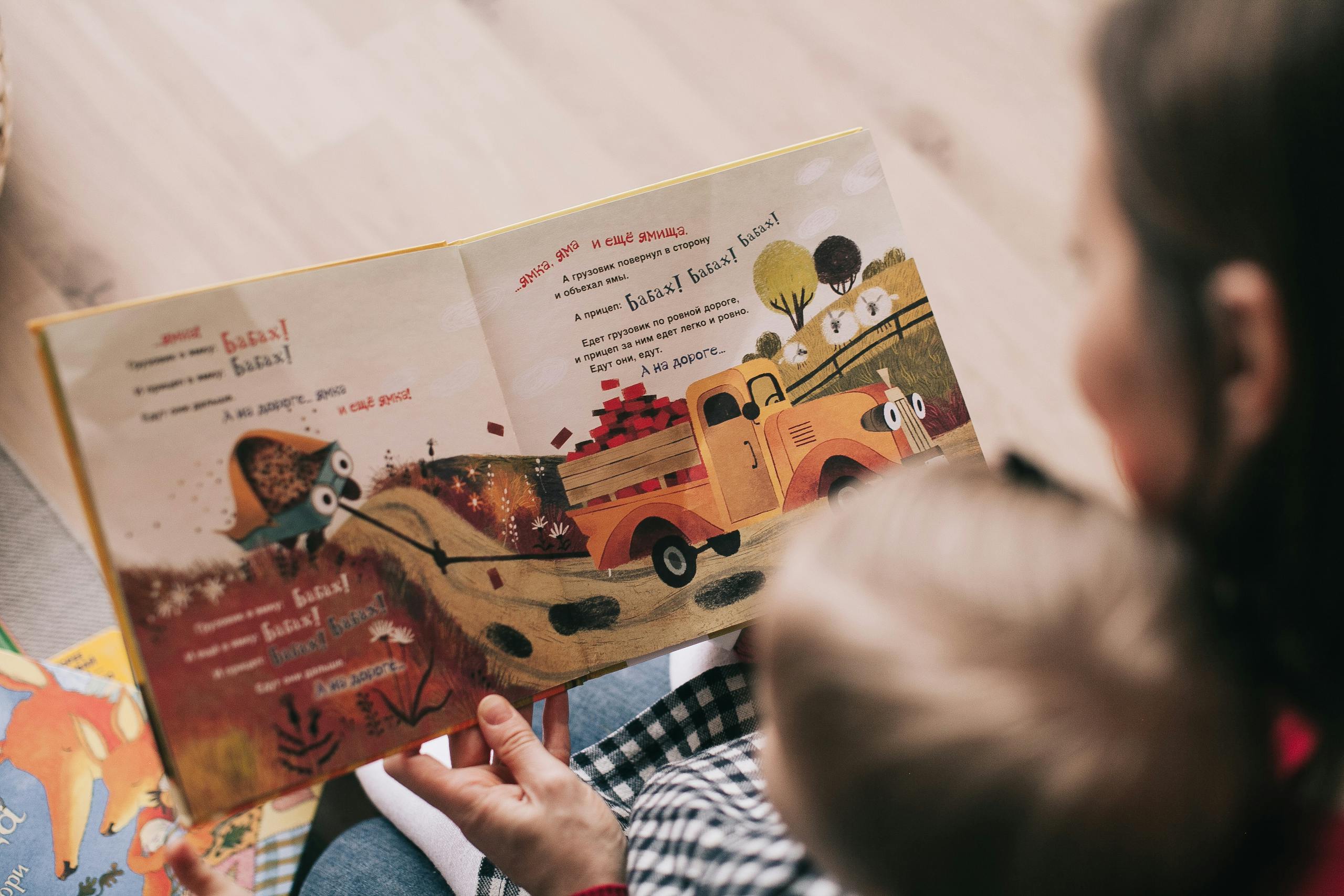
There’s also something worth acknowledging about the relationship between extroversion and conflict during quarantine. When people are cooped up together, tensions rise. The Psychology Today piece on introvert-extrovert conflict resolution offers a useful framework here, particularly for households where an extrovert and an introvert are sharing space and handling very different needs at the same time.
What Can Extroverts Learn From Introverts During Quarantine?
There’s a temptation to frame this as introverts having an unfair advantage during quarantine. And honestly, in some ways, they do. But the more interesting question is whether extroverts can borrow some of the skills that introverts have developed through years of living in a world that doesn’t always accommodate their needs.
Introverts have generally had to get good at finding depth and meaning in solitary activities. They’ve built rich inner lives out of necessity. They know how to be alone without being lonely, most of the time. These aren’t innate gifts. They’re practiced skills. And skills can be learned.
The extroverts I saw come through quarantine most intact were the ones who used the time to develop some of these capacities. Not to abandon their extroverted nature, but to expand their range. One of my account managers, a person who’d never read a book for pleasure in the years I’d known him, came out of lockdown having read fourteen books. He didn’t become an introvert. But he’d found something in that solitary practice that surprised him, a kind of quiet satisfaction he hadn’t known was available to him.
There’s a useful distinction here between being fairly introverted versus extremely introverted. Strong introverts have often spent decades building the internal resources that quarantine demands. Extroverts starting from scratch don’t need to reach that level of introverted depth, but even modest development in that direction provides meaningful buffer against the worst of isolation’s effects.
The conversations that happen when people are forced inward can be genuinely valuable. As Psychology Today has noted, deeper conversations tend to generate more meaning and connection than surface-level small talk. Quarantine, stripped of the casual social interactions that extroverts usually rely on, can paradoxically push them toward richer exchanges when connection does happen. A video call with one close friend where you actually talk about something real often carries more weight than a crowded party where you circulate through twenty conversations that go nowhere.
What Role Does Routine Play in Extrovert Survival?
Structure is the unsung hero of quarantine survival for extroverts. Not because extroverts are naturally drawn to rigid schedules, many aren’t, but because routine provides the external framework that social life normally provides. When your day has shape, you have something to move through. When it doesn’t, the hours can collapse into a formless blur that extroverts find particularly demoralizing.
During the lockdown period, I implemented something across my agency that I’d never done before: a formal daily rhythm. Not just a work schedule, but a full-day structure that included designated social time, movement breaks, and clear end-of-day rituals. My introverted team members found it mildly amusing. My extroverted ones told me it was one of the most helpful things I did as a leader during that period.
The structure worked because it replaced the implicit structure of office life with something explicit. In a normal work environment, the day has shape whether you plan it or not. You arrive, you interact, you break for lunch, you wrap up. Quarantine removes all of that. Without deliberate replacement, the extrovert is left in a structureless environment that their personality is poorly suited to handle.
Practical elements worth building into a quarantine routine for extroverts: a consistent wake time, a morning ritual that includes some form of human contact (even a text exchange), defined work blocks with social check-ins built in, a physical movement component that ideally happens outside, and a clear end-of-day marker that signals the transition from work to personal time. The specifics matter less than the consistency.
How Can Extroverts Use This Time to Understand Themselves Better?
Quarantine, for all its difficulty, has a way of stripping away the noise and revealing what’s actually there underneath. For extroverts who’ve spent their lives surrounded by social activity, the enforced quiet of isolation can be the first time they’ve really had to sit with themselves without distraction. That’s uncomfortable. It can also be genuinely clarifying.
Some of the most interesting conversations I had during and after lockdown were with extroverted colleagues who’d discovered things about themselves they hadn’t known were there. Preferences they’d never noticed because they’d never had the silence to hear them. Creative interests they’d never explored because there was always something more social to do. Relationships they’d been coasting on without investing in, which became obvious once the coasting stopped being possible.
Personality typing tools can be useful here, not as definitive labels, but as frameworks for self-understanding. If you’ve never really examined where you sit on the introvert-extrovert spectrum with any precision, quarantine is actually a reasonable time to do it. The Frontiers in Psychology research on personality and wellbeing suggests that self-knowledge around personality traits has real implications for how people manage stress and build satisfying lives.
Understanding your own wiring more precisely also helps you communicate your needs to the people around you. Extroverts who can articulate what they actually need during quarantine, not just “I’m going crazy here” but “I need scheduled social contact, ambient human presence, and structured variety in my day,” are much better positioned to get those needs met than those who just feel vaguely terrible without knowing why.
For more context on how extroversion intersects with other personality dimensions and what those differences mean for daily life, the full Introversion vs. Extroversion resource hub is worth spending time in. Understanding the landscape of personality difference gives you better tools for understanding yourself, whether you’re an extrovert surviving quarantine or an introvert trying to support one.
About the Author
Keith Lacy is an introvert who’s learned to embrace his true self later in life. After 20 years in advertising and marketing leadership, including running agencies and managing Fortune 500 accounts, Keith now channels his experience into helping fellow introverts understand their strengths and build fulfilling careers. As an INTJ, he brings analytical depth and authentic perspective to every article, drawing from both professional expertise and personal growth.
Frequently Asked Questions
Why do extroverts struggle more with quarantine than introverts?
Extroverts draw their energy from external sources, including social interaction, stimulation, and human presence. Quarantine removes these inputs, which doesn’t just inconvenience extroverts but cuts off the primary way they recharge and regulate their emotional state. Introverts, who draw energy from internal sources, are better equipped to sustain themselves in isolation, though most find extended quarantine challenging in their own ways.
What are the most effective strategies for extroverts to get through quarantine?
The most effective strategies involve replacing the implicit social structure of normal life with deliberate, scheduled alternatives. This includes regular video calls with friends and colleagues, virtual co-working sessions, structured daily routines with built-in social touchpoints, background noise or ambient sound to offset silence, and physical movement outside the home when possible. The goal is to approximate the social stimulation of ordinary life through intentional design rather than hoping spontaneous connection will fill the gap.
Can extroverts develop more introverted qualities during quarantine?
Yes, and many do. Quarantine forces extroverts to spend more time alone with their own thoughts and to find meaning in solitary activities, which are capacities that introverts have typically developed over years. Extroverts who approach this as an opportunity to expand their range rather than a punishment often come through quarantine with a broader skill set, including greater comfort with solitude, deeper personal reflection, and an appreciation for the kind of slow, meaningful engagement that doesn’t require a crowd.
How can an extrovert and introvert share space during quarantine without conflict?
Mixed-personality households during quarantine require explicit negotiation of needs that normally stay implicit. The extrovert needs to communicate their need for social engagement and stimulation clearly, while the introvert needs to communicate their need for quiet and solitude. Practical solutions include designated social times and designated quiet times, shared spaces and separate retreat spaces, and agreement that both sets of needs are legitimate rather than one being more reasonable than the other. Understanding each person’s actual position on the personality spectrum helps enormously.
When does quarantine difficulty for extroverts cross into something that needs professional support?
Feeling restless, understimulated, or socially starved during quarantine is normal for extroverts and can be addressed with the strategies described above. When those feelings shift into persistent hopelessness, an inability to function in daily life, significant changes in sleep or appetite, or a sense of complete disconnection from meaning and purpose, that’s a signal to seek professional support. Personality type doesn’t change when mental health intervention is warranted, and there’s no version of extroversion that makes someone immune to depression or anxiety during prolonged isolation.