
Extroverted Sensing, known in MBTI frameworks as Se, is a cognitive function that processes the world through immediate, physical experience. It pulls attention outward into textures, sounds, movement, and the raw sensory richness of the present moment. For introverts who lead with functions like Introverted Intuition or Introverted Thinking, Se typically sits lower in the function stack, which means accessing it deliberately through play can feel both unfamiliar and surprisingly freeing.
Knowing what extroverted means in this context matters here. If you want a grounded definition of what extroverted means as a cognitive orientation versus a social behavior, that distinction shapes everything about how Se actually functions in daily life.
Play is where Se comes alive most naturally. Not structured performance or goal-oriented activity, but genuine, unplanned, sensory engagement with whatever is in front of you right now.
My relationship with Extroverted Sensing took decades to figure out. As an INTJ, my dominant function is Introverted Intuition, which means my brain defaults to pattern recognition, long-range thinking, and internal modeling. Se sits at the bottom of my function stack as my inferior function. And inferior functions are strange creatures. They show up when you’re stressed, when you’re exhausted, or, when you finally give yourself permission to stop being productive, when you’re playing.
Running advertising agencies for over twenty years gave me very little space to experiment with play. Everything was deadline-driven, client-facing, and output-focused. Even my hobbies had KPIs attached to them in my head. It wasn’t until I started paying attention to the moments when I felt genuinely present, genuinely light, that I realized what was happening. I was accidentally using Extroverted Sensing. And it felt good in a way I hadn’t expected.
Our broader hub on introversion versus extroversion covers the full landscape of how these orientations shape personality, energy, and behavior. Extroverted Sensing fits into that picture as a specific cognitive tool, one that most introverts carry but rarely use intentionally.
What Is Extroverted Sensing and Why Does It Matter for Introverts?
Extroverted Sensing is one of eight cognitive functions in the MBTI framework, and it operates by absorbing sensory data from the external environment in real time. People who lead with Se, typically ESTPs and ESFPs, are wired to notice what’s happening right now. They respond quickly to physical cues, adapt fluidly to changing circumstances, and feel most alive when they’re fully immersed in present experience.
What’s your personality type?
Take our free 40-question assessment and get a detailed personality profile with dimension breakdowns, context analysis, and personalised insights.
Discover Your Type8-12 minutes · 40 questions · Free
For introverts, Se tends to occupy a supporting or inferior position in the function stack. INTJs like me have Se as our eighth function, which means it’s the last cognitive process we naturally reach for. INFJs carry it in the same position. INTPs and INFPs have it slightly higher, as their third function, which means they may find it more accessible but still not instinctive.
What makes this worth paying attention to is that inferior functions, despite being underdeveloped, carry enormous psychological weight. When they’re ignored, they tend to erupt in unhealthy ways. When they’re engaged consciously and playfully, they become a source of genuine renewal. Many psychologists who work with Jungian typology describe healthy inferior function engagement as one of the most restorative things a person can do for their psychological wellbeing.
Play is the ideal container for this. Unlike work, which demands competence, play allows you to be a beginner. It removes the pressure of performance. And for a function like Se, which thrives on spontaneous, embodied experience, that permission to be imperfect is exactly what opens the door.
I noticed this clearly the first time I tried woodworking, not as a project with a finished product in mind, but just as a way to spend a Saturday afternoon. My hands were doing things my brain couldn’t fully plan or predict. The grain of the wood had its own logic. I had to respond to what was actually there, not what I’d imagined. That’s Se. That’s what it feels like when you stop leading with Ni and let the present moment do some of the work.
How Does Play Specifically Activate Extroverted Sensing?
Play works as an Se activator because it removes the conditions that suppress it. Introverts who rely heavily on internal processing tend to filter present-moment experience through layers of interpretation before they engage with it. We analyze before we act. We predict before we respond. Play short-circuits that sequence by demanding immediate, sensory engagement.
Consider the difference between reading about cooking and actually cooking. Reading engages Introverted Intuition and Introverted Thinking beautifully. You’re building mental models, making connections, synthesizing information. Cooking itself, especially improvisational cooking without a recipe, pulls you into Se territory. You’re smelling, tasting, adjusting. The heat of the pan tells you something. The texture of the dough tells you something. You can’t process that information internally. You have to be present to receive it.
Certain play activities are particularly effective at drawing out Se. Physical movement with an element of responsiveness, things like dancing, martial arts, or even playground games, require you to react to what’s happening rather than what you’ve planned. Creative activities that involve tactile materials, clay, paint, fabric, wood, put sensory feedback at the center of the process. Outdoor exploration without a destination engages the senses naturally because the environment keeps changing and you keep noticing.
One of my agency’s longtime creative directors was an INTP, someone who spent most of his time in elaborate internal frameworks. He was brilliant at conceptual work but visibly drained by the end of long creative sprints. What I noticed over the years was that his best work always followed weekends when he’d been doing something physical and unplanned. Surfing, usually. He’d come back Monday with a looseness in his thinking that pure rest never produced. He was recharging through Se, even if he never would have named it that way.
The Frontiers in Psychology journal has published work examining how personality traits interact with engagement patterns in daily activities, and the consistent finding is that how people engage with activities matters as much as which activities they choose. For introverts accessing Se through play, the quality of sensory presence during the activity is what produces the psychological benefit, not simply the activity category itself.
Why Do Many Introverts Resist Sensory Play?
There’s a particular kind of discomfort that comes with being a beginner at something physical. For introverts who’ve built their identity around intellectual competence, doing something with your hands that you can’t immediately do well can feel genuinely threatening. I felt it the first time I tried to throw a pot on a wheel. My hands knew nothing. The clay had opinions I wasn’t prepared for. And my INTJ brain, which prefers to model outcomes before attempting them, was deeply unhappy with the chaos of it.
That resistance is worth examining because it’s not just personality preference. It’s often tied to a deeper pattern around performance and worth. Many introverts, particularly those who’ve spent careers in high-stakes professional environments, have quietly internalized the idea that activities only count if they produce something. Rest feels like waste. Play without output feels self-indulgent. And sensory play, which is often messy and unproductive by design, can feel almost frivolous.
There’s also a spectrum consideration. Introverts aren’t a monolithic group. Someone who is fairly introverted versus extremely introverted will have a different relationship with external stimulation generally, and that affects how much sensory engagement feels comfortable before it tips into overwhelm. Extremely introverted people may need to start with quieter, lower-stimulation forms of Se play before working up to more immersive experiences.
Another layer of resistance comes from confusion about introversion itself. Some people who identify as introverted are actually closer to ambiverts or omniverts on the spectrum. Taking an introvert extrovert ambivert omnivert test can clarify where you actually sit, which then helps you calibrate how much Se engagement is likely to feel energizing versus depleting. That calibration matters when you’re designing a play practice that actually works for your nervous system.
For me, the resistance broke down slowly. Woodworking helped because it had enough structure to satisfy my Ni. There was still a project, still a shape I was working toward. But within that structure, Se got to run. The grain surprised me. The joints required adjustment. The sanding was purely tactile and almost meditative. I wasn’t performing competence. I was just present with material.
What Types of Play Work Best for Accessing Extroverted Sensing?

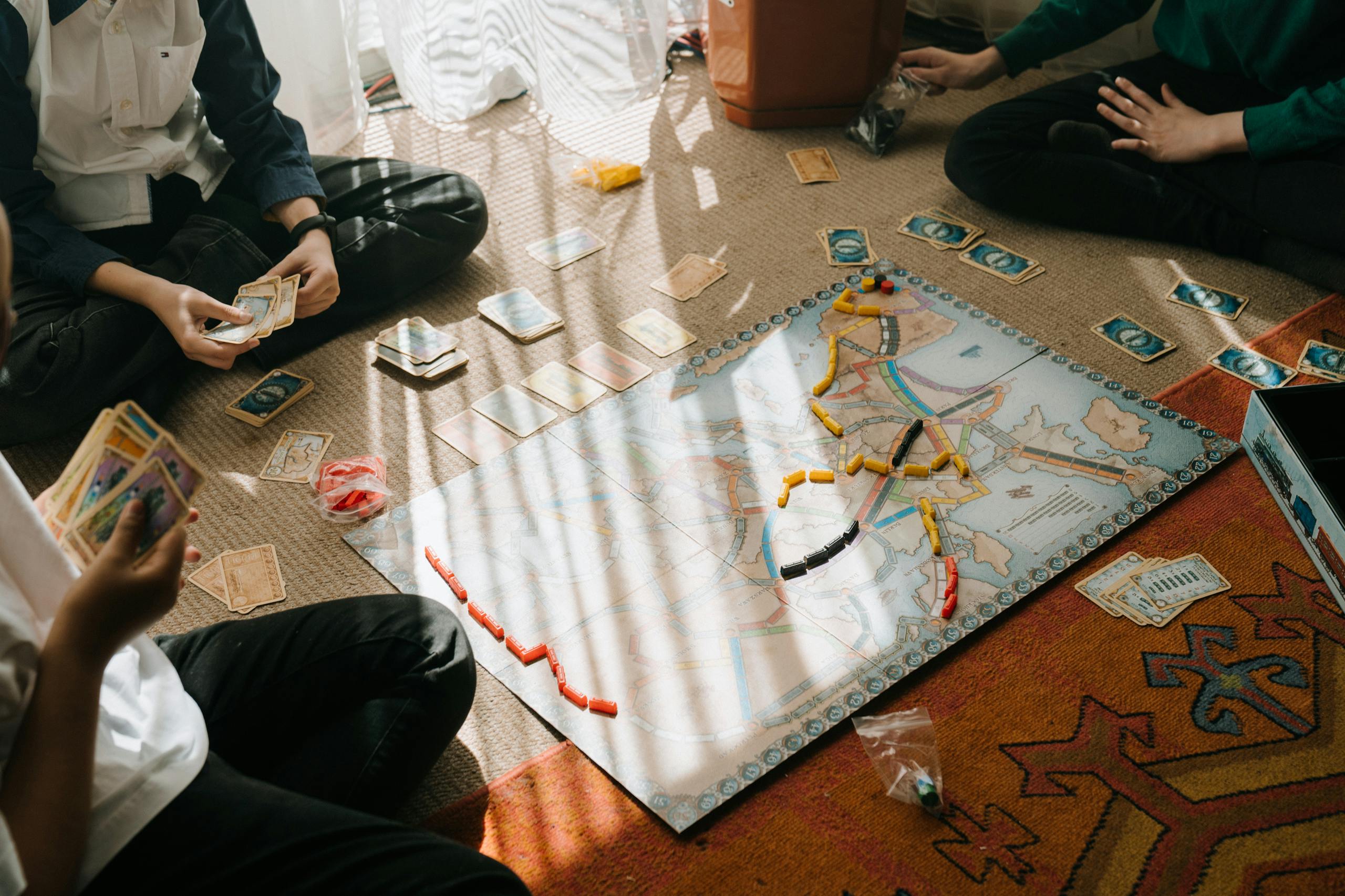
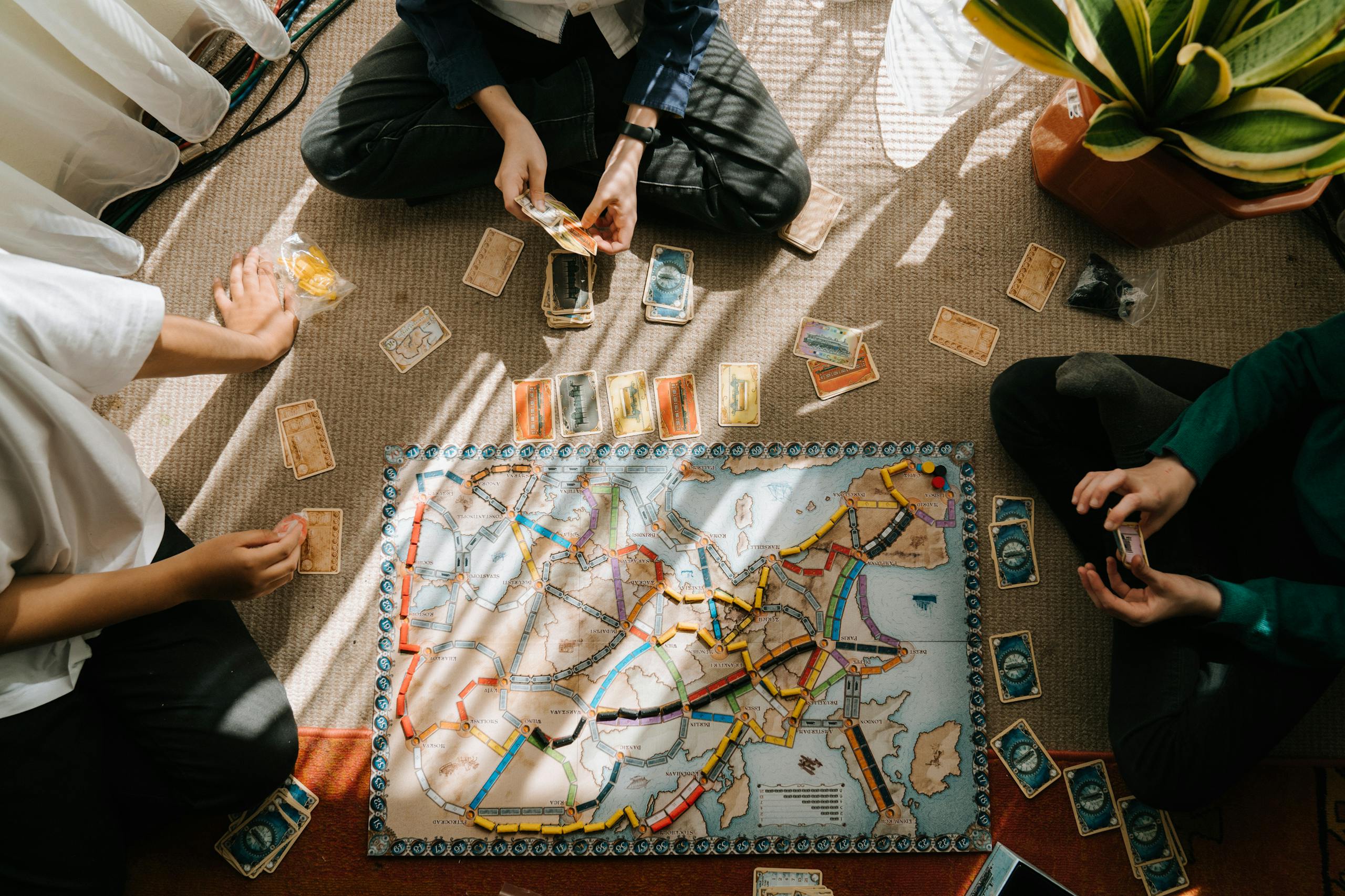
Not all play engages Se equally. Some activities that feel like play are actually deeply internal, reading fiction, playing strategy games, writing in a journal. Those activities have real value and may engage other functions beautifully, but they don’t activate Extroverted Sensing in the same way. Se needs the external world to push back on you in real time.
Physical play with an element of responsiveness is one of the most direct paths. Anything where your body has to react to something outside itself, a ball, a wave, a partner’s movement, a trail’s terrain, puts you in Se territory. You can’t be fully in your head when your body is busy responding to immediate physical reality. That’s not a flaw in the experience. That’s the point.
Tactile creative work is another powerful avenue. Working with clay, painting on a large canvas, cooking without a recipe, building with physical materials, all of these put sensory information at the center of the creative process. The material tells you things. You have to listen with your hands. For introverts who spend most of their creative energy in abstract, conceptual space, this is genuinely novel territory.
Nature exploration without a specific goal engages Se through environmental richness. When you’re walking in the woods without a destination, you notice things differently. The smell of rain on dry earth. The sound of wind moving through different types of trees. The way light changes as clouds shift. That quality of attention is Se at work, and it doesn’t require any particular skill or preparation.
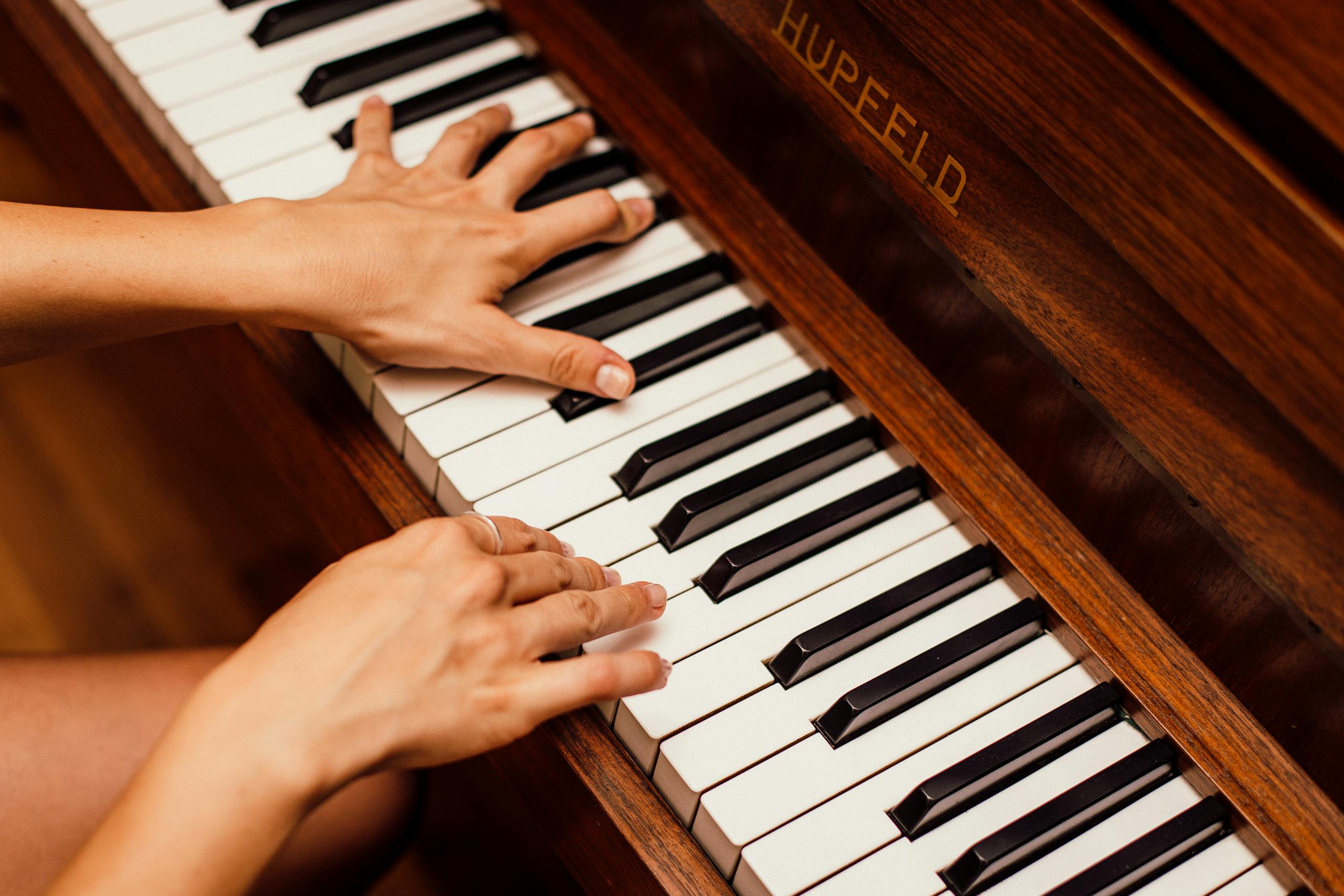
Music and movement deserve mention here. Not listening to music analytically, which many introverts do naturally, but moving to music without choreography, without self-consciousness, without a plan. This is often where introverts feel the most resistance and also where Se has the most to offer. The body knows things the mind doesn’t, and play is one of the few contexts where we give it permission to lead.
I once ran a team offsite for my agency where we did a cooking challenge instead of the usual strategic planning session. My extroverted team members thrived immediately. My introverted team members, several of them strong Ni or Ti users, were visibly uncomfortable for the first twenty minutes. Then something shifted. They got absorbed. They stopped analyzing and started tasting. By the end, some of the most internally-focused people on my team were laughing in a way I rarely saw in the office. That’s what Se play does when you stop fighting it.
Understanding your own position on the introversion spectrum can help you choose the right entry point. If you’re someone who sits between introversion and extroversion, the difference between an omnivert and an ambivert is worth understanding because it affects how you cycle between internal and external energy states, which in turn shapes how much Se engagement you can absorb before needing to withdraw.
How Does Se Play Differ From Simple Relaxation?
There’s an important distinction between rest and Se play that’s easy to miss. Rest, for most introverts, means withdrawal. Quiet. Reduced stimulation. A book, a nap, a long bath. These things genuinely restore energy and they’re necessary. But they don’t engage the inferior function in the same way that play does.
Se play is active engagement with the external world in a low-stakes, exploratory mode. It’s not relaxation in the sense of doing less. It’s engagement in a different mode, one that bypasses the analytical filters and lets sensory experience be the primary input. The psychological effect is distinct from rest. Many introverts describe it as a kind of lightness or mental spaciousness that pure relaxation doesn’t produce.
Some personality researchers who work within Jungian frameworks describe this as “inferior function relief,” the experience of engaging a typically suppressed function in a safe, playful context. When the inferior function gets healthy expression, the dominant function often becomes sharper and more creative afterward. For INTJs and INFJs, giving Se some room to breathe can actually enhance the quality of Ni work that follows.
I experienced this pattern clearly during the period when I was running my largest agency. The weeks when I managed to get out of my head and into something physical, a long hike, an afternoon in the workshop, a kitchen experiment that went sideways, were consistently followed by more creative strategic thinking. My Ni seemed to work better when Se had been fed. The internal modeling became richer. The pattern recognition felt less forced.
That said, the line between energizing Se play and overstimulating Se overload is real. Introverts can absolutely get too much external stimulation, and Se-heavy environments that go on too long will drain rather than restore. The difference between an otrovert and an ambivert in terms of stimulation tolerance is one way to think about this. Knowing your own threshold helps you design play experiences that hit the sweet spot.

Can Introverts Build a Consistent Se Play Practice?
Building a practice around Se play sounds almost paradoxical. Se is spontaneous by nature. Scheduling it feels like it might kill the very quality that makes it work. But structure and spontaneity aren’t mutually exclusive. You can create conditions for spontaneous engagement without scripting the engagement itself.
What works is protecting time and choosing environments that invite sensory presence. A weekly farmers market visit. A recurring afternoon in the garden. A standing date with a cooking project that has no recipe. These aren’t rigid activities. They’re containers. What happens inside the container gets to be unplanned.
Some introverts find it easier to access Se play in the company of others who are already in that mode. An ESTP or ESFP friend who loves spontaneous physical activity can pull you into Se territory naturally, without you having to engineer it yourself. If you’re curious about whether someone in your life might be this kind of Se-dominant presence, the introverted extrovert quiz can help clarify where they actually sit on the spectrum.
The most important element in building a sustainable Se play practice is removing the performance frame entirely. This means choosing activities where there’s no audience, no product, no measure of success. The point is the sensory experience itself. Not the pottery you made. Not the meal you produced. Not the miles you logged. The point is what your hands felt, what your nose noticed, what your body learned.
For introverts who’ve spent careers in performance-oriented environments, this can take real deliberate effort. I had to actively resist the urge to photograph my woodworking projects, to track my hiking mileage, to rate my cooking experiments. The moment I started measuring, I was back in Ni-Te mode. The sensory presence evaporated. Play had become a project.
Psychological research on flow states, as explored in work published through PubMed Central, consistently points to the importance of the challenge-skill balance in producing optimal experience. For introverts engaging Se through play, this means choosing activities that are physically engaging enough to demand presence but not so technically demanding that they trigger performance anxiety. The sweet spot is where your body is busy and your analytical mind can finally rest.
What Happens When Introverts Ignore Extroverted Sensing Entirely?
Inferior functions don’t disappear when you ignore them. They find other ways to surface, usually less graceful ones. For introverts who completely suppress Se, the function tends to erupt in stress responses. Sudden impulsive behavior. Overconsumption of sensory stimulation, food, alcohol, screen time. A restless inability to sit with internal experience that normally feels comfortable.
In MBTI literature, this is sometimes called being “in the grip” of the inferior function. When the inferior function takes over under stress rather than being engaged consciously in play, it bypasses the more sophisticated aspects of the dominant function and operates crudely. An INTJ in the grip of Se might become uncharacteristically impulsive, fixated on physical sensations, or obsessively focused on environmental details in a way that feels compulsive rather than pleasurable.
I’ve been in that place. There were periods during high-stakes agency pitches, particularly the ones where months of work were riding on a single presentation, where my Se would erupt in ways I didn’t understand at the time. I’d become hyperfocused on irrelevant physical details. The temperature of the room. The sound of the HVAC system. The way someone’s chair squeaked. My Ni was overwhelmed, and Se was filling the gap clumsily.
The antidote, which I only understood in retrospect, was to give Se healthy expression before the stress arrived. The introverts on my team who handled high-pressure periods most gracefully were usually the ones who had some kind of physical practice outside work. Not necessarily intense exercise, but something sensory and unstructured. A garden. A music habit. A craft. The function was getting fed regularly, so it didn’t need to hijack everything when pressure mounted.
Research into personality and stress responses, including work available through PubMed Central, suggests that how people manage their less-dominant cognitive and emotional patterns has real consequences for resilience and mental health. Engaging lower-stack functions through low-stakes activity is one way to keep the whole psychological system more balanced.
Ignoring Se also has a quieter cost that’s easy to miss. Without regular sensory engagement with the present moment, introverts can become increasingly abstract in their relationship with reality. Everything gets filtered through internal models. The physical world becomes almost theoretical. And while Ni-dominant introverts can sustain this for a while, it tends to produce a kind of flatness over time, a loss of aliveness that’s hard to name but unmistakable when you feel it.
How Does Se Play Connect to Introvert Identity More Broadly?

There’s a narrative about introversion that I think does real harm. It goes something like this: introverts are internal creatures who belong in quiet rooms with books and ideas, and the external world is something to be endured rather than enjoyed. That narrative gets reinforced constantly, sometimes by introverts themselves who’ve built an identity around their preference for depth and reflection.
What Se play reveals is that the external world has gifts for introverts that internal processing can’t fully replicate. Presence. Immediacy. The particular kind of aliveness that comes from letting your senses lead. These aren’t extroverted experiences. They’re human experiences that introverts can access through their own cognitive pathways when they create the right conditions.
Psychology Today has written thoughtfully about why introverts need depth in their interactions and experiences, and Se play fits into that framework in an interesting way. Sensory engagement, when it’s genuine and unforced, produces a kind of depth that’s different from intellectual depth but equally real. You can be deeply present with a piece of wood or a bowl of dough in a way that’s genuinely nourishing.
Embracing Se play also challenges the binary thinking that often surrounds introversion and extroversion. Many people who identify as introverted are surprised to discover that they enjoy sensory, physical, present-moment experiences once they remove the performance pressure. They assumed those experiences were for extroverts. They weren’t wrong that Se-dominant types tend to seek those experiences naturally. But access to a cognitive function isn’t exclusive to the types who lead with it.
Some introverts find that regular Se play actually softens their relationship with extroverted environments generally. Not because they become more extroverted, but because they’ve built a healthier relationship with external engagement. The external world feels less threatening when you’ve learned to find genuine pleasure in it on your own terms.
After two decades of running agencies and managing teams across the full personality spectrum, what I’ve come to believe is that psychological wholeness for introverts isn’t about becoming more extroverted. It’s about developing a fuller relationship with all the cognitive functions available to you, including the ones that don’t come naturally. Se play is one of the most accessible and enjoyable ways to do that.
If you’re still working out where you sit on the introversion spectrum or how your personality blends internal and external orientations, the full range of resources in our Introversion vs Other Traits hub can help you build a clearer picture of how these dynamics actually work in your life.
About the Author
Keith Lacy is an introvert who’s learned to embrace his true self later in life. After 20 years in advertising and marketing leadership, including running agencies and managing Fortune 500 accounts, Keith now channels his experience into helping fellow introverts understand their strengths and build fulfilling careers. As an INTJ, he brings analytical depth and authentic perspective to every article, drawing from both professional expertise and personal growth.
Frequently Asked Questions
What is Extroverted Sensing and which MBTI types have it as an inferior function?
Extroverted Sensing (Se) is a cognitive function that processes information through direct, real-time sensory experience of the external world. In the MBTI function stack, Se appears as the inferior (eighth) function for INTJs and INFJs, which means these types have the least natural access to it but can benefit significantly from engaging it consciously. INTPs and INFPs carry Se as their third function, making it somewhat more accessible but still not instinctive. Types who lead with Se, primarily ESTPs and ESFPs, experience the world through immediate physical engagement as their default mode.
Why does play specifically help introverts access Extroverted Sensing?
Play works as an Se activator because it removes the performance pressure and analytical framing that typically suppress the function in introverts. When there’s no product to evaluate, no audience to impress, and no measure of success, the dominant analytical functions relax enough to allow sensory engagement to lead. Play also tends to involve physical, tactile, or immediately responsive activities that demand present-moment attention, which is precisely what Se processes. The low-stakes nature of genuine play creates the psychological safety that inferior function engagement requires.
What are the best Se play activities for introverts who are just starting out?
The most accessible entry points for introverts new to Se play tend to be quieter, tactile activities that have some structure without being rigidly goal-oriented. Cooking without a recipe, working with clay or other craft materials, slow nature walks without a destination, and simple woodworking or gardening all fit this description. These activities engage the senses directly while still offering enough structure to satisfy introverts who feel uncomfortable with complete formlessness. As comfort grows, more physically dynamic or spontaneous activities become easier to access.
How is Se play different from extroversion, and does doing it make you more extroverted?
Extroverted Sensing is a cognitive function, not a personality orientation. Engaging Se through play doesn’t change your introversion any more than enjoying a conversation makes you permanently extroverted. Introverts who develop a healthy Se play practice typically find that they enjoy sensory, present-moment experiences more than they expected, but they still need solitary recovery time and still prefer depth over breadth in their overall engagement with the world. success doesn’t mean become more extroverted. It’s to access a fuller range of your own psychological resources.
What happens when introverts with inferior Se don’t engage the function at all?
When inferior Se is consistently suppressed, it tends to surface in less healthy ways, particularly under stress. This can look like impulsive behavior, overconsumption of sensory stimulation, compulsive focus on irrelevant physical details, or a general restlessness that internal processing can’t resolve. In Jungian typology, this is sometimes described as being “in the grip” of the inferior function. Regular, playful engagement with Se through low-stakes activities helps prevent this by giving the function healthy expression before stress forces it into an uncontrolled eruption.