

Shyness is not a condition in the clinical sense, nor is it a deliberate choice in the way we choose a career or a morning routine. It sits somewhere more complicated than either of those categories, shaped by temperament, early experience, and the stories we absorb about what it means to be quiet in a world that rewards volume. Understanding whether shyness is something that happens to you or something you can genuinely work through matters, because the answer changes everything about how you approach it.
There is a meaningful difference between being wired for solitude and being afraid of people. I spent most of my twenties and thirties collapsing that distinction, treating my preference for depth and reflection as the same problem as the anxiety I sometimes felt before a client pitch. They were not the same thing, and sorting them out took longer than I would like to admit.

Personality exists on a spectrum that is far more layered than a simple introvert versus extrovert divide. Our Introversion vs Other Traits hub is built around exactly that complexity, exploring how traits like shyness, sensitivity, and social anxiety intersect with, and diverge from, introversion itself. Shyness belongs in that conversation, and it deserves a more careful examination than it usually gets.
What Actually Defines Shyness?
Shyness is, at its core, a form of social apprehension. It involves discomfort, inhibition, or anxiety in social situations, particularly those involving unfamiliar people or perceived evaluation. A shy person may desperately want connection but feel held back by a fear of judgment, embarrassment, or rejection. That wanting-but-holding-back quality is what distinguishes shyness from introversion most clearly.
What’s your personality type?
Take our free 40-question assessment and get a detailed personality profile with dimension breakdowns, context analysis, and personalised insights.
Discover Your Type8-12 minutes · 40 questions · Free
An introvert who is not shy simply prefers quieter environments and finds large social gatherings draining. They are not afraid of those gatherings. They just do not find them particularly rewarding. Shyness adds a layer of fear to that equation, and fear is a different animal entirely.
Psychologists generally treat shyness as a temperament-based trait with a significant learned component. Some people do seem to come into the world more reactive to novelty and social stimulation. You can see it in infants who startle easily or toddlers who cling at the edge of a playgroup. That biological predisposition is real. Yet the research on temperament also consistently shows that early environment shapes how those predispositions develop. A child who is biologically reactive but raised in a warm, predictable environment often develops into a socially capable adult. The same child in a critical or unpredictable environment may develop the kind of chronic social anxiety that looks, from the outside, like a fixed personality trait.
So is shyness a condition? Not in the way a diagnosis is a condition. Is it a choice? Not in the simple sense of deciding to be different one morning. It is better understood as a pattern, one with roots in both biology and experience, that can shift over time with the right conditions and, sometimes, with deliberate effort.
Where Biology Ends and Experience Begins
One of the things I find genuinely fascinating about personality research is how stubbornly it resists clean categories. Jerome Kagan’s decades of work on behavioral inhibition in children showed that a meaningful percentage of kids display a consistent pattern of withdrawal, caution, and heightened physiological reactivity in novel situations. That pattern has a biological signature. Yet even Kagan’s own longitudinal work showed that a significant number of behaviorally inhibited children did not grow up to be chronically shy adults. The trajectory was not fixed.
What changed things? Mostly, it came down to whether those children had enough safe, gradual exposure to the situations that triggered their anxiety, and whether the adults around them responded with support rather than either overprotection or dismissal. Both extremes, hovering parents who shielded children from every uncomfortable moment and parents who pushed them too hard too fast, tended to entrench the shyness rather than reduce it.
I think about this when I consider my own history. As an INTJ, I am wired to process internally, to observe before I act, and to find most small talk genuinely tedious rather than frightening. That is not shyness. Yet there were periods in my agency career when I noticed something that felt closer to the real thing. Before certain high-stakes presentations, particularly early on when I was still figuring out who I was professionally, I would feel a tightening that was not just introvert energy drain. It was closer to fear of being found inadequate. That distinction matters, because the two experiences call for completely different responses.
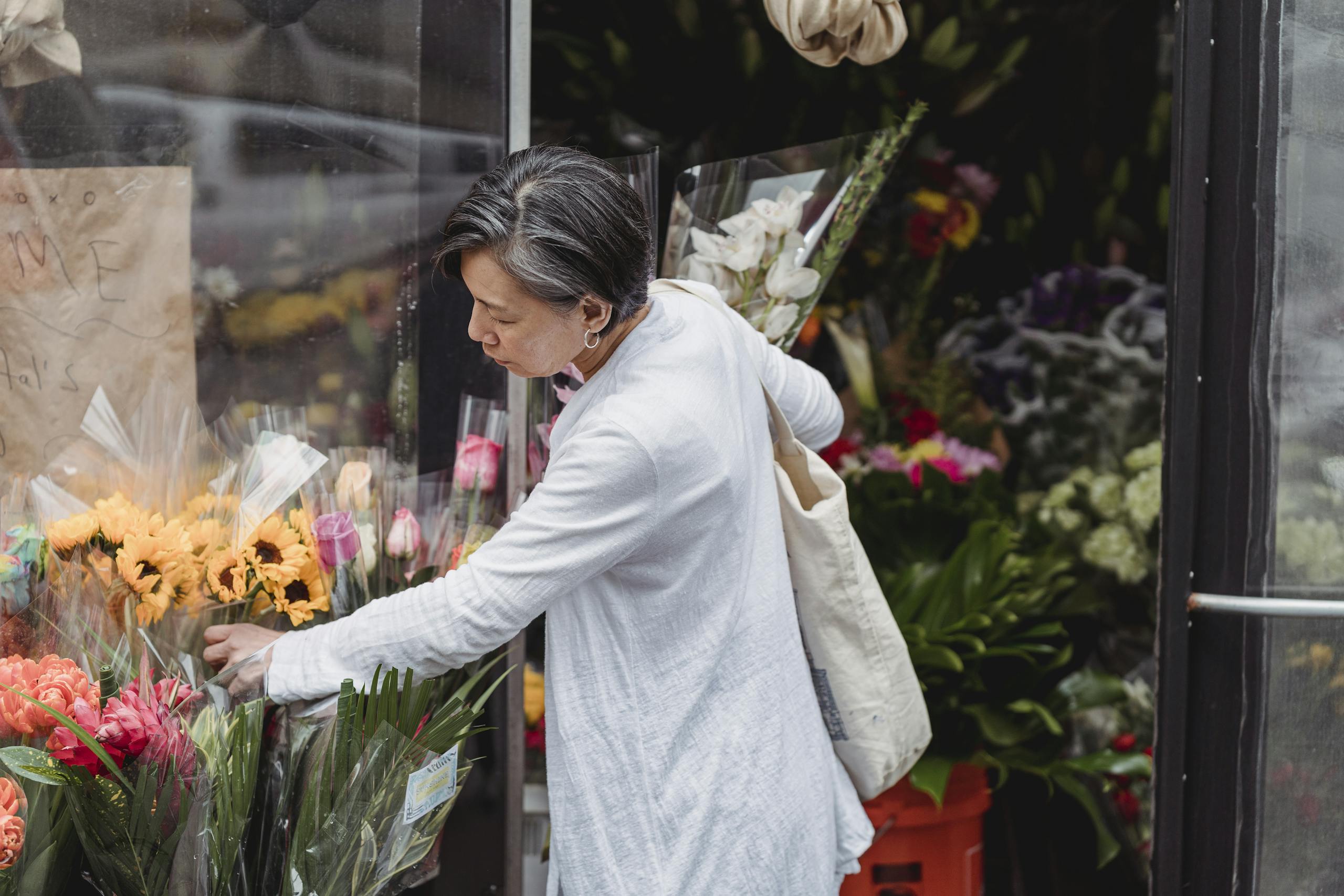
Understanding what you are actually dealing with requires some honest self-examination. If you are curious about where you fall on the broader personality spectrum, the Introvert Extrovert Ambivert Omnivert Test is a useful starting point for mapping your baseline tendencies before you try to untangle shyness from everything else.
Can Shyness Actually Change?
Yes, and the evidence for this is fairly consistent. Shyness is not a life sentence, though it is also not something you simply decide your way out of on a Tuesday afternoon. What changes shyness, when it changes, tends to be a combination of accumulated exposure, cognitive reframing, and a gradual shift in how a person relates to the fear itself.
Exposure matters enormously. Avoidance is the engine that keeps shyness running. Every time a shy person declines the invitation, skips the meeting, or stays quiet when they had something to say, the fear gets a small confirmation that the situation was indeed dangerous. The anxiety does not shrink through avoidance. It grows. Gradual, manageable exposure to the feared situations, at a pace that is challenging but not overwhelming, is one of the most reliable ways to shift the pattern over time.
Cognitive work matters too. Shy people tend to carry a particular kind of inner narrator, one that predicts social disasters, amplifies perceived missteps, and interprets ambiguous social signals as negative. That narrator is not reporting facts. It is generating threat assessments based on old data, often data from childhood or early adolescence. Learning to notice that voice, question its predictions, and update its assumptions based on actual evidence is slow work, but it is work that genuinely moves the needle.
A piece worth reading on the value of genuine social depth, as opposed to the surface-level performance that shy people often dread, is this Psychology Today piece on why deeper conversations matter. It reframes what social connection can look like when you strip away the pressure to perform.
What does not reliably change shyness is forcing yourself into situations without any support structure, or treating every moment of social discomfort as evidence that something is fundamentally wrong with you. The self-criticism that often accompanies shyness is one of its most corrosive features. It is not a motivator. It is a weight.
The Role of Self-Concept in Keeping Shyness in Place
One of the more underappreciated factors in persistent shyness is identity. After enough years of being the quiet one, the one who hangs back, the one who needs time to warm up, many people simply absorb shyness into their self-concept. It stops being something they experience and becomes something they are. And once it becomes part of identity, it is much harder to shift, because changing it starts to feel like a kind of self-betrayal.
I watched this play out with a creative director I managed at one of my agencies. She was genuinely talented, one of the best conceptual thinkers I have worked with, but she had built an entire professional identity around being the person who needed a spokesperson. She would hand her ideas to account managers to present rather than presenting them herself, not because she lacked the ability, but because she had decided, years earlier, that she was the kind of person who could not do it. That decision had calcified into fact, at least in her own mind.
Getting her into a room with a client directly, which we eventually did, was not a magic fix. But it cracked something open. The experience did not match the story. And once the story has a crack in it, it starts to let in light.
Personality is more fluid than most of us are taught to believe. If you want to understand the full range of how social orientation can present, exploring the distinction between an omnivert and an ambivert is a useful exercise in recognizing how variable social energy can be even within a single person across different contexts.

How Shyness Shows Up Differently Across Personality Types
Shyness does not belong exclusively to introverts, and this is a point worth sitting with. Extroverts can be shy. Some of the most socially anxious people I have met in professional settings were people who genuinely craved social connection but lived in terror of being judged negatively within it. That combination, high social drive paired with high social fear, can be particularly exhausting to carry.
If you want to understand what extroversion actually involves at a functional level, rather than the pop-psychology shorthand, this breakdown of what it means to be extroverted is worth a read. Extroversion is about where you draw energy, not about whether you are confident or comfortable in social situations. Those are separate dimensions.
For introverts, shyness can be particularly confusing because it gets tangled up with legitimate preferences. An introverted person who avoids a party may be doing so because they genuinely do not want to be there, or because they are afraid of what will happen if they go, or some combination of both. Sorting out which is which requires a kind of honest self-inquiry that most of us avoid because the answers are uncomfortable.
The question worth asking is: if the social fear were completely absent, would you still prefer to be alone? If yes, that preference is likely rooted in introversion. If you would actually love to be in that room but something is stopping you, the obstacle is probably closer to shyness or social anxiety than to introversion.
There is also a version of this that shows up in people who do not fit neatly on either end of the introvert-extrovert continuum. The otrovert versus ambivert distinction captures some of this middle-ground complexity, where social orientation is genuinely contextual rather than fixed.
What Shyness Costs in Professional Settings
In my two decades running agencies, I saw shyness extract a real professional tax from talented people. Not because shyness made them less capable, but because it made them less visible. In environments that reward those who speak up, volunteer for exposure, and advocate for their own ideas, a person whose fear keeps them quiet will consistently be underestimated.
This is not a personal failing. It is a structural problem with how most workplaces are designed. Yet the structural problem does not make the individual cost any less real. I have watched genuinely brilliant people get passed over for opportunities because they could not bring themselves to claim what they had earned, not because they lacked the skills but because the claiming itself felt too dangerous.
There is interesting thinking on this dynamic in the context of negotiation. A piece from Harvard’s Program on Negotiation explores whether introverts face structural disadvantages in negotiation settings, and while the conclusion is more nuanced than a simple yes or no, the underlying tension it describes is real and familiar to anyone who has felt their voice shrink in a high-stakes room.
What helped the people I managed who struggled with this was not learning to perform extroversion. It was finding formats and contexts that played to their strengths. Written proposals instead of off-the-cuff pitches. Smaller rooms instead of large presentations. One-on-one conversations with decision-makers instead of open forums. The content of their contribution did not change. The delivery format did, and that was enough to shift the outcome.
Understanding where you actually sit on the introversion spectrum can help clarify which accommodations make sense for you. The difference between being fairly introverted versus extremely introverted has real implications for how much social exposure you can sustain before it starts to cost you, and that matters when you are trying to design a professional life that works.

The Difference Between Working With Shyness and Surrendering to It
There is a version of self-acceptance that is genuinely healthy and a version that functions as a sophisticated form of avoidance. Knowing the difference matters.
Healthy self-acceptance means recognizing your actual temperament, honoring the preferences that are genuinely yours, and building a life that works with your wiring rather than against it. It means not forcing yourself to be someone you are not. That kind of acceptance is worth fighting for.
Avoidance dressed as acceptance looks different. It sounds like “I’m just not a people person” when what is actually happening is that the fear of social judgment has become so normalized that it no longer registers as fear. It sounds like “I prefer working alone” when the truth is that working alone has never been tested against working with others in a genuinely supportive environment. It sounds like “that’s just who I am” when what is really meant is “I have stopped expecting this to change.”
I am not suggesting that everyone needs to become a social butterfly or that shyness is a problem requiring a cure. Some people work through significant shyness and find that the quiet, observant person underneath it is genuinely who they are. Others discover that the shyness was the whole story, and once it loosens, they become considerably more socially engaged. Both outcomes are valid. What is not particularly useful is deciding in advance which outcome applies to you without doing any of the actual exploration.
The published work on behavioral inhibition and its developmental trajectories supports a view of shyness as genuinely malleable over time, particularly when people have access to supportive relationships and gradual exposure to the situations they fear. The malleability does not mean it is easy to change. It means change is possible, which is a different and more useful thing to know.
When Shyness Edges Into Something That Needs More Support
Shyness exists on a continuum, and at the far end of that continuum it can shade into social anxiety disorder, which is a clinical condition with its own treatment protocols and its own particular weight. Knowing where ordinary shyness ends and something more significant begins is worth paying attention to.
Social anxiety disorder involves fear that is disproportionate to the actual situation, persistent avoidance that significantly interferes with daily functioning, and physical symptoms like racing heart, sweating, or nausea in social situations. It is not just being nervous before a presentation. It is a pattern that narrows a person’s life over time, cutting off opportunities and relationships because the fear has become the dominant organizing principle.
If that description resonates, the appropriate response is not more willpower or more self-help reading. It is talking to someone qualified to help. There is genuinely effective treatment available, and the fact that something is rooted in temperament does not mean it is untreatable. A useful framing on this comes from published clinical literature on anxiety and temperament, which distinguishes between trait-level shyness and clinical social anxiety in ways that are practically helpful for understanding what kind of support actually fits.
There is also something worth saying about the relationship between shyness and how we show up in conflict. A Psychology Today piece on introvert-extrovert conflict resolution touches on how people who default to withdrawal, whether from introversion or shyness, often need specific frameworks for engaging with interpersonal tension rather than simply avoiding it. Avoidance in conflict, like avoidance in social situations generally, tends to compound the original problem.
Knowing your own patterns clearly enough to seek the right kind of help is itself a form of self-knowledge worth developing. If you are uncertain whether you lean shy, introverted, somewhere in between, or something else entirely, taking the Introverted Extrovert Quiz can help you map your baseline before you try to figure out what to do with it.

What I Actually Believe About Shyness After All These Years
I have been thinking about this question for most of my adult life, not always consciously, but it has been there. And what I have come to believe is that shyness is neither a condition in the sense of something that simply happens to you, nor a choice in the sense of something you could simply decide differently. It is a pattern that emerged from a particular combination of temperament and experience, and like most patterns, it can be worked with.
What it requires is honesty about what is actually happening. Not the story you have been telling yourself about being an introvert who just prefers solitude, if what is really happening is that you are afraid. Not the story about being a people person who just needs to push through, if what is really happening is that you are genuinely wired for depth and quiet. The truth matters here, because the wrong story sends you in the wrong direction.
My own path through this involved a lot of trial and error in agency settings, presenting to rooms full of skeptical clients, managing teams with very different social wiring than mine, and gradually learning that my particular brand of quiet intensity was not a liability to be managed but a genuine asset when I stopped apologizing for it. That process did not eliminate every trace of social discomfort. It gave me enough ground under my feet to function well despite it.
That, I think, is what working with shyness actually looks like. Not its elimination, but the gradual expansion of what you are willing to do in spite of it, until the fear occupies a smaller and smaller percentage of your social experience and the real you has more room to move.
For a broader look at how shyness, introversion, and social orientation connect and diverge across personality types, the full Introversion vs Other Traits hub is worth spending time with. It covers the territory in a way that helps each individual piece make more sense in context.
About the Author
Keith Lacy is an introvert who’s learned to embrace his true self later in life. After 20 years in advertising and marketing leadership, including running agencies and managing Fortune 500 accounts, Keith now channels his experience into helping fellow introverts understand their strengths and build fulfilling careers. As an INTJ, he brings analytical depth and authentic perspective to every article, drawing from both professional expertise and personal growth.
Frequently Asked Questions
Is shyness the same thing as introversion?
No. Introversion is about where you draw energy, with introverts recharging through solitude and finding large social gatherings draining. Shyness is about fear of social judgment or negative evaluation. An introvert may have no fear of social situations at all, simply preferring smaller ones. A shy person may desperately want connection but feel held back by anxiety. The two traits can coexist, but they are distinct, and treating them as the same thing leads to the wrong conclusions about what kind of support or change is actually needed.
Can shyness be overcome, or is it permanent?
Shyness is not permanent for most people. It has roots in both temperament and learned patterns of response, and both of those can shift over time. Gradual exposure to feared social situations, cognitive work on the thought patterns that sustain the fear, and supportive relationships all contribute to meaningful change. That said, change takes time and honest effort. It is not simply a matter of deciding to be different. People who work through shyness often find that a quieter, more observant personality remains underneath it, which is fine. The goal is expanding what is possible, not erasing who you are.
Can extroverts be shy?
Yes, and this surprises many people. Because extroversion involves a genuine drive toward social connection and stimulation, an extrovert who is also shy experiences a particular kind of tension: they want to be in the room, but they are afraid of what will happen there. This combination can be more exhausting than introversion paired with shyness, because the social drive keeps pulling toward the very situations the fear is trying to avoid. Recognizing that extroversion and shyness are independent dimensions helps explain why some of the most socially anxious people you meet are also the most outwardly gregarious.
How do I know if my shyness has crossed into social anxiety disorder?
Social anxiety disorder is distinguished from ordinary shyness by its intensity, persistence, and the degree to which it interferes with daily functioning. If fear of social situations is causing you to regularly avoid important opportunities, significantly narrow your professional or personal life, or produce strong physical symptoms like racing heart or nausea, it is worth speaking with a mental health professional. Ordinary shyness is uncomfortable but manageable. Social anxiety disorder is a clinical pattern that responds well to specific treatments, including cognitive behavioral therapy, and does not typically resolve through willpower or self-help strategies alone.
Is shyness a choice?
Not in any straightforward sense. Nobody chooses to feel anxious in social situations, any more than someone chooses to feel afraid of heights. Shyness emerges from a combination of biological temperament and early experiences, neither of which is chosen. What can involve choice, over time and with effort, is how you respond to the shyness once you recognize it. Choosing to gradually expose yourself to feared situations, choosing to question the inner narrator that predicts social disaster, and choosing to seek support when the pattern is limiting your life are all within reach. The shyness itself was not chosen. What you do with it, to some meaningful degree, can be.