

Overcoming blushing shyness starts with understanding what’s actually happening in your body and why the standard advice to “just relax” rarely works. Blushing is an involuntary physiological response, a rush of blood to the face triggered by self-conscious emotions, and for many introverts, it becomes a source of deep embarrassment that compounds the very anxiety causing it. The good news sits in the biology itself: because blushing is tied to emotional processing and social awareness rather than weakness, the path through it involves working with your nervous system rather than fighting it.
My face has betrayed me more times than I can count. In client pitches, in agency hallways, in boardrooms where I was supposed to project authority. I’d feel the heat rise before I’d even finished a sentence, and then I’d spend the rest of the conversation managing my awareness of my own face instead of the actual conversation. It took years of running advertising agencies before I understood that this wasn’t a character flaw. It was part of how I’m wired as an INTJ who processes deeply and cares intensely about how I show up in the world.
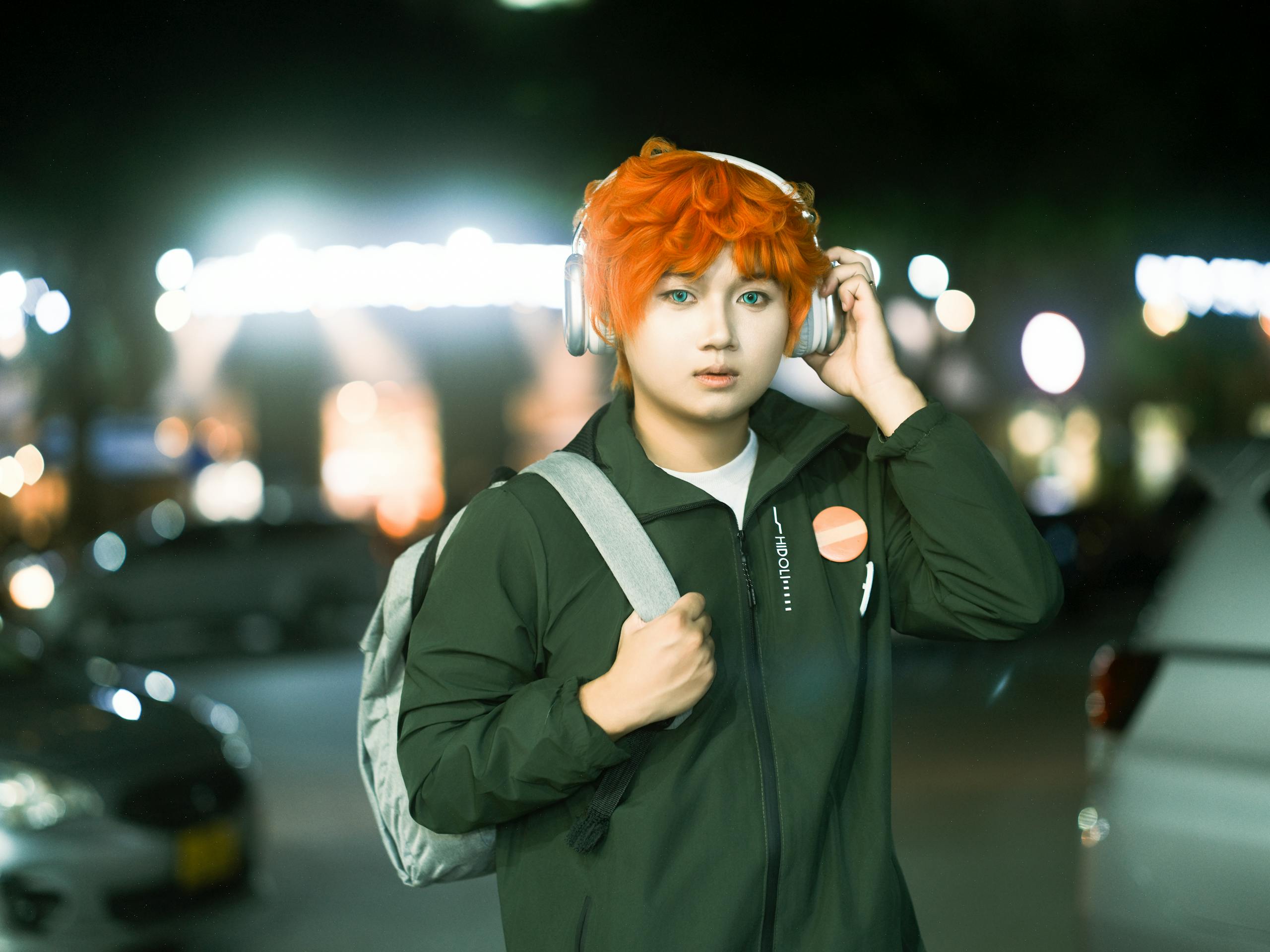
Blushing and shyness often get lumped together, but they’re distinct experiences that frequently overlap, especially for introverts. Shyness is an emotional and behavioral pattern rooted in fear of social judgment. Blushing is the physical expression that sometimes accompanies it. You can be introverted without being shy. You can be shy without blushing. But when all three converge, the experience can feel suffocating, as if your body is announcing your discomfort before you’ve had a chance to compose yourself.
Before we go further, it’s worth noting that blushing shyness sits at an interesting intersection of introversion and social anxiety, and those aren’t the same thing either. Our Introversion vs Other Traits hub covers the full landscape of how introversion relates to shyness, anxiety, and other personality dimensions, because collapsing these distinctions together is one of the most common mistakes people make when trying to understand themselves.
Why Does Blushing Feel So Much Worse Than It Looks?
There’s a phenomenon researchers sometimes call the “transparency illusion,” the tendency to overestimate how visible our internal states are to other people. When you blush, you feel like a neon sign. Everyone in the room can see it, you’re convinced, and they’re all drawing conclusions about your confidence, your competence, your right to be there.
What’s your personality type?
Take our free 40-question assessment and get a detailed personality profile with dimension breakdowns, context analysis, and personalised insights.
Discover Your Type8-12 minutes · 40 questions · Free
The reality is far more forgiving. Most people are too absorbed in their own experience to notice a slight flush on your cheeks. And even when they do notice, they rarely interpret it the way you fear. I’ve watched this play out across two decades of client-facing work. A junior copywriter on my team would turn beet red presenting her concepts, absolutely certain she was tanking her credibility. The clients almost never mentioned it. What they remembered was whether her ideas were interesting.
That said, dismissing the experience with “no one notices” isn’t helpful, because it misses the point. Even if no one else cares, you notice. And your awareness of your own blushing creates a feedback loop that makes the blushing worse. You blush, you become self-conscious about blushing, your anxiety spikes, and you blush more. Breaking that loop is the actual work.
Part of what makes this so complicated is that blushing is one of the few physiological responses that’s uniquely human and specifically social. It doesn’t happen when you’re alone. It happens in the presence of others, when you feel seen in a way that feels threatening or exposing. For people who already process social environments with heightened sensitivity, that’s a particularly loaded trigger.
Understanding where you fall on the introversion spectrum matters here. Someone who is fairly introverted versus extremely introverted may experience very different intensities of social self-consciousness. Extreme introverts often have more finely tuned internal monitoring, which means they’re more likely to catch and amplify their own physiological responses. That’s not a bug. It’s the same sensitivity that makes them perceptive, thorough, and deeply attuned to others.
Is Blushing Actually a Sign of Shyness, or Something Else Entirely?
Not always. This is where the picture gets more nuanced than most articles on this topic acknowledge.
Blushing can accompany shyness, but it also shows up with embarrassment, pride, anger, and even intense positive excitement. Some people blush when they receive unexpected compliments. Others blush when they’re called out for something, even something positive. The physiological mechanism is the same: the sympathetic nervous system triggers vasodilation in facial blood vessels, flooding the cheeks with blood. What varies is the emotional context.

Shyness, by contrast, is a behavioral and emotional pattern defined by discomfort and inhibition in social situations. A shy person anticipates negative judgment and often holds back as a result. Blushing can reinforce that pattern, because if you know your face will give you away, you might avoid situations that could trigger it. That avoidance is where shyness can shade into something more limiting.
It’s also worth distinguishing shyness from introversion, because conflating them creates confusion about what needs to change. Introversion is a preference for less stimulating environments and a tendency to draw energy from within. Shyness is a fear-based response to social evaluation. An introvert can be completely comfortable in social settings while still preferring smaller ones. A shy person can be extroverted and still feel paralyzed by the prospect of being judged.
If you’re not sure where you fall, taking an introvert extrovert ambivert omnivert test can help you map your baseline. Knowing whether your discomfort in social situations is rooted in overstimulation (introversion) or fear of judgment (shyness) changes the approach you take to address it.
Some people who experience blushing shyness are actually ambiverts or omniverts who have been misreading their own social needs. The distinction between an omnivert vs ambivert is subtle but meaningful: omniverts swing between strong introvert and strong extrovert modes depending on context, while ambiverts maintain a more consistent middle ground. An omnivert might feel intensely extroverted in certain settings and then crash hard in others, creating unpredictable social anxiety that can manifest physically, including through blushing.
What’s Actually Happening in Your Body When You Blush?
The physiology of blushing is straightforward once you understand it, and understanding it takes away some of its power.
Your autonomic nervous system has two primary modes: sympathetic (the activation mode often called fight-or-flight) and parasympathetic (the rest-and-digest mode). Blushing is triggered by the sympathetic system, specifically through a branch that controls blood vessel dilation in the face. Unlike the rest of the fight-or-flight response, which constricts blood vessels to redirect blood to muscles, facial blushing goes in the opposite direction. The vessels dilate, blood rushes in, and the result is visible on your skin.
What makes blushing uniquely social is that it’s specifically tied to self-conscious emotions: embarrassment, shame, guilt, and pride. These emotions require a sense of self-awareness and an awareness of how others perceive you. Infants don’t blush. Blushing develops as social consciousness develops, which is part of why it feels so intimately connected to identity.
For introverts who already spend considerable mental energy processing social environments, this self-monitoring can be more intense. A study published in PubMed Central on the neurological underpinnings of social anxiety found that heightened activity in brain regions associated with self-referential processing correlates with stronger physical anxiety responses in social situations. Introverts often show naturally elevated activity in these regions, which may partly explain why blushing and social self-consciousness tend to cluster together in introverted personalities.
There’s also a heat component that many people don’t expect. The flush you see is accompanied by actual warmth, and that warmth becomes another sensory input your brain registers as evidence that something is wrong. Your face gets warm, your brain interprets warmth as a signal of distress, your anxiety increases, and the cycle continues. Recognizing this loop for what it is, a mechanical feedback process rather than evidence of inadequacy, is the first step toward interrupting it.
How Does Shyness Interact With Introversion, and Why Does It Matter?
I spent the first decade of my advertising career believing my discomfort in certain social situations was just introversion. It took longer than I’d like to admit to recognize that some of what I was experiencing was actually shyness, and that shyness was something I could work on in ways that introversion didn’t require me to.
Introversion isn’t a problem to solve. It’s a legitimate orientation toward the world. Shyness, when it’s limiting your choices and causing you real distress, is worth addressing. The distinction matters because the interventions are different. Trying to “cure” introversion by forcing yourself to become more extroverted is exhausting and counterproductive. Addressing the fear-based components of shyness, on the other hand, can genuinely expand your comfort zone without requiring you to become someone you’re not.
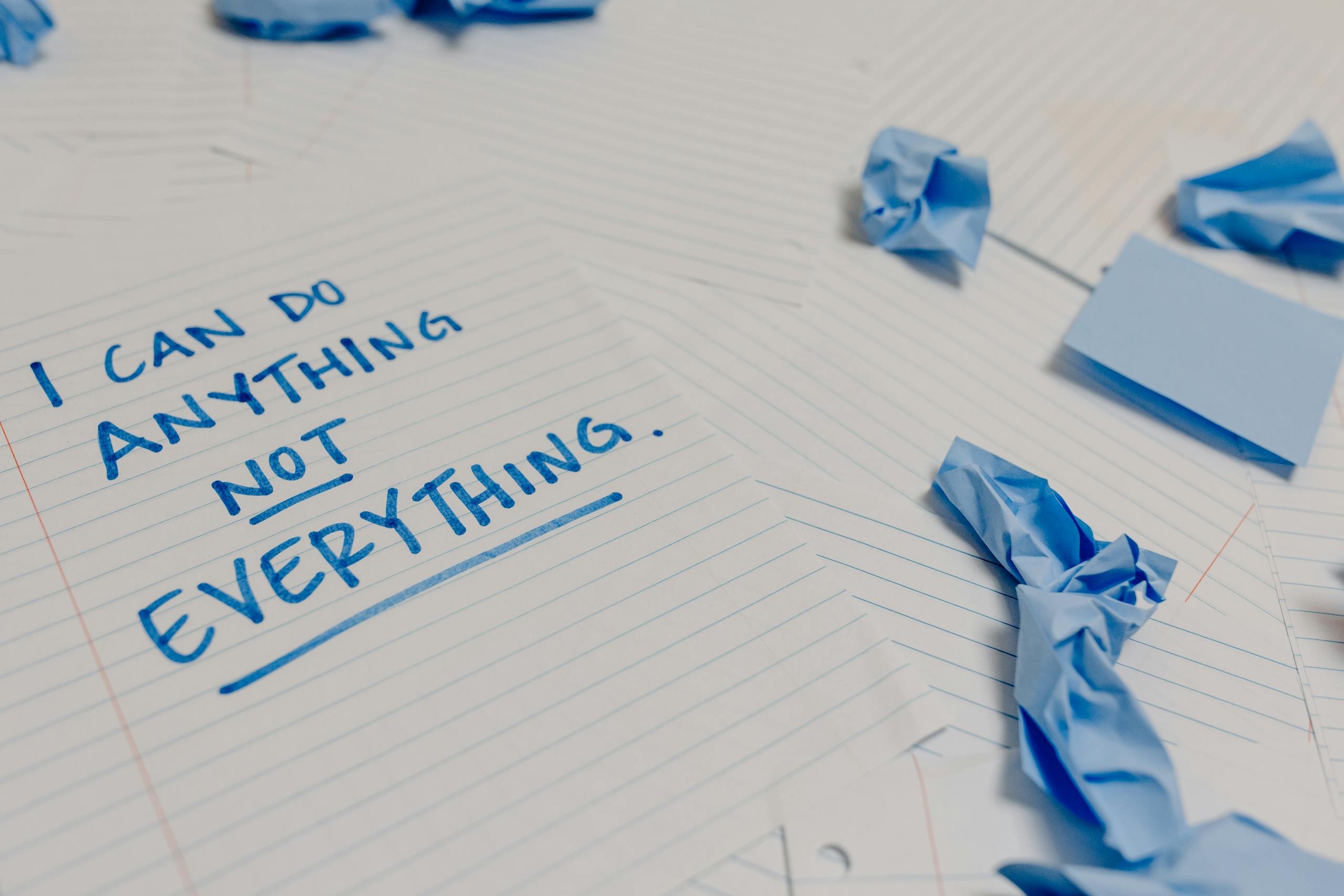
One thing I noticed managing creative teams at my agencies was how differently shyness showed up across personality types. I had extroverted team members who were visibly shy in certain contexts, particularly when their work was being evaluated by senior clients. I had introverted team members who were completely unfazed by the same situations. Shyness and introversion really are separate dimensions, and you can carry one without the other.
If you’re curious about whether your social patterns lean more toward introversion or something else, an introverted extrovert quiz can help clarify the picture. Many people who identify as introverted are actually operating with a more complex mix of traits than a single label captures.
There’s also the question of what extroversion actually involves, because a lot of introverts have internalized a distorted picture of what it means to be extroverted. If you’re interested in a clear-eyed look at what extroverted actually means, that framing can help you stop measuring yourself against a standard that was never quite accurate in the first place.
Understanding the full spectrum also includes knowing about orientations that don’t fit neatly into introvert or extrovert categories. Some people find that the otrovert vs ambivert distinction resonates with their experience, particularly if they feel they move fluidly between social modes depending on context and relationship.
What Practical Approaches Actually Help With Blushing Shyness?
I want to be honest here: there’s no technique that makes blushing disappear entirely, and chasing that outcome usually makes things worse. What actually helps is reducing the emotional charge around blushing so that when it happens, it doesn’t spiral into a full anxiety response.
The most counterintuitive approach I’ve found effective is acceptance. Not resigned acceptance, but genuine, curious acceptance of the fact that your face sometimes flushes and that this is a normal human response. When you stop fighting the blush, you remove the secondary layer of anxiety that amplifies it. The blush itself becomes less significant because you’re no longer treating it as a catastrophe.
Early in my career, I would feel my face start to flush during a client presentation and immediately try to suppress it, which of course made it worse. My internal monologue became entirely about my face. Eventually, I started trying something different: I’d acknowledge it internally, something like “yep, there it is,” and then redirect my attention to the content I was presenting. It didn’t eliminate the blushing, but it stopped the spiral. The flush would come and go without taking over the whole experience.
Several other approaches are worth considering:
Regulated breathing before high-stakes moments. Slow, deliberate exhales activate the parasympathetic nervous system and can reduce the sympathetic activation that triggers blushing. This isn’t about calming yourself through willpower. It’s a physiological intervention. A few slow, extended exhales before walking into a room genuinely shifts your baseline.
Gradual exposure to triggering situations. Avoidance reinforces shyness. Each time you avoid a situation because you’re afraid of blushing, you send your nervous system the message that the situation was indeed dangerous. Gradual exposure, starting with lower-stakes situations and building, recalibrates that response over time. The research on exposure-based approaches to social anxiety is consistent: avoidance maintains anxiety while graduated exposure reduces it.
Cognitive reframing of what blushing signals. Some research suggests that observers often interpret blushing positively, as a sign of authenticity, emotional investment, and trustworthiness. You may be broadcasting something quite different from what you assume. A Frontiers in Psychology analysis of emotional expression and social perception found that visible emotional responses are frequently interpreted as indicators of sincerity rather than weakness.
Preparation as a confidence foundation. One of the most reliable ways to reduce social anxiety is to increase your sense of competence in the situation. When I was presenting to Fortune 500 clients, the presentations where I felt most prepared were the ones where I blushed least. Not because preparation eliminated the nerves, but because it gave me something concrete to anchor to when the nerves arrived.
Working with a therapist if the pattern is limiting your life. Cognitive behavioral therapy has a strong track record with social anxiety and the blushing that accompanies it. If blushing shyness is causing you to avoid situations that matter to you professionally or personally, that’s worth taking seriously. Psychology Today’s work on introverts and emotional depth is a useful starting point for understanding why introverts sometimes need different therapeutic frameworks than the standard social anxiety playbook assumes.
Can You Be an Effective Leader or Professional While Still Blushing?
Yes. Unequivocally.
I ran agencies. I pitched to Fortune 500 brands. I stood in front of rooms full of people who were evaluating my ideas, my team, and my judgment. And I blushed. Not always, not in every meeting, but enough that it was a recurring feature of my professional life for years.
What I eventually realized was that no one was tracking my blush record. They were tracking whether my work was good, whether I delivered on what I promised, and whether they trusted me. Those things had nothing to do with the color of my face in a particular moment.

There’s a broader conversation happening about introverts in professional contexts that’s worth engaging with. Rasmussen University’s perspective on marketing for introverts makes the point that introverted professionals often bring qualities to client relationships, depth, attentiveness, and genuine curiosity, that extroverted approaches can miss. Blushing shyness doesn’t negate those strengths. It coexists with them.
The professionals I’ve seen struggle most weren’t the ones who blushed. They were the ones who let the fear of blushing shrink their professional ambitions. They turned down presentations. They avoided client-facing roles. They held back in meetings where their perspective would have been valuable. That shrinking is the real cost, not the blush itself.
Introverts often have a natural advantage in high-stakes professional conversations because they prepare thoroughly, listen carefully, and think before speaking. Harvard’s Program on Negotiation has noted that introverts can actually be highly effective negotiators precisely because of these tendencies. A flushed face in a negotiation doesn’t undermine that. It’s a surface phenomenon. What you bring to the table goes much deeper.
What Does Long-Term Progress With Blushing Shyness Actually Look Like?
Progress here doesn’t look like a straight line, and it doesn’t end with never blushing again. That’s worth saying clearly, because a lot of people set that as their benchmark and then feel like they’ve failed every time their face flushes.
Real progress looks like blushing less frequently in situations that used to reliably trigger it. It looks like recovering faster when you do blush, spending five seconds on it instead of five minutes. It looks like choosing to enter situations you used to avoid, and discovering that you can handle them even when your face turns red. It looks like a gradual reduction in the emotional weight you assign to the blush itself.
For me, the shift happened slowly over years of accumulated experience. Each time I presented to a skeptical client and came through it, each time I led a difficult conversation in a team meeting, each time I felt the flush and kept going anyway, the association between social visibility and danger weakened a little. Not because I willed it to, but because I collected enough evidence that I could survive the discomfort.
There’s also something to be said for finding professional contexts that suit your natural working style. When I was doing my best work at the agency, it was in smaller meetings with clients I knew well, in one-on-one conversations where I could think carefully and speak with precision. Those contexts didn’t eliminate my blushing shyness, but they reduced the frequency of triggers significantly. Designing your professional life to include more of what works for you isn’t avoidance. It’s strategic self-knowledge.
Alongside that, Psychology Today’s framework for introvert-extrovert interaction offers useful tools for handling the moments of interpersonal friction that often trigger blushing shyness, particularly in workplace settings where introverts and extroverts are processing social situations very differently.
One thing I’ve found genuinely useful is being honest with trusted colleagues about my experience. Not broadcasting it, not making it a defining characteristic, but letting the people I work closely with know that I sometimes get flustered in certain situations. That honesty has consistently reduced the stakes. When you stop treating your blushing shyness as a shameful secret, it loses some of its power over you.
If you’re interested in exploring how introversion intersects with other personality traits and social patterns, the full range of those connections is covered in our Introversion vs Other Traits hub, where you’ll find context for understanding yourself more completely.
About the Author
Keith Lacy is an introvert who’s learned to embrace his true self later in life. After 20 years in advertising and marketing leadership, including running agencies and managing Fortune 500 accounts, Keith now channels his experience into helping fellow introverts understand their strengths and build fulfilling careers. As an INTJ, he brings analytical depth and authentic perspective to every article, drawing from both professional expertise and personal growth.
Frequently Asked Questions
Is blushing a sign of introversion or shyness?
Blushing is more closely associated with shyness and social anxiety than with introversion itself. Introversion is a preference for less stimulating environments and internal processing. Shyness is a fear-based response to social evaluation. Blushing can accompany shyness but it also occurs with embarrassment, pride, and other self-conscious emotions. Many introverts never blush in social situations, while some extroverts blush frequently. The two traits are related but distinct.
Can you stop blushing through willpower alone?
No, and trying to suppress blushing through willpower typically makes it worse. Blushing is an involuntary physiological response controlled by the autonomic nervous system, meaning it operates outside conscious control. Attempting to suppress it increases self-focus and anxiety, which amplifies the very response you’re trying to stop. More effective approaches involve reducing the emotional charge around blushing through acceptance, gradual exposure to triggering situations, and regulated breathing techniques that work with the nervous system rather than against it.
Does blushing affect how others perceive your competence?
Less than most people assume. The transparency illusion leads people who blush to significantly overestimate how much others notice and how negatively they interpret it. In many social and professional contexts, visible emotional responses are read as signs of authenticity and genuine investment rather than incompetence. Research into social perception suggests that blushing is often associated with trustworthiness. What tends to affect perceptions of competence more significantly is the quality of your work, your preparation, and your follow-through, none of which are undermined by a flushed face.
What’s the difference between shyness and social anxiety?
Shyness is a personality trait characterized by discomfort and inhibition in social situations, particularly those involving unfamiliar people or potential evaluation. Social anxiety disorder is a clinical condition where fear of social situations is intense enough to significantly impair daily functioning. Shyness exists on a spectrum and is common. Social anxiety disorder is more severe and persistent, often requiring professional support. Blushing can accompany both, but when blushing shyness is causing significant avoidance of important life situations, speaking with a mental health professional is worth considering.
Are there personality types more prone to blushing shyness?
Highly sensitive people and those with naturally elevated self-monitoring tendencies tend to experience blushing shyness more frequently. Within MBTI frameworks, types with strong introverted feeling or extroverted feeling as dominant functions may be more attuned to social evaluation and therefore more susceptible to the self-conscious emotions that trigger blushing. That said, blushing shyness crosses personality type boundaries. Extroverts can experience it in contexts where they feel evaluated, and many introverts never experience it at all. Individual variation within any type is significant.