
Pathological shyness symptoms go beyond ordinary social discomfort. Where everyday shyness fades once you settle into a room, pathological shyness creates persistent, intense fear of social situations that interferes with daily functioning, relationships, and work, often regardless of how familiar the setting is.
Most people feel nervous before a big presentation or awkward at a party where they know nobody. That’s normal. Pathological shyness is something different in kind, not just degree. It’s the person who cancels the job interview three times because the anxiety is physically overwhelming. It’s the professional who has real skills but can’t make a phone call without rehearsing it for an hour first. It’s a pattern that quietly limits life.
I want to be clear about something before we go further: pathological shyness is not introversion. They can overlap, and they often get confused, but they are not the same thing. Understanding that distinction matters enormously, both for how you see yourself and for what kind of support actually helps.
Our Introversion vs Other Traits hub explores the full range of personality traits that often get tangled together, including introversion, extroversion, shyness, and anxiety. Pathological shyness adds another layer to that conversation, one worth examining carefully.
What Does Pathological Shyness Actually Feel Like From the Inside?
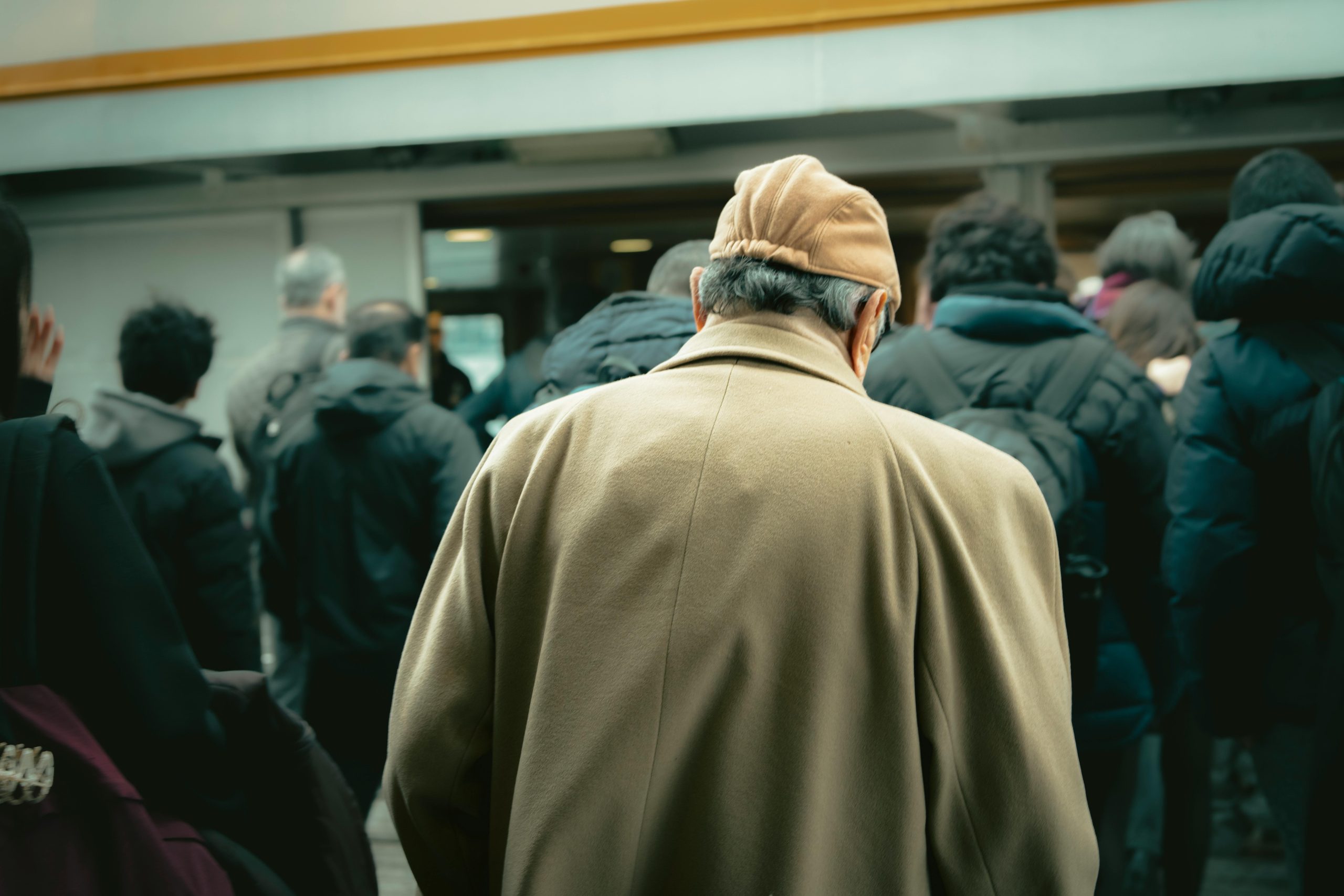
I spent years in advertising, running agencies, presenting to Fortune 500 clients, managing large teams. From the outside, I probably looked like someone who had no problem with people. And in a functional sense, I didn’t. I could do the work. But I noticed something in myself that I didn’t have language for until much later: a particular quality of dread before certain social situations that went beyond introvert recharge needs.
What’s your personality type?
Take our free 40-question assessment and get a detailed personality profile with dimension breakdowns, context analysis, and personalised insights.
Discover Your Type8-12 minutes · 40 questions · Free
For me, it showed up most sharply in unstructured social settings, cocktail parties after conferences, team dinners where there was no agenda. The work meetings I could handle. The structured presentations I could prepare for. But the open-ended social mingling? Something in my nervous system would start signaling danger well before I even arrived.
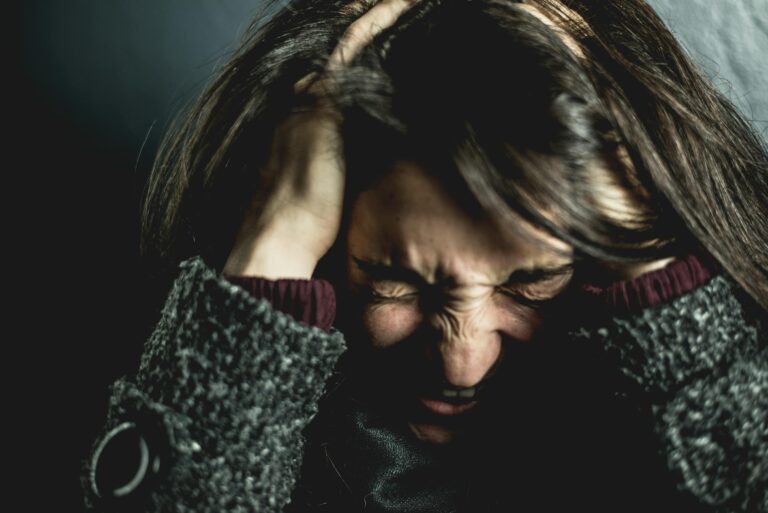
That experience gave me a window into what people with more severe symptoms carry. Because what I felt was a mild version of something that, for some people, becomes genuinely disabling. Pathological shyness, at its core, feels like your body is treating a conversation as a threat. Your heart rate climbs. Your mind races through worst-case scenarios. You might feel your face flush or your voice tighten. And then comes the shame about having those reactions at all, which compounds everything.
Psychologists sometimes describe this as a feedback loop: the physical symptoms of anxiety become embarrassing, and the embarrassment itself becomes something to fear. People with pathological shyness often aren’t just afraid of the social situation. They’re afraid of being seen as afraid. That second layer is what makes it so exhausting to carry.
What Are the Core Symptoms That Signal Shyness Has Become Pathological?
Clinicians generally look at a cluster of symptoms rather than a single marker. No one sign tells the whole story, but when several of these patterns show up together consistently, they point toward something that deserves real attention.
Anticipatory Anxiety That Begins Days or Weeks Ahead
One of the clearest markers is how far in advance the dread begins. Someone with ordinary shyness might feel nervous the morning of a social event. Someone with pathological shyness might start dreading it the moment it gets scheduled, sometimes weeks out. The anticipation becomes its own source of suffering, often more intense than the event itself.
I’ve seen this in people I managed over the years. One account executive on my team, someone genuinely talented at her work, would become visibly distracted and anxious for the entire week before any client presentation. The anxiety wasn’t proportional to the stakes. A small internal review would produce the same response as a major pitch. That disproportionality is a signal worth noticing.
Physical Symptoms That Feel Uncontrollable
Pathological shyness often has a strong physical dimension. Blushing, sweating, trembling, nausea, a dry mouth, a racing heart, difficulty breathing normally. These aren’t chosen reactions. The nervous system is activating a threat response, and the body follows.
What makes this particularly painful is that many of these symptoms are visible to others, which feeds the fear of judgment. Someone who blushes intensely when called on in a meeting may spend enormous mental energy trying to prevent the blush, which almost guarantees it happens. That cycle is exhausting in a way that’s hard to explain to someone who hasn’t experienced it.
Avoidance That Narrows Your Life
Avoidance is arguably the most consequential symptom because it’s the one that compounds over time. When anxiety around social situations becomes severe enough, people begin organizing their lives to minimize exposure. They turn down promotions that would require more visibility. They skip events they genuinely want to attend. They let friendships quietly fade rather than initiate contact.
Each avoidance feels like relief in the moment. And that relief reinforces the avoidance. Over months and years, the world gets smaller. Opportunities close. The person with pathological shyness often knows this is happening and feels trapped by it, which adds a layer of grief to the anxiety.
Negative Self-Evaluation That Persists After the Fact
Most people feel some relief once a dreaded social situation is over. People with pathological shyness often don’t get that relief. Instead, they replay the interaction in detail, cataloging every perceived mistake, every moment of awkwardness, every word they wish they’d said differently. This post-event processing can last hours or days.
The evaluation is almost always harsher than reality. What felt like a catastrophic stumble to the person experiencing it was probably invisible to everyone else in the room. But the internal critic doesn’t apply that correction. It holds onto the worst interpretation and treats it as fact.
Fear of Scrutiny Even in Low-Stakes Situations
Pathological shyness often extends to situations most people would consider entirely safe. Eating in public. Signing a document while someone watches. Making a purchase at a store. Writing while someone might glance over. The common thread is the sense of being observed and evaluated, even when the actual stakes are minimal.
This is where pathological shyness diverges most sharply from introversion. An introvert might prefer solitude and find crowds draining, but they don’t typically experience terror at the thought of being watched while eating lunch. If that kind of fear is present, something more than introversion is at work.
How Does Pathological Shyness Differ From Introversion, and Why Does the Distinction Matter?
This is the question I hear most often, and it’s worth being precise about. Introversion is a personality orientation. It describes where you get your energy, how you process information, and what kinds of environments feel natural to you. Introverts tend to recharge in solitude, prefer depth over breadth in conversation, and often find sustained social interaction tiring. None of that is a disorder. None of it requires treatment.
Pathological shyness, by contrast, is defined by fear and avoidance. An introvert might choose a quiet evening at home over a party because they genuinely prefer it. Someone with pathological shyness might desperately want to go to the party but feel unable to because the anxiety is too overwhelming. One is preference. The other is constraint.
Personality exists on a spectrum, and understanding where you fall can be genuinely clarifying. Taking an introvert extrovert ambivert omnivert test can help you map your baseline tendencies, which makes it easier to recognize when what you’re experiencing goes beyond those tendencies into something that deserves more attention.
The distinction also matters practically. Introversion responds well to self-awareness and environmental adjustments. You figure out what drains you, you build in recovery time, you find work and relationships that fit your wiring. Pathological shyness typically requires more targeted support, often including therapy approaches specifically designed for anxiety. Treating them as the same thing means people either pathologize normal introversion or, more commonly, dismiss genuine anxiety as “just being shy.”
There’s also an important conversation to be had about where people fall on the introversion spectrum itself. Someone who is fairly introverted versus extremely introverted will have different baseline experiences of social situations, and that variation matters when you’re trying to figure out what’s personality and what’s something else.

Where Does Pathological Shyness Overlap With Social Anxiety Disorder?
Clinically, pathological shyness and social anxiety disorder share significant overlap. Some researchers treat them as points on the same continuum rather than distinct categories. Social anxiety disorder, as defined in the DSM-5, involves marked fear or anxiety about social situations where the person might be scrutinized, with that fear being out of proportion to the actual threat and causing significant distress or functional impairment.
Pathological shyness is often used as a lay term for the same cluster of experiences, particularly when they haven’t reached a formal clinical threshold or haven’t been formally assessed. What they share is the core mechanism: a nervous system that treats social evaluation as danger, and a behavioral pattern of avoidance that develops in response.
Work published through PubMed Central has examined the biological underpinnings of social anxiety, pointing to differences in how the amygdala processes social threat cues in people who experience this kind of fear. This isn’t a character flaw or a weakness of will. There are neurological patterns involved that make the fear response genuinely harder to override through effort alone.
That’s important to understand, especially in professional environments where people with these symptoms are often told to simply push through or get out of their comfort zone. That advice isn’t wrong exactly, but it’s incomplete. Exposure without support can sometimes reinforce avoidance rather than reduce it, particularly when the exposure goes badly and confirms the person’s worst fears about themselves.
How Does Pathological Shyness Show Up Differently Across Personality Types?
One thing I’ve observed across twenty years of managing people is that pathological shyness doesn’t look the same in everyone. The underlying fear may be similar, but how it manifests depends heavily on personality, coping style, and the specific social demands of someone’s environment.
As an INTJ, my version of social anxiety, when it appeared, tended to look like over-preparation and rigid control. I would script conversations in advance. I would arrive early to scope out a room. I would engineer situations to minimize unpredictability. That’s a very INTJ way of managing anxiety: turn it into a systems problem. It worked well enough that most people never saw the anxiety underneath.
Other personality types handle it differently. Some people present as highly sociable on the surface while carrying intense internal fear. This is particularly common in people who might be described as omniverts versus ambiverts, where the social presentation can swing dramatically depending on context and internal state. Someone might seem outgoing at work and then be completely unable to function socially in their personal life, or vice versa.
Extroverted people can also experience pathological shyness, which surprises many people. Understanding what it actually means to be extroverted clarifies this: extroversion is about energy orientation, not confidence. An extrovert who craves social connection but fears social judgment can be caught in a particularly painful bind, drawn toward the very situations that terrify them.
There’s also a category of people who seem to shift between social ease and social paralysis in ways that don’t fit neatly into introvert or extrovert categories. If that resonates with you, it might be worth exploring the otrovert vs ambivert distinction to see if that framing adds any clarity to your experience.
What Happens in Professional Settings When Pathological Shyness Goes Unrecognized?
This is where I’ve seen the most damage over the years, not because workplaces are cruel, but because pathological shyness is so easy to misread in professional contexts.
Someone who doesn’t speak up in meetings gets labeled disengaged. Someone who avoids networking events gets seen as not a team player. Someone who struggles with phone calls or impromptu conversations gets marked as difficult to work with. The actual anxiety driving these behaviors is invisible to managers who aren’t looking for it.
I made that mistake early in my career as a leader. I had a copywriter on one of my teams who was genuinely brilliant on paper but seemed to shut down completely in group settings. My initial read was that he was arrogant, too good to engage with the group. It took a one-on-one conversation where he finally admitted how terrified he was of saying something stupid in front of colleagues for me to understand what was actually happening. Once I understood, I could structure his work differently. He thrived. But I almost lost him because I misread the symptom.
The professional cost of unrecognized pathological shyness is real. People get passed over for opportunities they’re qualified for because they can’t advocate for themselves. Careers stall not because of skill gaps but because the visibility required to advance feels genuinely impossible. Harvard’s Program on Negotiation has explored how quiet personalities handle high-stakes professional interactions, and the findings point to the importance of understanding your own patterns rather than trying to perform a personality you don’t have.

Can Someone Have Both Introversion and Pathological Shyness at the Same Time?
Yes, absolutely. And this combination is probably more common than either condition appearing in pure isolation. An introverted person with pathological shyness faces a layered experience: they genuinely prefer solitude and deep one-on-one connection over group interaction, and they also carry fear and anxiety around social evaluation that goes beyond preference.
What makes this combination particularly tricky to identify is that the introversion can provide a socially acceptable cover story for the avoidance. “I’m just an introvert” becomes a way of explaining behavior that is actually driven by anxiety. That’s not dishonest, it’s just incomplete. And it can delay someone from getting support that would genuinely help.
If you’re someone who identifies as introverted but suspects there might be more going on, one useful starting point is asking yourself whether your social avoidance feels like preference or relief. Preference is choosing the quiet evening because it sounds good. Relief is avoiding the party because the anxiety of going would be too much to bear. Both might look the same from the outside, but they feel very different from the inside.
Taking an introverted extrovert quiz can sometimes help surface this distinction by highlighting the situations where your social responses feel more complex or contradictory than a simple introvert label would predict.
What Actually Helps With Pathological Shyness Symptoms?
There’s a meaningful body of clinical work showing that pathological shyness and social anxiety respond well to treatment, particularly cognitive behavioral therapy approaches that combine gradual exposure with work on the thought patterns that fuel the fear. Research indexed through PubMed Central supports the effectiveness of structured psychological interventions for social anxiety, with outcomes that are genuinely encouraging for people who engage with the process.
Beyond formal therapy, there are practical shifts that help. One is developing a more accurate read on how others actually perceive you in social situations, because the internal critic almost always overestimates how much others notice and judge. Another is building in genuine recovery time, not as avoidance, but as intentional self-care that makes engagement more sustainable.
For people who are also introverts, the work is partly about separating what’s preference from what’s fear, and honoring both without letting fear masquerade as preference indefinitely. Psychology Today’s writing on deeper conversation touches on something relevant here: introverts often find that meaningful one-on-one connection is genuinely energizing, even when group settings are draining. Finding those pockets of authentic connection can be part of building confidence that counters the anxiety narrative.
What doesn’t help is the common cultural prescription of simply forcing yourself into more social situations and waiting for confidence to appear. Confidence built that way tends to be fragile. It collapses the first time something goes awkwardly, which confirms the fear rather than dissolving it. Sustainable progress usually involves working with the anxiety directly, not just overriding it through willpower.
The field of psychology has also developed useful frameworks for understanding how personality and anxiety interact in interpersonal conflict, which matters because pathological shyness often creates friction in relationships. Psychology Today’s work on introvert-extrovert conflict resolution offers some practical frameworks for handling those moments without letting anxiety dictate the outcome.
There’s also something worth saying about professional support specifically. Some people with pathological shyness assume that certain careers, particularly those involving regular client contact or public-facing work, are simply off limits for them. That’s rarely actually true. Point Loma University’s counseling psychology resources address this directly in the context of therapy as a profession, noting that introverted and shy individuals often bring qualities of deep listening and genuine empathy that make them exceptionally effective in helping roles. The same principle applies across many fields.

What Should You Do If You Recognize These Symptoms in Yourself?
Start with honesty. Not the harsh internal critic kind of honesty, but a clear-eyed look at whether what you’re experiencing is preference, personality, or something that’s genuinely limiting your life in ways you don’t want.
Ask yourself a few concrete questions. Are there things you want to do but don’t because the anxiety feels too big? Has avoidance closed off opportunities that mattered to you? Do you spend significant time before and after social situations in a state of dread or self-criticism? Is the fear affecting your relationships, your career, your sense of who you are?
If the answers point toward something more than introversion or ordinary shyness, talking to a mental health professional who specializes in anxiety is a reasonable next step. That’s not a dramatic intervention. It’s just getting an accurate read on what you’re dealing with so you can address it effectively.
One thing I’ve come to believe strongly, after years of working with people and doing my own internal work, is that understanding your personality accurately is one of the most useful things you can do. Not to label yourself, but to stop fighting the wrong battles. When you know what’s personality and what’s anxiety, you can work with both more effectively instead of treating everything as a character flaw or dismissing everything as “just how I am.”
Personality research and practical tools continue to develop in this space. The Frontiers in Psychology journal publishes ongoing work on the relationship between personality traits and anxiety-related patterns, which reflects how much the field has grown in its understanding of these intersections.
For anyone trying to sort out where their introversion ends and something else begins, the full Introversion vs Other Traits hub is a good place to continue that exploration, with resources covering the full range of personality dimensions that often get conflated.
About the Author
Keith Lacy is an introvert who’s learned to embrace his true self later in life. After 20 years in advertising and marketing leadership, including running agencies and managing Fortune 500 accounts, Keith now channels his experience into helping fellow introverts understand their strengths and build fulfilling careers. As an INTJ, he brings analytical depth and authentic perspective to every article, drawing from both professional expertise and personal growth.
Frequently Asked Questions
What are the main symptoms of pathological shyness?
Pathological shyness typically involves anticipatory anxiety that begins well before social situations, intense physical symptoms like blushing, trembling, or a racing heart, persistent avoidance of social situations even when you want to participate, harsh self-criticism after social interactions, and fear of scrutiny in everyday low-stakes situations. What distinguishes these symptoms from ordinary shyness is their intensity, persistence, and the degree to which they interfere with daily functioning and opportunities.
Is pathological shyness the same as social anxiety disorder?
They share significant overlap and are often treated as points on the same continuum. Social anxiety disorder is the formal clinical diagnosis, defined by marked fear of social situations where scrutiny might occur, with the fear being disproportionate to actual risk and causing meaningful distress or functional impairment. Pathological shyness is often used as a lay term for similar experiences, particularly when they haven’t been formally assessed or don’t meet the full clinical threshold. In practical terms, both benefit from similar kinds of support.
How do I know if I’m introverted or experiencing pathological shyness?
The most useful question to ask yourself is whether your social avoidance feels like genuine preference or like relief from anxiety. Introverts choose solitude because it feels good and recharging. People with pathological shyness avoid social situations because the anxiety of participating feels too overwhelming, often even when they genuinely want to be there. Introversion is a preference orientation. Pathological shyness is a fear response. They can coexist, but they’re different in nature and call for different responses.
Can extroverts experience pathological shyness?
Yes. Extroversion describes where you draw energy, not how confident you feel in social situations. An extroverted person who craves social connection but fears social judgment can experience pathological shyness in a particularly difficult form, drawn toward the very situations that trigger their anxiety. The combination can be confusing because the person’s desire for social interaction doesn’t match their fear response, which can make it harder for them and others to recognize what’s happening.
What kinds of support actually help with pathological shyness?
Cognitive behavioral therapy approaches, particularly those that combine gradual exposure to feared situations with work on the thought patterns that sustain the fear, have a strong track record with social anxiety and pathological shyness. Beyond formal therapy, developing a more accurate read on how others actually perceive you, building in genuine recovery time, and finding contexts where meaningful connection feels more manageable can all contribute to progress. What tends not to help is forcing yourself into overwhelming situations without support and hoping confidence appears on its own.