

The Shyness Clinic in Palo Alto is one of the most recognized centers in the world for understanding and treating shyness, social anxiety, and related challenges. Founded by psychologist Philip Zimbardo at Stanford University, it has helped thousands of people distinguish between shyness as a psychological condition and introversion as a personality trait, a distinction that carries real weight for anyone who has ever been told they need to “come out of their shell.”
Shyness and introversion are not the same thing. One is rooted in fear of social judgment. The other is simply about where you draw your energy. Confusing the two has caused a lot of unnecessary suffering, and the work coming out of Palo Alto has done more than almost anything else to clarify that line.

Before we go further, it helps to situate this conversation in the broader landscape of personality. Our Introversion vs Other Traits hub covers the full spectrum of how introversion intersects with shyness, anxiety, and other personality dimensions. Shyness is one of the most misunderstood pieces of that picture, and Palo Alto’s research gives us a useful anchor point for sorting it out.
What Is the Shyness Clinic and Why Does It Matter?
Philip Zimbardo, best known for the Stanford Prison Experiment, spent decades studying shyness after noticing how widespread and quietly debilitating it was. His surveys found that a significant portion of Americans identified as shy, and many of them had never received any support because shyness wasn’t treated as a clinical concern. It was just a personality quirk people were expected to push through.
What’s your personality type?
Take our free 40-question assessment and get a detailed personality profile with dimension breakdowns, context analysis, and personalised insights.
Discover Your Type8-12 minutes · 40 questions · Free
The Shyness Clinic emerged from that work. It offered cognitive behavioral therapy, social skills training, and group support specifically designed for people whose fear of negative evaluation was limiting their lives. Not people who simply preferred solitude. Not people who needed to recharge after social interaction. People who genuinely wanted connection but felt paralyzed by the prospect of it.
That distinction matters enormously to me personally. For a long time, I assumed my discomfort in certain social situations meant something was wrong with me. I ran advertising agencies for over two decades, which meant client dinners, new business pitches, and industry events that felt like obstacle courses. I white-knuckled through a lot of them. And I spent years wondering whether I was shy, introverted, or just bad at my job.
What I eventually understood, partly through reading Zimbardo’s work and partly through hard-won experience, was that my discomfort wasn’t rooted in fear of judgment. It was rooted in genuine depletion. I wasn’t afraid of people. I was tired of performing extroversion for hours at a stretch. Those are completely different problems with completely different solutions.
How Do Shyness and Introversion Actually Differ?
Shyness is defined by anxiety and self-consciousness in social situations. A shy person wants to connect but holds back because of fear, specifically the fear of being judged, rejected, or embarrassed. The discomfort is emotional and often physiological, involving racing thoughts, physical tension, and avoidance behavior that the person themselves usually wishes they could change.
Introversion, on the other hand, is about energy. An introvert isn’t afraid of social situations in the same way. They simply find extended social engagement draining rather than energizing. After a long day of meetings or a weekend full of events, an introvert needs quiet time to restore themselves. That preference for solitude isn’t a symptom of anything. It’s just how their nervous system operates.
To understand what extroversion actually looks and feels like from the inside, it helps to read about what it means to be extroverted, because the contrast clarifies both ends of the spectrum. Extroverts genuinely gain energy from social interaction. That’s not a performance. It’s their baseline.
The confusion between shyness and introversion persists because the behaviors can look similar from the outside. A shy extrovert and a non-anxious introvert might both stand quietly at a party. But internally, they’re experiencing completely different things. The shy extrovert is fighting the urge to engage. The introvert is choosing to conserve energy and observe. Same posture, opposite internal experience.
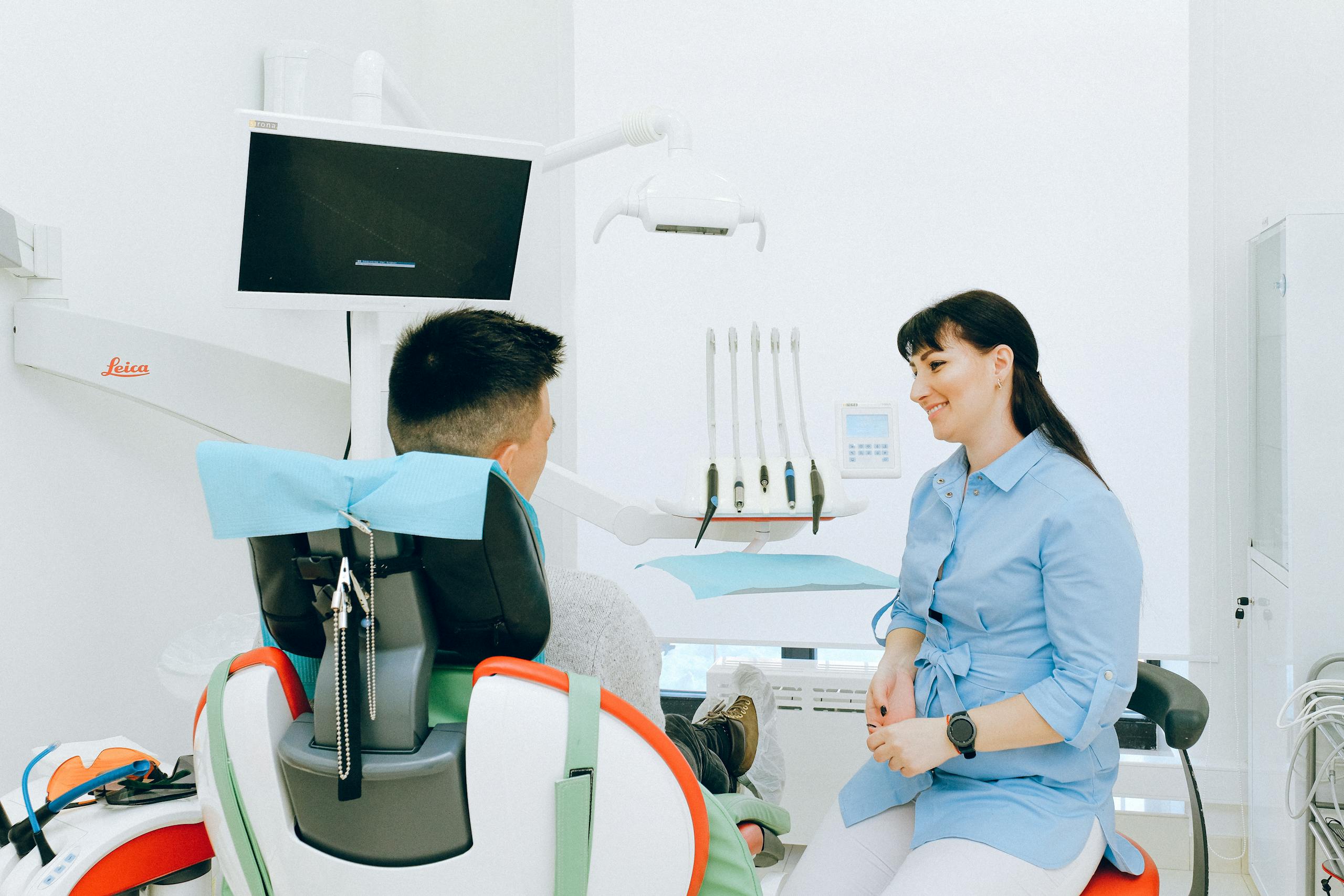
One of my creative directors years ago was an extrovert who was also deeply shy. She loved being around people, got visibly energized in group brainstorms, and had no trouble holding court in a room of ten colleagues she knew well. But put her in front of a new client and she froze. Her hands shook during presentations. She avoided pitches whenever she could. That wasn’t introversion. That was social anxiety wearing a social butterfly’s clothes. Once she got support through a therapist who specialized in performance anxiety, she became one of the best presenters on my team.
Can Someone Be Both Shy and Introverted at the Same Time?
Absolutely. Shyness and introversion are independent dimensions, which means they can combine in any configuration. You can be an introverted person who is also shy. You can be an extrovert who struggles with social anxiety. You can be neither, or both to varying degrees. The four combinations produce very different lived experiences.
An introverted person without shyness generally feels comfortable in social settings but simply doesn’t seek them out. They can walk into a room of strangers without fear, have a perfectly pleasant conversation, and then choose to leave early because they’ve had enough stimulation for one evening. No anxiety. Just preference.
An introverted person who is also shy faces a compounded challenge. They’re drained by social interaction and also anxious about it. Social situations feel both exhausting and threatening. That combination can make everyday professional life genuinely hard, and it’s worth taking seriously rather than dismissing as “just being introverted.”
This is where personality spectrum thinking becomes useful. Concepts like the omnivert vs ambivert distinction help illustrate how personality traits don’t always fall neatly into binary categories. Some people genuinely shift between introverted and extroverted behavior depending on context, and that fluidity can make it harder to identify whether discomfort in social situations is situational, trait-based, or anxiety-driven.
I’ve found that introverts who also carry some shyness often benefit most from understanding both dimensions separately. Treating the anxiety through therapy or structured skill-building is a different intervention than learning to honor your energy needs. Conflating them means you might address one while ignoring the other entirely.
What Did the Palo Alto Research Actually Find?
Zimbardo’s shyness surveys, conducted over many years beginning in the 1970s, consistently found that the majority of Americans reported experiencing shyness at some point in their lives, with a substantial portion describing themselves as chronically shy. What was striking wasn’t the number itself but the consequences people reported: missed opportunities, unfulfilling relationships, career limitations, and a pervasive sense of being trapped inside their own hesitation.
The clinic’s therapeutic approach drew heavily on cognitive behavioral frameworks, helping clients identify the thought patterns that fed their social anxiety and replace avoidance with graduated exposure. The goal was never to turn shy people into extroverts. It was to give them enough freedom from fear that they could make genuine choices about how they engaged with the world.
That framing resonates with me. The point isn’t to become someone you’re not. It’s to remove the obstacles that prevent you from being who you actually are. A shy introvert who gets support for their anxiety doesn’t suddenly become an extrovert. They become an introvert who can choose solitude freely, rather than retreating to it out of fear.
Personality research from institutions like the National Institutes of Health has explored how introversion relates to neurological differences in stimulation processing, which helps explain why the energy depletion introverts experience is physiological rather than psychological. Shyness, by contrast, involves a different set of mechanisms tied more closely to threat perception and self-evaluation.

Where Does Social Anxiety Fit Into This Picture?
Social anxiety disorder sits at the more severe end of the shyness spectrum. Where everyday shyness involves some discomfort and hesitation in social situations, social anxiety disorder involves significant distress that interferes with daily functioning. The fear of embarrassment or negative evaluation becomes so intense that people avoid situations they need to participate in, at work, in relationships, and in basic daily life.
This is clinically distinct from introversion in every meaningful way. Introversion is not a disorder. It doesn’t require treatment. It doesn’t interfere with functioning unless someone is forced to live in ways that violate their natural temperament for extended periods. Social anxiety disorder, on the other hand, can be genuinely debilitating and responds well to evidence-based treatment.
One thing I noticed running agencies was how often introverts on my team were misread as socially anxious when they simply preferred written communication to verbal. An introvert who sends a thoughtful email rather than calling you isn’t avoiding contact out of fear. They’re communicating in the medium where they do their best thinking. Treating that preference as a symptom worth fixing does real damage.
At the same time, I’ve worked alongside people who genuinely struggled with anxiety that went beyond preference. One account manager I hired was brilliant in one-on-one settings but would physically tremble before client presentations. He told me he’d been told his whole life he was “just introverted” and needed to push through. Nobody had ever suggested that what he was experiencing might be treatable. Once he got support, his quality of life changed dramatically, and so did his performance at work.
Knowing where you fall on the spectrum matters. If you’re genuinely unsure whether what you experience is introversion, shyness, or something closer to social anxiety, taking an introvert, extrovert, ambivert, and omnivert test can be a useful starting point for understanding your baseline personality orientation before layering in questions about anxiety.
Why Does the Shyness-Introversion Confusion Persist?
Part of the problem is cultural. In many Western contexts, both shyness and introversion get lumped together under the label “quiet,” and quiet gets treated as a problem. The assumption is that well-adjusted, confident people are talkative and outwardly enthusiastic. Anyone who doesn’t fit that mold gets sorted into a catch-all category of social awkwardness.
That sorting does a disservice to everyone involved. It pathologizes introversion unnecessarily, and it sometimes lets genuine anxiety go unaddressed because it gets dismissed as personality rather than recognized as something that could be helped.
There’s also the issue of self-perception. Many introverts have spent so long being told they’re “too quiet” or “need to speak up more” that they’ve internalized the idea that something is wrong with them. That internalized shame can create secondary anxiety that looks like shyness even when it isn’t. The original trait is introversion. The anxiety is a wound from years of being misunderstood.
I spent a significant part of my career believing I was shy. I avoided certain networking situations. I dreaded cold calls. I felt genuine dread before large group events. What I eventually realized was that most of that dread wasn’t about fear of judgment. It was about knowing I’d spend the next day recovering from the energy expenditure. Once I understood that, I stopped trying to fix my personality and started building systems that worked with it instead.
Understanding where you land on the personality spectrum, including whether you might be what some researchers call an otrovert vs ambivert, can help you distinguish between traits that simply need to be honored and experiences that might genuinely benefit from support.

How Introverts Can Use This Distinction in Their Own Lives
Knowing the difference between shyness and introversion isn’t just an intellectual exercise. It changes how you approach your own development and the kind of support you seek.
If you’re introverted but not particularly shy, the work is largely about building environments and habits that honor your energy needs. That means designing your schedule to include recovery time after heavy social demands, communicating your preferences clearly to colleagues and managers, and resisting the pressure to perform extroversion as a condition of professional success. Marketing yourself as an introvert in professional settings is a learnable skill that doesn’t require pretending to be someone you’re not.
If shyness is also part of your picture, the work looks different. Cognitive behavioral approaches, practiced exposure to feared situations, and working with a therapist who understands social anxiety can make a genuine difference. The intersection of introversion and therapeutic work is well-documented, and many introverts find that once the anxiety layer is addressed, their natural personality feels far less like a limitation.
One thing worth considering is where you fall on the intensity spectrum of introversion itself. Someone who is fairly introverted vs extremely introverted will experience energy depletion differently and may need different strategies for managing demanding social environments. Extreme introverts often find that what looks like shyness to others is actually a very low tolerance for overstimulation, which is a physiological reality rather than a psychological limitation.
Deeper conversations also tend to be easier for introverts than surface-level socializing, which is one reason why the case for deeper conversations resonates so strongly with introverted people. Small talk is genuinely depleting for many introverts. Substantive discussion is often energizing. That’s not shyness. That’s preference.
In conflict and high-stakes professional situations, the distinction also matters. An introvert who avoids confrontation because they need time to process their thoughts is operating differently from someone who avoids it because they fear the other person’s reaction. Introvert-extrovert conflict resolution frameworks account for processing style differences, which is more useful than assuming all conflict avoidance is anxiety-based.
What the Clinic’s Legacy Means for How We Talk About Personality
The lasting contribution of Zimbardo’s work and the Shyness Clinic isn’t just clinical. It’s conceptual. By taking shyness seriously as a distinct phenomenon rather than folding it into introversion or dismissing it as mere timidity, the clinic helped establish a more precise vocabulary for talking about why some people hold back in social situations.
That precision matters. Imprecise language leads to imprecise interventions. Telling an anxious extrovert to “embrace your introversion” is as unhelpful as telling a non-anxious introvert to “push through your shyness.” Both pieces of advice miss the actual issue entirely.
The broader research on personality dimensions supports this kind of nuanced thinking. Work published in peer-reviewed psychology journals has continued to explore how introversion, shyness, neuroticism, and social anxiety interact, and the picture that emerges is genuinely complex. These traits share some surface features but have different origins, different neurological correlates, and different implications for how people live and work.
For anyone who has spent years wondering why they feel different in social situations, that complexity is actually reassuring. It means there isn’t one answer. It means the question is worth asking carefully. And it means that understanding yourself more precisely opens up more targeted, more effective ways of building a life that actually fits.
If you want to get clearer on where you personally fall, the introverted extrovert quiz is a good tool for exploring the nuances of your own personality orientation, particularly if you’ve always felt like you didn’t fit neatly into either category.
The Frontiers in Psychology research on personality and social behavior continues to refine our understanding of these distinctions, and the direction of that work consistently points toward the same conclusion the Shyness Clinic reached decades ago: shyness and introversion are related but separate, and treating them as the same thing helps no one.
For me, the clearest sign that I was dealing with introversion rather than shyness came when I stopped dreading social situations and started simply planning around them. Once I had enough recovery time built into my schedule, once I stopped booking back-to-back client events, once I gave myself permission to leave networking dinners at a reasonable hour, the dread mostly disappeared. What remained was just preference. I still don’t love crowded cocktail parties. But I no longer feel like something is wrong with me for not loving them. That shift, quiet as it was, changed everything about how I showed up professionally.

There’s a lot more to explore at the intersection of introversion and related personality traits. Our complete Introversion vs Other Traits hub covers everything from how introversion compares to extroversion and ambiversion to how it intersects with anxiety, sensitivity, and social behavior, all with the same goal of helping you understand yourself more clearly.
About the Author
Keith Lacy is an introvert who’s learned to embrace his true self later in life. After 20 years in advertising and marketing leadership, including running agencies and managing Fortune 500 accounts, Keith now channels his experience into helping fellow introverts understand their strengths and build fulfilling careers. As an INTJ, he brings analytical depth and authentic perspective to every article, drawing from both professional expertise and personal growth.
Frequently Asked Questions
What is the Shyness Clinic in Palo Alto?
The Shyness Clinic in Palo Alto was founded by psychologist Philip Zimbardo at Stanford University and is one of the most recognized centers for treating shyness and social anxiety. It uses cognitive behavioral therapy and social skills training to help people whose fear of social judgment is limiting their lives. Its research has also been influential in clarifying the difference between shyness as a psychological condition and introversion as a personality trait.
Is shyness the same thing as introversion?
No. Shyness involves anxiety and fear of negative social evaluation, while introversion is about energy: introverts find extended social interaction draining rather than energizing. A shy person wants to connect but holds back due to fear. An introvert may connect comfortably but chooses solitude to restore their energy afterward. The two traits are independent and can appear in any combination.
Can an introvert also be shy?
Yes. Introversion and shyness are separate dimensions, so they can coexist. An introvert who is also shy faces a compounded experience: social situations are both draining and anxiety-inducing. That combination can make professional and social life genuinely challenging. Addressing the shyness component through therapeutic support is different from honoring the introversion, and both may be necessary for someone who carries both traits.
How do I know if I’m introverted or just shy?
A useful question to ask is whether your discomfort in social situations is driven by fear of judgment or by genuine energy depletion. If you feel anxious about what others think of you and wish you could engage more freely but hold back, shyness may be a factor. If you feel comfortable enough in social settings but simply prefer to limit them because they leave you tired, that points more clearly to introversion. Many people carry some of both, and distinguishing between them helps you seek the right kind of support.
Does shyness require treatment?
Mild shyness that doesn’t significantly interfere with daily life doesn’t necessarily require formal treatment. At the more intense end, where anxiety prevents someone from pursuing opportunities, maintaining relationships, or functioning comfortably at work, evidence-based approaches like cognitive behavioral therapy can make a meaningful difference. The Shyness Clinic’s approach has always emphasized that success doesn’t mean change personality but to remove fear as an obstacle to genuine choice.