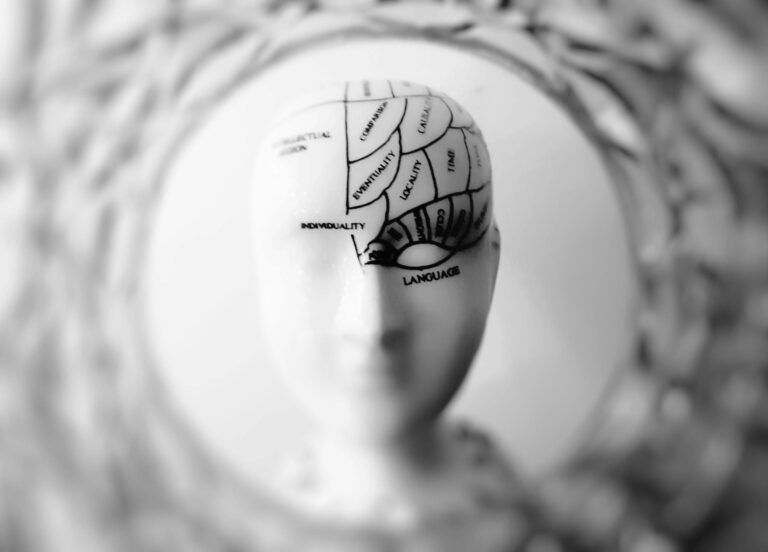

Shyness and introversion are not the same thing, even though people use these words interchangeably every day. Shyness is rooted in fear of negative evaluation, a social anxiety about how others perceive you. Introversion is simply a preference for less stimulating environments and a need for solitude to recharge. You can be shy without being introverted, introverted without being shy, or some combination of both.
That distinction matters more than most people realize. Getting it wrong shapes how you see yourself, how you explain your behavior to others, and whether you spend years trying to fix something that was never broken to begin with.
Our Introversion vs Other Traits hub covers the full landscape of personality differences, from how introversion compares to extroversion to where ambiverts and omniverts fit into the picture. Shyness deserves its own place in that conversation because it gets misidentified so often, with real consequences for the people carrying the label.

Why Does the Shyness Misunderstanding Stick Around?
Early in my advertising career, I had a reputation for being “the quiet one in the room.” Clients would ask my business partner whether I was okay. Colleagues would check in after meetings to make sure I hadn’t been offended by something. Nobody ever considered that I might simply be processing information differently. They saw quiet and assumed something was wrong.
What’s your personality type?
Take our free 40-question assessment and get a detailed personality profile with dimension breakdowns, context analysis, and personalised insights.
Discover Your Type8-12 minutes · 40 questions · Free
That assumption has deep cultural roots. In environments that reward vocal participation and visible enthusiasm, quietness reads as hesitation or fear. So when an introvert holds back in a brainstorm, the room interprets that as shyness. When someone prefers written communication over impromptu calls, people assume social anxiety is driving the preference. The behavior looks similar on the surface, so the labels get swapped.
Part of what keeps this confusion alive is that shyness and introversion can coexist. Some introverts are also shy. Some extroverts are also shy, which surprises people who assume extroversion automatically means social confidence. Understanding what extroverted actually means helps clarify this. Extroversion is about where you draw energy, not about how comfortable you feel in social situations. An extrovert can crave social interaction and still feel anxious about how they come across. An introvert can feel completely at ease in conversation while simply preferring to have fewer of them.
The conflation persists because both traits produce similar-looking behavior in certain contexts. Declining an invitation, speaking less in groups, taking time before responding. From the outside, these behaviors look the same whether they come from fear or from preference. Only the person experiencing them knows which is driving the bus.
What Shyness Actually Feels Like From the Inside
Shyness has a particular texture that introversion doesn’t share. It involves anticipatory dread, that specific tightening before a social situation where you’re already rehearsing what might go wrong. It involves a heightened awareness of being watched or judged. And it often involves a gap between what you want to do and what you actually do, where you want to speak up in a meeting but something stops you, where you want to introduce yourself at an event but your feet stay planted.
Introversion doesn’t feel like that. As an INTJ, when I choose to skip a networking happy hour, there’s no internal conflict about it. No anxiety about what people will think. No rehearsal of excuses. I simply know that two hours of small talk will cost me more than it gives me, and I make a different choice. The preference is clean. Shyness is messier because it involves wanting something and being blocked from it by fear.
One of the most useful frameworks I’ve encountered describes shyness as approach-avoidance conflict. You’re drawn toward social connection but simultaneously pulled back by fear of judgment. That tension is exhausting in a way that introversion isn’t. An introvert who skips the party doesn’t feel torn. A shy person who skips the party might spend the evening wondering what they missed and what people thought of their absence.

I managed a creative director at one of my agencies who was genuinely shy. Talented, warm, deeply perceptive. She wanted to present her work to clients. She had strong ideas about strategy and design. But the moment she was in front of a room, something shifted. Her voice got quieter, her sentences shorter. Afterward, she’d replay every word she’d said and find fault with most of it. That wasn’t introversion. That was shyness doing what shyness does, creating distance between who she was and who she could be in those moments.
Can You Be Both Introverted and Shy?
Yes, and many people are. The traits are independent of each other, which means they can show up together, separately, or not at all. Someone who is both introverted and shy experiences a kind of double pull away from social situations, one from preference and one from fear. That combination can be especially isolating because it’s hard to sort out which is which.
Personality researchers have spent considerable time mapping where these traits overlap and diverge. The consensus is fairly consistent: introversion sits on a spectrum of how much stimulation a person needs and prefers, while shyness sits in the territory of social anxiety and self-consciousness. They’re related but distinct constructs. A study published in PubMed Central exploring personality traits and social behavior found that shyness correlates more strongly with neuroticism than with introversion, which points to the anxiety dimension of shyness that introversion doesn’t share.
Where it gets complicated is the middle ground. People who fall somewhere between introversion and extroversion, what we’d call ambiverts, can also experience shyness in specific contexts. If you’ve ever wondered about your own placement on this spectrum, the introvert extrovert ambivert omnivert test can help you get a clearer picture. Knowing where you land on the energy spectrum is a separate question from understanding your social anxiety patterns, but having both pieces of information gives you a much fuller map of how you work.
I’ve also noticed that people who identify as omniverts, those whose introversion or extroversion shifts depending on context and circumstance, can experience what looks like shyness when they’re in their more introverted phase. The distinction between an omnivert and an ambivert matters here because the experience of shifting between states is different from sitting steadily in the middle. If that distinction resonates with you, it’s worth exploring the omnivert vs ambivert comparison to see which framework fits your experience better.
How Mislabeling Shyness Creates Real Problems
When I was running agencies, I watched this mislabeling play out in hiring decisions, performance reviews, and career trajectories. Introverted employees were flagged for “confidence issues” when they simply needed more time to think before speaking. Shy employees were told to “just put themselves out there more,” as though the fear were a choice they were making. Neither group got what they actually needed.
The introvert who’s told they have a confidence problem starts doubting themselves in ways they didn’t before. They begin performing extroversion, forcing enthusiasm and visibility that drains them. The shy person who’s told to push through their fear without any real support just gets better at hiding it, which doesn’t help and sometimes makes things worse.
Mislabeling also affects how people seek help. If you believe you’re just introverted when you’re actually dealing with social anxiety, you might dismiss the anxiety as a personality trait that doesn’t need attention. There’s a meaningful difference between not wanting to go to the party and wanting to go but being unable to. One is a preference. The other is a constraint. Treating a constraint as a preference means you never address the underlying issue.
On the flip side, if you’re introverted and someone keeps telling you that you’re shy and need to overcome it, you might spend years trying to fix something that doesn’t need fixing. That’s a different kind of damage. It sends the message that your natural way of being is a problem, when actually it’s just a different way of being.

There’s also the question of where on the introversion spectrum you actually fall. Someone who is fairly introverted has a different lived experience than someone who is extremely introverted, and both are different from someone dealing with shyness. The piece on fairly introverted vs extremely introverted does a good job of mapping those differences, because the degree of introversion shapes how much the mislabeling hurts and what kind of recalibration is needed.
What Shyness Responds to That Introversion Doesn’t
Because shyness is anxiety-based, it responds to the things that help with anxiety. Gradual exposure, cognitive reframing, building a track record of positive social experiences, working with a therapist if the anxiety is significant. None of these things “fix” introversion because introversion isn’t broken. An introvert who goes to therapy and works on their social anxiety might come out of it still preferring quiet evenings and one-on-one conversations. That’s fine. The goal was never to make them extroverted. The goal was to remove the fear so they could make genuine choices.
A piece from Point Loma University’s counseling psychology resources makes an interesting observation about introverted therapists. The traits that make introverts good listeners and deep processors are assets in therapeutic work, not liabilities. That framing applies broadly. Introversion, once separated from the anxiety of shyness, often reveals strengths that were obscured by the mislabeling.
For shyness specifically, the work is about building confidence through experience. My creative director, the one I mentioned earlier, eventually got there. Not by becoming a different person, but by accumulating enough successful presentations that her nervous system started to trust the process. The fear didn’t disappear overnight, but it became smaller relative to her growing evidence that she could do it. That’s how shyness responds to intentional work.
Introversion doesn’t need that kind of intervention. What it needs is permission. Permission to work in ways that suit your energy, to communicate on timelines that allow for reflection, to lead without performing extroversion. Psychology Today’s exploration of why introverts gravitate toward deeper conversations captures something important about this. The introvert isn’t avoiding conversation. They’re seeking a specific quality of conversation. That’s a preference, not a fear.
Shyness in the Workplace and What Actually Helps
Over two decades of running agencies, I worked with a lot of people who carried the shy label into professional environments. Some of them had been told since childhood that they were shy, and they’d built an identity around it. Others had developed shyness in response to specific experiences, a humiliating public failure, a critical manager, a culture that punished mistakes visibly.
What helped in both cases was creating conditions where the fear had less to feed on. Smaller meetings instead of large presentations. Preparation time before discussions rather than cold calls for input. Written communication as a legitimate channel, not just a fallback. These aren’t accommodations that coddle people. They’re structural changes that let the actual work come through without the anxiety acting as a filter.
There’s also something to be said for conflict dynamics in workplaces where shyness is present. Shy people often avoid conflict not because they don’t have opinions but because the social risk feels too high. A Psychology Today piece on introvert-extrovert conflict resolution outlines approaches that work across personality types, and many of them are particularly useful for shy individuals who need structured pathways for disagreement rather than open-ended confrontation.
One thing I wish I’d understood earlier in my career is that shy employees often have the sharpest observations in the room. They’ve been watching carefully while others were talking. Getting those observations out requires creating safety, not just asking louder or more directly. The people who stayed quiet in my agency brainstorms weren’t empty. They were waiting for conditions that felt safe enough to speak.
The Quiet Extrovert Problem Nobody Talks About
Here’s something that tends to get overlooked in these conversations. Extroverts can be shy too, and when they are, it creates a particular kind of confusion because their behavior doesn’t match the expected extrovert profile.
A shy extrovert craves social connection but fears judgment. They want to be in the room, want to engage, want to be liked and seen. But the anxiety about how they’re coming across can be intense. They might overcompensate with humor or bravado. They might seek constant reassurance. They might be the loudest person in the conversation and still feel deeply insecure about how they landed.
This is worth understanding if you’re trying to figure out your own wiring. The introverted extrovert quiz can help you sort out whether you’re someone who leans extroverted but experiences shyness, or whether you’re genuinely introverted and have been misreading your own preferences. Getting that clarity changes how you approach social situations and what kind of support actually makes sense for you.
Some people also identify as otroverts, a term that’s gained traction in certain personality communities to describe a specific kind of social experience that doesn’t fit neatly into the standard introvert-extrovert binary. If you’re curious about that framing, the otrovert vs ambivert comparison explores how these different identity frameworks relate to each other. The point isn’t to collect labels but to find language that helps you understand your own patterns more clearly.
Letting Go of the Labels That Don’t Fit
At some point in my late thirties, I stopped trying to explain myself in terms other people had handed me. I wasn’t shy. I wasn’t antisocial. I wasn’t cold or distant or difficult. I was an INTJ who processed the world internally, who needed quiet to think clearly, who preferred depth over breadth in almost every context. That was a description, not a diagnosis.
The relief of finding accurate language for yourself is hard to overstate. When you’ve spent years accepting a label that doesn’t fit, there’s a particular kind of fatigue that builds up. You keep trying to match the label’s expectations and keep falling short, and the gap feels like a personal failure. Getting the label right doesn’t solve everything, but it stops the cycle of misaligned effort.
If shyness is genuinely part of your picture, naming it accurately opens the door to addressing it. Anxiety responds to specific interventions. Social confidence can be built. The fear of judgment can become less loud over time with the right kind of work. None of that happens when the anxiety is being misidentified as a personality trait that you’re supposed to just accept.
And if you’re introverted without being shy, accurate labeling gives you permission to stop apologizing for your preferences. You don’t need to attend every event, speak in every meeting, or fill every silence. Your quietness is not a symptom. It’s a feature of how you’re built, and it comes with real strengths that deserve to be recognized rather than managed away.
Work in advertising taught me that the most effective communication starts with accurate understanding of your audience. The same principle applies to self-knowledge. You can’t communicate your needs, build on your strengths, or address your actual challenges without first getting the picture right. Shyness and introversion are both real, both valid, and both worth understanding clearly. They just aren’t the same thing, and treating them as if they are costs you something.
Understanding how introversion relates to other personality traits, including shyness, anxiety, and the full spectrum between introversion and extroversion, is something we cover extensively in the Introversion vs Other Traits hub. If this article raised questions about your own wiring, that’s a good place to keep exploring.

About the Author
Keith Lacy is an introvert who’s learned to embrace his true self later in life. After 20 years in advertising and marketing leadership, including running agencies and managing Fortune 500 accounts, Keith now channels his experience into helping fellow introverts understand their strengths and build fulfilling careers. As an INTJ, he brings analytical depth and authentic perspective to every article, drawing from both professional expertise and personal growth.
Frequently Asked Questions
Is shyness the same as introversion?
No. Shyness is a fear of negative social evaluation, rooted in anxiety about how others perceive you. Introversion is a preference for less stimulating environments and a need for quiet time to recharge. The two traits are independent. You can be introverted without being shy, shy without being introverted, or some combination of both. The confusion persists because both traits can produce similar-looking behavior on the surface, such as speaking less in groups or declining social invitations, but the internal experience is entirely different.
Can an extrovert be shy?
Yes, and this surprises many people. Extroversion describes where you draw energy, specifically from social interaction and external stimulation. It says nothing about your comfort level with social judgment. A shy extrovert craves connection but fears how they come across. They may seek social situations frequently while still feeling significant anxiety about being evaluated. This combination can look like overcompensating behavior, excessive humor, or a constant need for reassurance. Extroversion and shyness are separate dimensions of personality that can coexist.
Does shyness go away on its own?
For some people, shyness diminishes naturally as they accumulate positive social experiences and build confidence over time. For others, particularly when the shyness is connected to deeper social anxiety, it doesn’t fade without intentional work. Gradual exposure to social situations, cognitive reframing of anxious thoughts, and in some cases working with a therapist can all help. Shyness responds to the kinds of interventions that address anxiety broadly. What doesn’t help is simply being told to push through it without support, or having the anxiety mislabeled as a personality trait that doesn’t need attention.
How do I know if I’m introverted or shy?
Pay attention to the internal experience, not just the external behavior. If you avoid social situations because they drain your energy and you genuinely prefer quiet, that points toward introversion. If you avoid social situations because you’re afraid of being judged, embarrassed, or rejected, that points toward shyness. The clearest indicator is whether there’s conflict involved. Introversion feels like a clean preference. Shyness involves wanting something but being held back by fear. Many people experience both, so it’s worth examining each dimension separately rather than assuming one explains the other.
Is shyness a weakness?
Shyness is not a character flaw or a moral failing. It’s a pattern of anxiety that many people experience to varying degrees. Like most anxiety-based patterns, it can limit what you’re able to do in certain situations, which is worth addressing if it’s getting in your way. At the same time, people who experience shyness often develop strong observational skills, empathy, and careful listening habits precisely because they spend more time watching and less time performing. success doesn’t mean erase shyness but to reduce the fear enough that it stops acting as a barrier between you and the things you actually want.