

Caregiver burnout is one of the quietest crises in mental health, and for introverts, it tends to arrive without fanfare, building slowly beneath the surface until the well runs completely dry. The best platforms for caregiver stress management, burnout recovery, and emotional exhaustion combine structured mental health support with flexible, low-stimulation formats that actually fit how introverts process and heal. Whether you’re caring for an aging parent, a chronically ill partner, or a child with complex needs, the right tools matter enormously, and so does understanding why your energy depletes faster than most people around you seem to expect.
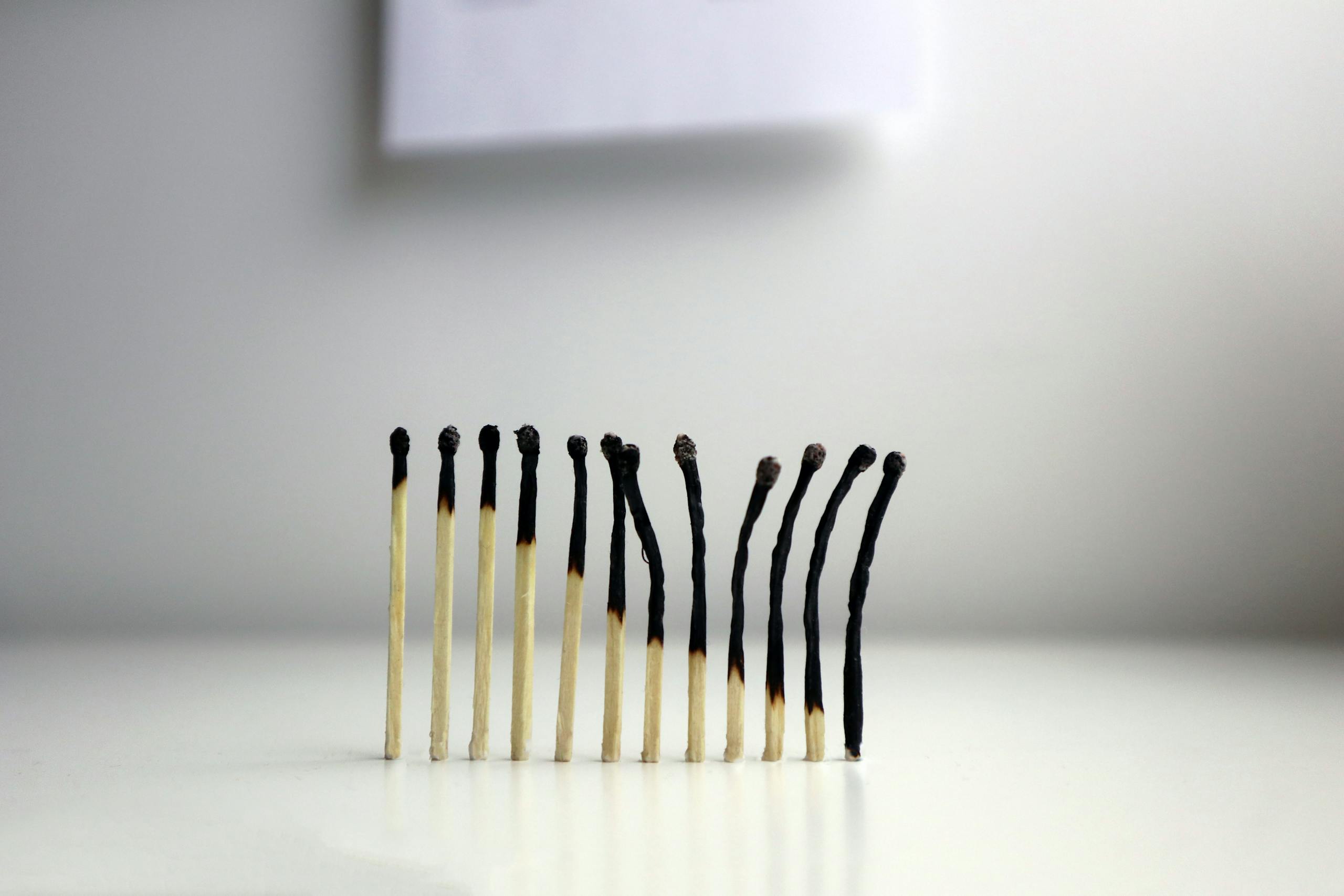
Caregiving asks you to give from reserves you may not even know are finite. And if you’re wired as an introvert, those reserves are already working differently than the world assumes. You process more deeply, feel more acutely, and need genuine quiet to recover. That combination makes burnout not just possible but almost predictable if the right support structures aren’t in place.
Much of what I’ve written about energy, depletion, and recovery connects directly to the broader conversation happening in our Energy Management and Social Battery hub, where we look at how introverts can protect their capacity across all areas of life. Caregiving sits squarely inside that conversation, because there may be no faster way to drain an introvert’s social battery than sustained, emotionally demanding care for another human being.
Why Does Caregiver Burnout Hit Introverts So Differently?
Caregiving is relentless social contact. Even when the person you’re caring for is someone you love deeply, the emotional labor, the physical proximity, the constant attunement to another person’s needs, all of it draws from the same internal reservoir that introverts rely on for everything else. There’s no clean separation between “caregiving energy” and “your energy.” It’s all the same pool.
What’s your personality type?
Take our free 40-question assessment and get a detailed personality profile with dimension breakdowns, context analysis, and personalised insights.
Discover Your Type8-12 minutes · 40 questions · Free
I think about this often when I reflect on a period in my agency years when I was simultaneously managing a demanding client relationship and helping coordinate care for a family member going through a serious health crisis. I was running team meetings, presenting to brand executives, managing creative directors, and then driving across town to sit with someone who needed me present, emotionally and physically, for hours at a time. I told myself I could compartmentalize. I was wrong. The depletion was cumulative and total.
What I didn’t understand then, and what took me years to articulate, is that an introvert gets drained very easily precisely because our nervous systems are processing at a different depth than most people realize. We’re not just managing logistics. We’re absorbing emotional texture, tracking relational dynamics, and carrying the weight of unspoken things. In a caregiving context, that depth of processing becomes both a gift and a liability.
The gift is that introverted caregivers are often extraordinarily attentive. They notice the subtle shift in a parent’s breathing, the way a partner’s posture changes when pain increases, the small signals that something is wrong before it becomes a crisis. The liability is that noticing everything, all the time, without adequate recovery space, is a direct path to emotional exhaustion.
Many introverts also identify as highly sensitive people, and the overlap between introversion, high sensitivity, and caregiving creates a particularly intense experience. If you recognize yourself in the patterns described in our piece on HSP energy management and protecting your reserves, you’ll understand why caregiving without intentional support structures isn’t sustainable, regardless of how much you love the person you’re caring for.

What Are the Best Platforms for Caregiver Stress Management?
Choosing a support platform as an introverted caregiver isn’t just about features. It’s about format, pacing, and whether the tool itself adds to your sensory load or reduces it. consider this I’ve found actually works, drawing from both personal experience and the broader landscape of what’s available.
Text-Based Therapy and Asynchronous Support
Platforms like BetterHelp and Talkspace offer text-based therapy options that suit introverts far better than most people acknowledge. The ability to compose your thoughts before sending them, to read a therapist’s response at your own pace, and to avoid the social performance of a live video call removes a significant layer of friction. Many introverts find they’re more honest in writing than in real-time conversation, not because they’re hiding something, but because their processing happens more fully when the pressure of immediate response is removed.
I’ve recommended text-based therapy to people in my circle who are caregivers and introverts, and the consistent feedback is that it feels less exhausting than traditional sessions. You’re not managing your facial expressions or worrying about taking up too much airtime. You’re just communicating, which is what therapy is supposed to be about.
Mindfulness and Meditation Apps
Apps like Insight Timer, Calm, and Headspace offer guided meditations specifically designed for caregiver stress and emotional exhaustion. What makes these valuable for introverts isn’t just the content but the format: solitary, self-paced, and available at 2 AM when the quiet finally arrives. There’s no group dynamic to manage, no facilitator to respond to, no social obligation attached to the experience.
Insight Timer in particular has an enormous library of free content, including tracks specifically for compassion fatigue, grief, and caregiver overwhelm. The ability to filter by duration means you can find something that fits a ten-minute window between caregiving tasks rather than needing to carve out a structured hour.
Online Support Communities With Low-Pressure Participation
The word “community” can feel threatening to introverts who are already running low on social capacity. Yet isolation is one of the most dangerous elements of caregiver burnout, and connection, even quiet connection, is part of recovery. The difference lies in finding communities where lurking is acceptable, where you can read without posting, absorb without performing, and contribute only when you genuinely have something to offer.
Reddit communities like r/CaregiverSupport and r/AgingParents offer exactly this kind of low-pressure participation. You can read hundreds of threads from people in situations similar to yours and feel less alone without ever typing a word. When you’re ready to share, the anonymity removes the social stakes that make in-person groups so draining. The growing body of public health research on digital social support suggests that online peer communities can meaningfully reduce isolation and perceived stress in caregiving populations, even when participation is minimal.
Journaling Platforms and Structured Reflection Tools
Day One, Reflectly, and even a simple private blog serve a function that introverts often underestimate: externalizing the internal. When you’re carrying the weight of caregiving, your mind becomes a pressure vessel. Writing, whether structured or free-form, releases that pressure in a way that doesn’t require another person to be present.
During my agency years, I kept a private journal that I never shared with anyone. It wasn’t therapy. It was more like a pressure valve. I’d process a difficult client situation, a team conflict, a moment of self-doubt, and by the end of writing it out, I’d have more clarity than any conversation had given me. For introverted caregivers, that same practice can be genuinely therapeutic, especially when emotional exhaustion makes the idea of talking to another person feel impossible.
Telehealth Psychiatry for Medication Support
Platforms like Cerebral and Brightside connect caregivers experiencing clinical levels of anxiety or depression with psychiatrists who can evaluate and prescribe medication if appropriate. This matters because caregiver burnout doesn’t always resolve with lifestyle adjustments alone. Sometimes the neurological toll of sustained stress requires clinical intervention, and the telehealth format removes the logistical barriers, travel time, waiting rooms, and scheduling complexity, that often prevent caregivers from seeking help at all.
There’s no shame in reaching this point. Sustained caregiving stress affects the brain’s stress response systems in measurable ways, and peer-reviewed research has documented the physiological impact of chronic caregiver stress on mental and physical health outcomes. Acknowledging that you need clinical support isn’t weakness. It’s accurate self-assessment.

How Does Sensory Overload Accelerate Caregiver Burnout?
Caregiving environments are rarely quiet. Medical equipment beeps. Phones ring. Other family members arrive with their own emotional weather. The person you’re caring for may need to communicate frequently, sometimes urgently, sometimes in the middle of the night. For introverts who are also sensitive to sensory input, this sustained environmental noise isn’t just uncomfortable. It’s physiologically depleting in ways that compound the emotional exhaustion already present.
Our piece on HSP noise sensitivity and effective coping strategies covers this terrain in depth, but the short version is this: when your nervous system is already taxed by emotional labor, sensory stimulation that might be tolerable under normal conditions becomes genuinely overwhelming. The sounds of a hospital room, a busy household, or even a television left on in the background can push an already-depleted introvert past their threshold faster than they realize.
Light sensitivity compounds this further. Fluorescent hospital lighting, bright screens late at night, the glare of overhead lights in care facilities, all of these create an additional sensory burden that most caregiving guides never address. If this resonates with you, the strategies in our article on HSP light sensitivity, protection and management offer practical tools that translate directly to caregiving contexts.
Physical touch is another dimension that caregiving involves heavily. Helping someone bathe, dress, or move requires sustained physical contact that can feel both meaningful and draining, particularly for those with heightened tactile sensitivity. Understanding your own responses to touch, as explored in our piece on HSP touch sensitivity and tactile responses, can help you recognize when your physical boundaries need attention as much as your emotional ones.
I learned this the hard way during a stretch when I was managing a particularly demanding agency account while also spending significant time with a family member in a care facility. The combination of fluorescent lighting, constant background noise, and the emotional weight of the visits left me so depleted by early evening that I was making poor decisions at work and withdrawing from people I cared about. It took me too long to connect the dots between my sensory environment and my functional capacity.
What Does Emotional Exhaustion Actually Feel Like for Introverted Caregivers?
Emotional exhaustion in caregiving doesn’t always look like crying or collapsing. For introverts, it often presents as a kind of flat, gray numbness. The capacity for empathy that made you such a good caregiver starts to feel like it’s been switched off. You go through the motions competently but feel nothing. Or you feel everything too intensely and can’t regulate it. Sometimes both happen in the same afternoon.
There’s a specific quality to this kind of depletion that I recognize from my agency years, though the caregiving version is more profound. Running a creative agency means absorbing the emotional states of clients, creative teams, account managers, and production staff simultaneously. On days when I’d had back-to-back presentations, a team conflict to mediate, and a client call that went sideways, I’d arrive home and be completely unable to engage with anything or anyone. My family would ask simple questions and I’d have nothing to give. Not because I didn’t care, but because the reserves were genuinely empty.
Caregiving creates that same state, often daily, and without the weekend recovery time that agency life at least theoretically offered. The person you’re caring for doesn’t pause because you’re depleted. Their needs continue regardless of your internal state, which creates a particular kind of guilt that introverted caregivers carry quietly and alone.
What Psychology Today’s coverage of introvert energy dynamics captures well is that introverts aren’t antisocial or uncaring. They simply have a different relationship with stimulation and recovery. Understanding this distinction is essential for caregivers who feel guilty about needing space, because the need isn’t selfishness. It’s biology.
Which Platform Features Matter Most for Introverted Caregivers?
Not all mental health platforms are equally suited to introverts managing caregiver stress. When evaluating options, a few specific features make a meaningful difference.
Asynchronous Communication Options
The ability to communicate on your own schedule, without the pressure of a live interaction, removes a significant barrier. Look for platforms that offer messaging-based therapy alongside video options, so you can choose the format that matches your current capacity. On days when you have nothing left, typing a few sentences to your therapist is far more accessible than showing up for a video call.
Self-Directed Content Libraries
Platforms with extensive libraries of on-demand content, meditations, psychoeducational videos, journaling prompts, and coping skill modules allow you to engage at your own pace without any social obligation. This format respects the introvert’s need to process independently before (or instead of) engaging with another person.
Low-Stimulation Interface Design
This sounds minor but isn’t. Apps with cluttered interfaces, aggressive notification systems, or visually busy designs add to the sensory load rather than reducing it. Clean, calm interfaces with customizable notification settings matter more to introverts and highly sensitive people than most app developers seem to understand. Finding the right balance between engagement and overwhelm is something our article on HSP stimulation and finding the right balance addresses in a way that applies directly to choosing digital tools.
Caregiver-Specific Content
Generic stress management content helps to a point, but caregiving involves specific psychological dynamics, including grief, anticipatory loss, role identity shifts, and the complicated emotions of caring for someone who may not be able to express gratitude, that require targeted support. Platforms that include caregiver-specific modules or therapist matching based on caregiving experience offer meaningfully better outcomes than general mental health tools.

How Do You Build Recovery Into a Caregiving Life?
Recovery isn’t a luxury in caregiving. It’s a clinical necessity. And for introverts, recovery has a specific shape: it requires genuine solitude, reduced stimulation, and time to process without external demands. The challenge is that caregiving, by definition, makes all three of those things difficult to access.
What I’ve come to understand, both from my own experience and from years of observing how high-performing introverts manage demanding roles, is that recovery has to be scheduled with the same seriousness as any other obligation. It cannot be what’s left over after everything else is done, because in caregiving, nothing is ever fully done.
Even twenty minutes of genuine solitude, a walk without your phone, a quiet room with the door closed, a drive with no podcast or music, can begin to restore what sustained caregiving depletes. Truity’s examination of why introverts need downtime explains the neurological basis for this: introverts’ brains process dopamine differently, which means external stimulation that energizes extroverts genuinely exhausts introverts, making dedicated recovery time not a preference but a physiological requirement.
In my agency years, I eventually learned to protect certain hours with the same firmness I used to protect client deliverable deadlines. A walk at noon. A thirty-minute window before the evening’s obligations. Not because I was being precious about my comfort, but because I’d learned, through painful experience, that an empty Keith was a useless Keith. The same logic applies to caregivers. You cannot give what you don’t have, and replenishing yourself is part of the job, not an escape from it.
Beyond individual recovery practices, published research on caregiver wellbeing consistently identifies social support as one of the most protective factors against burnout, even for introverts who find social interaction draining. The distinction matters: support from a small number of trusted people, delivered in low-pressure formats, is genuinely restorative. It’s the difference between a quiet conversation with someone who understands and a family gathering where you have to perform competence and composure for an audience.
Respite care, whether through formal programs, family rotation, or hired support, creates the structural space that recovery requires. Many introverted caregivers resist asking for this help because it feels like an admission of inadequacy. It isn’t. Respite care is what allows caregiving to be sustainable over months and years rather than weeks.
Are There Warning Signs That Burnout Has Moved Beyond Self-Help?
Yes, and recognizing them early matters. Caregiver burnout that has crossed into clinical territory looks different from ordinary exhaustion. Persistent inability to feel positive emotions, even in moments that should bring relief or joy, is one signal. So is a growing sense of resentment toward the person you’re caring for, which often arrives with a flood of guilt that makes it harder to acknowledge. Difficulty sleeping even when you have the opportunity, physical symptoms like chronic headaches or digestive problems without clear medical cause, and increasing withdrawal from any form of social contact are all indicators that the situation requires professional support rather than just better self-care practices.
The Harvard Health guidance on introvert wellbeing emphasizes that introverts are not immune to loneliness and that prolonged isolation, even when chosen, can have serious mental health consequences. The introvert who withdraws completely from all connection under the weight of caregiving isn’t protecting their energy. They’re cutting off the relational oxygen that humans, regardless of personality type, require to function.
If you recognize yourself in these warning signs, the platforms described in this article are a starting point, but they’re not a substitute for professional clinical evaluation. Reaching out to a therapist, your primary care physician, or a crisis line is the appropriate response to clinical burnout, and doing so is an act of care for both yourself and the person who depends on you.
Emerging research, including work published in Nature’s scientific reports, continues to refine our understanding of how chronic stress affects cognitive and emotional function. What this body of work consistently confirms is that the brain under sustained caregiving stress is not functioning at its baseline, and that intervention, whether therapeutic, pharmacological, or structural, is often necessary to restore it.

Everything we’ve explored here connects to a larger framework for how introverts can protect and restore their capacity across all of life’s demands. If you want to go deeper on the science and strategy behind energy management, our Energy Management and Social Battery hub is where those threads come together.
About the Author
Keith Lacy is an introvert who’s learned to embrace his true self later in life. After 20 years in advertising and marketing leadership, including running agencies and managing Fortune 500 accounts, Keith now channels his experience into helping fellow introverts understand their strengths and build fulfilling careers. As an INTJ, he brings analytical depth and authentic perspective to every article, drawing from both professional expertise and personal growth.
Frequently Asked Questions
What is the best platform for caregiver burnout support if I’m an introvert?
Text-based therapy platforms like BetterHelp and Talkspace tend to work particularly well for introverted caregivers because they allow asynchronous communication, meaning you can compose your thoughts without the pressure of a live interaction. Mindfulness apps like Insight Timer also offer caregiver-specific content in a solitary, self-paced format that suits introverts’ processing style. The best platform is in the end the one whose format reduces friction rather than adding to your existing sensory and emotional load.
How do I know if I’m experiencing caregiver burnout versus ordinary tiredness?
Ordinary tiredness resolves with rest. Caregiver burnout persists even after sleep or time away from caregiving responsibilities. Signs that distinguish burnout from fatigue include persistent emotional numbness, growing resentment toward the person you’re caring for, physical symptoms without clear medical cause, inability to feel positive emotions even in genuinely good moments, and increasing withdrawal from all social contact. If these patterns have been present for several weeks, professional support is warranted rather than simply more rest.
Can introverts benefit from caregiver support groups, or are they too draining?
Introverts can benefit significantly from support communities when the format matches their needs. Online communities with asynchronous participation, like Reddit’s caregiving forums, allow introverts to read, absorb, and feel less alone without the social performance of live group settings. When introverts do engage in live support groups, smaller groups with structured conversation tend to work better than open-ended large gatherings. The goal is connection without the added drain of managing complex group social dynamics.
Why does caregiving feel more exhausting for introverts than for extroverts?
Caregiving involves sustained social contact, emotional attunement, and sensory stimulation, all of which draw from the same internal reserves that introverts use for everything else. Where extroverts may find social interaction energizing even in caregiving contexts, introverts experience it as depleting regardless of how much they love the person they’re caring for. This isn’t a character flaw. It reflects a genuine difference in how introverted nervous systems process stimulation and recover from it. Many introverts are also highly sensitive, which means they’re processing more emotional and sensory information simultaneously, accelerating the depletion.
How much recovery time does an introverted caregiver actually need?
There’s no universal answer, but the principle is consistent: recovery time must be genuine solitude with reduced stimulation, not just physical rest in the presence of others. Even twenty to thirty minutes of authentic quiet, without screens, conversation, or ambient noise, can begin to restore depleted reserves. The challenge in caregiving is that this time rarely arrives naturally and must be actively scheduled and protected. Respite care, family support rotations, and boundary-setting around certain hours are structural tools that make recovery time possible rather than aspirational.