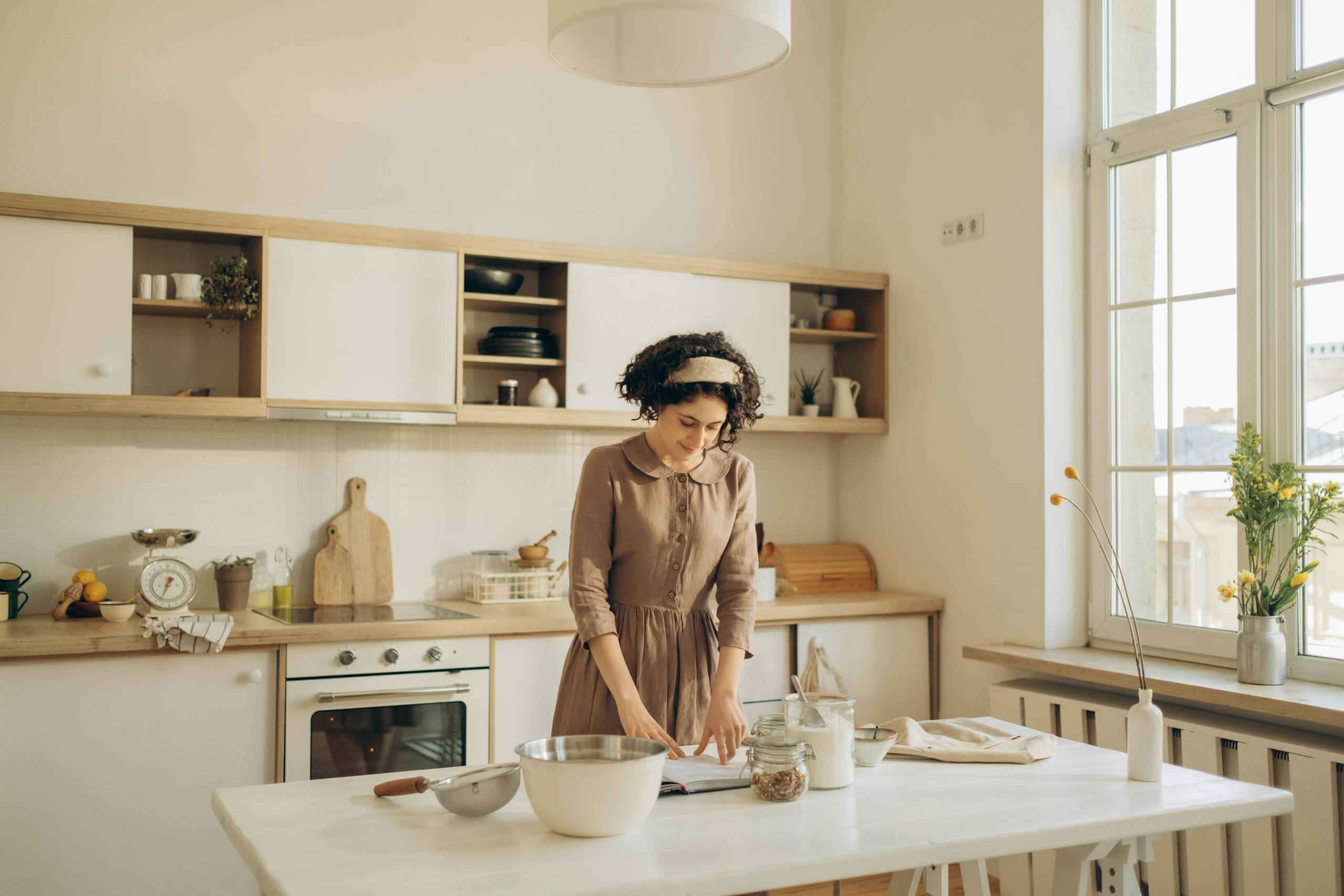

Picture this: the kitchen is quiet, your favorite playlist hums softly in the background, and you’re completely absorbed in the rhythm of chopping vegetables. No meetings, no small talk, just you and the gentle process of preparing something nourishing. For introverts, cooking represents far more than basic food preparation, it becomes a meaningful form of self-care that honors both body and personality.
My own relationship with cooking shifted dramatically about seven years into my agency career as an introverted leader. After spending days managing high-stakes client presentations and coordinating team dynamics, I found myself increasingly drawn to the solitary, meditative quality of preparing meals. The kitchen became a space where I could process the week’s experiences in my own time, where no one expected immediate responses or performance. Measuring ingredients required precision similar to analyzing campaign data, but the stakes felt gentler, more personal.
What started as necessity evolved into something I genuinely looked forward to. Preparing food offered a tangible connection to self-care that didn’t demand social energy. Each step provided clear, achievable goals without the pressure of external evaluation. That quiet focus, I realized, was exactly what introverted systems need to reset after days of sustained outward focus.
Understanding the Connection Between Food and Energy Management
The relationship between what we eat and how we feel runs deeper than basic nutrition. A comprehensive 2021 review published in Nutrients examining controlled trials found that nutrient-dense meals directly influence cognitive function and emotional regulation, two aspects of daily life that matter significantly when managing the limited social energy typical of introverted personalities.
What’s your personality type?
Take our free 40-question assessment and get a detailed personality profile with dimension breakdowns, context analysis, and personalised insights.
Discover Your Type8-12 minutes · 40 questions · Free
Consider how deliberate meal preparation affects your capacity for focused work and meaningful interaction. Processed convenience foods might save time initially, yet they often lead to energy crashes that make recharging more difficult for introverted individuals. Preparing wholesome meals with intention creates a different kind of efficiency: sustained mental clarity and steadier emotional baseline that supports both productive solitude and necessary social engagement.
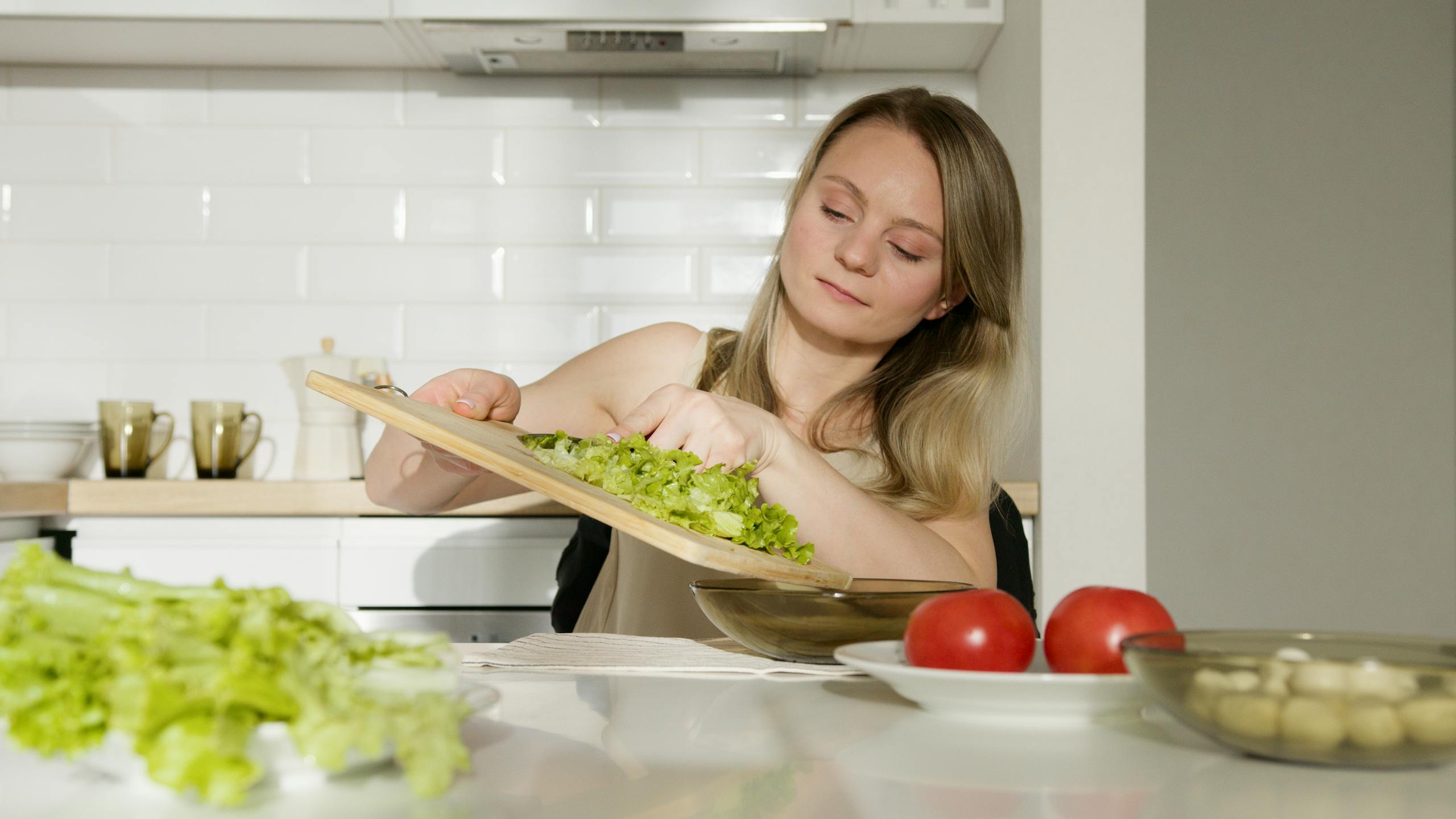
During my years managing Fortune 500 accounts, I noticed a clear pattern. Team members who maintained thoughtful eating habits demonstrated better concentration during intensive project phases. Those who relied heavily on quick, processed options struggled more with the mental stamina required for sustained analytical work. The connection wasn’t coincidental, our brains and bodies function as integrated systems.
Why Kitchen Time Serves as Effective Recharging for Introverts
Cooking offers unique benefits for introverts who recharge through solitary, focused activities. The process engages multiple senses simultaneously, texture, aroma, visual composition, creating a grounding experience that pulls attention away from mental rumination and into present moment awareness.
Evidence from Health Education & Behavior examining cooking interventions across diverse populations revealed that participants who engaged in regular meal preparation reported lower stress levels and improved mood regulation compared to those who primarily relied on prepared foods or dining out. The act of creating something with your hands activates different neural pathways than intellectual work, providing genuine cognitive rest that introverted individuals particularly value.
Think about the last time you lost yourself in preparing a meal. Your hands moved with practiced familiarity, your mind free to wander or settle into comfortable blankness. No emails demanding responses, no conversations requiring energy management. Just methodical progress toward a tangible, nourishing outcome, exactly the kind of restorative activity that works well for introverts.
The Mindfulness Advantage of Cooking for Introverts
Mindful cooking practice shares characteristics with formal meditation, yet feels more accessible to many introverted individuals. Each task requires present attention, measuring accurately, timing correctly, adjusting seasoning, creating natural anchors that keep awareness in the current moment rather than dwelling on past interactions or anticipating future obligations.
Research published in Frontiers in Psychology examining the PERMA well-being model as applied to cooking found that mindful food preparation correlates with increased life satisfaction and decreased anxiety symptoms. The repetitive, purposeful movements involved in cooking provide a structured framework for the kind of internal processing that happens most effectively in quiet, solitary environments.

After leading high-pressure creative teams for years, I discovered that chopping vegetables served as better stress relief than most conventional relaxation techniques. The rhythmic motion, combined with the need for just enough attention to avoid cutting myself, occupied my mind at exactly the right level. Too little stimulation and my thoughts spiraled into work concerns. Too much and I felt drained. Cooking hit that sweet spot of engaged but restorative activity.
Building a Kitchen Practice That Honors Your Energy Patterns
Creating a sustainable cooking routine for introverts requires understanding your natural energy rhythms rather than forcing yourself into someone else’s system. Meal preparation works best when it complements rather than conflicts with your existing recharge patterns.
Start by identifying times when you typically have available mental bandwidth. For some introverts, this means Sunday afternoons. For others, weekday evenings after work provide ideal conditions. The specific timing matters less than the consistency and the quality of attention you bring to the process.
Simple Approaches That Reduce Decision Fatigue
Decision fatigue compounds the already limited daily energy budget. Streamlining food choices removes unnecessary cognitive load, preserving mental resources for work that actually requires deep thinking. Consider developing a rotation of 5-7 reliable recipes you genuinely enjoy rather than endlessly searching for novel options.
Research from the National Institutes of Health on nutrition and cognitive function demonstrates that meal timing and balanced nutrition support better mental clarity and mood stability. When you batch cook, you’re more likely to maintain consistent, well-balanced meals throughout the week, which helps sustain glucose metabolism and reduces the stress of deciding what to eat at each mealtime. This intentional approach to meal preparation can lead to improved dietary quality and better concentration compared to preparing individual meals on the spot.
One client project taught me the value of systems over willpower. We were developing a campaign for a wellness brand, and the account lead shared her approach: Sunday afternoon meant preparing base components that could be combined differently throughout the week. Grilled chicken, roasted vegetables, cooked grains. Simple elements that transformed into varied meals without requiring fresh creativity each evening.
That strategy stuck with me. I adapted it to my own kitchen practice, discovering that two hours of focused cooking on weekends eliminated the daily decision burden about dinner. Coming home after draining meetings, I could assemble a nourishing meal in minutes without depleting already limited reserves.

Practical Meal Preparation Strategies for Limited Social Energy
Effective kitchen routines balance efficiency with the restorative qualities that make cooking valuable as self-care for introverts. Rushing through meal prep defeats the purpose, yet spending excessive time can feel like another drain on already scarce energy.
Focus on techniques that create multiple meal options from single cooking sessions. Roasting a full sheet pan of vegetables yields sides for several dinners. Preparing a large batch of soup or stew provides nourishment for days. These approaches respect both time constraints and the need for variety in your eating pattern.
A 2019 study in the Journal of the Academy of Nutrition and Dietetics confirms that individuals who engage in home cooking consume fewer calories, less sugar, and more nutrients compared to those relying primarily on restaurant meals or prepared foods. The health benefits extend beyond nutrition, the act of cooking itself supports emotional wellbeing and stress management, particularly for introverted individuals who value quiet, focused activities.
Creating Your Kitchen Sanctuary as an Introvert
Your cooking space influences the quality of your experience as an introverted person. Consider how environmental factors affect your ability to find calm and focus. Adequate lighting, comfortable temperature, organized tools, these practical elements determine whether meal preparation feels restorative or exhausting for those who value solitude.
I learned this lesson after moving into a new apartment with a poorly designed kitchen. Cramped counters, insufficient lighting, tools scattered across multiple drawers. Every cooking session felt like obstacle navigation rather than peaceful ritual. Investing time in reorganizing transformed the space from source of friction into actual sanctuary, something particularly valuable for introverts seeking restorative solo activities.
Your ideal setup might differ from mine. Some introverted individuals find music essential for getting into the right mental state. Others prefer silence. Experiment with different arrangements until you identify what genuinely supports your sense of ease and engagement.
Nutritional Considerations for Sustained Energy
What you eat influences your capacity for both productive work and genuine rest. Certain food choices support stable energy levels, clearer thinking, and better emotional regulation, all crucial for managing the demands of daily life when social interaction depletes your reserves quickly.
A 2023 review in Frontiers in Public Health examining nutrition across the lifespan demonstrates that balanced meals improve cognitive performance and reduce irritability compared to meals dominated by simple sugars or processed ingredients. Complex carbohydrates combined with adequate protein create sustained fuel rather than quick spikes followed by crashes.
During particularly demanding periods at the agency, I tracked my energy levels against what I ate for breakfast. Days starting with protein and whole grains meant better focus during morning strategy sessions. Days beginning with pastries or sugary cereals led to mid-morning crashes that made client calls significantly harder to manage.
This connection between food choices and performance isn’t mysterious. Your brain requires consistent glucose supply for optimal function. Meals that release energy gradually keep you operating at your best rather than fighting through biochemical rollercoasters.
Simple Recipes That Support Wellbeing
Complex cooking isn’t necessary for meaningful self-care through food. Simple preparations using quality ingredients often provide more satisfaction than elaborate dishes requiring extensive technique and numerous components. Start with basic recipes that deliver reliable results.
Sheet pan meals exemplify this principle beautifully. Protein, vegetables, simple seasonings, single cooking vessel. Minimal cleanup, maximum nutrition, plenty of leftovers. The straightforward nature eliminates stress while still creating something nourishing and delicious.
One-pot cooking methods offer similar advantages. Soups, stews, grain bowls, these preparations require minimal active attention once initial prep work completes. Set them cooking and return to other restorative activities like reading or sitting quietly, knowing dinner is handling itself.
Overcoming Common Barriers to Kitchen Self-Care
Many introverts who would benefit from cooking as self-care avoid it due to perceived obstacles. Examining these barriers often reveals they’re more manageable than they initially appear for those who value solitary activities.
Lack of skills represents a common concern among introverts entering the kitchen. Yet basic cooking requires less expertise than many people assume. Following straightforward recipes and accepting imperfect results as learning opportunities removes much of the intimidation factor. You’re preparing food for yourself, not competing in culinary competitions.
Time constraints feel particularly pressing when you’re already managing limited energy reserves. However, as research from Psychology Today notes, meal preparation need not be time-intensive to be effective. Twenty minutes of focused cooking can yield multiple servings of nourishing food.
Cost concerns also arise frequently. Yet home cooking typically costs significantly less than restaurant meals or prepared foods, even when choosing quality ingredients. The initial investment in basic tools and pantry staples pays for itself within weeks of regular cooking.
After transitioning from agency life to more independent work, I faced all these barriers myself. New schedule, unfamiliar kitchen, rusty skills from years of relying on takeout. Starting small made the difference. One simple recipe per week. Gradually building competence and confidence. Within months, cooking had become the reliable self-care practice I’d been missing.
Integrating Cooking Into Your Broader Self-Care System
Meal preparation works most effectively for introverts when it connects with other practices that support your wellbeing. Consider how kitchen time fits alongside activities like journaling, walking, or other restorative routines that honor your need for solitude and internal processing.
Creating intentional transitions helps maintain the meditative quality of cooking for introverted individuals. Five minutes of stillness before starting, perhaps with tea or simply sitting quietly, signals to your system that you’re shifting from outward-focused mode into self-directed activity. Similarly, taking time after cooking to appreciate what you’ve created extends the benefits beyond mere food preparation.
For those interested in developing consistent meal routines, exploring resources on batch cooking strategies can provide valuable frameworks. Additionally, understanding how alone time contributes to recharging helps contextualize why kitchen solitude feels so restorative.
Some people find that combining cooking with other reflective practices enhances both. Journaling about your relationship with food can reveal patterns about when you feel most nourished and energized. Movement practices complement kitchen work by providing different types of physical engagement.
Building self-friendship includes treating yourself with the same care you’d offer someone you deeply value. Preparing nourishing meals represents one concrete way to demonstrate that care. The comprehensive self-care approaches that sustain wellbeing typically include multiple practices that work synergistically.
Moving Forward With Your Kitchen Practice
Developing cooking as self-care doesn’t require dramatic lifestyle changes or exceptional culinary skill. It asks for willingness to experiment, patience with yourself as you build new habits, and recognition that nourishing your body represents essential rather than indulgent self-care.
Begin with one meal per week that you prepare intentionally, treating the time as protected space for yourself. Notice how the process affects your energy and mood. Pay attention to which aspects feel most restorative, the chopping, the stirring, the aroma, the quiet. Let your observations guide how you develop your practice.
Remember that consistency matters more than perfection. Some weeks you’ll have energy and enthusiasm for elaborate preparations. Other weeks, simple meals will be what you can manage. Both serve the purpose of nourishing yourself with care and attention.
Your relationship with cooking will evolve as you gain experience and understanding of what works for your particular energy patterns and preferences. What begins as basic skill-building can transform into one of your most reliable sources of restoration and self-connection.
Explore more Solitude, Self-Care & Recharging resources in our complete hub.
Frequently Asked Questions
How much time should I dedicate to cooking for it to function as effective self-care?
Quality matters more than quantity when it comes to cooking as self-care. Even 20-30 minutes of focused meal preparation can provide meaningful restoration if you approach the time with intention rather than rushing through it. Start with whatever duration feels manageable given your current energy levels and schedule. Many people find that one longer cooking session per week, supplemented by quick meal assembly from prepared components, strikes the right balance between nourishment and energy preservation.
What if I genuinely dislike cooking, can I still benefit from this approach?
Dislike for cooking often stems from pressure, stress, or negative past experiences rather than the activity itself. Consider what specifically feels unpleasant. If it’s the decision-making, establish a simple rotation of reliable recipes. If it’s time pressure, focus on batch preparation when you’re already feeling calm. If it’s lack of skill, start with genuinely easy recipes that build confidence. The goal isn’t becoming a passionate cook, it’s finding a sustainable way to nourish yourself that doesn’t deplete your energy reserves.
How do I maintain a cooking practice when my energy levels fluctuate significantly?
Build flexibility into your approach by preparing multiple meal options during higher-energy periods. Keep ingredients on hand for extremely simple meals (eggs, canned beans, frozen vegetables) that require minimal effort. Accept that some weeks you’ll cook elaborate meals and other weeks you’ll assemble basic combinations. The key is having systems in place that work across different energy states rather than expecting consistent performance regardless of how you’re feeling.
Should I cook alone or can this work as a shared activity?
For many people who identify as more reserved, solo cooking provides the most restorative experience because it eliminates social performance demands. However, cooking with someone you trust deeply, where comfortable silence is acceptable and there’s no pressure to maintain conversation, can work well. The determining factor is whether the presence of another person feels supportive or draining. Experiment to discover what serves your specific needs, and don’t hesitate to establish cooking as protected solo time if that’s what truly supports your wellbeing.
What’s the difference between cooking as self-care versus cooking as obligation?
The distinction lies primarily in mindset and approach rather than the actual cooking activities. Cooking as obligation feels like another item on an endless task list, approached with resentment or hurry. Cooking as self-care involves intentional pacing, attention to the sensory experience, and recognition that you’re actively choosing to nourish yourself. Even when preparing the same meal, treating the time as protected restoration space rather than burden dramatically shifts the impact on your energy and mood.
About the Author
Keith Lacy is someone who has learned to embrace his true self later in life. With a background in marketing and a successful career in media and advertising, Keith has worked with some of the world’s biggest brands. As a senior leader in the industry, he has built a wealth of knowledge in marketing strategy. Now, he’s on a mission to educate both those who identify as more reserved and those who are more outgoing about personality differences and how understanding these traits can enhance productivity, self-awareness, and success.