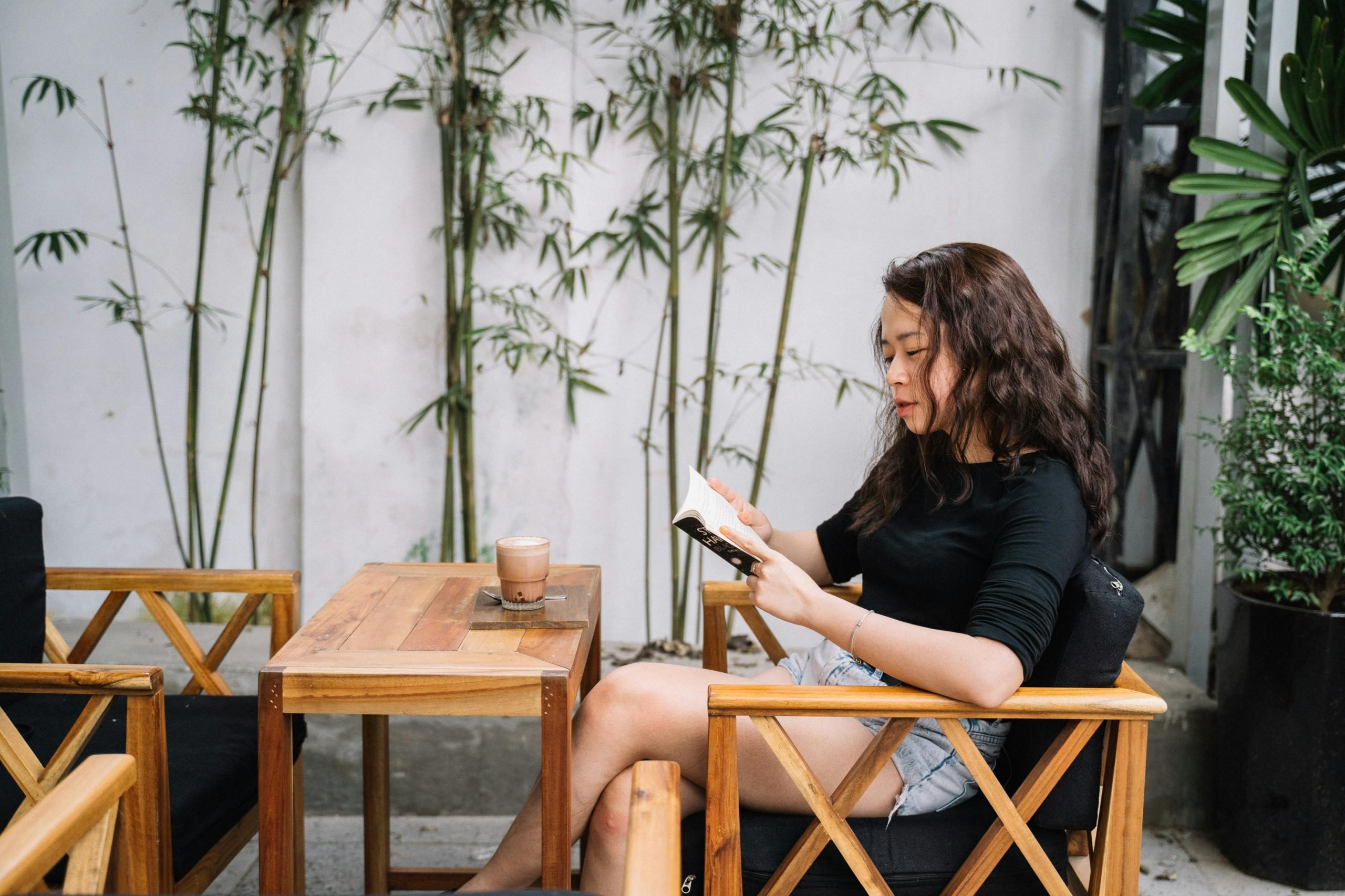

Picture this: Saturday afternoon stretches ahead of you with nothing on the calendar, and for once, the silence feels like a gift. Your phone stays on silent, the world outside carries on independently, and the only agenda involves warm water, soft music, and uninterrupted restoration. For those of us who draw energy from solitude, creating a spa experience at home offers something commercial spas rarely provide: complete control over our environment, timing, and sensory input.
During my years managing high-pressure advertising accounts for Fortune 500 brands, I discovered that conventional relaxation advice missed the mark entirely. Colleagues would suggest weekend getaways to crowded resorts or group meditation classes, not recognizing that for someone like me, those activities created more exhaustion than relief. The real restoration came from transforming ordinary Sunday mornings into intentional sanctuary time within my own home.

Why Home Spa Days Work Better for Introverts
Commercial spa experiences come with inherent challenges for those who recharge in quiet environments. Waiting rooms filled with strangers, therapists making small talk during treatments, ambient music choices beyond your control, and the cognitive load of managing social expectations throughout your supposed relaxation time all drain the very energy you came to restore.
What’s your personality type?
Take our free 40-question assessment and get a detailed personality profile with dimension breakdowns, context analysis, and personalised insights.
Discover Your Type8-12 minutes · 40 questions · Free
A 2023 systematic review published in the European Journal of Integrative Medicine examined 76 studies involving over 6,500 participants and found that aromatherapy inhalation demonstrated consistent potential for reducing stress and anxiety across various clinical settings. The key finding worth noting: personal comfort and environmental control significantly influenced outcomes. When you design your own spa experience, you eliminate the unpredictable elements that can undermine relaxation benefits.
The benefits of alone time for introverts extend far beyond simple preference. Solitude provides the mental quiet necessary for processing accumulated stimulation and restoring depleted cognitive resources. A home spa day combines this restorative solitude with physical relaxation techniques, creating a comprehensive approach to wellbeing that honors how introverted minds actually work.
Setting the Foundation: Creating Your Sanctuary Space
Transformation begins before you draw the first bath. The environment you create signals to your nervous system that restoration time has officially begun. My approach involves a simple preparation ritual that takes roughly fifteen minutes but dramatically shifts my mental state from productivity mode to recovery mode.
Start by addressing the space itself. Clear surfaces of clutter, remove anything work-related from your field of vision, and ensure the temperature feels comfortable. Dim overhead lighting in favor of candles or lower-wattage alternatives. The shift from bright, task-oriented lighting to softer illumination immediately communicates to your brain that different expectations apply in this space.

Dr. Sybil Geldart, a psychology professor specializing in solitude research, notes in Psychology Today that purposeful separation from social activity changes the focus from external demands to internal awareness. This intentional shift enables genuine self-reflection and emotional regulation that rushed relaxation attempts cannot achieve. Creating physical boundaries around your spa time reinforces the psychological boundaries that make restoration possible.
The Science of Warm Water Immersion
Bathing serves as the centerpiece of most home spa experiences, and the physiological benefits extend well beyond simple cleanliness. When you immerse your body in warm water, multiple systems respond in ways that actively counteract stress.
A systematic review examining balneotherapy and cortisol levels found that spa therapy consistently influenced the primary stress hormone in ways suggesting improved stress resilience. The warm water triggers vasodilation, reducing blood pressure and heart rate as it encourages deeper breathing patterns. The buoyancy effect relieves pressure on joints and muscles, allowing physical tension to release in ways that standing or sitting cannot achieve.
Temperature matters more than you might expect. Water between 98 and 100 degrees Fahrenheit provides optimal relaxation benefits free from the cardiovascular stress that hotter temperatures can create. I learned this after years of drawing baths too hot, wondering why I felt more drained than refreshed afterward. The sweet spot exists where warmth soothes muscles and keeps your system in genuine rest mode.
Consider adding elements that enhance the bathing experience. Epsom salts provide magnesium absorption that may support muscle relaxation. Bath oils create a protective layer on skin as they release subtle fragrance. Even simple additions like a rolled towel for neck support transform an ordinary bath into a therapeutic treatment. The complete introvert self-care system I developed over years includes these seemingly small details because they compound into significantly different outcomes.
Aromatherapy: Engaging the Olfactory Pathway
Scent connects directly to the limbic system, the brain region governing emotional responses and memory formation. This neurological shortcut makes aromatherapy particularly effective for shifting mental states quickly and reliably.
Functional medicine specialist Dr. Melissa Young explains in a piece for the Cleveland Clinic that lavender aromatherapy reduced stress and improved sleep quality even in intensive care unit patients, an environment about as far from relaxing as possible. The consistent finding across multiple studies suggests aromatherapy works independently of environmental factors when applied properly.
Lavender remains the most extensively researched essential oil for relaxation purposes, but individual preferences matter. Some people find lavender too sweet or associate it with grandmothers in ways that undermine relaxation. Alternatives worth exploring include chamomile, bergamot, sandalwood, and cedarwood. My personal combination involves bergamot with a touch of eucalyptus, a blend I discovered after experimenting with dozens of options during particularly demanding agency campaigns.
Application methods influence effectiveness. Diffusers disperse scent throughout the space consistently. Adding drops to bath water provides concentrated exposure during immersion. Placing essential oils on a warm towel near your face creates an intense but brief aromatic experience. Varying your approach across different spa sessions prevents habituation and maintains the novelty that enhances emotional responses to scent.
Skincare Rituals as Mindfulness Practice
Face masks, body scrubs, and extended skincare routines serve purposes beyond skin improvement. The tactile engagement, the required stillness, and the focus on physical sensation all function as embodied mindfulness practices that quiet mental chatter and anchor attention in the present moment.
Applying a mask forces a pause. You cannot rush the fifteen or twenty minutes required for active ingredients to work. This externally imposed stillness provides permission structure for those of us who struggle to justify doing nothing. The mask becomes a physical reminder that restoration activities deserve protected time.
Consider building a multi-step routine that extends the mindfulness period. Cleanse thoughtfully, paying attention to how your skin feels instead of rushing past the process. Apply treatment products with deliberate movements, noting temperature and texture. Follow with masks while you soak in the bath, allowing one ritual to layer onto another. The essential strategies for introvert thriving recognize that stacking compatible activities multiplies their benefits and eliminates time pressure.
Creating the Perfect Soundtrack
Music selection significantly influences relaxation outcomes, and the research provides surprisingly specific guidance. The University of Nevada Counseling Services notes that music around 60 beats per minute synchronizes with brainwave patterns associated with relaxed consciousness. Stanford researchers have suggested that listening to music can change brain functioning comparably to medication in some contexts.
Native American flute music, Celtic arrangements, Indian classical compositions, and certain ambient electronic genres consistently produce relaxation responses across diverse listener groups. The common thread involves slower tempos, minimal lyrical content, and predictable melodic patterns that allow the mind to rest free from demanding interpretive attention.
A systematic review published in PLOS One found that music listened to specifically for relaxation produced notably stronger stress recovery effects compared to music played for distraction or background purposes. Intention matters. Curating a specific playlist for your spa days and reserving it exclusively for those occasions strengthens the association between the music and the relaxation response over time.
I maintain several playlists organized by mood as opposed to genre. One emphasizes nature sounds blended with minimal piano. Another features extended ambient tracks designed for meditation. A third provides gentle jazz for when I want warmth absent the drowsiness that extremely slow music can induce. Having options prepared in advance prevents decision fatigue when relaxation time arrives.
Movement and Stillness in Balance
Home spa days need not involve complete physical passivity. Gentle stretching after bathing, when muscles are warm and pliable, enhances relaxation benefits and prevents the stiffness that prolonged sitting can create. Yoga at home provides introverts with movement practices free from the social dynamics of studio classes.
Consider ending your spa session with a sequence of restorative poses held for extended periods. Supported child’s pose, reclined butterfly, and legs up the wall require minimal effort as they encourage the parasympathetic response that consolidates relaxation gains. Five to ten minutes of gentle movement followed by five minutes of complete stillness creates a natural transition back toward daily activities, avoiding any jarring to the nervous system.
The key involves matching movement intensity to your current state. If you arrive at spa time feeling physically restless, begin with slightly more active stretching before settling into stillness. If exhaustion dominates, start with complete rest and add movement only if it feels appealing. Your body knows what it needs when you create space to listen.
Protecting Your Restoration Time
The greatest threat to effective home spa days comes not from external interruptions but from internal ones. The urge to check your phone, the mental intrusion of tomorrow’s to-do list, and the nagging sense that you should be doing something more productive all undermine the restoration you seek.

Physical boundaries help establish psychological ones. Leave your phone in another room entirely. Close doors. Inform household members that you are unavailable for a specified period. These actions communicate to yourself as much as others that this time carries legitimacy and protection.
Mental boundaries require practice. When thoughts about work or obligations arise, acknowledge them and simply return attention to physical sensations. Notice the water temperature, the scent in the air, the texture of products on your skin. Sensation anchors attention in the present moment where restoration actually happens. Research from the National Center for Biotechnology Information on thermal stress and cortisol levels suggests that extended immersion in warm environments produces measurable hormonal shifts that support recovery, but only when the mind cooperates with the body’s relaxation cues.
Creating weekend routines that prioritize recharging requires defending that time against both external demands and internal guilt. The productivity culture that dominates modern life frames rest as laziness, but restoration enables the sustained performance that actually matters. A depleted person produces inferior work regardless of hours invested.
Building Your Personal Protocol
Effective home spa days emerge from experimentation and refinement instead of following prescriptive formulas. What relaxes one person may irritate another. The scents, sounds, temperatures, and activities that restore you specifically require discovery via attention and iteration.
Start simple and add elements gradually. Notice which additions enhance your experience and which create distraction or effort. Some people find elaborate preparations add meaning to the ritual. Others prefer minimal setup that allows faster transition into relaxation. Neither approach is wrong; both require self-knowledge to implement effectively.
Track what works. After each spa session, briefly note which elements felt most restorative and which fell flat. Over time, patterns emerge that guide increasingly effective protocol development. The investment in self-observation pays compound returns as your home spa practice becomes precisely calibrated to your restoration needs.
Consistency matters more than duration. A weekly ninety-minute spa session produces better outcomes than an occasional four-hour marathon followed by weeks of neglect. Regular practice maintains the stress resilience that protects against accumulated depletion, whereas sporadic sessions only address acute distress after damage accumulates.
For those who process the world deeply and restore best in solitude, home spa days offer more than simple self-indulgence. They represent intentional restoration practices that honor how introverted minds and bodies actually function. The investment returns far exceeding the time and resources required, enabling sustained engagement with life’s demands from a foundation of genuine wellness instead of chronic depletion.
Frequently Asked Questions
How long should an introvert spa day last?
Aim for ninety minutes to two hours as a starting point. This provides enough time for full immersion in relaxation activities, free from schedule pressure. Some people prefer shorter, more frequent sessions of forty-five minutes to an hour, whereas others save up for longer quarterly restoration days. Experiment with different durations to discover what produces the best outcomes for your specific nervous system.
What essential oils work best for relaxation?
Lavender remains the most researched essential oil for stress reduction, with consistent positive findings across clinical studies. Bergamot provides a citrus alternative that some find more appealing. Chamomile offers gentle relaxation properties. Sandalwood and cedarwood provide grounding effects. Personal preference matters significantly, so sample several options before committing to any particular scent for your spa protocol.
Can I create a spa experience without a bathtub?
Absolutely. Extended warm showers with aromatherapy, foot soaks combined with face masks, steam treatments using a bowl of hot water with essential oils, and self-massage with body oils all provide spa-like benefits independent of a bathtub. The core principles of warmth, scent, tactile engagement, and protected solitude apply regardless of the specific implementation method.
How often should introverts schedule spa days?
Weekly practice produces the most consistent benefits for stress management and energy restoration. If weekly sessions feel impractical, aim for biweekly at minimum. The regularity matters as much as the individual session quality because consistent practice maintains baseline stress resilience instead of only addressing acute depletion after problems develop.
What if I feel guilty taking time for self-care?
Guilt frequently signals internalized productivity culture that frames rest as laziness. Reframe spa time as essential maintenance as opposed to indulgent luxury. A car cannot run indefinitely absent oil changes; a person cannot perform sustainably absent restoration. The time invested in self-care enables better performance during working hours, making it a net productivity gain instead of loss when calculated honestly.
Explore more Solitude, Self-Care and Recharging resources in our complete hub.
About the Author
Keith Lacy is an introvert who’s learned to embrace his true self later in life. With a background in marketing and a successful career in media and advertising, Keith has worked with some of the world’s biggest brands. As a senior leader in the industry, he has built a wealth of knowledge in marketing strategy. Now, he’s on a mission to educate both introverts and extroverts about the power of introversion and how understanding this personality trait can unlock new levels of productivity, self-awareness, and success.