
Can you enjoy festivals when crowds drain your energy faster than your phone battery at a three-day event?
As someone who spent twenty-plus years in advertising agencies, I thought I’d conquered the art of handling crowds. Conference rooms packed with Fortune 500 executives, client presentations to fifty people at once, industry events where networking was mandatory. I convinced myself that pushing through the exhaustion was just part of professional life. What I didn’t recognize was how much energy each interaction cost me or the recovery time my nervous system needed afterward.
The realization hit during a marketing conference in Las Vegas. Three days of non-stop presentations, booth conversations, and after-hours networking left me sitting alone in a hotel stairwell at 2 AM, desperate for silence and solitude. The constant sensory input hadn’t just tired me out, it had triggered what felt like a complete system shutdown. That moment forced me to acknowledge something I’d been avoiding: my internal processing style wasn’t compatible with high-stimulation environments.
Understanding how your nervous system responds to crowd situations transforms your relationship with festivals and large events. According to research from Tohoku University examining sensory overload, subjects exposed to intense visual and auditory stimuli in confined conditions showed sustained arousal along with mood changes including aggression, anxiety, and sadness. The findings highlight what many people experience at festivals: it’s not just fatigue, it’s genuine neurological overstimulation.
Working with clients across different personality types taught me something crucial: what energizes one person depletes another. The colleague who gained momentum from mingling at industry events would watch me slip out after an hour, assuming I wasn’t committed. They didn’t understand that my energy worked differently. I processed information internally, filtered observations through layers of analysis, and needed recovery time between interactions. This wasn’t weakness, it was how my cognitive architecture functioned.
Festival Environment Impact on Energy
Festival environments create unique challenges through their combination of continuous sensory input. The Journal of Nonverbal Behavior published research examining how density, visual stimuli, and physical environment affect perception. The study found that adding posters to a high-density room enhanced crowding perception for some participants, demonstrating how layered stimuli compound the experience of overstimulation. Festivals deliver this same effect multiplied: music from multiple stages, visual complexity from installations and lighting, crowd density, and unpredictable movement patterns.
What’s your personality type?
Take our free 40-question assessment and get a detailed personality profile with dimension breakdowns, context analysis, and personalised insights.
Discover Your Type8-12 minutes · 40 questions · Free
During one particularly challenging client event I managed, we brought 200 attendees to an outdoor venue with four simultaneous activity zones. Watching people move through the space revealed distinct response patterns. Some participants seemed energized by the variety, bouncing between activities with enthusiasm. Others, typically the more internally focused individuals, found quiet corners, stayed in one area, or left early despite enjoying the content. The difference wasn’t about fun or engagement. It was about neurological capacity.
Your nervous system processes environmental input through multiple channels simultaneously. Sound reaches your auditory cortex, visual information floods your occipital lobe, physical sensations register through your somatosensory system, and your brain attempts to filter all of it for relevant patterns. Research on deindividuation published by EBSCO identifies sensory overload as one of the key factors contributing to altered states in crowd situations, alongside anonymity and heightened emotional arousal. When these inputs exceed your processing threshold, your executive function starts shutting down non-essential operations.
A study in Applied Cognitive Psychology examined what happens as perceptual load increases. Participants became less likely to notice unexpected objects or people in their environment, not because they stopped paying attention, but because their cognitive resources were already maxed out. At festivals, this translates into missing your friends in the crowd, forgetting where you parked, or struggling to make simple decisions about what to do next.
Pre-Event Preparation Strategy
Managing festival experiences starts days before you arrive. During my agency years, I learned this principle through trial and error with major campaign launches. Big presentations required me to build extra recovery time into my schedule beforehand. I’d decline optional meetings the week leading up to key events, protect my evenings for quiet recharge time, and ensure I entered high-stakes situations with a full energy reserve.
The same approach applies to festivals. Consider your energy budget the way you’d consider a financial budget, you have limited resources to spend, and strategic allocation determines your experience quality. A Stanford researcher might prepare for a three-day conference by scheduling buffer days on either side, just as you should approach festivals.
Research the venue layout before you go. Most festivals publish detailed maps showing stage locations, rest areas, food zones, and entry/exit points. Identifying quiet spaces in advance gives you predetermined refuge points when you need them. Look for areas away from main stages, spots with natural barriers like trees or structures that reduce crowd density, and locations near exits where you can slip out quickly if needed.
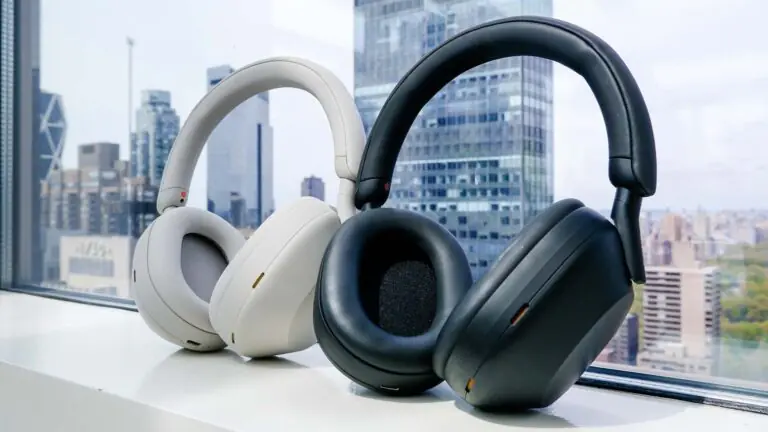
Pack sensory management tools intentionally. Noise-canceling headphones reduce auditory input without completely disconnecting you from the event. High-fidelity earplugs lower volume while preserving sound quality, particularly valuable for music festivals where you want to hear the performance clearly without the painful intensity. Sunglasses or tinted lenses cut visual overstimulation from bright lights and rapid movement.
Schedule your festival experience in advance. Medium contributor Oana Carvatchi shared her approach to surviving Sziget Festival in Budapest: planning the day in advance with scheduled downtime, selecting specific performances to attend, and building recovery periods between high-stimulation activities. This structured approach prevents the decision fatigue that comes from trying to improvise while already overstimulated.
Arrival Timing and Initial Acclimation
Your entry strategy sets the tone for your entire festival experience. Arriving early offers significant advantages beyond just securing good spots. When I managed large-scale events, I noticed that the first attendees could orient themselves calmly, choose optimal locations, and settle in before the energy intensified. Late arrivals faced immediate overwhelm: navigating through established crowds, searching for space, and acclimating to peak stimulation levels simultaneously.
Early arrival lets you claim strategic positioning. Scout for edge locations where crowd density naturally thins, spots near exits that offer escape routes, or areas with natural sound barriers that reduce auditory intensity. These positions matter more than proximity to the stage, you’ll enjoy the event more from a comfortable distance than from a front-row position that triggers system overload.
Take time to acclimate before engaging fully. Walk the perimeter, identify bathroom locations, locate water stations, and mentally map your environment. This reconnaissance period reduces cognitive load later when decision-making becomes harder. Your brain processes spatial information more effectively when you’re not simultaneously managing crowd navigation and sensory bombardment.
One client project taught me the value of orientation time. We organized a product launch event for 500 people in an unfamiliar venue. Attendees who arrived during the first hour explored comfortably, found optimal viewing spots, and approached the experience with enthusiasm. Those who arrived during peak congestion reported feeling rushed, disoriented, and less satisfied despite experiencing the same content. Timing shaped perception.
Active Management During the Event
Managing your experience during a festival requires active monitoring and intervention. Your nervous system won’t announce “approaching overload” with a warning light, you need to recognize the subtle signals before reaching critical depletion. During my years coordinating major presentations, I learned to catch early warning signs: difficulty processing verbal information, increased irritability at minor disruptions, or the urge to escape without rational explanation.
Research published in PubMed on sensory overload in mental health contexts identified key indicators: diminished ability to filter relevant stimuli, increased physiological arousal, and reduced cognitive flexibility. At festivals, these manifest as forgetting where you’re supposed to meet friends, struggling to decide what to eat, or feeling disproportionately frustrated by small inconveniences.
Schedule mandatory breaks before you feel desperate for them. Set reminders on your phone to step away every 90 minutes. Find your pre-identified quiet zones and spend 15-20 minutes there without forcing interaction. Bring a book, scroll through photos on your phone, or simply sit, the content matters less than the sensory reduction.
Conference survival guides emphasize stepping out between events. Stacey Chazin wrote in Medium about moving to hallways, bathrooms, back to hotel rooms, or outside during conferences to recharge what she calls “introvert energy.” The principle applies identically to festivals. Your nervous system doesn’t care whether you’re at a professional conference or a music festival, overstimulation triggers the same neurological response.
If this resonates, introvert-super-bowl-party-sports-event-survival goes deeper.
Manage social interactions strategically. Quality conversations with one or two people restore energy better than scattered small talk with dozens. Festival settings naturally facilitate brief exchanges: sharing excitement about a performance, commenting on art installations, or coordinating logistics with your group. These interactions feel less draining because they’re contextual and purpose-driven compared to forced networking conversations.
Position Yourself for Success
Where you physically position yourself dramatically affects your experience. Edge positions offer multiple advantages: reduced crowd pressure from fewer directions, easier movement without navigating dense humanity, and psychological relief from having escape routes visible. I positioned myself at the back of conference rooms for twenty years before understanding why, it wasn’t antisocial behavior, it was survival strategy.
Avoid center-crowd positions unless absolutely necessary for viewing purposes. The psychological research on crowding perception published in the Journal of Nonverbal Behavior found that physical density affects how people rate their environment and themselves. High-density situations led to more negative environmental ratings and altered self-perception. You can minimize this effect through strategic positioning.
Create personal space buffers using physical objects. A backpack, blanket, or even strategic body language establishes boundaries that reduce unwanted contact. At outdoor festivals, claiming slightly more territory than you strictly need provides a physical and psychological buffer from encroaching crowds.
Companion Selection Strategy
Who you attend festivals with matters as much as your logistical preparation. The wrong companion can transform a manageable challenge into an exhausting ordeal. During major client presentations, I learned which colleagues understood my processing style and which ones created additional stress through their energy demands.
Choose companions who understand and respect energy differences. Explain your needs beforehand: you’ll need periodic breaks, you might leave activities early, and you process experiences internally before discussing them. Partners who interpret your quiet periods as disengagement or boredom add emotional labor to an already taxing situation.
Ideal festival companions share similar engagement patterns or demonstrate flexibility with yours. Someone who also values quiet breaks, appreciates observation time, and doesn’t require constant interaction creates a supportive environment. Alternatively, companions who enjoy wandering independently while checking in periodically offer both connection and freedom.
Establish communication protocols in advance. Agree on meeting times and locations, discuss what “I need space” looks like, and create signals for “I’m reaching my limit.” These agreements prevent the additional stress of managing expectations while simultaneously managing overstimulation.
The Insomniac guide to festivals emphasizes matching music preferences with travel companions. Someone who wants to hit every main stage performance while you need quieter programming creates inevitable conflict. Alignment on priorities reduces negotiation demands during the event itself.
Alternative Engagement Opportunities
Large festivals typically offer more than main stage performances. Workshops, talks, art installations, quiet cinema screenings, and participatory activities provide lower-stimulation alternatives that still deliver festival value. These options let you participate meaningfully without subjecting yourself to peak crowd conditions continuously.
During one product launch, we created multiple engagement zones with vastly different energy levels. Some attendees spent their entire time at high-energy demonstration areas. Others gravitated toward quieter zones featuring detailed product information and one-on-one consultations. Both groups left satisfied because the event design accommodated different processing styles.
Explore festival programming beyond headliner performances. Morning yoga sessions, daytime workshops, or evening film screenings attract smaller crowds with calmer energy. These activities still immerse you in festival culture without the sensory assault of prime-time main stage events.
Volunteer or take on a defined role if the festival offers opportunities. Having a task provides structure, purposeful interaction, and legitimate reason to step away from purely social demands. As Val Nelson notes in her event survival guide for sensitive individuals, having a focus like cooking, serving refreshments, or helping with logistics channels energy productively.
Exit Strategy and Boundary Setting
Knowing when to leave protects your wellbeing more effectively than any other strategy. The trap many people fall into: staying past their comfortable threshold because they feel obligated, don’t want to disappoint companions, or worry about missing something important. This pattern consistently backfires.
Establish your departure criteria before overstimulation clouds your judgment. Decide in advance what signals indicate it’s time to go: sustained difficulty focusing, irritability at minor disruptions, or the overwhelming urge to escape. When these indicators appear, honor them immediately. Pushing through exhaustion doesn’t build resilience, it depletes your recovery capacity.
Give yourself permission to leave early without explanation or apology. Social pressure to stay often comes from projection, most people won’t actually care about your departure timing as much as you imagine. During client events, I eventually stopped announcing my exits altogether. I’d simply slip out quietly, and the vast majority of attendees never noticed or commented.
Build exit protocols into your planning. Arrange independent transportation so companion schedules don’t trap you. Identify multiple exit routes before you need them. Position yourself near exits during peak programming. These preparations remove friction from departure decisions.
Research on crowd management shows that exit availability affects how people experience density. Knowing you can leave comfortably reduces the psychological stress of being in crowded situations. Your nervous system relaxes when it doesn’t feel trapped.
Post-Festival Recovery Protocol
What happens after a festival determines how you’ll experience your next high-stimulation event. Inadequate recovery creates cumulative depletion that affects your baseline functioning for weeks. I learned this through repeated mistakes, accepting packed schedules immediately after major events, assuming I could bounce back quickly, and ignoring my body’s signals for extended rest.
Build mandatory recovery time into your schedule. Block the day following a festival for minimal activity. Cancel optional commitments, reduce decision demands, and create low-stimulation environments. Your nervous system needs time to recalibrate after sustained heightened arousal.
Create deliberate decompression environments. Dim lighting, minimal sound input, comfortable temperatures, and reduced visual complexity all support nervous system recovery. These conditions mirror the sensory reduction strategies recommended by Brightside ABA for managing sensory overload in children, the principle applies equally to adults recovering from overstimulation.
Engage in restorative activities rather than stimulating ones. Reading quietly, walking in nature, taking baths, or practicing gentle yoga facilitate recovery better than scrolling social media or watching television. These activities provide engagement without adding sensory load.
Reflect on your experience to inform future planning. What strategies worked? Which situations triggered the most significant stress responses? When did you notice early warning signs of overload? This analysis transforms each festival into data that improves your approach to the next one.

Reframing Festival Experience
The goal isn’t to become someone who thrives in crowds, it’s to attend events in a way that aligns with how your system functions. During my agency career, I watched colleagues network effortlessly at industry events, seemingly energized by each new interaction. For years, I interpreted my different response as a deficit requiring correction. That framing created unnecessary suffering.
Your nervous system isn’t broken because it processes high-stimulation environments differently. The research on sensory processing differences published in psychiatric nursing journals demonstrates that sensitivity to environmental input exists on a spectrum. Some people’s systems naturally filter more aggressively, some require more recovery between stimulation periods, and some reach saturation points faster. These differences represent variation, not pathology.
Festival attendance doesn’t require you to match the energy patterns of people whose systems work differently. You can enjoy music, art, and communal experiences while honoring your processing style. Strategic planning, active management, and respect for your limits create sustainable engagement.
The most valuable insight from managing both my career and my energy needs: success comes from working with your natural patterns rather than against them. The client presentation where I stopped forcing prolonged networking and instead scheduled strategic one-on-one conversations generated better business relationships. The conferences where I gave myself permission to skip optional evening events left me more effective during core programming.
Practical Implementation
Translating strategy into practice requires deliberate preparation combined with flexible execution. Start with smaller events to test your approach before attempting marathon festivals. A four-hour concert with clear exit options provides better learning conditions than a three-day camping festival.
Create a festival preparation checklist covering all domains: physical tools (earplugs, sunglasses, comfort items), logistical planning (maps, schedules, transportation), companion coordination (expectations, communication protocols), and recovery planning (post-event schedule clearing, decompression activities). Written preparation reduces cognitive load during decision-making moments.
Track your energy patterns across multiple events. Notice which strategies produce the most significant benefits, which situations consistently trigger overload, and how much recovery time different event types require. This personal data creates increasingly accurate predictions for future planning.
Experiment with modifications to find your optimal approach. Maybe you need more frequent breaks than initially planned. Perhaps morning sessions work better than evening ones. Test different positioning strategies, companion arrangements, and activity selections until you identify patterns that consistently work.
Share your strategies with others who might benefit. During my final years in agency leadership, I started openly discussing energy management with my team. Several colleagues admitted they’d been struggling with similar issues but thought they were alone in their responses. Creating space for these conversations normalized variation in how people experience high-stimulation environments.
Understanding how your nervous system processes crowded events transforms festival attendance from an endurance test into a manageable experience. The strategies that work combine pre-event preparation, active management during the event, strategic positioning and companion selection, and deliberate post-event recovery. Each element supports sustainable engagement with environments that naturally challenge your processing capacity.
Your ability to attend festivals without destroying your wellbeing depends on accepting how your system functions rather than forcing it to operate differently. The same internal processing that makes crowds challenging provides advantages in other domains: depth of analysis, pattern recognition, and considered decision-making. Managing crowd experiences well means honoring both your limitations and your strengths.
Explore more General Introvert Life resources in our complete General Introvert Life Hub.
About the Author
Keith Lacy is an introvert who’s learned to embrace his true self later in life. With a background in marketing and a successful career in media and advertising, Keith has worked with some of the world’s biggest brands. As a senior leader in the industry, he has built a wealth of knowledge in marketing strategy. Now, he’s on a mission to educate both introverts and extroverts about the power of introversion and how understanding this personality trait can unlock new levels of productivity, self-awareness, and success.
Frequently Asked Questions
How long should I plan to stay at a festival as someone who gets easily overstimulated?
Your optimal duration depends on several factors including the festival’s intensity, your current energy reserves, and how well you implement management strategies. Start with shorter sessions, perhaps 3-4 hours, to establish your baseline capacity. Build in breaks every 90 minutes and leave before you reach complete depletion. Multi-day festivals work better when you attend for limited periods each day rather than trying to maximize every minute. Quality of experience matters more than quantity of time spent.
What should I do if I’m at a festival with friends who want to stay longer than I can handle?
Establish your boundaries and exit strategy before arriving. Communicate your needs clearly: “I’ll likely need to leave around 10 PM, I want you to stay and enjoy the full experience.” Arrange independent transportation so your departure doesn’t affect their plans. Most genuine friends will respect your limits once you explain them directly. The alternative, staying past your threshold and becoming irritable or shutting down, damages relationships more than honest communication about your needs.
Are noise-canceling headphones rude to wear at music festivals?
Wearing noise-canceling headphones or high-fidelity earplugs represents smart sensory management, not rudeness. Many concert-goers wear hearing protection to prevent damage and manage intensity. Your wellbeing takes priority over theoretical social conventions. If someone comments, a simple “managing the volume” explanation typically satisfies curiosity. Most people are too focused on their own experience to notice or care about your hearing protection.
How do I recover quickly if I pushed too hard and stayed too long at an event?
Immediate recovery requires aggressive sensory reduction. Find the quietest environment available, eliminate unnecessary stimulation (dim lights, silence phones, minimize conversation), and give yourself permission to do absolutely nothing. Gentle activities like reading, quiet walking, or bathing help more than passive screen time. Expect recovery to take longer than the event itself, a six-hour festival might require 12-24 hours of reduced activity. Pushing through extended depletion compounds the problem rather than building resilience.
Can I build tolerance to crowded festival environments over time?
You can develop better management strategies and learn to recognize warning signs earlier, but your fundamental processing capacity won’t dramatically change. Repeated exposure without adequate recovery creates cumulative depletion rather than adaptation. Think of it like physical endurance, training helps you optimize performance within your physiological parameters, but a marathon runner’s cardiovascular system still functions differently than a sprinter’s. Focus on sustainable engagement through strategic planning rather than forcing yourself to process crowds the way differently-wired individuals do.