
Some alone time is required to recharge myself. Not as a preference, not as a personality quirk I’ve learned to apologize for, but as a genuine biological and psychological need. For introverts, solitude isn’t an indulgence. It’s the mechanism that restores the mental clarity, emotional steadiness, and creative depth that social interaction gradually consumes.
My advertising years taught me this the hard way. I managed agencies, led teams, pitched Fortune 500 clients, and spent years performing an extroverted version of leadership that left me hollowed out by Thursday of every week. What I didn’t understand then, and what I want to talk about now, is that the exhaustion wasn’t weakness. It was my nervous system doing exactly what it was designed to do.

Solitude and social energy are deeply connected topics, and if you want to understand the full picture of how introverts manage their reserves across different situations, our Energy Management and Social Battery hub covers the complete landscape. This article focuses on something more personal: what it actually feels like to need alone time, why that need is legitimate, and how to stop treating it like a flaw you need to fix.
Why Does Being Around People Feel So Costly?
There’s a neurological reason social interaction costs introverts more than it costs extroverts, and it has to do with how our brains process stimulation and reward. Cornell University research on brain chemistry and personality points to differences in dopamine sensitivity between introverts and extroverts. Extroverts tend to get a strong reward signal from social stimulation. Introverts are more sensitive to that same stimulation, which means the same amount of social input that energizes an extrovert can tip an introvert into overload.
What’s your personality type?
Take our free 40-question assessment and get a detailed personality profile with dimension breakdowns, context analysis, and personalised insights.
Discover Your Type8-12 minutes · 40 questions · Free
I watched this dynamic play out in every agency I ran. My extroverted colleagues would come out of a three-hour client strategy session visibly charged up, talking faster, generating ideas, wanting to grab dinner and keep the conversation going. I’d come out of that same session needing to find a quiet office, close the door, and sit with my thoughts for twenty minutes before I could function at full capacity again. We’d been in the same room for the same amount of time. The experience was completely different.
What nobody told me was that this wasn’t a deficit in my leadership ability. It was simply how my brain manages its resources. Psychology Today’s overview of introversion describes it clearly: introverts process information more thoroughly and tend to rely on internal reflection rather than external stimulation for mental energy. That processing is valuable. It’s also expensive.
The expense accumulates. A single meeting might be manageable. A full day of back-to-back interactions, presentations, and social performance leaves many introverts genuinely depleted in a way that goes beyond ordinary tiredness. If you’ve ever wondered why you feel more drained after social events than other people seem to, that article on why an introvert gets drained very easily puts the mechanics of that experience into sharp relief.
What Does Real Recharging Actually Look Like?
People often assume that introverts recharge by doing nothing. That’s not quite right. What we actually need is an absence of social performance, not an absence of activity. Some of my most restorative hours have been spent writing, thinking through a complex problem, reading, or walking alone through a neighborhood I don’t know. The common thread isn’t stillness. It’s solitude.
When I was running my second agency, I had a standing rule for myself: no calls before 9 AM. That first hour of the day was mine. Coffee, my notebook, and whatever was turning over in my mind. My team thought I was eccentric. What I was actually doing was protecting the cognitive state I needed to be effective for the other nine hours. That quiet morning hour wasn’t laziness or antisocial behavior. It was maintenance.
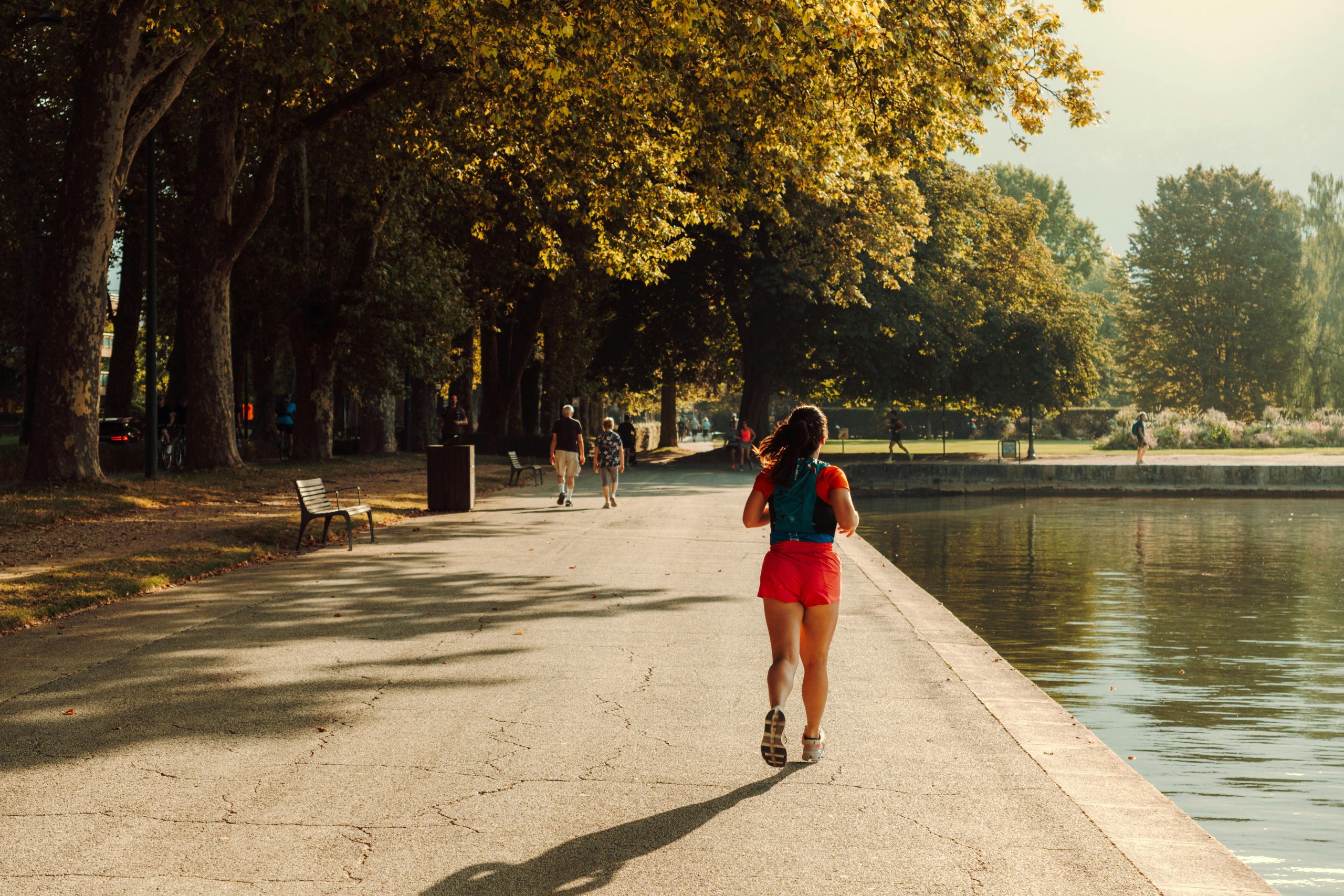
Genuine recharging for introverts tends to involve a few consistent elements. First, reduced sensory input. The brain gets to stop filtering and processing the constant stream of social information it handles during interaction. Second, internal reflection. We’re naturally oriented toward processing experience inward, and solitude gives that process room to complete. Third, autonomy over attention. Nobody needs anything from you. You can follow your own thoughts wherever they lead without managing someone else’s expectations or emotional state.
That third element matters more than people realize. Social interaction isn’t just tiring because of the conversation itself. It’s tiring because of the constant low-level monitoring: reading tone, managing impressions, tracking what the other person needs, adjusting your energy to match the room. Alone time switches all of that off. And for introverts who are also highly sensitive, the relief of that switch is profound. The work around HSP energy management and protecting your reserves speaks directly to how much of this monitoring happens below conscious awareness, and why rest from it is so restorative.
Is Needing Alone Time a Sign Something Is Wrong?
Short answer: no. Longer answer: the cultural story around solitude is complicated, and many introverts have absorbed a version of it that makes their own needs feel like symptoms.
We live in a context that prizes availability. Being reachable, responsive, socially engaged, and “on” is treated as the default healthy state. Needing to withdraw, even briefly, gets coded as avoidance, depression, or social anxiety. And yes, sometimes withdrawal is a symptom of those things. But often, especially for introverts, it’s simply the natural counterbalance to social engagement. One doesn’t exist without the other.
A meaningful body of work in psychology distinguishes between solitude that restores and isolation that harms. Research published in PubMed Central on voluntary solitude and wellbeing finds that people who choose to spend time alone, rather than being socially excluded, often report positive outcomes including increased creativity, emotional regulation, and self-awareness. The distinction between chosen solitude and forced isolation is significant. Introverts who deliberately seek alone time are typically engaging in the former.
I spent a significant portion of my career quietly ashamed of this need. I’d schedule back-to-back client dinners and networking events because that’s what successful agency leaders were supposed to do, then come home and need two days to recover from a single week. I thought something was wrong with my stamina. What was actually wrong was the mismatch between my environment and my nature, and my unwillingness to acknowledge that the mismatch existed.
The Psychology Today overview of highly sensitive people notes that HSPs, many of whom are also introverts, often struggle with exactly this internalized shame around their own sensitivity and need for recovery time. The cultural message is that sensitivity is a weakness to overcome. The more accurate framing is that sensitivity is a different operating system, one that requires different inputs and different maintenance.
How Does Overstimulation Make the Need More Urgent?
There’s a version of needing alone time that’s about ordinary social fatigue, and there’s a version that’s about overstimulation. They feel different, and the second one is harder to manage.
Ordinary social fatigue is the tiredness that comes after a full day of interaction. It’s manageable. A quiet evening usually resolves it. Overstimulation is something else. It’s what happens when the sensory and social input exceeds what the nervous system can process in real time. The signals pile up. The mind starts to feel cluttered, pressured, almost frantic beneath a surface that might look calm to everyone else.

Overstimulation doesn’t only come from social interaction. Noise, lighting, physical environments, and even certain textures can contribute to a state of sensory overload that makes the need for alone time urgent rather than preferable. The articles on HSP noise sensitivity and coping strategies and HSP light sensitivity and management explore specific environmental triggers that many introverts and highly sensitive people encounter daily. Both are worth reading if you find that certain physical spaces leave you more depleted than others.
My most overstimulating work environments were trade shows. Three days of convention centers, loud music, fluorescent lighting, thousands of people, and nonstop performance. I’d fly home from those events genuinely incapacitated for a day or two. My extroverted business partner would come back energized and ready to debrief. I’d need silence, darkness, and zero social contact to function again. At the time I called it “travel fatigue.” Looking back, it was a full sensory overload recovery cycle.
When overstimulation is in play, alone time isn’t just restorative, it’s corrective. The nervous system needs to complete its processing, discharge the accumulated input, and return to a baseline state. Trying to push through that state with more social engagement typically makes it worse. Finding the right balance with HSP stimulation addresses how to calibrate your environment so you’re not constantly operating at the edge of overload, which is a more sustainable long-term approach than simply recovering after the fact.
What Happens When You Don’t Get Enough Alone Time?
The consequences of chronic alone-time deprivation are real, and they show up in ways that can be easy to misattribute. Irritability is usually the first signal. When I was running at a social deficit, the smallest friction would produce a disproportionate reaction in me. A misread email would feel like a personal attack. A simple question from a team member would feel like an imposition. I wasn’t a difficult person. I was an exhausted one.
Beyond irritability, cognitive performance degrades. The deep thinking, careful analysis, and creative synthesis that introverts are often genuinely good at requires a certain quality of mental space. When that space is constantly being consumed by social processing, the quality of the thinking suffers. I noticed this most clearly in my writing. When I’d had adequate solitude, my strategic memos and client presentations were sharp and original. When I was running on empty, they were competent but flat. The ideas were there, but the connections between them weren’t forming.
Additional research available through PubMed Central on rest, cognitive function, and mental restoration supports the idea that the brain requires genuine downtime to consolidate information and restore executive function. This isn’t unique to introverts, but the threshold at which social engagement starts to impair that restoration process appears to be lower for people with introverted nervous systems.
Emotional regulation also suffers. An introvert who hasn’t had adequate solitude is more likely to be reactive, more easily overwhelmed, and less able to access the calm, considered response that usually comes naturally. The emotional steadiness that many people associate with introverted personalities isn’t a fixed trait. It’s a state that requires maintenance. Alone time is a significant part of that maintenance.
Physical touch and personal space also become more fraught when the nervous system is already taxed. Some introverts and highly sensitive people find that when their reserves are low, even casual physical contact feels intrusive. The piece on HSP touch sensitivity and tactile responses examines why this happens and what it means for how we manage our physical environment and personal boundaries when we’re depleted.
How Do You Actually Protect Your Alone Time Without Guilt?
Knowing you need alone time and actually protecting it are two different problems. The first is intellectual. The second is social, emotional, and sometimes logistical.
The guilt piece is worth addressing directly. Many introverts, myself included, have spent years framing alone time as something they’re taking from others rather than something they’re giving to themselves. The logic runs: if I’m alone, I’m not available. If I’m not available, I’m being selfish or antisocial. That framing is backwards. Protecting your capacity to show up fully for the people and work that matter to you requires that you maintain that capacity in the first place. Alone time isn’t withdrawal from your relationships. It’s investment in them.
Practically, protecting alone time often means making it structural rather than aspirational. Aspirational alone time is the kind you plan to take someday when things slow down. It rarely happens. Structural alone time is built into the architecture of your day before other things can fill it. My morning rule, the one about no calls before 9 AM, worked because it was a rule, not a preference. Preferences get overridden. Rules hold.
Some approaches that have worked for me and for introverts I’ve talked with over the years: blocking time on your calendar as a genuine commitment, not a placeholder to be moved. Communicating clearly to the people in your life that your need for solitude isn’t a reflection of how you feel about them. Building transition time between social engagements rather than scheduling them back to back. Identifying the specific environments and activities that restore you most efficiently, and prioritizing those over the ones that feel more socially acceptable but don’t actually help.
The National Institutes of Health has produced substantial work on stress, recovery, and the physiological consequences of inadequate rest. What that body of work reinforces is something introverts often sense intuitively but struggle to articulate: recovery isn’t a luxury. It’s a functional requirement. Framing your alone time in those terms, to yourself first, and then to others, changes the conversation.
What If Your Life Doesn’t Easily Allow for Solitude?
This is where the conversation gets real. Not everyone has the structural freedom to take a quiet morning hour or decompress after work. Parents of young children, people in caregiving roles, those working in physically demanding or socially intensive jobs, all face environments where solitude is genuinely hard to come by.
My answer to this isn’t a productivity hack. It’s a reframe. Alone time doesn’t always mean extended solitude. Sometimes it means five minutes in a parked car before walking into the house. A short walk without headphones. Eating lunch alone once a week. Closing the bathroom door and just breathing for three minutes before the next thing starts. These micro-recoveries don’t fully replace extended solitude, but they interrupt the accumulation of depletion in a meaningful way.
I learned this during a period when I was running an agency through a major client transition while also dealing with a family situation that required a lot of emotional presence at home. There was no space. What I found was that the quality of the solitude mattered more than the quantity. Twenty minutes of genuine quiet, no phone, no half-attention to something else, was more restorative than two hours of nominally alone time spent scrolling or half-working.
The other piece is advocacy. If the people in your life don’t understand why you need solitude, the burden of carving it out falls entirely on you, and it’s heavier than it needs to be. Being honest about what you need, and why, tends to produce better outcomes than quietly managing the deprivation alone. Most people, once they understand that your need for alone time isn’t about them, are more accommodating than you’d expect.

What Does Embracing This Need Actually Change?
Everything shifts when you stop treating your need for alone time as a problem to manage and start treating it as a legitimate part of how you’re built.
The shame diminishes. You stop apologizing for leaving parties early, declining invitations, or needing a quiet afternoon after a social morning. You stop performing extroversion and start working with your actual energy rather than against it. The people around you get a more present, more genuine version of you, because you’re no longer depleted before you even arrive.
Professionally, embracing this need changed how I structured my work. I stopped booking morning meetings whenever possible, because my best thinking happened before noon and I didn’t want to spend it in conference rooms. I built buffer time into my schedule after major client presentations, knowing I’d need it to recover and consolidate. I communicated my working style more directly to my team, which reduced the ambient guilt of closing my office door. My output actually improved, because I was finally working with my nature instead of fighting it.
There’s also something deeper that happens when you genuinely accept this need. You stop experiencing solitude as deprivation and start experiencing it as nourishment. The hours alone become something you look forward to, not something you feel guilty about wanting. That shift in relationship to your own nature is worth more than any productivity strategy.
Harvard Business Review has published extensively on sustainable performance and the costs of chronic overextension. The consistent finding across that work is that high performers who protect their recovery time outperform those who don’t, not because they work less, but because they work from a more resourced state. That principle applies to introverts handling social demands just as much as it applies to executives managing workload.
Some alone time is required to recharge myself. That sentence isn’t a confession. It’s a fact about how I’m wired, and accepting it as a fact rather than a flaw has made me more effective, more present, and more at ease in my own skin than years of trying to overcome it ever did.
If you’re working through how to manage your social energy across different areas of your life, the full range of strategies and perspectives lives in our Energy Management and Social Battery hub. It’s a resource worth returning to as your understanding of your own needs develops.
About the Author
Keith Lacy is an introvert who’s learned to embrace his true self later in life. After 20 years in advertising and marketing leadership, including running agencies and managing Fortune 500 accounts, Keith now channels his experience into helping fellow introverts understand their strengths and build fulfilling careers. As an INTJ, he brings analytical depth and authentic perspective to every article, drawing from both professional expertise and personal growth.
Frequently Asked Questions
Is needing alone time to recharge a sign of introversion or something more serious?
Needing alone time to recharge is a core characteristic of introversion, not a symptom of a disorder. Introverts process social and sensory information more thoroughly than extroverts, which means interaction draws more on their mental and emotional reserves. Regular solitude is how those reserves are restored. That said, if the desire to be alone is accompanied by persistent sadness, loss of interest in things you normally enjoy, or significant withdrawal from relationships you value, it may be worth speaking with a mental health professional to rule out depression or anxiety. The difference usually lies in whether solitude feels restorative and chosen, or compelled and accompanied by distress.
How much alone time does an introvert actually need each day?
There’s no universal amount, and it varies considerably based on the intensity of the social demands that day, the individual’s sensitivity level, and the quality of the solitude available. Some introverts function well with an hour of genuine quiet per day. Others, particularly those who are also highly sensitive, may need significantly more after intensive social days. A useful approach is to pay attention to your own signals: irritability, mental fog, difficulty concentrating, and emotional reactivity are all signs that your reserves are low and alone time is overdue. Over time, most introverts develop a fairly accurate sense of their own threshold.
Can introverts become better at needing less alone time through practice?
Introverts can develop strategies that make social engagement less costly, including clearer boundaries, better environmental management, and more deliberate recovery habits. What doesn’t change through practice is the underlying neurological orientation toward inward processing. An introvert who becomes more skilled at managing their social energy will still need solitude to recharge. They’ll simply be better at protecting that solitude and recovering more efficiently when they get it. success doesn’t mean need less alone time. It’s to stop feeling guilty about needing it and to build a life that accommodates it.
How do you explain your need for alone time to an extroverted partner or family member?
The most effective approach is to separate the need from any implication about the relationship. Extroverted partners often interpret an introvert’s need for solitude as a sign of distance, unhappiness, or rejection, especially if it hasn’t been explained clearly. Being direct helps: explaining that you recharge alone the same way they recharge through connection, and that your need for solitude is about your own energy management rather than how you feel about them. Framing it as something that makes you more present and engaged when you are together, rather than something that takes you away, tends to reduce the relational friction considerably.
What activities are most effective for recharging as an introvert?
The most restorative activities for introverts share a few common qualities: low social demand, reduced sensory input, and freedom to follow your own attention without managing anyone else’s needs. Reading, writing, walking alone, creative work, quiet time in nature, and simply sitting with your thoughts are among the most commonly cited. What matters most is that the activity doesn’t require social performance or significant sensory processing. Screen time, particularly social media, is often less restorative than it feels in the moment, because it still involves processing social information and managing impressions, even passively. Genuine rest tends to involve more stillness and less input than most people expect.