
An introvert’s desire for solitude isn’t a character flaw or a sign of antisocial behavior. It’s a fundamental aspect of how introverted minds process experience, restore energy, and make meaning from the world. Solitude gives introverts the mental space to think clearly, feel deeply, and return to others as their most genuine selves.
Most people assume that wanting to be alone signals loneliness or unhappiness. For introverts, the opposite is often true. Solitude is where the real thinking happens, where creativity surfaces, and where the noise of constant social interaction finally settles enough to hear your own thoughts again.
There’s a broader conversation worth having about all the ways introverts restore themselves, and our Solitude, Self-Care & Recharging hub covers that territory thoroughly. What I want to explore here is something more specific: the actual nature of that craving, what it feels like from the inside, and why honoring it matters more than most people realize.

What Does the Desire for Solitude Actually Feel Like?
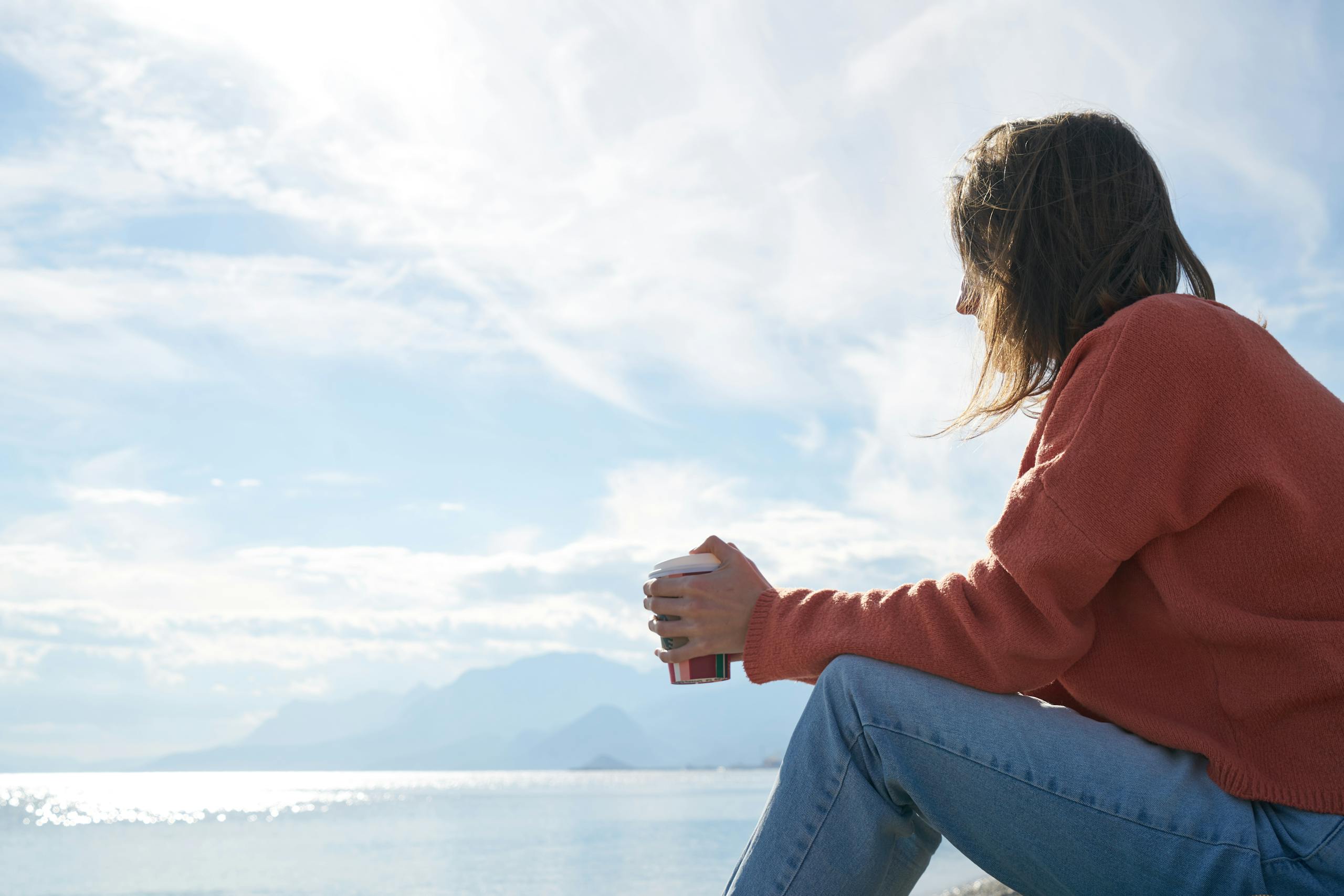
People who aren’t wired this way often misread the signals. They see someone stepping away from a gathering early and assume something went wrong. They notice a colleague who eats lunch alone and wonder if the person is struggling. From the outside, the desire for solitude can look like withdrawal. From the inside, it feels like coming home.
What’s your personality type?
Take our free 40-question assessment and get a detailed personality profile with dimension breakdowns, context analysis, and personalised insights.
Discover Your Type8-12 minutes · 40 questions · Free
Running an advertising agency meant I was perpetually surrounded by people. Clients, creative teams, account managers, media partners, production crews. Some weeks felt like one long unbroken conversation. I’d get home on a Thursday evening, sit in my car in the driveway for ten minutes before going inside, and that brief pocket of silence was the first real breath I’d taken all day. My wife eventually started calling it “car time” and stopped expecting me at the door right away. She understood, even when I couldn’t fully articulate what I was doing out there.
What I was doing was decompressing. Processing. Letting the accumulated weight of the day settle somewhere before I tried to be present for anyone else. That’s the texture of the solitude craving for many introverts. It’s not dramatic. It’s not antisocial. It’s a quiet, persistent pull toward stillness that, when ignored long enough, starts to feel like deprivation.
The physical sensation is real. Many introverts describe a kind of mental static that builds up over a day of heavy social engagement, a background hum of overstimulation that only quiets when they’re finally alone. That static makes it hard to think clearly, to feel settled, to access the deeper processing that introverted minds naturally prefer. Solitude doesn’t just feel nice. It feels necessary.
Is Wanting Solitude the Same as Being Lonely?
No, and this distinction matters enormously. Loneliness is a painful experience of disconnection, a gap between the social connection you have and the connection you want. Solitude, chosen solitude, is something else entirely. It’s the deliberate, satisfying experience of being with yourself.
Harvard Health has written clearly about the difference between loneliness and isolation, noting that the subjective experience of connection matters more than the objective amount of time spent alone. An introvert who chooses an evening alone with a book after a full week of social engagement is not lonely. They’re practicing exactly the kind of intentional restoration their nervous system requires.
What gets complicated is when the people around introverts can’t make this distinction. I managed a large creative team for years, and one of my most talented copywriters was an introvert who preferred to work with his door closed and rarely joined the group for lunch. His manager at the time, a warm and well-meaning extrovert, kept trying to draw him out, worried he was unhappy. She’d organize team lunches specifically to include him, schedule unnecessary check-in meetings, and interpret his preference for quiet as a problem to solve. He wasn’t unhappy. He was doing his best work. The interventions were the disruption.
The CDC acknowledges that social connectedness is genuinely important for wellbeing, and introverts aren’t exempt from that need. But connection and constant social exposure are not the same thing. Introverts can be deeply connected to a small number of people while still needing significant time alone. Those two things coexist without contradiction.

Why Do Introverts Need Solitude More Than Extroverts Do?
The honest answer involves how introverted brains process stimulation. Introverts tend to have a lower threshold for external stimulation, meaning they reach a point of cognitive and emotional saturation more quickly than extroverts in the same environment. What energizes an extrovert, a busy social gathering, a lively brainstorm session, a packed schedule, can genuinely deplete an introvert over the same timeframe.
This isn’t a preference or a mindset. It’s a neurological reality that shapes how introverts experience the world. Solitude gives the introverted nervous system a chance to reset, to process the accumulated input of social interaction without adding more on top of it.
Highly sensitive people, a trait that overlaps with but isn’t identical to introversion, often experience this even more acutely. The need for alone time among HSPs goes beyond simple preference. For many, it’s the primary mechanism through which they regulate their emotional and sensory experience of the world.
What I noticed in myself over two decades of agency work was that my need for solitude wasn’t consistent. It scaled with the intensity of my social environment. A week of routine client calls required maybe an hour of quiet each evening to stay balanced. A week of pitching new business, which meant days of back-to-back presentations, strategy sessions, and client dinners, required something closer to a full day of recovery. The more intense the social demand, the more pronounced the craving for solitude afterward.
Ignoring that craving has consequences. When introverts push through without adequate alone time, the effects are predictable and cumulative. Irritability creeps in. Concentration suffers. The ability to access creative thinking, which for many introverts is their greatest professional strength, starts to fade. I’ve written separately about what happens when introverts don’t get alone time, and it’s not a pretty picture. The depletion is real, and it compounds.
Can Solitude Actually Make You Better at Your Work?
Yes, and the evidence for this is more substantial than most people expect. The Greater Good Science Center at Berkeley has explored how solitude connects to creative output, pointing to the way uninterrupted solo time allows for the kind of incubation that complex problem-solving requires. You can’t force insight in a meeting. You can create the conditions for it, and those conditions often look like being alone with your own thinking.
Some of my best strategic work happened on early weekend mornings before anyone else in my household was awake. I’d sit with a yellow legal pad, a mug of coffee, and whatever problem I was trying to crack. No phone, no email, no one needing anything from me. That’s when the threads would start to connect, when I could see the shape of a campaign strategy or the angle of a pitch that hadn’t emerged in any of the conference room sessions during the week.
My extroverted colleagues did their best thinking out loud, bouncing ideas off other people, building energy from the friction of collaboration. That’s genuinely effective for them. My thinking didn’t work that way. I needed to process internally first, arrive at something solid, and then bring it into the collaborative space. Neither approach is superior. Both require understanding what conditions your particular mind needs to do its best work.
What made this difficult in agency culture was the assumption that visible collaboration was the only legitimate form of creative work. Being in the room, being “on,” being part of the energy, that was valued. Sitting quietly in your office with the door closed looked like you weren’t contributing. I spent years trying to perform the kind of extroverted creative process that wasn’t natural to me before I finally trusted that my quieter approach produced results that spoke for themselves.

What Happens in the Mind During Solitude?
Something shifts when the external noise drops away. For introverts, solitude isn’t passive. It’s an active internal state, full of processing, reflection, and often a kind of spontaneous creativity that doesn’t emerge under social pressure.
Psychological research published in Frontiers in Psychology has examined solitude as a genuinely complex psychological experience, one that can be positive or negative depending largely on whether it’s chosen or imposed. Chosen solitude, the kind introverts actively seek, tends to support emotional regulation, self-awareness, and a sense of personal agency. Imposed isolation, solitude that happens against someone’s wishes, has very different effects.
That distinction between chosen and unchosen is everything. An introvert who carves out a Saturday afternoon for themselves, who closes the door, puts the phone down, and simply exists in their own company, is doing something genuinely restorative. That same introvert stuck at home alone during a period of unwanted isolation experiences something fundamentally different, even if the external circumstances look similar.
What I’ve noticed in my own experience is that quality solitude has a particular texture. It’s not just the absence of other people. It’s the presence of my own mind, operating at full capacity without the constant interruption of social demands. There’s a kind of mental richness to it that I find hard to describe to people who don’t experience it the same way. The thoughts are more layered. The connections between ideas come more freely. The emotional processing that gets deferred during busy social weeks finally has room to complete itself.
For highly sensitive introverts especially, that emotional processing component is significant. Daily self-care practices take on a different weight when your nervous system absorbs more than most. The essential daily practices for HSP self-care often center on creating consistent pockets of solitude precisely because without them, the accumulated emotional weight of a day becomes genuinely difficult to carry.
How Does Solitude Show Up Differently for Different Introverts?
Not all introverts seek solitude in the same form. Some need physical isolation, a room of their own, a house empty of other people, genuine geographic distance from social demands. Others find their solitude in activity: a long run, a solo drive, a morning in the garden. The defining quality isn’t the absence of all stimulation. It’s the absence of social demands and the presence of self-directed experience.
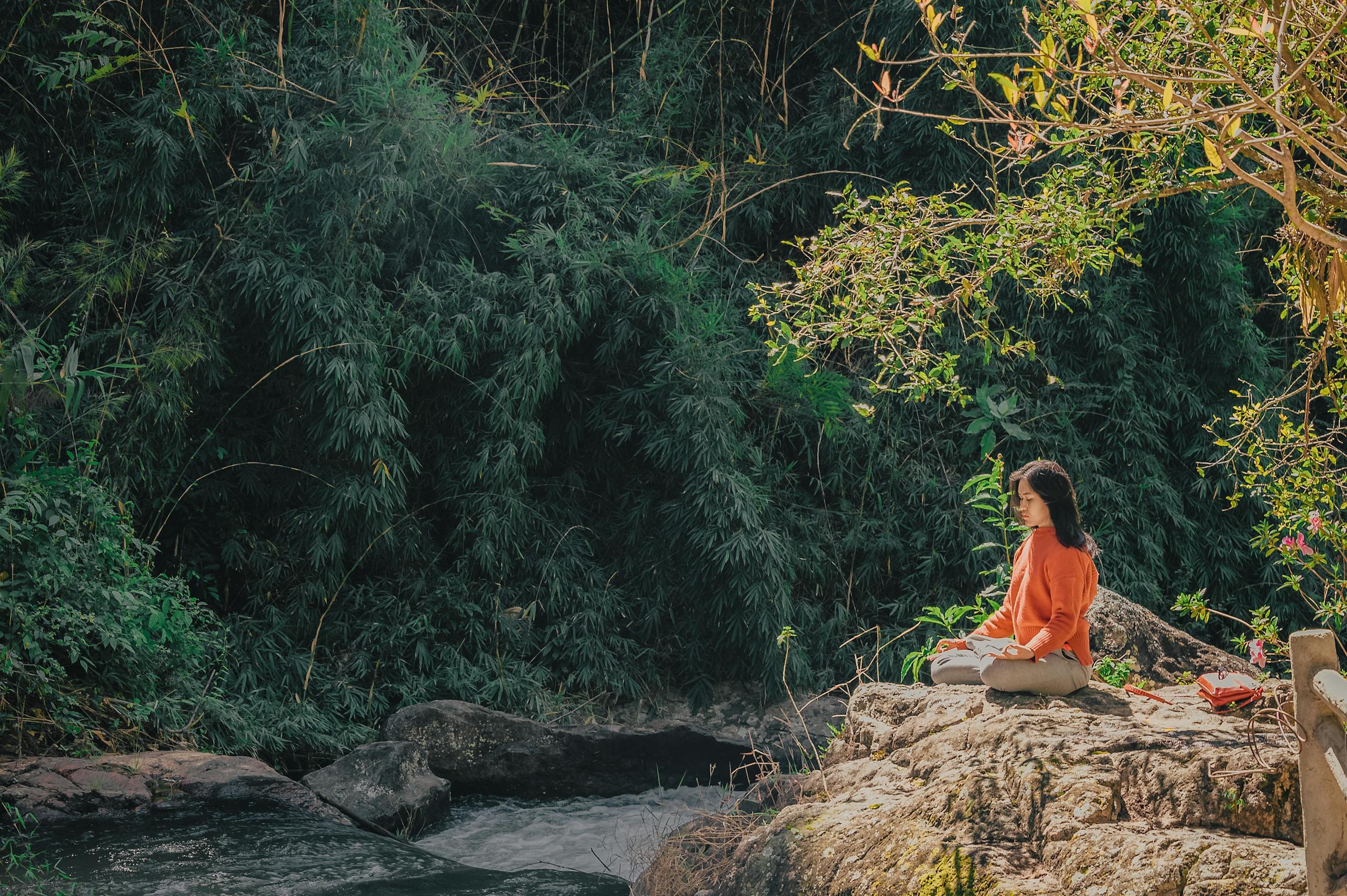
One of the most powerful forms of solitude for many introverts is time in nature. There’s something about natural environments that provides stimulation without social pressure, sensory richness without the cognitive load of human interaction. The healing quality of nature connection for sensitive people is well-documented in both personal experience and psychological observation. A walk in the woods hits differently than a walk through a crowded city block, even if the physical exertion is identical.
I’ve had clients, Fortune 500 executives who were introverts quietly managing enormous organizations, tell me that their most reliable form of recovery was a weekly hike. Not a luxury, not an indulgence, a strategic practice that kept them functional. One woman who ran a global marketing division for a consumer goods brand told me she blocked two hours every Sunday morning for a solo trail run. Her assistant knew not to schedule calls before noon on Sundays. That protected time was what made the rest of her week possible.
There’s also the question of what introverts do with their alone time when they have it. Some read. Some write. Some cook or make things with their hands. Some, and I count myself in this group, simply think. They sit with their own thoughts in a way that feels purposeful even when it looks like nothing is happening. That kind of reflective solitude is deeply restorative and often the hardest to explain to people who experience silence as uncomfortable rather than nourishing.
Even the company of a pet can provide a particular kind of solitude, presence without social demand. I’ve written about this in a more personal piece about time alone with Mac, my dog, who has an uncanny ability to provide companionship that doesn’t require anything from me conversationally. There’s something genuinely restorative about that kind of relationship.
Why Do Introverts Feel Guilty About Wanting to Be Alone?
This is one of the more painful aspects of being an introvert in a culture that treats sociability as a virtue. Many introverts carry a persistent low-grade guilt about their need for solitude, as if wanting time alone is a form of rejection, selfishness, or social failure. That guilt often starts early and gets reinforced throughout a lifetime of being told to come out of your shell, to be more outgoing, to join in.
By the time I was running my own agency, I’d internalized a lot of that messaging. I believed, genuinely believed for a long time, that my need for solitude was a weakness I needed to manage rather than a legitimate aspect of how I was built. So I’d push through. I’d schedule the dinners and attend the networking events and stay at the office parties longer than I wanted to. And I’d pay for it in the days that followed, less sharp, less creative, less present for the people and work that actually mattered.
What shifted was understanding that the guilt was based on a false premise. Wanting solitude doesn’t mean you don’t value other people. It means you understand what you need to show up as your best self for those people. An introvert who never takes time alone doesn’t become more connected. They become depleted, and depletion doesn’t serve anyone.
There’s also a sleep dimension to this that doesn’t get discussed enough. Introverts who don’t get adequate solitude often find that their sleep quality suffers, because the mind that hasn’t had quiet during the day tries to process everything at night. The specific challenges around rest and recovery for sensitive people often trace back to insufficient solitude during waking hours. The mind needs to process somewhere, and if it can’t do it during the day, it does it at 2 AM instead.
How Can Introverts Protect Their Need for Solitude Without Isolating Themselves?
This is the practical question, and it’s one most introverts are quietly working out throughout their adult lives. success doesn’t mean disappear from the world. It’s to build a life that includes enough solitude to stay genuinely present in it.
A few things have worked consistently well, both in my own experience and in conversations with introverts across many professional contexts.
Name what you need without apologizing for it. This was the hardest shift for me personally. I spent years offering elaborate explanations for why I needed to leave events early or why I preferred not to schedule back-to-back meetings. At some point I stopped explaining and started simply stating. “I work better with some quiet time in the mornings” is a complete sentence. It doesn’t require a defense.
Build solitude into your schedule before the week fills up. If you wait until you’re depleted to seek alone time, you’re already behind. Introverts who protect their solitude proactively, who block time on their calendars the way they’d block time for any important commitment, tend to function at a consistently higher level than those who treat alone time as something they’ll get to eventually.
Communicate your needs to the people closest to you. This matters enormously in both personal and professional relationships. My most productive working relationships were with people who understood that my quietness wasn’t disengagement, that my preference for written communication over impromptu conversations wasn’t avoidance, and that my need for processing time before responding wasn’t indecision. Once those things were understood, the relationship could work with my nature rather than against it.
A 2022 analysis published in PubMed Central examined how intentional solitude supports self-regulation and psychological wellbeing, finding that people who deliberately sought alone time for restorative purposes reported stronger overall functioning than those whose solitude was incidental or unwanted. Choosing your solitude, and protecting it, makes a measurable difference.
Additional research in PubMed Central’s archives has explored how solitude functions as a regulatory strategy across different personality profiles, with introverts showing particular benefit from deliberate alone time as a buffer against social overstimulation. The pattern is consistent: chosen solitude isn’t a retreat from life. It’s what makes sustained engagement with life possible.
What About Introverts Who Travel Alone?
Solo travel deserves its own mention because it represents one of the purest expressions of the introvert’s relationship with solitude. Traveling alone means complete control over your schedule, your pace, your level of social engagement, and your moments of quiet. For many introverts, it’s among the most restorative experiences available.
Psychology Today has examined solo travel as a deliberate lifestyle choice rather than a circumstantial one, noting that many people who travel alone do so specifically because it allows them to engage with the world on their own terms. That resonates with what I hear from introverts who make solo travel a regular practice. It’s not that they can’t travel with others. It’s that traveling alone offers something fundamentally different: the experience of being fully present with a place without the social management that traveling with others requires.
I took my first solo trip, a four-day drive along the California coast, in my early fifties. I’d spent decades traveling for work, always with colleagues or clients, always “on.” This was different. I ate when I was hungry, stopped when something caught my attention, and spent entire evenings reading without anyone to check in with. It was revelatory. Not because I don’t value the people in my life, but because I’d forgotten what it felt like to be entirely in my own company for an extended stretch. I came home clearer and more present than I’d been in years.
Is the Desire for Solitude Something to Embrace or Manage?
Embrace it. Full stop. The framing of introversion as something to manage, to work around, to compensate for, has done enormous damage to introverts who’ve spent their lives trying to be something they’re not. The desire for solitude isn’t a symptom. It’s a signal from a mind that knows what it needs.
Psychology Today’s work on embracing solitude for health makes a compelling case that intentional alone time contributes to emotional clarity, reduced anxiety, and stronger self-awareness. These aren’t small benefits. They’re foundational to functioning well in every area of life.
What I’ve come to understand, later than I’d like to admit, is that my introversion isn’t the obstacle I spent years treating it as. My capacity for deep solitary thinking, my preference for processing before speaking, my need for quiet as a precondition for good work, these aren’t liabilities. They’re the conditions under which I do my best thinking, lead most effectively, and show up most genuinely for the people who matter to me.
The desire for solitude, honored and protected, doesn’t make introverts less connected to the world. It makes them more capable of engaging with it meaningfully when they do. That’s worth understanding, worth defending, and worth building your life around.
There’s much more to explore on this topic, including practical strategies and personal stories from introverts at every stage of life. Our complete Solitude, Self-Care & Recharging hub is a good place to keep reading.
About the Author
Keith Lacy is an introvert who’s learned to embrace his true self later in life. After 20 years in advertising and marketing leadership, including running agencies and managing Fortune 500 accounts, Keith now channels his experience into helping fellow introverts understand their strengths and build fulfilling careers. As an INTJ, he brings analytical depth and authentic perspective to every article, drawing from both professional expertise and personal growth.
Frequently Asked Questions
Why do introverts crave solitude so strongly?
Introverts crave solitude because their minds process stimulation differently than extroverts. Social interaction, even enjoyable interaction, draws on cognitive and emotional resources that need time to replenish. Solitude provides the mental quiet necessary for that recovery to happen. It’s not a preference so much as a neurological need, the way sleep isn’t just a preference but a biological requirement for functioning well.
Is wanting to be alone a sign of depression or social anxiety?
Not inherently. Choosing solitude and experiencing depression or social anxiety are distinct experiences. Introverts who seek alone time typically feel satisfied and restored by it, not distressed. Depression often involves a loss of interest in things that previously brought pleasure, including solitude. Social anxiety involves fear of social situations rather than simply preferring to avoid them. If solitude feels like relief and restoration, that’s a healthy introvert pattern. If it feels like hiding or escape from overwhelming fear, that’s worth exploring with a professional.
How much alone time do introverts actually need?
There’s no universal answer, and the amount varies significantly depending on the intensity of social demands during any given period. Some introverts need an hour of quiet each evening to stay balanced. Others need longer stretches, particularly after high-intensity social weeks. The most reliable indicator is your own experience: when you feel mentally foggy, irritable, or creatively blocked, inadequate solitude is often a contributing factor. Paying attention to that pattern over time gives you a clearer sense of your own threshold.
Can introverts be in relationships while still needing a lot of solitude?
Absolutely, and many introverts build deeply fulfilling relationships while maintaining significant alone time. What makes this work is communication. Partners who understand that an introvert’s need for solitude isn’t a reflection of how they feel about the relationship are far less likely to interpret it as rejection. Many introverts and their partners develop specific arrangements: mornings alone, one evening per week that’s self-directed, or simply a clear understanding that quiet time is a need rather than a mood. Relationships that accommodate introversion tend to be stronger, because the introvert can show up fully when they are present.
How can introverts get more solitude in busy or open-plan work environments?
Open-plan offices are genuinely challenging for introverts, and the solutions require some creativity. Noise-canceling headphones create a functional boundary that most colleagues learn to respect. Booking a conference room for focused work periods, even when no meeting is scheduled, provides physical separation. Starting the workday earlier or staying later than peak office hours can carve out quiet stretches. Working from home on days when deep concentration is the priority, where that’s possible, makes a substantial difference. The broader point is that introverts in demanding work environments often need to be proactive and intentional about creating solitude rather than waiting for it to happen naturally.