
Alone time is one of those phrases that sounds simple until you try to explain it to someone who doesn’t need it the way you do. At its core, another way to say alone time is solitude: a chosen state of being with yourself that restores your energy, sharpens your thinking, and lets you process the world without external noise pulling you in every direction. But for many introverts, it’s also something harder to name, something closer to a biological necessity than a preference.
What makes this worth exploring is that the words we use for alone time carry weight. They shape how we ask for it, how we protect it, and whether we feel entitled to it at all. Call it solitude and it sounds philosophical. Call it recharging and it sounds practical. Call it withdrawal and suddenly you’re on the defensive. The language matters more than most people realize.

If you’ve ever struggled to explain why you need time to yourself without sounding antisocial or broken, this is worth sitting with. There are more ways to describe this experience than most of us were ever given, and finding the right one can change how you relate to your own needs.
Much of what I write about here connects to a broader conversation about what it actually looks like to care for yourself as an introvert. Our Solitude, Self-Care & Recharging hub pulls together the full range of that conversation, from daily practices to the deeper science of why introverts recharge differently than extroverts do.
Why Does the Phrase “Alone Time” Feel Like an Apology?
Early in my agency career, I noticed something uncomfortable about the way I talked about my need for space. A colleague would suggest grabbing drinks after a client presentation, and instead of saying “I need to decompress alone,” I’d say something vague like “I’ve got some things to take care of.” It was technically true. The thing I needed to take care of was myself. But I couldn’t say that without feeling like I owed an explanation.
What’s your personality type?
Take our free 40-question assessment and get a detailed personality profile with dimension breakdowns, context analysis, and personalised insights.
Discover Your Type8-12 minutes · 40 questions · Free
That pattern followed me for years. Saying “I need alone time” felt like admitting a weakness in a culture that treated constant availability as a virtue. The advertising world I worked in ran on energy, presence, and the performance of enthusiasm. Needing quiet wasn’t something you advertised.
What I’ve come to understand is that the phrase itself carries a kind of social awkwardness built in. “Alone” implies absence. It’s defined by what it lacks rather than what it provides. No wonder so many introverts frame their need for solitude as a negative, as avoiding something, rather than moving toward something they genuinely need.
The language shift matters practically. When I started calling it “processing time” or “reset time” in my own head, something loosened. It stopped feeling like a confession and started feeling like a reasonable human requirement. Which, of course, it always was.
What Are the Different Ways to Describe Alone Time?
There are more words for this experience than most of us reach for, and each one captures a slightly different dimension of what’s actually happening when an introvert retreats into solitude.
Solitude is probably the most dignified version. It carries a long philosophical tradition behind it, from Thoreau to Rilke to contemporary psychology. Solitude implies choice and intention. You’re not isolated. You’ve chosen to be with yourself, and there’s a richness in that choice. Berkeley’s Greater Good Science Center has explored how solitude can deepen creative thinking, not by removing stimulation but by giving the mind space to connect ideas without interruption.
Downtime suggests recovery. It’s what you do after exertion, which is accurate for introverts who’ve spent hours being “on” in meetings, presentations, or social situations. The phrase carries no stigma because everyone understands that systems need downtime. People need it too.
Recharging has become the go-to introvert vocabulary word, and for good reason. It’s mechanical in a way that makes the need feel obvious rather than personal. Phones recharge. Laptops recharge. Nobody questions whether a battery needs to be plugged in. The metaphor does useful work.
Quiet time softens the edges. It sounds gentler, less about withdrawal and more about atmosphere. It’s the phrase I’ve used when explaining to team members why I’d close my office door for an hour after a particularly dense morning of back-to-back calls.
Personal space shifts the frame toward environment rather than activity. It’s less about what you’re doing and more about the conditions you need around you.
Decompression time is what I started using internally during my agency years. It acknowledged that social situations created pressure, and that pressure needed somewhere to go. It felt honest without requiring a personality explanation.
Restoration might be the most accurate of all. It implies that something real was spent and needs to be rebuilt. That’s exactly what happens when an introvert has been in high-stimulation environments for extended periods. Research published in PMC suggests that voluntary solitude is associated with positive emotional outcomes, particularly when it’s freely chosen rather than imposed. Restoration is what that choice makes possible.

What strikes me about all these alternatives is that they reframe the experience from absence to action. You’re not hiding. You’re not failing to engage. You’re doing something specific and necessary for yourself.
Is Alone Time the Same as Loneliness?
One of the most persistent misunderstandings about introverts is that needing solitude means being lonely, or worse, that it leads to loneliness. The two experiences are fundamentally different, and conflating them creates a lot of unnecessary confusion, both for introverts trying to explain themselves and for the people around them trying to understand.
Loneliness is a painful awareness of disconnection. It’s wanting contact and not having it. Solitude is the opposite: wanting space and having it. One is a deficit. The other is a resource.
Harvard Health has written thoughtfully about the distinction between loneliness and isolation, pointing out that the psychological harm comes from unwanted disconnection, not from chosen solitude. An introvert who spends a Saturday afternoon alone reading isn’t experiencing loneliness. They’re experiencing something closer to contentment.
I managed a team of twelve at one agency, and I noticed that the extroverts on my team genuinely couldn’t parse this distinction at first. When I’d decline lunch invitations to eat alone at my desk, a few of them seemed concerned. One actually asked if everything was okay at home. She wasn’t being intrusive. She was applying her own internal logic: if she wanted to eat alone, something would have to be wrong.
What I eventually explained, imperfectly but honestly, was that eating alone wasn’t a sign of distress. It was what kept me functional for the afternoon. Without that break, I’d have been running on fumes by three o’clock. With it, I could show up fully for the rest of the day. That framing landed. It made the need practical rather than personal.
The CDC has documented the health risks of social isolation, which are real and worth taking seriously. But social isolation and intentional solitude are not the same thing. One is imposed and unwanted. The other is chosen and restorative. That distinction matters enormously for how introverts understand and communicate their own needs.
What Actually Happens to Introverts Without Enough Alone Time?
There’s a version of this I lived through in my early forties, during a particularly intense stretch of agency growth. We’d landed three major accounts in six months, which sounds like a success story, and it was, but it also meant I was in client meetings, internal reviews, pitch presentations, and team check-ins almost continuously for weeks at a stretch.
I didn’t recognize what was happening at first. I thought I was tired in the ordinary sense, the kind of tired that sleep fixes. But I was sleeping fine and still waking up feeling depleted. My thinking felt slower. My patience with ambiguity, usually one of my strengths as an INTJ, was almost gone. Small decisions that I’d normally make quickly started feeling enormous.
What I was experiencing was the cumulative effect of sustained social overstimulation without adequate recovery. The pattern of what happens when introverts don’t get alone time is more specific than general exhaustion. It tends to show up as irritability, difficulty concentrating, a flattening of emotional responsiveness, and sometimes a kind of cognitive fog that makes creative thinking feel impossible.
What finally broke the cycle wasn’t a vacation. It was a single afternoon I blocked on my calendar with no meetings, no calls, and no obligations. I sat in my office with the door closed and did nothing that required external engagement. By the end of that afternoon, I felt like myself again in a way I hadn’t in weeks.
That experience changed how I managed my calendar permanently. Alone time stopped being something I hoped would appear in the gaps between obligations. It became something I scheduled with the same seriousness as client meetings.

How Do Highly Sensitive People Experience Alone Time Differently?
Not every introvert is a highly sensitive person, and not every highly sensitive person is an introvert, but there’s significant overlap, and the way HSPs experience alone time has its own particular texture.
Where an introvert might need solitude primarily to recover from social stimulation, an HSP often needs it to process a much wider range of input: emotional undercurrents in a conversation, physical sensory overload, the weight of other people’s moods absorbed throughout the day. The need for alone time is often more urgent and more layered.
HSP solitude carries its own essential quality that goes beyond what most people think of when they hear “alone time.” It’s not just about quiet. It’s about creating enough internal space to sort through everything that’s been taken in, often without the person even realizing they were absorbing it.
One of the most effective forms of alone time for HSPs tends to involve nature, which has its own kind of sensory input but without the social complexity. The healing dimension of nature for HSPs is something I’ve watched play out with people I’ve worked with over the years. A walk in a park after a difficult client meeting does something that sitting in a quiet office doesn’t quite replicate. There’s a quality of natural stimulation that restores rather than depletes.
Research in Frontiers in Psychology has examined how solitude functions differently across personality types, with particular attention to the conditions that make it restorative versus isolating. For HSPs and introverts alike, the quality of alone time matters as much as the quantity.
Sleep is another dimension of this that often gets overlooked. HSP sleep and recovery strategies deserve their own attention because the nervous system processing that happens during rest is a form of alone time in itself. The hours of sleep aren’t just physical recovery. They’re when the mind integrates and releases what the day brought in.
Can Alone Time Be Structured Into a Daily Practice?
One of the most practical shifts I ever made was treating alone time as a non-negotiable part of my daily structure rather than something I’d get to when everything else was handled. Everything else was never handled. There was always another call, another deliverable, another person who needed something. Waiting for space to appear meant it rarely did.
What worked for me was building it into the architecture of the day in small, protected increments. Thirty minutes in the morning before checking email. A genuine lunch break taken alone at least three days a week. Twenty minutes after the workday ended before transitioning into the evening. None of these were dramatic. Together, they were enough to keep me functioning at the level my work required.
Daily self-care practices for HSPs and introverts often look like this in practice: small, consistent, deliberately protected. Not a grand retreat once a quarter but a series of small recoveries woven through ordinary days.
The language you use internally matters here too. If you think of these breaks as “wasting time” or “being antisocial,” you’ll unconsciously resist them or feel guilty during them, which defeats the purpose entirely. Calling it restoration, calling it processing time, calling it whatever phrase honestly reflects what it does for you, changes the internal relationship to the practice.
Psychology Today has explored how embracing solitude as a health practice rather than a personality quirk shifts both the experience and the outcomes. When you approach alone time as something you’re doing for your wellbeing rather than something you’re doing instead of engaging with the world, the quality of that time changes.
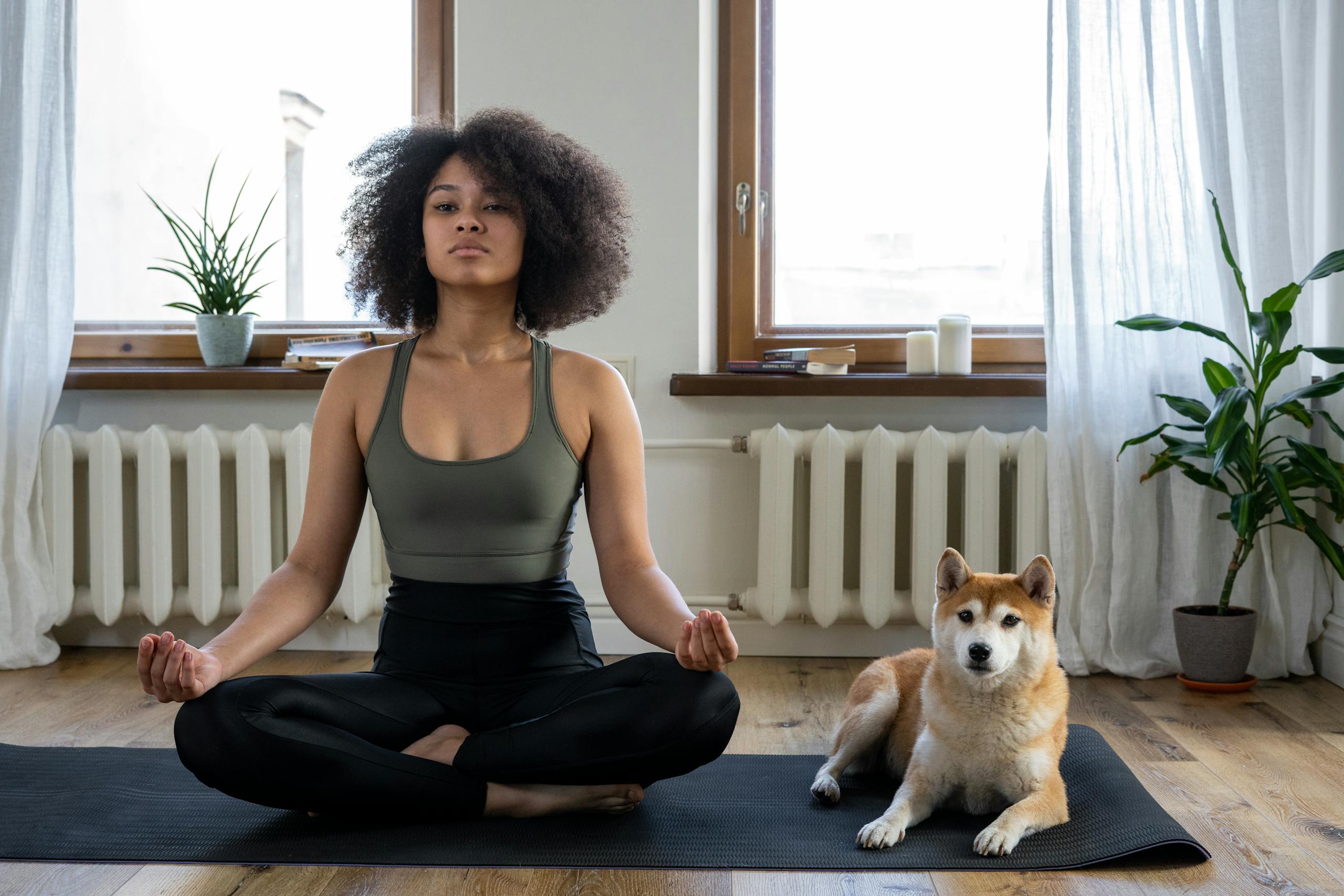
How Do You Ask for Alone Time Without Explaining Your Entire Personality?
This is where a lot of introverts get stuck. The need is clear internally. Communicating it externally without triggering concern, guilt, or a lengthy conversation about introversion is a different skill entirely.
What I’ve found most effective is language that’s honest without being exhaustive. You don’t owe anyone a full personality debrief. You owe them enough information to understand what you need and why it’s reasonable.
“I need some time to decompress” is specific enough to be meaningful and general enough not to require explanation. “I’m going to take a quiet evening tonight” communicates the plan without framing it as rejection. “I work better when I have some processing time built in” is useful in professional contexts because it connects the need to a concrete outcome the other person cares about.
With partners and close family, a bit more honesty tends to help. Explaining that alone time isn’t about them, that it’s about refilling something that gets spent in social engagement, can reframe what might otherwise feel like distance. The concept of “Mac alone time” captures something real about how introverts relate to their pets and home environments as part of this recharging process, and it’s worth exploring if you’ve ever wondered why your cat or dog feels like the perfect company when you need to decompress.
The boundary-setting piece of this is something I worked on for years. As an INTJ, I’m not naturally inclined toward long emotional explanations, which sometimes meant I communicated my need for space in ways that felt abrupt to others. Learning to give a brief, warm explanation rather than a curt “I need to be alone” made a significant difference in how the people around me received it.
Research on solitude and social functioning suggests that people who can clearly articulate their need for alone time tend to experience less conflict around it than those who either avoid the conversation or over-explain. A simple, confident statement lands better than an apologetic one.
Does Alone Time Look the Same for Every Introvert?
Not even close. And one of the more interesting things about spending time in introvert communities and writing about this topic is seeing how differently people describe what actually restores them.
Some introverts need complete silence and stillness. Others find that solo travel, moving through the world without social obligation, does the same work. Psychology Today has examined solo travel as a restorative practice, noting that moving through new environments alone can provide stimulation without social demand, which is a particular kind of sweet spot for many introverts.
Some people find alone time in creative work: writing, drawing, playing music, cooking something elaborate. The activity provides enough structure to quiet the internal noise while the solitude provides enough space to actually hear yourself think.
Others, myself included at certain points in my career, find that physical movement alone serves this function. Running without headphones. A long drive with no destination. Walking through a neighborhood at a pace slow enough to actually notice things. The body engaged, the social self offline.
What matters isn’t the specific form. What matters is that the activity doesn’t require you to perform, respond, or manage anyone else’s experience. The defining feature of restorative alone time isn’t the absence of stimulation. It’s the absence of social demand.
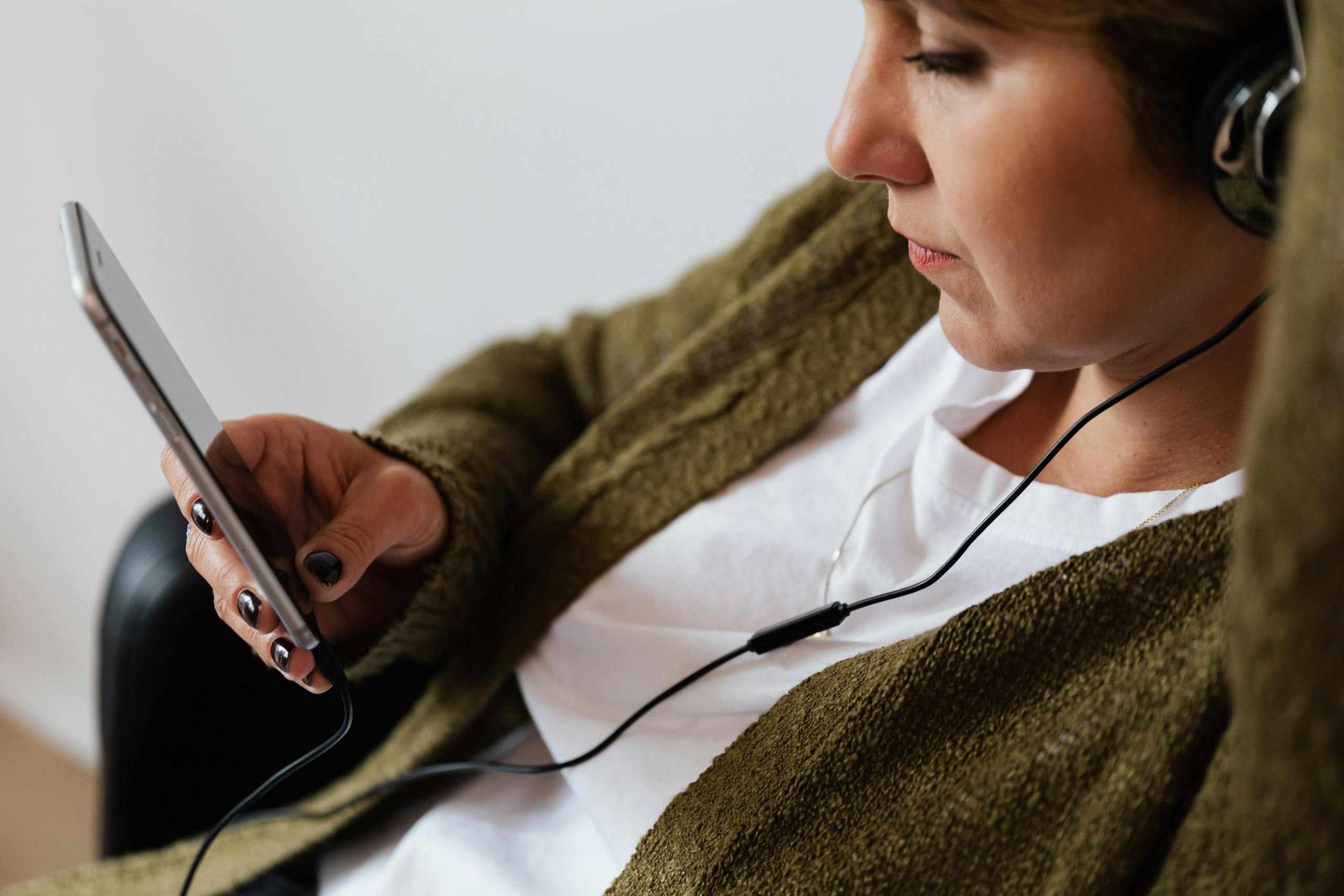
There’s also a temporal dimension that varies. Some introverts need long, uninterrupted stretches. Others do well with frequent short breaks. Understanding your own rhythm, rather than adopting someone else’s prescription for how alone time should look, is part of what makes it actually work.
If you want to explore more of what this looks like in practice, across daily habits, sleep, nature, and the deeper psychology of solitude, the full Solitude, Self-Care & Recharging hub is where I’d point you next.
About the Author
Keith Lacy is an introvert who’s learned to embrace his true self later in life. After 20 years in advertising and marketing leadership, including running agencies and managing Fortune 500 accounts, Keith now channels his experience into helping fellow introverts understand their strengths and build fulfilling careers. As an INTJ, he brings analytical depth and authentic perspective to every article, drawing from both professional expertise and personal growth.
Frequently Asked Questions
What is another way to say alone time?
There are many alternatives depending on the context and what you want to emphasize. Solitude focuses on the chosen, peaceful quality of the experience. Recharging emphasizes energy recovery. Decompression time highlights the release of social pressure. Quiet time softens the framing. Restoration captures the rebuilding aspect. Each phrase carries a slightly different connotation, and finding the one that resonates with your own experience can make it easier to ask for what you need without feeling like you’re explaining a character flaw.
Is needing alone time a sign of introversion?
Needing alone time is strongly associated with introversion, but it’s not exclusive to introverts. Highly sensitive people, whether introverted or extroverted, often need significant solitude to process the stimulation they absorb throughout the day. Even some extroverts benefit from occasional solitude, though they typically reach for it less frequently and for shorter periods. For introverts, the need tends to be more consistent and more central to basic functioning, not a nice-to-have but a genuine requirement for sustained wellbeing and effectiveness.
How is alone time different from loneliness?
Alone time and loneliness are fundamentally different experiences, even though both involve being by yourself. Loneliness is an unwanted state: you want connection and don’t have it, which creates genuine psychological pain. Alone time, particularly for introverts, is a chosen state that produces the opposite of pain. It’s restorative, clarifying, and often deeply satisfying. The difference lies entirely in whether the solitude is wanted. Chosen solitude tends to support wellbeing. Imposed isolation, where you want contact and can’t access it, is what carries real risk.
How much alone time do introverts actually need?
There’s no universal answer because the need varies significantly between individuals and across different life circumstances. Some introverts function well with an hour of solitude each day. Others need several hours. The intensity of social demands also affects the equation: a day of back-to-back meetings requires more recovery than a day of mostly solo work. A useful starting point is to notice when you feel most depleted and trace back what preceded that feeling. Over time, patterns emerge that give you a clearer picture of your own rhythm and what your baseline requirement actually is.
How do you explain your need for alone time to people who don’t understand it?
The most effective approach tends to be brief, honest, and outcome-focused rather than personality-focused. Instead of explaining introversion theory, try connecting the need to a result the other person can understand: “I recharge best with some quiet time, and it helps me show up more fully afterward.” With close relationships, a bit more transparency about how social engagement spends energy for you, and how solitude rebuilds it, can help partners and family members understand that the need isn’t about them. Confident, warm communication lands better than apologetic or overly detailed explanations.